EduNinja
[Maximum number: 5]

Enzymes are used in genetic engineering.

(a)

The process of genetic engineering often starts with the steps shown in Fig. 1.1.

Question image
Question image
Fig. 1.1

Fig. 1.1

[ 3 ]
(i)

State the name of enzyme 1 in step 2 of Fig. 1.1.

[ 1 ]
(ii)

Describe the effect of enzyme 1 on the DNA molecule in step 3.

[ 2 ]
(b)

Another enzyme, enzyme 2, is used later in the process of genetic engineering.
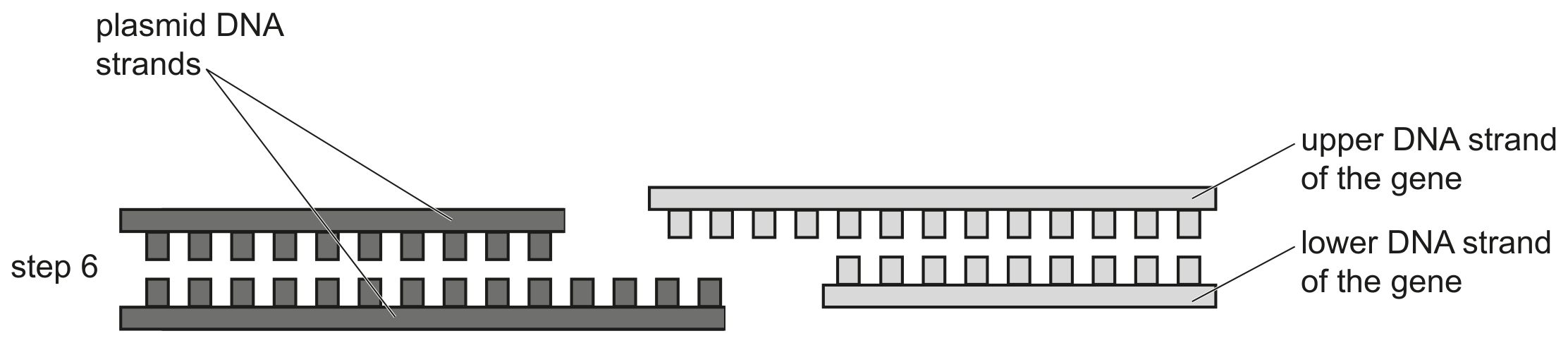
Fig. 1.2 is a diagram showing the action of enzyme 2.

Fig. 1.2 is a diagram showing the action of enzyme 2.

step 7
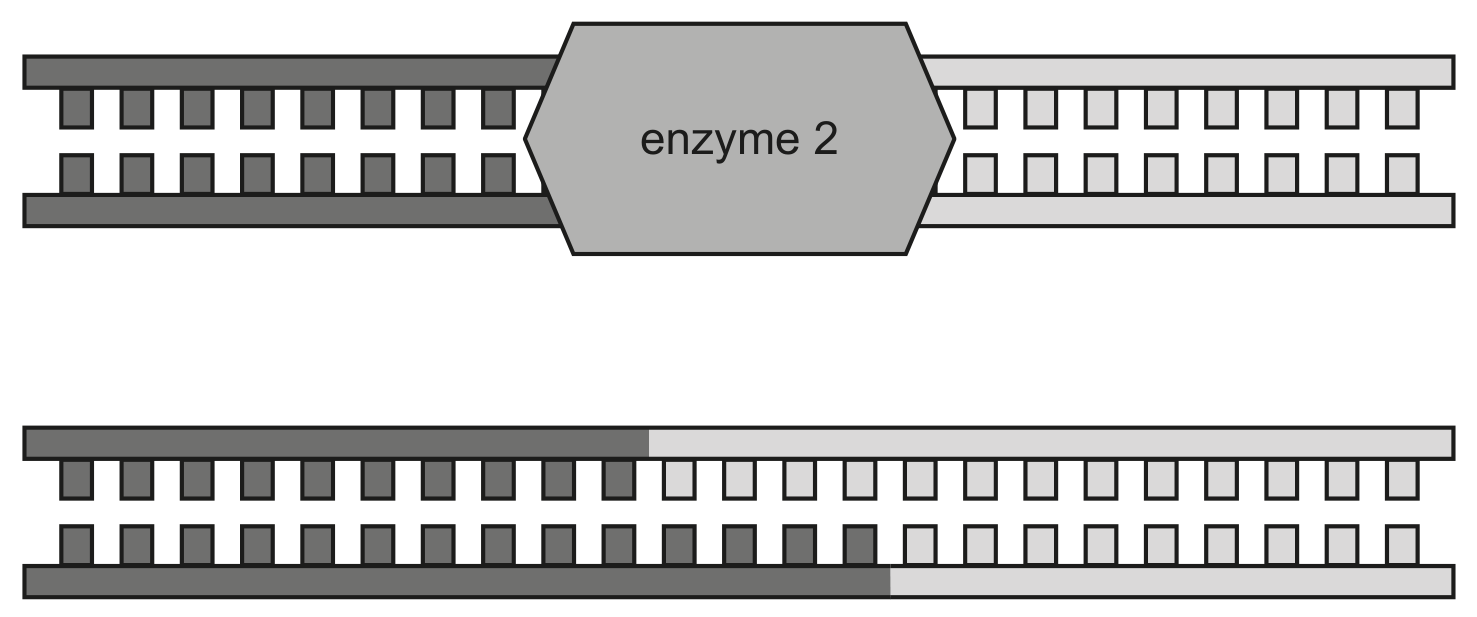
Fig. 1.2

Fig. 1.2

step 8

[ 2 ]
(i)

State the name of enzyme 2 in step 7 of Fig. 1.2.

[ 1 ]
(ii)

State the name of the molecule formed in step 8.

[ 1 ]
(a)

A gene is responsible for the production of lycopene in fruits. Geneticists have recently produced genetically modified pink pineapples using the gene associated with the production of lycopene.

[ 2 ]
(i)

Describe the disadvantages of genetically modifying crops.

[ 2 ]
[Maximum number: 12]

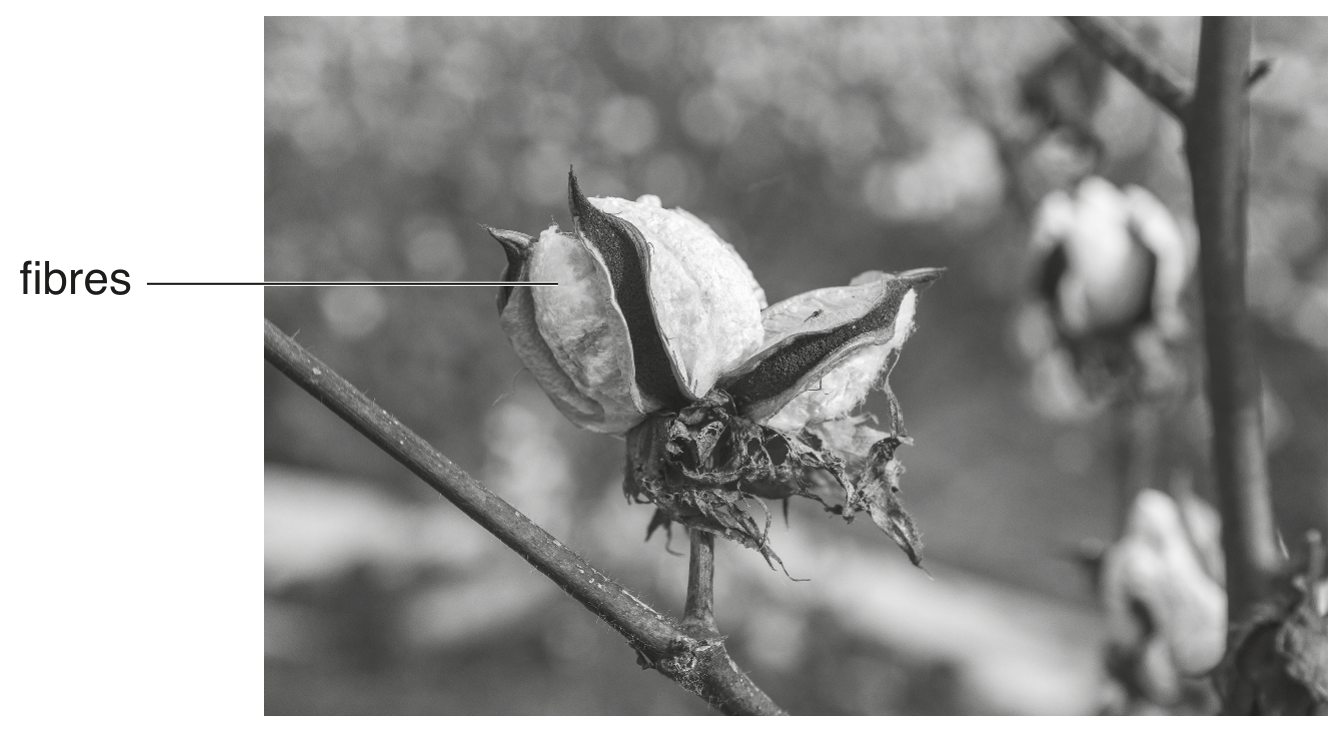
Cotton, Gossypium hirsutum, is grown for the fibres that form within the fruits after fertilisation, as shown in Fig. 3.1.

Fibres from the fruits of cotton plants are used in the textile industry.

Fig. 3.1

Fig. 3.1

Cotton plants have been genetically engineered to produce a protein that is toxic to the caterpillars of several insect pests. This gives the cotton plants resistance to the pests.

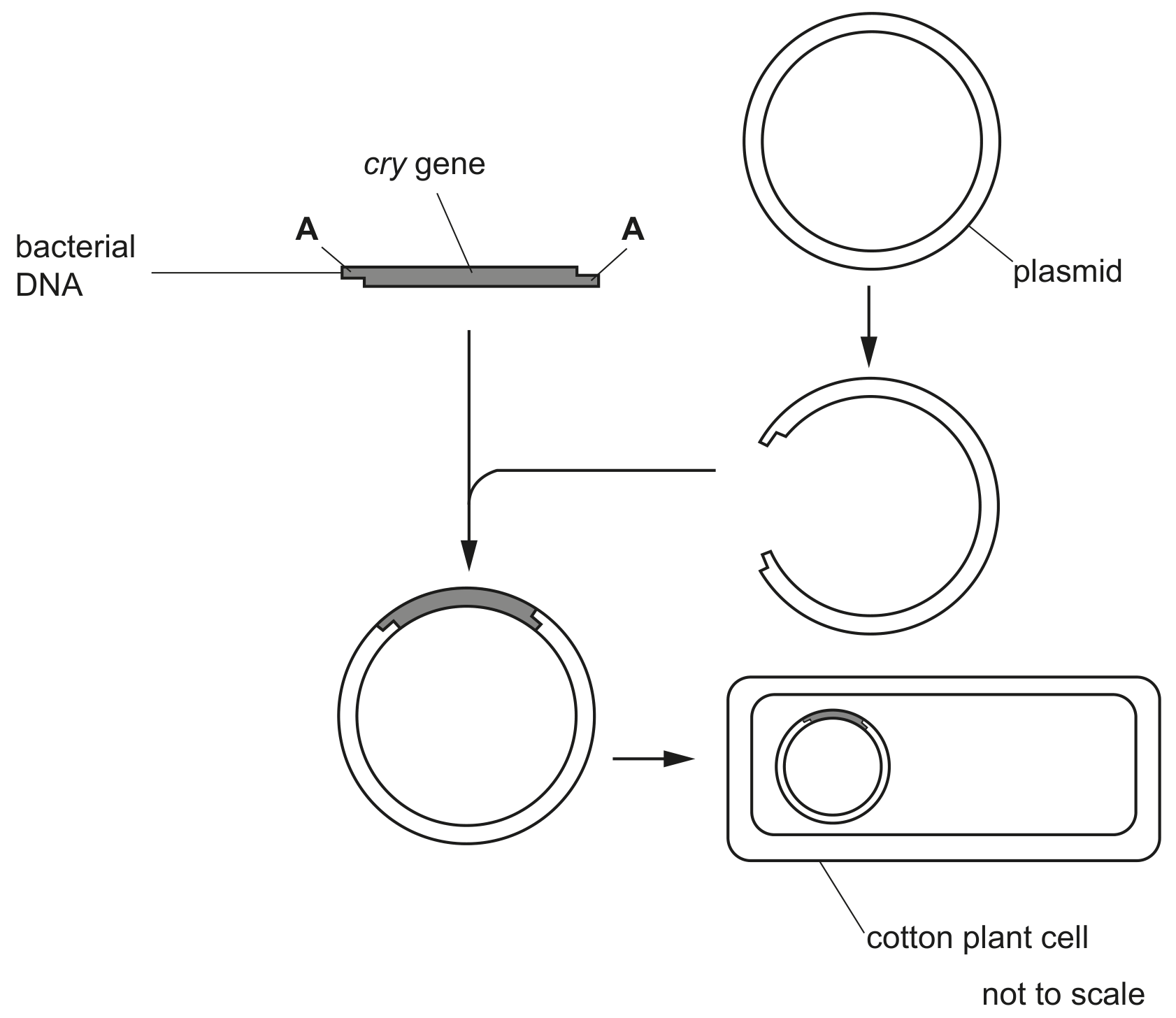
The cry gene for pest resistance was isolated from the bacterium Bacillus thuringiensis and inserted into the cells of cotton plants as shown in Fig. 3.2.

Fig. 3.2

Fig. 3.2

(a)

An enzyme cuts the cry gene from the DNA of B. thuringiensis.

[ 5 ]
(i)

State the name of the enzyme that cuts DNA.

[ 1 ]
(ii)

State the name of the regions labelled A on Fig. 3.2.

[ 1 ]
(iii)

Explain how the DNA is inserted into the plasmid.

[ 3 ]
(b)

The plasmids containing the cry gene are inserted into the cells of cotton plants.

Outline how the cells of cotton plants use the cry gene to make the toxic protein.

[ 4 ]
(c)

Outline the advantages to farmers of growing genetically engineered cotton plants that contain the toxic protein.

[ 3 ]
[Maximum number: 5]

Bacteria are used in many biotechnological processes.

(a)

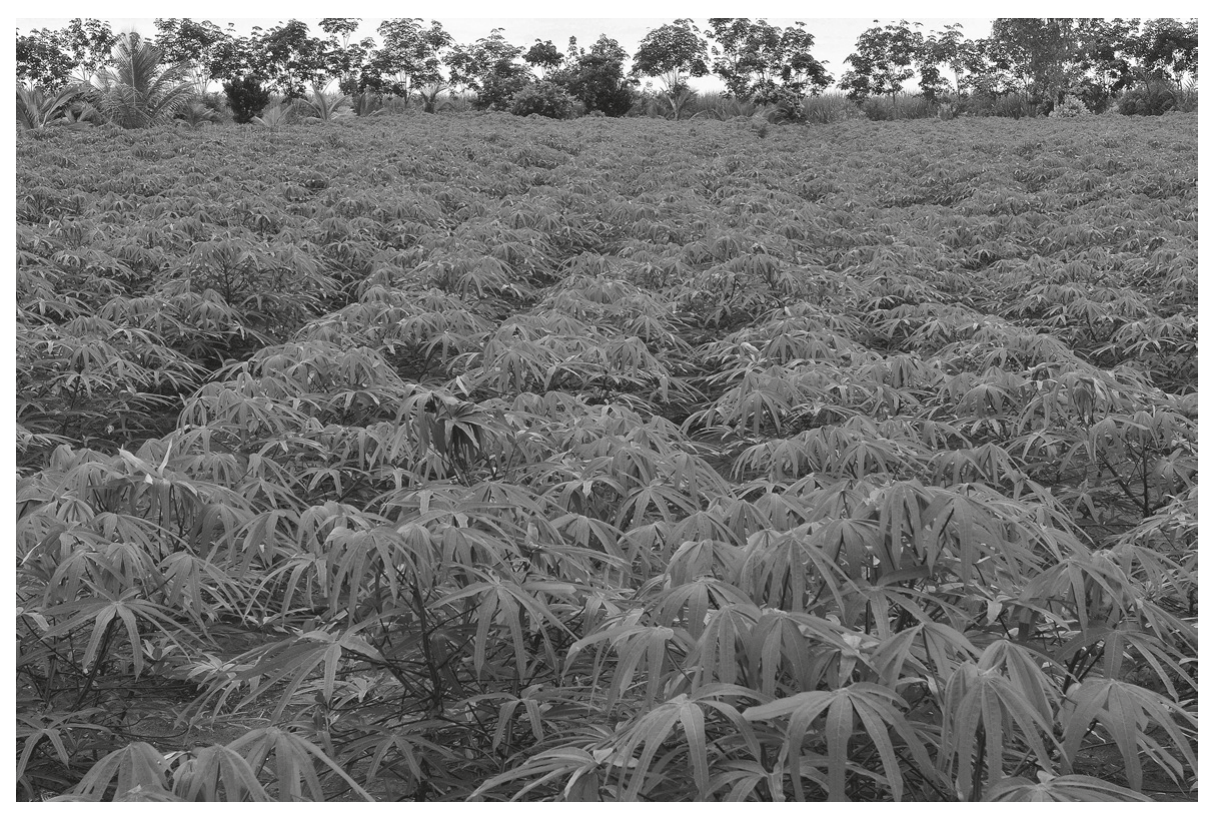
Fig. 3.2 shows a field of cassava, Manihot esculenta, which is a crop plant grown in parts of Africa and Asia.

Fig. 3.2

Fig. 3.2

The plants store starch in their roots, which form a large part of the diet for many people. Cassava does not provide many vitamins or mineral ions.

Genetic engineers have modified cassava to increase its iron content. They have done this by incorporating a gene for a membrane protein from the plant Arabidopsis thaliana.

[ 5 ]
(i)

State the name of the enzyme that is used to cut out the gene from the DNA of A. thaliana.

[ 1 ]
(ii)

Describe how the gene from A. thaliana and the DNA from cassava form recombinant DNA.

[ 2 ]
(iii)

Scientists who develop genetically engineered varieties of crop plants often breed them for several generations before releasing them for farmers to use.

Suggest why the scientists do this.
[Total: 20]

[ 2 ]
(a)
(i)

State the name of structure A in Fig. 5.1.

[ 1 ]
(ii)

In the flow chart, X represents the action of an enzyme on a molecule of DNA.

State the name of this enzyme.

[ 1 ]
(iii)

The TPA gene is inserted into structure A.

Explain how the gene is inserted into structure A to form structure B as shown in Fig. 5.1.

[ 3 ]
(iv)

Before TPA was made by genetically-engineered bacteria it was only available from blood donated by people.

Suggest one advantage of producing TPA by genetically-engineered bacteria.

[ 1 ]
[Maximum number: 1]

Bacteria are useful in genetic engineering because they possess plasmids.
Which statement describes the importance of a plasmid?

A

It is a circle of DNA and human genes can be inserted into it.

B

It is the nucleus of the bacterium and human genes can be inserted into it.

C

It can be destroyed and replaced with human insulin.

D

It is a circle of DNA and human insulin can be inserted into it.

[Maximum number: 1]

Bacteria can be genetically engineered to produce human protein.
What happens during this process?

A

The human plasmids are isolated using restriction enzymes.

B

Ligase is used to create sticky ends in bacterial plasmids.

C

Restriction enzymes are used to create sticky ends in human DNA.

D

Human DNA is isolated using ligase.

[Maximum number: 1]

Ligase enzymes are used in genetic engineering to

A

cut open plasmid DNA.

B

insert plasmids into bacteria.

C

isolate the DNA making up a human gene.

D

join human DNA to plasmid DNA.

[Maximum number: 1]

Human insulin can be produced in large quantities by modified E. coli bacteria.
Four of the steps in this production process are listed.
1 Insulin is removed from the bacterial culture.
2 An enzyme is used to cut out the insulin gene from a human chromosome.
3 The insulin gene is placed into the plasmid of the bacterium.
4 Bacteria with the insulin gene reproduce very rapidly.
What is the order of these steps?

A

12341 \rightarrow 2 \rightarrow 3 \rightarrow 4

B

13421 \rightarrow 3 \rightarrow 4 \rightarrow 2

C

23412 \rightarrow 3 \rightarrow 4 \rightarrow 1

D

41234 \rightarrow 1 \rightarrow 2 \rightarrow 3

[Maximum number: 1]

Genetic engineering involves various stages.
1 human DNA is inserted into bacterial plasmid DNA
2 recombinant plasmid inserted into bacteria
3 restriction enzyme cuts bacterial plasmid DNA
4 restriction enzyme cuts human DNA
What is the correct sequence for genetic engineering?

A

12431 \rightarrow 2 \rightarrow 4 \rightarrow 3

B

23412 \rightarrow 3 \rightarrow 4 \rightarrow 1

C

32413 \rightarrow 2 \rightarrow 4 \rightarrow 1

D

43124 \rightarrow 3 \rightarrow 1 \rightarrow 2

0