(a)
Explain why active transport is important in root hair cells.
[ 3 ]
 EduNinja
Explain why active transport is important in root hair cells.
Fig. 1.1 shows several villi from the ileum, which is part of the small intestine.
Fig. 1.2 shows the tip of a villus in more detail.
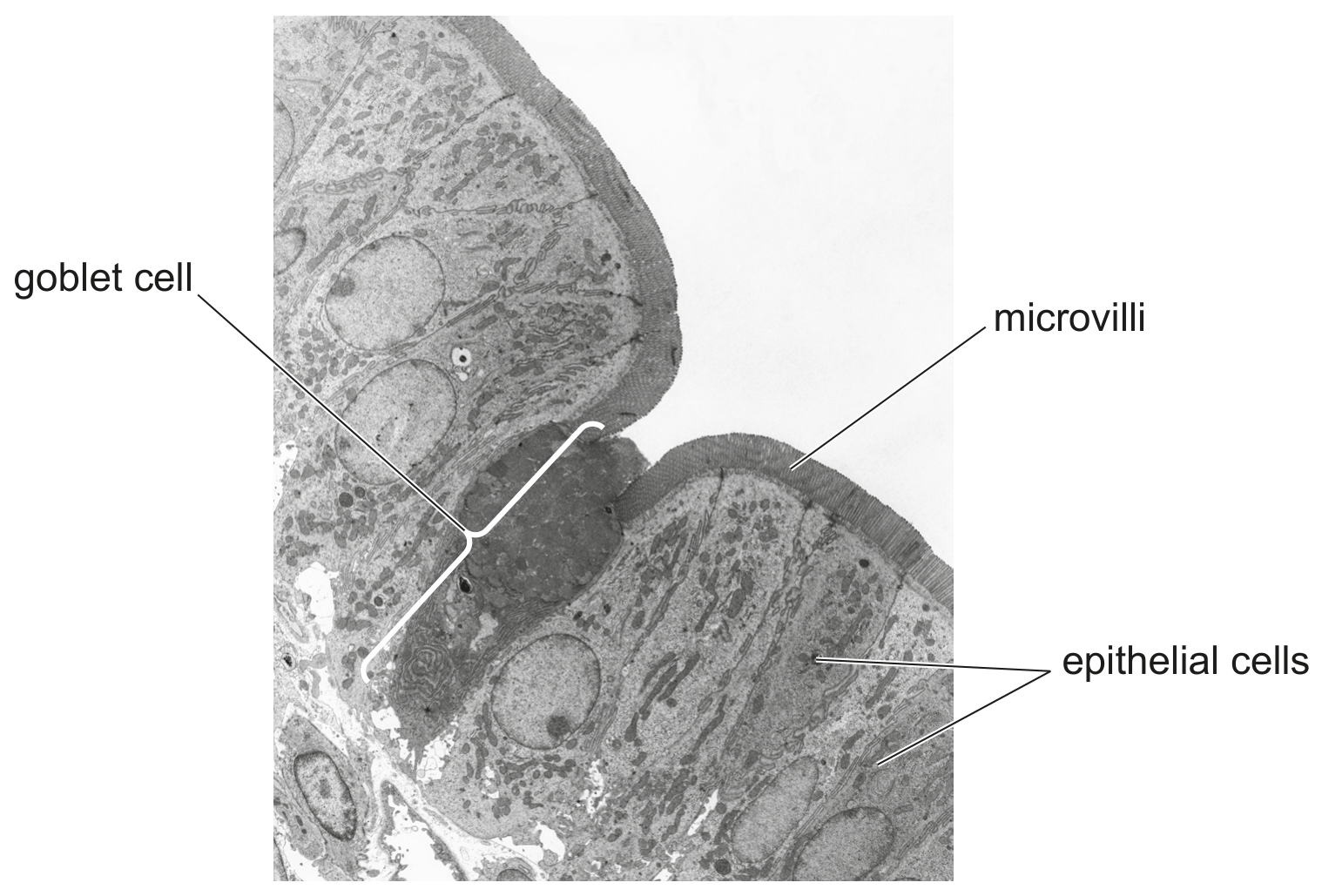
Fig. 1.2
The epithelial cells of the villi absorb nutrients by diffusion and active transport.
Describe how active transport differs from diffusion.
Some examples of substances moving across membranes are listed.
1 glucose molecules into the epithelium that lines the small intestine
2 nitrate ions from a dilute solution in soil into a more concentrated solution in root hair cells
3 water molecules from mesophyll cells into the air spaces of a leaf
For which examples must oxygen be present?
1, 2 and 3
1 and 2 only
1 and 3 only
2 and 3 only
Which process requires energy from respiration?
active transport
diffusion
osmosis
transpiration
Which diagram represents active transport?
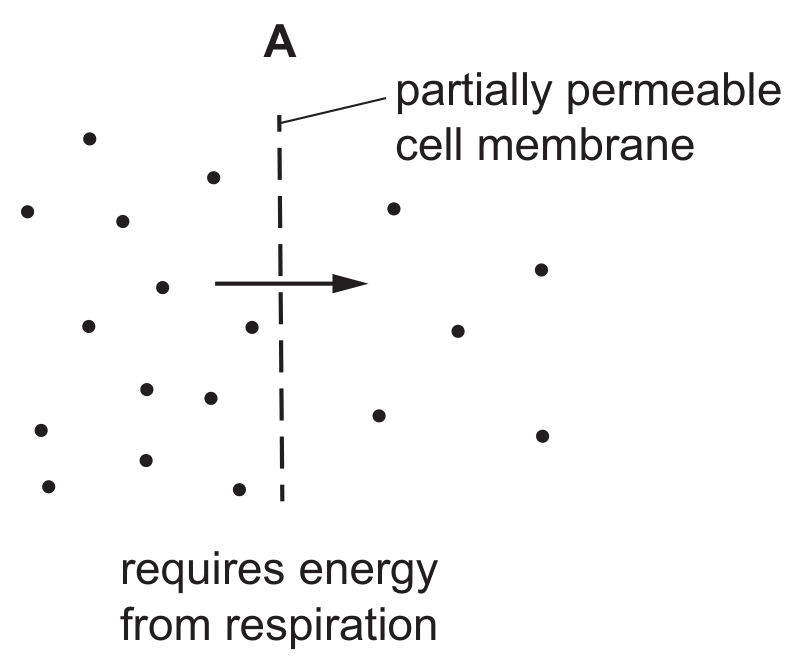
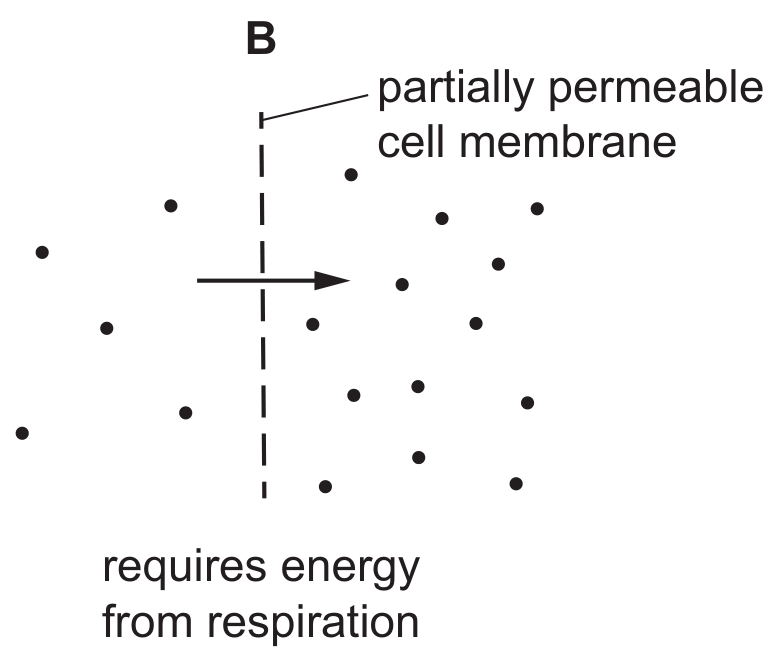
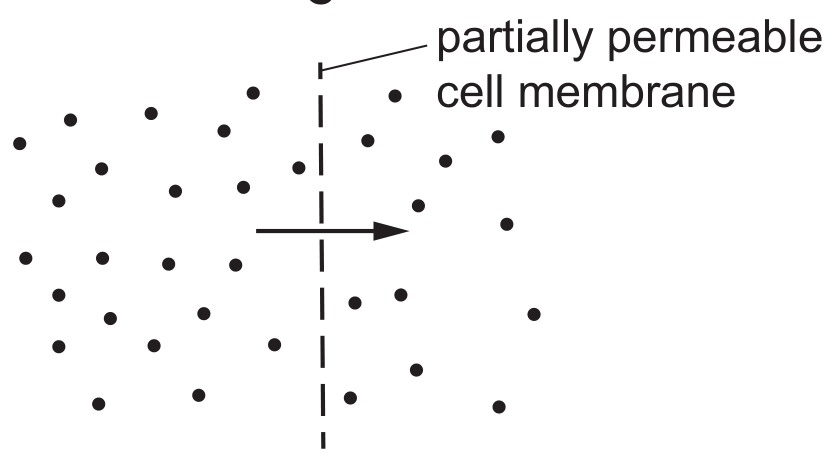
C
does not require energy from respiration
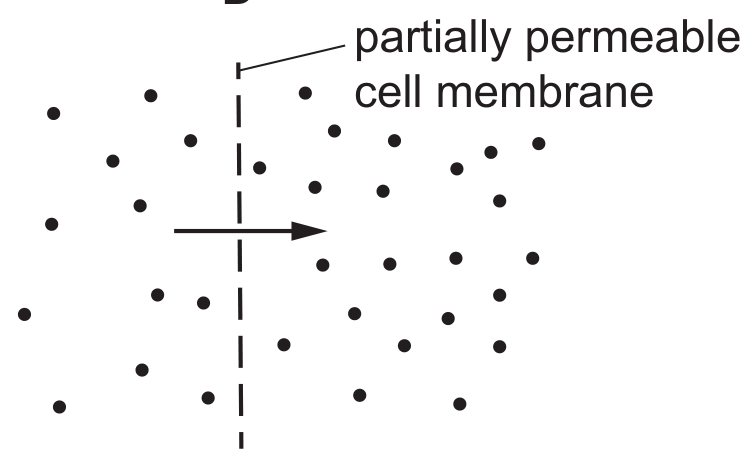
D
does not require energy from respiration
Which statement about diffusion is correct?
The process requires energy from respiration.
The particles must cross a cell membrane.
The net movement of particles is up a concentration gradient.
The process involves the random movement of particles.
Which is an example of active transport?
carbon dioxide entering a leaf
ion uptake by root hair cells
oxygen moving from the alveoli into the blood
water uptake by root hair cells
Which process is involved in the uptake of glucose by the epithelial cells of kidney tubules?
active transport
diffusion
osmosis
transpiration
The diagram shows a root hair cell.
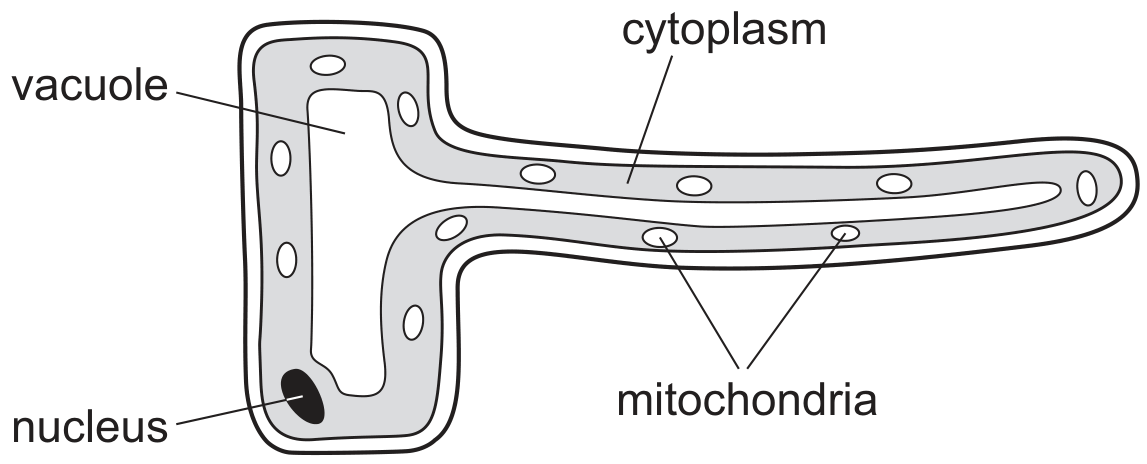
Why does a root hair cell contain a large number of mitochondria?
to provide energy for the absorption of water from the soil
to provide energy for the diffusion of mineral ions from the soil
to provide energy for osmosis
to provide energy for the active transport of mineral ions from the soil
What is not an example of active transport?
absorption of water by root hairs
reabsorption of glucose by kidney tubules
uptake of glucose by villi
uptake of ions by root hairs