EduNinja
(a)

Fig. 1.1 is a diagram of an insect-pollinated flower.
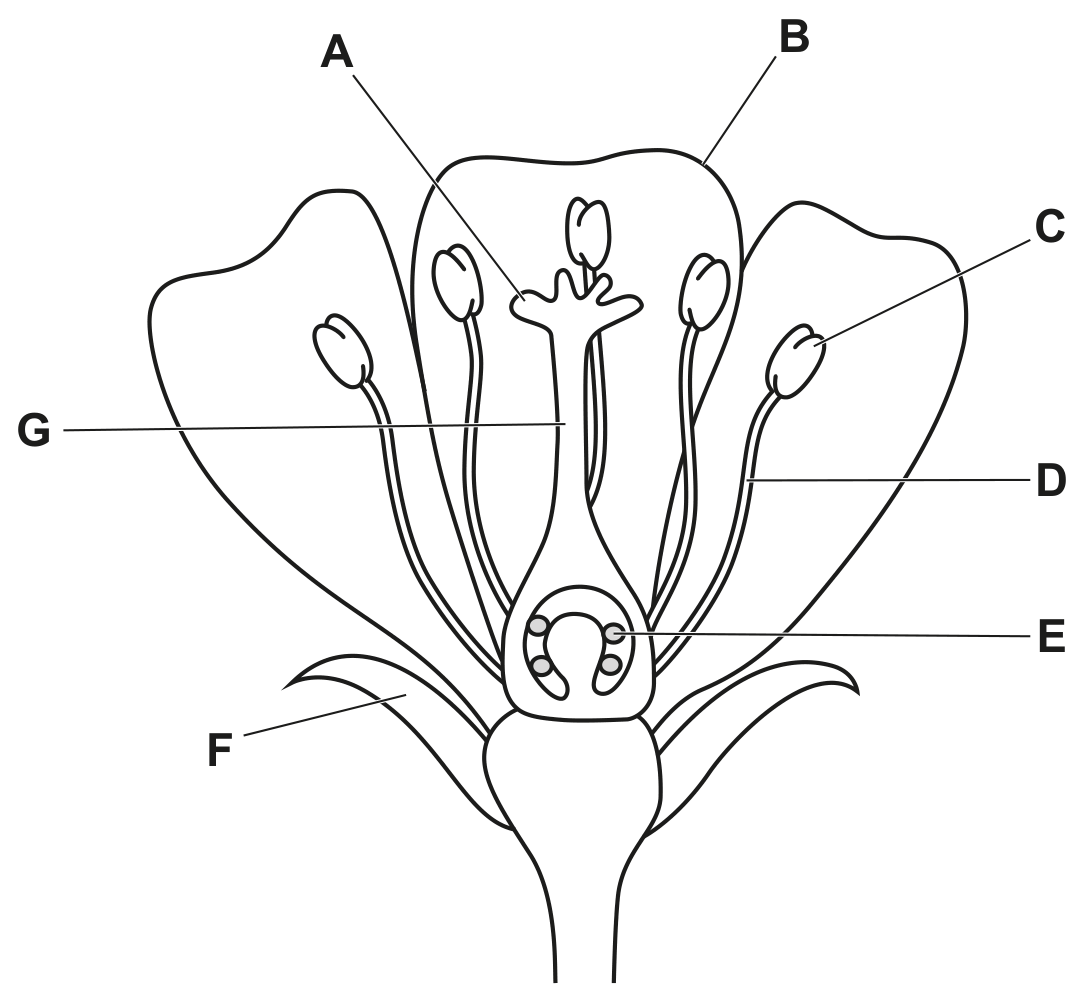
Fig. 1.1

Fig. 1.1

[ 1 ]
(i)

State the names of the two structures that form the stamen in a flowering plant.

1

2

[ 1 ]
(b)
(i)

Describe the stages in the reproduction of a flowering plant, from self-pollination to fertilisation.

[ 5 ]
(ii)

Outline the advantages and disadvantages of self-pollination compared with cross-pollination.

[ 4 ]
[Maximum number: 8]

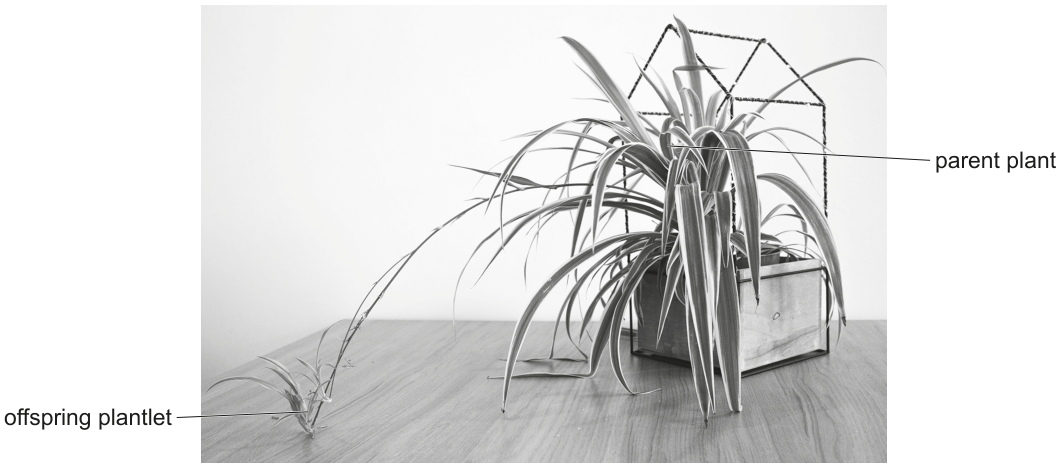
Fig. 2.1 is a photograph of a spider plant, Chlorophytum comosum. Spider plants can reproduce by producing an identical plantlet, which grows away from the single parent plant.

Fig. 2.1

Fig. 2.1

(a)

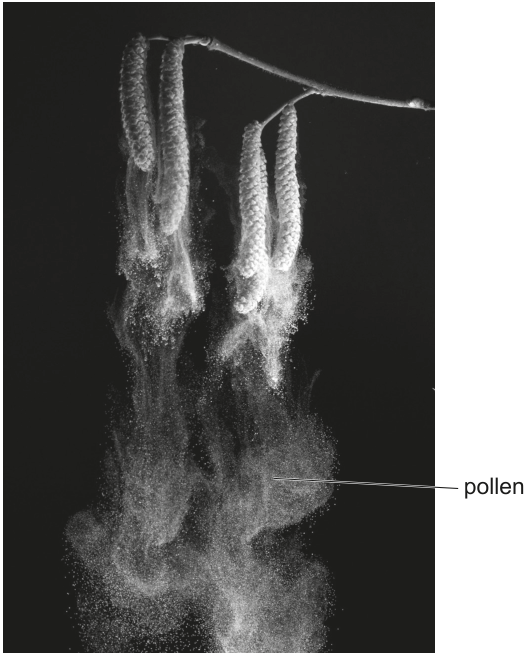
Fig. 2.2 shows pollen that has been released from the flowers of a hazel tree, Corylus avellana. These flowers are wind-pollinated.

Fig. 2.2

Fig. 2.2

[ 2 ]
(i)

Explain why a hazel tree has to produce very large amounts of pollen.

[ 1 ]
(ii)

Describe how a stigma from a wind-pollinated plant is adapted for pollination.

[ 1 ]
(b)

The hazel tree uses cross-pollination rather than self-pollination.

Describe cross-pollination.

[ 2 ]
(c)

Outline the events that occur in the flower after pollination.

[ 4 ]
(a)

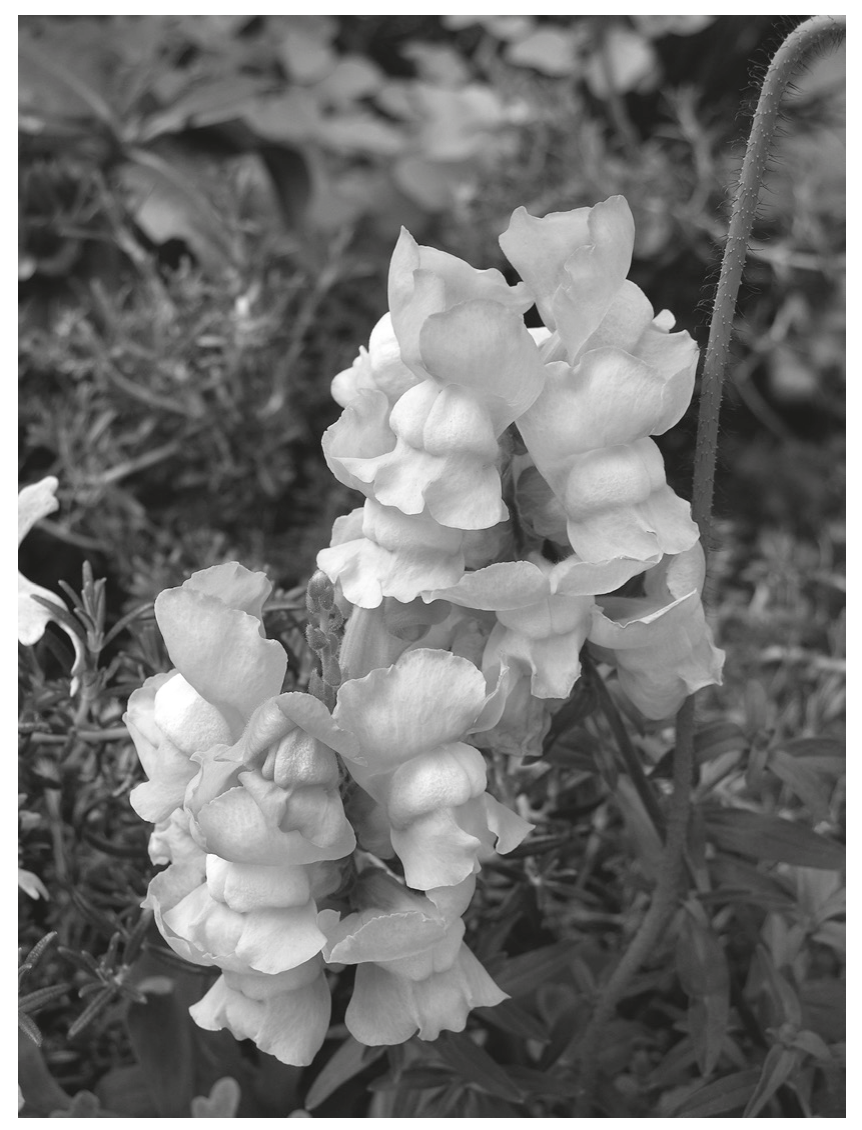
Fig. 2.1 shows some flowers of a snapdragon plant, Antirrhinum majus.
Snapdragons are insect-pollinated plants.

Fig. 2.1

Fig. 2.1

[ 2 ]
(i)

State one feature visible in Fig. 2.1 that suggests these flowers are insect-pollinated.

[ 1 ]
(ii)

State how self-pollination differs from cross-pollination.

[ 1 ]
(a)

A scientist investigated sexual reproduction in flowering plants.

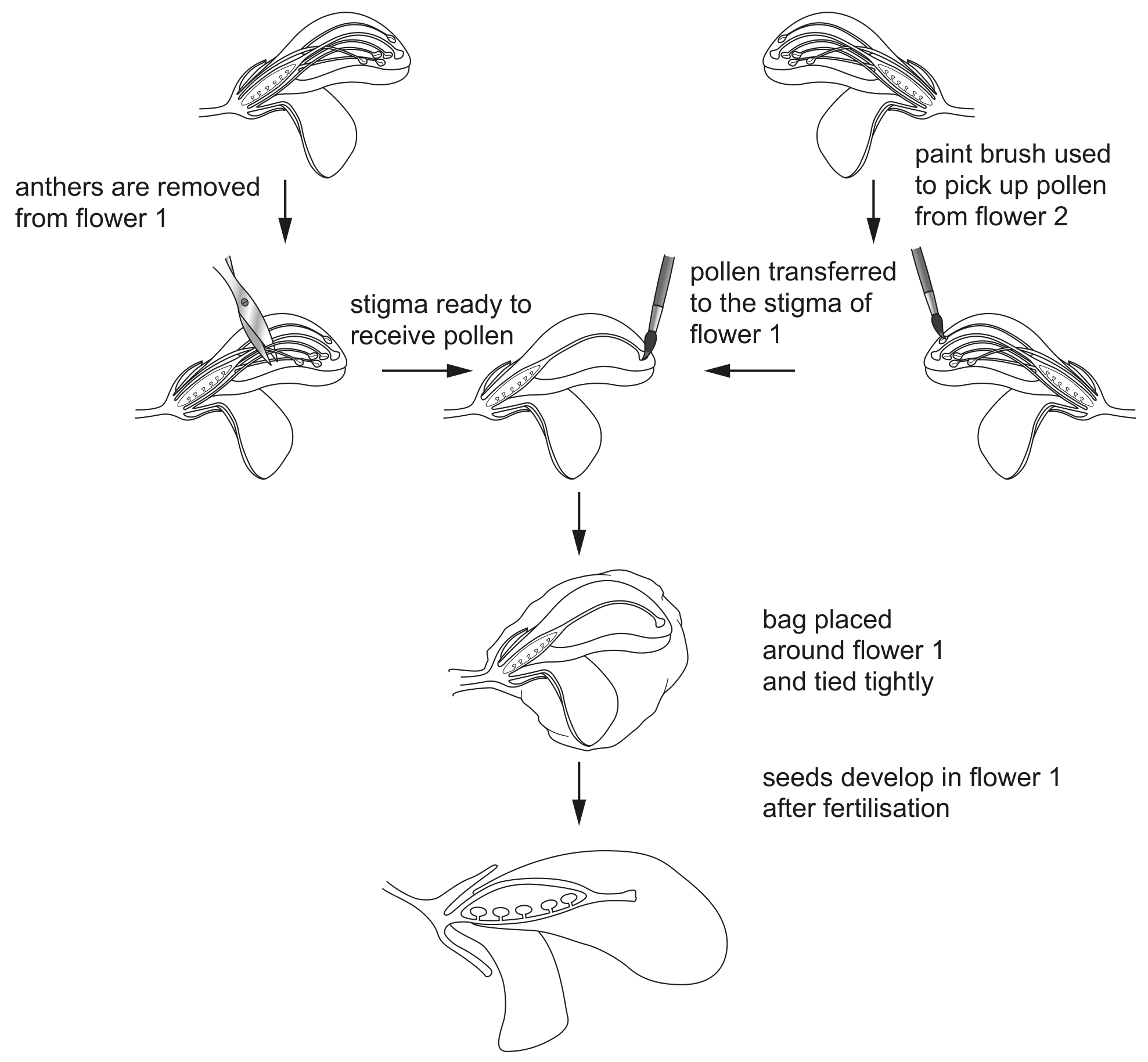
Fig. 2.1 shows the procedure for crossing two plants of the same species.

Fig. 2.1 shows the procedure for crossing two plants of the same species.

The scientist collected the seeds and germinated them. The leaves and flowers of the offspring plants showed phenotypic variation as they were not all identical to the parent plants.

The scientist then investigated the chromosomes of all the offspring plants and found that they had exactly the same number of chromosomes as the parent plants.

[ 1 ]
(i)

Suggest why the scientist placed a bag around flower 1.

[ 1 ]
[Maximum number: 1]

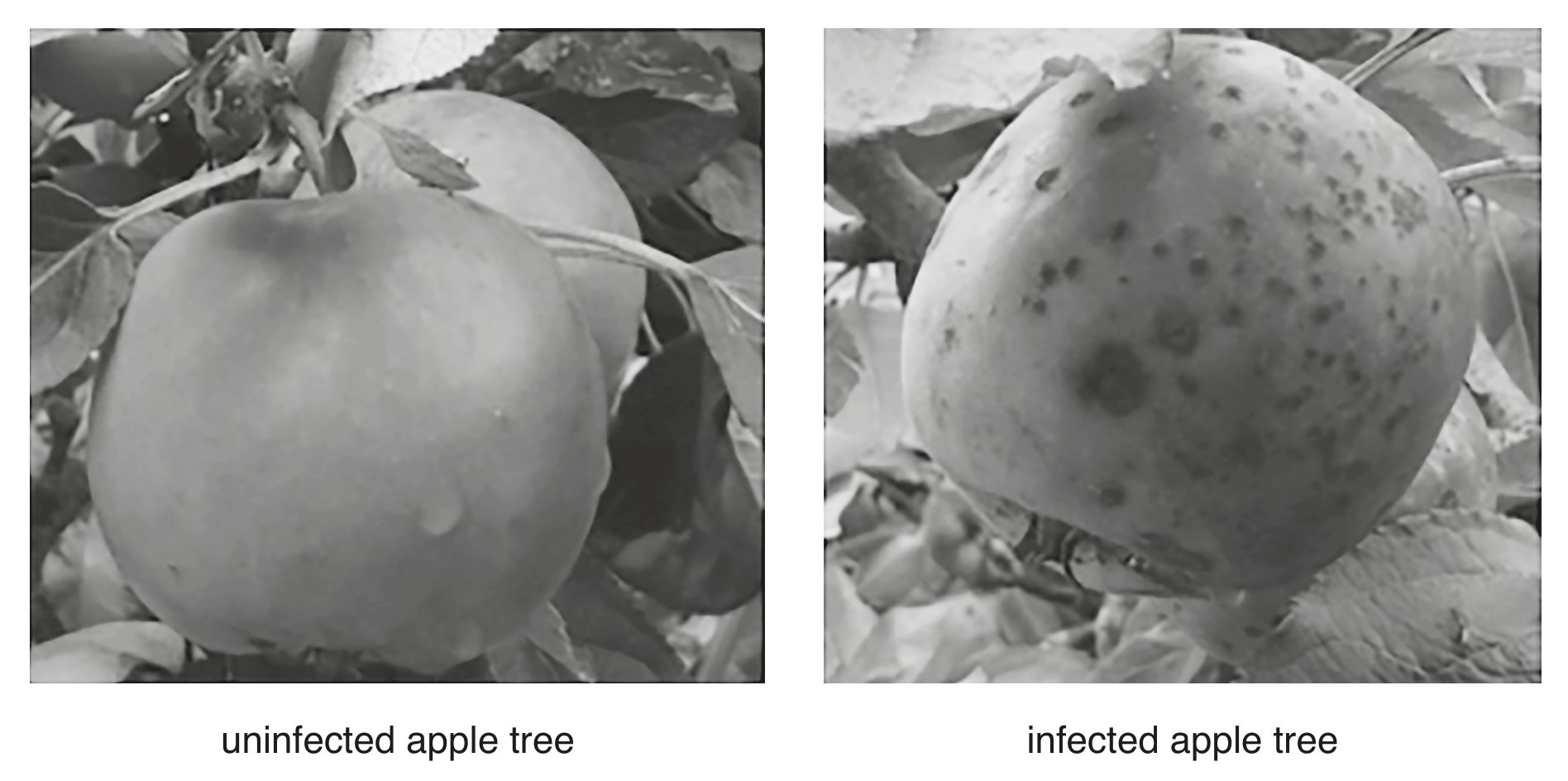
Apple scab is a disease that infects apple trees.
Fig. 3.1 shows apples from uninfected and infected apple trees.

Fig. 3.1

Fig. 3.1

There is a gene that determines whether or not apple trees are resistant to apple scab disease.
There are two alleles for this gene:
- disease-resistant, R
- not disease-resistant, r

(a)

The farmer wanted to breed disease-resistant apple trees.

[ 1 ]
(i)

The farmer wanted to be sure that only the selected disease-resistant apple trees would reproduce.

Suggest what the farmer could do to ensure that only the selected apple trees were pollinated.

[ 1 ]
(a)

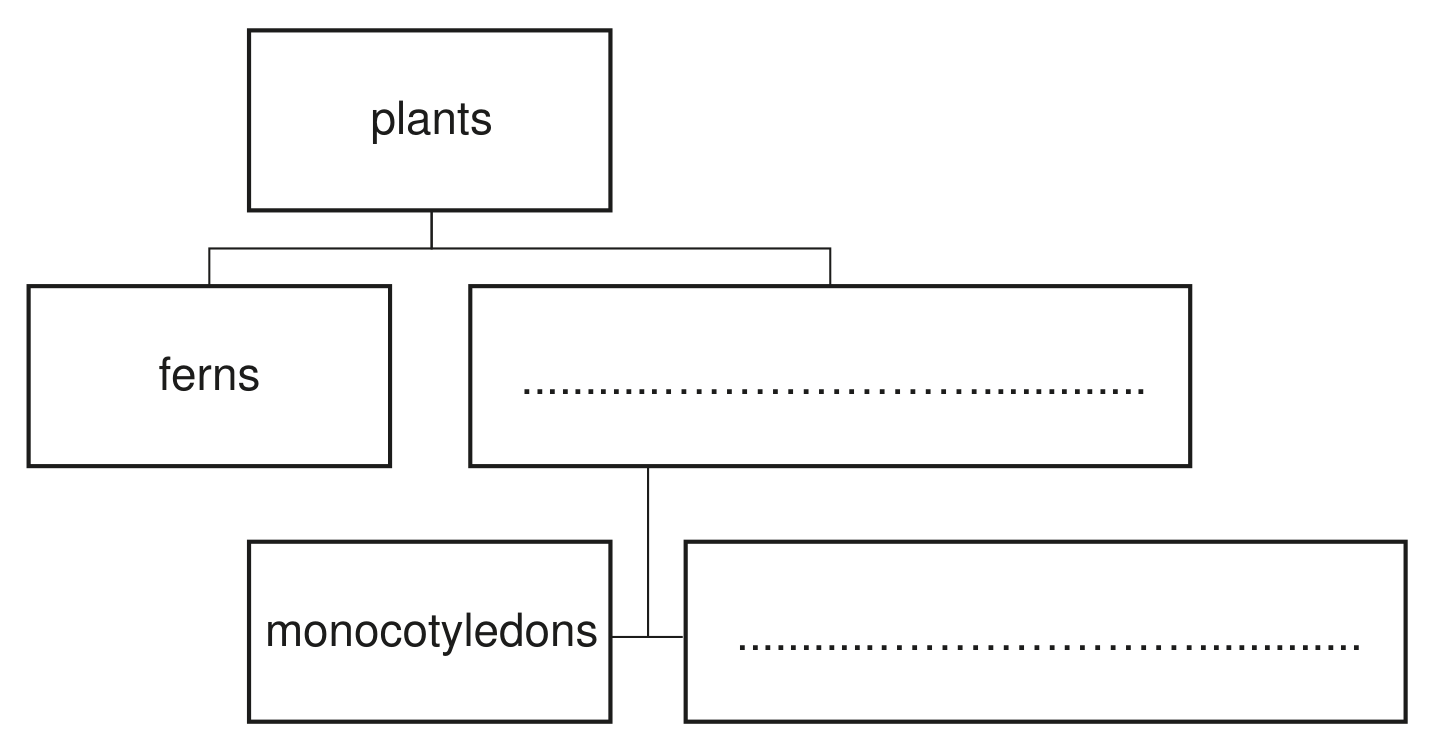
Fig. 3.1 shows part of a classification diagram for plants.

[ 2 ]
(i)

Complete Fig. 3.1.

Fig. 3.1

Fig. 3.1

[ 2 ]
(b)

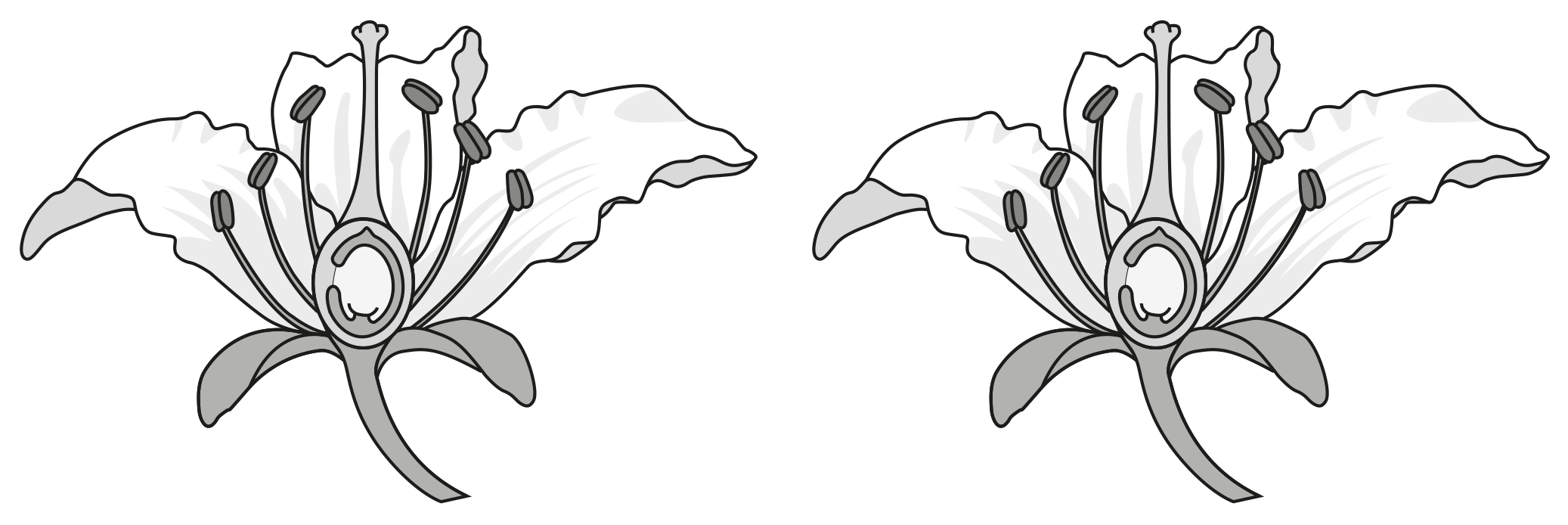
Fig. 3.3 shows the parts of two flowers from two different plants of the same species.

Fig. 3.3

Fig. 3.3

[ 7 ]
(i)

Annotate Fig. 3.3 to show the mechanism of cross-pollination by:
- labelling the structures involved
- drawing an arrow to show the pathway of pollen.

[ 3 ]
(ii)

Draw an X on Fig. 3.3 to show where fertilisation occurs.

[ 1 ]
(iii)

Explain the disadvantages of cross-pollination compared with self-pollination.

[ 3 ]
[Maximum number: 5]

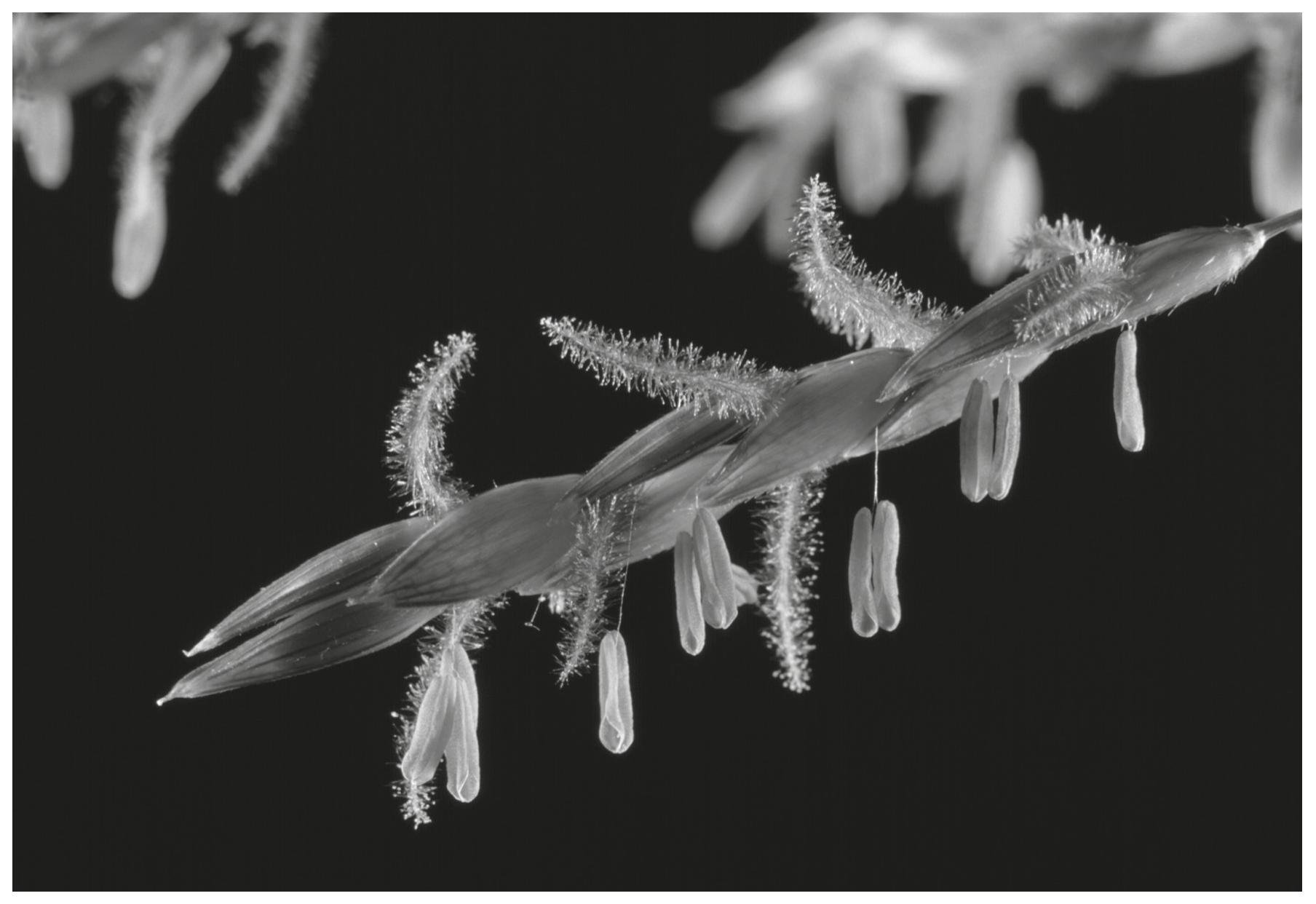
Johnson grass, Sorghum halepense, is wind-pollinated.

(a)

Fig. 4.1 shows some Johnson grass flowers.

Fig. 4.1

Fig. 4.1

[ 2 ]
(i)

Describe two features visible in Fig. 4.1 that show that Johnson grass flowers are adapted for wind-pollination.

1

2

[ 2 ]
(b)

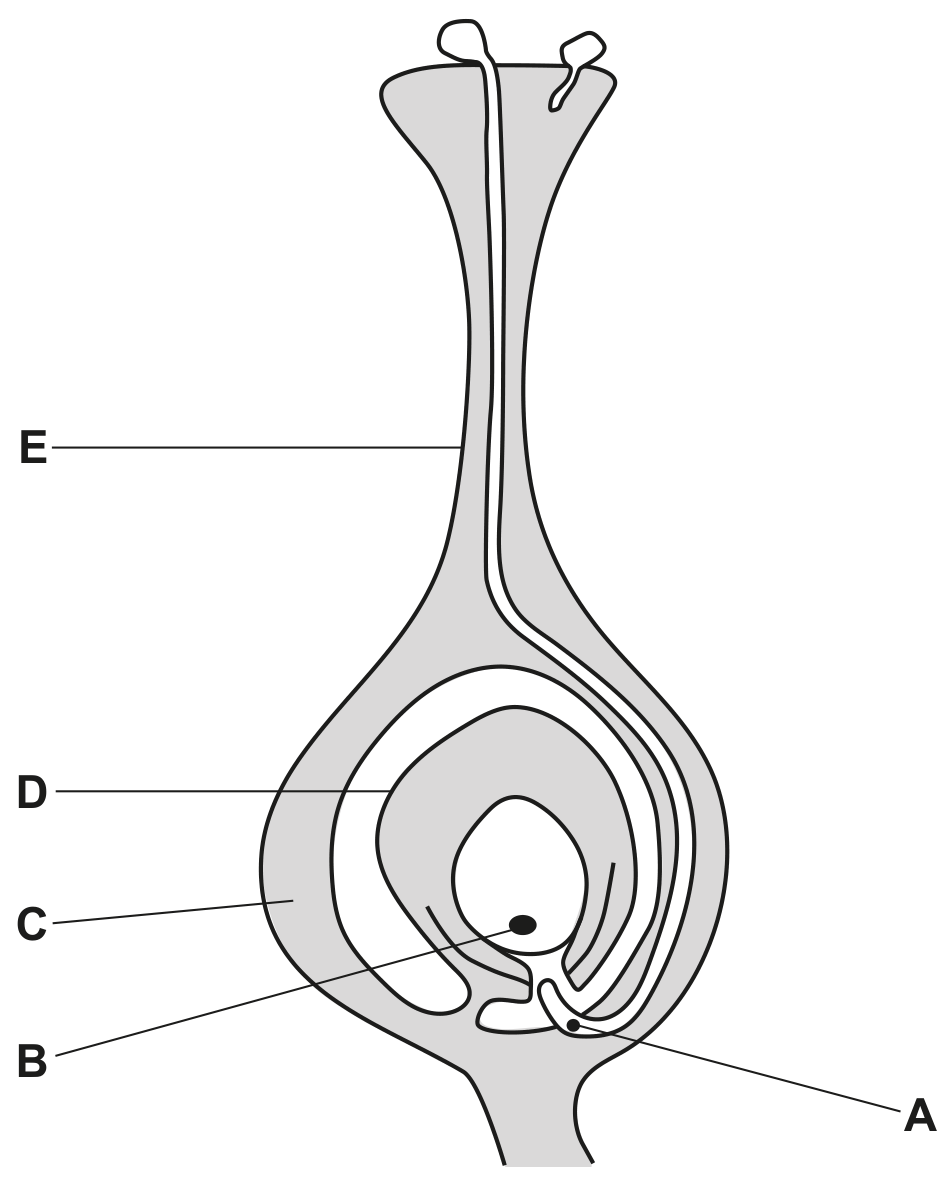
Fig. 4.2 shows a section through a carpel shortly after pollination.

Fig. 4.2

Fig. 4.2

[ 3 ]
(i)

State the names of the parts of the carpel labelled C, D and E.

C

D

E

[ 3 ]
[Maximum number: 2]

Characteristics of plants are controlled by genes. Alleles are alternative forms of a gene.

(a)

The number of hours of daylight affects when plants produce flowers. This ensures that flowers are produced at an appropriate time of year for each species.

This response to the number of hours of daylight is controlled by genes.

[ 2 ]
(i)

Wheat is grown from seeds.

State two conditions needed for the germination of seeds.
1

2

[ 2 ]
[Maximum number: 1]

A wind-pollinated plant has which features?

A

large anthers, coloured petals and produces nectar

B

large petals, small anthers and a sticky stigma

C

small petals, large anthers and a feathery stigma

D

small petals, produces nectar and has a strong scent

[Maximum number: 2]

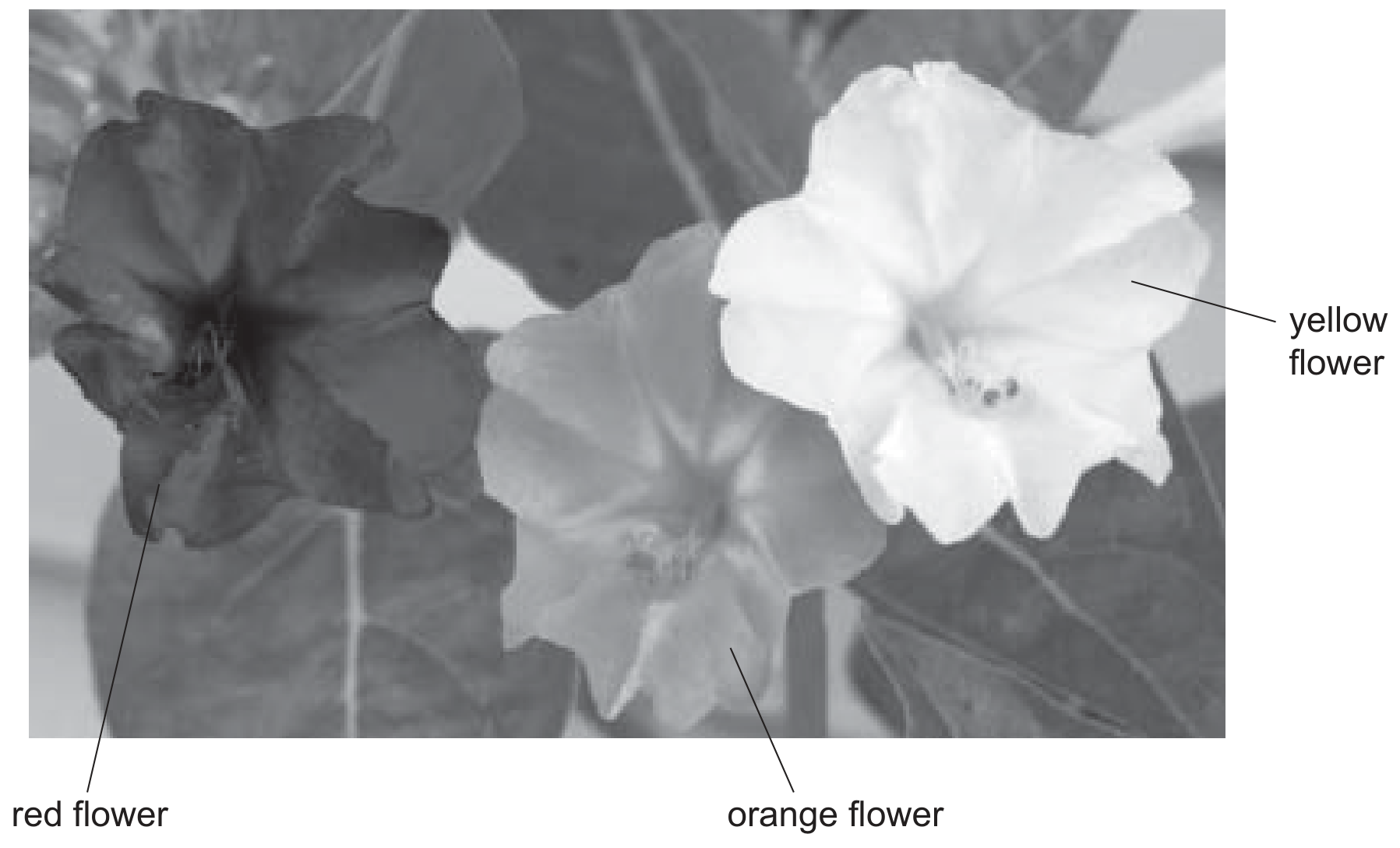
The four o'clock plant, Mirabilis jalapa, can have flowers of three different colours as shown in Fig. 4.1.

Fig. 4.1

Fig. 4.1

(a)

The flowers from M. jalapa were cross-pollinated.

Explain the difference between self-pollination and cross-pollination.

[ 2 ]
0