EduNinja
[Maximum number: 3]

Milk is sometimes referred to as a 'complete food' because it contains all the nutrients that a young mammal requires.

(a)

Some people are unable to digest lactose (milk sugar) and have a condition known as lactose intolerance.

Fig. 1.1 shows what happens in the intestine of a person who is lactose intolerant if they eat food containing a lot of lactose.
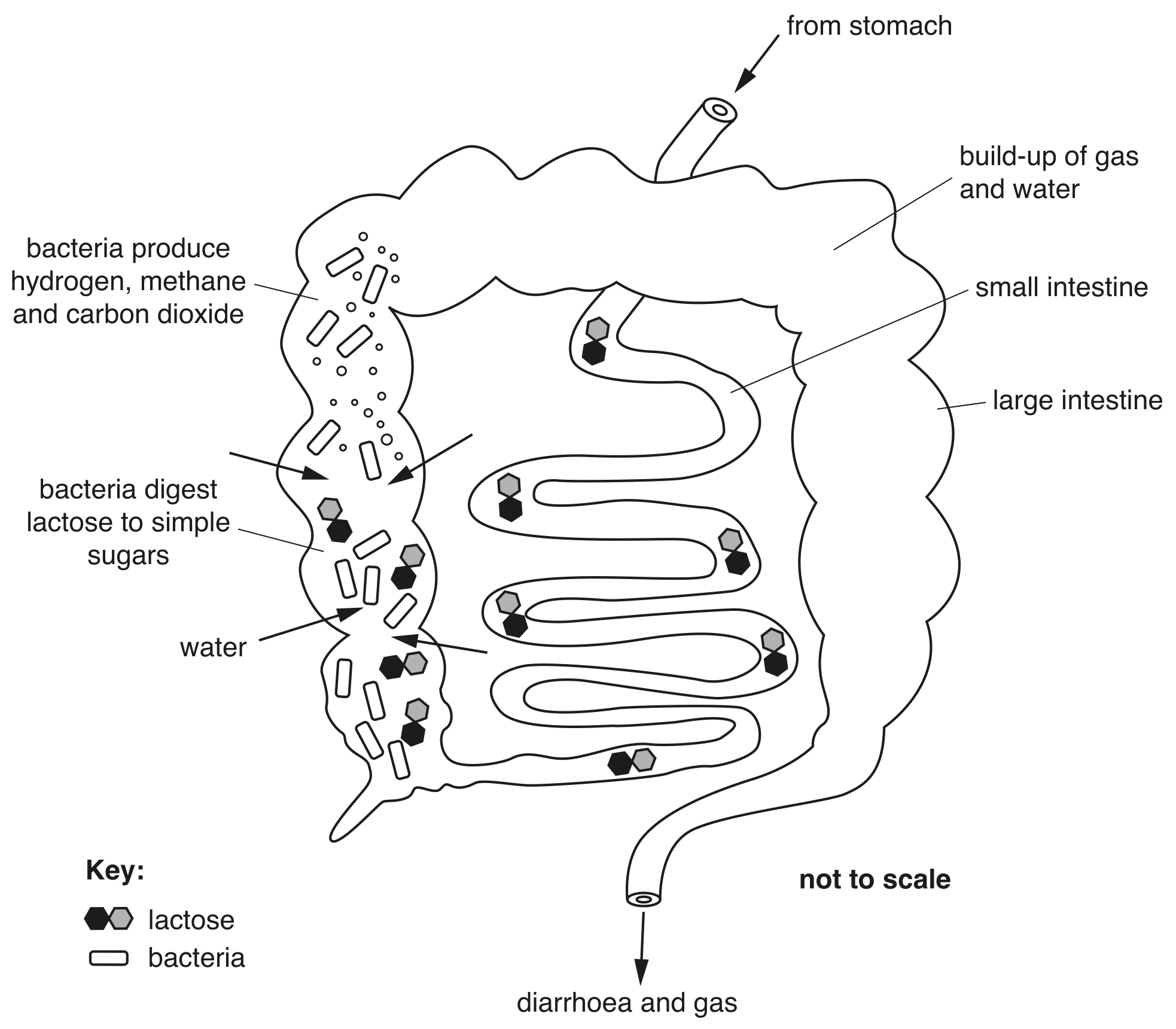
Fig. 1.1

Fig. 1.1

[ 3 ]
(i)

Suggest the dangers to health of severe diarrhoea if it is not treated for a long time.

[ 3 ]
[Maximum number: 7]

The lungs and the kidneys are part of the excretory system of mammals.

(a)
(i)

State the name of one substance that is excreted from the lungs and state where in the body it is produced.
name
site of production

[ 2 ]
(ii)

State the name of one excretory substance, that is removed by the kidneys, that contains nitrogen.

Explain why it is excreted.
name
explanation

[ 2 ]
(b)

Blood is filtered as it flows through the kidneys.

[ 3 ]
(i)

State the name of the structure within a kidney that filters the blood.

[ 1 ]
(ii)

State two components of blood that do not pass through the filter.

1

2

[ 2 ]
[Maximum number: 15]

The kidney is one of the main excretory organs of the body.

(a)

Define the term excretion.

[ 3 ]
(b)

One of the roles of the kidney is to filter the blood.

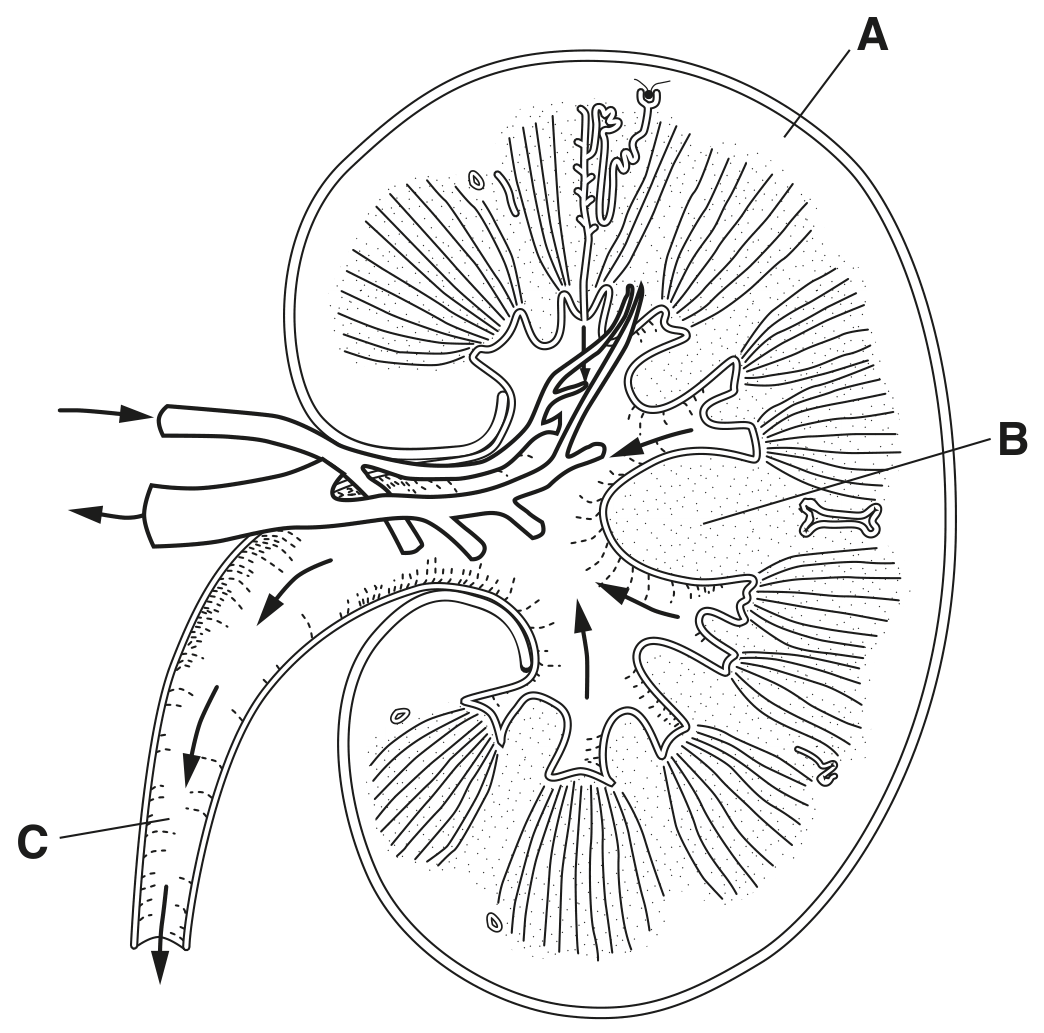
Fig. 1.1 shows a section of a kidney.

Fig. 1.1

Fig. 1.1

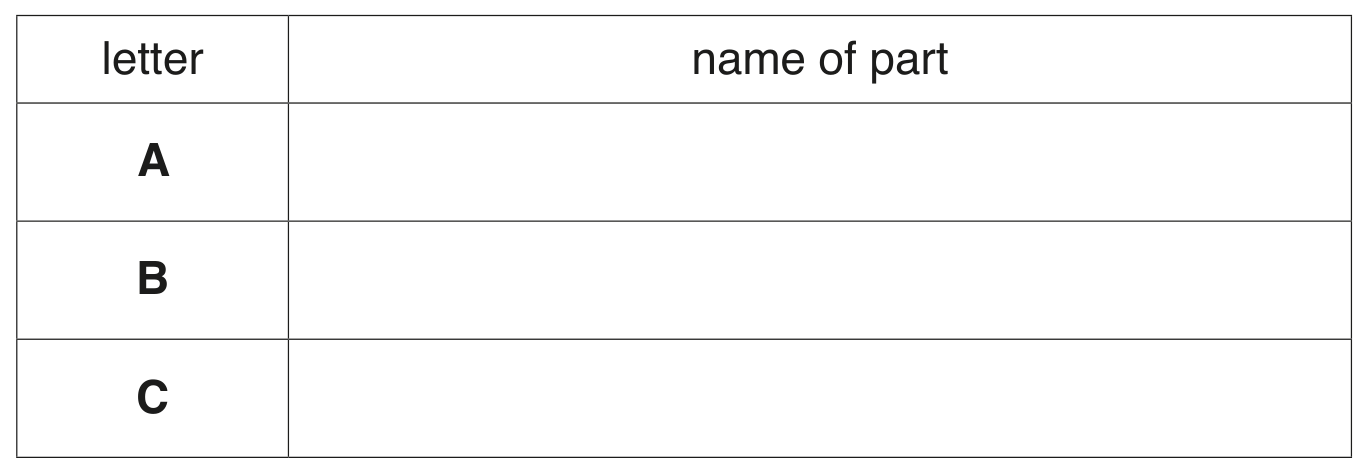
State the name of the parts labelled A, B and C on Fig. 1.1.
A

B

C

[ 3 ]
(c)

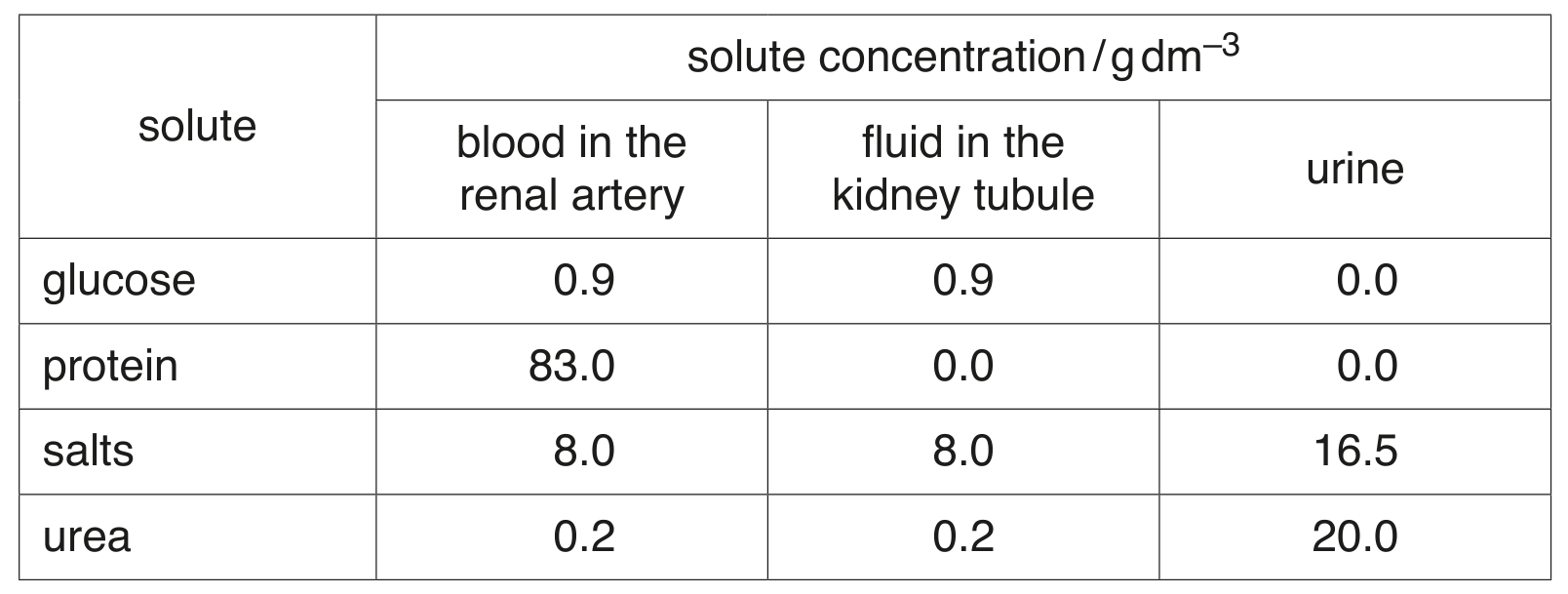
Table 1.1 shows the concentrations of four solutes:
- in the blood in the renal artery
- in the fluid in the kidney tubule
- in the urine.

Table 1.1

Table 1.1

[ 6 ]
(i)

Calculate the percentage increase in the concentration of urea between the blood in the renal artery and the urine.

Show your working.

[ 2 ]
(ii)

Describe the results for the concentration of salts shown in Table 1.1.

[ 2 ]
(iii)

State the reason for the difference in the concentration of protein between the blood in the renal artery and the fluid in the kidney tubule.

[ 1 ]
(iv)

State the reason for the difference in the concentration of glucose between the fluid in the kidney tubule and the urine.

[ 1 ]
(d)

Dialysis is a treatment used for people with kidney failure.

Some people with kidney failure are given a kidney transplant.
State the advantages of having a kidney transplant instead of dialysis.

[ 3 ]
[Maximum number: 1]

Pregnancy can occur after the fusion of a male gamete and a female gamete.

(a)

The umbilical artery is found in the umbilical cord. This artery transports blood away from the heart of the fetus.

The umbilical artery is unusual because it transports deoxygenated blood.

[ 1 ]
(i)

State one excretory product that is transported from the fetus to the placenta.

[ 1 ]
[Maximum number: 1]

A doctor tested the urine of four patients for both glucose and protein. The colours of the urine samples after testing are shown in the table.

Which patient's urine contained both protein and glucose?

colour after
testing with
biuret solution

colour after
testing with
Benedict's solution

blue

brick red

blue

blue

purple

brick red

purple

blue

[Maximum number: 7]

The kidneys filter blood, separate useful molecules from excretory wastes and control the water content of the blood.

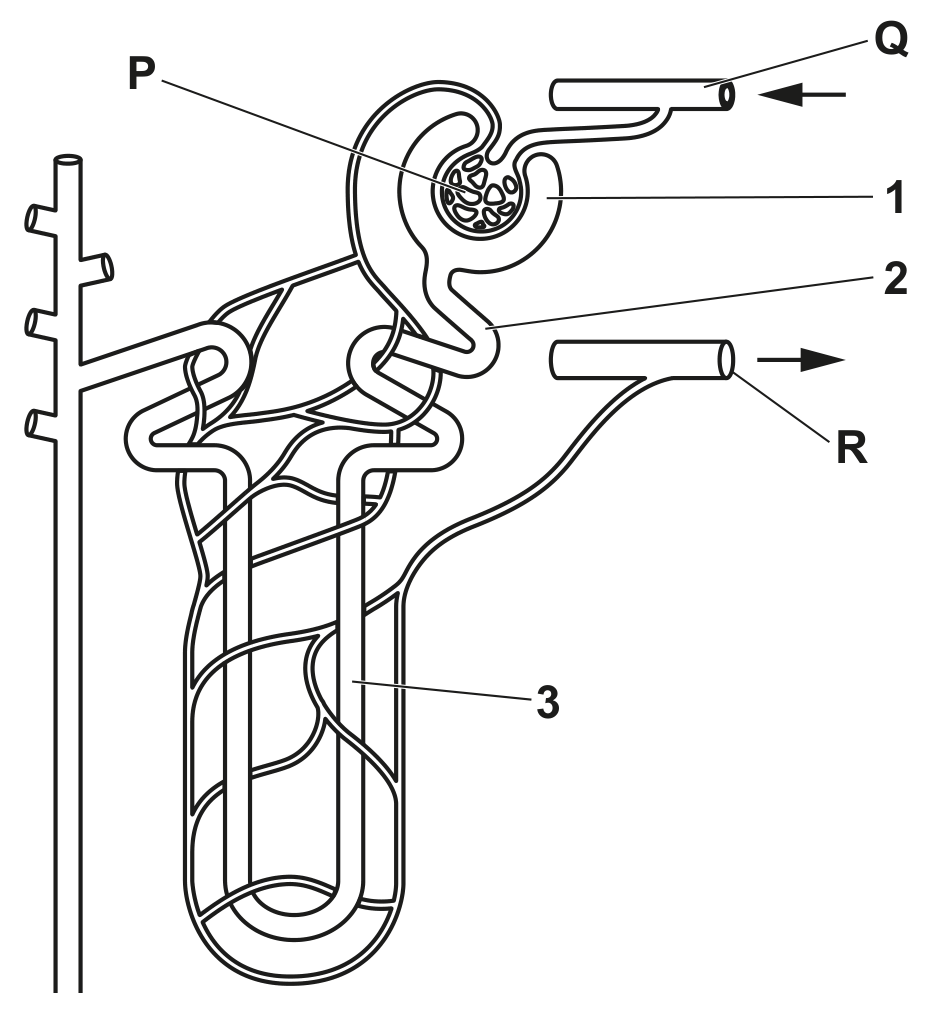
Fig. 2.1 is a diagram of a kidney tubule and associated blood vessels. The arrows show the direction of blood flow.

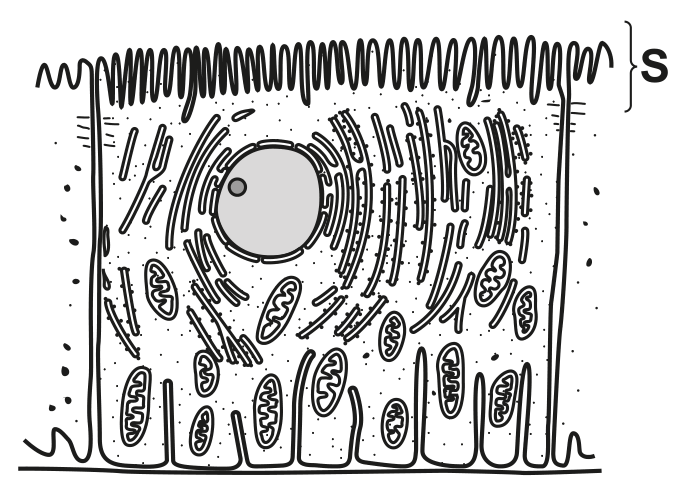
Fig. 2.2 is a drawing of a vertical section through a cell from the lining of region 2 of the tubule.

Fig. 2.1

Fig. 2.1

Fig. 2.2

Fig. 2.2

(a)
(i)

State the name of structure P.

[ 1 ]
(b)

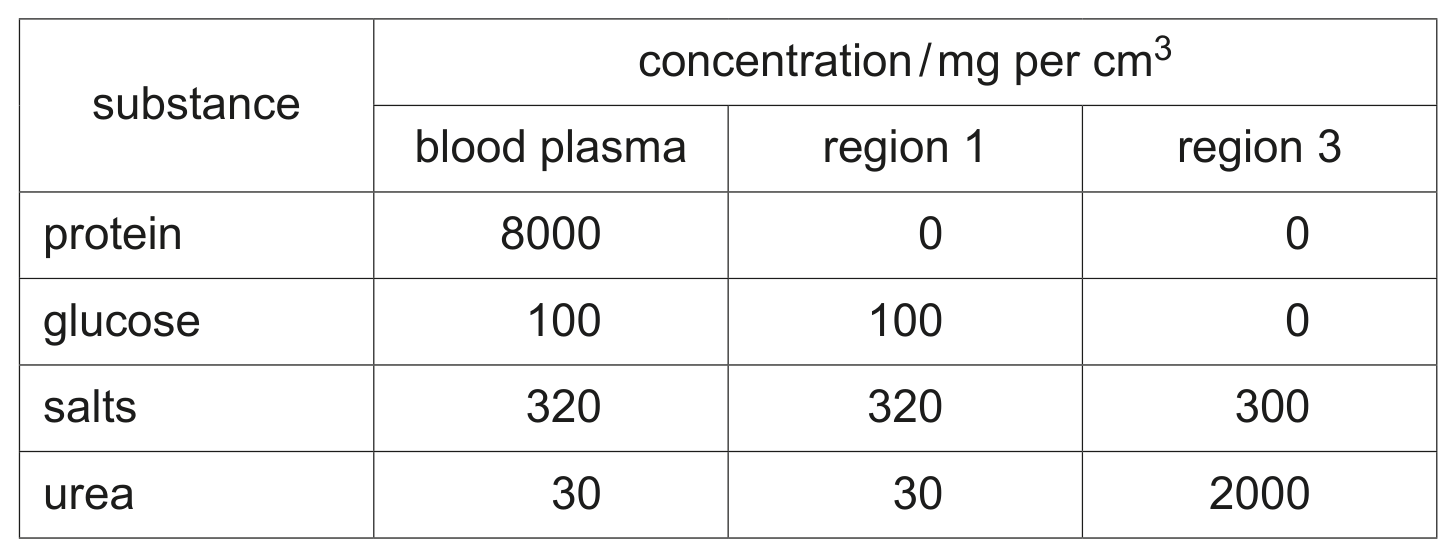
Table 2.1 shows the concentrations of some substances in blood plasma and in the regions labelled 1 and 3 on the tubule shown in Fig. 2.1.

Table 2.1

Table 2.1

Outline how the kidney tubules function to produce urine from the substances in blood plasma.

Use the information in Fig. 2.1, Fig. 2.2 and Table 2.1 to support your answer.

[ 6 ]
[Maximum number: 13]

Kidneys are important for excretion.

(a)

Explain the purpose of excretion.

[ 2 ]
(b)

Sketch a simple diagram of a human kidney and its ureter.

Label the cortex, medulla and ureter on your diagram.

[ 2 ]
(c)

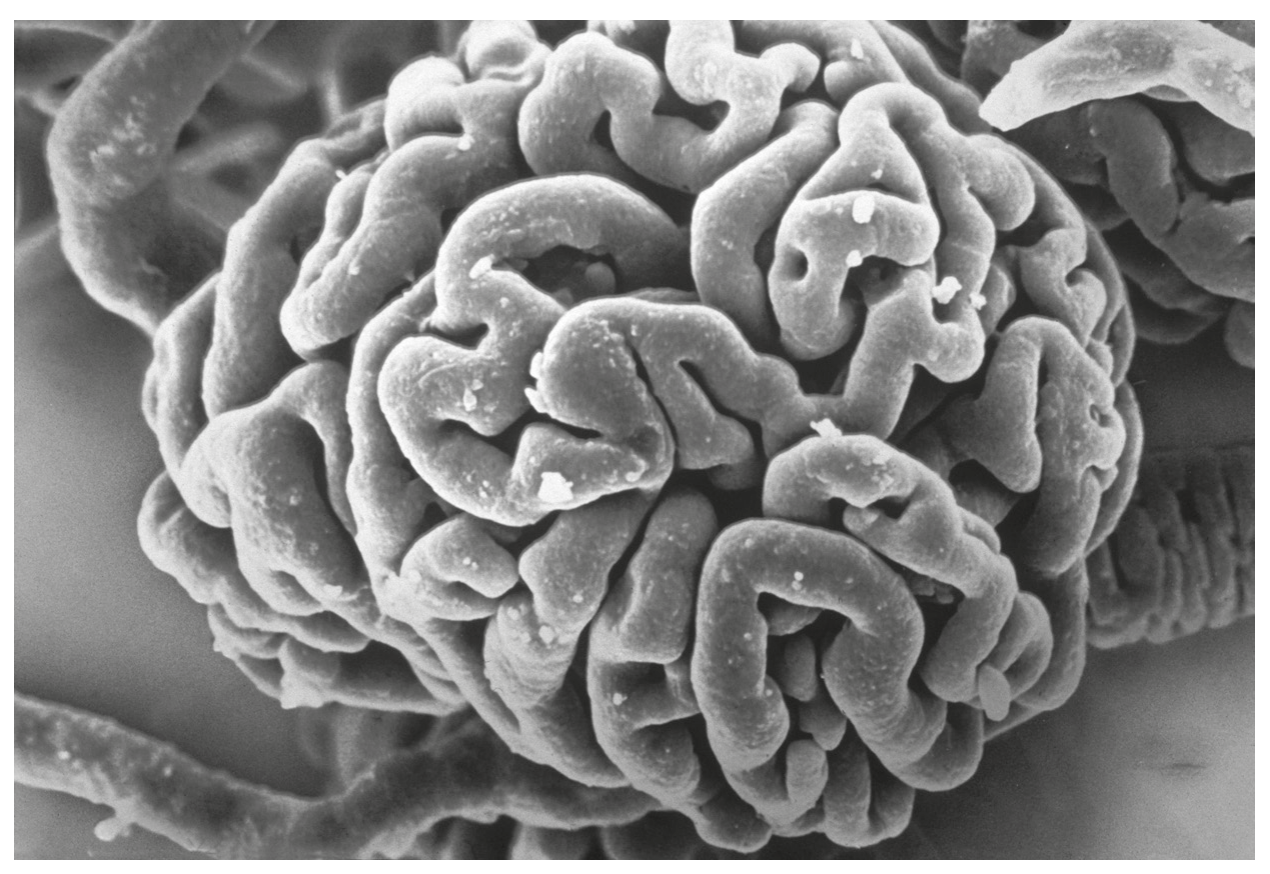
Fig. 3.1 is a photomicrograph of a glomerulus in a kidney.

Fig. 3.1

Fig. 3.1

[ 4 ]
(i)

Describe the structure of a glomerulus.

You may refer to Fig. 3.1 in your answer.

[ 2 ]
(ii)

Describe the role of the glomerulus.

[ 2 ]
(d)

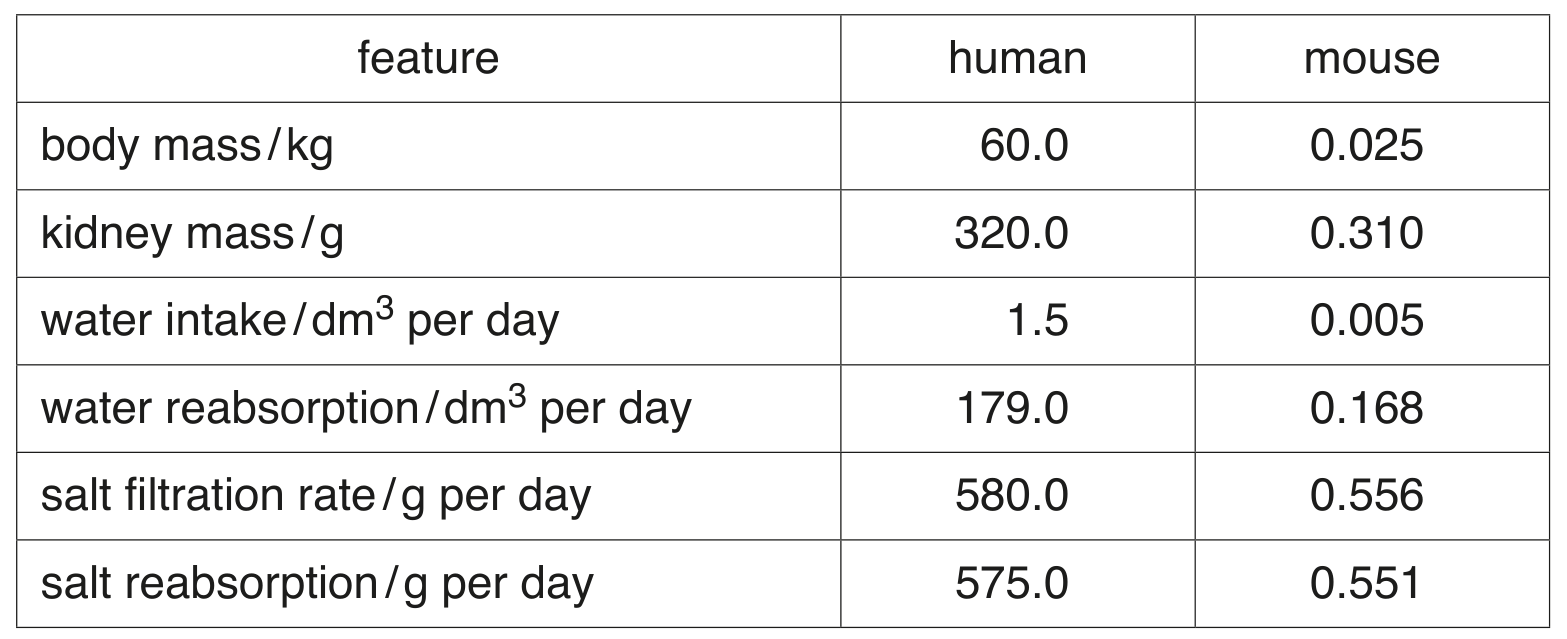
Table 3.1 shows some comparisons between a human and a mouse.

Table 3.1

Table 3.1

[ 5 ]
(i)

Scientists stated a hypothesis:
"humans and mice reabsorb salt at almost the same rate in relation to the size of their kidneys"

Determine whether the data in Table 3.1 supports this hypothesis.
Show your working.

Table
[ 4 ]
(ii)

Water and salt are reabsorbed in the kidneys.

State the name of one other molecule that is also reabsorbed in kidney tubules.

[ 1 ]
(a)

State the name of the gas that is excreted by the breathing system.

[ 1 ]
[Maximum number: 1]

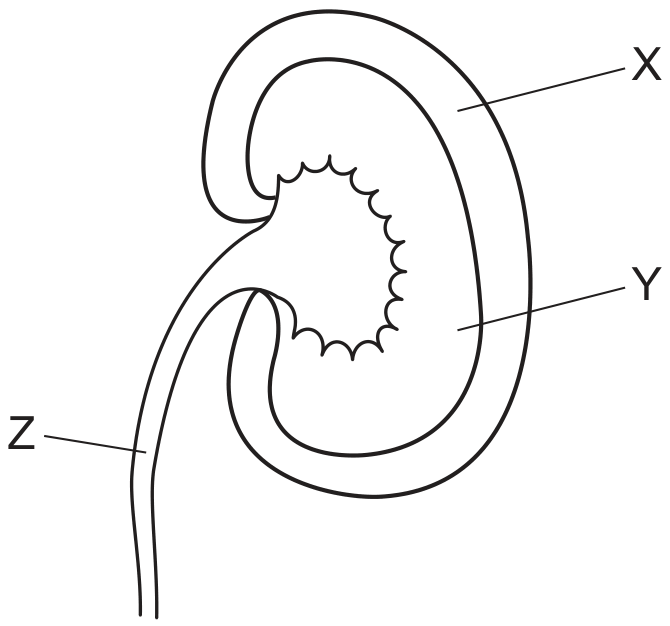
The diagram shows a section of a kidney.

Question image

What are the correct labels?

X

Y

Z

cortex

medulla

ureter

cortex

ureter

medulla

medulla

cortex

ureter

medulla

ureter

cortex

[Maximum number: 9]

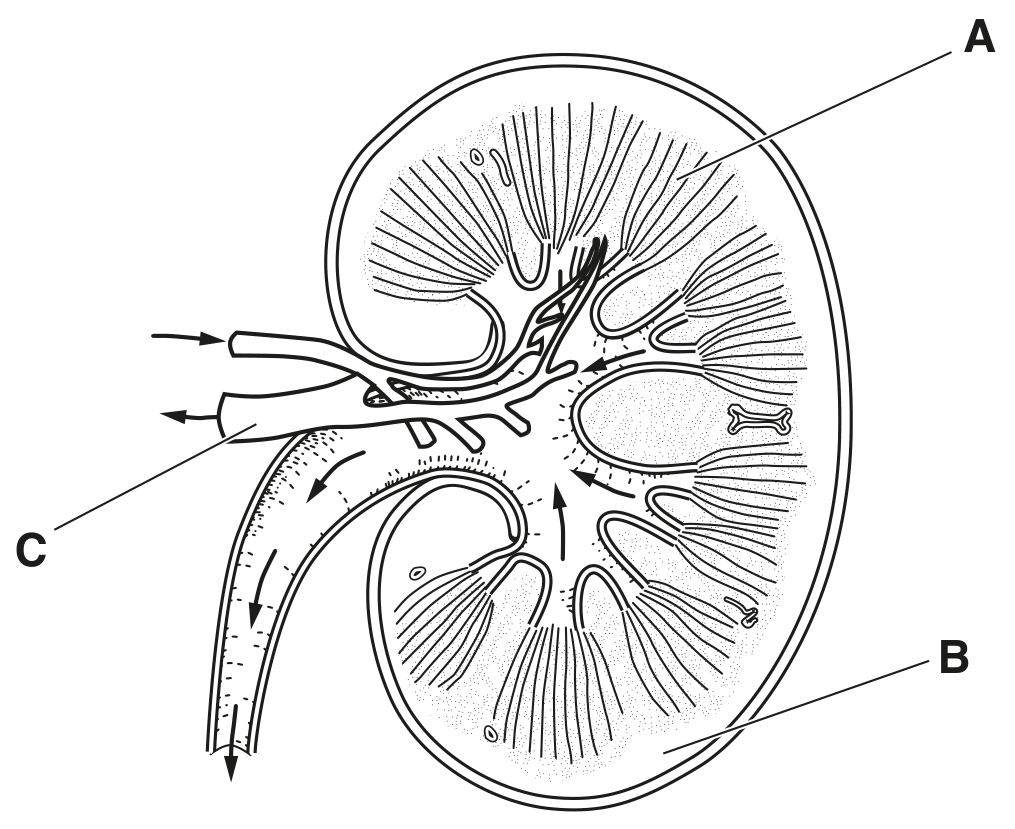
Fig. 3.1 shows a section through a kidney.

Fig. 3.1

Fig. 3.1

(a)

Complete the table by stating the name of the parts labelled A, B and C on Fig. 3.1.

Table
[ 3 ]
(b)
(i)

Name the blood vessel in Fig. 3.1 that has the highest concentration of urea.

[ 1 ]
(ii)

Name the blood vessel in Fig. 3.1 that has the lowest concentration of glucose.

[ 1 ]
(c)

Explain the role of the kidney in excretion.

[ 4 ]
0