EduNinja
(a)

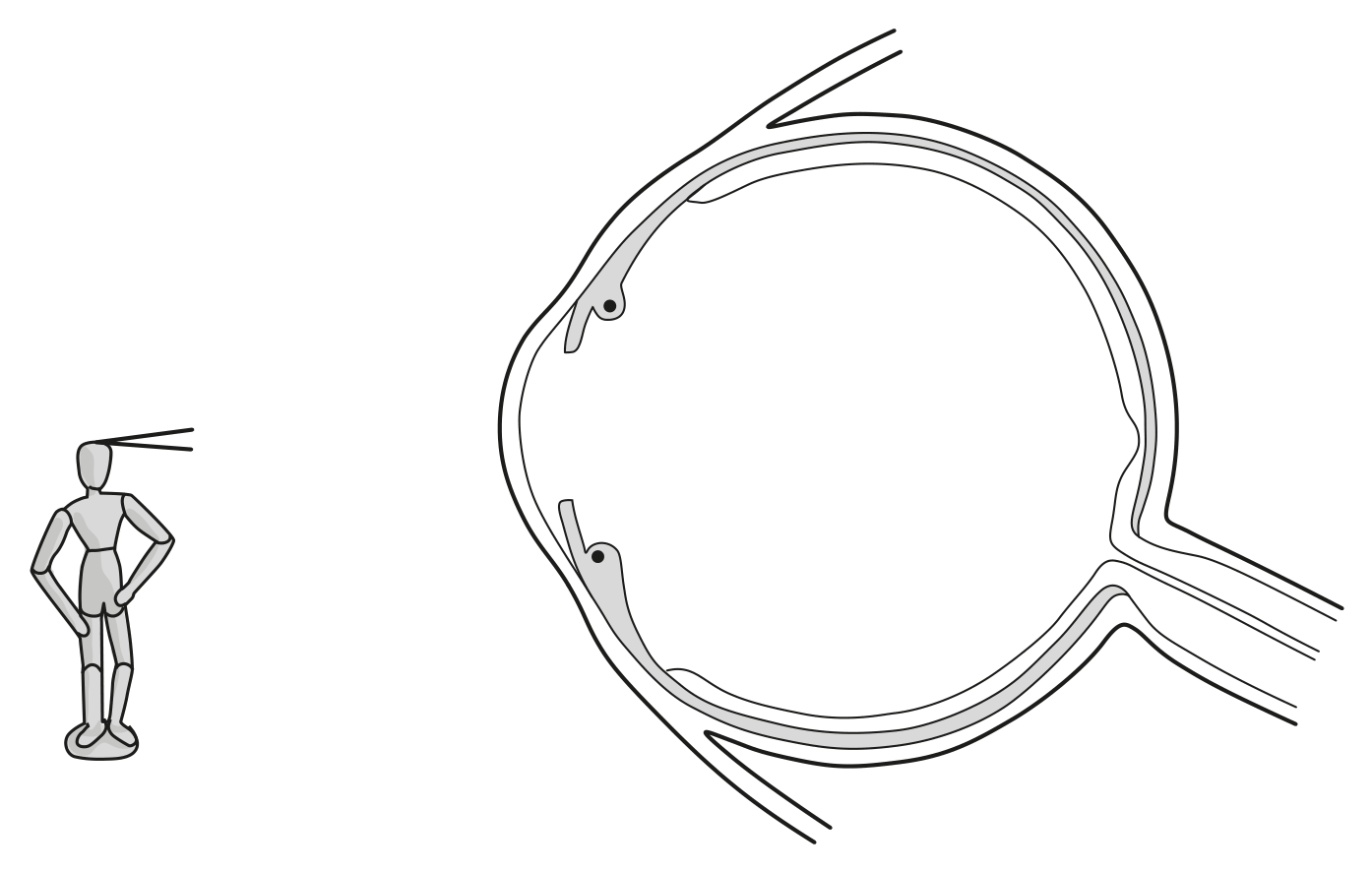
Fig. 1.1 shows part of a human eye and three neurones that conduct electrical impulses between the eye and the brain. These neurones are involved in the pupil reflex.
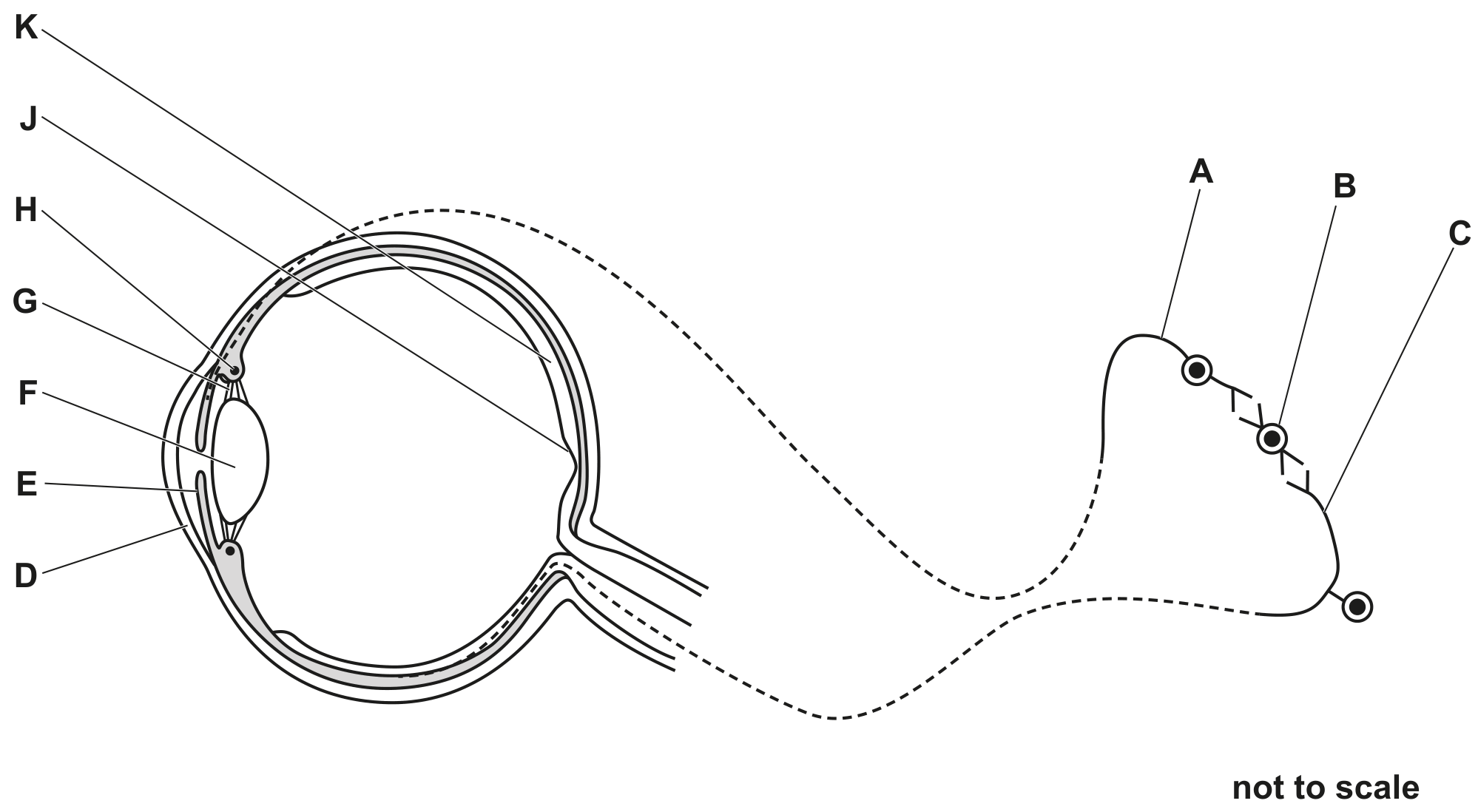
Fig. 1.1

Fig. 1.1

[ 4 ]
(i)

Table 1.1 shows the names of some parts of the eye, their functions and the letters in Fig. 1.1 that identify the parts of the eye.

Complete Table 1.1.
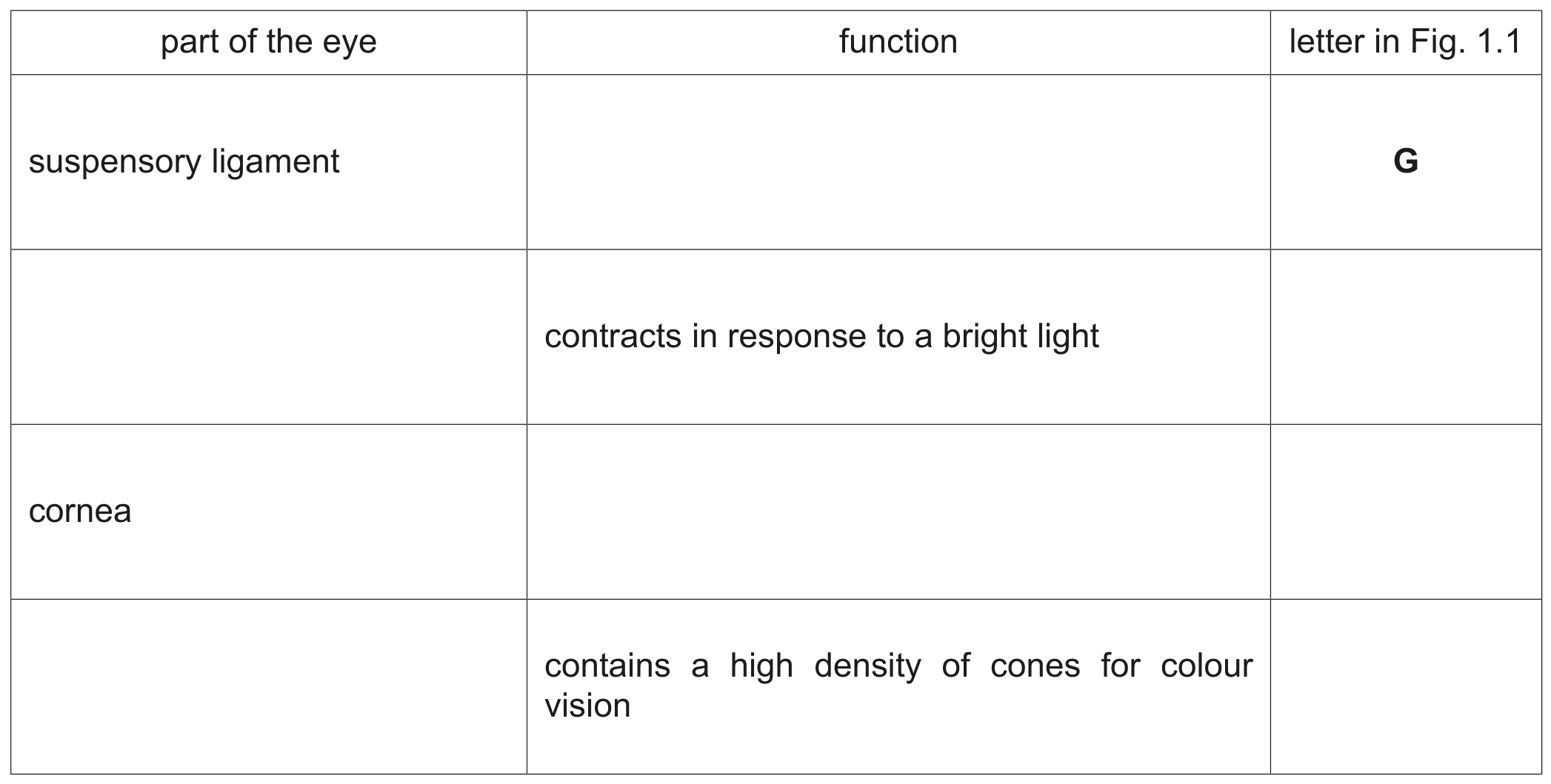
Table 1.1

Table 1.1

[ 4 ]
(b)
(i)

The eye can adjust how light is refracted through it in order to focus on a near object.

State one process that uses energy when focusing on a near object.

[ 1 ]
(a)

Sensitivity is one of the characteristics of life. The eye is one of the major sense organs of vertebrates.

[ 2 ]
(i)

Define the term sense organ.

[ 2 ]
(b)

Accommodation (focusing) is one of the functions of the eye.

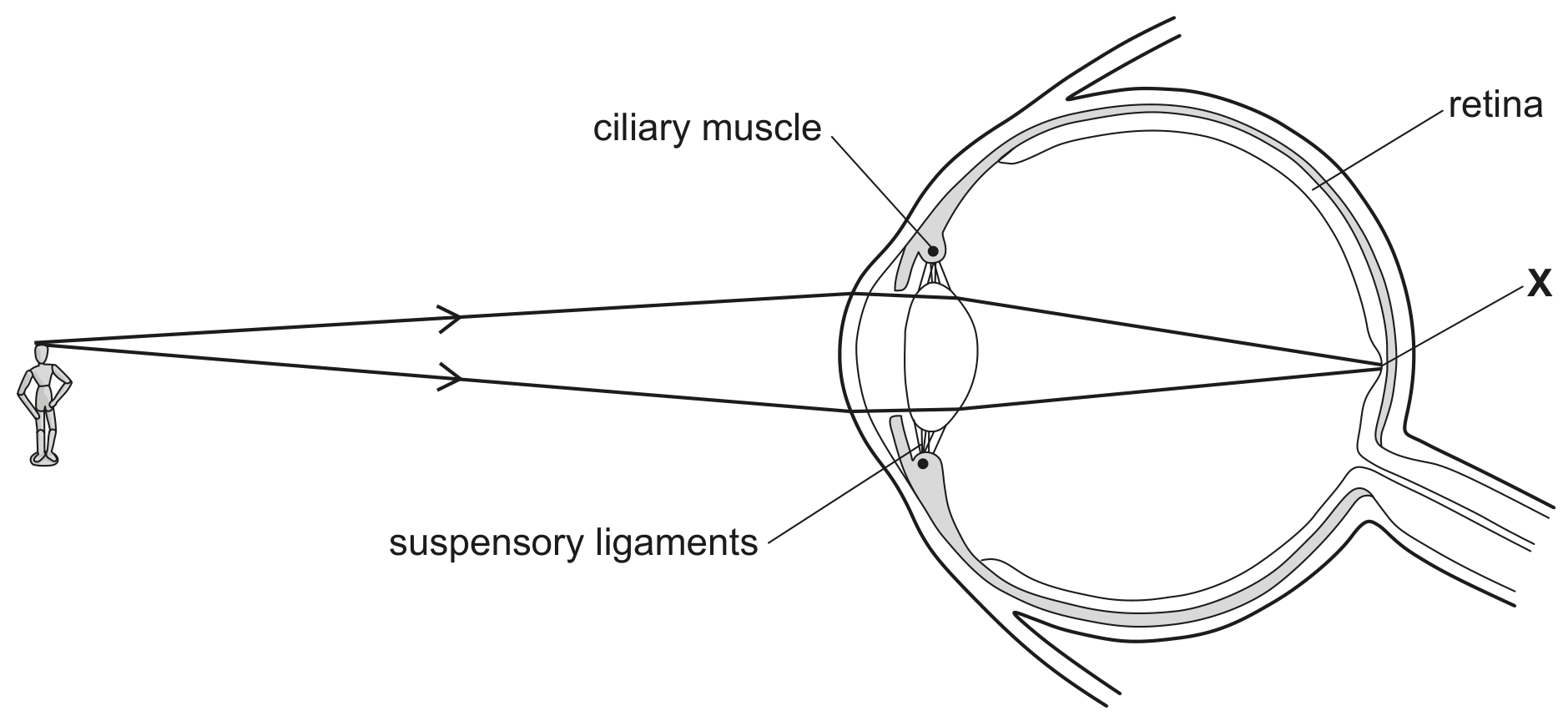
Fig. 1.1 is a diagram of an eye that is focusing on a distant object.

Fig. 1.1

Fig. 1.1

[ 7 ]
(i)

State the name of the part of the retina labelled X.

Fig. 1.2 is an incomplete diagram of an eye that is focusing on a near object.

Fig. 1.2

Fig. 1.2

[ 1 ]
(ii)

Complete Fig. 1.2 by drawing the shape of the lens and the light rays from the object to the retina.

[ 3 ]
(iii)

Describe the roles of the ciliary muscles and suspensory ligaments in focusing on a distant object, as shown in Fig. 1.1.

[ 3 ]
(c)

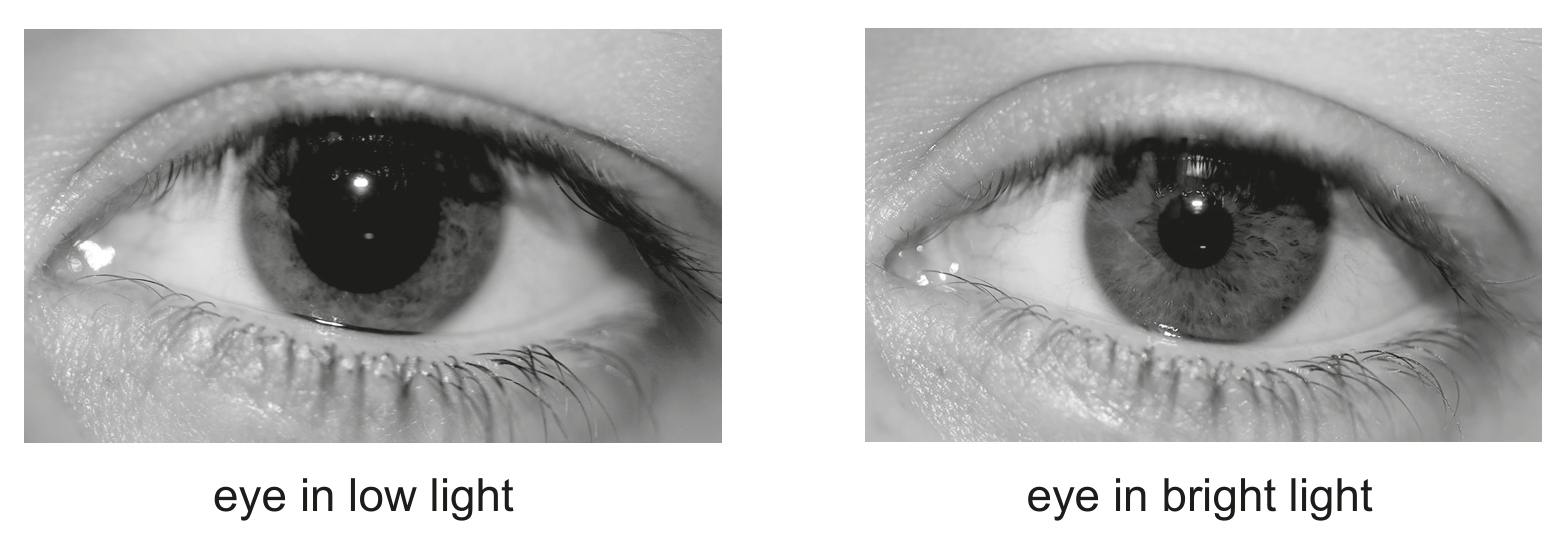
The eye also controls the amount of light that enters the pupil.

Fig. 1.3 shows an eye in low light and in bright light.

Fig. 1.3

Fig. 1.3

Describe the changes that occur in the eye when the light becomes bright, as shown in Fig. 1.3.

[ 3 ]
[Maximum number: 2]

Plants are sensitive to light.

(a)

Reflexes in animals are also an example of sensitivity.

[ 2 ]
(i)

The pupil reflex is an example of a reflex that occurs in the eye. The eye is a sense organ.

Define the term sense organ.

[ 2 ]
[Maximum number: 5]

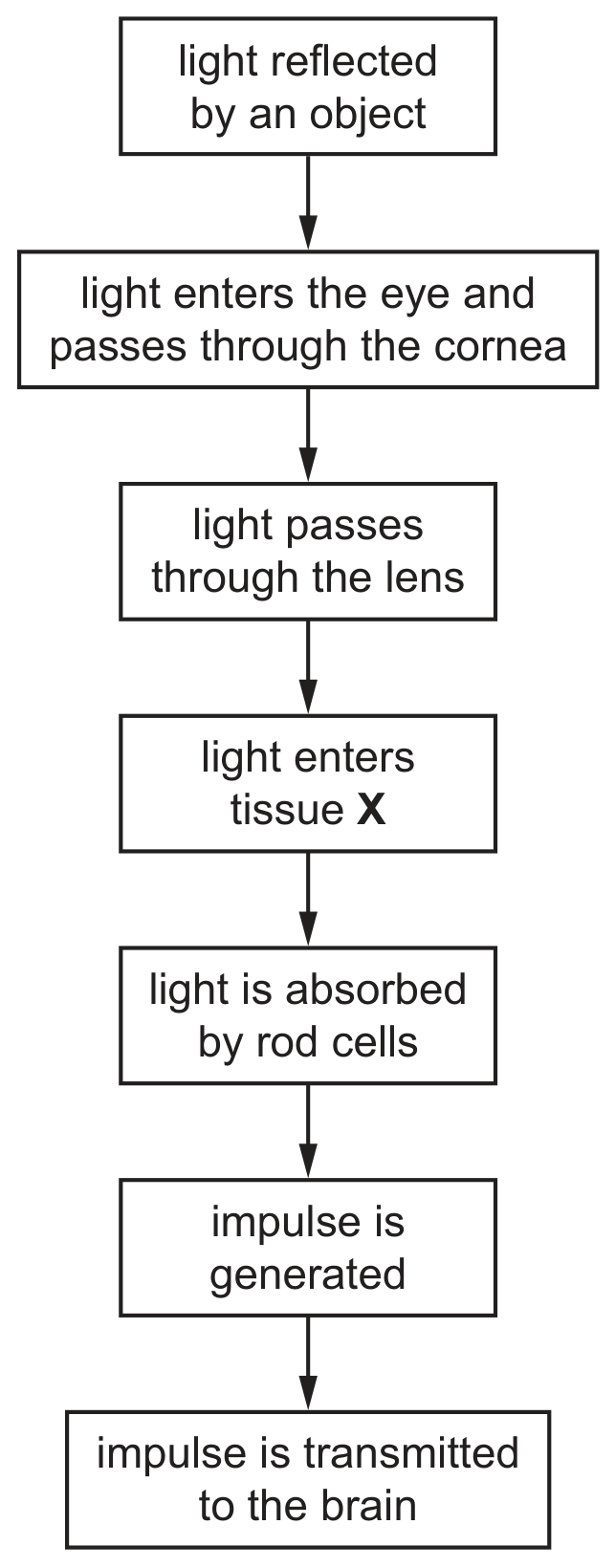
Fig. 2.1 is a flow chart that shows the events that occur as light travels through the eye.

Fig. 2.1

Fig. 2.1

(a)
(i)

State the name of the tissue X.

[ 1 ]
(ii)

State the name of the nerve that transmits impulses from the eye to the brain.

[ 1 ]
(iii)

State what happens to rays of light as they enter the cornea and the lens.

[ 1 ]
(iv)

Describe the role of rod cells.

[ 2 ]
[Maximum number: 8]

Colour blindness in humans is caused by a fault in some of the light receptor cells in the retina of the eye. Rod cells and cone cells are two types of light receptor.

(a)

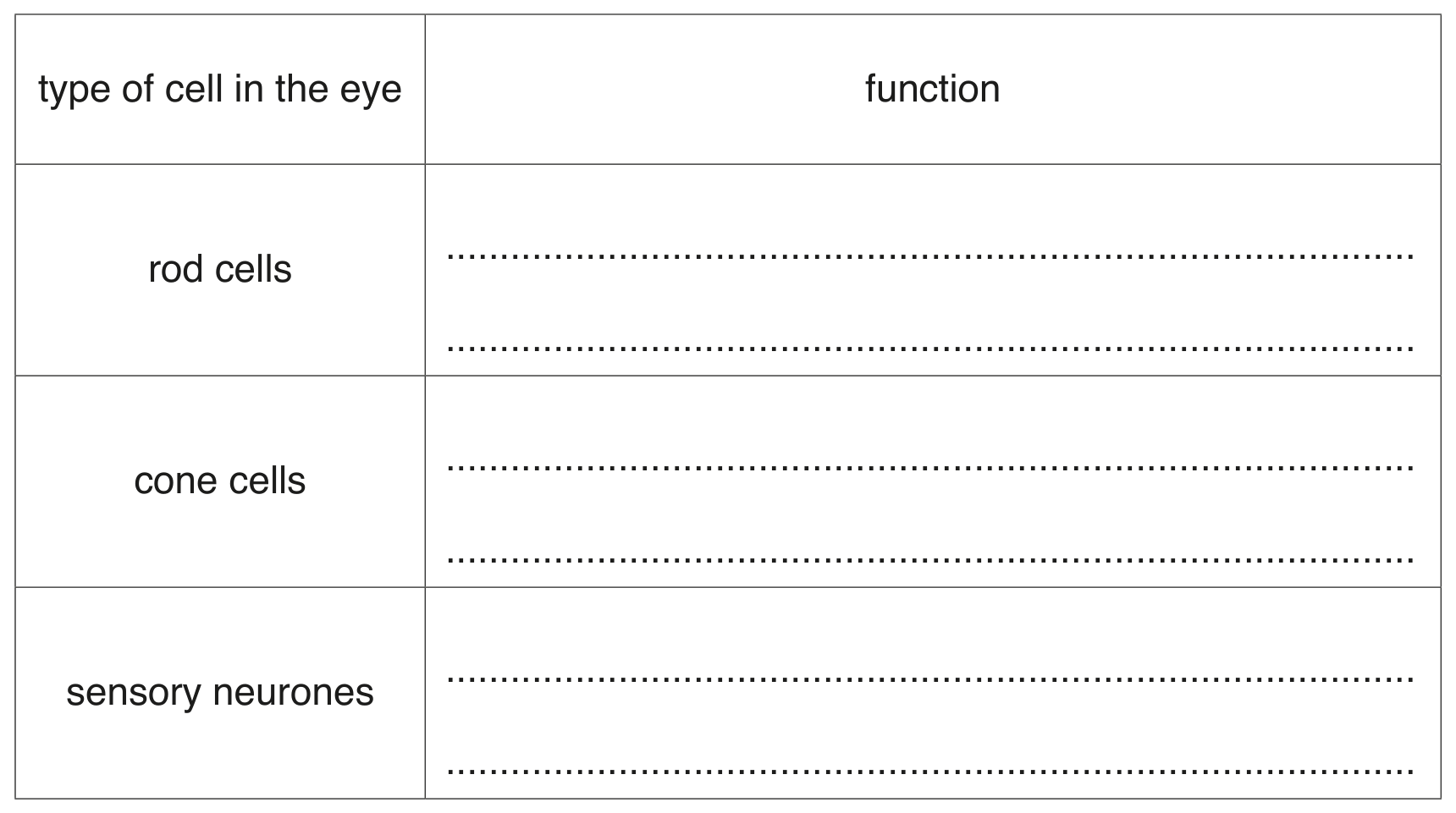
Complete Table 3.1 to state the function of three types of cell in the eye.

Table 3.1

Table 3.1

[ 3 ]
(b)

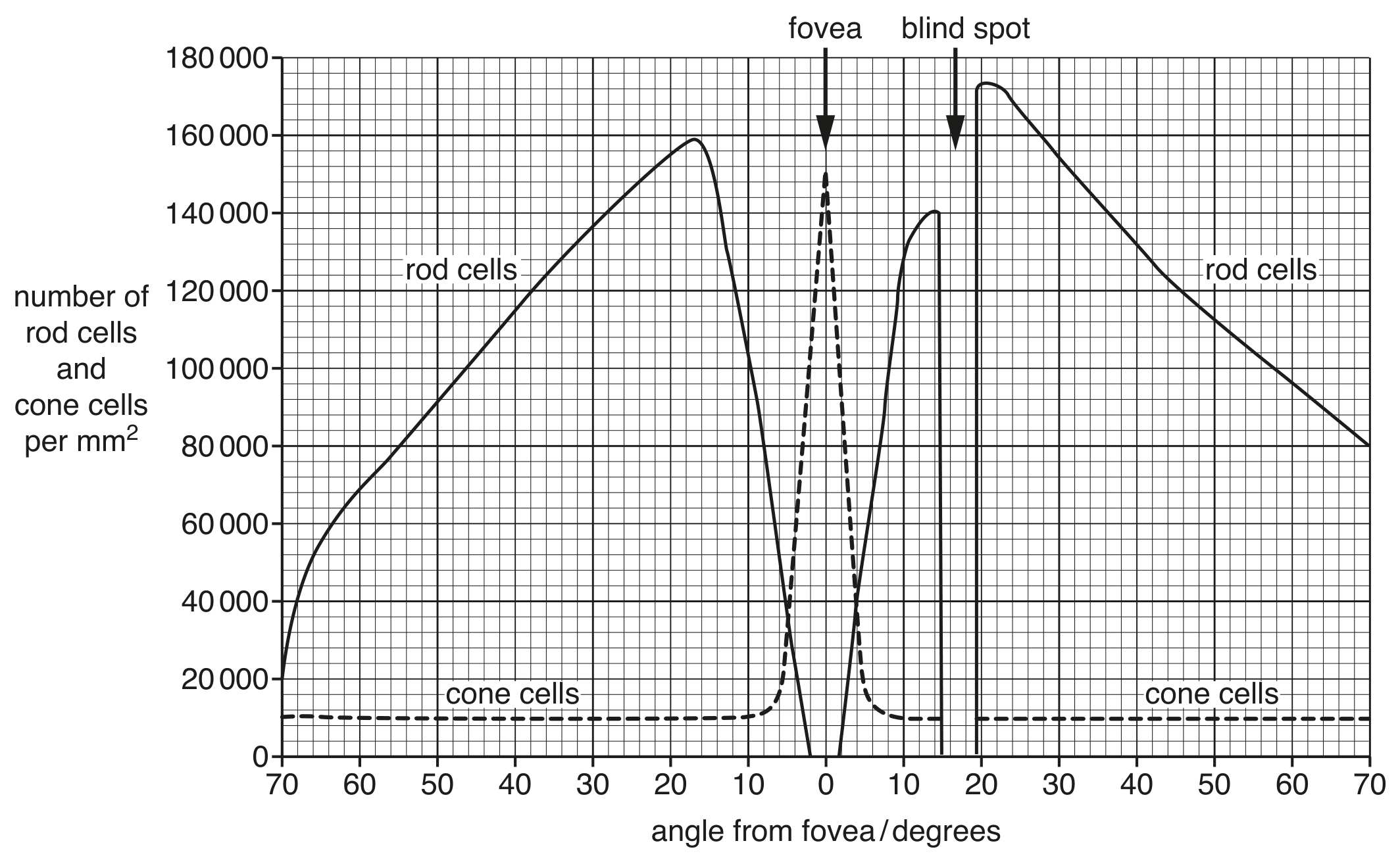
The number of rod cells and cone cells at places across the retina were recorded.

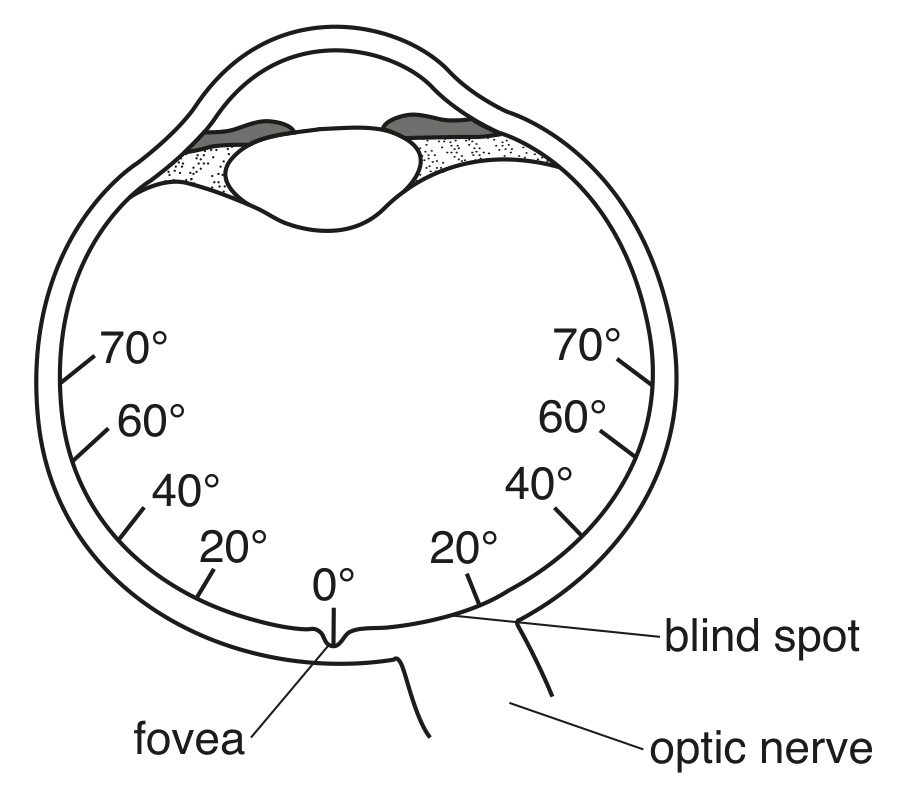
The diagram of an eye in Fig. 3.1 shows the angles from the fovea where the recordings were made.

The graph in Fig. 3.1 shows the number of rod cells and cone cells across the retina.
Use Fig. 3.1 to describe and explain the distribution of rod cells and cone cells across the retina.

Question image
Fig. 3.1

Fig. 3.1

[ 5 ]
(a)

Complete the five sentences about the eye and the nervous system.
Structures in the eye change the shape of the lens so that the eye can focus on near and distant objects. This is called

The radial and circular muscles in the iris of the eye are a pair of muscles that work against each other.

Muscles in the eye are controlled by the nervous system. The nervous system contains only sensory and motor neurones.

The nerve from the eye contains sensory neurones that conduct impulses to the

[ 5 ]
[Maximum number: 3]

Heroin is a drug that acts on the nervous system.

(a)

List three stimuli, other than pain, which humans can detect.

1

2
3

[ 3 ]
(a)
(i)

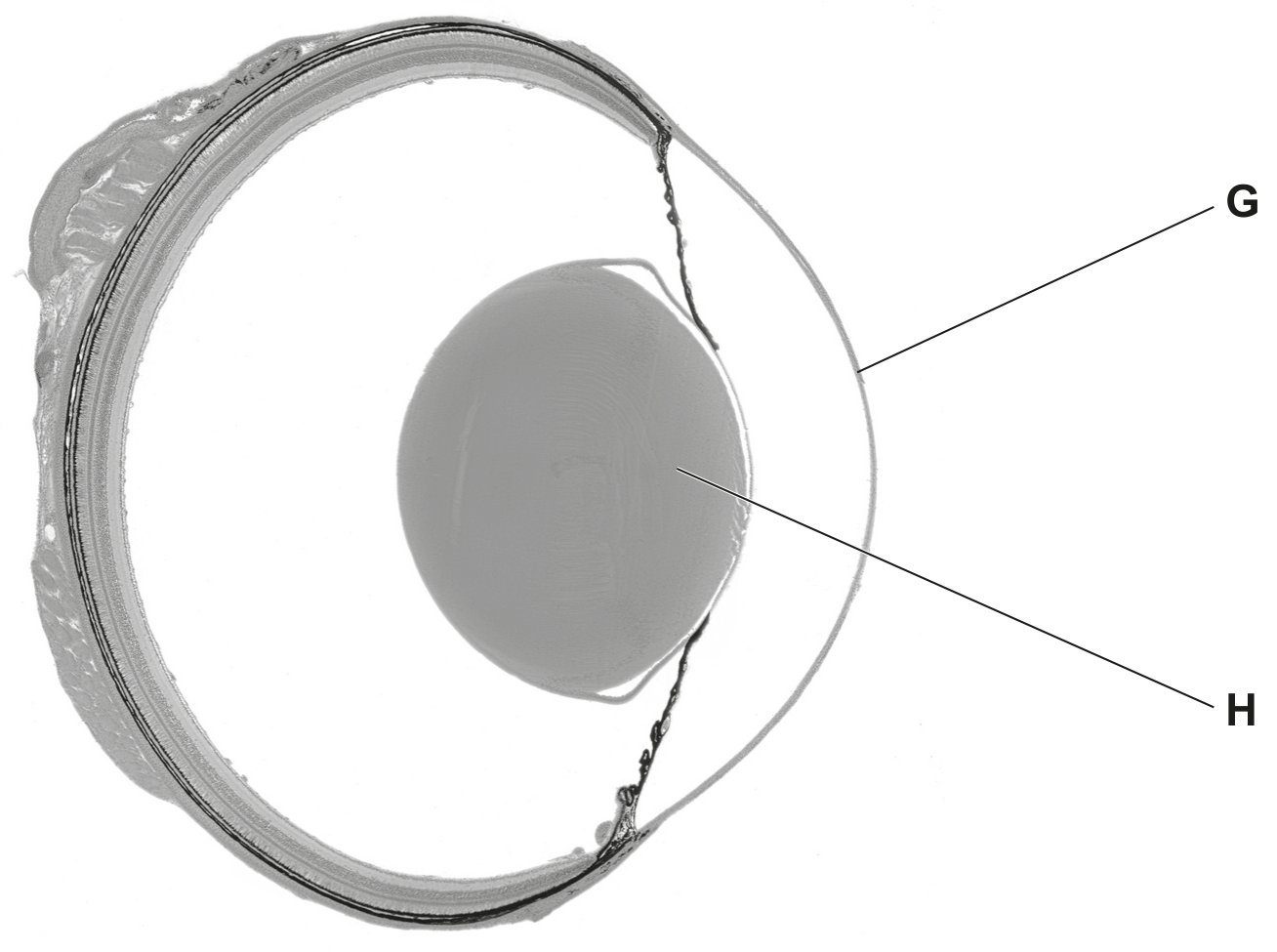
Fig. 3.1 is a photograph of a cross-section of a frog's eye.

Fig. 3.1

Fig. 3.1

Identify the structures labelled G and H in Fig. 3.1.
G

H

[ 2 ]
(b)

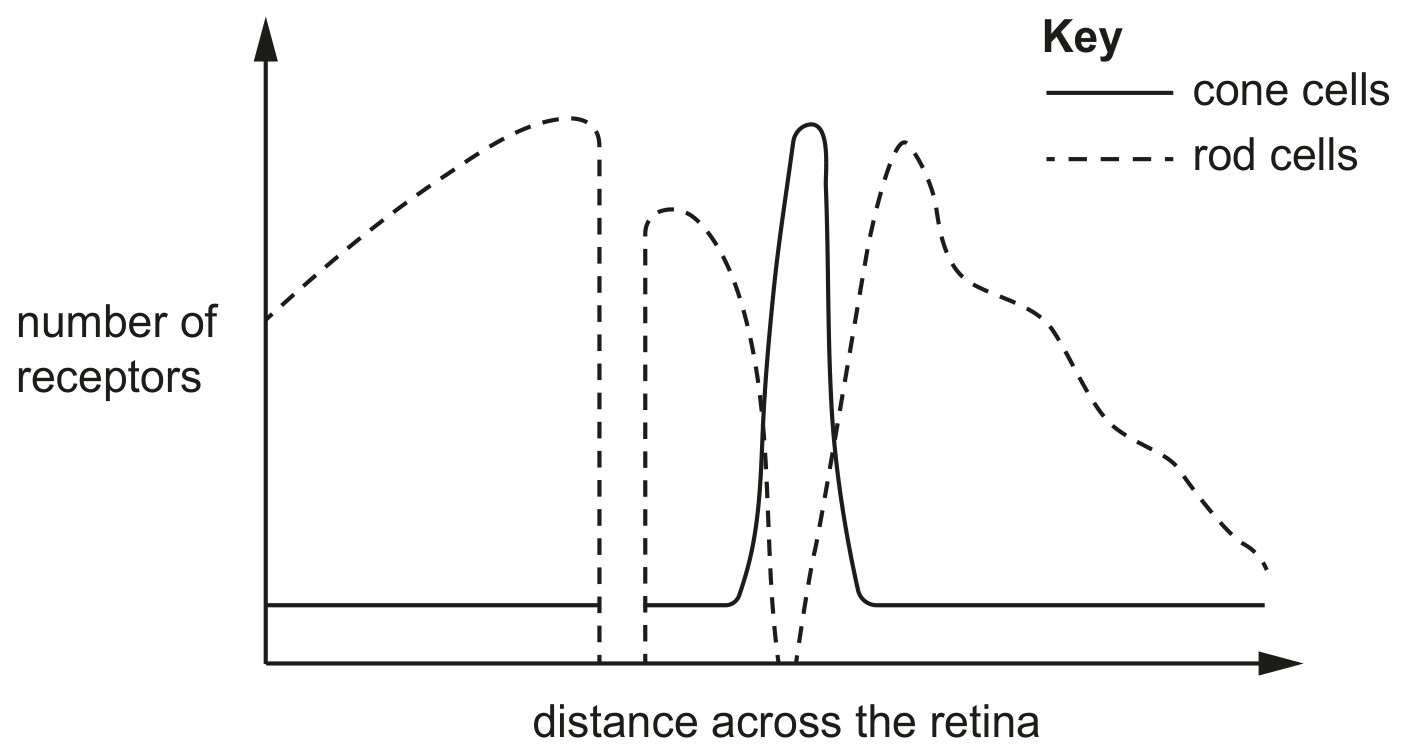
Fig. 3.3 is a graph showing the distribution of rod cells and cone cells across the retina in a human eye.

Fig. 3.3

Fig. 3.3

[ 9 ]
(i)

On Fig. 3.3 draw:
- the letter P to show the location of the fovea
- the letter Q to show the location of the blind spot.

[ 2 ]
(ii)

Describe and explain the distribution of rod cells and cone cells shown in Fig. 3.3.

[ 5 ]
(iii)

Some mammals are nocturnal which means they are active at night and sleep during the day.

Suggest how the number and distribution of rod cells and cone cells across the retina of a nocturnal mammal would differ from a human retina.

[ 2 ]
(a)

State the names of two sense organs.

1
2

[ 1 ]
[Maximum number: 1]

Which description of how the pupil of the eye gets smaller is correct?

circular muscles

radial muscles

contract

contract

contract

relax

relax

contract

relax

relax

0