An in vitro fertilisation (IVF) procedure is outlined in Fig. 1.1.
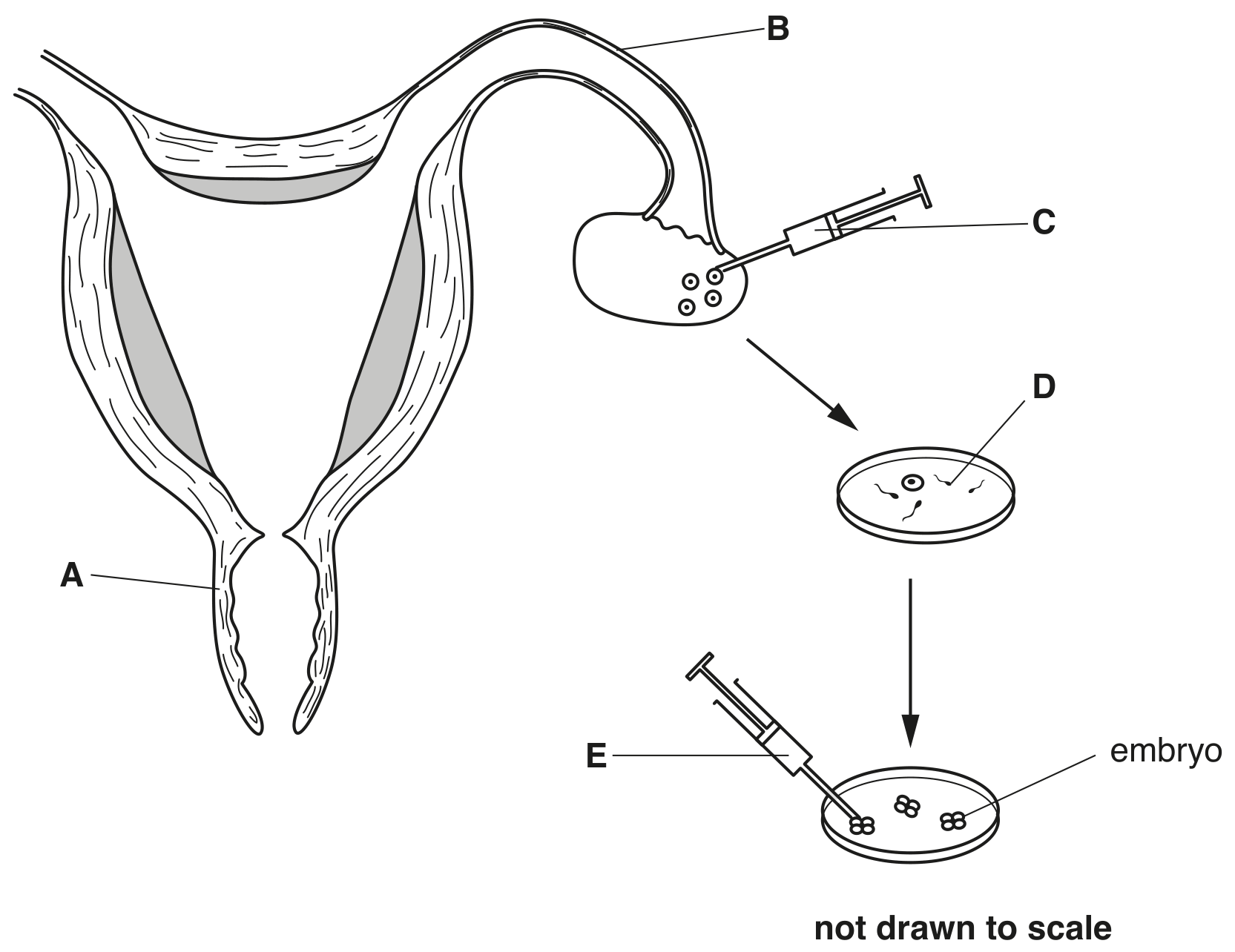
Fig. 1.1
Name a hormone that would be injected to stimulate egg cell development.
State when, during the menstrual cycle, this hormone should be injected.
EduNinjaAn in vitro fertilisation (IVF) procedure is outlined in Fig. 1.1.

Fig. 1.1
Name a hormone that would be injected to stimulate egg cell development.
State when, during the menstrual cycle, this hormone should be injected.
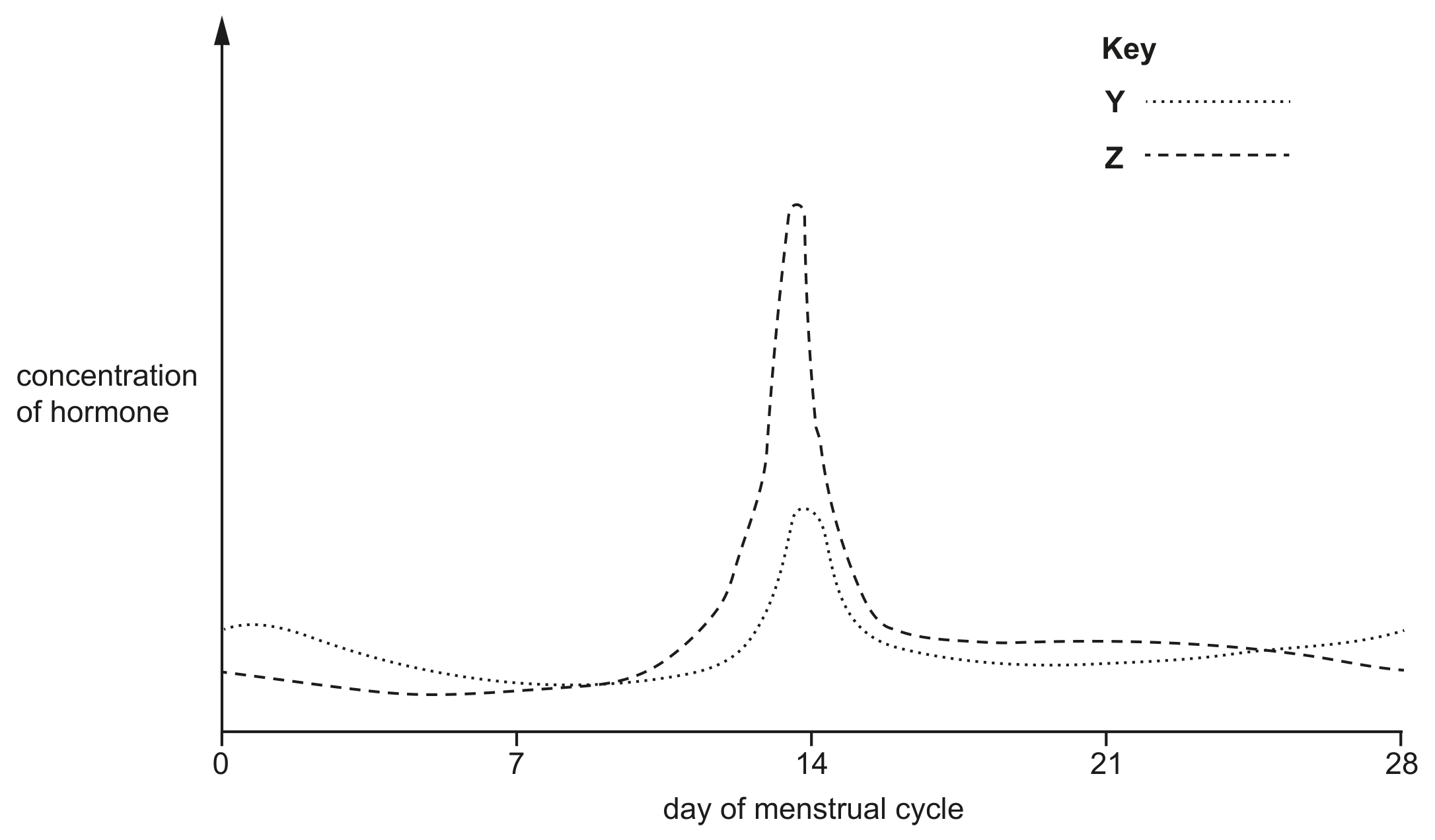
Fig. 1.1 shows the changes in the concentration of two hormones involved in the menstrual cycle.

Fig. 1.1
State the names of the hormones Y and Z in Fig. 1.1.
Y
Z
On Fig. 1.1, sketch a line to show the levels of progesterone through the 28-day menstrual cycle.
State the day in the 28-day menstrual cycle when the egg is most likely to be released from a follicle.
State the main site of progesterone production during pregnancy.
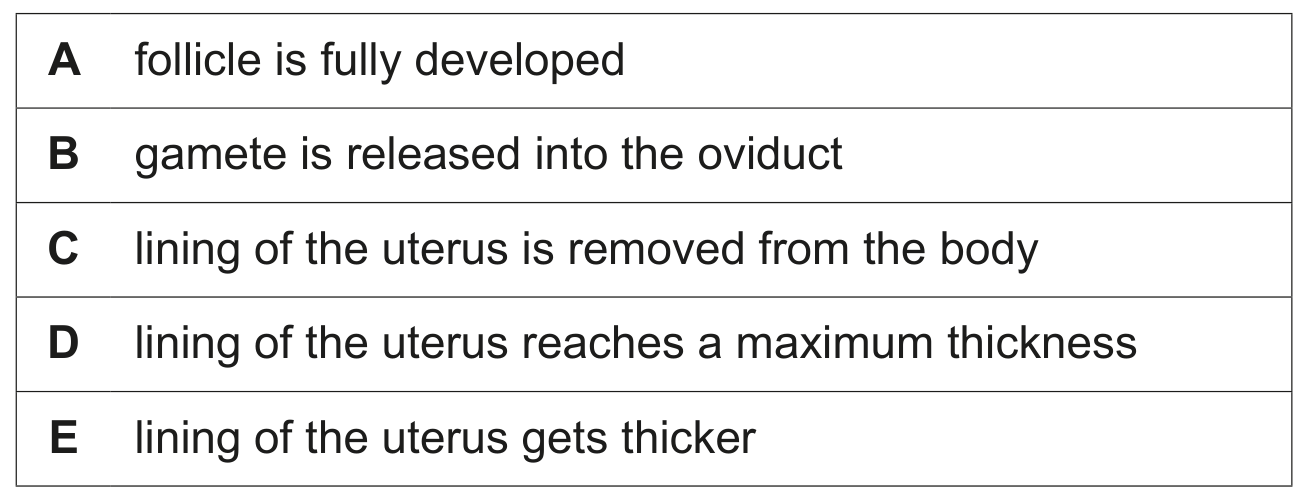
Fig. 3.1 shows some of the events that occur in the menstrual cycle.

Fig. 3.1
State the name of the hormone that stimulates event A to occur.
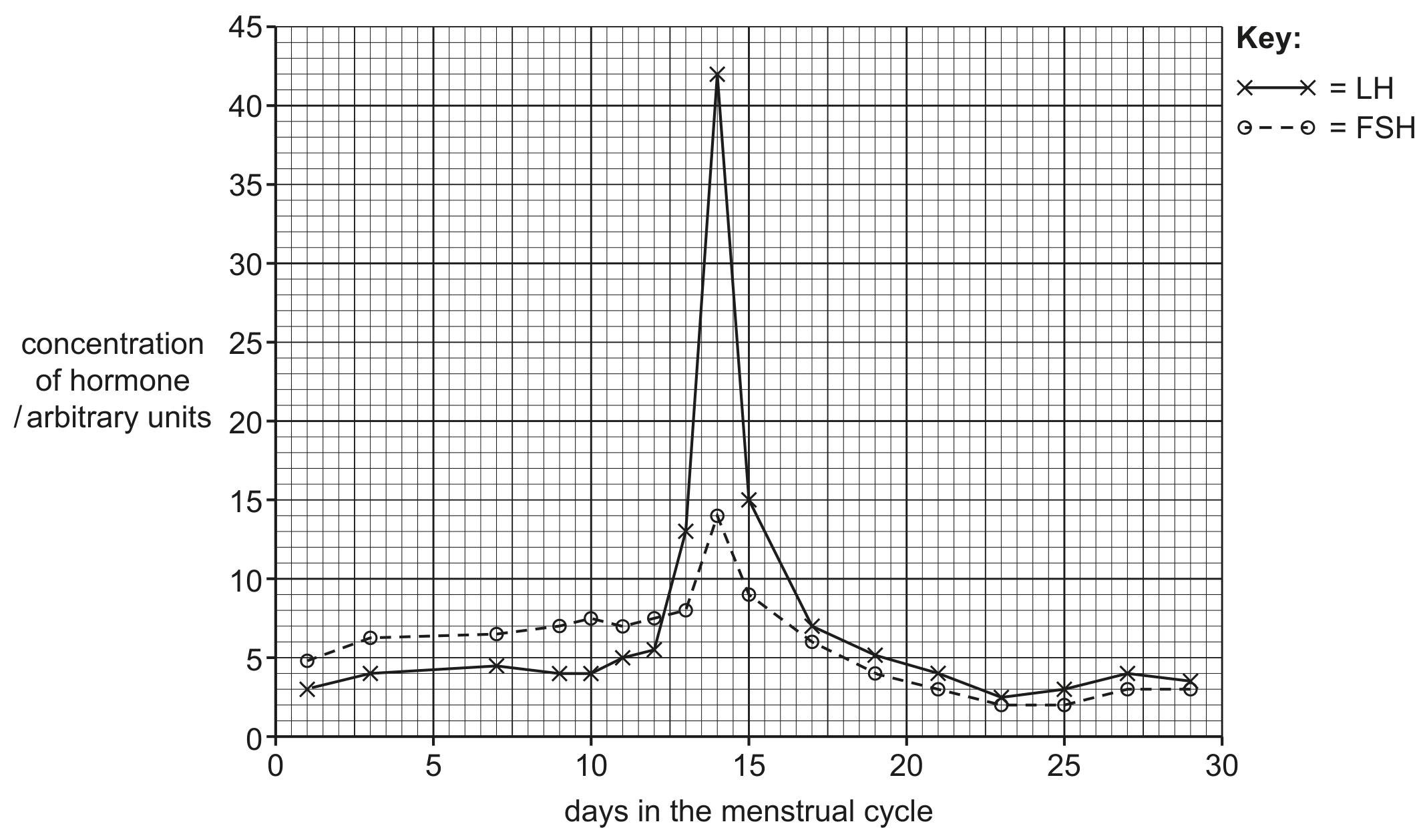
Fig. 3.1 shows the changes in the concentrations of the hormones FSH and LH during a menstrual cycle.

Fig. 3.1
Describe the roles of FSH and LH in the menstrual cycle.
Describe the changes that occur in the lining of the uterus during one menstrual cycle.
Oral contraceptives are a method of birth control taken by women.
Outline how the hormones in contraceptives act as a method of birth control.
One of the roles of the Centers for Disease Control and Prevention (CDC) in Atlanta, US, is to try to reduce the number of people who are infected with pathogens.
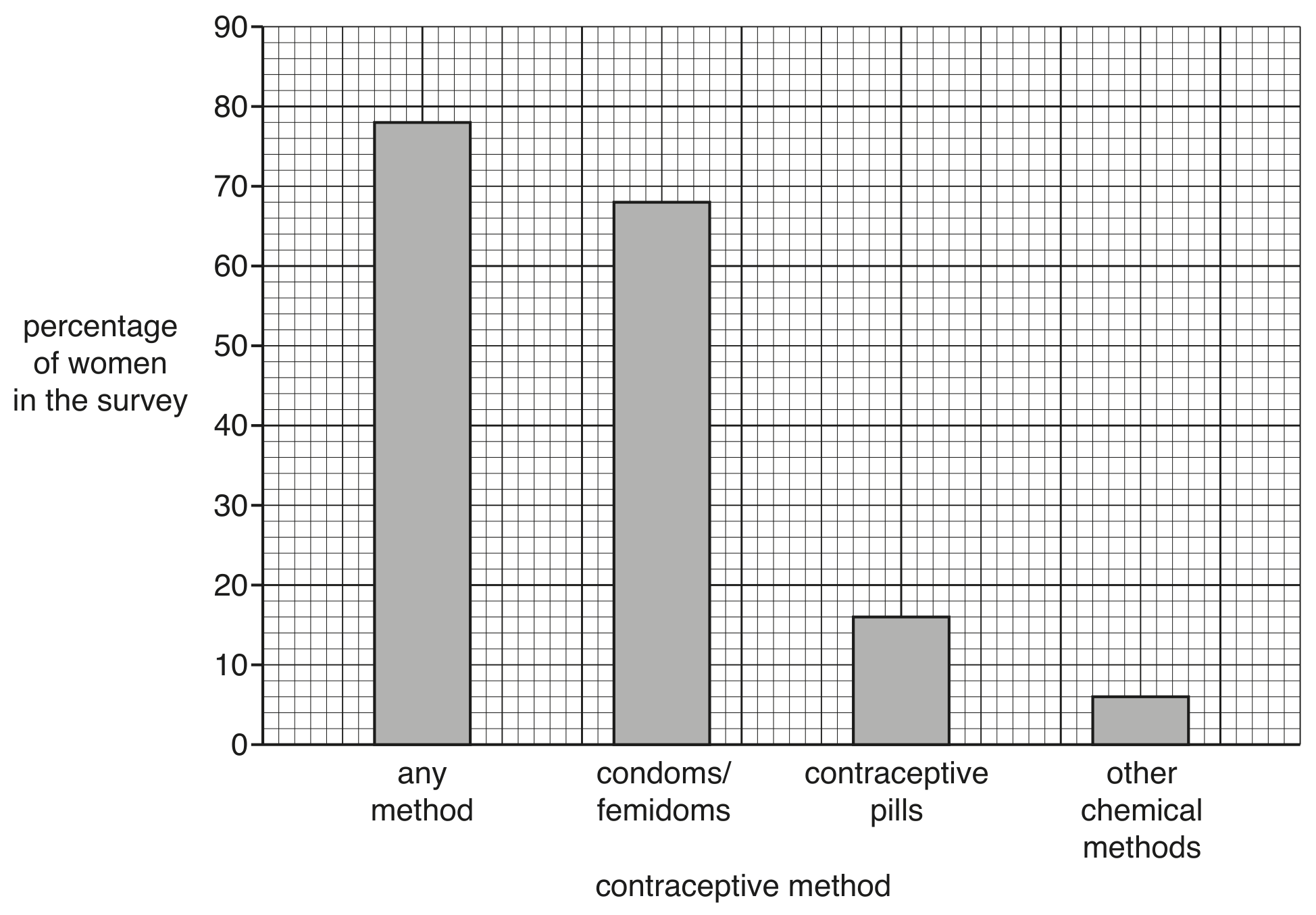
The CDC conducted a survey. They asked women which, if any, contraceptive methods they used.
Suggest why the CDC collected data on contraceptive methods.

Fig. 4.1 shows the results of the survey.
State two hormones that are used in contraceptive pills.
1
2
Suggest why contraceptive pills do not contain FSH.
The percentage of the last three bars in Fig. 4.1 added together is 90 %.
Suggest why the percentage of women who used any type of contraceptive method (first bar) is not equal to the sum of the last three bars.
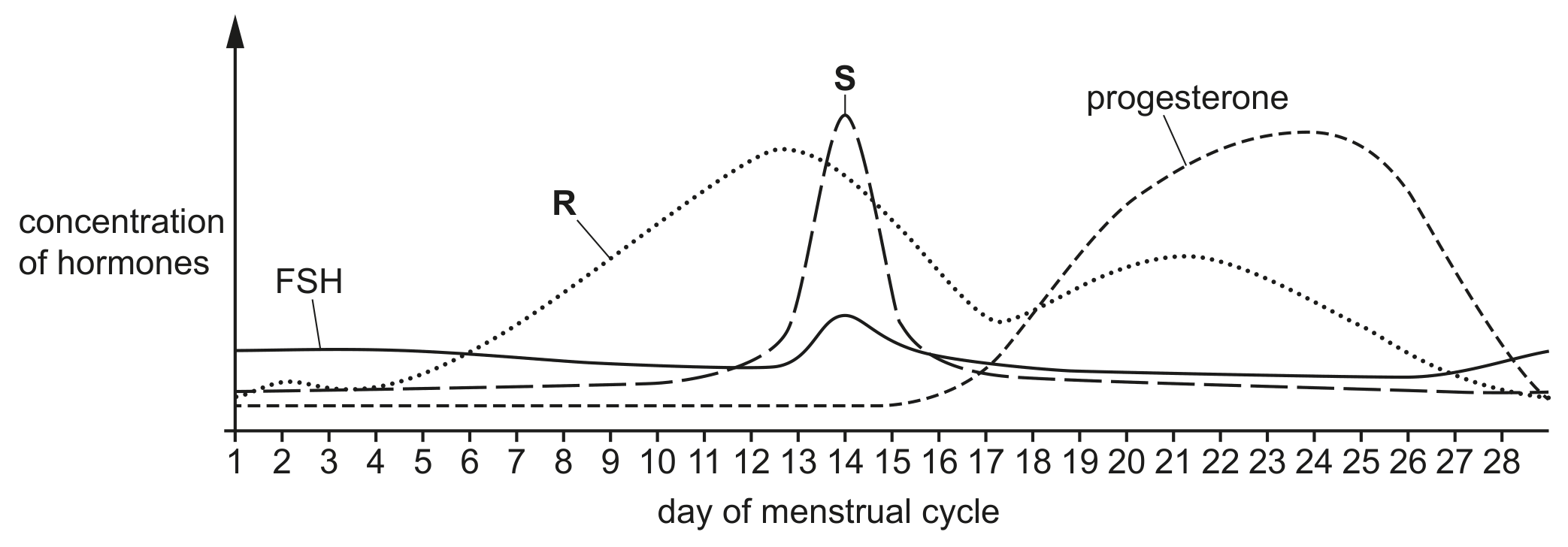
Fig. 4.1 shows the concentrations of female sex hormones during the menstrual cycle.

Fig. 4.1
Identify, from Fig. 4.1, hormone:
R
S.
State the day or days of the menstrual cycle shown in Fig. 4.1 when:
ovulation is most likely to occur shedding of the uterine lining occurs.
Describe how the concentration of progesterone would change during pregnancy.
Give a reason for this change.
State the sites of production of progesterone during a menstrual cycle and during pregnancy. during a menstrual cycle during pregnancy
Describe the role of FSH in the menstrual cycle.
Where are the hormones oestrogen and progesterone produced during pregnancy?
amniotic sac
oviducts
placenta
umbilical cord
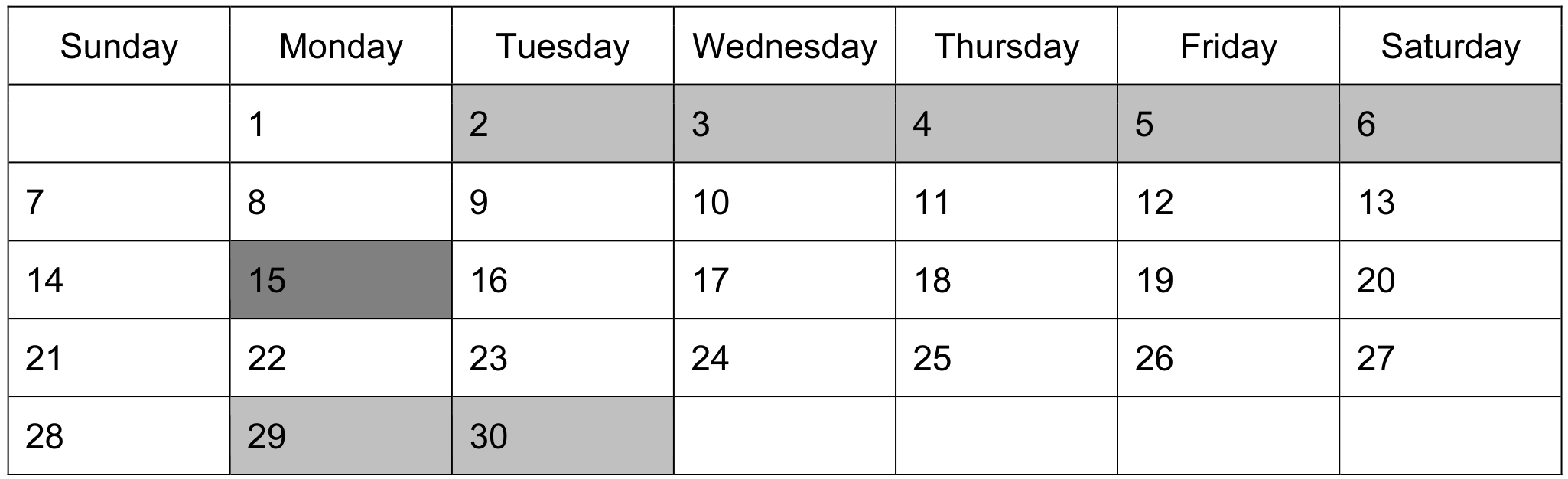
The diagram shows the menstrual cycle of a woman during the month of September.

key

= ovulation = menstruation
Why can fertilisation not take place if sperms are released into the vagina on 8th September?
Sperms are washed out of the female uterus by the menstrual flow.
Sperms can survive in the female reproductive system for only 3 or 4 days.
Sperms must be released after ovulation for fertilisation to take place.
The uterus lining is washed out of the female body during menstruation.
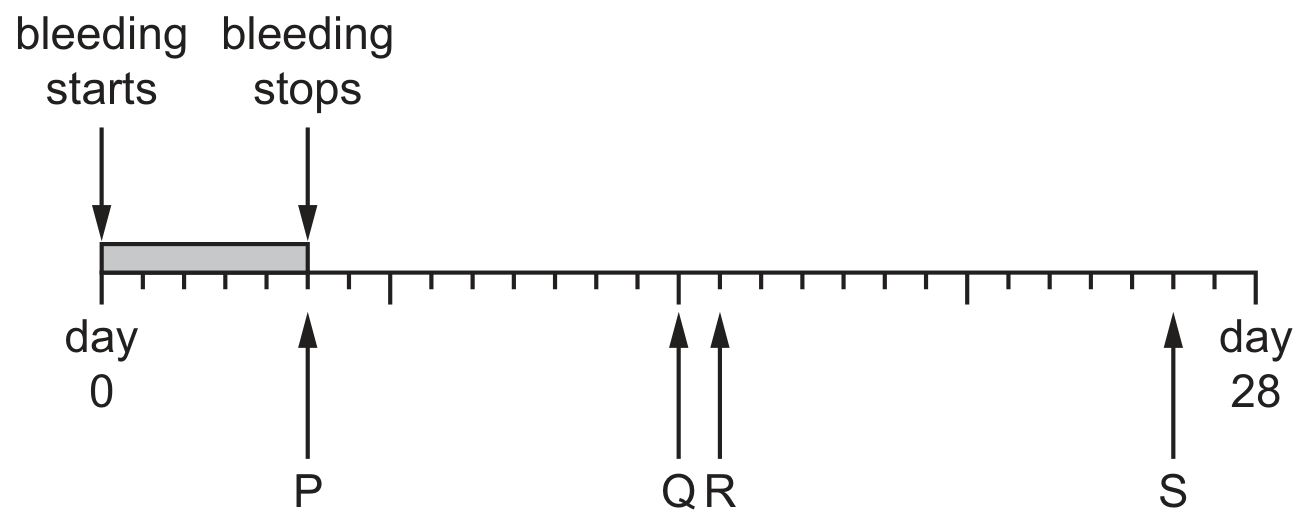
The diagram shows a woman's menstrual cycle.

On which day does ovulation occur, and on which day could fertilisation occur?
ovulation
fertilisation
P
R
P
S
Q
R
Q
S
Which hormone maintains the thickness of the lining of the uterus during pregnancy?
follicle stimulating hormone (FSH)
luteinising hormone (LH)
oestrogen
progesterone