(a)
Many species of spider are thought to be endangered.
State three reasons why animal species such as spiders become endangered.
1
2
3
[ 3 ]
 EduNinja
Many species of spider are thought to be endangered.
State three reasons why animal species such as spiders become endangered.
1
2
3
Large quantities of plastic waste are polluting the oceans.
The green turtle, Chelonia mydas, is a species of marine animal that is harmed by plastic waste.
Fig. 2.2 shows a green turtle swimming past a plastic bag in the Pacific Ocean.
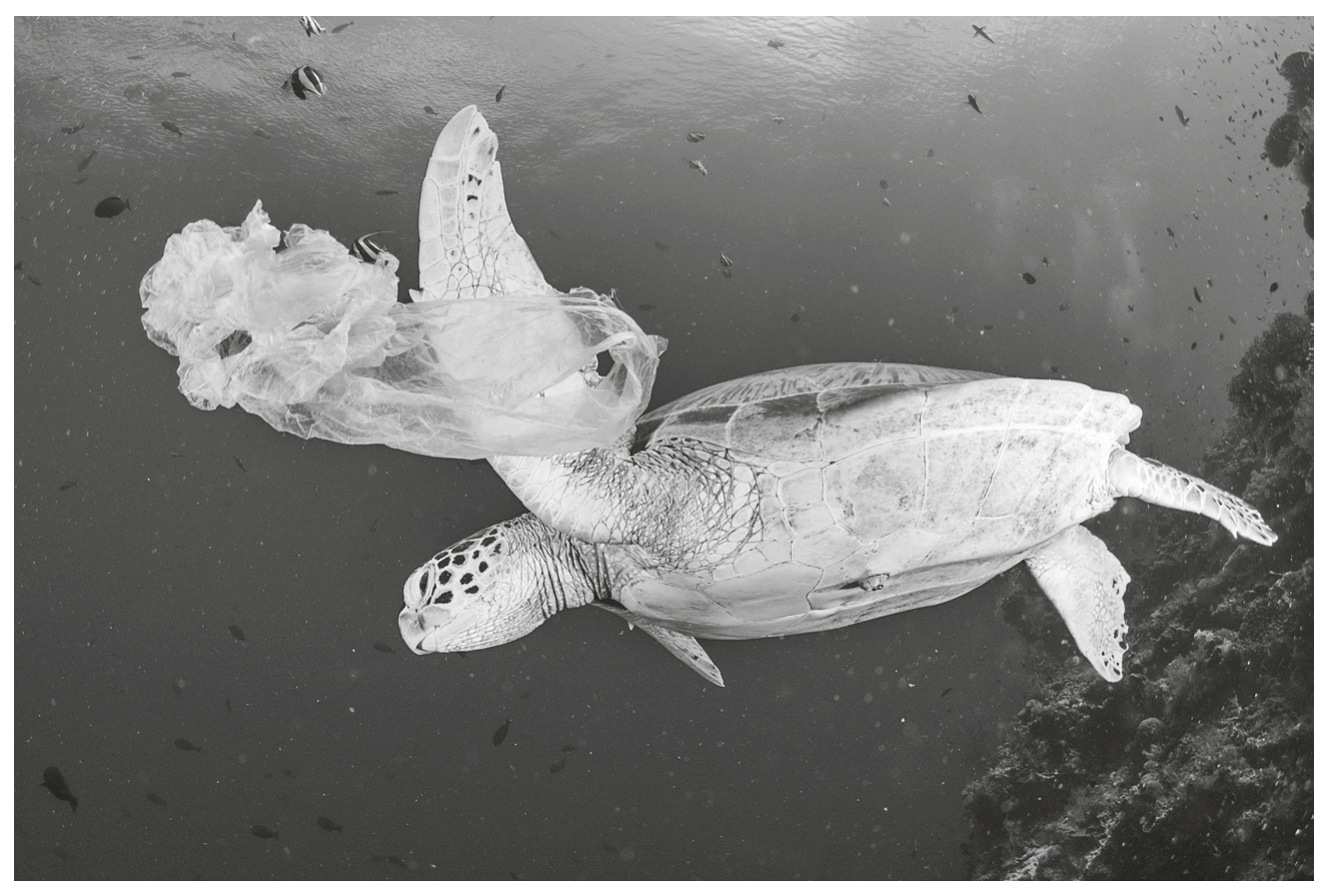
Fig. 2.2
Suggest ways to reduce the quantity of plastic waste.
[Total: 11]
Carp are a type of fish. Researchers in Brazil measured the body lengths of a population of carp in a river in 1998 and again in 2008.
Histograms of their results are shown in Fig. 2.1.
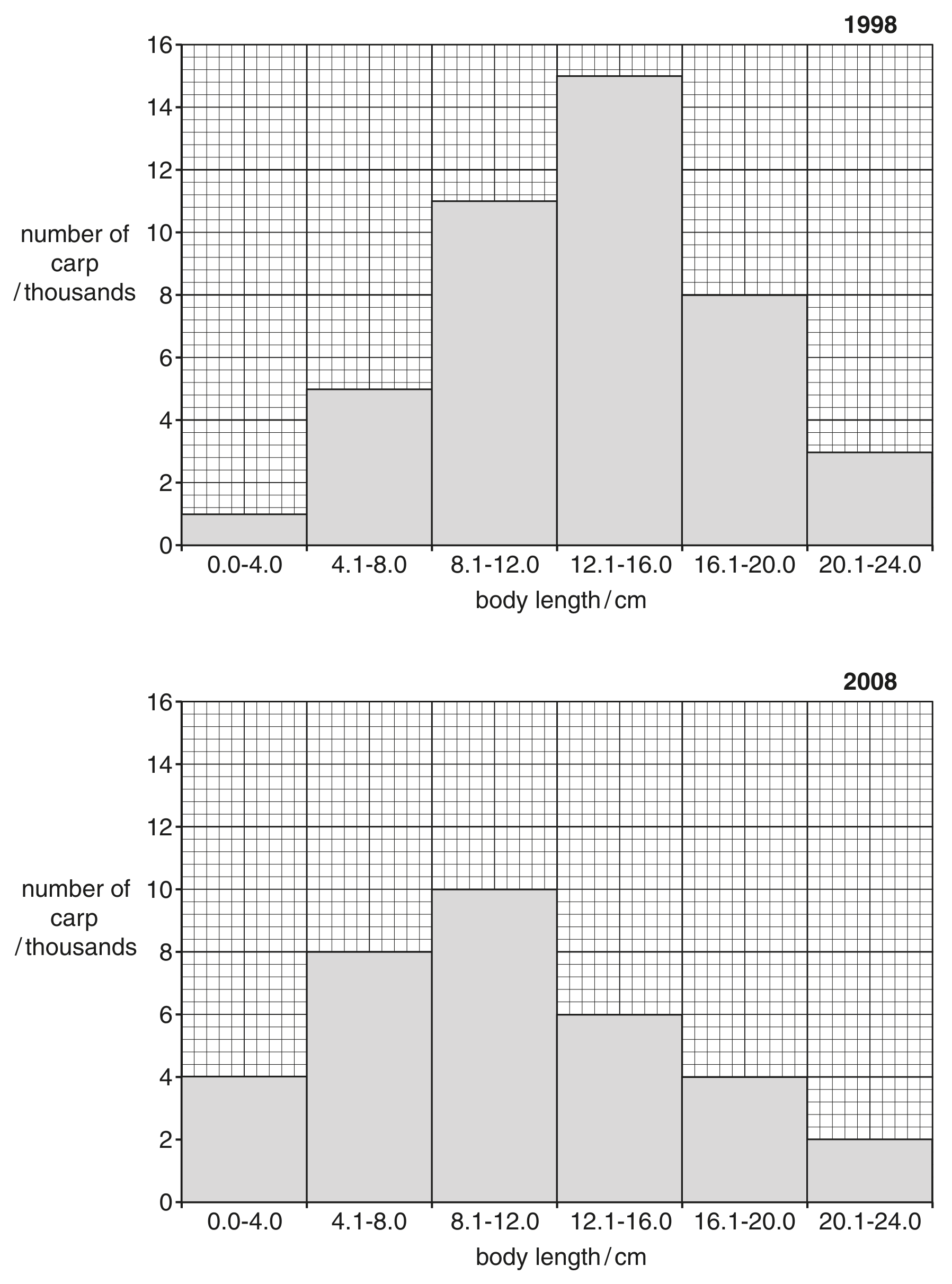
Fig. 2.1
The total population of carp in 1998 was 43000 fish.
The decrease in the carp population by 2008 was caused by overfishing.
Explain how fish stocks can be sustained.
People can use artificial insemination (AI) or in vitro fertilisation (IVF) to increase their chance of becoming pregnant.
Outline the process of artificial insemination.
Outline how the process of in vitro fertilisation (IVF) differs from artificial insemination (AI).
Describe the social implications of fertility treatments.
Tasmania is an island off the south coast of Australia. Sheep were introduced to Tasmania in the nineteenth century.
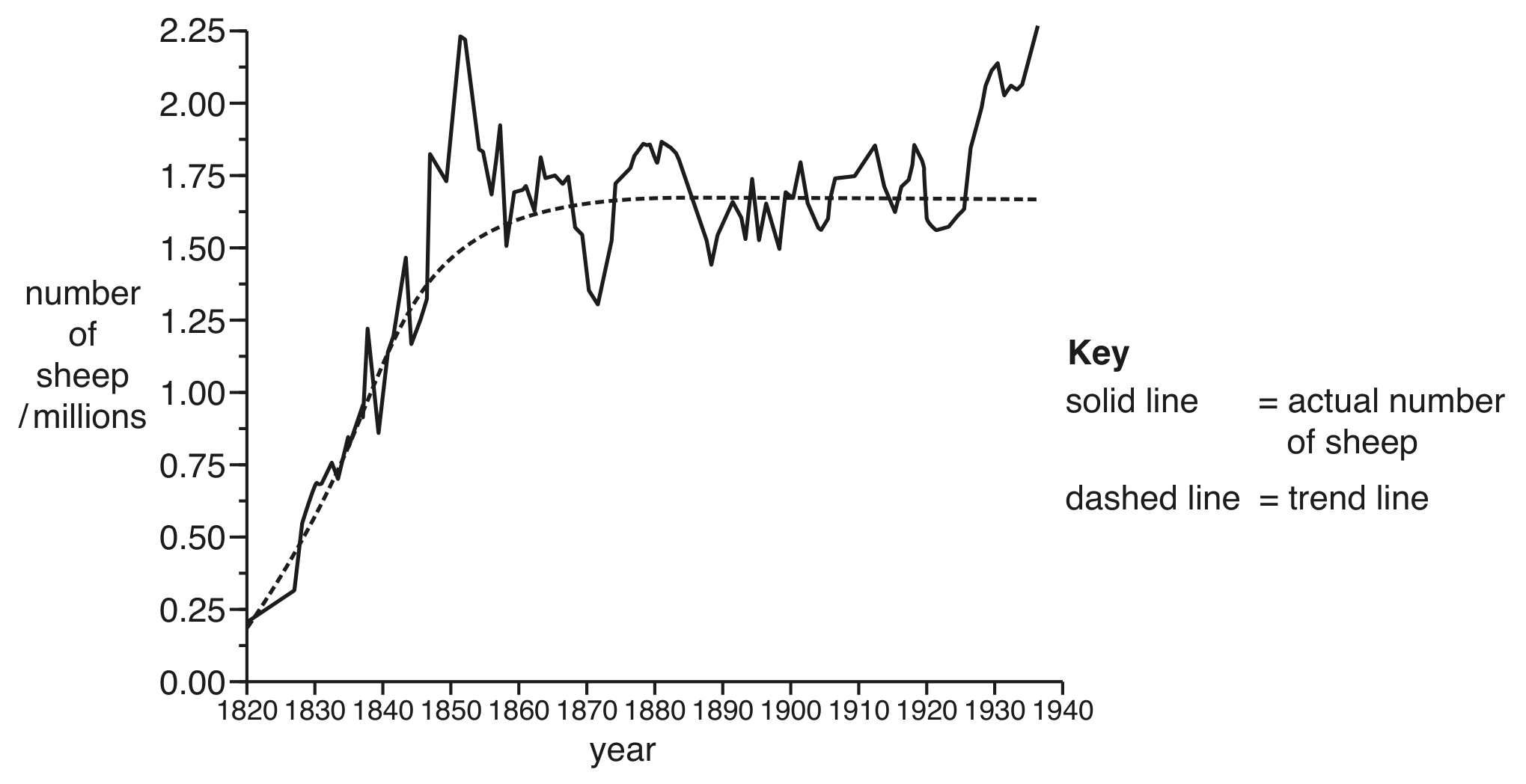
Fig. 3.1 shows the population of sheep in Tasmania from 1820 to 1940. The dashed line shows the trend in the population growth.
Maintaining very large populations of farm animals is unsustainable.
Define the term sustainable development.
The woodland is a conservation area.
Outline the possible benefits of conserving this specific area of woodland.
The Canadian Government were concerned about overfishing at the Grand Banks in the Atlantic Ocean.
As a result, commercial fish stocks were monitored from 2002 until 2013.
The population data for four species of fish are shown in Fig. 4.1.
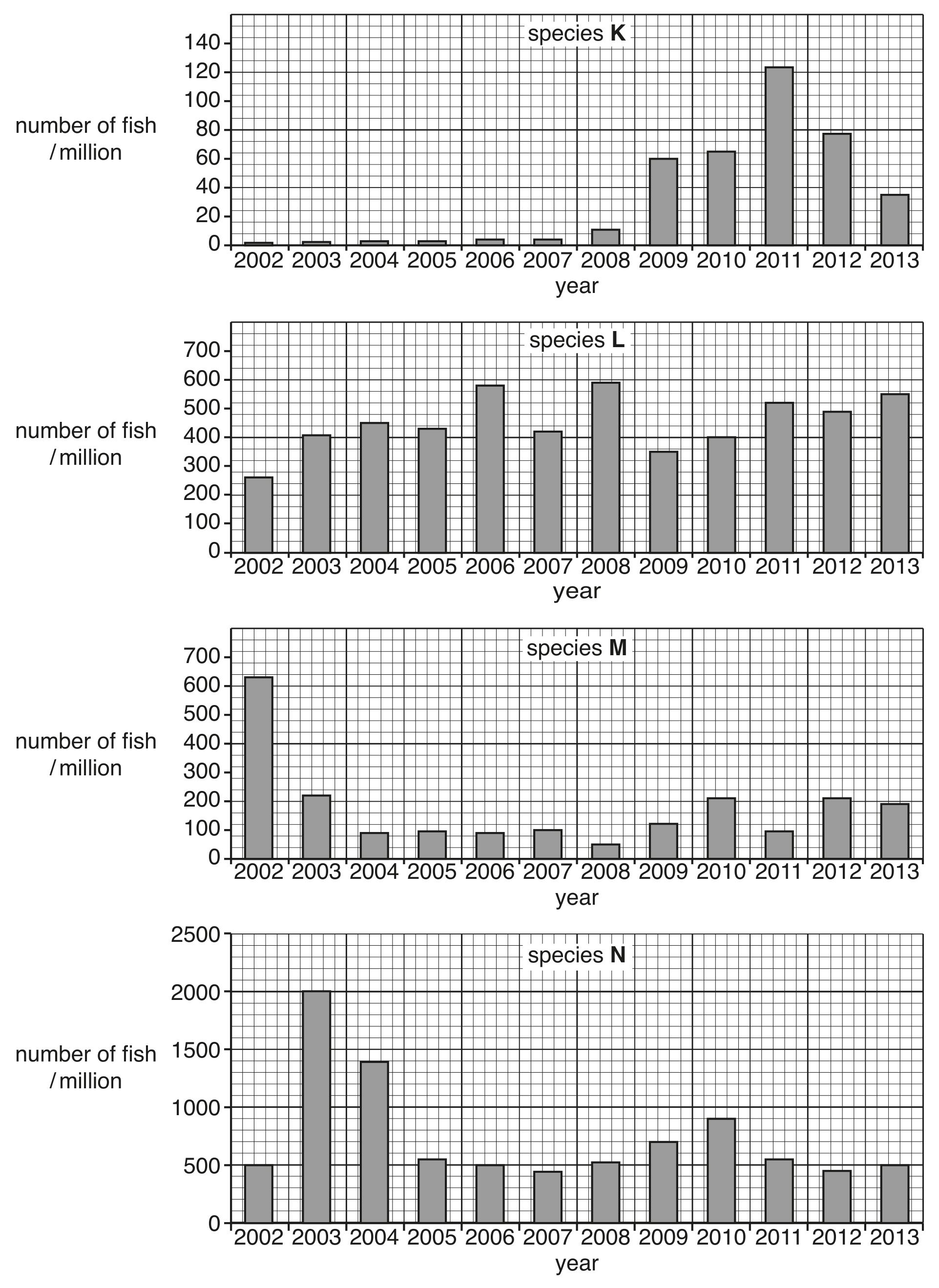
Fig. 4.1
Use the information in Fig. 4.1 to:
suggest the fish species that had the most carefully controlled fishing quotas between 2002 and 2013.
Give a reason for your choice.
Overfishing can be reduced by having large holes in fishing nets.
Fig. 4.2 shows sections of two fishing nets, the drawings are both at the same scale.
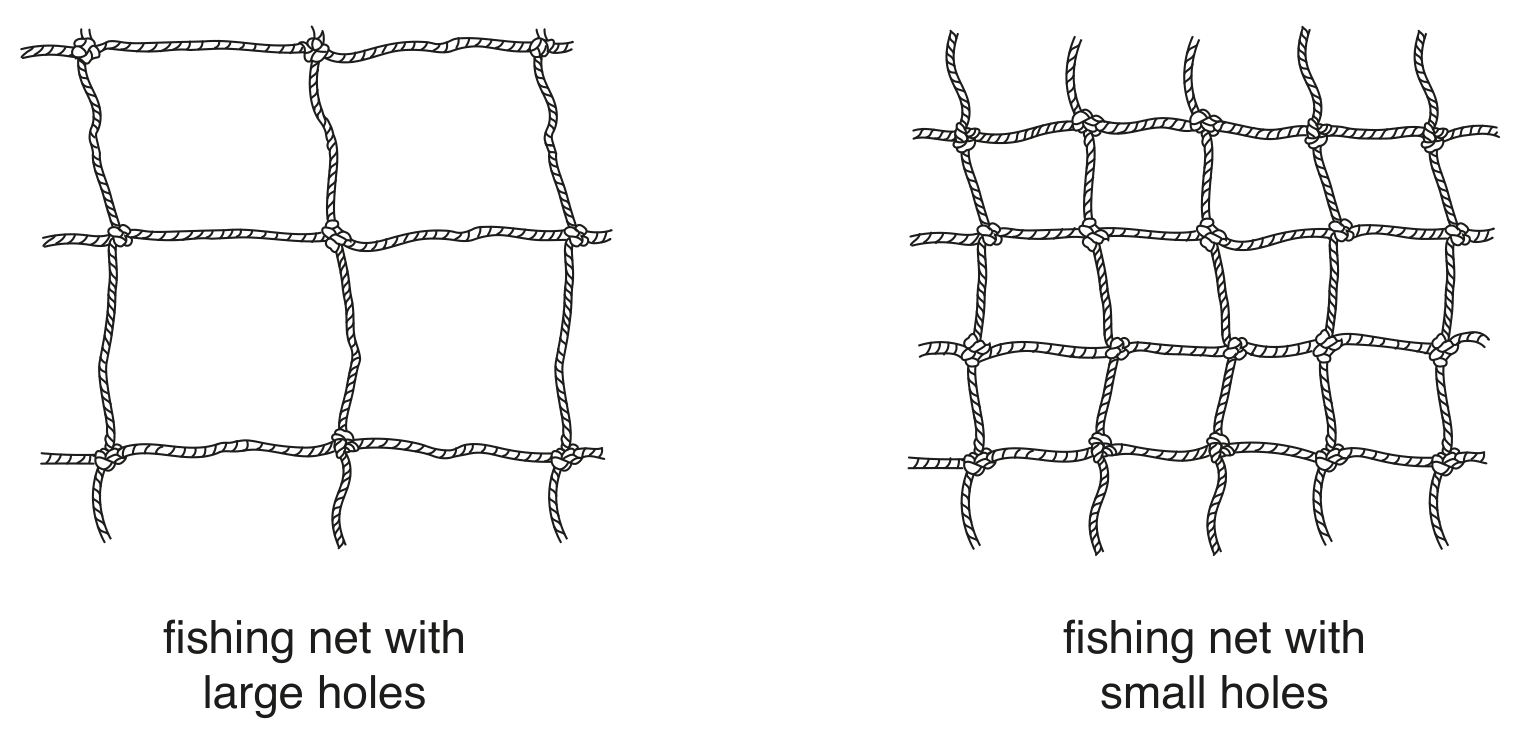
Fig. 4.2
Suggest how controlling the size of the holes in fishing nets helps to reduce overfishing.
Describe and explain how methods other than fishing net hole size, could help to prevent overfishing.
Sustainable development is required to manage fish stocks.
Define the term sustainable development.
Cheetahs, Acinonyx jubatus, are carnivores found in the dry grasslands and woodlands of southern Africa. Cheetahs hunt for food during the day. They eat deer and antelope.
The cheetah is the fastest mammal on land but can only run at high speed (sprint) over a short distance. Its hunting strategy is to creep up on prey and then sprint to catch them.
Fig. 3.1 is a photograph of a cheetah in its natural habitat.
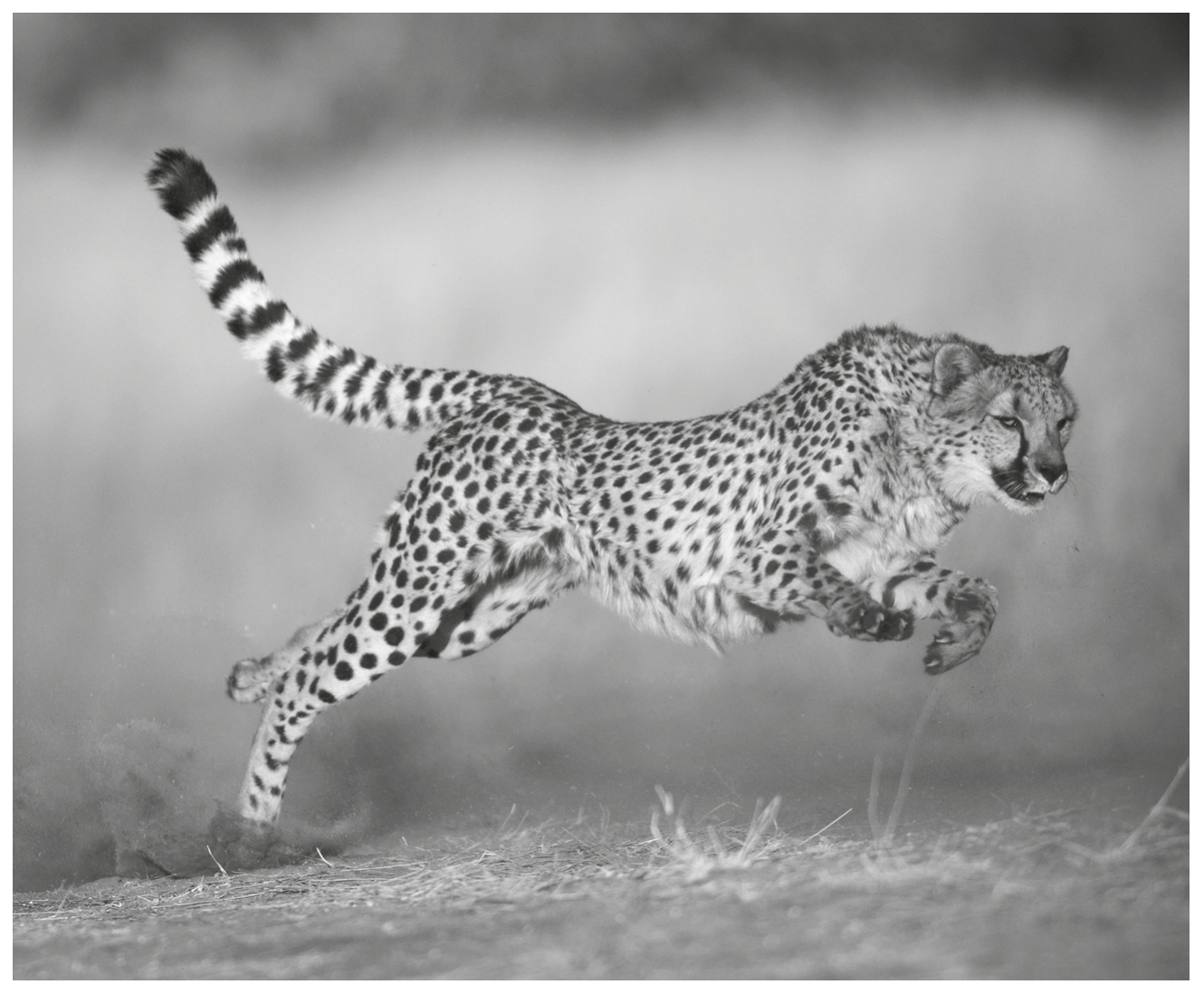
Fig. 3.1
Cheetahs are at risk of becoming endangered.
Suggest why the cheetah is at risk of becoming endangered.
Describe how species like the cheetah can be conserved.
Climate change is one reason why a plant species could become endangered.
State other reasons why a plant species could become endangered.
Seed banks are used to conserve endangered plant species.
Fig. 4.1 shows some of the steps involved in managing a seed bank.
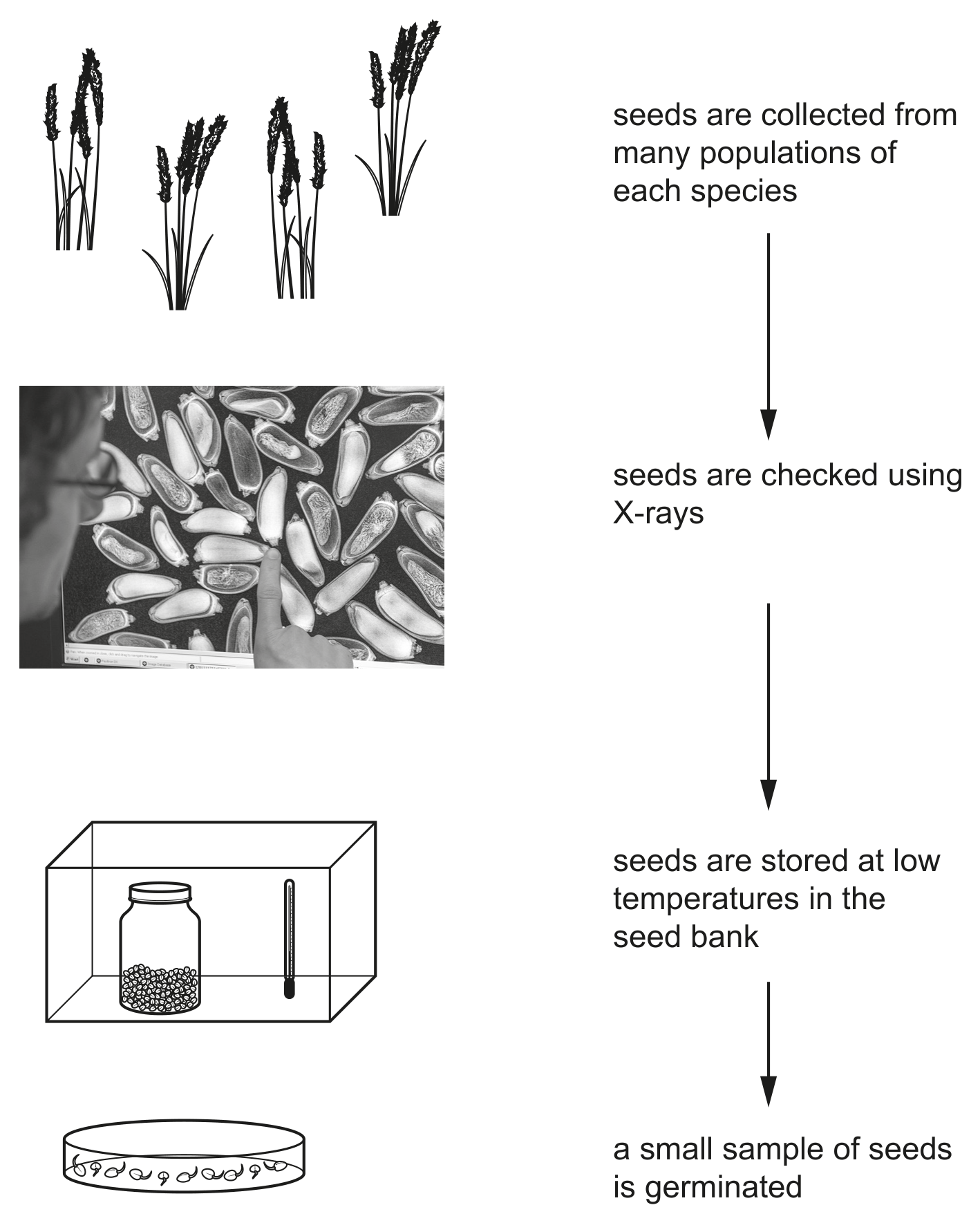
Fig. 4.1
Explain why seeds from one species are collected from many populations to store in a seed bank.
The giant quiver tree, Aloe pillansii, shown in Fig. 5.1, is an endangered species.
These long-lived trees grow in harsh environments. Some populations of A. pillansii are found within the Richtersveld National Park, but one population is found just outside on a mountain called Cornell's Kop in southern Africa.
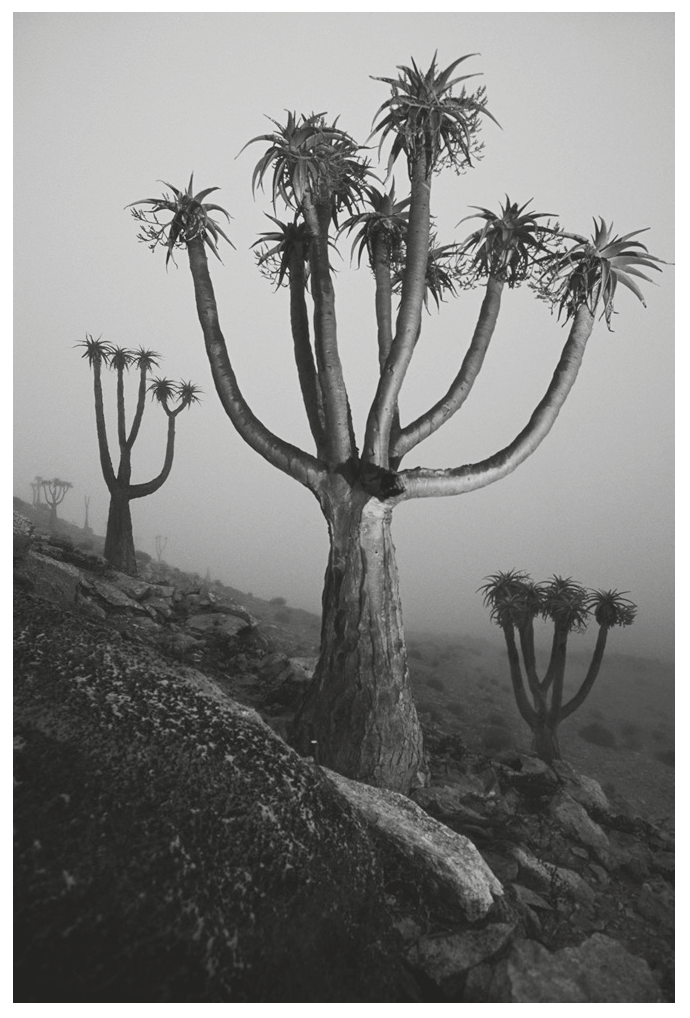
Fig. 5.1
Suggest three reasons why the giant quiver tree is an endangered species.
1
2
3
It was estimated in 2005 that the total number of giant quiver trees in the wild was less than 3000 , which is considered to be very low compared with other tree species.
Explain the risks to a plant species of having very small numbers.