(a)
Some pollutants decrease the concentration of dissolved oxygen in rivers. This can result in the death of fish.
[ 1 ]
(i)
State one type of pollutant that can result in a decrease in the concentration of dissolved oxygen in rivers.
[ 1 ]
 EduNinja
Some pollutants decrease the concentration of dissolved oxygen in rivers. This can result in the death of fish.
State one type of pollutant that can result in a decrease in the concentration of dissolved oxygen in rivers.
Large quantities of plastic waste are polluting the oceans.
A survey published in March 2018 showed the increase in plastic waste in the Pacific Ocean. One area of the Pacific Ocean is known as the Great Pacific Garbage Patch (GPGP).
Data were collected from areas inside and outside the GPGP between 1965 and 2015 to estimate the quantity of plastic waste.
The results are shown in Fig. 2.1.
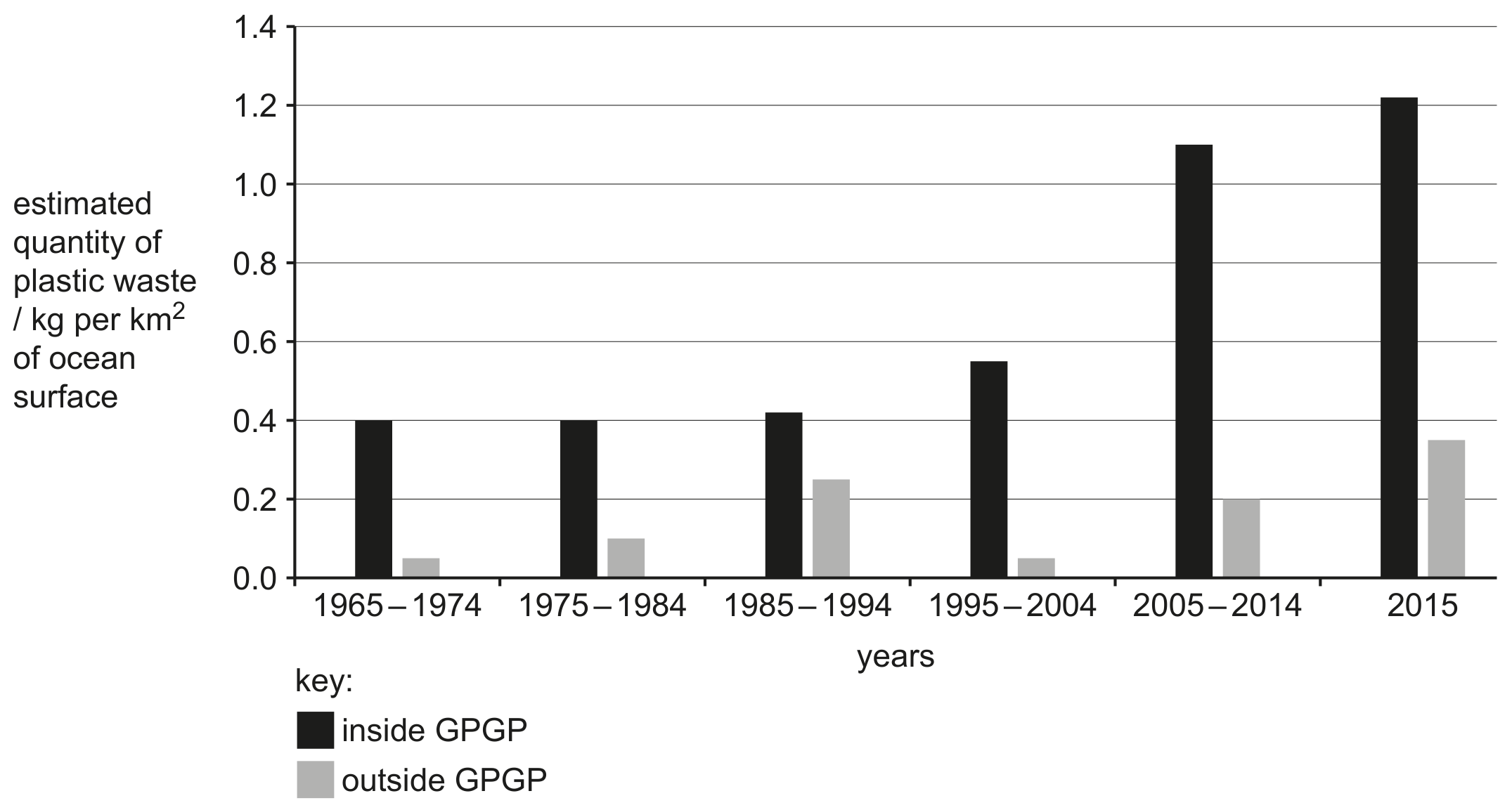
Fig. 2.1
Describe the results of the survey shown in Fig. 2.1.
The green turtle, Chelonia mydas, is a species of marine animal that is harmed by plastic waste.
Fig. 2.2 shows a green turtle swimming past a plastic bag in the Pacific Ocean.
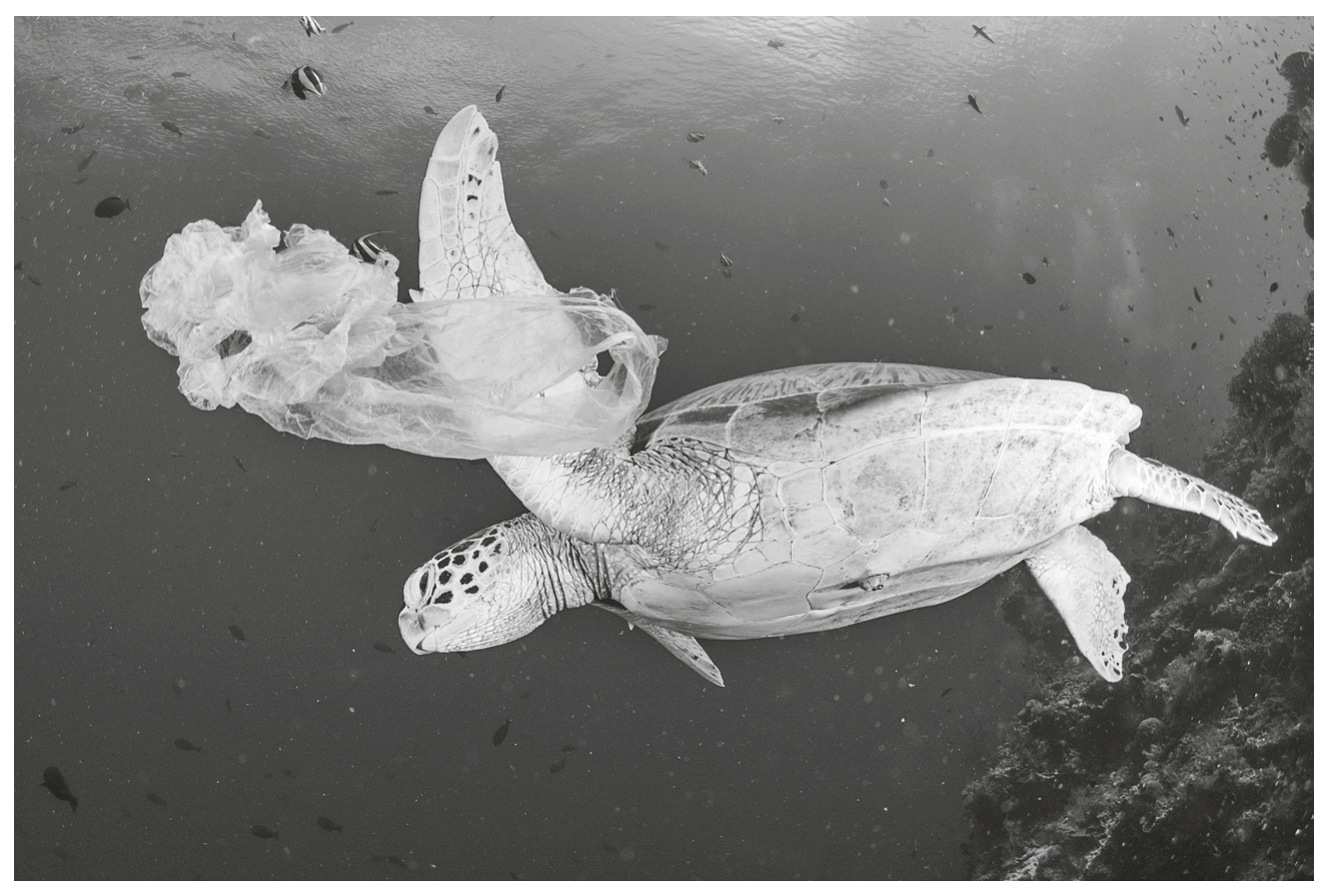
Fig. 2.2
Outline the dangers of non-biodegradable plastic waste to marine animals, such as green turtles.
Fig. 2.1 is a photomicrograph of the end of a plant root.
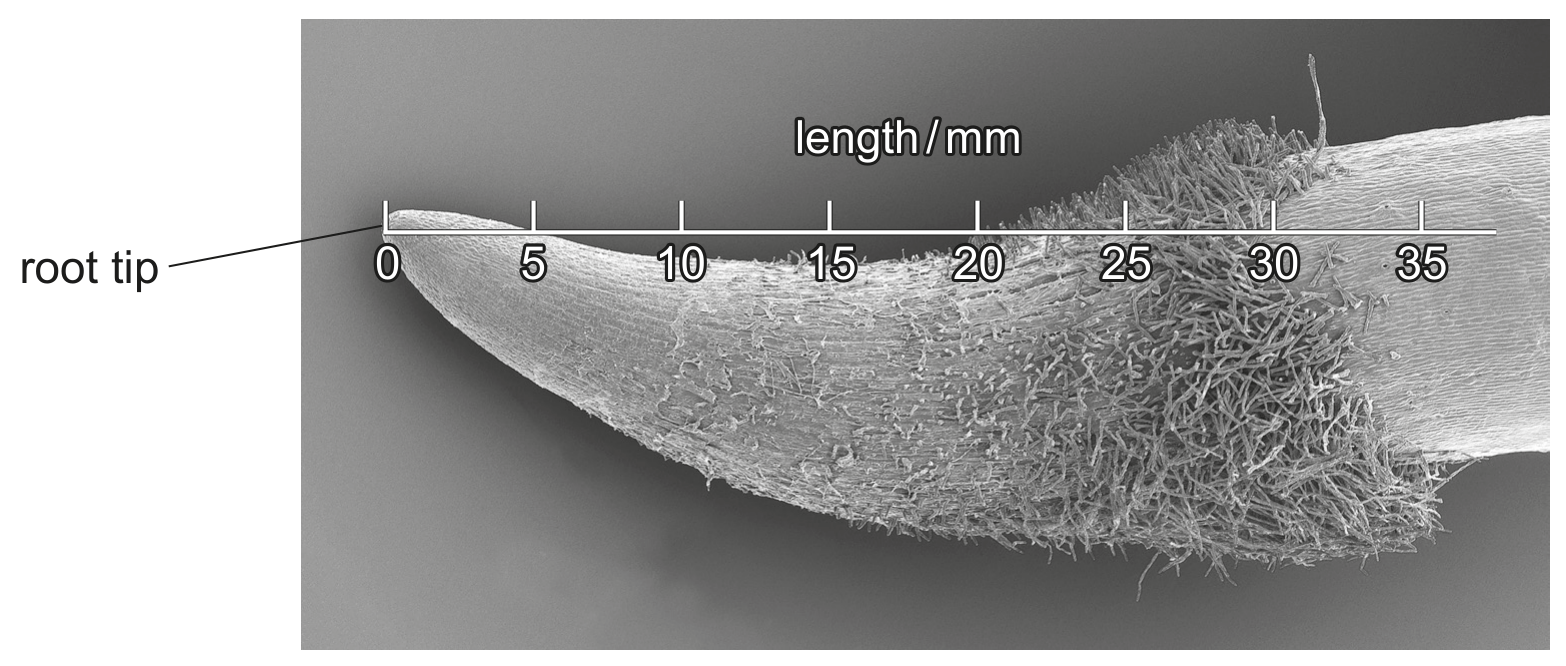
Fig. 2.1
Fig. 2.2 shows the results of a study on the rate of uptake of nitrate ions at different points along the root shown in Fig. 2.1.
rate of nitrate ion uptake / pmol per per s
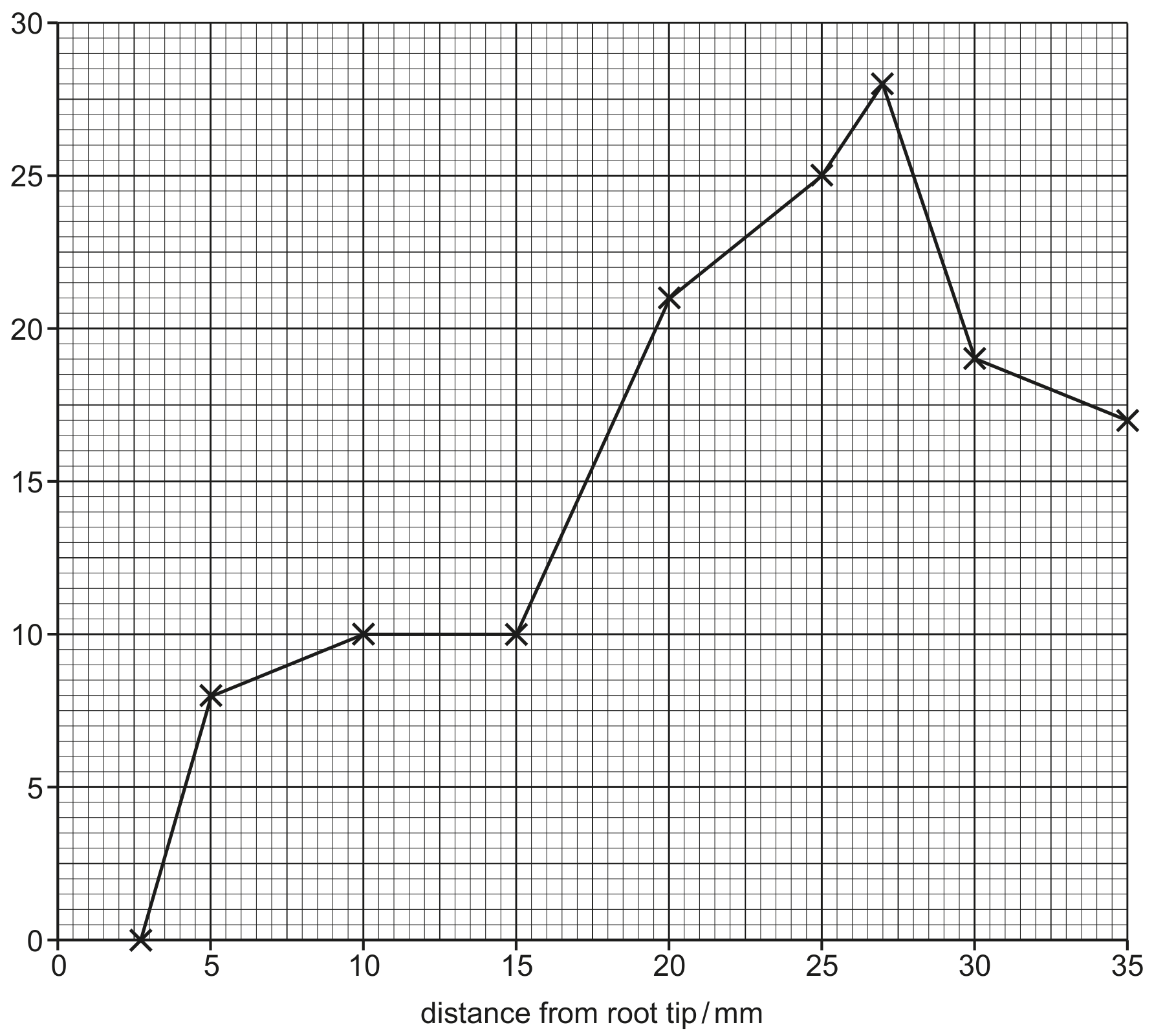
Fig. 2.2
Fig. 2.3 shows some of the events that occur when high concentrations of nitrate ions flow into lakes.
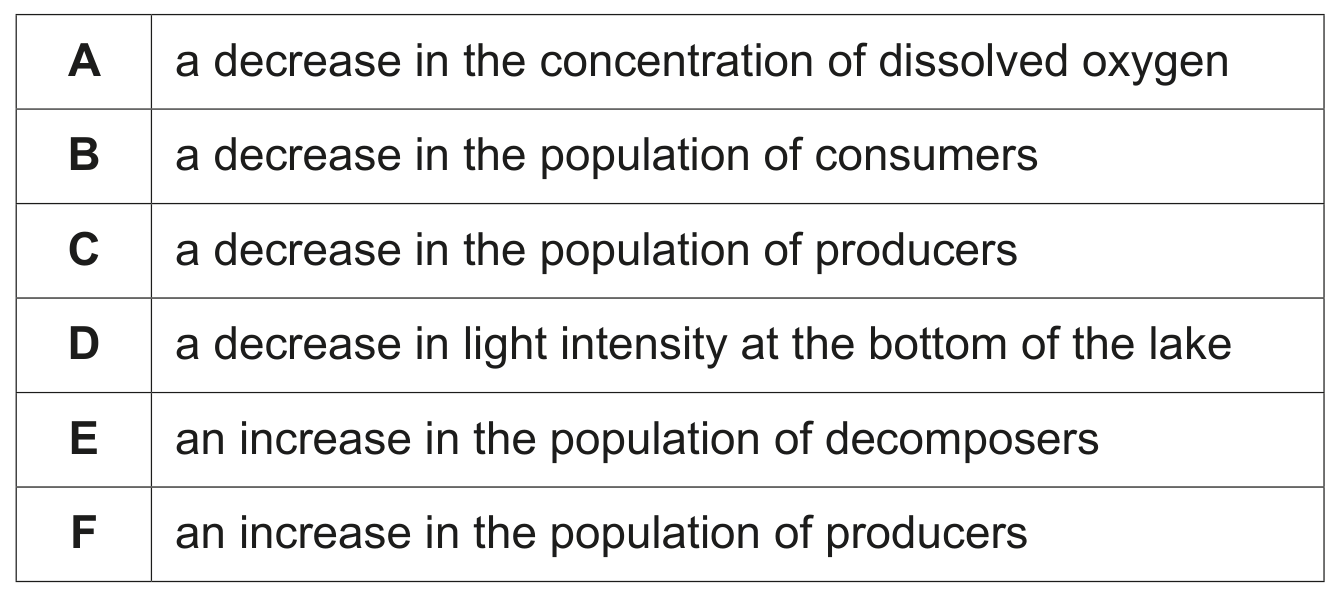
Fig. 2.3
Put the events shown in Fig. 2.3 into the correct sequence.

State the name of the process summarised in Fig. 2.3.
Very small pieces of plastic, called microplastics, are found in many products such as soaps and toothpaste.
Fig. 3.1 shows toothpaste that contains microplastics.
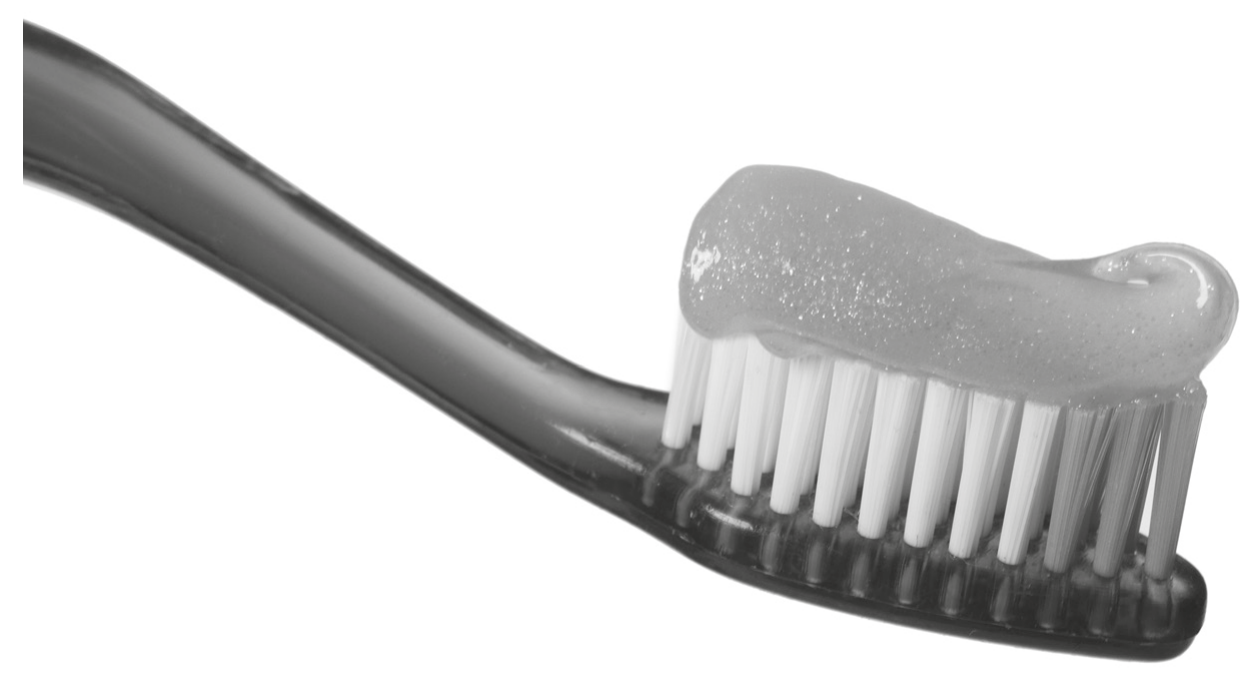
Fig. 3.1
Non-biodegradable plastics are also harmful to terrestrial ecosystems.
Discuss the effects of non-biodegradable plastics on terrestrial ecosystems.
A farmer applied fertiliser to a field next to a lake.
Suggest two precautions the farmer should take when applying fertiliser to reduce the risk of eutrophication occurring in the lake.
1
2
Acid rain has destroyed many forests including the forest shown in Fig. 3.1.
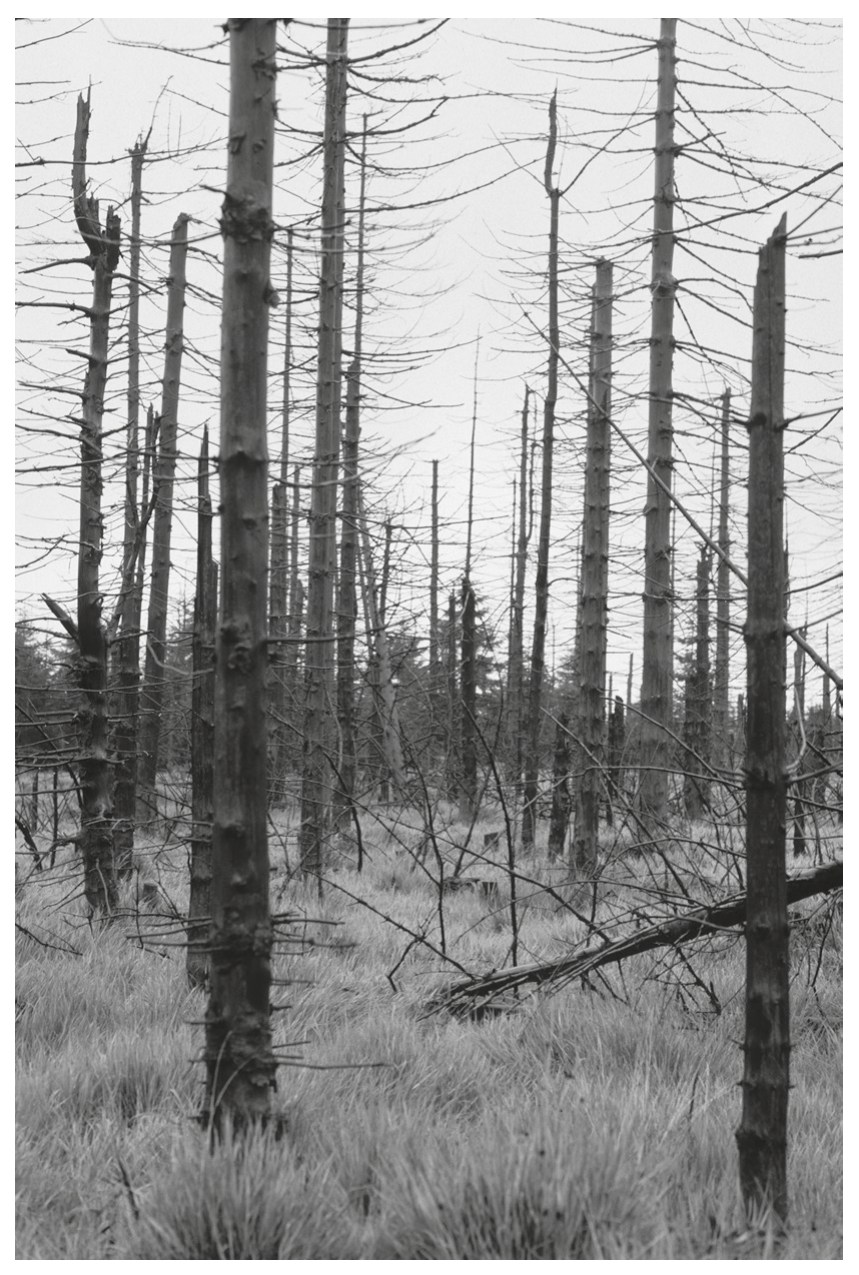
Fig. 3.1
Describe how acid rain destroys forests.
Many countries have strict laws to prevent acid rain.
Describe how countries have reduced acid rain.
Researchers investigated the effect of adding cattle manure (cattle faeces) to fields where snap bean plants, Phaseolus vulgaris, were grown. Cattle manure contains some protein.
Snap bean plants are legumes which have root nodules that contain nitrogen-fixing bacteria.
Fig. 4.1 shows some root nodules.
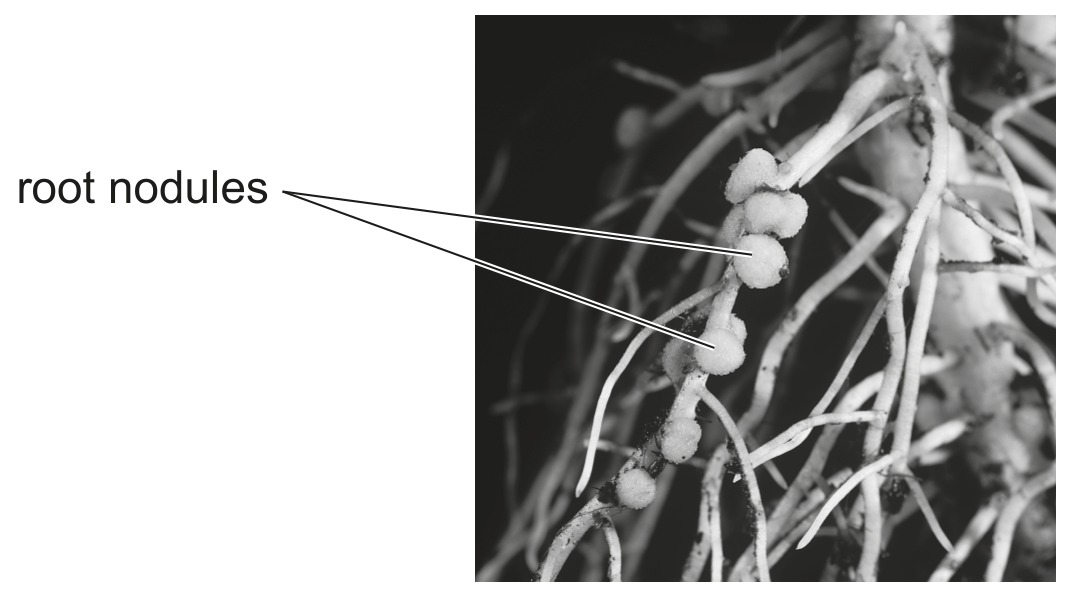
Fig. 4.1
When large quantities of manure are put on fields it can lead to eutrophication of streams and rivers. This can lead to the death of fish.
Describe how eutrophication of streams and rivers can lead to the death of fish.
Pollution is the harm done to the environment by the release of substances from human activities.
Table 4.1 shows the names of some pollutants, their sources and their effects on the environment.
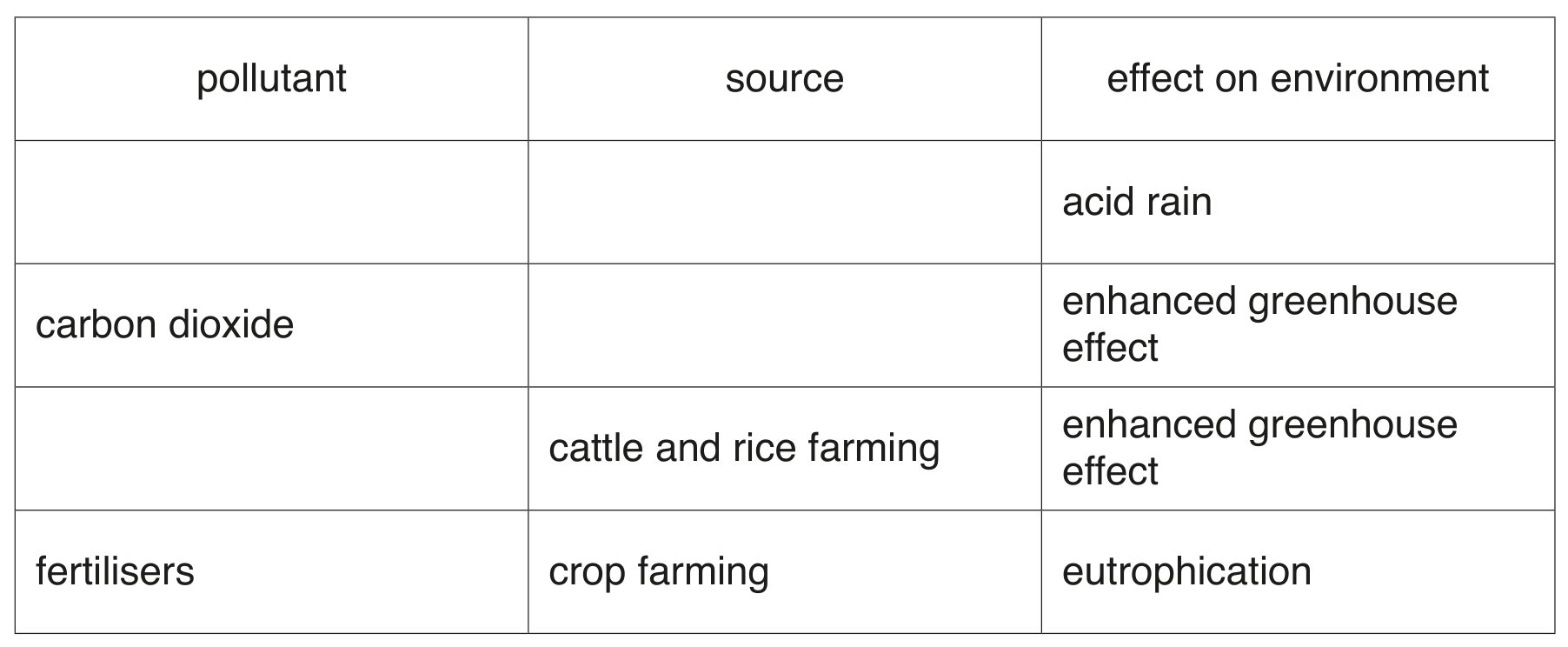
Table 4.1
Complete Table 4.1.
When fertiliser is applied to fields, it can lead to eutrophication in lakes and rivers.
Describe and explain what happens in lakes when eutrophication occurs.
Suggest ways in which a farmer could reduce the chances of eutrophication occurring when applying fertiliser to crops.
Climate change is one reason why a plant species could become endangered.
Describe how human actions are causing climate change.
Acid rain has negative effects on many ecosystems.
Describe the negative effects of acid rain on freshwater ecosystems, such as streams, rivers and lakes.