EduNinja
[Maximum number: 4]

The Indian muntjac deer, Muntiacus muntjak, is recorded as the mammal with the lowest number of chromosomes.

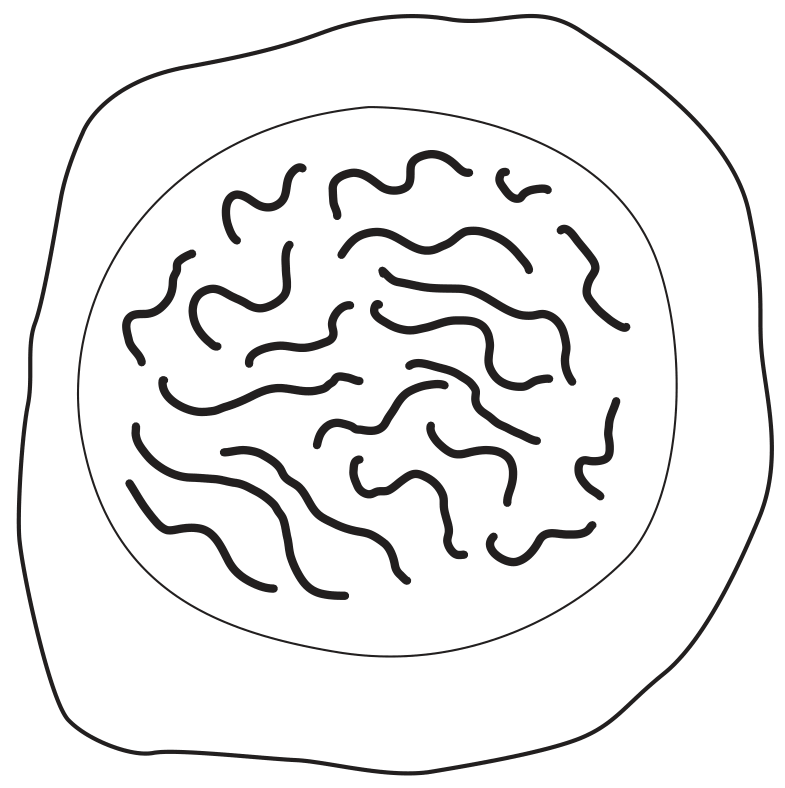
Fig. 2.1 is an image of the chromosomes in the nucleus of a diploid cell of a female muntjac deer.
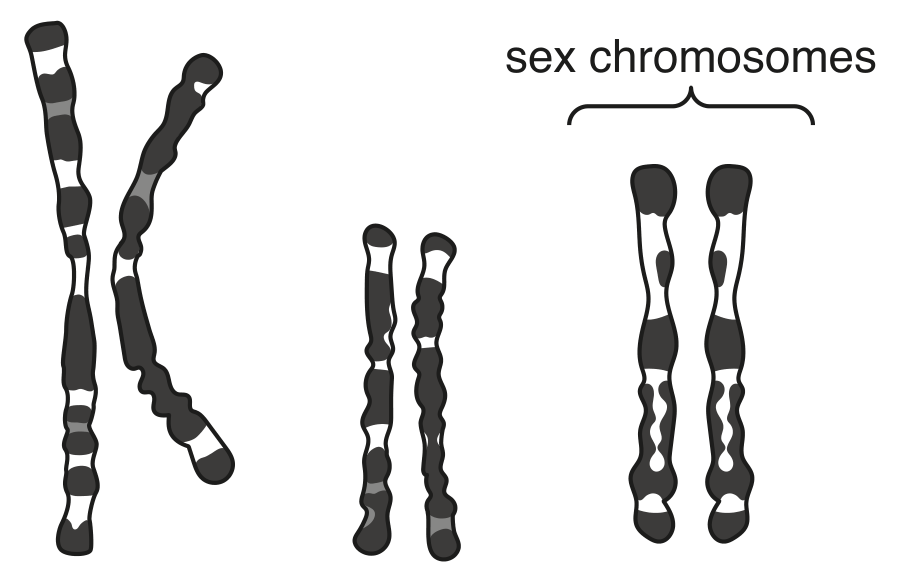
Fig. 2.1

Fig. 2.1

(a)

Explain how meiosis can result in variation in a species.

Use the words chromosome and gametes in your answer.

[ 4 ]
(a)

A scientist investigated sexual reproduction in flowering plants.

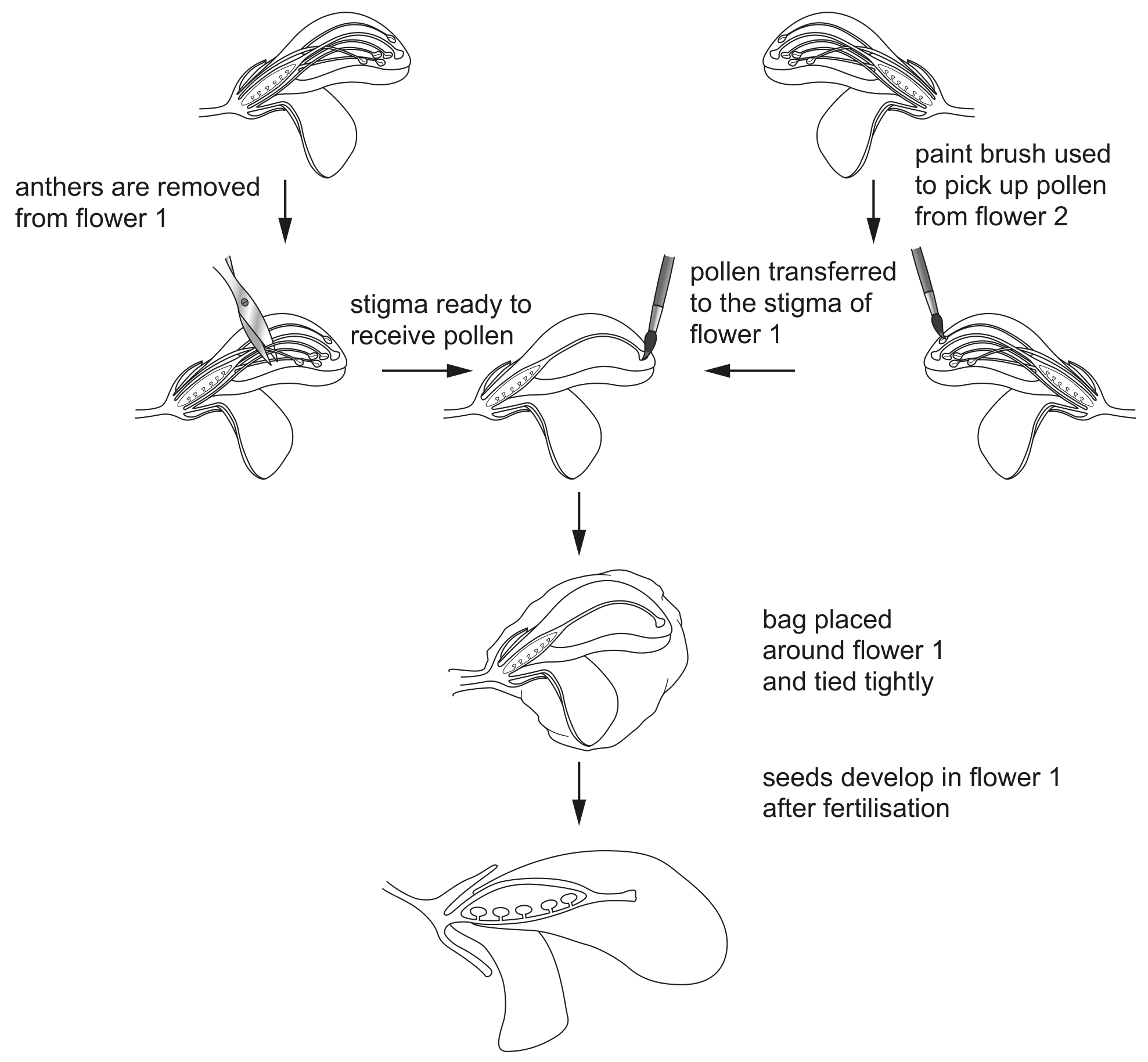
Fig. 2.1 shows the procedure for crossing two plants of the same species.

Fig. 2.1 shows the procedure for crossing two plants of the same species.

The scientist collected the seeds and germinated them. The leaves and flowers of the offspring plants showed phenotypic variation as they were not all identical to the parent plants.

The scientist then investigated the chromosomes of all the offspring plants and found that they had exactly the same number of chromosomes as the parent plants.

[ 2 ]
(i)

The chromosome number of the offspring plants is the same as the chromosome number of the parent plants in this investigation.

Explain how the chromosome number is maintained from one generation to the next.

[ 2 ]
(a)

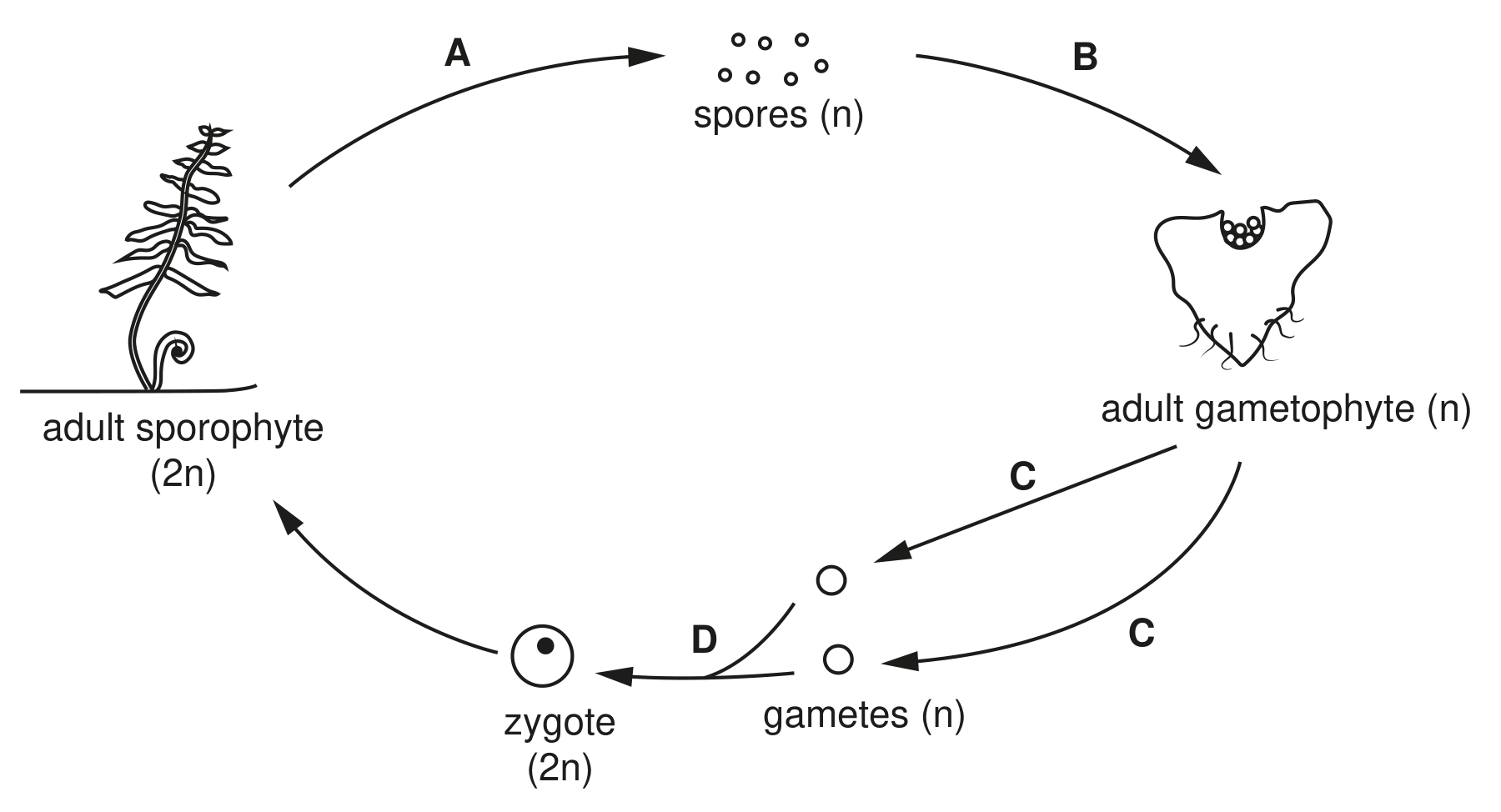
Fig. 3.2 shows the life cycle of a fern. The life cycle of a fern has some similarities and some differences compared with the life cycles of other plants.

The letters represent processes that occur during the life cycle.
The haploid stages of the life cycle are represented by (n).
The diploid stages of the life cycle are represented by (2 n).

Fig. 3.2

Fig. 3.2

[ 3 ]
(i)

Identify and describe process A in Fig. 3.2.

[ 3 ]
[Maximum number: 7]

Johnson grass, Sorghum halepense, is wind-pollinated.

(a)

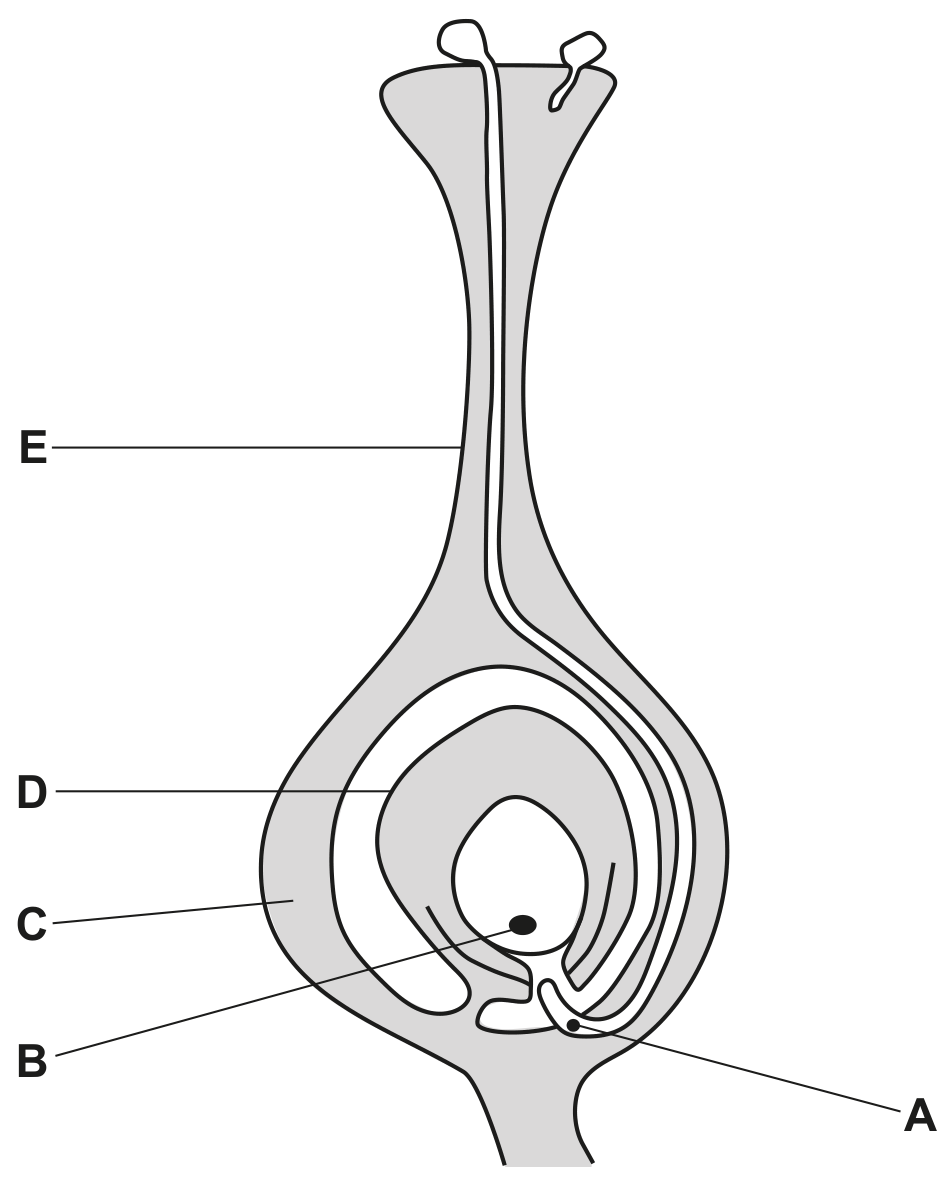
Fig. 4.2 shows a section through a carpel shortly after pollination.

Fig. 4.2

Fig. 4.2

[ 7 ]
(i)

Complete the sentences:

Pollen grains are formed in anthers. During their formation the number of chromosomes in the nuclei is halved by the process of This means the male nucleus A in the pollen tube is described as a nucleus. When nucleus A with nucleus B, the chromosome number doubles to form a nucleus. The name of this process is Then the divides by the process of to form an embryo.

[ 7 ]
[Maximum number: 2]

Anthocyanin is a red pigment found in carnation flowers. Some carnation plants have a gene for making anthocyanin.

(a)

Meiosis is necessary for sexual reproduction of carnation plants.

Define the term meiosis.

[ 2 ]
[Maximum number: 1]

After fertilisation, how many chromosomes are in the zygote?

A

half as many as in an ovum

B

the same as in an ovum

C

the same as in a sperm

D

twice as many as in a sperm

[Maximum number: 1]

The diagram shows a cell of an organism formed by reduction division. The nucleus contains 20 chromosomes.

Question image

What is the diploid number for this organism?

A

10

B

20

C

40

D

46

[Maximum number: 1]

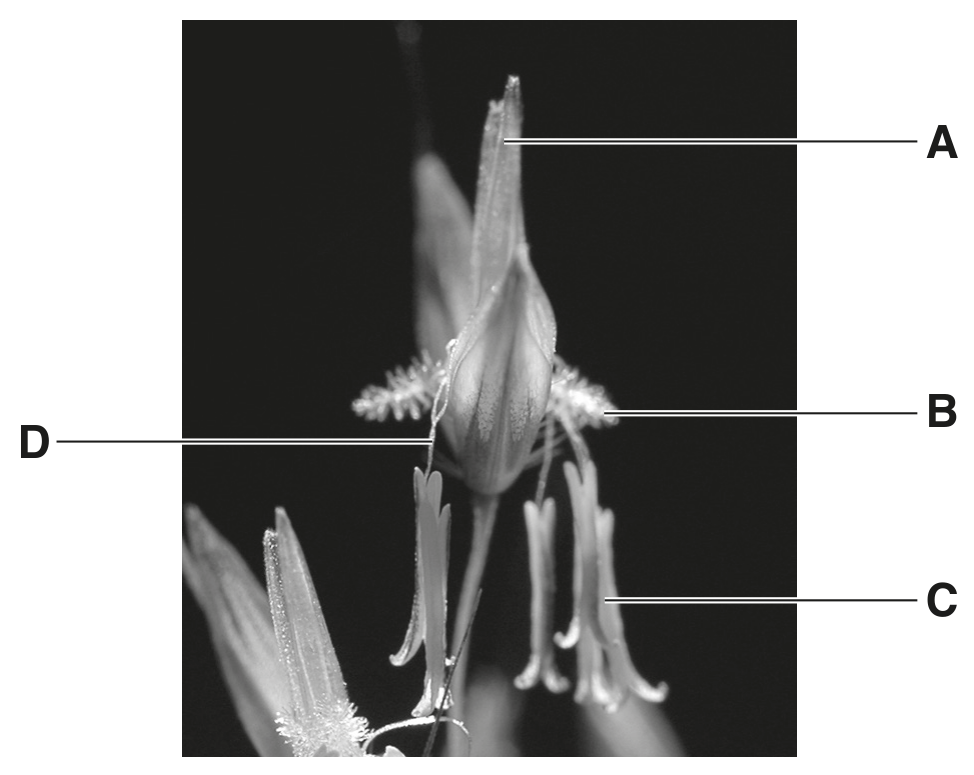
Grass plants are wind-pollinated. Fig. 5.1 shows a flower from a species of grass plant.

Fig. 5.1

Fig. 5.1

(a)
(i)

State one letter in Fig. 5.1 that identifies a structure where meiosis occurs.

[ 1 ]
[Maximum number: 1]

What happens to the number of chromosomes when a cell divides by meiosis?

A

doubles from diploid to haploid

B

doubles from haploid to diploid

C

halves from diploid to haploid

D

halves from haploid to diploid

[Maximum number: 1]

Before meiosis takes place, a cell has 24 chromosomes.
How many chromosomes will be found in each of the cells that are produced by meiosis?

A

6

B

12

C

24

D

48

0