[Maximum number: 1]
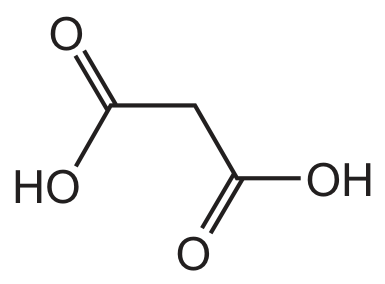
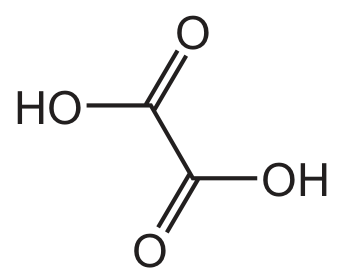
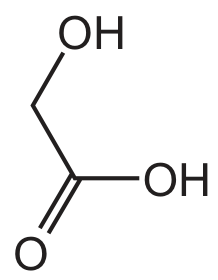
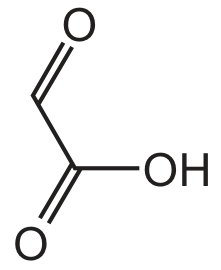
An organic compound Z
- is oxidised by hot acidified potassium manganate(VII),
- reacts with sodium to give hydrogen.
What could be compound Z ?
A
B
C
D
 EduNinja
An organic compound Z
- is oxidised by hot acidified potassium manganate(VII),
- reacts with sodium to give hydrogen.
What could be compound Z ?
An organic compound X
- is unaffected by hot acidified potassium manganate(VII),
- reacts with ethanoic acid in the presence of concentrated sulfuric acid.
What is compound X ?
Hydroxyethanal, , is heated under reflux with an excess of acidified potassium dichromate(VI) until no further oxidation takes place.
What is the skeletal formula of the organic product?
What will react differently with the two isomeric alcohols, and ?
acidified aqueous potassium manganate(VII)
concentrated sulfuric acid
phosphorus pentachloride
sodium
There are many non-cyclic alcohols that cannot be oxidised by warm acidified ions. Alcohol X is the member of this set of alcohols with the lowest molecular mass.
How many moles of oxygen are required for the complete combustion of 1.0 mol of alcohol X ?
6.0 mol
6.5 mol
Pentaerythritol is used as an intermediate in the manufacture of paint.
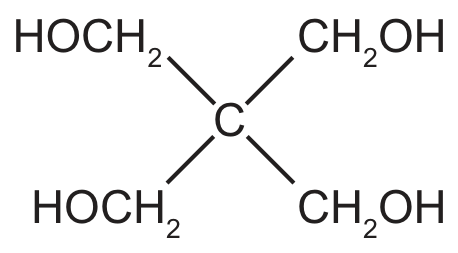
pentaerythritol
Which statement about pentaerythritol is correct?
It can be dehydrated by concentrated sulfuric acid to form an alkene.
Its empirical formula and its molecular formula are different.
It does not react with acidified potassium manganate(VII).
One mole of it gives two moles of hydrogen gas on reaction with an excess of sodium.
The compound 'leaf alcohol' is partly responsible for the smell of new-mown grass.
leaf alcohol
What will be formed when 'leaf alcohol' is oxidised using an excess of hot, acidified ?
and
A compound Y is treated with warm acidified potassium dichromate(VI). The resulting organic product gives an orange precipitate with 2,4-dinitrophenylhydrazine reagent but does not give a silver mirror with Tollens' reagent.
What is Y?
butan-1-ol
butan-2-ol
butanal
2-methylpropan-2-ol
Which sequence of reagents may be used in the laboratory to convert propan-1-ol into 2-bromopropane?
concentrated sulfuric acid, followed by bromine
concentrated sulfuric acid, followed by hydrogen bromide
ethanolic sodium hydroxide, followed by bromine
ethanolic sodium hydroxide, followed by hydrogen bromide
When an organic compound, Q, is treated with phosphorus pentachloride, fumes of hydrogen chloride are evolved. When Q is warmed with acidified aqueous potassium dichromate(VI), the solution turns green.
What is Q ?