(a)
(i)
State the number of peaks that would be seen in the carbon-13 NMR spectrum of .
[ 1 ]
 EduNinja
State the number of peaks that would be seen in the carbon-13 NMR spectrum of .
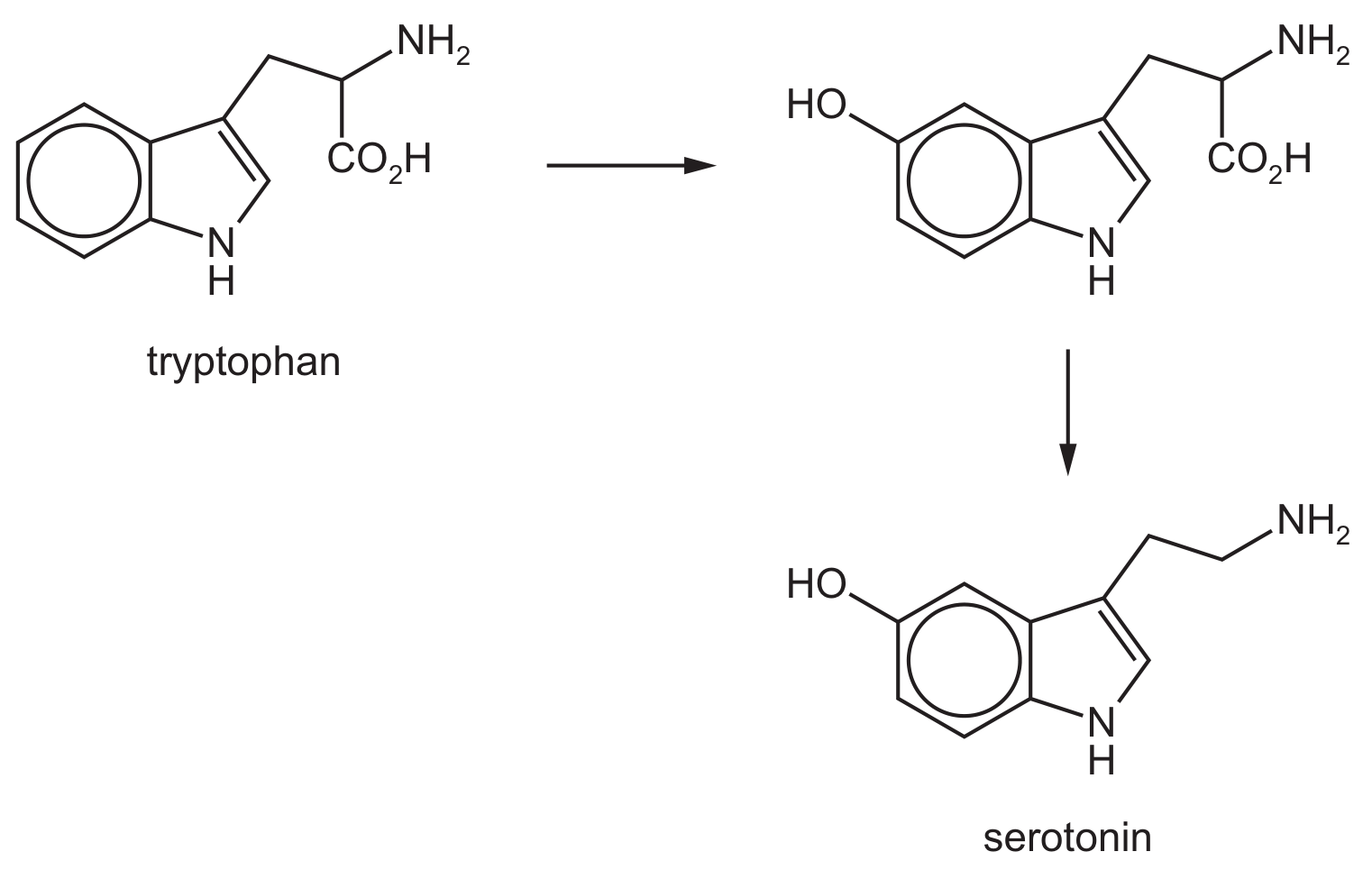
Serotonin can be synthesised from the amino acid tryptophan in two steps.
Serotonin is converted by enzymes in the liver to compound M.
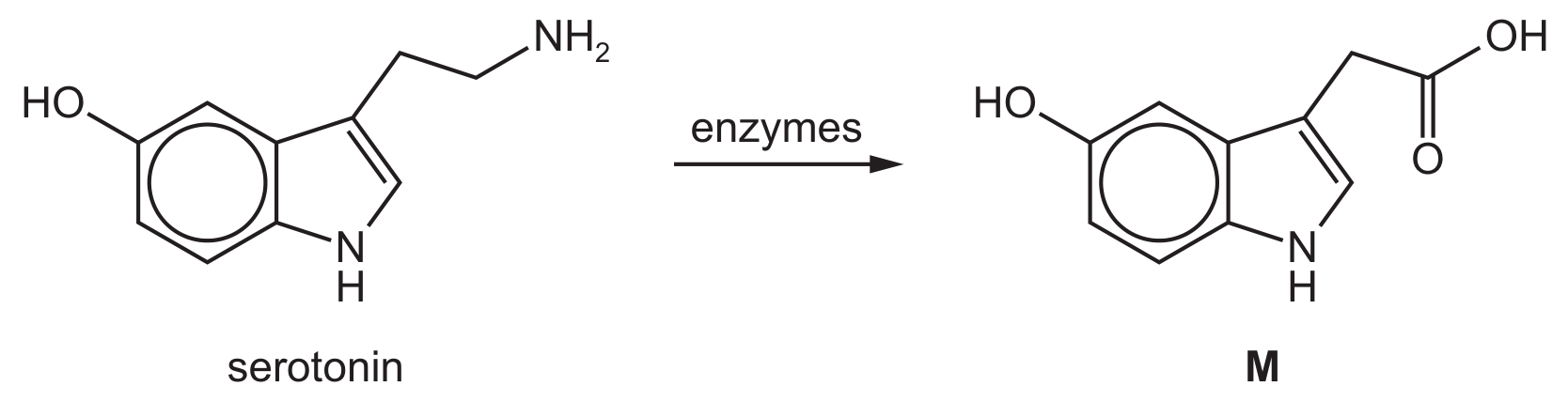
By reference to the Data Booklet, suggest how the infra-red spectrum of M would differ from that of serotonin.
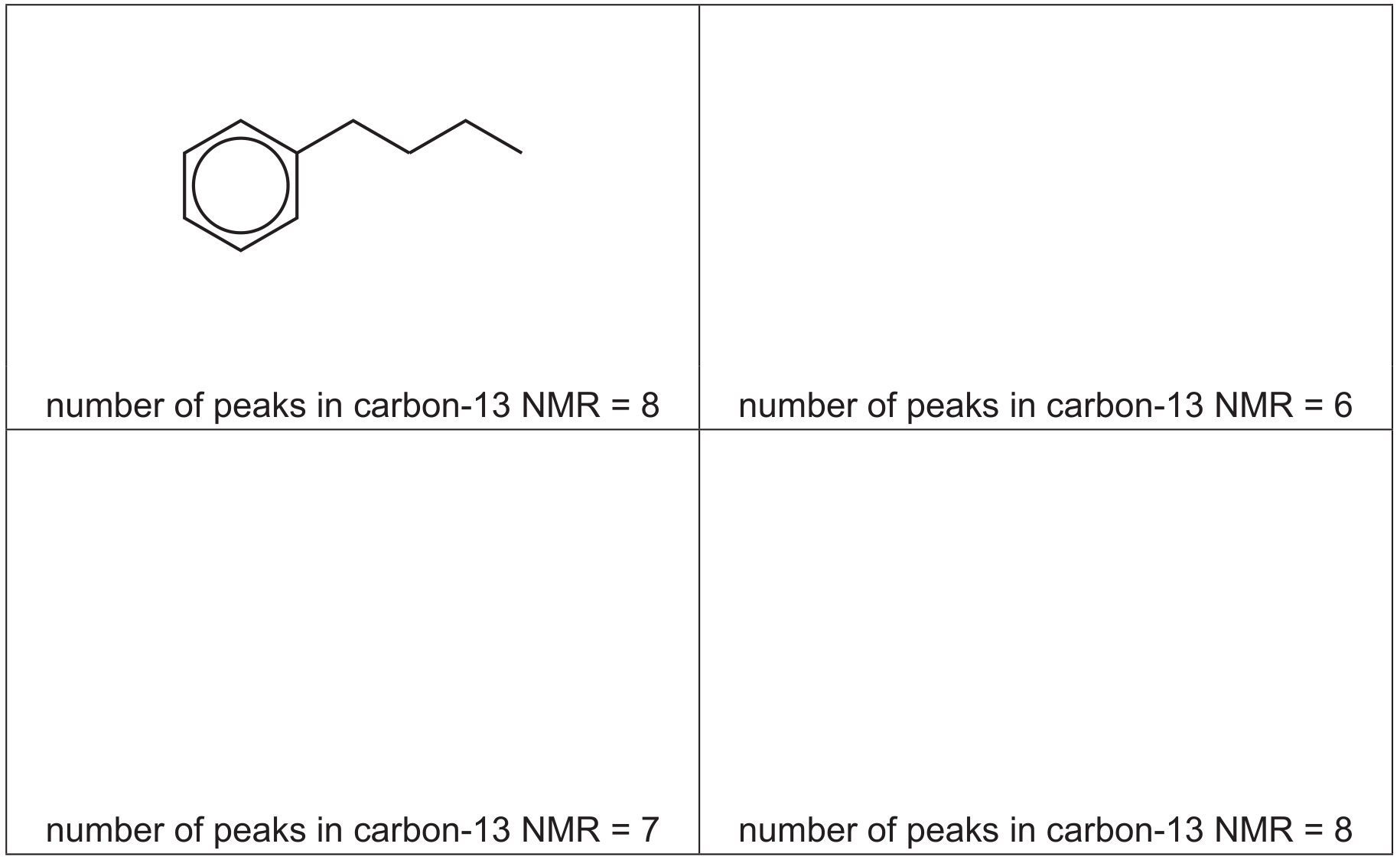
Benzene reacts with each of these carbocations in separate Friedel-Crafts alkylation reactions.
In each reaction an organic compound with formula is formed. The number of peaks observed in the carbon-13 NMR spectrum of each compound is given.
Suggest the structures for the three other compounds.
Phenylethanone is an important chemical with many uses.
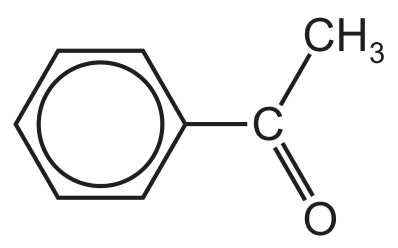
phenylethanone
Phenylethanone can be used as a starting material to make phenylethene in a two-step synthesis.
phenylethene phenylethanone
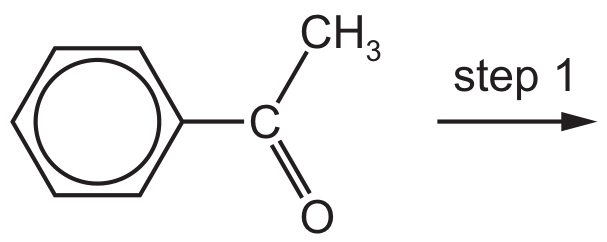
D
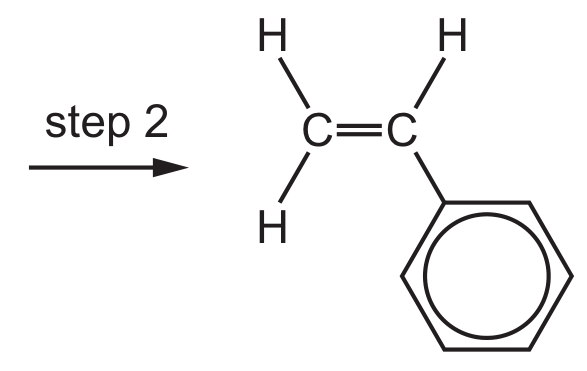
step 2
State the number of peaks in the C-13 NMR spectrum of phenylethene.
Suggest C-13 chemical shift ranges expected for the different types of carbon environment in phenylethanone.
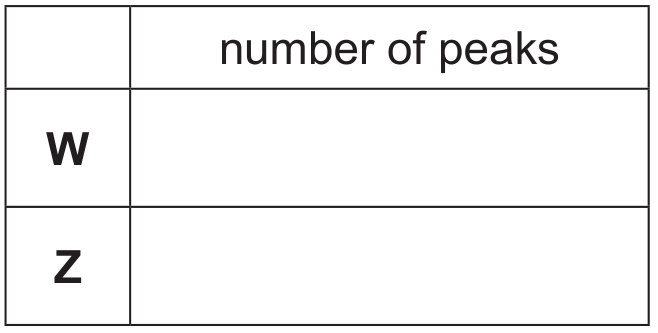
Complete Table 4.1 to show the number of peaks observed in the carbon- 13 NMR spectrum for W and Z.
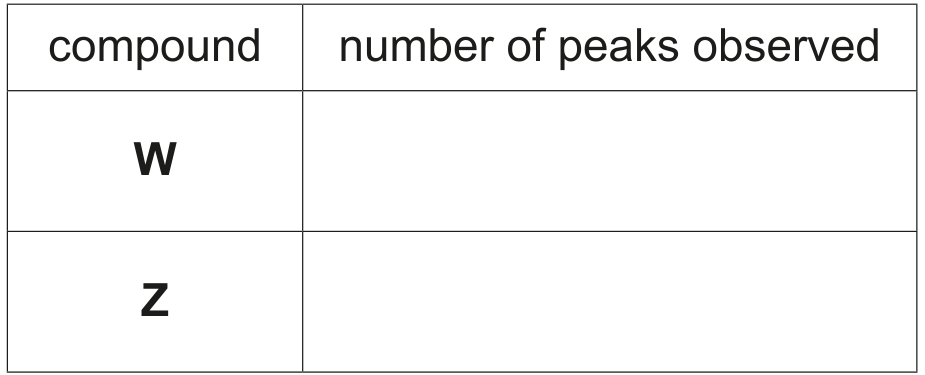
Table 4.1
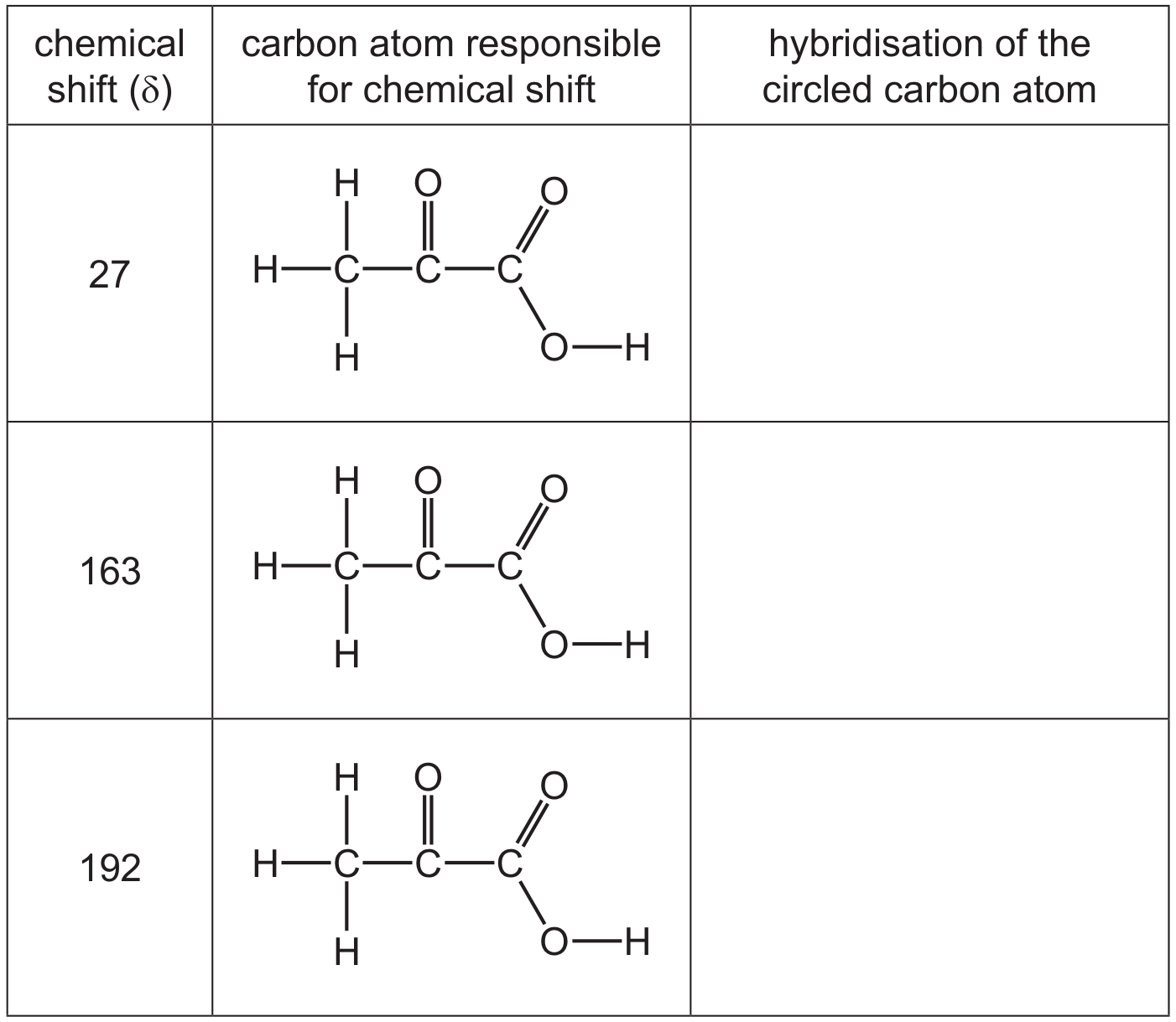
A sample of pyruvic acid, , is analysed by carbon- 13 NMR spectroscopy. Three peaks are observed.
Complete the table by:
- circling the carbon atom responsible for the chemical shift
- stating the hybridisation of the circled carbon atom.
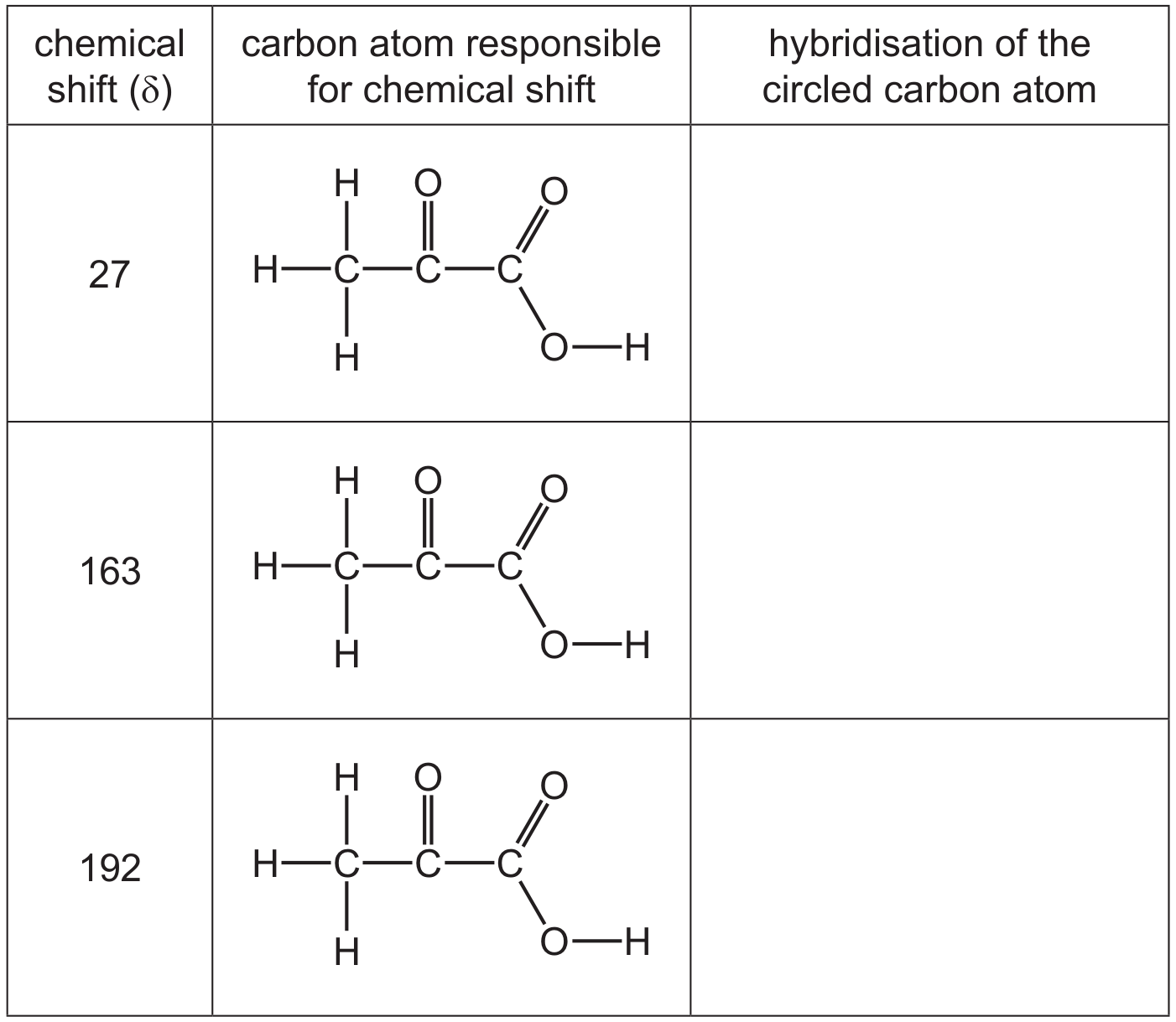
A sample of pyruvic acid, , is analysed by carbon- 13 NMR spectroscopy. Three peaks are observed.
Complete the table by:
- circling the carbon atom responsible for the chemical shift
- stating the hybridisation of the circled carbon atom.
Predict the number of peaks in the carbon-13 NMR spectra of W and Z.
Deduce the number of peaks that would be present in the carbon-13 NMR spectrum of benzophenone.
number of peaks
Identify two different environments of carbon atom that would result in different chemical shift ranges in this carbon-13 NMR spectrum of benzophenone.

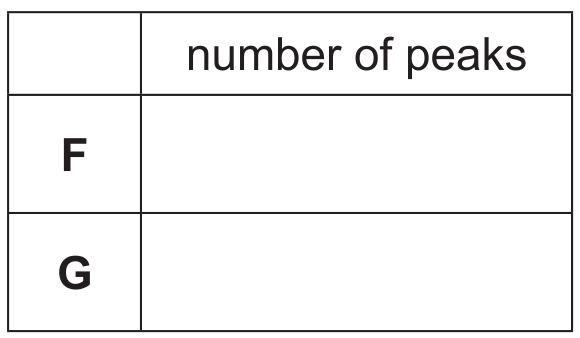
Polyhydroxyamide is a fire-resistant polyamide which is formed from the two monomers, F and G.
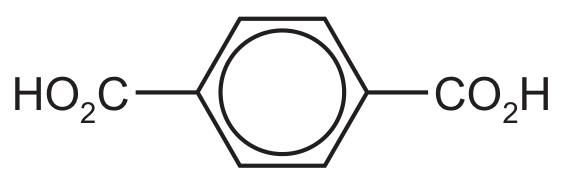
F
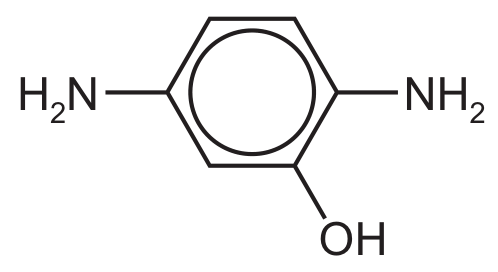
G
Predict the number of peaks that will be seen in the carbon-13 NMR spectra of F and G.