EduNinja
[Maximum number: 4]

Potassium iodide, KI, is used as a reagent in both inorganic and organic chemistry.

(a)

KI\quad \mathrm{KI} is used as a source of I\mathrm{I}^{-}ions in organic synthesis.

One example of this is shown in the synthetic route in Fig. 1.1.
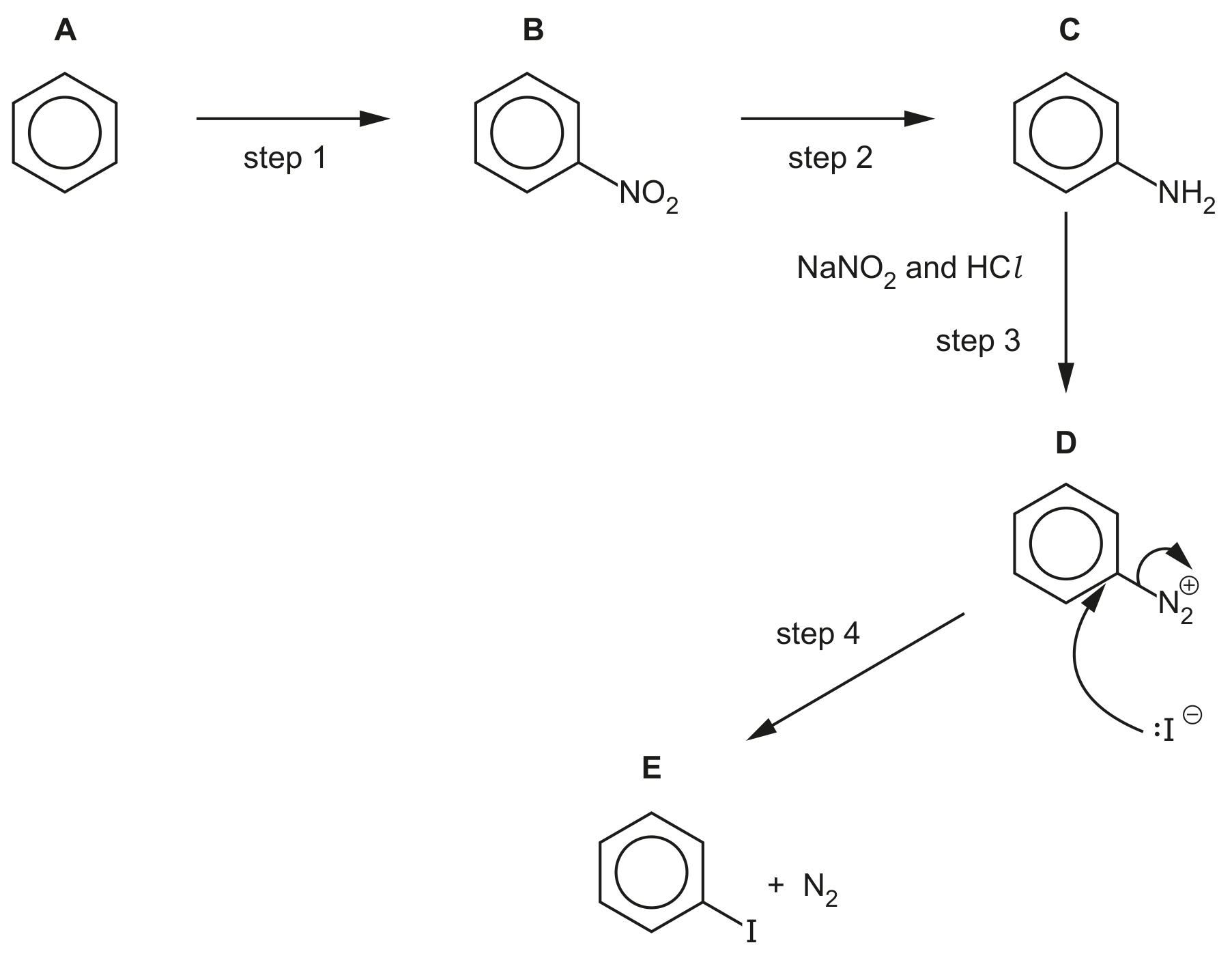
Fig. 1.1

Fig. 1.1

[ 4 ]
(i)

Identify the reagents required for steps 1 and 2 .
step 1
step 2

[ 2 ]
(ii)

Step 3 occurs in two stages.
stage I NaNO2\mathrm{NaNO}_{2} and HCl undergo an acid-base reaction to produce HNO2\mathrm{HNO}_{2}.
stage II HNO2\mathrm{HNO}_{2} reacts with C,C6H5NH2\mathbf{C}, \mathrm{C}_{6} \mathrm{H}_{5} \mathrm{NH}_{2}, to produce D,C6H5 N2+\mathbf{D}, \mathrm{C}_{6} \mathrm{H}_{5} \mathrm{~N}_{2}{ }^{+}.
Complete the equations for stage I and for stage II.

stage I NaNO2+HCl\mathrm{NaNO}_{2}+\mathrm{HCl} \rightarrow

stage II

[ 2 ]
(a)

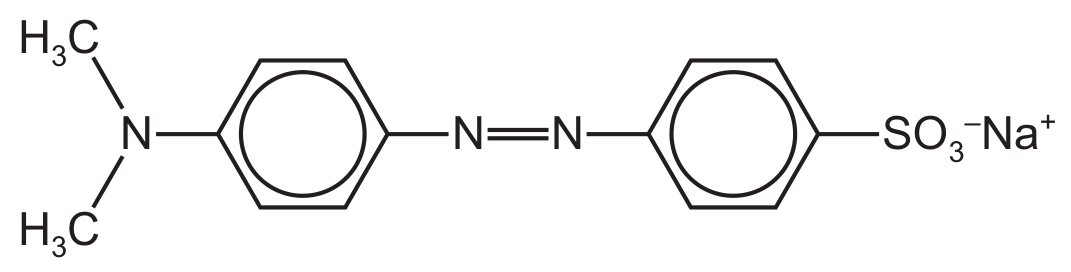
Methyl orange can be synthesised as shown.

step 1

step 1

R
step 2
 S H3C S  methyl orange \underbrace{\text { S } \mathrm{H}_{3} \mathrm{C}}_{\begin{array}{c}\text { S } \\ \text { methyl orange }\end{array}}

Question image
[ 5 ]
(i)

Deduce the identities of compounds R and S and draw their structures in the boxes.

[ 2 ]
(ii)

Suggest reagents and conditions for step 1 and step 2.
step 1
step 2

[ 3 ]
(a)
(i)

Ammonia, ethylamine and phenylamine, C6H5NH2\mathrm{C}_{6} \mathrm{H}_{5} \mathrm{NH}_{2}, are three nitrogen-containing bases.

Place these three compounds in order of basicity, with the most basic first.

Table
(ii)

Explain why you have placed the three compounds in this order.

[ 4 ]
(b)

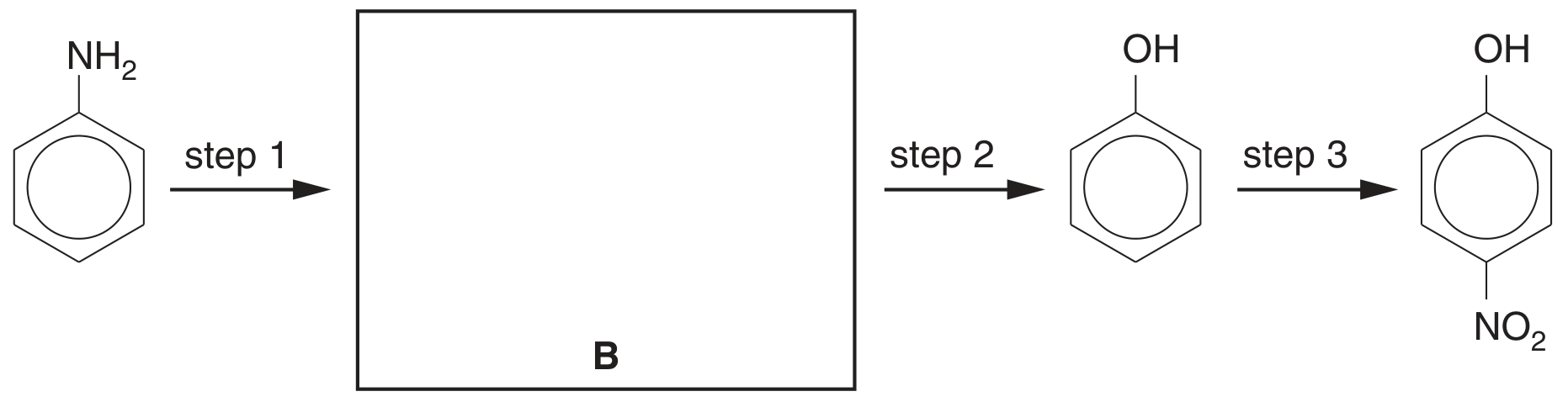
Phenylamine can be converted to 4 -nitrophenol by the following steps.

Question image
[ 5 ]
(i)

Suggest the identity of intermediate B by drawing its structure in the box above.

(ii)

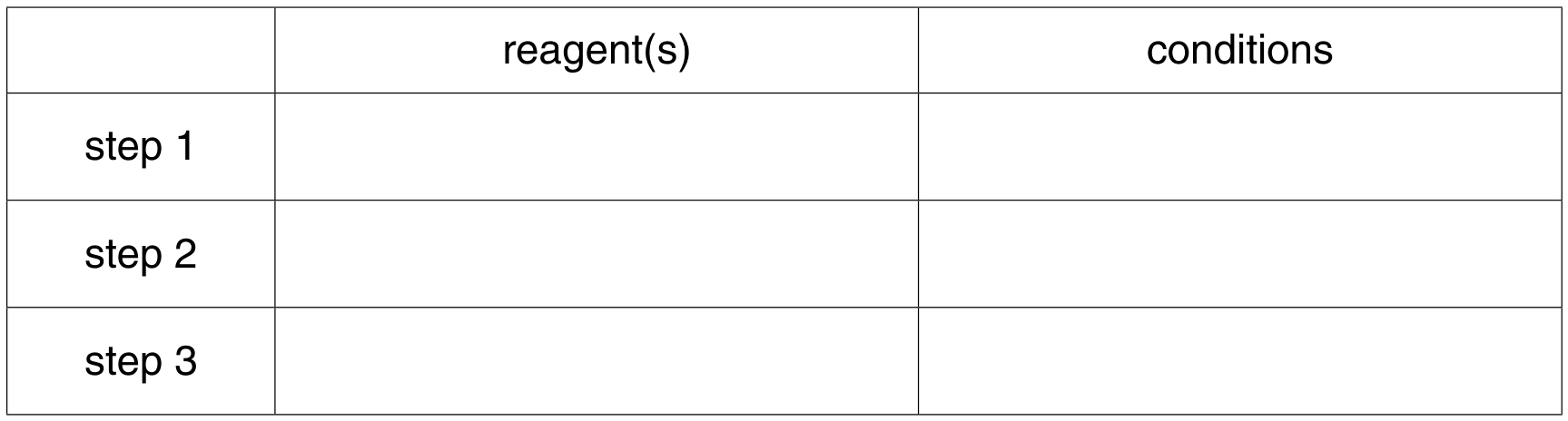
Suggest reagents and conditions for the three steps in the above scheme.

Table
[ 5 ]
(a)

Compare the relative basicities of ammonia, phenylamine and compound H. Explain your answer.

[ 2 ]
[Maximum number: 3]

Nitrobenzene, C6H5NO2\mathrm{C}_{6} \mathrm{H}_{5} \mathrm{NO}_{2}, can be reduced to phenylamine, C6H5NH2\mathrm{C}_{6} \mathrm{H}_{5} \mathrm{NH}_{2}, in acid solution in a two step process.

(a)

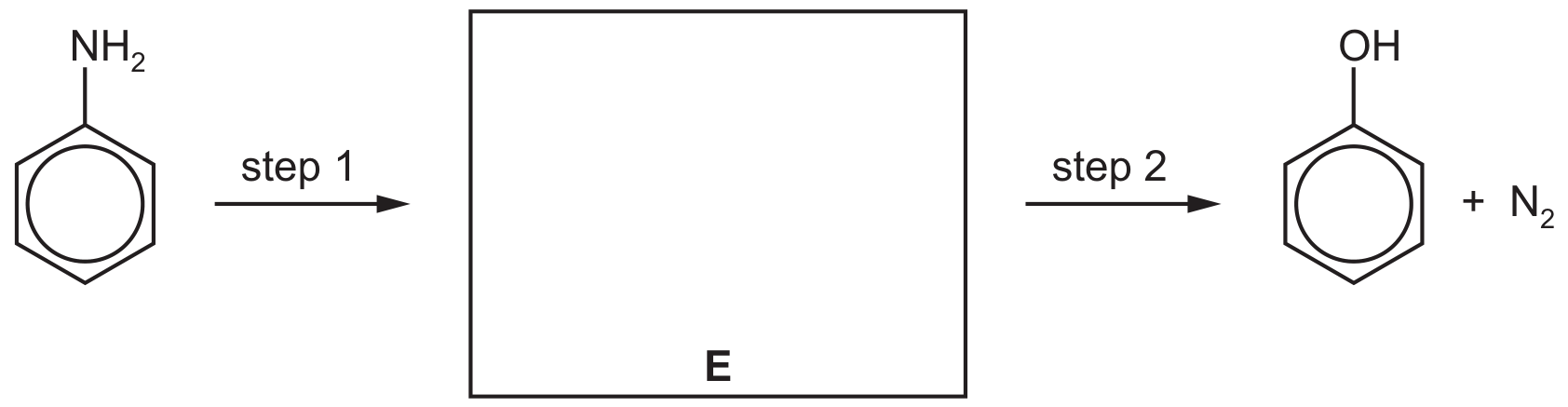
Phenol can be synthesised from phenylamine in two steps.

Question image
[ 3 ]
(i)

State the reagents and conditions for steps 1 and 2.
step 1
step 2

[ 2 ]
(ii)

Draw the structure of the intermediate compound E in the box above.

[ 1 ]
[Maximum number: 12]

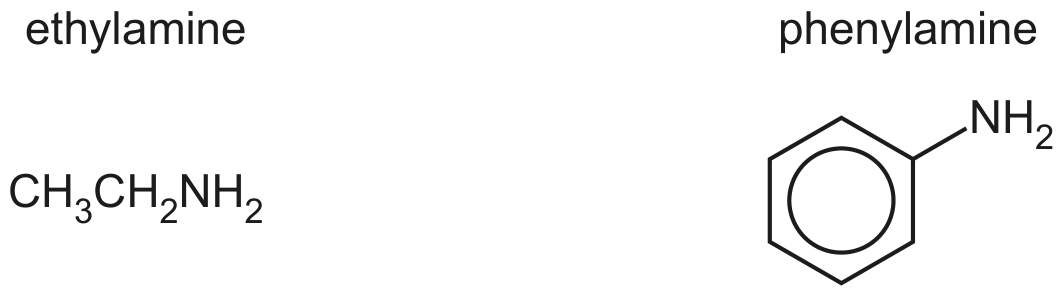
Ethylamine and phenylamine are primary amines.

Fig. 4.1

Fig. 4.1

These two compounds are synthesised by different methods.

(a)

Ethylamine is a weak base.

State the relative basicities of ammonia, ethylamine and phenylamine.
Explain your answer. < <
least basic
most basic

[ 4 ]
(b)

Pure phenylamine, C6H5NH2\mathrm{C}_{6} \mathrm{H}_{5} \mathrm{NH}_{2}, can be prepared from benzene in two steps.

Draw the structure of the intermediate compound.
Suggest reagents and conditions for each step.

[ 3 ]
(c)

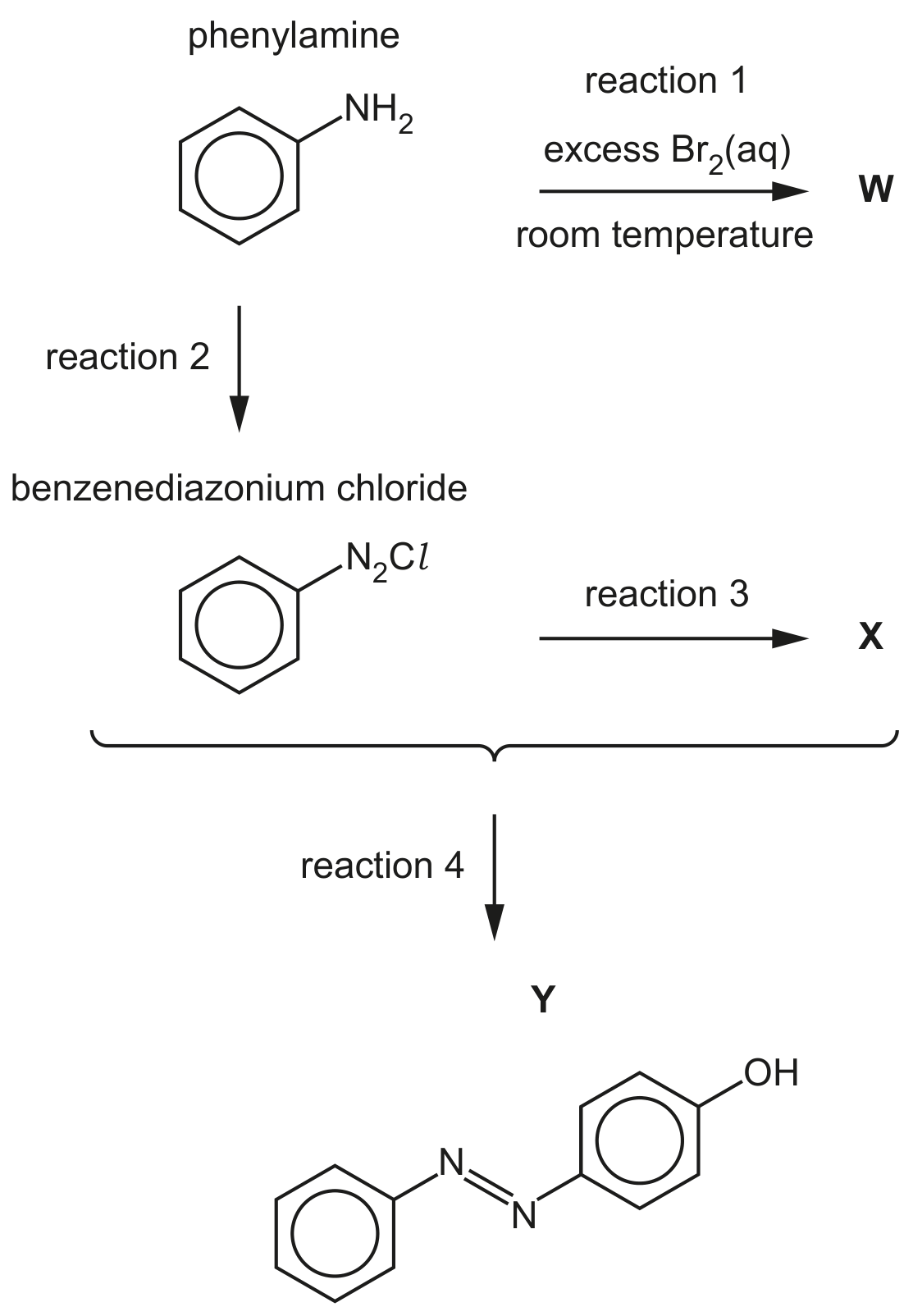
Fig. 4.2 shows some reactions of phenylamine.

Fig. 4.2

Fig. 4.2

[ 5 ]
(i)

Draw the structure of W, the organic product of reaction 1 .

[ 1 ]
(ii)

State the reagents used in reaction 2 .

Benzenediazonium chloride, C6H5 N2C\mathrm{C}_{6} \mathrm{H}_{5} \mathrm{~N}_{2} \mathrm{C} l, and X react together in reaction 4 to form Y, an azo compound.

[ 1 ]
(iii)

Name X, the organic product of reaction 3 .

[ 1 ]
(iv)

State the necessary conditions for reaction 4 to occur.

[ 1 ]
(v)

Suggest a use for Y.

[ 1 ]
(a)

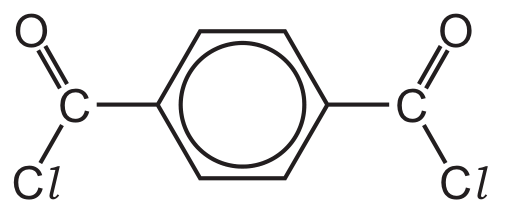
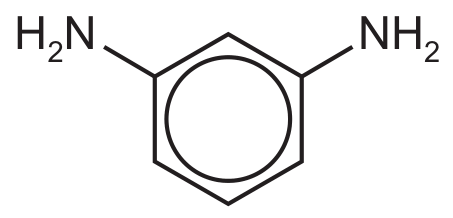
A polymer, P, can be made from the monomers benzene-1,4-dioyl chloride and benzene-1,3-diamine.

benzene-1,4-dioyl chloride

benzene-1,4-dioyl chloride

benzene-1,3-diamine

benzene-1,3-diamine

[ 2 ]
(i)

Benzene-1,3-diamine can be made from benzene using the reaction sequence shown.

Question image

State the reagents used for steps 1 and 3.
step 1
step 3

[ 2 ]
[Maximum number: 3]

Phenol is an important industrial chemical used in the manufacture of dyestuff and other substances.

(a)
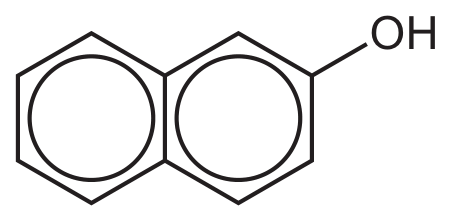
2-naphthol

2-naphthol

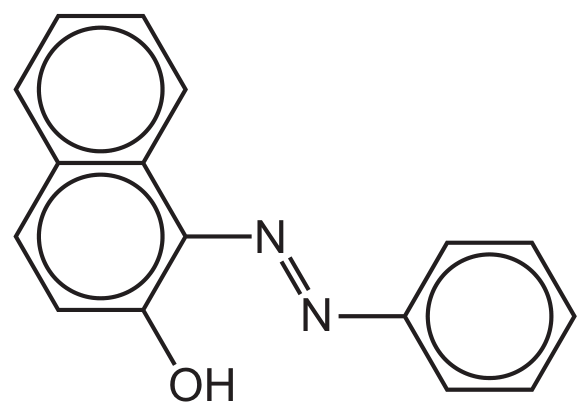
2-naphthol can show similar properties to phenol. It can be used to produce Sudan I, an orange coloured dyestuff.

Sudan I

Sudan I

[ 3 ]
(i)

Describe how Sudan I can be made using phenylamine and 2-naphthol as the organic starting materials.

[ 3 ]
(a)
(i)

Why is phenylamine less basic than ethylamine?

Alkaloids are naturally-occurring compounds that act as bases.

(b)

Phenylamine, and substituted phenylamines, are used to make cloth dyes and food colourants.
The first step in this process is the production of a diazonium salt.

Question image
[ 7 ]
(i)

State the reagents and conditions necessary for this reaction.

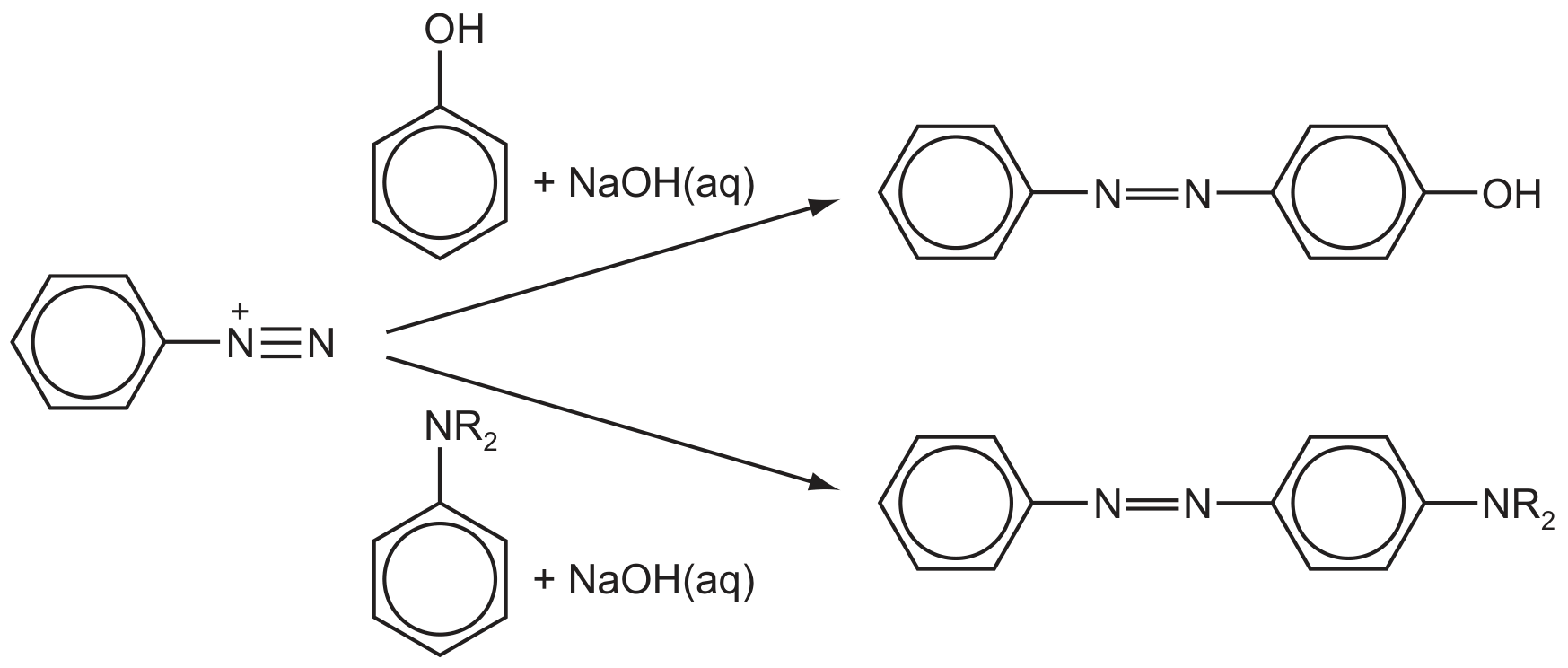
The diazonium salt is then reacted with a phenol or an aryl amine in alkaline solution.

Question image
(ii)

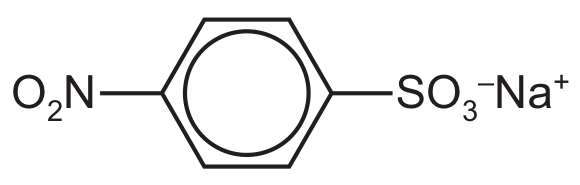
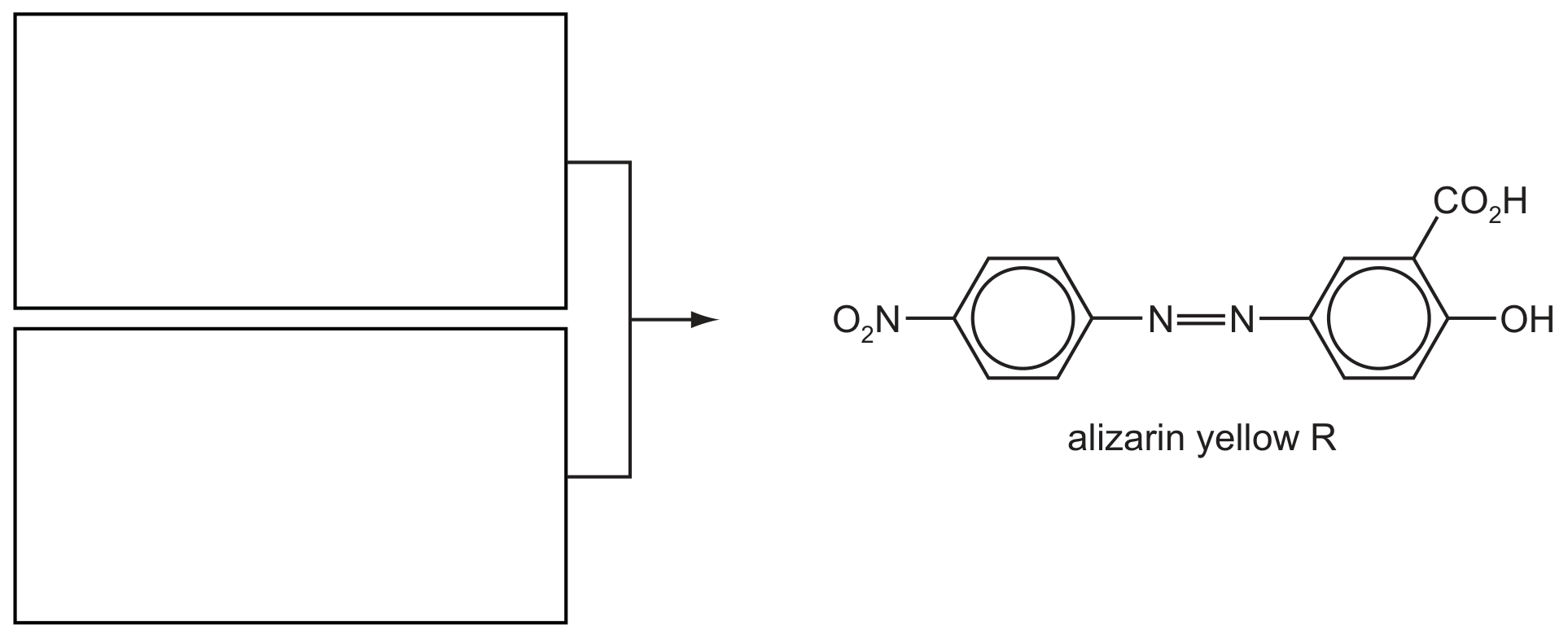
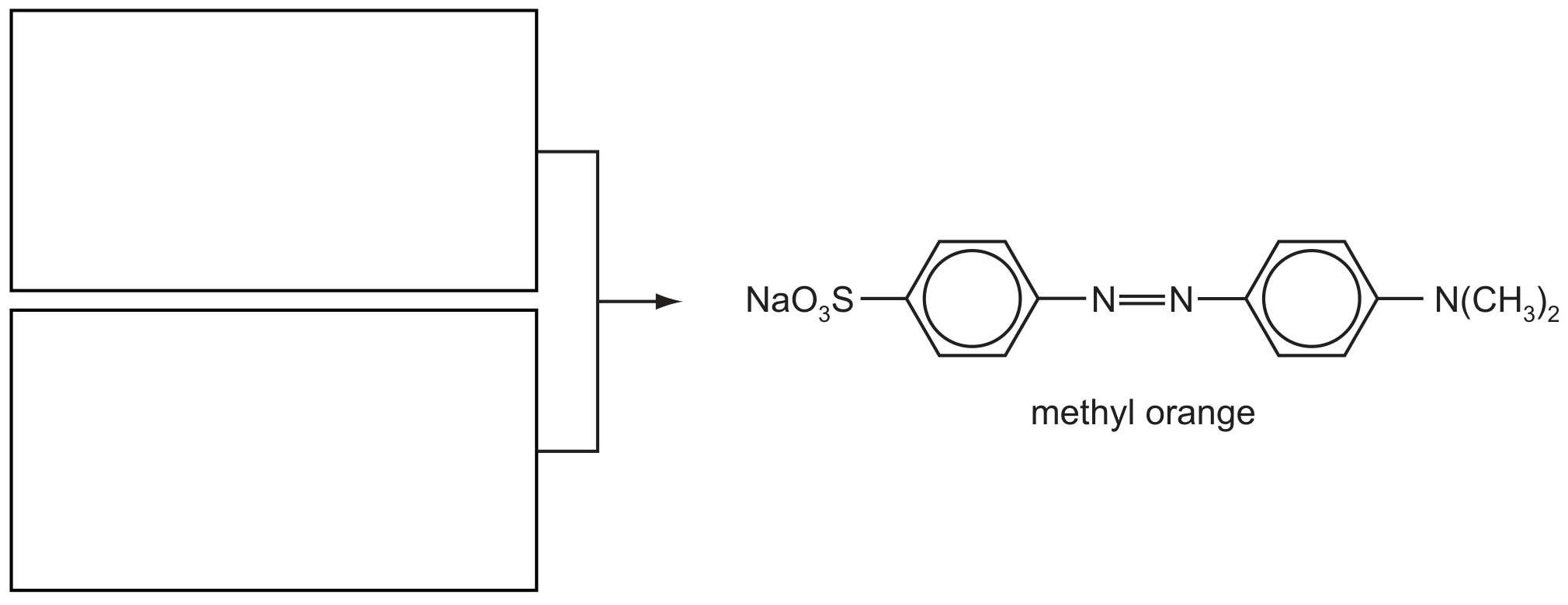
Suggest the starting materials needed to synthesise the following dyes. Draw their structures in the boxes provided.

Question image
Question image
(iii)

Suggest what effect the NaO3 S\mathrm{NaO}_{3} \mathrm{~S} - group in methyl orange has on its properties. This group has no effect on the colour of the compound.

Answer all the questions in the spaces provided.

[ 7 ]
[Maximum number: 3]

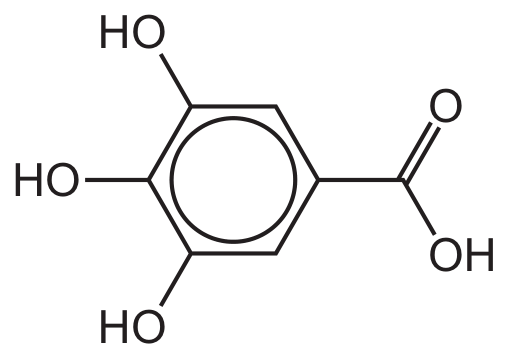
Gallic acid, C7H6O5\mathrm{C}_{7} \mathrm{H}_{6} \mathrm{O}_{5}, is a naturally occurring aromatic molecule.

gallic acid

gallic acid

(a)

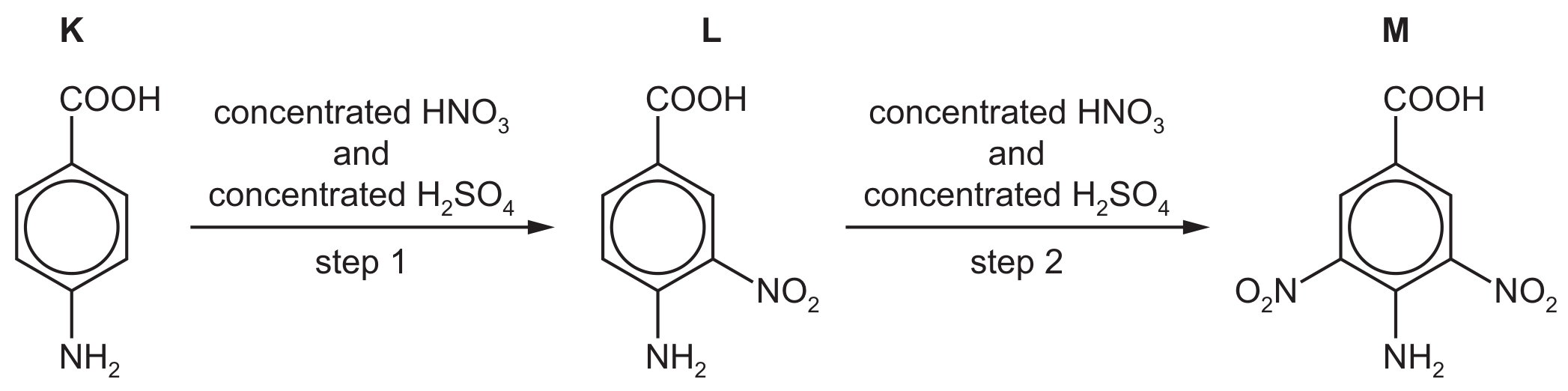
Compound K is used as the starting material in a synthesis of gallic acid.

A student suggested the first two steps of the synthesis could be as shown.

Question image

Nitronium ions, NO2+\mathrm{NO}_{2}{ }^{+}, are generated by the reaction between concentrated sulfuric acid and concentrated nitric acid.

[ 3 ]
(i)

Suggest the structure of compound Q in the box provided.

[ 2 ]
(ii)

State the reagents and conditions for step 6 .

[ 1 ]
0