(a)
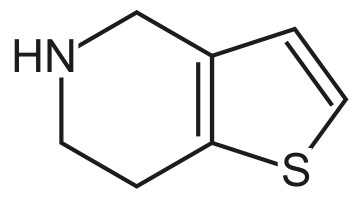
Write an equation to show how compound , behaves as a base.
[ 1 ]
 EduNinja
Write an equation to show how compound , behaves as a base.
Compound G is a naturally occurring aromatic compound that is present in raspberries.
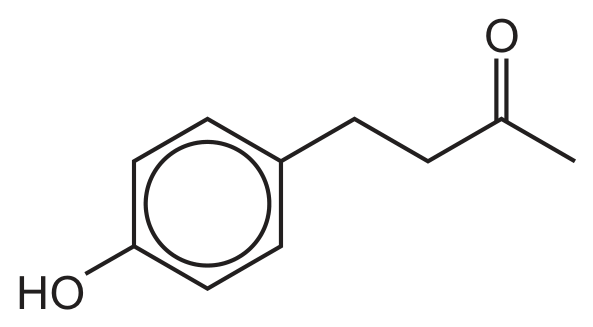
compound G
The dye H can be made from compound G by the route shown below.
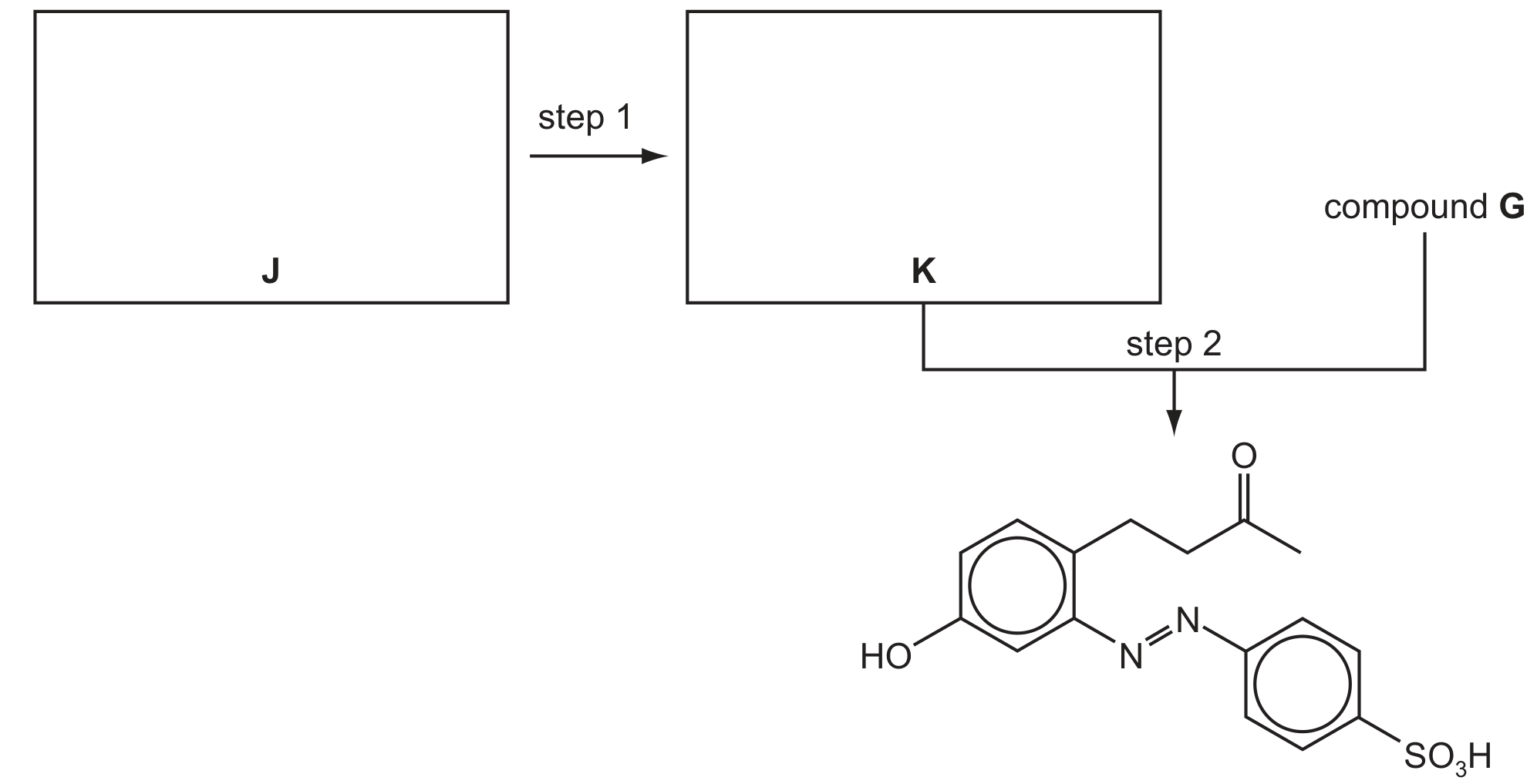
dye H
Draw the structures of the amine J and the intermediate K in the boxes above.
Suggest reagents and conditions for step 1, step 2.
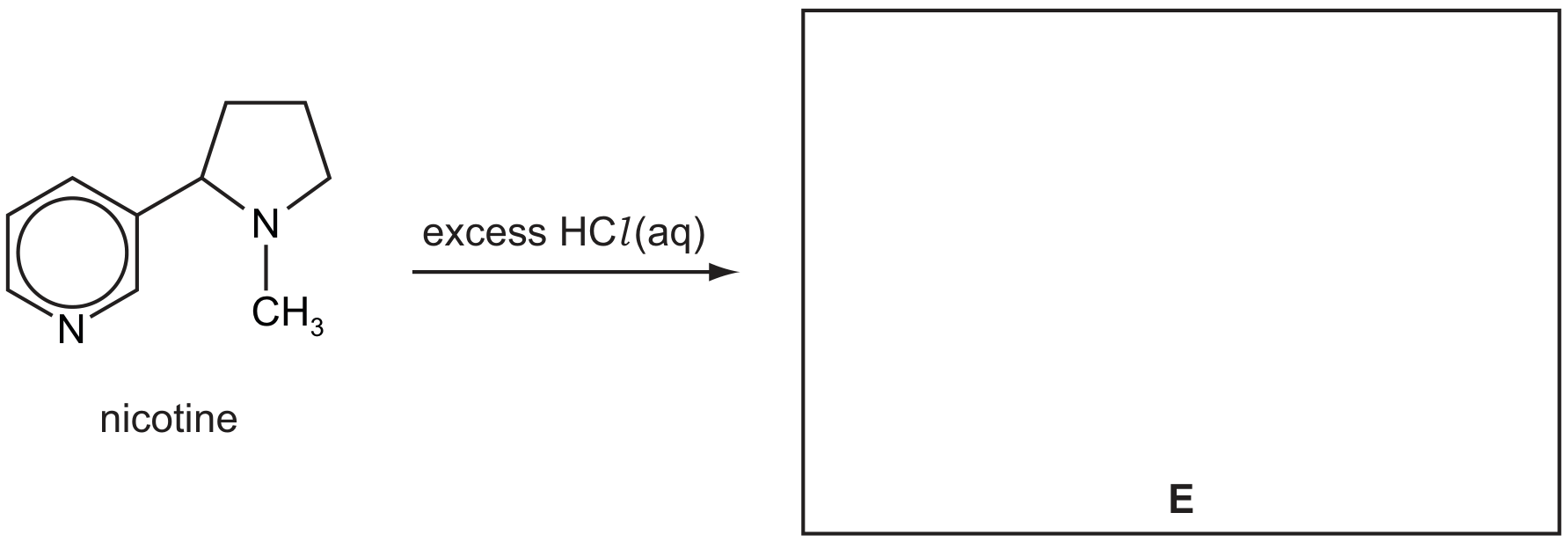
Suggest the structure of the product, E, of the reaction between the alkaloid nicotine and an excess of HCl(aq).
The dye R can be synthesised from 4-nitrophenylamine in two steps.
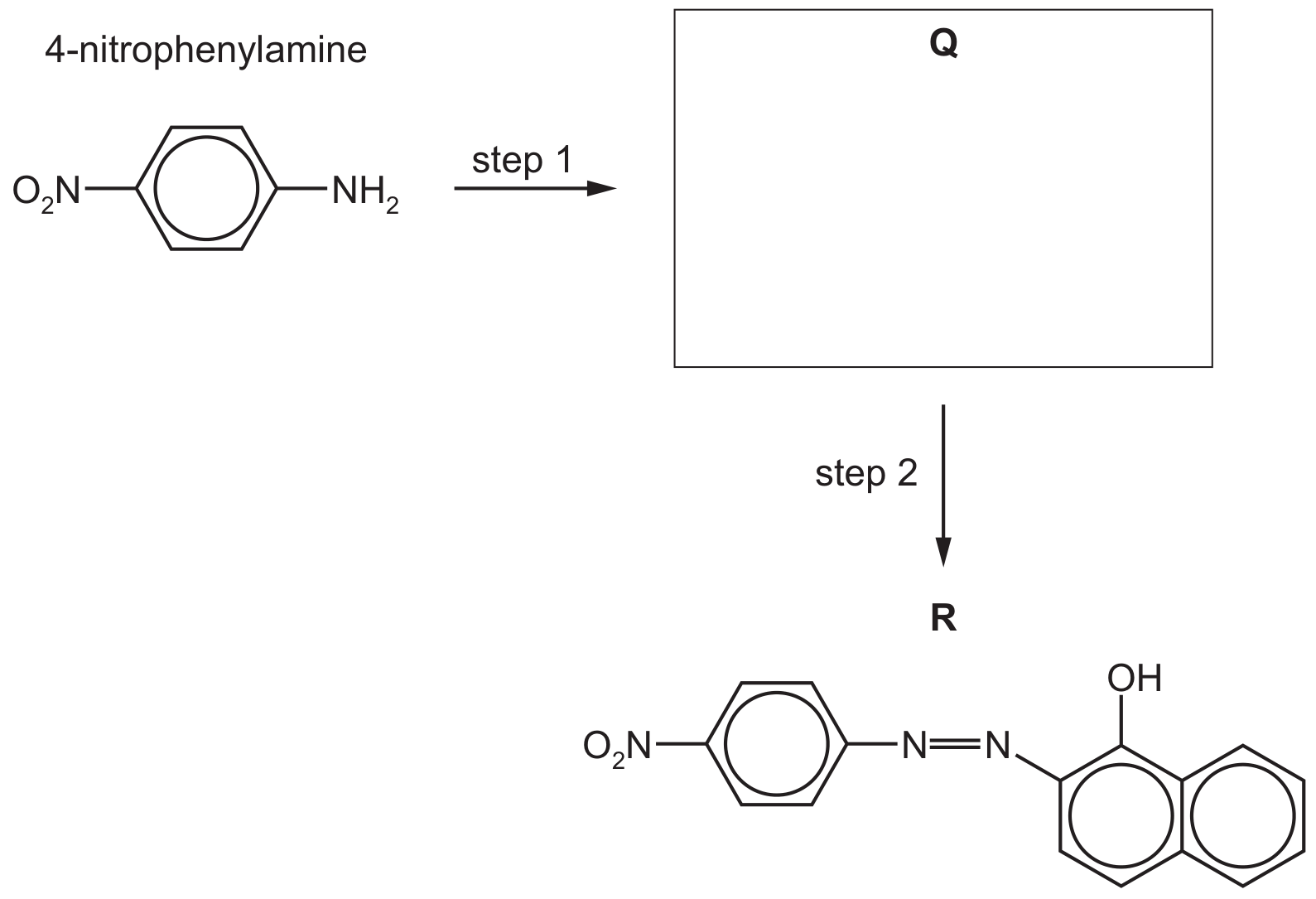
Deduce and draw the structure of the organic salt Q in the box.
Suggest reagents and conditions for step 1 and 2 in (b).
step 1
step 2
Compound G can be synthesised from methylbenzene in three steps.
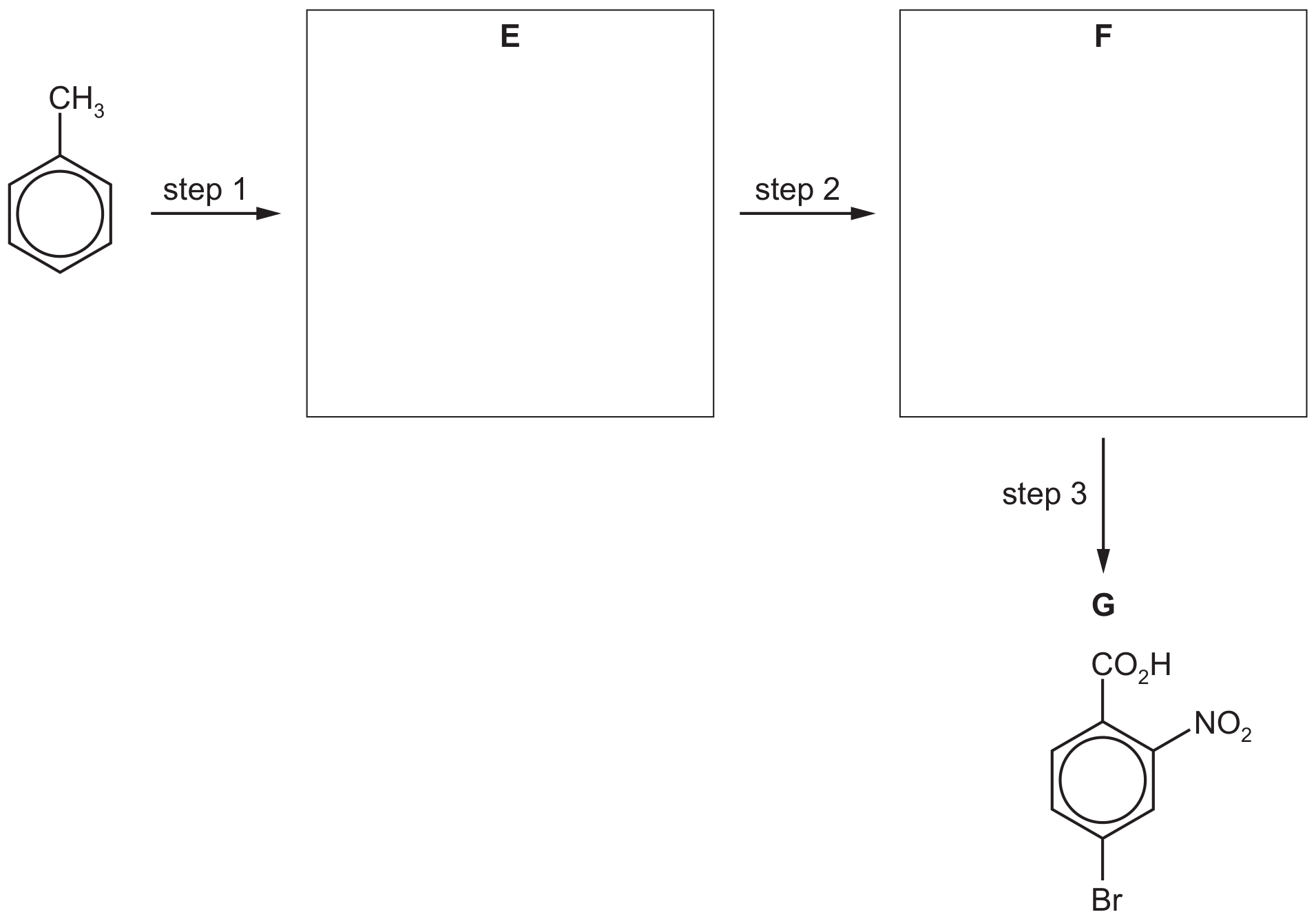
Suggest reagents and conditions for each of steps 1 to 3 in (c).
step 1
step 2
step 3
State the relative basicities of ethanamide, diethylamine and ethylamine in aqueous solution.
Explain your answer. > >
most basic
least basic
Compound Q can be synthesised from chlorobenzene in seven steps, using the route shown in Fig. 5.1.
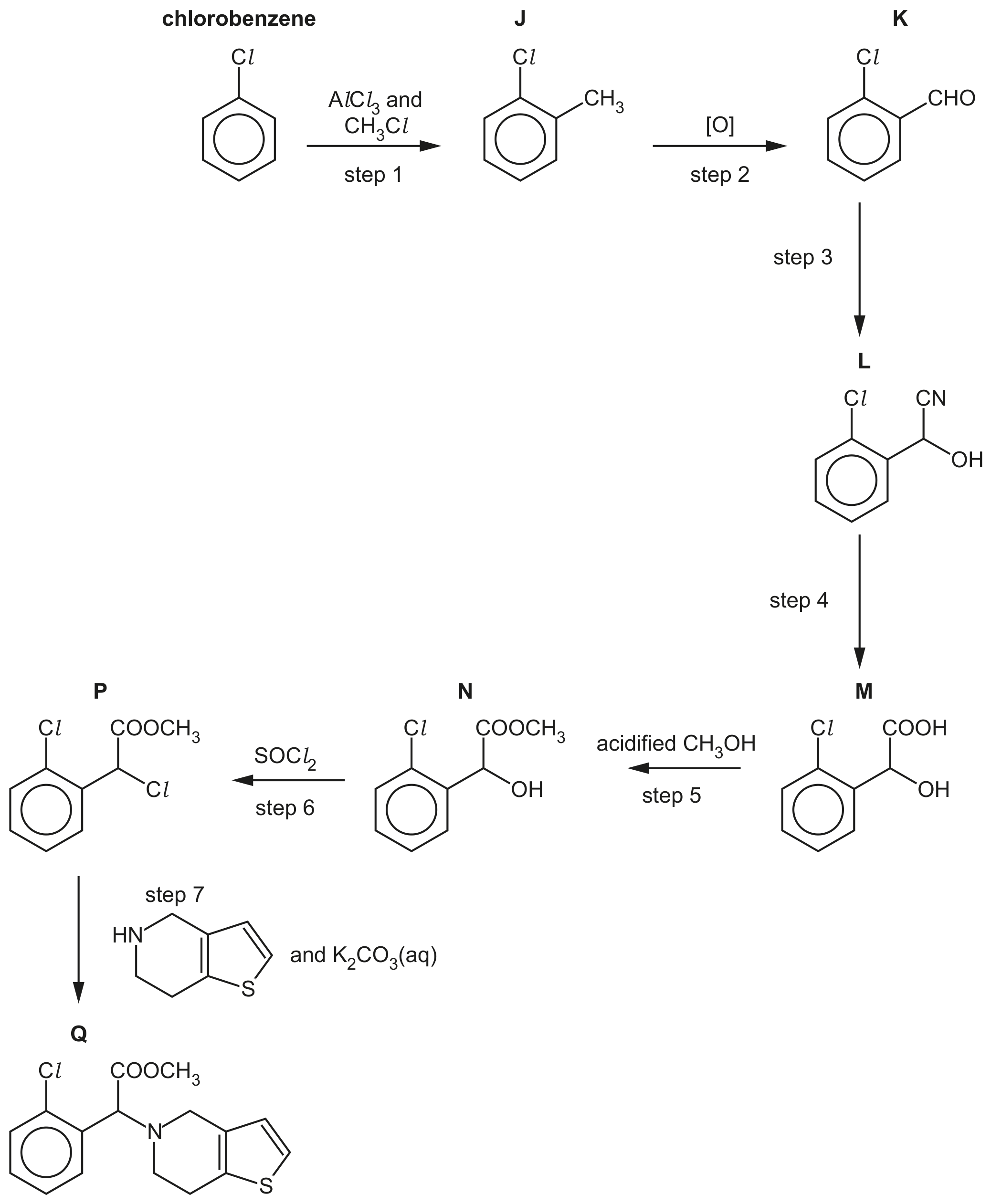
Fig. 5.1
Suggest reagents for the conversion of K to M in steps 3 and 4 .
step 3
step 4
Identify the type of reaction that occurs in step 5.
Step 7 takes place when P is heated with a weak base such as .
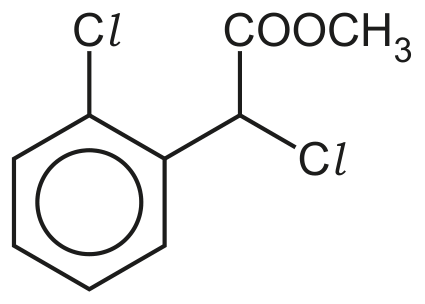
P
and \(\mathrm{K
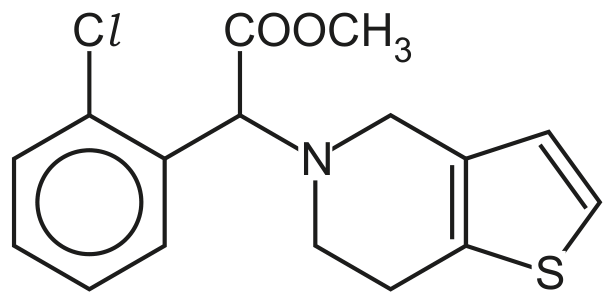
Q
Suggest why a strong base such as NaOH(aq) is not used for this reaction.
P can be used to make compound Q in a single step reaction.
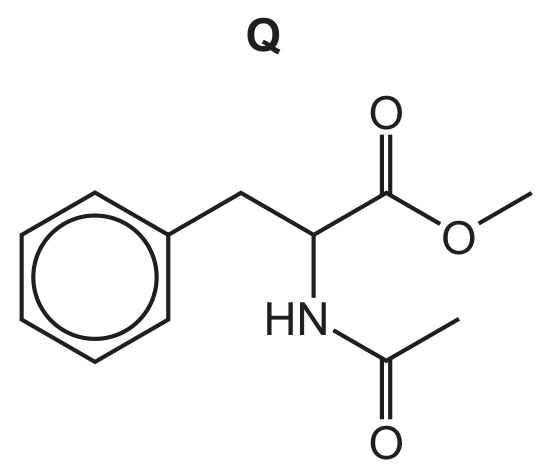
Compare the relative basicities of compound P, compound Q and phenylamine. < <
least basic
most basic
Explain your answer.
Procaine is used as an anaesthetic in medicine. It can be synthesised from methylbenzene in five steps as shown in Fig. 7.1.
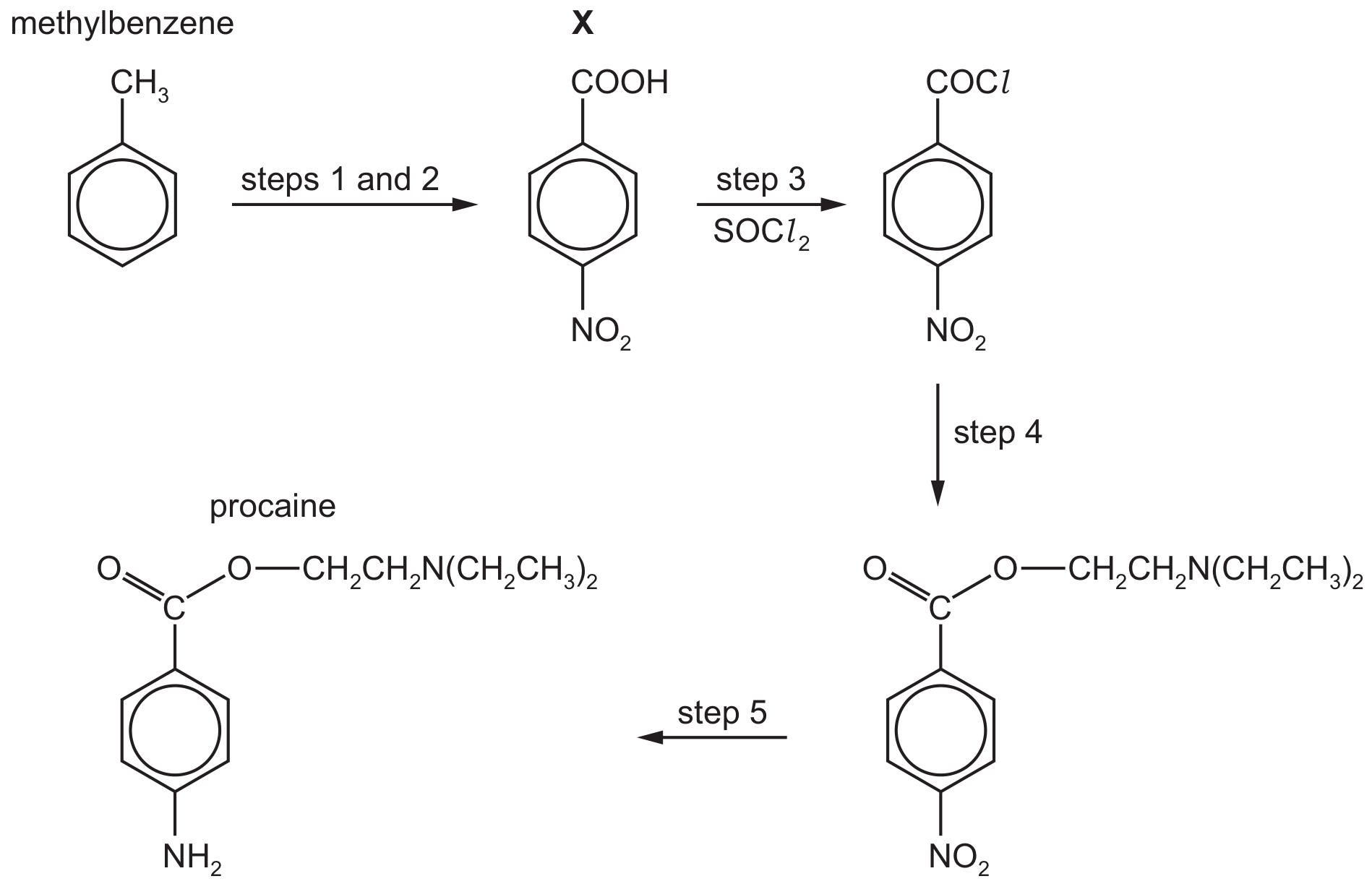
Fig. 7.1
State why procaine can act as a base.
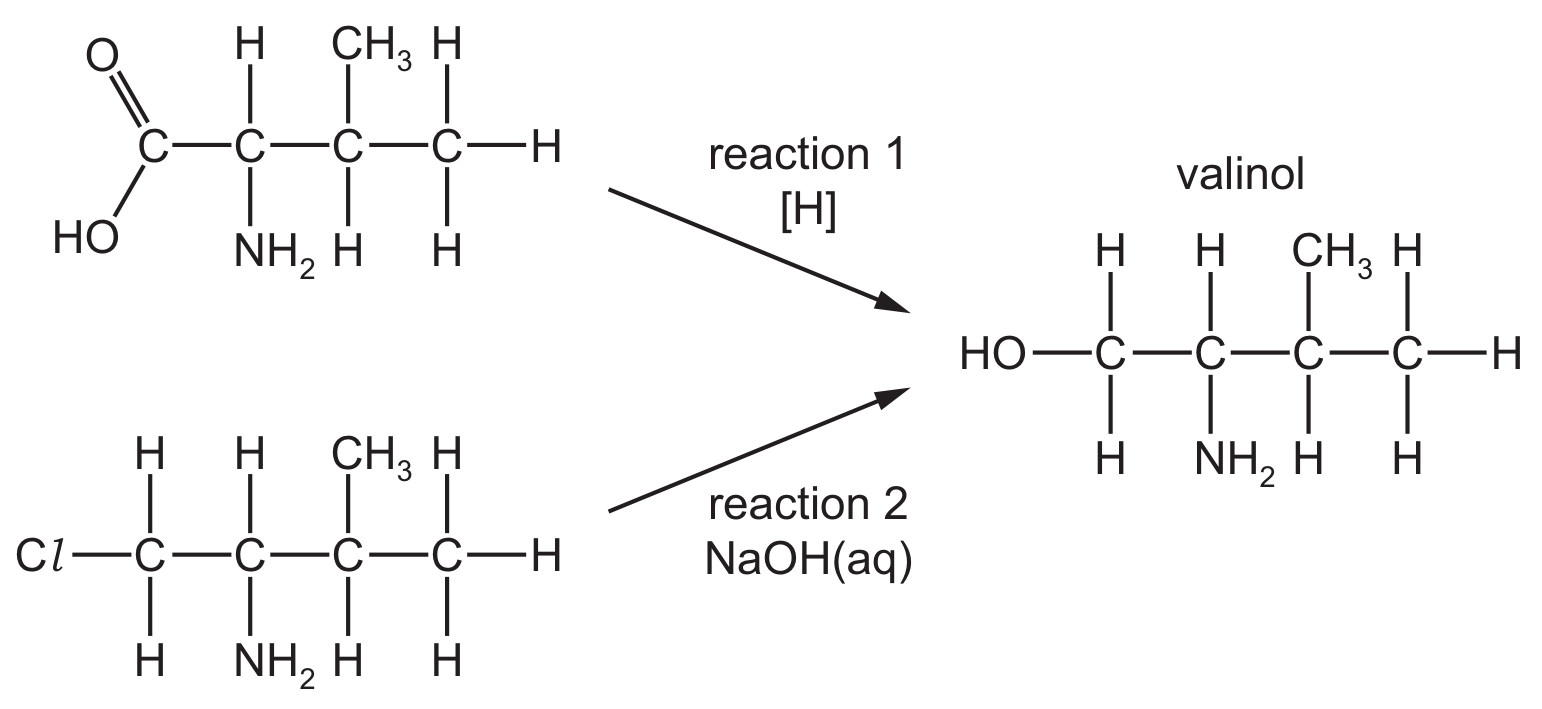
Valinol can be synthesised by the following reactions. Reaction 1 uses valine as the starting material.
valine
Write an equation for reaction 1, using [ H ] to represent the reducing agent.
Suggest a suitable reagent for reaction 1.
Butylamine, , can be synthesised from different organic compounds by using suitable reagents. Each reaction involves one step.
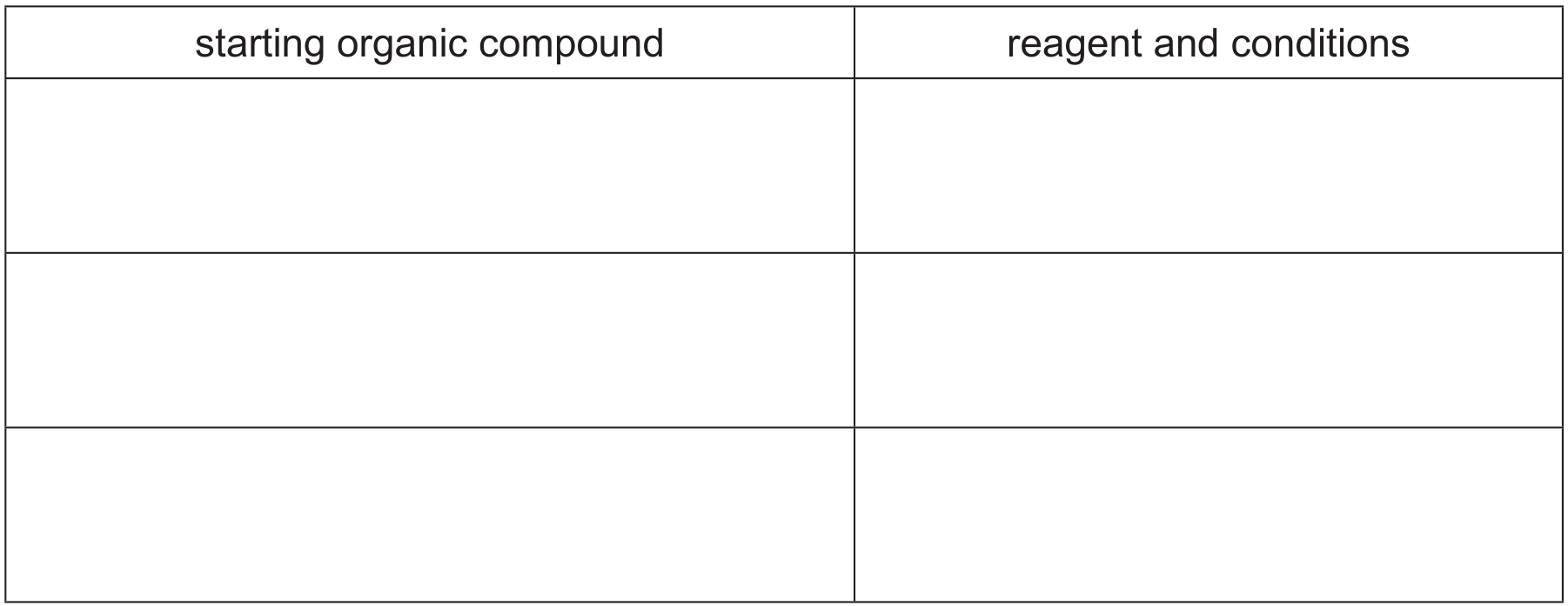
Complete the table to describe three different syntheses.
- One of the three syntheses should involve a nucleophilic substitution reaction.
- The starting organic compound for each synthesis should contain a different functional group.
- A different reagent should be used for each synthesis.