EduNinja
[Maximum number: 2]

Smooth muscle is a tissue composed of smooth muscle cells. The cells contain cytoplasm packed with proteins that are involved in contraction and relaxation.

(a)

Caldesmon is a large protein with a number of binding sites to attach to other proteins.

Caldesmon exists in two different forms, H-caldesmon and L-caldesmon.
H-caldesmon helps to regulate contraction and relaxation in smooth muscle cells.
L -caldesmon is found in some non-muscle cells, where it also acts as a regulatory protein.
- Caldesmon is coded for by a gene known as CALD1.
- CALD1 has 17 exons.
- The primary structure of H-caldesmon has a repeating sequence in the middle of the amino acid chain that is not present in L-caldesmon.

[ 2 ]
(i)

Researchers have discovered that a gene mutation is not the cause of the two different forms of caldesmon.

Explain what is meant by a gene mutation.
[ 2 ]
[Maximum number: 2]

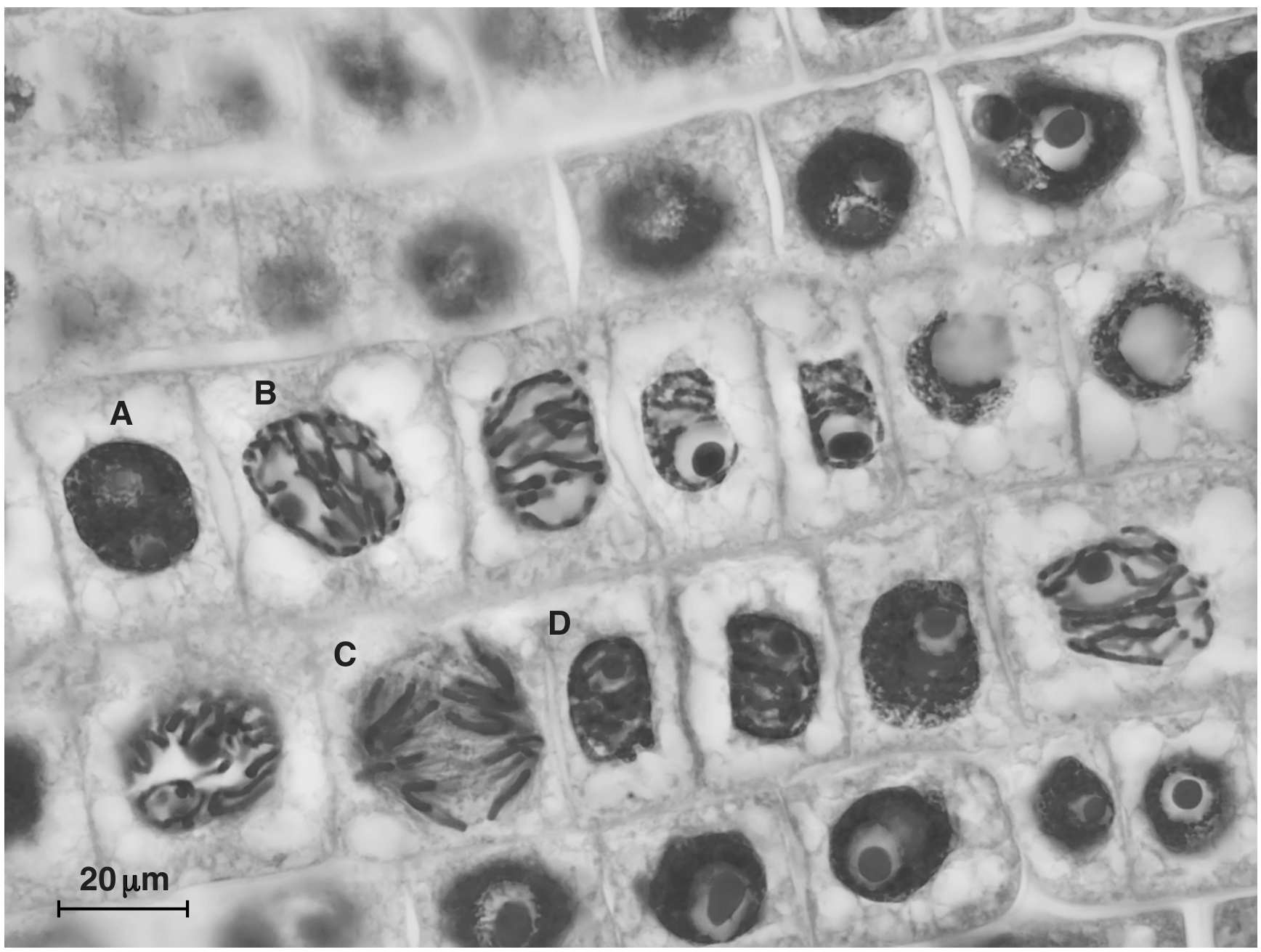
Fig. 1.1 is a photomicrograph of plant root cells near the growing tip. Some of the cells are undergoing mitosis.

Fig. 1.1

Fig. 1.1

(a)
(i)

Mutations can sometimes occur in cells which are rapidly dividing.

Outline how a mutation can cause an altered polypeptide to be produced.

[ 2 ]
[Maximum number: 2]

The disease-causing bacterium, Pseudomonas aeruginosa, may occur in the form of a 'biofilm'. A biofilm consists of a layer of bacteria, growing on a surface and attached to one another. Such biofilms are difficult to control by antibiotics.

A mutant strain of P. aeruginosa has been found which produces biofilms that are indistinguishable from those of the wild-type bacteria. However, the mutant strain differs from the wild-type in its resistance to an antibiotic, A.

(a)

The wild-type and mutant strains of this bacterium have different DNA sequences in part of a gene coding for an enzyme which is needed to produce polymers of glucose, called glucans. Glucans are secreted by bacteria and can bind to various molecules, including those of antibiotic A.
Explain

[ 2 ]
(i)

how a mutation of a gene coding for an enzyme may result in an enzyme with reduced activity,

[ 2 ]
[Maximum number: 2]

DNA replication is an important event in the cell cycle.

(a)

The compound benzopyrene, found in tar from tobacco smoke, can become chemically changed in cells and interferes with DNA replication, causing gene mutations.

[ 2 ]
(i)

State what is meant by the term gene mutation.

[ 2 ]
[Maximum number: 3]

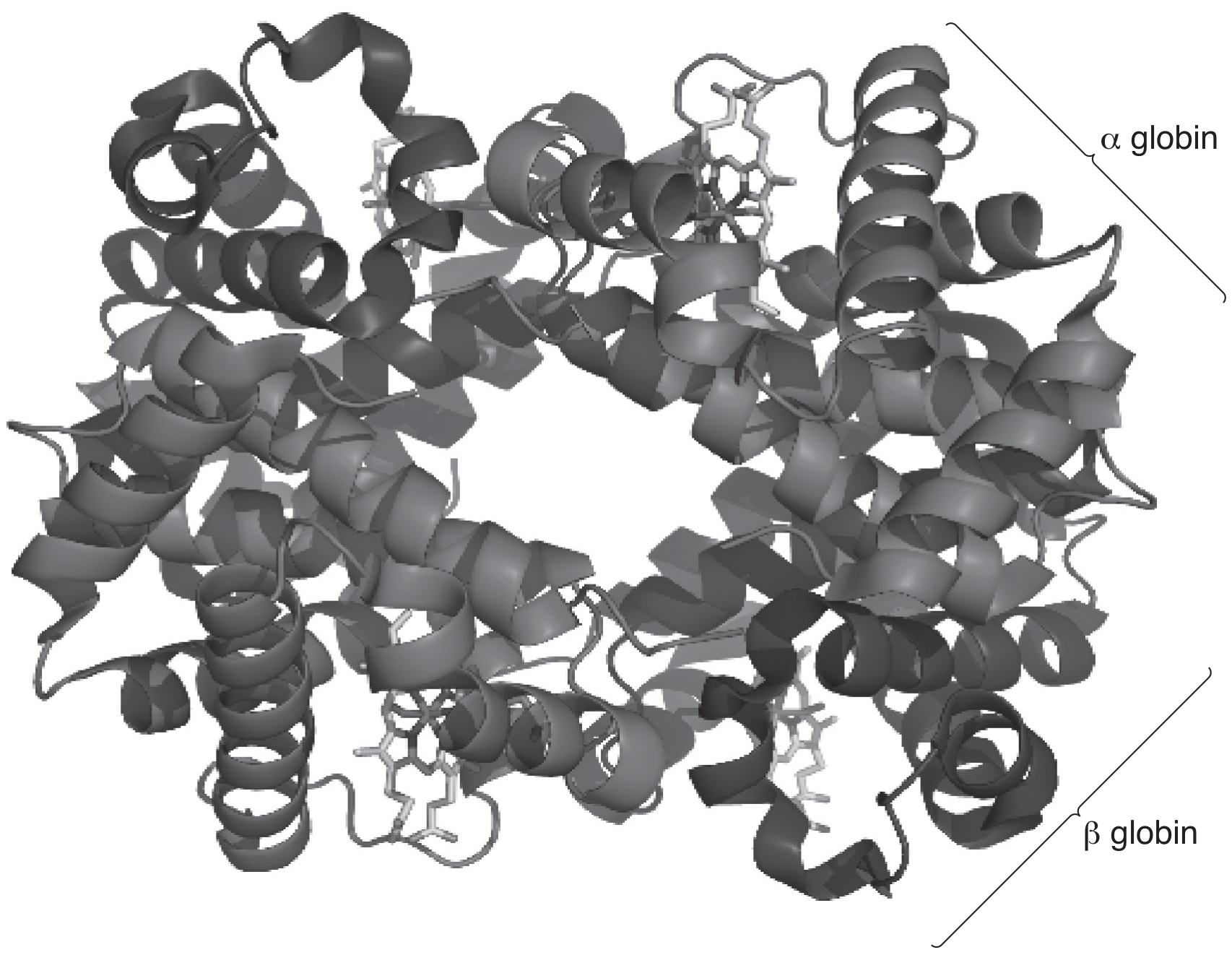
Fig. 3.1 shows a molecule of haemoglobin.

Fig. 3.1

Fig. 3.1

(a)

There are many different variants of haemoglobin.

The sequence of bases in DNA that code for the first seven amino acids in two variants of the β\beta-globin polypeptide are shown in Fig. 3.2.
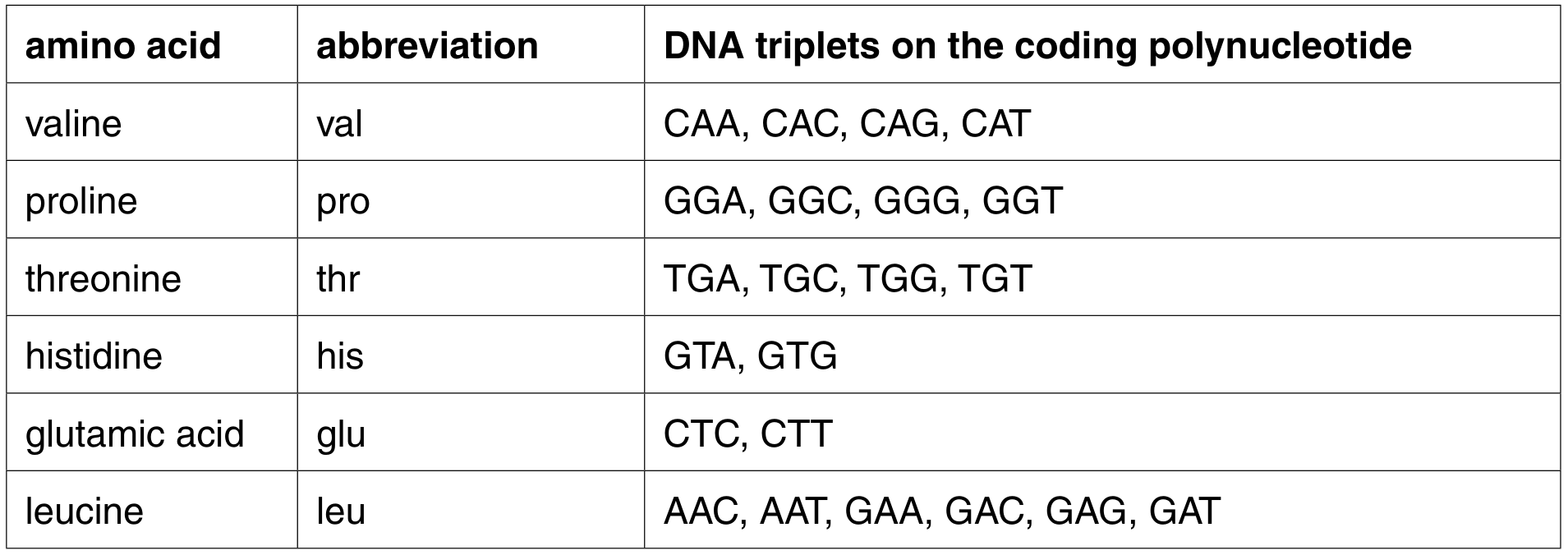
The genetic dictionary for some of the amino acids is in Table 3.1.
Variant 1

Table

Variant 2

Fig. 3.2

Fig. 3.2

Table 3.1

Table 3.1

Use the genetic dictionary to describe the similarities and differences between the two variants of haemoglobin.

[ 3 ]

Hydrolytic enzymes can function within the cell or can be secreted by the cell, where they are able to catalyse reactions.

(a)

Glucocerebrosidase is an enzyme synthesised by macrophages to hydrolyse glucocerebroside, a glycolipid found in cell membranes.

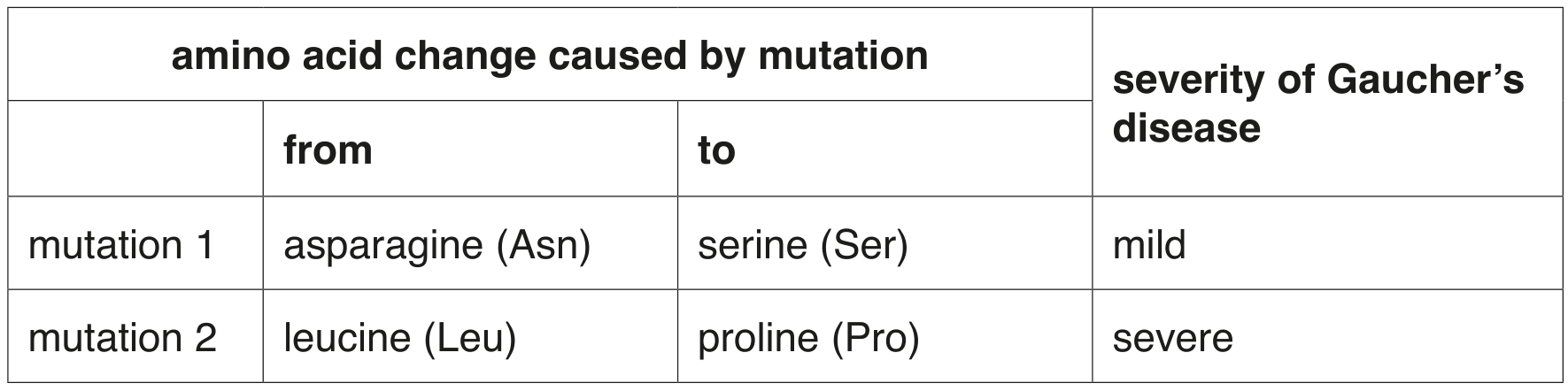
The GBA gene codes for glucocerebrosidase. There are a number of different mutations of the GBA gene. Some mutations result in a single amino acid change in the enzyme molecule produced, and this causes a disorder known as Gaucher's disease. Two of these mutations, at different positions in the GBA gene, are shown in Table 3.1.

Table 3.1

Table 3.1

With reference to Table 3.1,
- outline how a mutation leads to a single amino acid change in the enzyme glucocerebrosidase and
- suggest why the two different amino acid changes, Asn to Ser and Leu to Pro, will result in differences in the tertiary structure of the enzyme.

[Maximum number: 1]

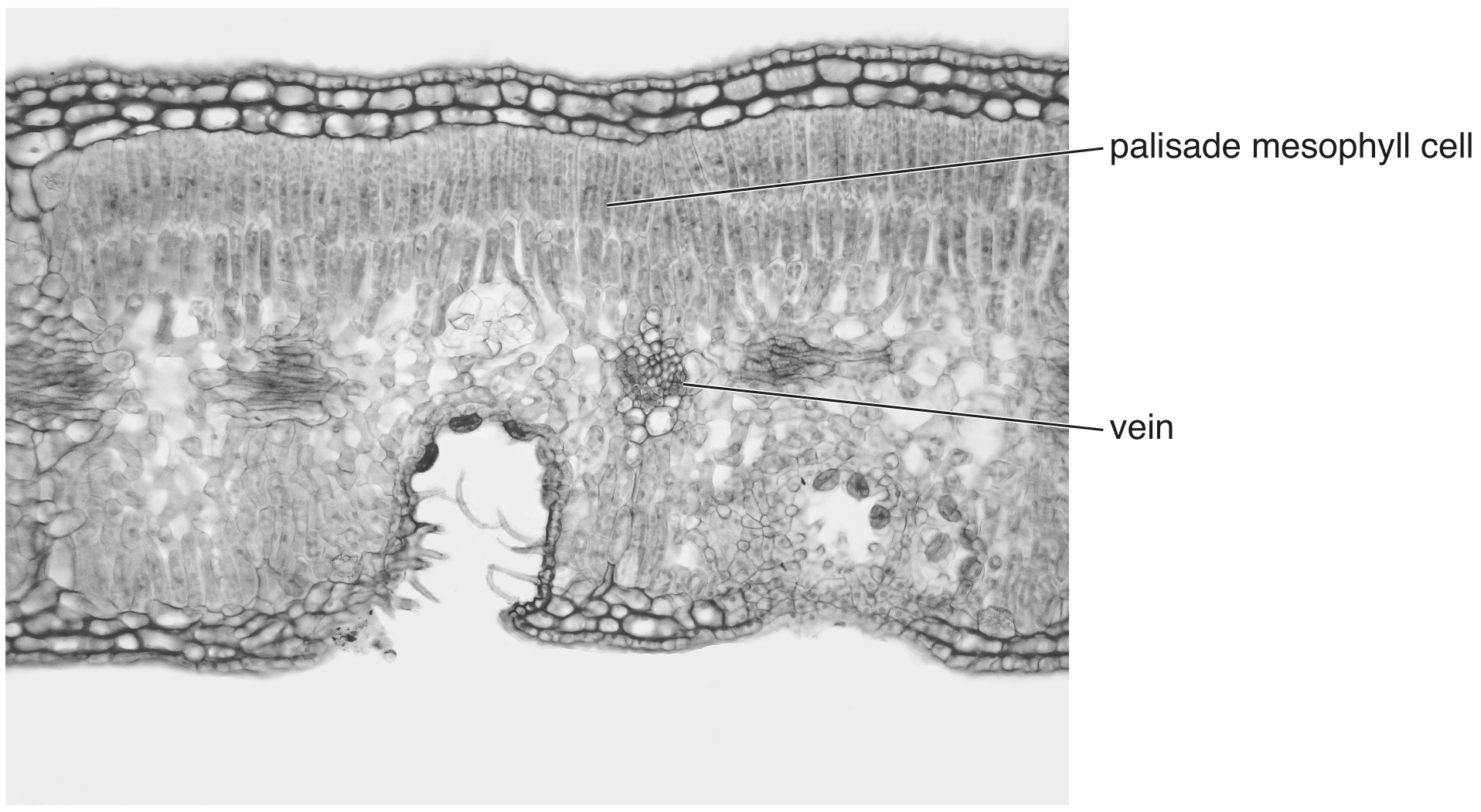
Nerium oleander is a xerophytic plant. A photomicrograph of a section through the leaf of N. oleander is shown in Fig. 3.1.

Fig. 3.1

Fig. 3.1

(a)
(i)

State what is meant by a gene mutation.
[ 1 ]
[Maximum number: 3]

Plasmodium falciparum is one species of Plasmodium that causes the life-threatening disease malaria. With early diagnosis and the correct drug treatment, the pathogen can be eliminated from the body, particularly if the disease is not severe.

(a)

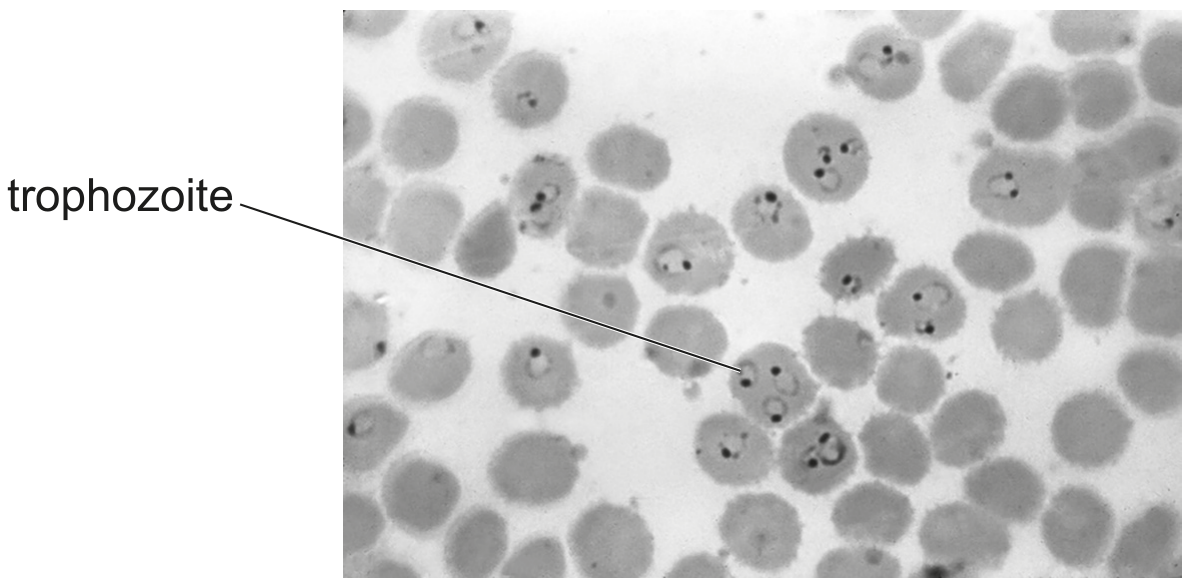
ACT can act on the stage of the life cycle of P. falciparum that occurs within red blood cells. The cells of P. falciparum in this stage are known as trophozoites.

Fig. 3.1 is a photomicrograph of a blood smear (thin layer of cells). Some of the red blood cells contain trophozoites.

Fig. 3.1

Fig. 3.1

PfK13 is a protein that has an important role in the development of the trophozoite stage of P. falciparum. The gene kelch13 codes for PfK13.

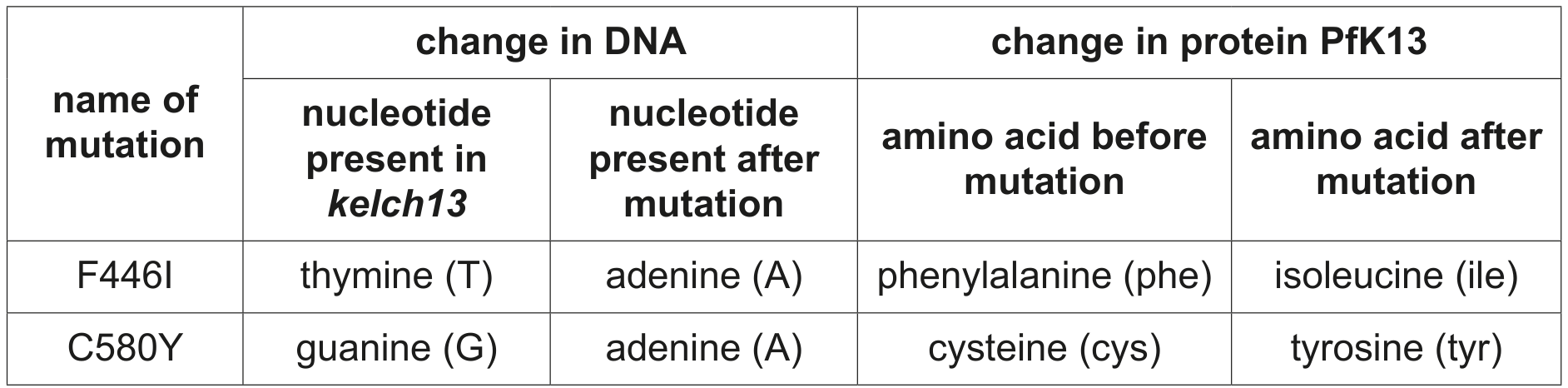
Two different mutations of kelch13, known as F446I and C580Y, were investigated to see if they were associated with partial artemisinin resistance. Details of these mutations are summarised in Table 3.1.

Table 3.1

Table 3.1

[ 3 ]
(i)

Using gene kelch13 and mutation F446I as examples, explain the difference between a gene and a gene mutation.

[ 3 ]
[Maximum number: 2]

Catalase is an enzyme that catalyses the breakdown of hydrogen peroxide, a toxic waste product of metabolism.

2H2O2 catalase 2H2O+O22 \mathrm{H}_{2} \mathrm{O}_{2} \xrightarrow[\text { catalase }]{2 \mathrm{H}_{2} \mathrm{O}+\mathrm{O}_{2}}

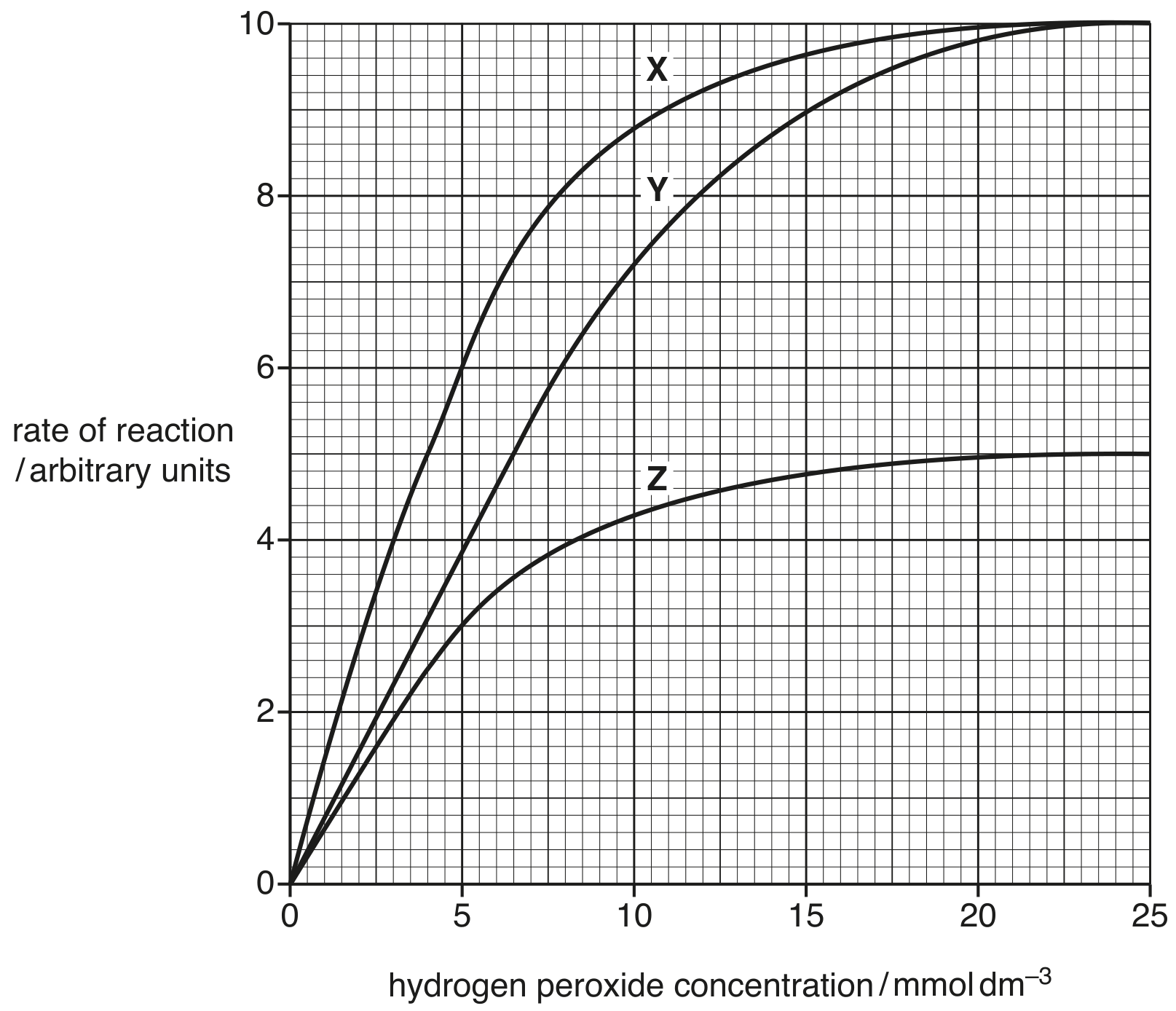
Fig. 3.1 shows the results of an investigation into the effect of hydrogen peroxide concentration on the rate of the catalase-controlled reaction, with and without the presence of two different inhibitors.

Fig. 3.1

Fig. 3.1

(a)

The cell has mechanisms to repair the damage to DNA caused by hydrogen peroxide. Errors in repair may cause a change to the structure of DNA.

Studies have investigated possible risks associated with foods and drinks that contain hydrogen peroxide. This is because the compound can be considered a mutagen. Mutagens cause mutations.

Explain why hydrogen peroxide can be considered a mutagen.

Question 4 starts on page 10

[ 2 ]
[Maximum number: 3]

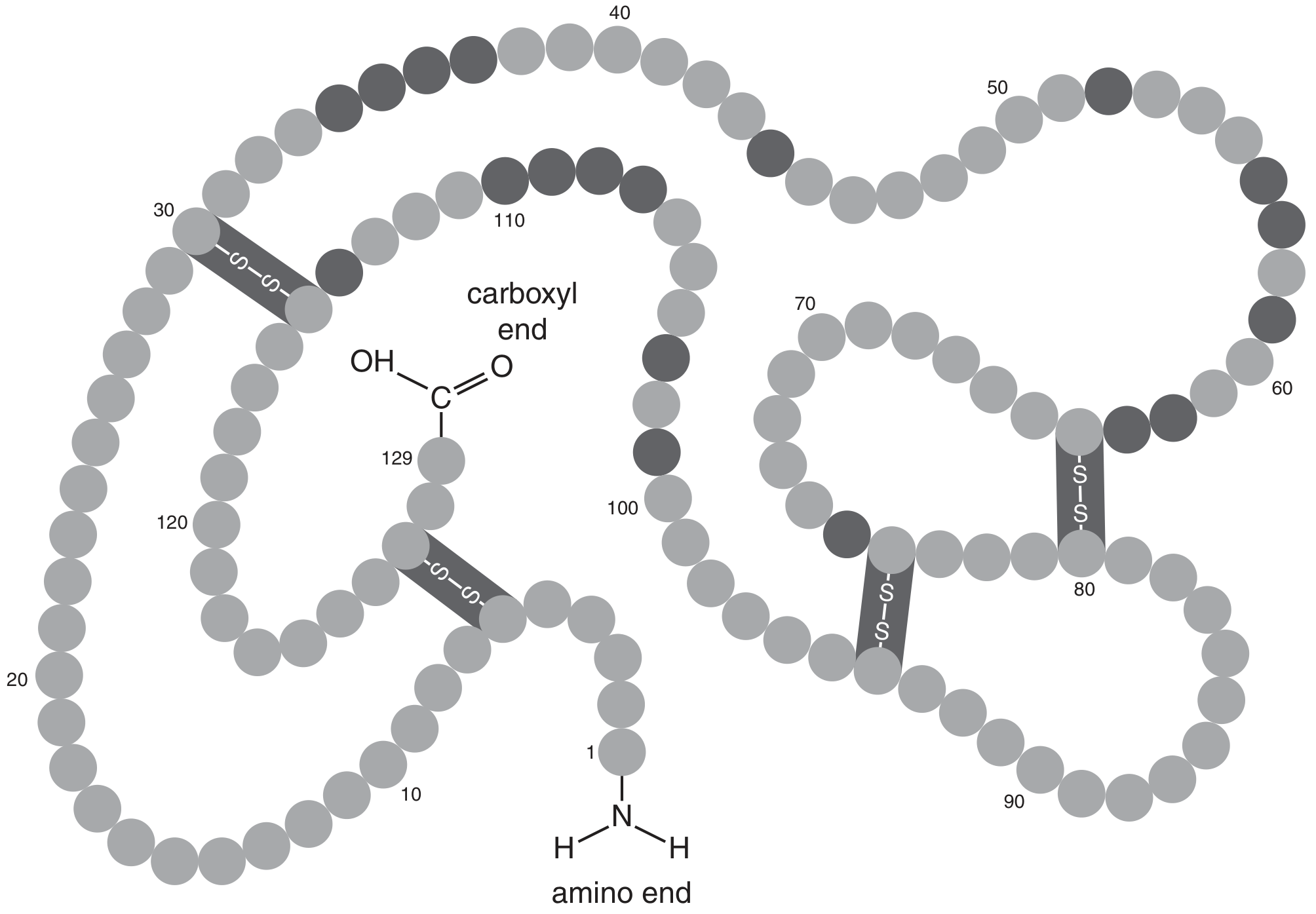
Fig. 4.1 shows the primary structure of a lysozyme molecule, an enzyme found in tears, saliva and in lysosomes.

Fig. 4.1

Fig. 4.1

(a)

Some people have a rare disease caused by a single change in the DNA nucleotide sequence of the gene coding for lysozyme. The change leads to the formation of an insoluble protein that has a different structure to the normal soluble lysozyme molecule.

Suggest how a change in the gene can lead to the differences observed between the normal lysozyme and the changed lysozyme.

[ 3 ]
0