[Maximum number: 3]
Fig. 1.1 is a diagram showing a stage in protein synthesis.
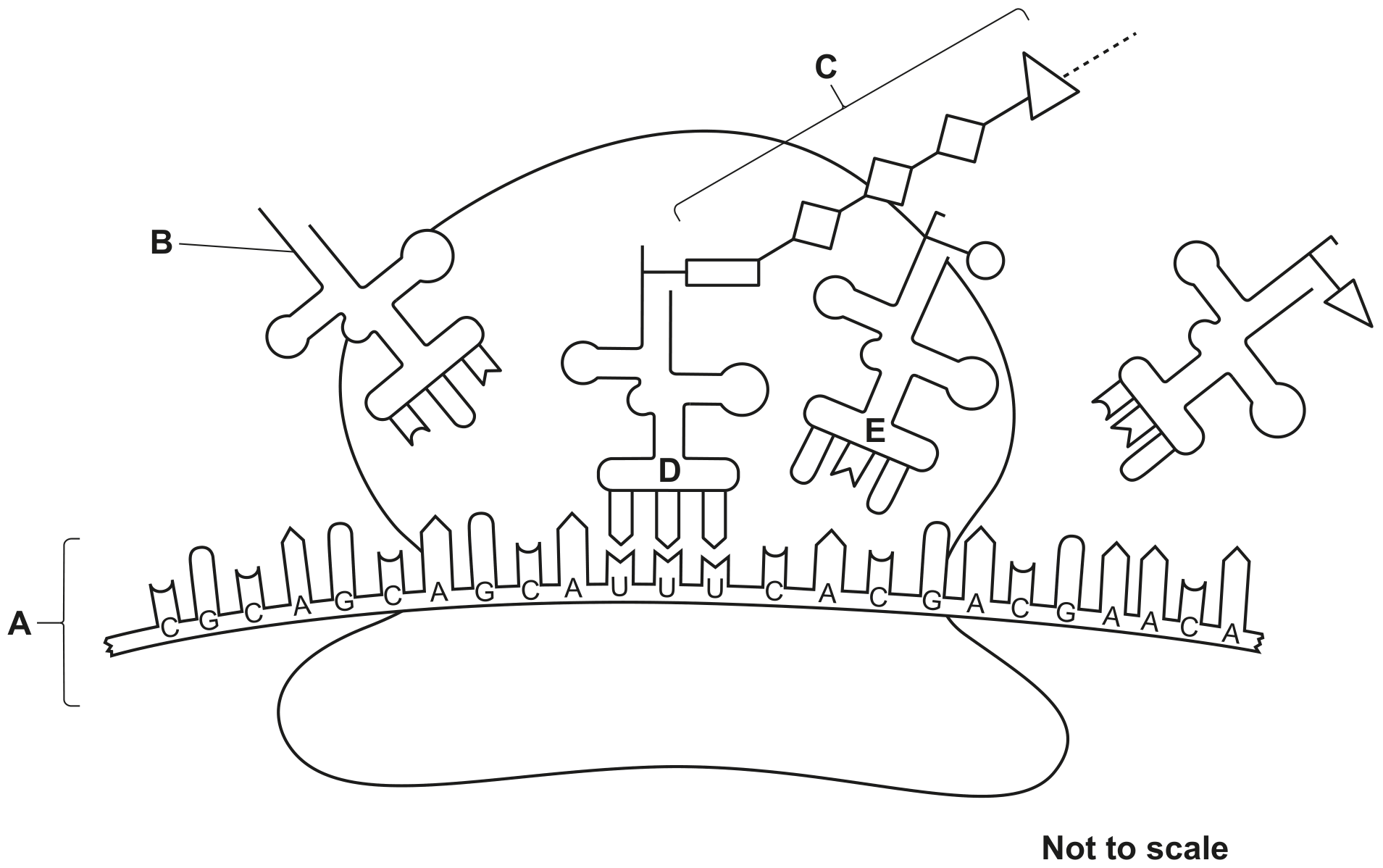
Fig. 1.1
(a)
(i)
Identify A, B and C in Fig. 1.1.
A
B
C
[ 3 ]
 EduNinja
Fig. 1.1 is a diagram showing a stage in protein synthesis.
Fig. 1.1
Identify A, B and C in Fig. 1.1.
A
B
C
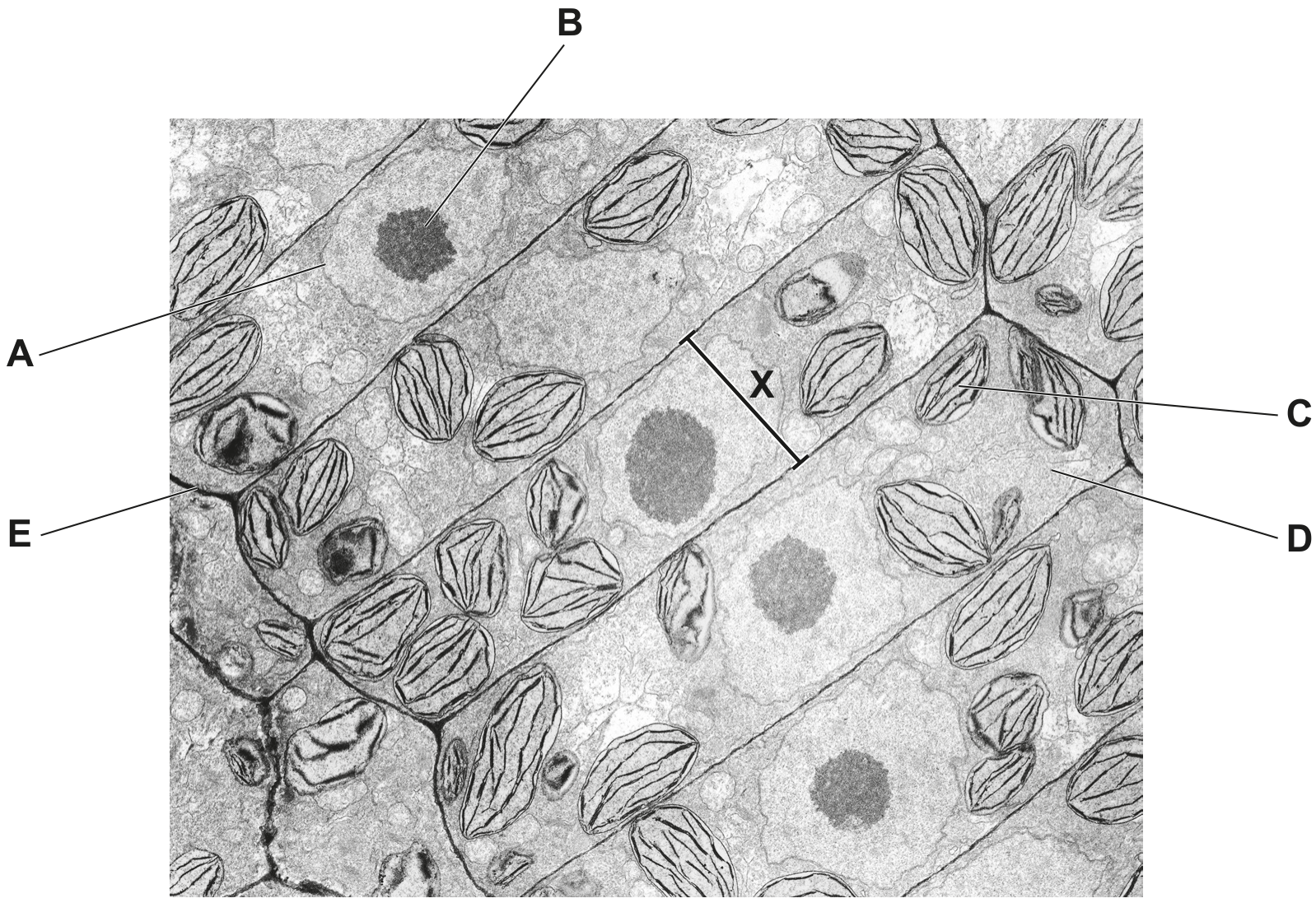
Fig. 1.1 is a transmission electron micrograph of cells from duckweed, Spirodela oligorrhiza.
magnification \(\times 4275\)
Name a cell structure that produces mRNA.
Antibodies are secreted by activated B-lymphocytes known as plasma cells.
Fig. 1.1 is a diagram showing the cellular processes involved in the production of a polypeptide of an antibody molecule (not drawn to scale).
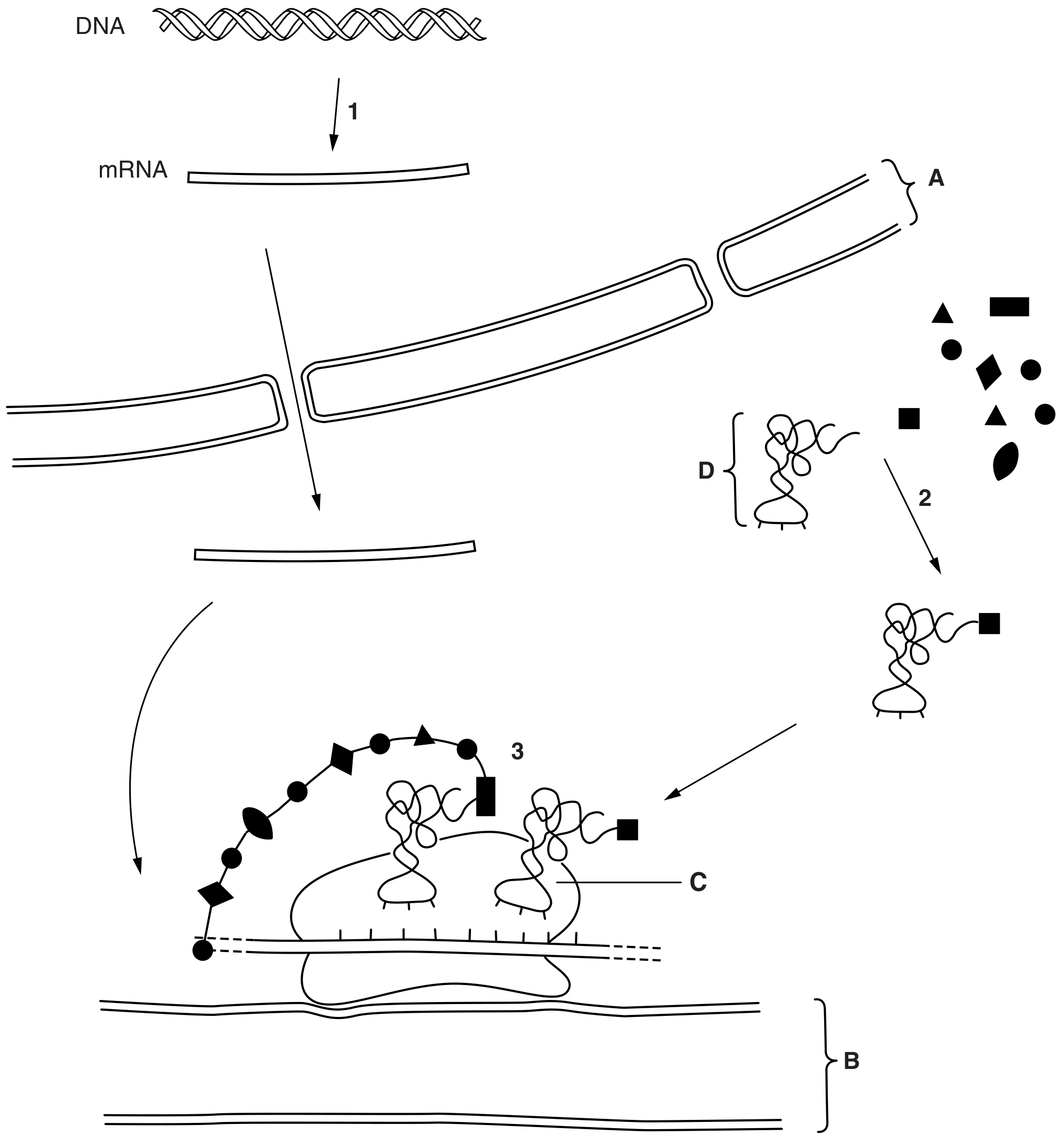
Fig. 1.1
State what is occurring at 1,2 and 3.
at 1
at 2
at 3
Fig. 2.1 is a scanning electron micrograph of an area of the trachea showing the presence of Bordetella pertussis bacteria.
B. pertussis is the causative organism of a respiratory disease in humans known as whooping cough. The disease is transmitted from person to person in a similar way to tuberculosis (TB).
A symptom that is common to TB and to whooping cough is the production of an excess of mucus.
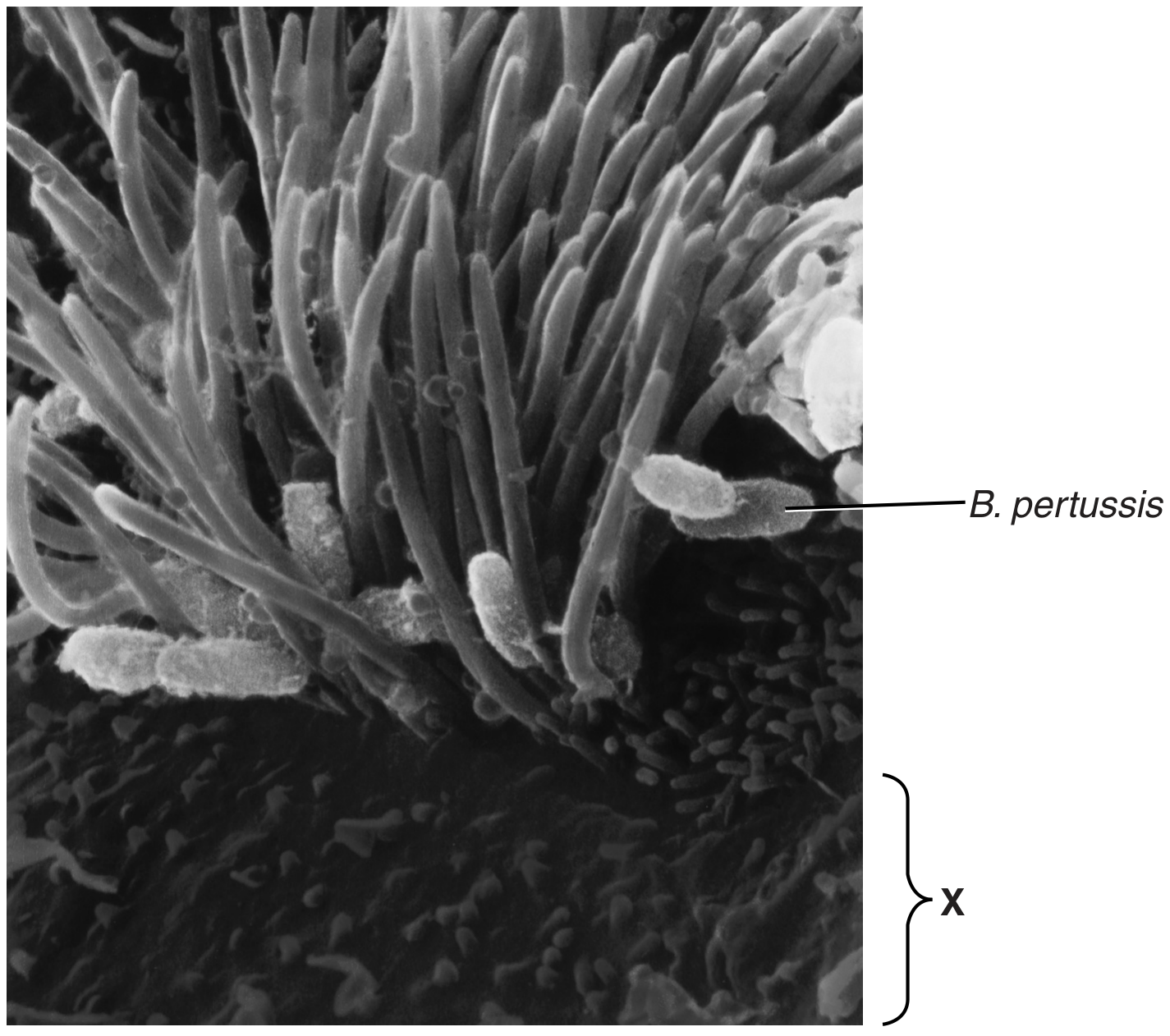
Fig. 2.1
The presence of B. pertussis stimulates the production of mucin, a gel-like glycoprotein that is the main component of mucus.
The mucin produced by the cell is packaged into vesicles ready for exocytosis.
The first stage in the production of mucin involves transcription of the gene MUC5AC.
Outline the stages occurring in transcription.
Erythropoietin, also known as EPO, is a large glycoprotein synthesised by specialised cells in the kidney. These cells are very sensitive to changes in oxygen concentration in the blood passing through the kidney and respond to a low oxygen concentration by increasing the synthesis of EPO.
EPO acts at the surface of particular target cells, such as cells in the bone marrow. These bone marrow cells are stimulated to produce red blood cells.
A low oxygen concentration also leads to an increase in the quantity of mRNA in the specialised cells in the kidney.
Suggest and explain why there is this increase in the quantity of mRNA.
Read the following passage.
A method called in vitro translation is often used by scientists to produce proteins in the laboratory. The method uses extracts from animal cells, plant cells or bacteria. These are chosen because they have high levels of protein synthesis. The cells are treated so that the cell walls, if present, and cell membranes are broken down and then treated so that any of the cell's own DNA and mRNA are destroyed. When mRNA from any source is added to these extracts, it will be translated into the corresponding protein.
Explain why:
the cells are chosen on the basis of their high level of protein synthesis
the cell's own mRNA needs to be destroyed
mRNA from any source can be translated in any type of extract.
Scientists usually find that the method of in vitro translation is less efficient than in vivo translation, which occurs in cells.
Suggest a reason for this.
Describe the role played by tRNA in polypeptide synthesis.
The treatment for people with active tuberculosis (TB) lasts six months and involves a combination of antibiotics. This is usually very effective if the person has a susceptible (non-resistant) strain of Mycobacterium tuberculosis, the causative organism of TB.
Table 2.1 summarises one recommended treatment strategy that involves a combination of antibiotics.
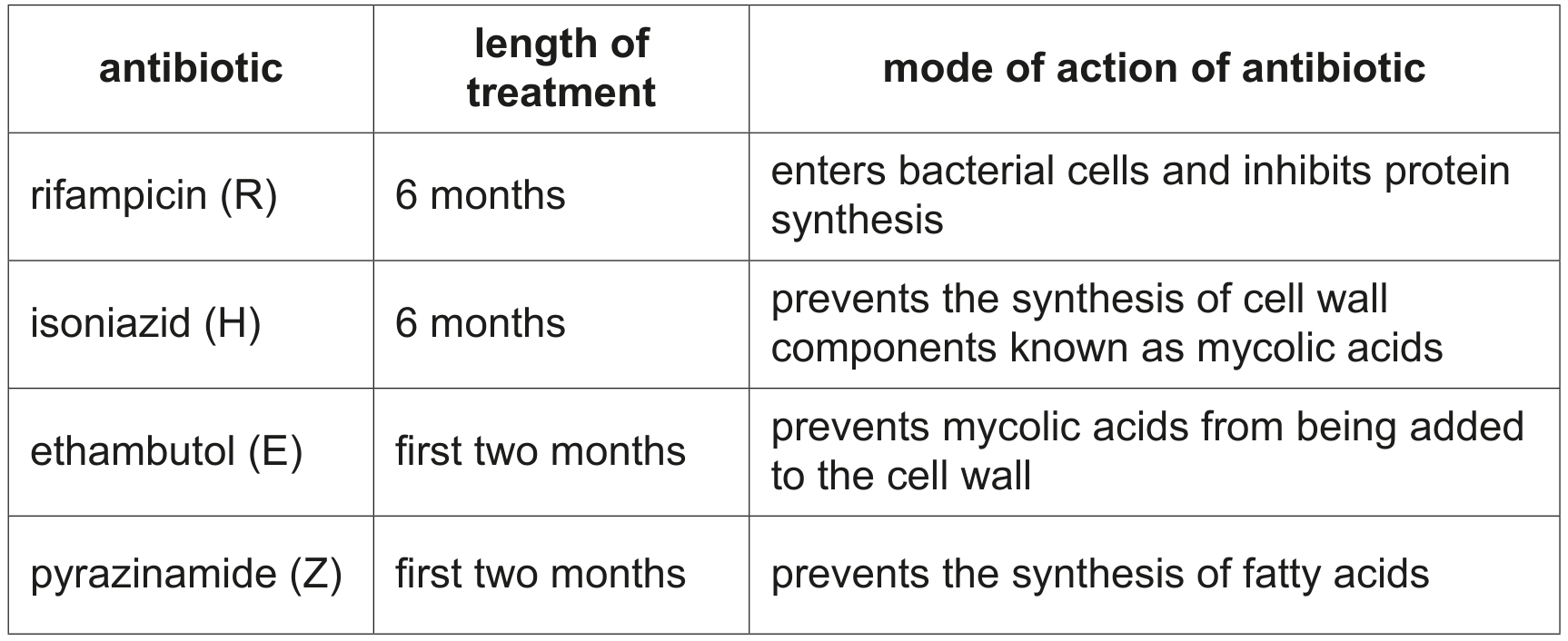
Table 2.1
RNA polymerase catalyses the formation of messenger RNA (mRNA) from DNA.
State the term for this process.
During the formation of RNA, a number of events occur that involve the action of RNA polymerase.
Suggest ways in which rifampicin can affect the activity of RNA polymerase.
Some tissues of the gas exchange system include cells that are able to produce and secrete mucins. Mucins are stored in vesicles in these cells, ready for secretion. Once outside the cell, mucins adsorb water to form mucus.
The processes that occur in the production and secretion of mucins are listed.
translation
exocytosis
glycosylation
transcription
Complete Table 2.1 by writing the processes in the correct order in which they would take place.
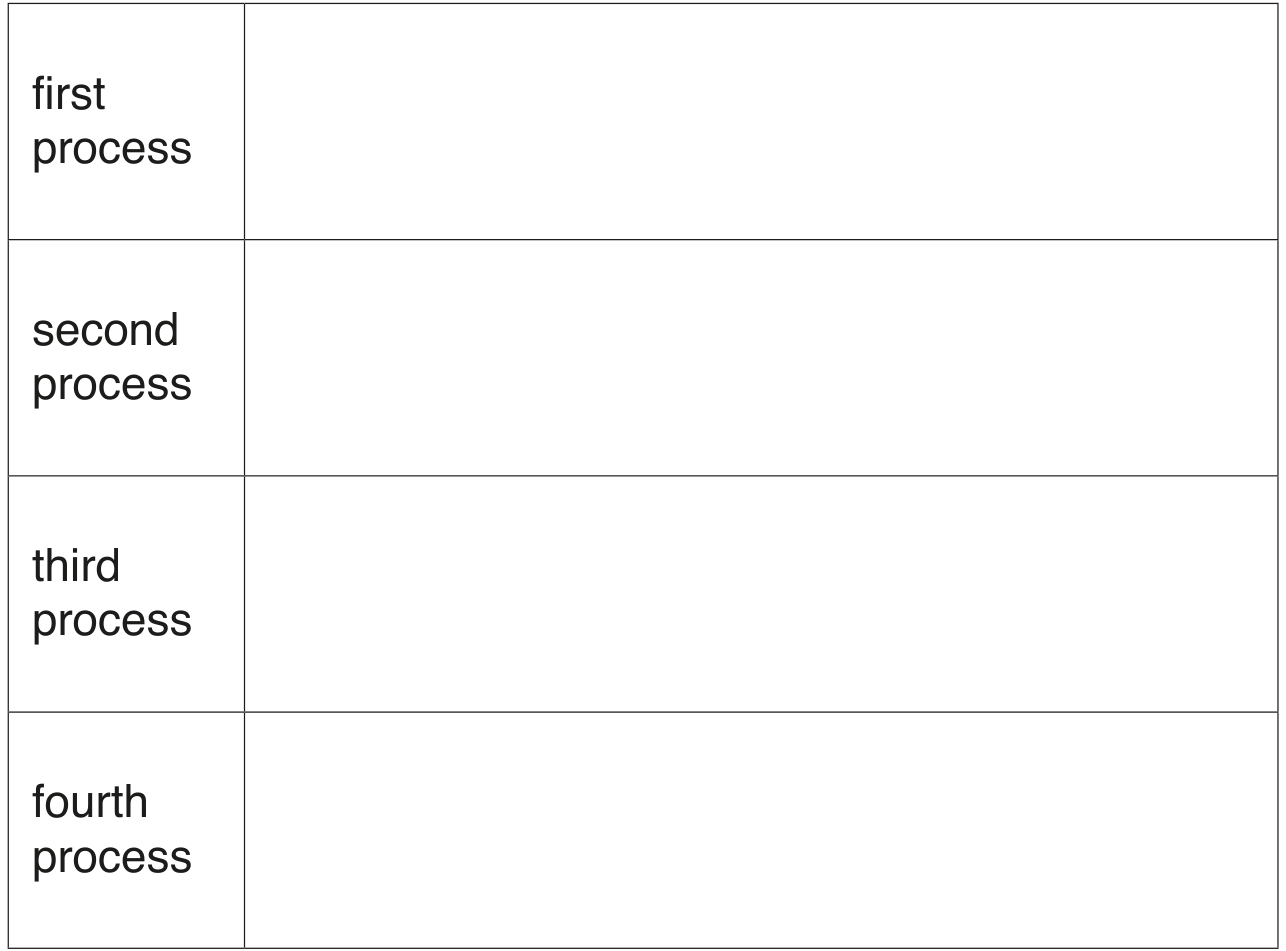
Table 2.1