EduNinja
(a)

Row 1 and row 2 of Table 2.1 show the DNA base sequences of part of the normal CFTR allele and the same part of a mutated CFTR allele. The base sequences shown are for the DNA strands used in the synthesis of RNA. When Table 2.1 is completed, row 3 will show the base sequence of the RNA synthesised from the same part of the mutated CFTR allele.
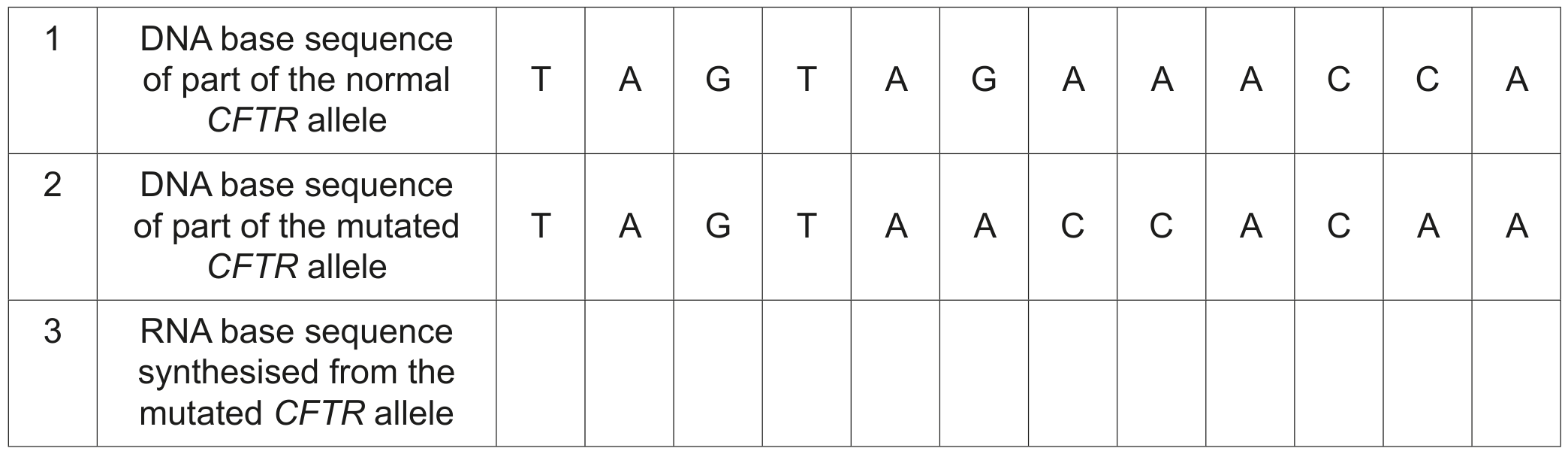
Table 2.1

Table 2.1

[ 1 ]
(i)

Row 1 and row 2 in Table 2.1 show the DNA strands used in the synthesis of RNA.

State the term used to describe the DNA strand that is used in the synthesis of RNA.

[ 1 ]
[Maximum number: 3]

During one cardiac cycle:
- blood enters the heart from the lungs and from the rest of the body
- blood leaves the heart to be transported to the lungs and to the rest of the body.

(a)

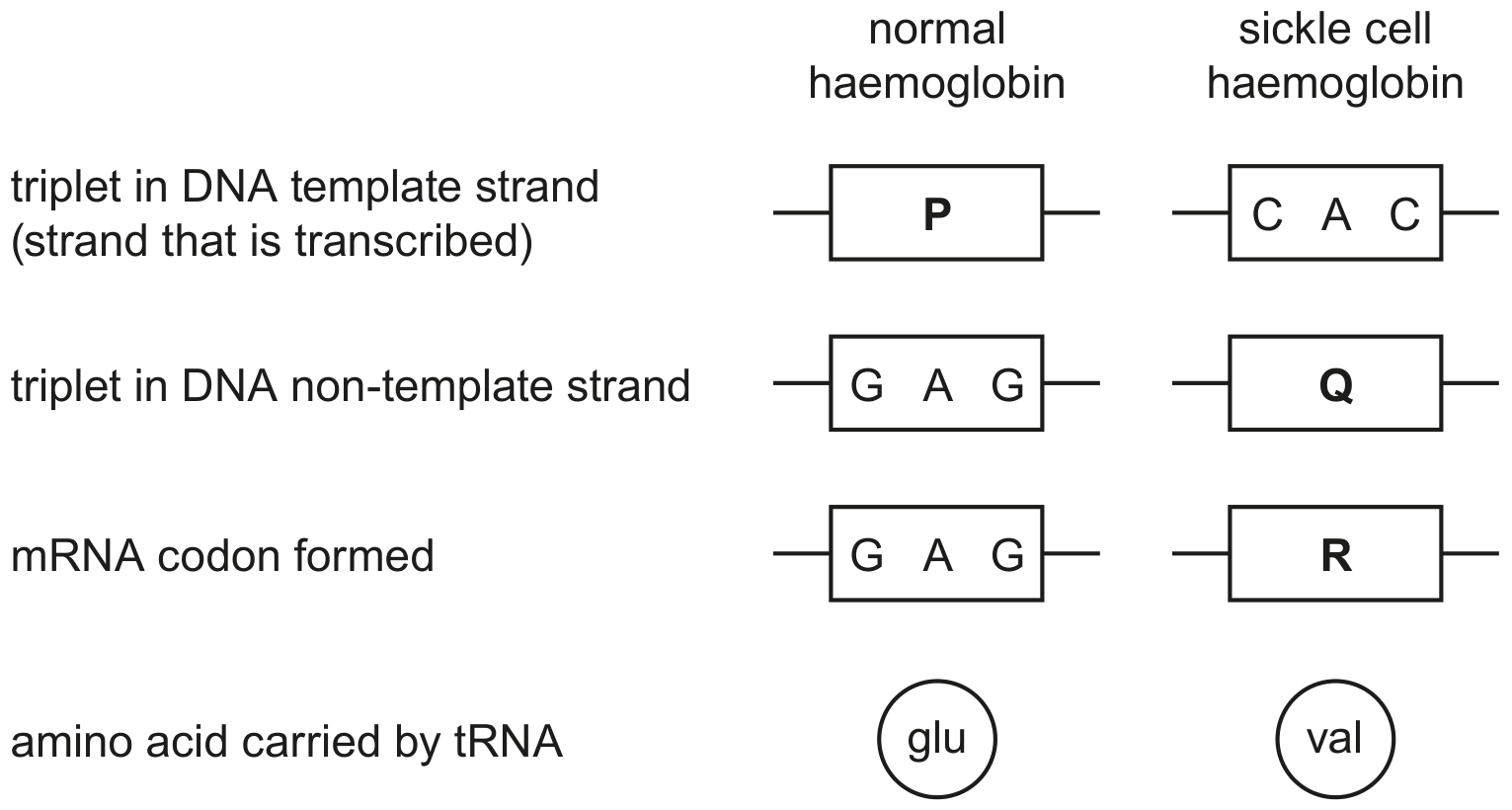
The cause of the differences between sickle cell haemoglobin and normal haemoglobin is a mutation in the gene that codes for one of the two types of polypeptide found in a haemoglobin molecule. This mutation leads to a change in the mRNA produced during transcription, causing a change in the primary structure of the polypeptide formed.

Fig. 3.1 shows some of the changes that occur as a result of this gene mutation.

Fig. 3.1 shows some of the changes that occur as a result of this gene mutation.

Question image
Question image
Question image
Question image
Question image
Question image
Question image
Question image
[ 3 ]
(i)

With reference to Fig. 3.1, state:
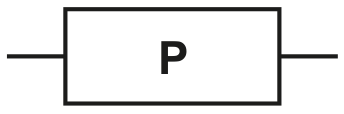
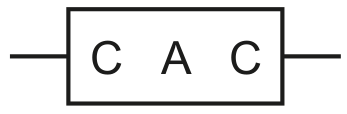
- the base sequence of DNA triplet P
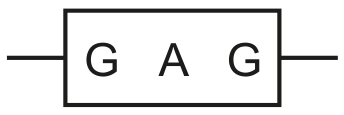
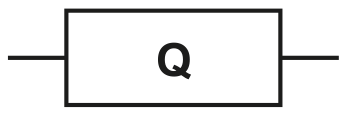
- the base sequence of DNA triplet Q
- the base sequence of mRNA codon R.

[ 3 ]
(a)

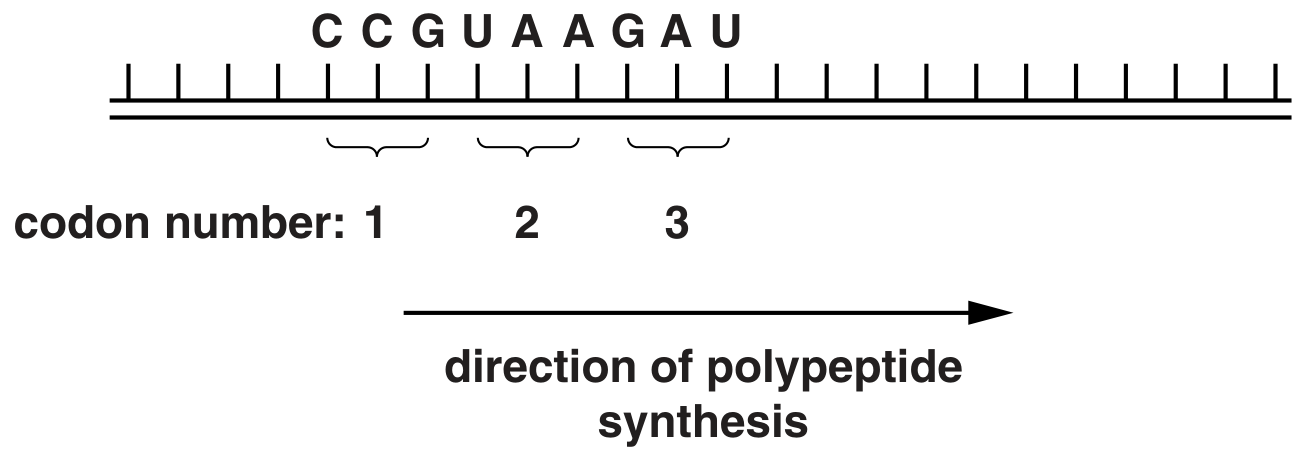
Fig. 5.1 is a diagram of a section of mRNA showing the sequence of three of the codons.

Fig. 5.1

Fig. 5.1

State the base sequences of:

[ 1 ]
(i)

the DNA sequence which coded for codon 3.

[ 1 ]
[Maximum number: 1]

Which statement about the transcription and translation of a gene is correct?

A

The non-transcribed strand of DNA has a base sequence that is identical to the mRNA produced in transcription.

B

The template strand of DNA has a base sequence that is identical to the mRNA produced in transcription.

C

The non-transcribed strand of DNA has a base sequence that is complementary to the tRNA molecules required in translation.

D

The template strand of DNA has a base sequence that is complementary to the tRNA molecules required in translation.

(a)

The freshwater turtle, Trachemys scripta, is able to survive for long periods in conditions of very low oxygen concentration. As in humans, the rate of activity of the Na+/K+\mathrm{Na}^{+} / \mathrm{K}^{+} pump in the neurones in its brain falls sharply. However, in turtles this does not result in damage to these cells.

A better understanding of how the neurones in the turtle's brain survive in these conditions could lead to new treatments for people who have suffered a stroke.

Experiments show that, in turtle brain neurones, in conditions of low oxygen availability:
- most ion channels in the cell surface membranes immediately close
- after about four hours, the quantity of mRNA involved in the synthesis of proteins used to build ion channels, falls to less than one fifth of normal concentrations.

[ 2 ]
(i)

Suggest what causes the quantity of mRNA for protein channels to fall.
Question 5 starts on page 14

[ 2 ]
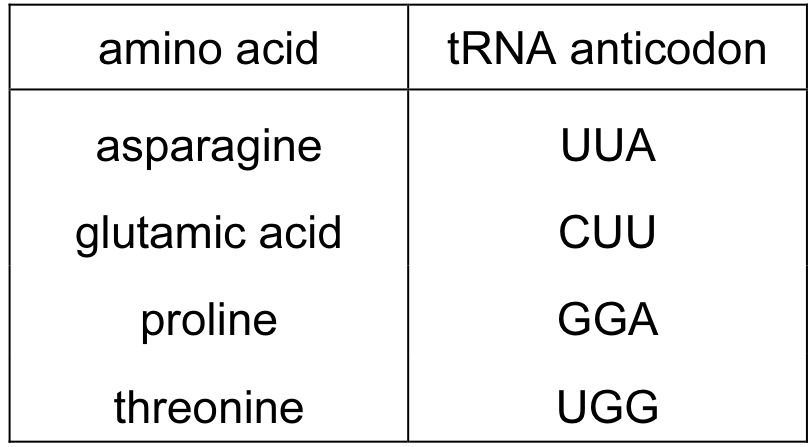
[Maximum number: 1]

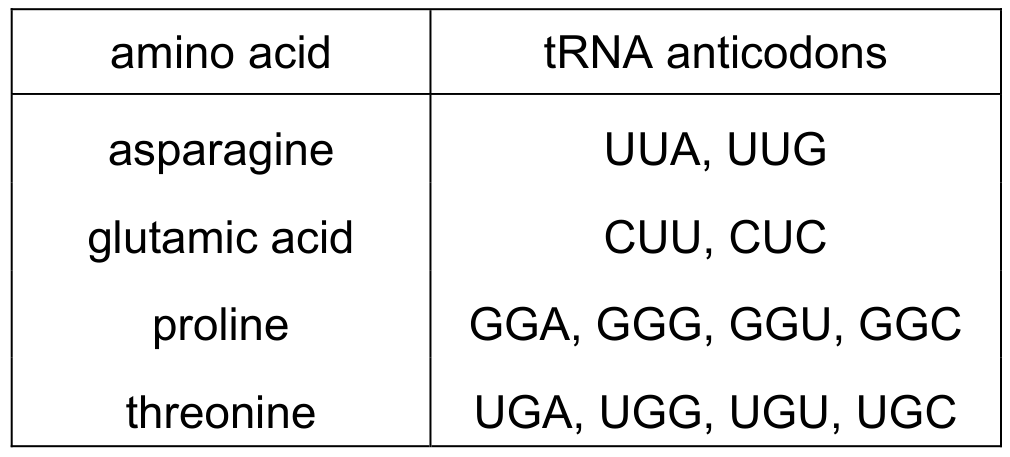
The table shows the tRNA anticodons for four amino acids.

Table

A cell makes a polypeptide containing the amino acid sequence shown.

asparagine - threonine - proline - glutamic acid

Which sequence of bases on the transcribed strand of a DNA molecule could code for this part of the polypeptide?

A

AATACCCCTGAA

B

AATACCCCTCAA

C

TTACTTGGATGG

D

TTATGGGGACTT

[Maximum number: 1]

The table gives tRNA anticodons for four amino acids.

Table

A cell makes a polypeptide with the amino acid sequence:

glutamic acid - asparagine - threonine - proline

What was the sequence of bases on the strand of the DNA which was complementary to the mRNA from which this polypeptide was formed?

A

CTTTTATGGGGA

B

CUUUUAUGGGGA

C

GAAAATACCCCT

D

GAAAAUACCCCU

[Maximum number: 1]

A student sketched a diagram to represent the process of transcription.
Which part of their diagram shows the non-transcribed strand?

![](https://cdn.mathpix.com/cropped/ad37faa0-c95b-4dc9-95a6-2a02e445d729-13.jpg?height=152&width=39&top_left_y=633&top_left_x=1324)
direction of transcription

![](https://cdn.mathpix.com/cropped/ad37faa0-c95b-4dc9-95a6-2a02e445d729-13.jpg?height=152&width=39&top_left_y=633&top_left_x=1324) direction of transcription

0