EduNinja
[Maximum number: 3]

The Zika virus is a pathogen that can infect human cells.

(a)

The vector for Zika virus is the mosquito Aedes aegypti. The mosquito feeds on the blood of an infected person and transmits the virus to another person when it feeds again.

Describe the similarities and differences between the transmission of Zika virus disease and the transmission of malaria.

[ 3 ]
[Maximum number: 3]

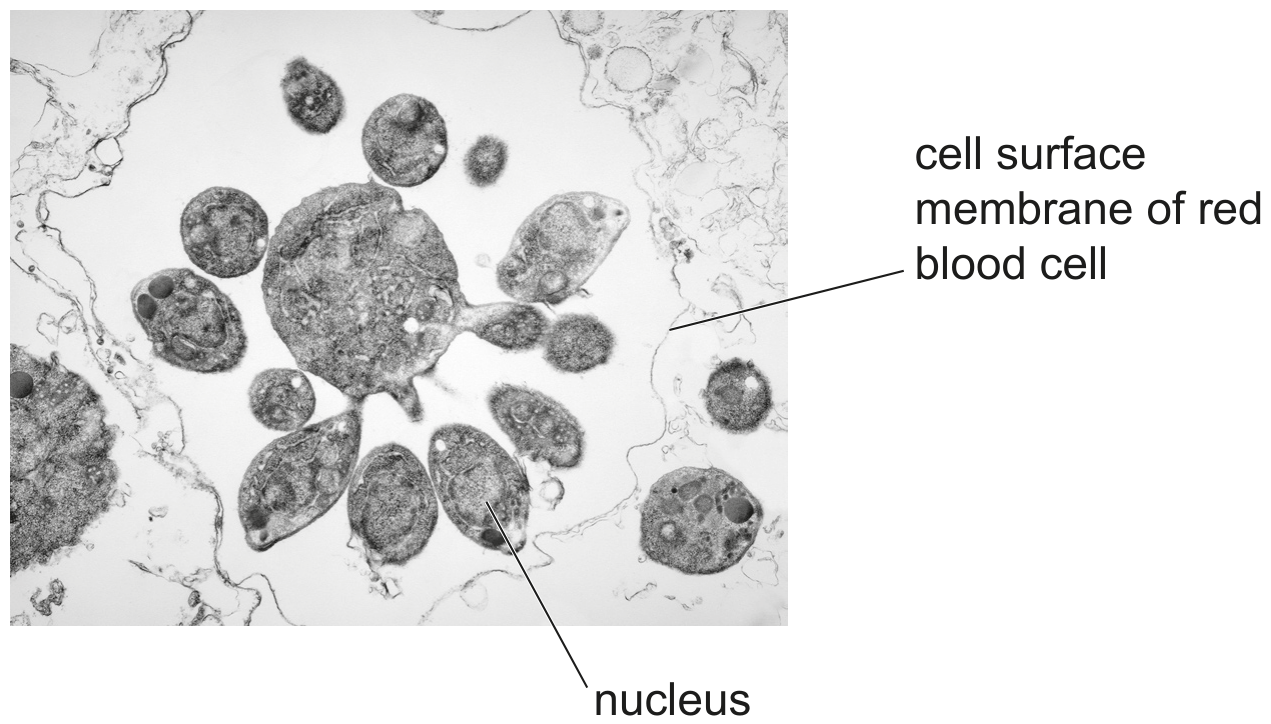
The malarial pathogen, Plasmodium falciparum, enters red blood cells after a person becomes infected. After some time, each cell of P. falciparum divides to form daughter cells.

Fig. 1.1 shows a cell of P. falciparum that is forming many daughter cells.

Fig. 1.1

Fig. 1.1

(a)

With reference to Fig. 1.1, suggest how the presence of P. falciparum affects a red blood cell.

[ 3 ]
[Maximum number: 5]

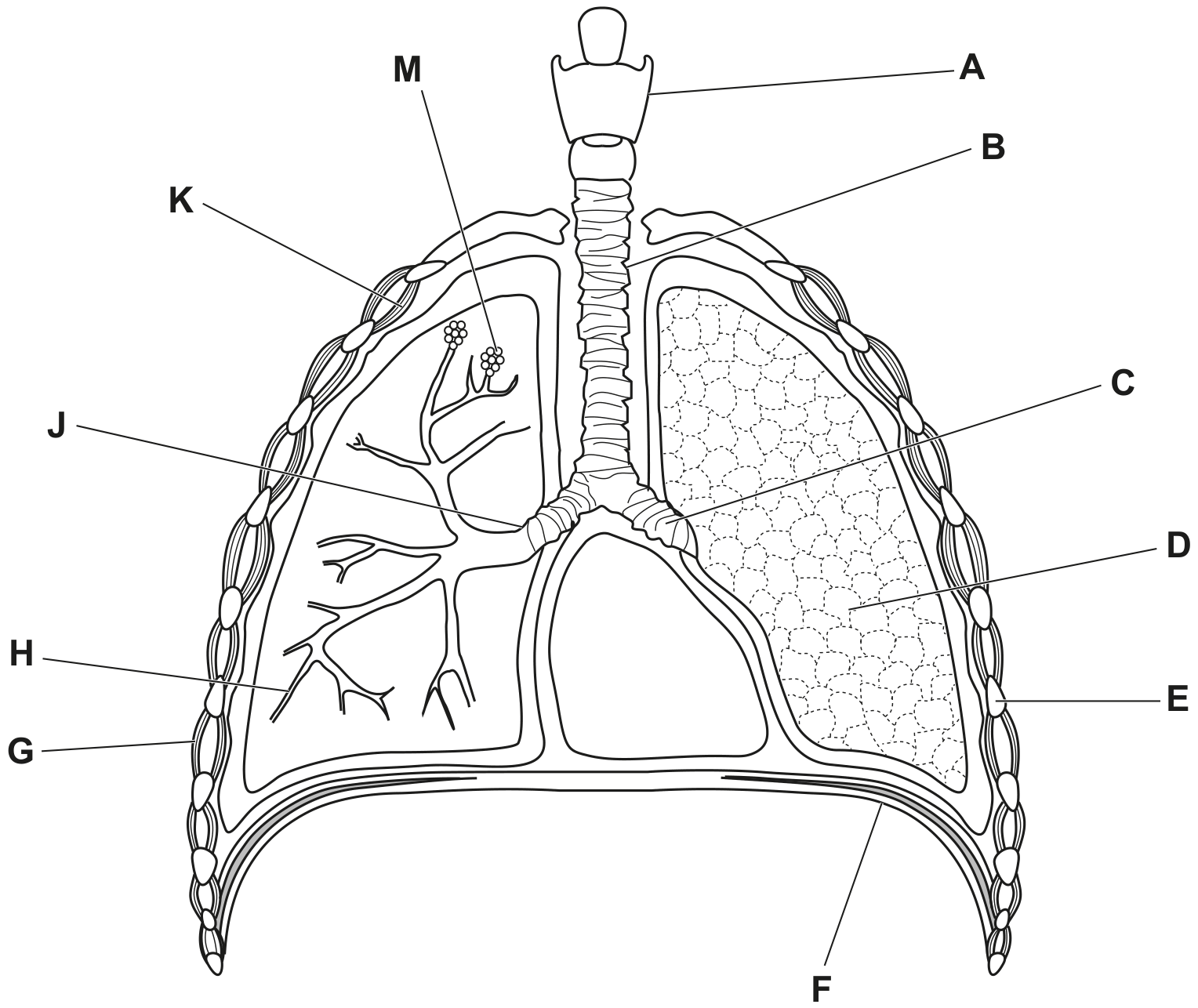
Fig. 1.1 shows a section through the human chest. The gross structure of the human gas exchange system is shown.

Fig. 1.1

Fig. 1.1

(a)

Tobacco smoke contains a number of compounds which can affect the body.

State the appropriate term that matches each of the statements A to E.

A The type of chemical that causes mutation of genes that control the cell cycle.

B A component that causes a short-term increase in blood pressure.

C A component that reduces the carrying capacity of haemoglobin for oxygen.

D A component that increases the production and secretion of mucus from goblet cells. E A component that causes a short-term increase in heart rate.

[ 5 ]
[Maximum number: 8]

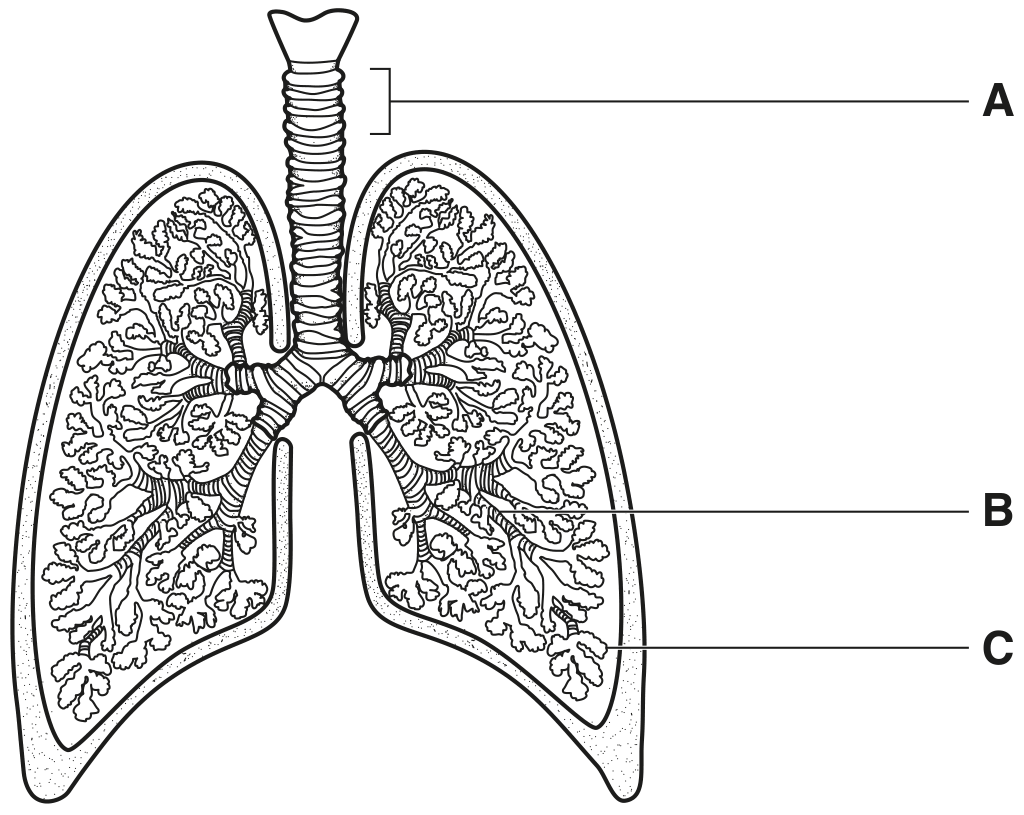
Fig. 1.1 shows the human gas exchange system.

Fig. 1.1

Fig. 1.1

(a)

Malaria is an infectious disease.

Name the pathogen that causes malaria.

[ 1 ]
(b)

There are a number of vaccines being developed to help control the spread of malaria.

Explain why vaccination programmes have not been able to eradicate malaria.

[ 3 ]
(c)

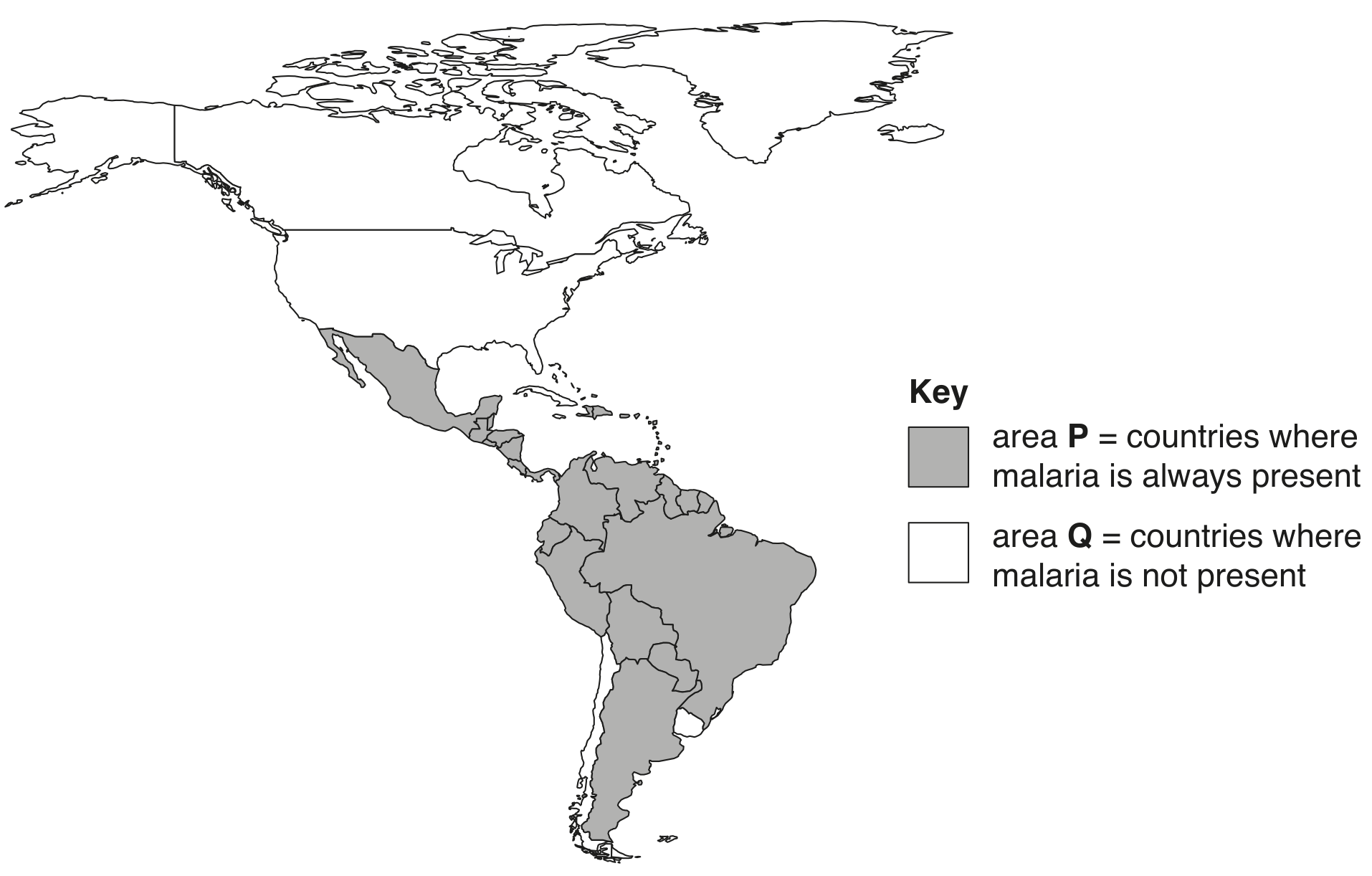
Fig. 1.2 shows the distribution of malaria in the Americas in 2012.

Fig. 1.2

Fig. 1.2

Suggest the factors, other than lack of vaccines, that could be restricting the distribution of malaria to area P.

[ 4 ]
[Maximum number: 4]

Mammals have a closed double circulation system.

(a)
(i)

Smoking causes carbon monoxide and nicotine to enter the blood.

Describe the short-term effects of each of these substances on the cardiovascular system.
carbon monoxide
nicotine

[ 4 ]
[Maximum number: 6]

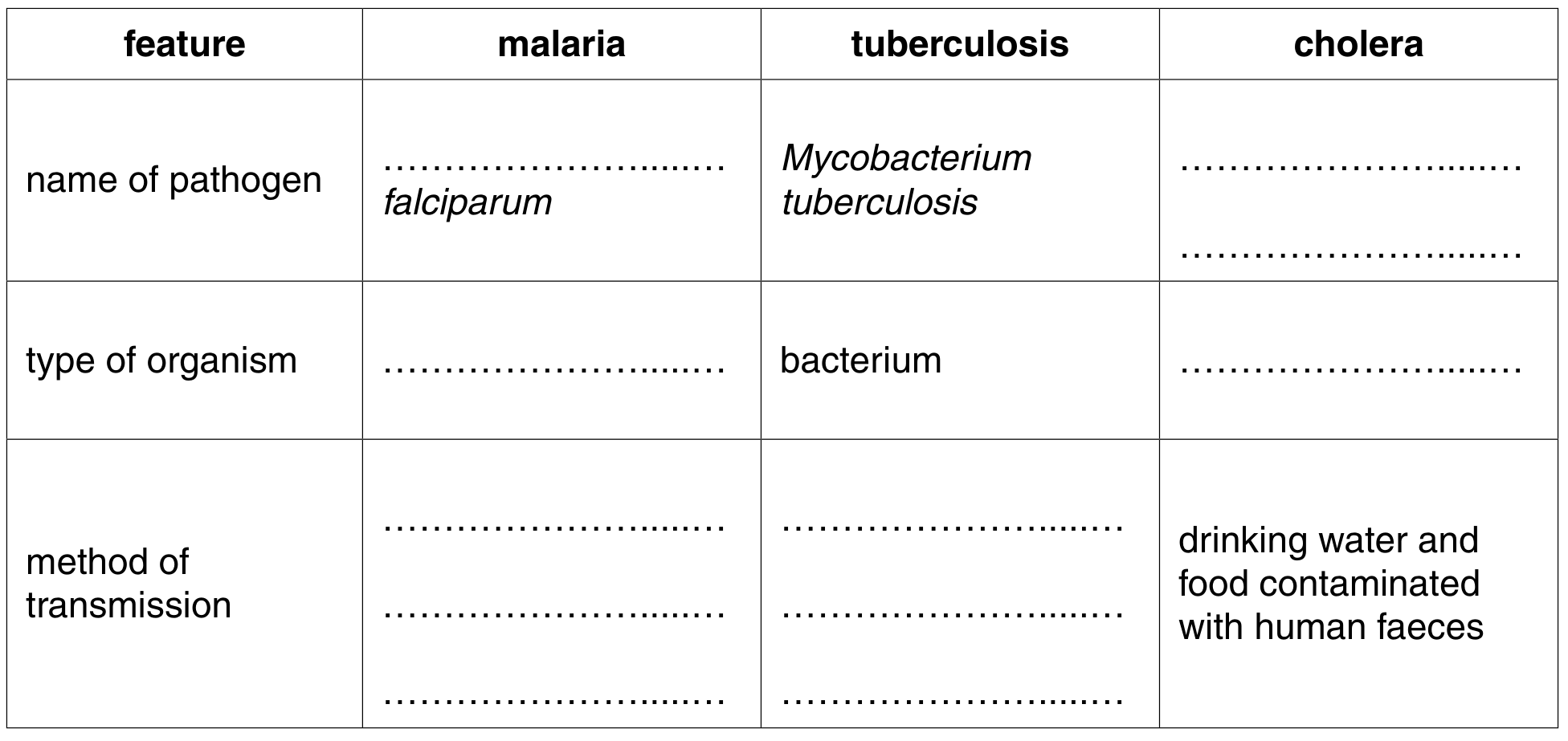
Table 1.1 shows features of three infectious diseases: malaria, tuberculosis (TB) and cholera.
Complete Table 1.1.

Table 1.1

Table 1.1

[Maximum number: 5]

Vibrio cholerae is a prokaryotic organism.
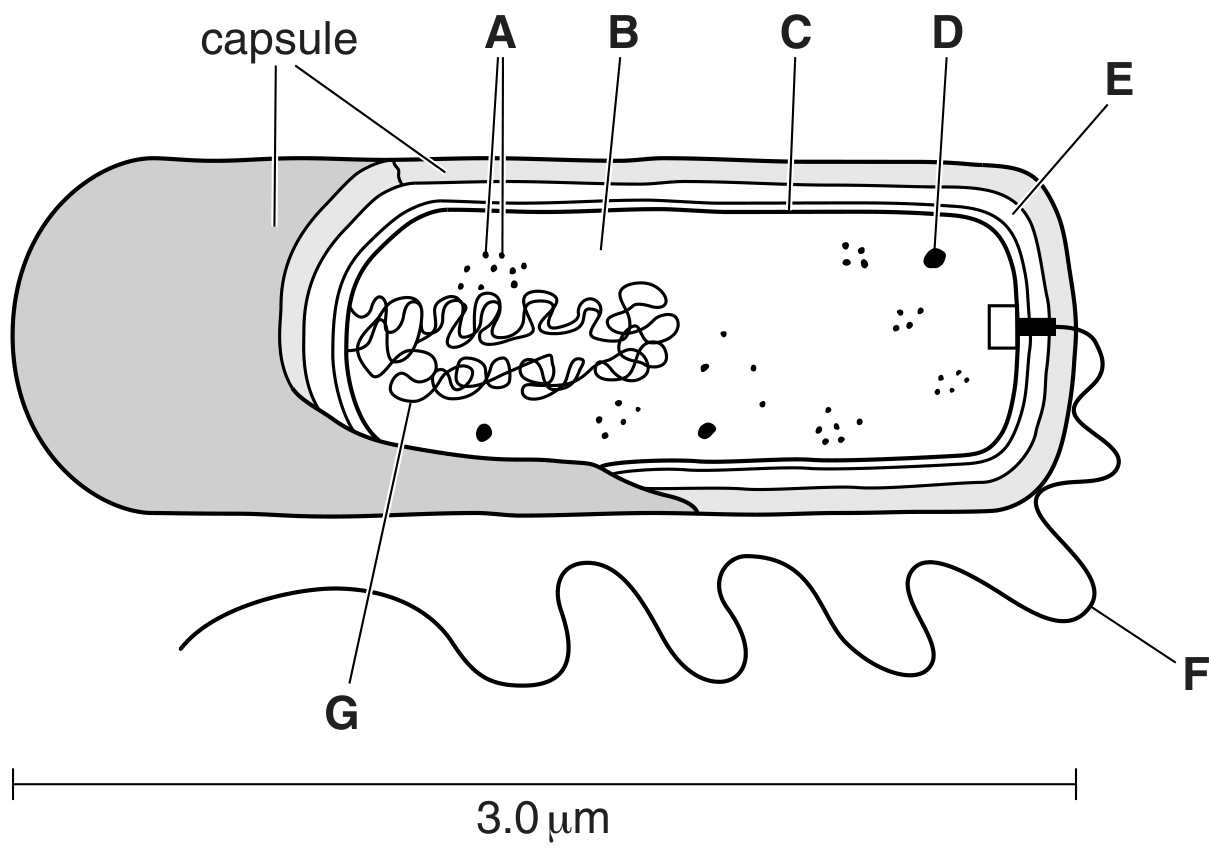
Fig. 1.1 shows the structure of a cell of V. cholerae.

Fig. 1.1

Fig. 1.1

(a)

Describe how V. cholerae is transmitted from an infected person to an uninfected person.

[ 2 ]
(b)

It is important to know how pathogens are transmitted in order to develop effective control methods.

Explain how this knowledge is used to control the spread of V. cholerae in the human population.

[ 3 ]
[Maximum number: 1]

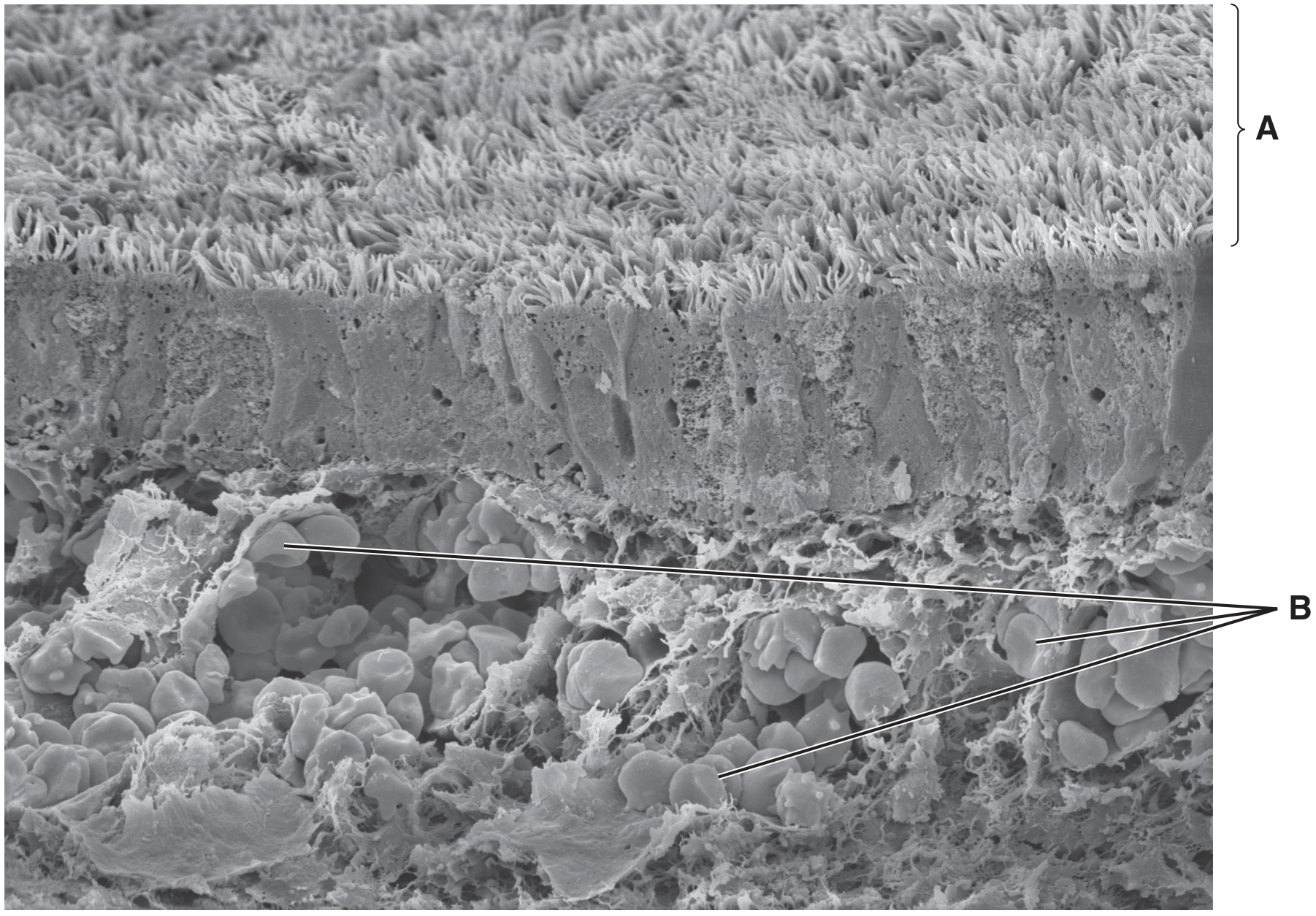
Fig. 1.1 is a scanning electron micrograph of part of the wall of the bronchus of a healthy human.

Fig. 1.1

Fig. 1.1

(a)

State the name of the other condition that contributes to COPD.

[ 1 ]
[Maximum number: 1]

Which statement is an example of epidemiological evidence linking smoking to lung cancer?

A

Chemical analysis of tar from cigarettes shows that it contains carcinogens.

B

Dogs made to inhale the smoke from cigarettes develop lung tumours.

C

The incidence of lung cancer increases in a population as more cigarettes are smoked.

D

When tar from cigarettes is rubbed onto the skin of mice, the mice develop skin tumours.

[Maximum number: 2]

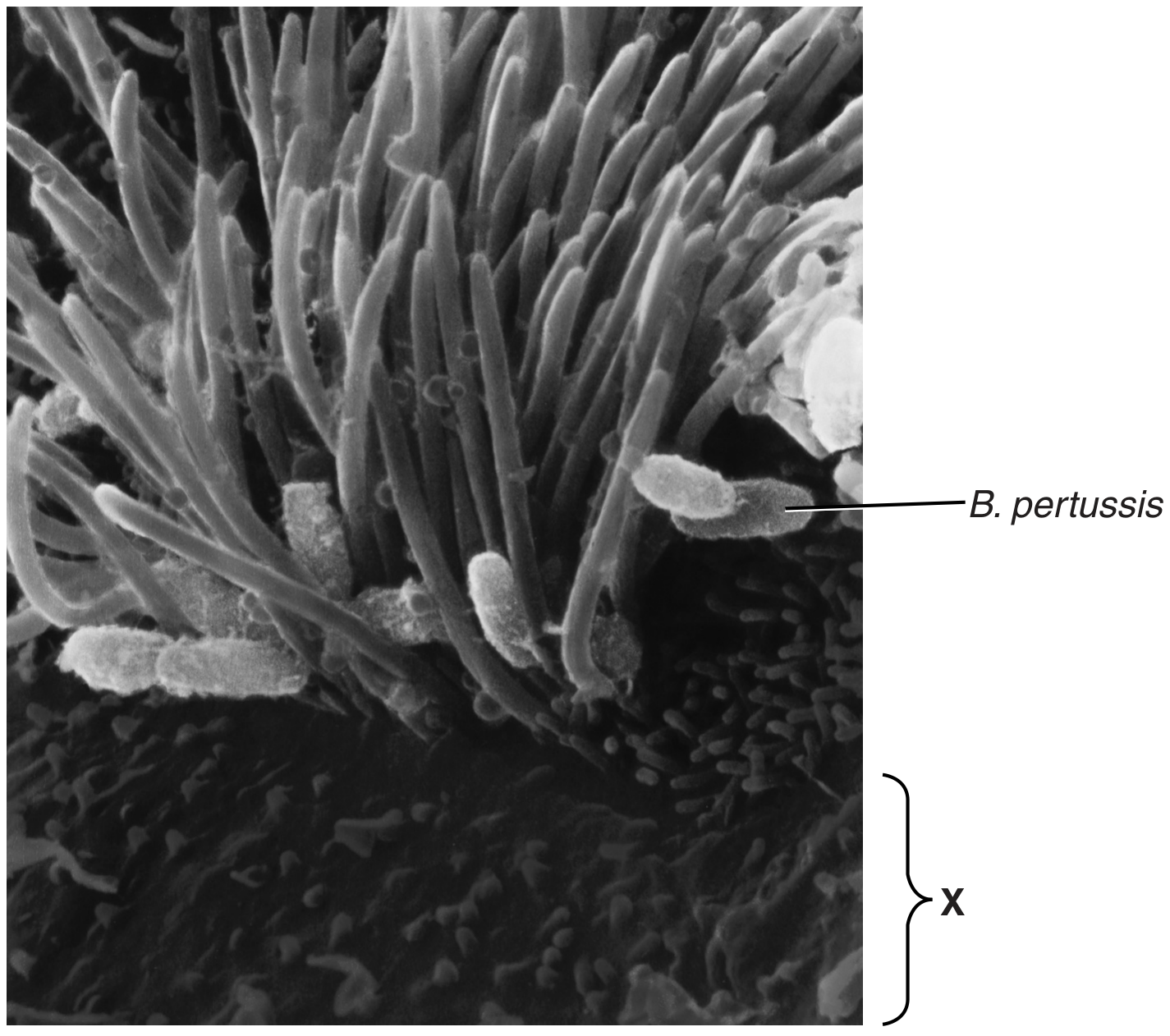
Fig. 2.1 is a scanning electron micrograph of an area of the trachea showing the presence of Bordetella pertussis bacteria.
B. pertussis is the causative organism of a respiratory disease in humans known as whooping cough. The disease is transmitted from person to person in a similar way to tuberculosis (TB).

A symptom that is common to TB and to whooping cough is the production of an excess of mucus.

Fig. 2.1

Fig. 2.1

(a)

Suggest how whooping cough is transmitted.

[ 2 ]
0