EduNinja
[Maximum number: 2]

Scientists measured the concentration of sodium ions and potassium ions in the red blood cells and in the blood plasma of a group of people. The results are shown in Table 1.1.
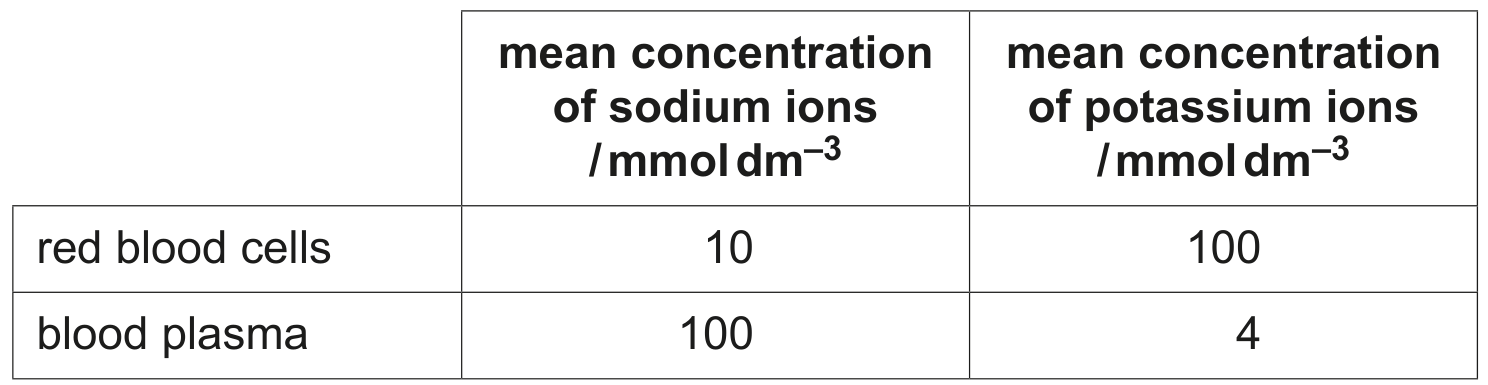
Table 1.1

Table 1.1

(a)
(i)

Chloride ions move across the membrane of human red blood cells in a process called the chloride shift.

Explain why the chloride shift is important in the transport of carbon dioxide from respiring tissues.

[ 2 ]
[Maximum number: 5]

The mammalian circulatory system is adapted for the long-distance transport of the respiratory gases, oxygen and carbon dioxide.

The system is described as a closed double circulation.

(a)

The entry of carbon dioxide into red blood cells results in the production of hydrogencarbonate ions. This involves the enzyme carbonic anhydrase.

Complete the passage summarising the production of hydrogencarbonate ions by:
- writing the correct biological term in the spaces provided
- writing the molecular formula for two of the terms in the spaces in brackets.

Carbonic anhydrase has an overall spherical shape and is known as a protein. The enzyme acts within the cell so can be described as an enzyme. When blood passes into the capillary network through actively respiring tissues, carbon dioxide ( CO2\mathrm{CO}_{2} ) diffuses into red blood cells and carbonic anhydrase catalyses a reaction where ( ) is combined with CO2\mathrm{CO}_{2} to form (H2CO3)\left(\mathrm{H}_{2} \mathrm{CO}_{3}\right), which rapidly forms ions ( and hydrogencarbonate ions ( HCO3\mathrm{HCO}_{3}{ }^{-}).

[ 5 ]
[Maximum number: 2]

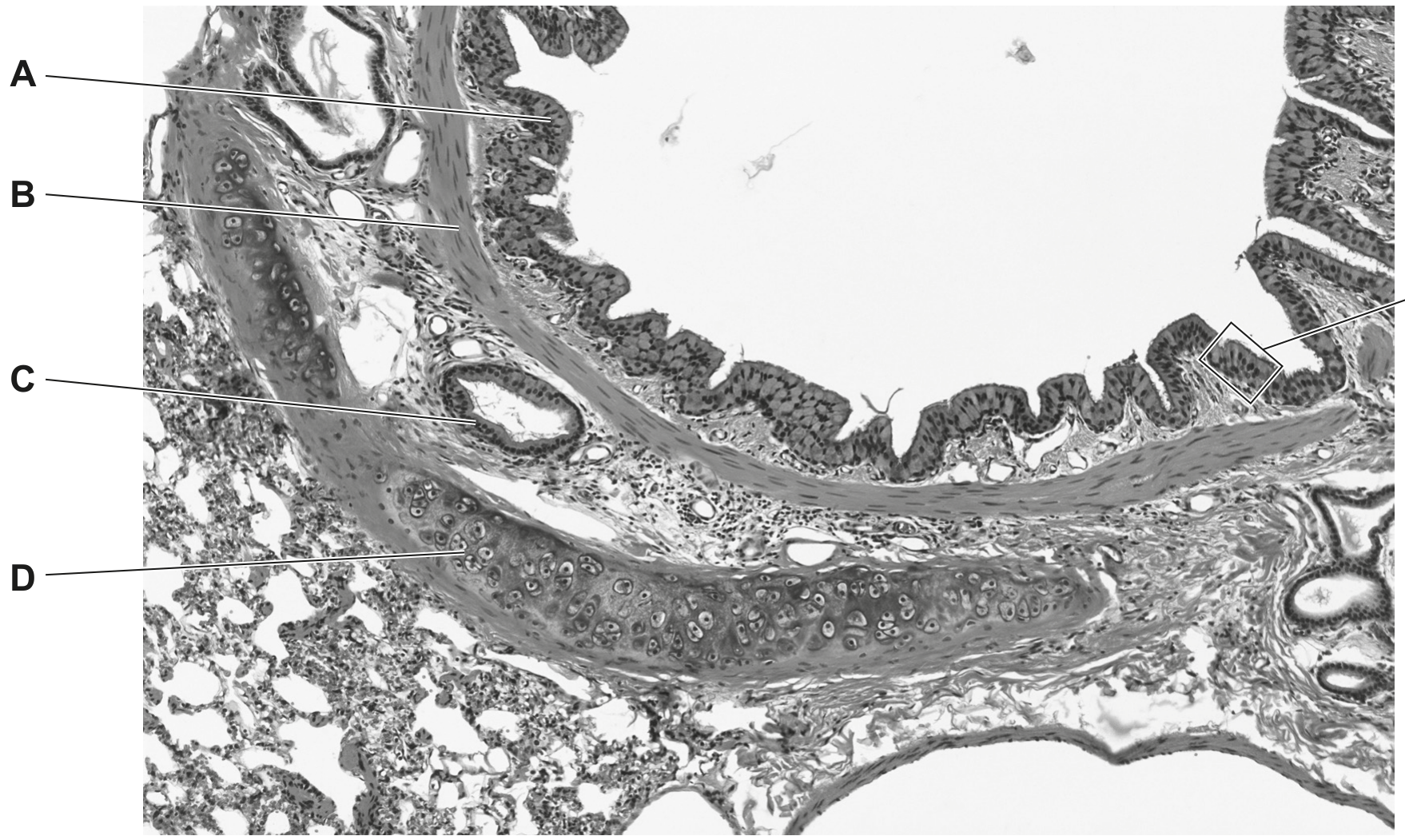
Fig. 1.1 and Fig. 1.2 are photomicrographs showing the distribution of tissues in the lungs.
Fig. 1.1 is a photomicrograph of a section through part of the lungs.
Fig. 1.2 is a high-power view of the area indicated on Fig. 1.1.

Fig. 1.1

Fig. 1.1

section enlarged in Fig. 1.2

Fig. 1.2

Fig. 1.2

(a)

Hyperventilation occurs when a person breathes too fast or too deeply.

The effects of hyperventilation are:
- a decrease in the partial pressure of carbon dioxide in alveolar air
- an increase in the pH of the blood.

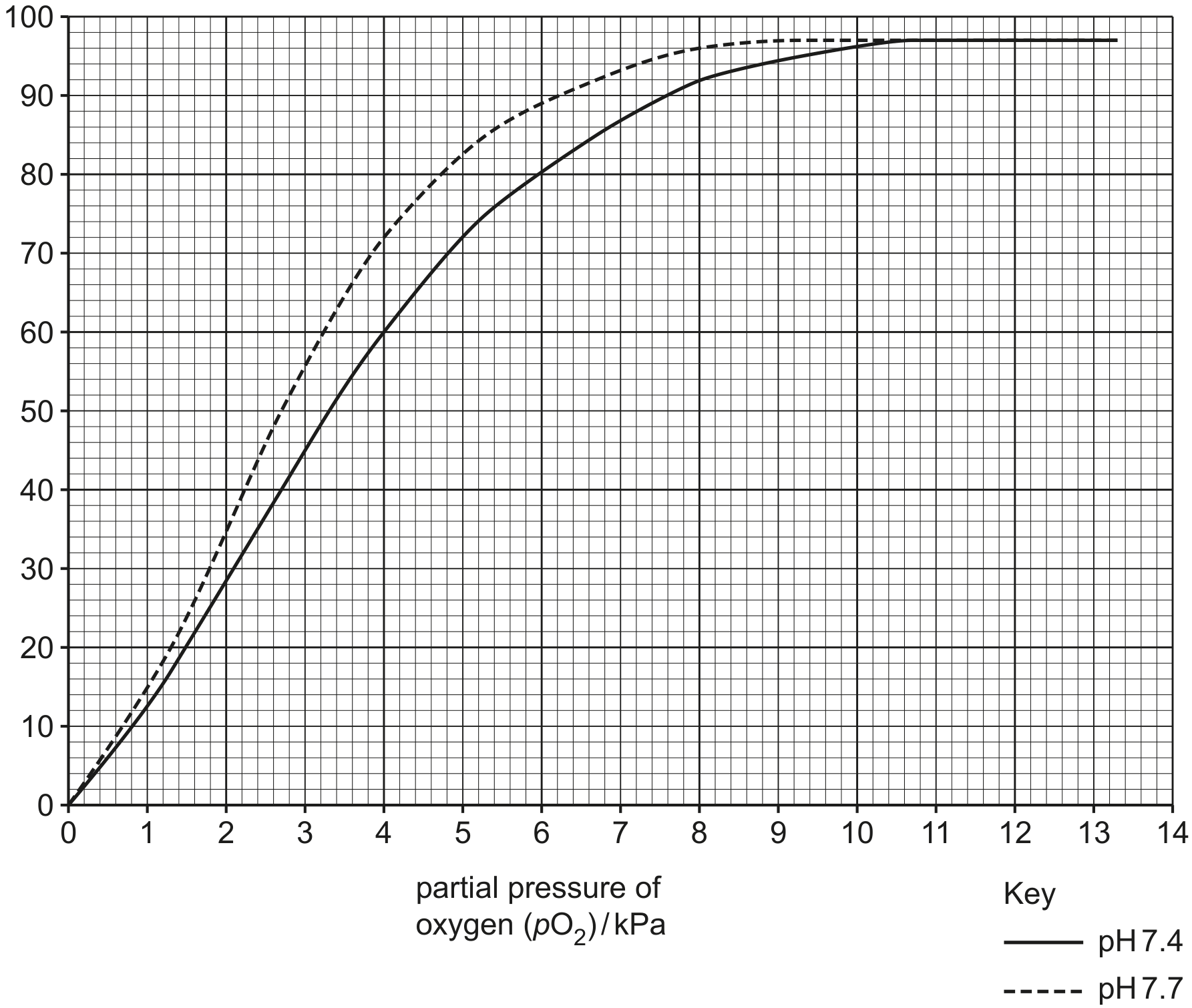
Fig. 1.3 shows the change in the oxygen dissociation curve as a result of hyperventilation.
percentage saturation of haemoglobin with oxygen

Fig. 1.3

Fig. 1.3

[ 2 ]
(i)

State the percentage saturation of haemoglobin at a pO2\mathrm{pO}_{2} of 4.0 kPa .
pH=7.7 kPa
pH=7.4 kPa

(ii)

Use the information in Fig. 1.3 to state and explain the effect of hyperventilation on the supply of oxygen to the respiring tissues.

[ 2 ]
[Maximum number: 3]

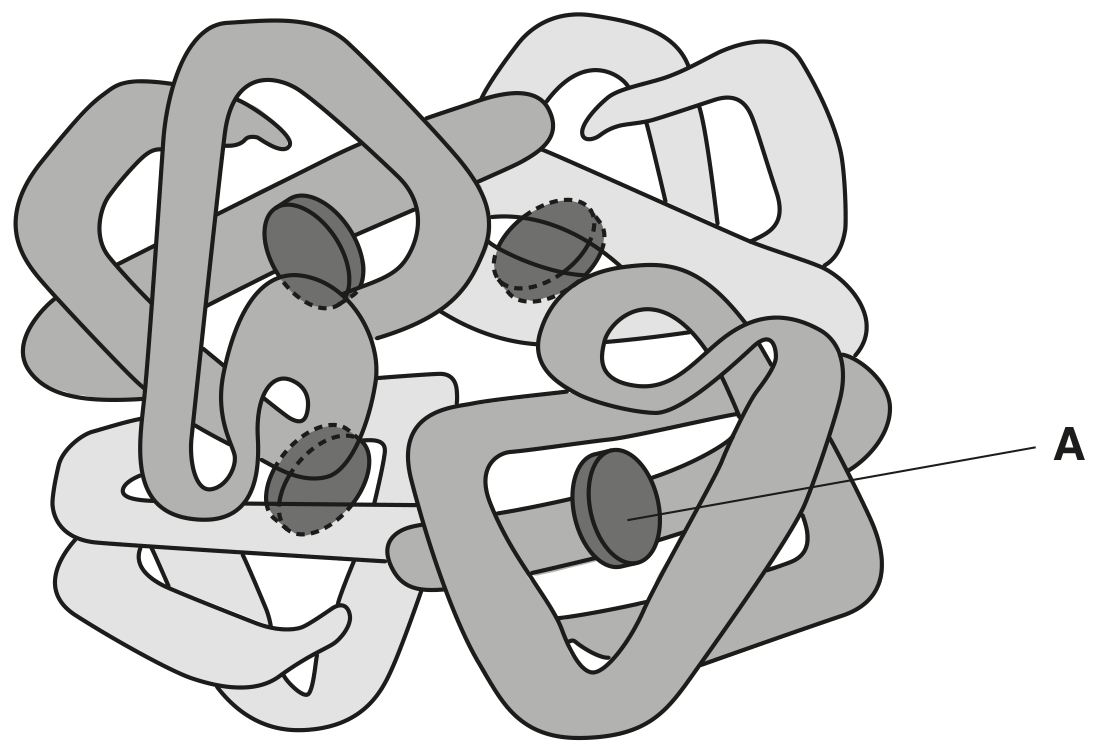
Fig. 1.1 is a diagram of a molecule of haemoglobin.

Fig. 1.1

Fig. 1.1

(a)

Haemoglobin interacts with carbon dioxide and carbon monoxide.

Outline the role of haemoglobin in the transport of carbon dioxide.

[ 3 ]
[Maximum number: 3]

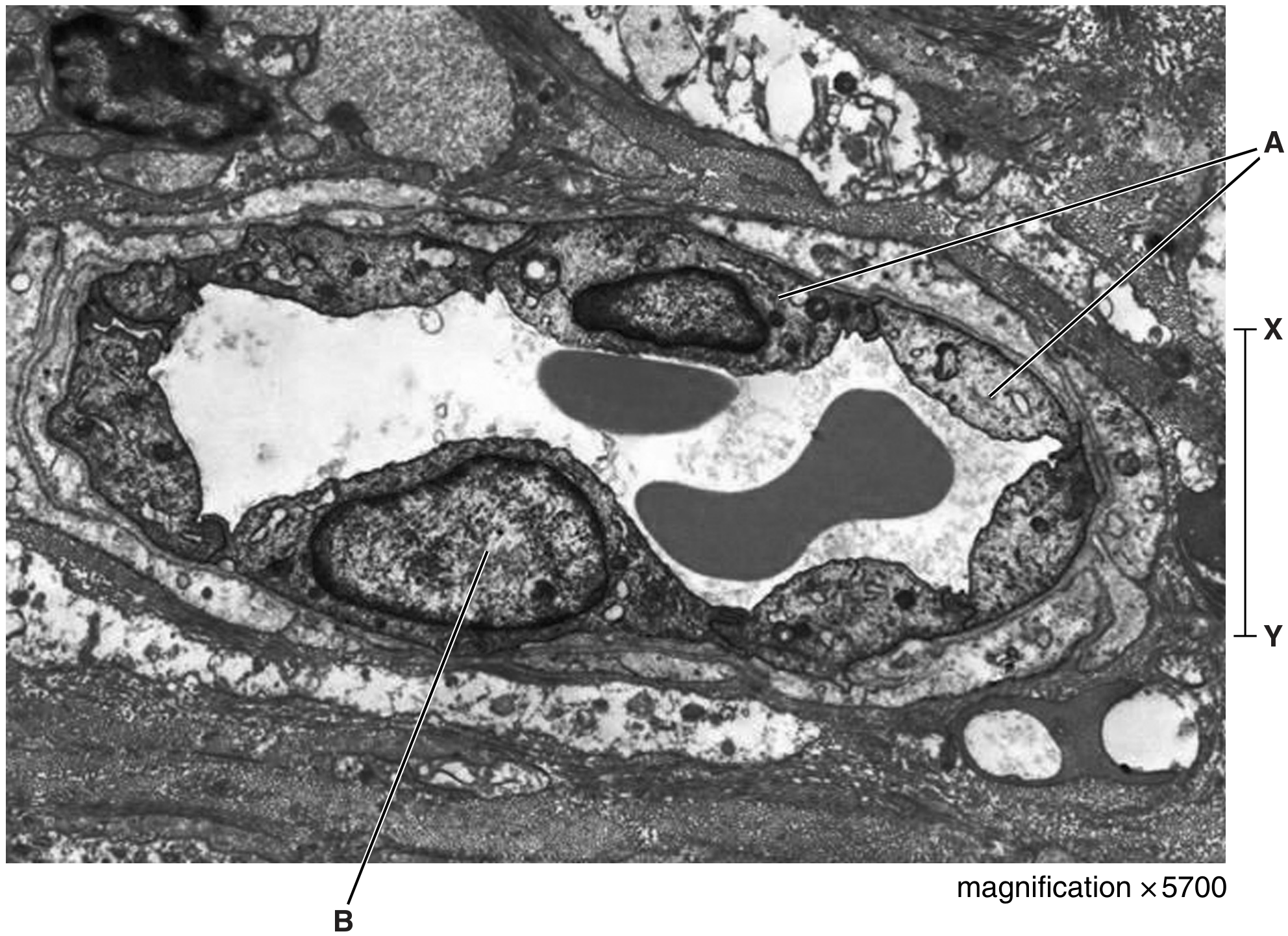
Capillaries are known as exchange vessels. Substances are exchanged between blood and tissue fluid as the blood flows through the capillaries.

Fig. 1.1 is an electron micrograph of a section through a capillary with two red blood cells.

Fig. 1.1

Fig. 1.1

(a)

Outline how red blood cells are involved in the transport of carbon dioxide.

[ 3 ]
(a)

The pH of the blood of an athlete decreases during a race and returns to its normal level after the race. The decrease in the pH of the blood is caused by the presence of waste products that have been excreted by cells during respiration.

Name the waste products that are excreted and describe what occurs to these products to help return the pH of the blood back to a normal level.

[ 5 ]
(a)

Describe the effects of nicotine and carbon monoxide in cigarette smoke on the cardiovascular system.
nicotine
carbon monoxide

[ 3 ]
[Maximum number: 2]

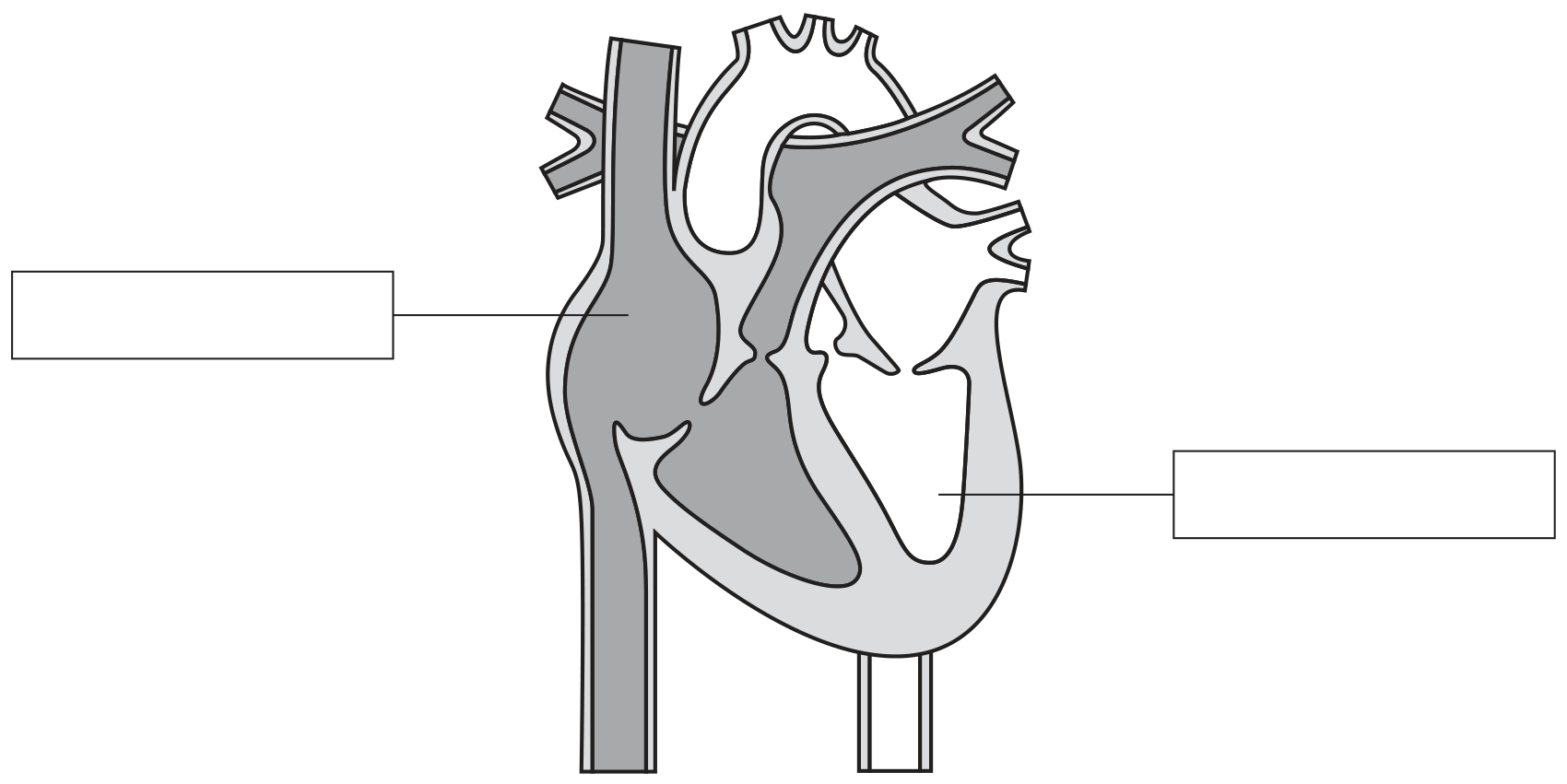
Fig. 2.1 is a diagram of a vertical section through a healthy mammalian heart.

Fig. 2.1

Fig. 2.1

(a)
(i)

State two ways in which the composition of blood entering the right atrium is different to blood entering the left atrium.
1.
2.

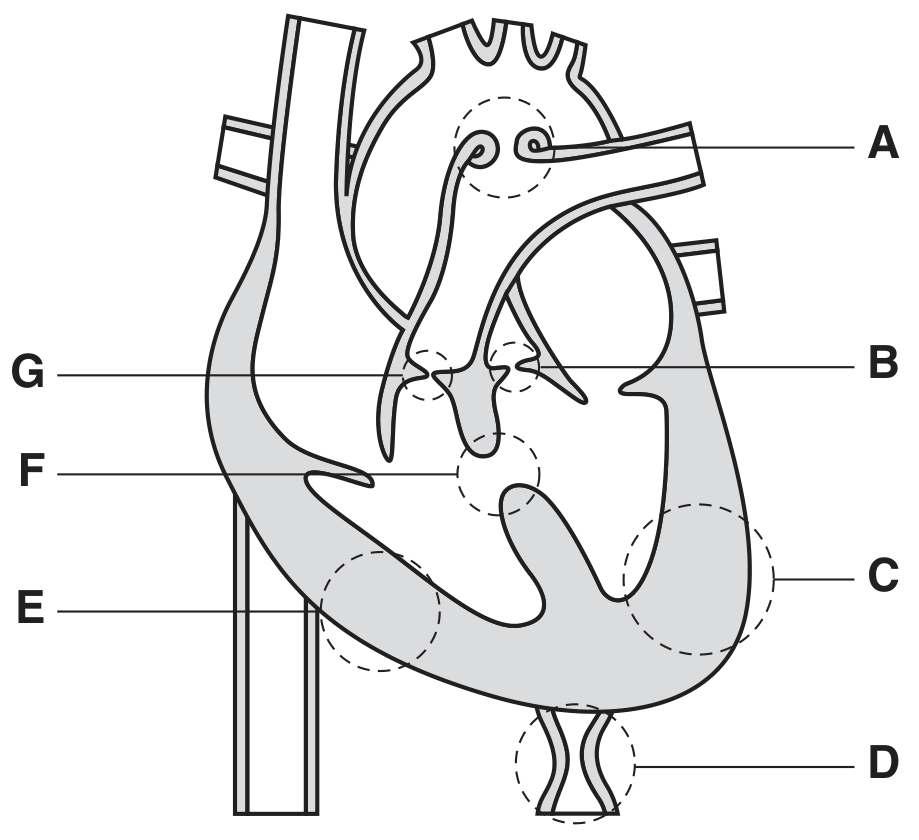
Some people are born with structural defects of the heart and its associated blood vessels. This is known as congenital heart disease. The dotted circles labelled A to G on Fig. 2.2 show some areas that are affected by different types of congenital heart disease.

Fig. 2.2

Fig. 2.2

The structural defects causing four types of congenital heart disease are described below:
- patent ductus arteriosus - a link between the pulmonary artery and aorta fails to close after birth
- pulmonary stenosis - a narrowing of the semilunar valve of the pulmonary artery
- coarctation of the aorta - a localised narrowing of the aorta
- ventricular septal defect - a hole in the septum between the ventricles.

[ 2 ]
[Maximum number: 3]

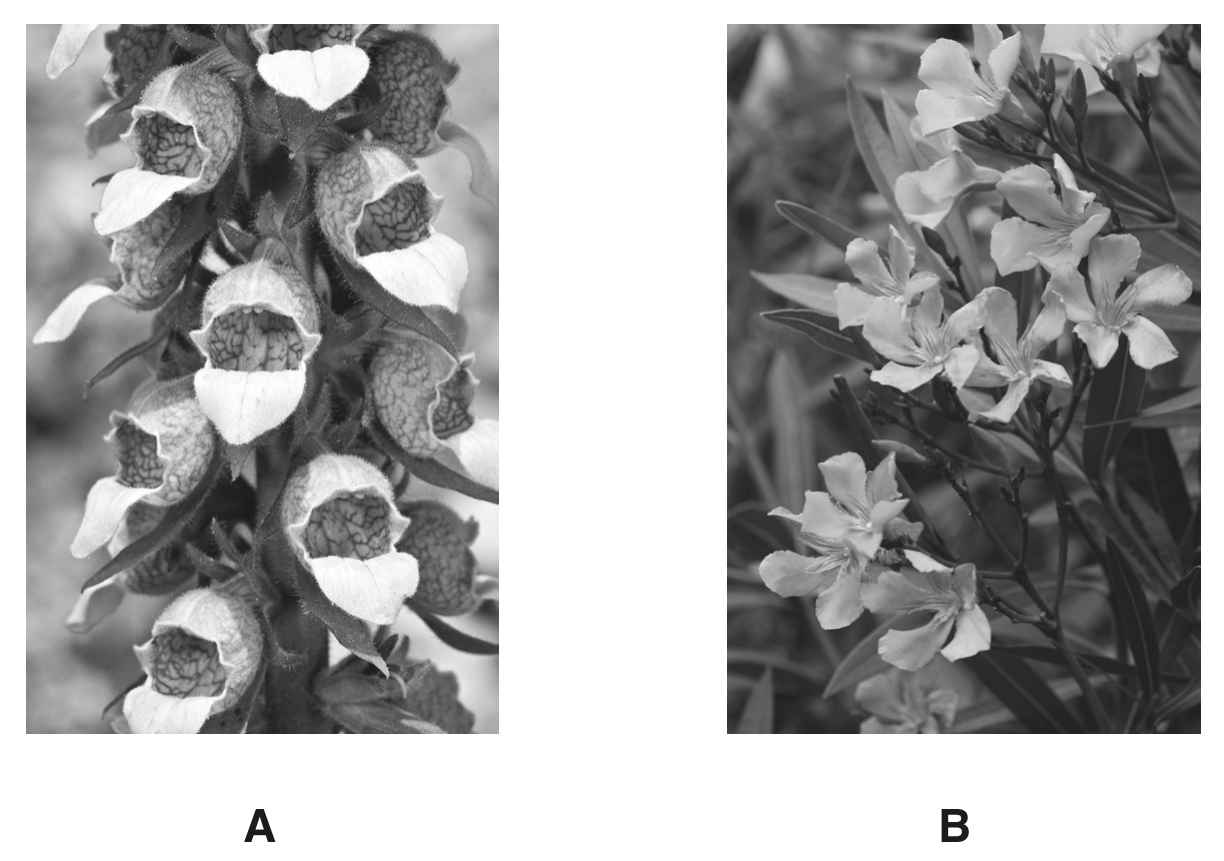
Woolly foxglove, Digitalis lanata, shown in Fig. 2.1A, and common oleander, Nerium oleander, shown in Fig. 2.1B, are plants grown for the attractive flowers that they produce.

Both plants are poisonous, as their leaves produce toxic organic compounds known as cardiac glycosides. Cardiac glycosides have a powerful effect on the action of cardiac muscle.

Fig. 2.1

Fig. 2.1

(a)

Digoxin, a cardiac glycoside extracted from D. lanata leaves, can be purified and used as a drug to treat some heart disorders.

Examples of these heart disorders are:
- atrial fibrillation, where the normal rhythmic cardiac cycle is disrupted
- heart failure, where cardiac muscle is contracting weakly.

[ 3 ]
(i)

Suggest how the health of a person with heart failure can be improved by treatment with the drug digoxin.

[ 3 ]
[Maximum number: 1]

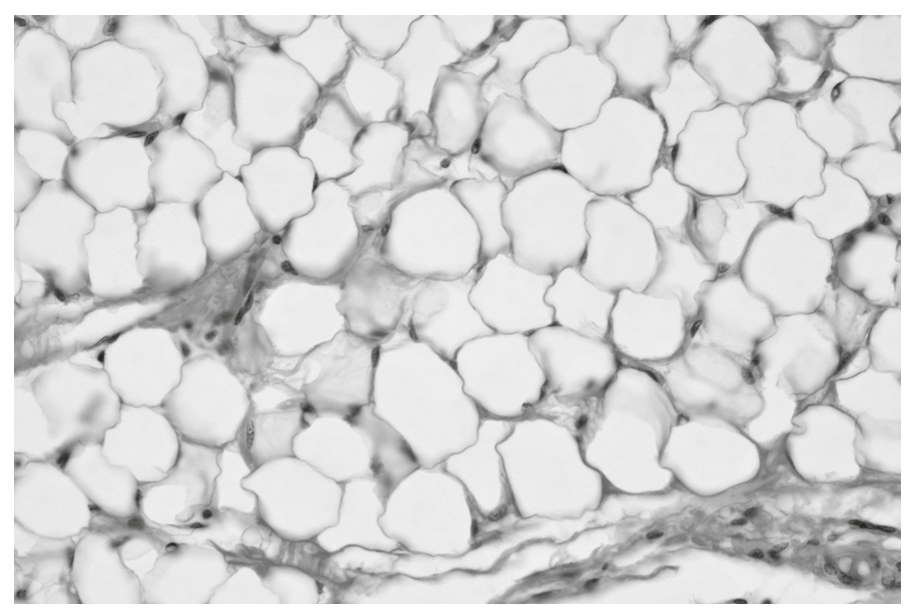
Adipose tissue, which is composed of cells known as adipocytes, stores large quantities of triglycerides and functions as an energy storage tissue.

Fig. 2.1 is a photomicrograph of adipose tissue.

Fig. 2.1

Fig. 2.1

(a)

The fatty acids released from adipocytes are transported in blood plasma and are taken up by cells.

Although most cell types can metabolise fatty acids to synthesise ATP in the presence of oxygen, red blood cells cannot do this.

Suggest why red blood cells cannot metabolise fatty acids to synthesise ATP.

[ 1 ]
0