EduNinja
(a)

Prostaglandins are small lipids produced in many tissues of the body. One role of prostaglandins is to cause inflammation at the site of an injury or infection. Inflammation is the normal first response of the immune system to injury or infection.

Cyclooxygenase (COX) is an enzyme that catalyses one of the steps in the reaction pathway for the formation of prostaglandins from phospholipids. The reaction pathway occurs in the smooth endoplasmic reticulum (SER) of cells. Part of the reaction pathway is shown in Fig. 1.3.
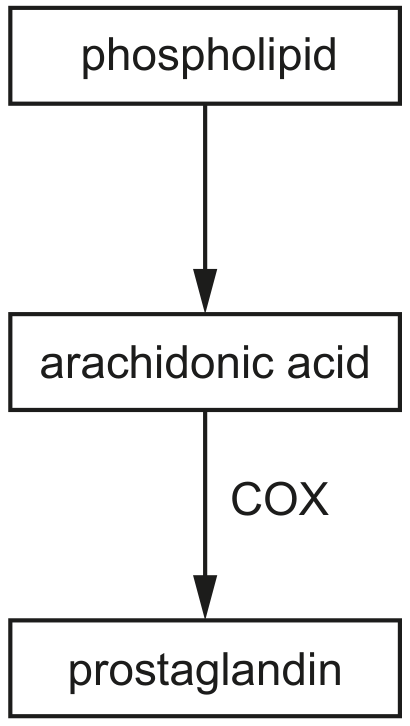
Fig. 1.3

Fig. 1.3

[ 3 ]
(i)

Sometimes inflammation can have side-effects, such as pain. Aspirin is a drug that can be used to reduce these side-effects.

Aspirin reduces the catalytic activity of the COX enzyme by modifying the R-group of one of the amino acids.

Suggest how modifying the R-group of an amino acid in the COX enzyme can reduce the catalytic activity of the enzyme.
[ 3 ]
[Maximum number: 5]

Statements A to E are about the structure and functioning of enzymes.
State the correct term to match each of the statements A to E.

A

The energy level, lowered by enzyme action, that needs to be overcome by reactants in order for products to be formed.

B

The mechanism of enzyme action that relies on the active site being partially flexible and changing shape in order to bind the substrate.

C

The term to describe a protein, such as an enzyme, with a tertiary or quaternary structure that results in an approximately spherical shape.

D

The term for enzymes that function outside cells. E The concentration of substrate that enables an enzyme to achieve half the maximum rate of reaction.

(a)

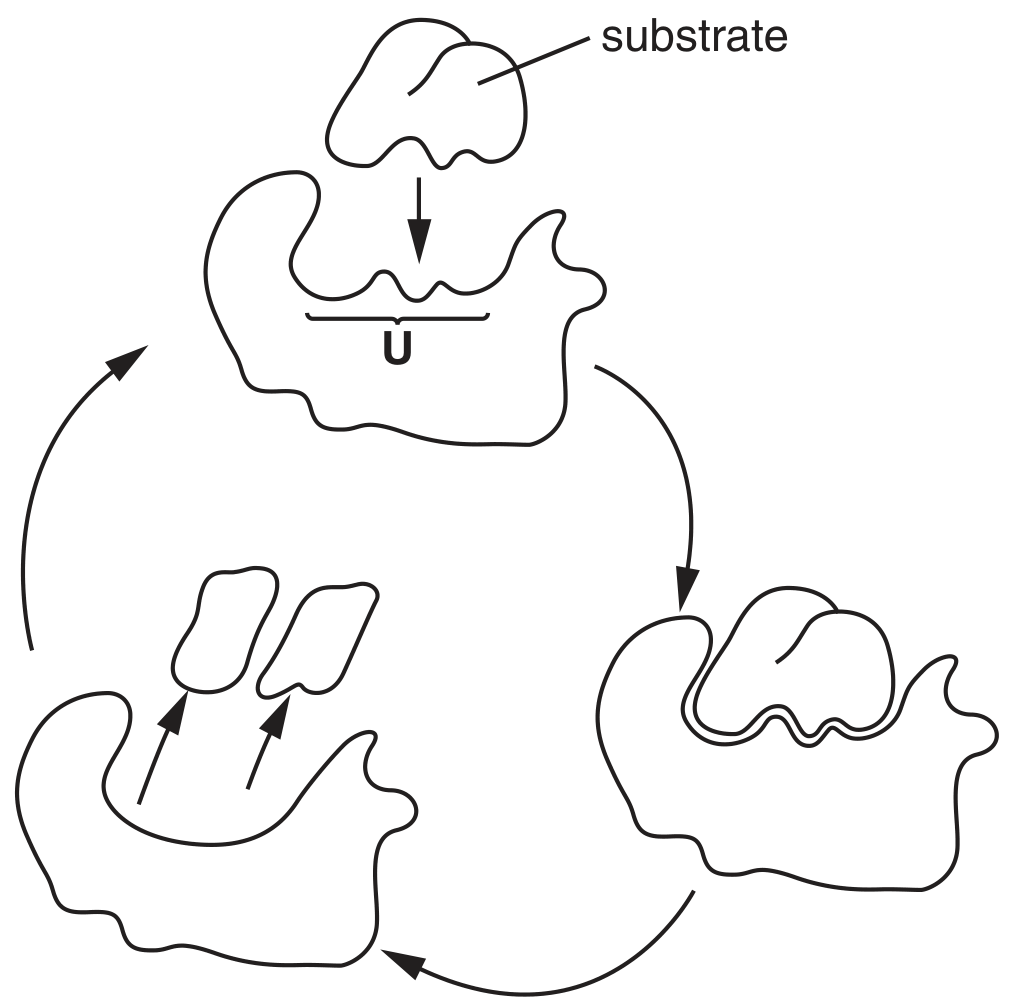
The reaction shown in Fig. 1.1 is catalysed by the enzyme sucrase. Fig. 1.2 shows an enzyme-catalysed reaction.

Fig. 1.2

Fig. 1.2

[ 5 ]
(i)

Name the part of the enzyme labelled U.

[ 1 ]
(ii)

With reference to Fig. 1.2, explain the mode of action of enzymes.

[ 4 ]
[Maximum number: 1]

Keratin is the structural protein in feathers of birds. Keratin polypeptides are composed of a high proportion of cysteine amino acids, which have sulfur-containing R groups.

Keratin polypeptides form filaments. The two main types of keratin in feathers are α\alpha-keratin, which consists of many α\alpha-helices, and β\beta-keratin, consisting of many β\beta-pleated sheets.

(a)

Protease enzymes hydrolyse proteins. Many proteases are able to hydrolyse more than one type of protein.

Suggest why it is possible for a protease to act on different types of protein.

[ 1 ]
[Maximum number: 1]

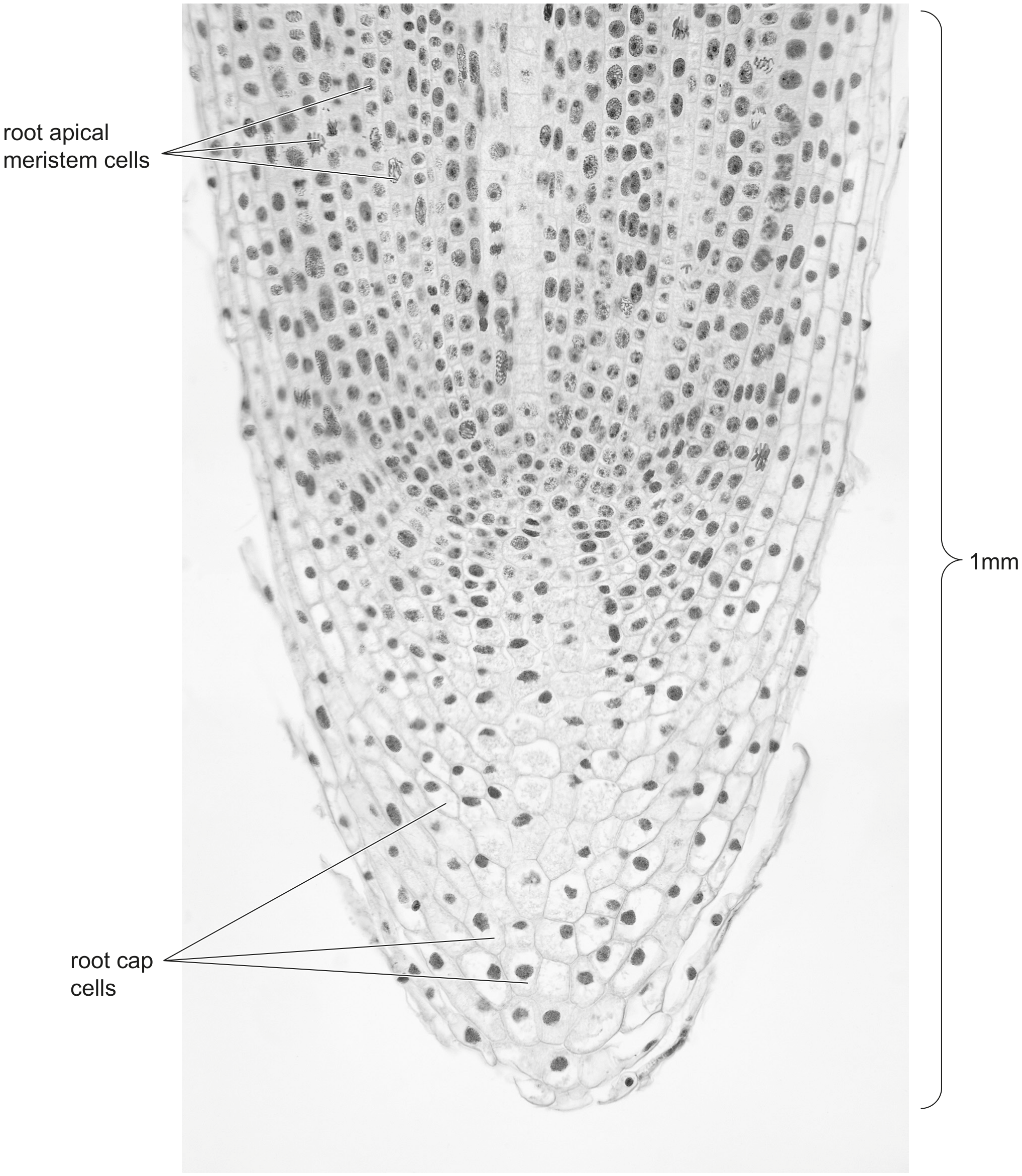
Fig. 2.1 is a photomicrograph of a longitudinal section (LS) through a root tip. Two different regions are visible:
- the root apical meristem
- the root cap.

Cells in the root cap synthesise a gel-like, sticky secretion known as mucilage, which is important in reducing friction between soil and the growing root. It is composed mainly of polysaccharides and also contains some amino acids and enzymes.

Fig. 2.1

Fig. 2.1

(a)

Enzymes present in mucilage catalyse the breakdown of organic compounds in the soil. This increases the presence of mineral ions in the soil.

State the term used to describe enzymes that act outside the cells that synthesise them.

[ 1 ]
[Maximum number: 1]

Starch molecules are the main storage molecules in many types of cereal grain, such as the grain of the barley plant.

(a)

Suggest one other advantage of using enzymes obtained from microorganisms, rather than enzymes extracted from barley seeds, in the production of sugar syrups.

[ 1 ]
[Maximum number: 6]

In mammalian red blood cells, carbonic anhydrase has an important role in the transport of carbon dioxide.

Carbonic anhydrase is an enzyme.

(a)

Outline the features of an enzyme.

[ 4 ]
(b)

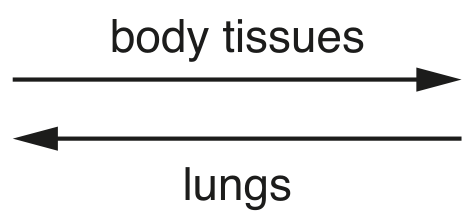
Complete Fig. 2.1 to show the reversible reaction involving carbonic anhydrase that takes place within red blood cells.

Fig. 2.1

Fig. 2.1

[ 2 ]
(a)

Explain how enzymes lower the activation energy needed to allow reactions to proceed.

[ 2 ]
[Maximum number: 1]

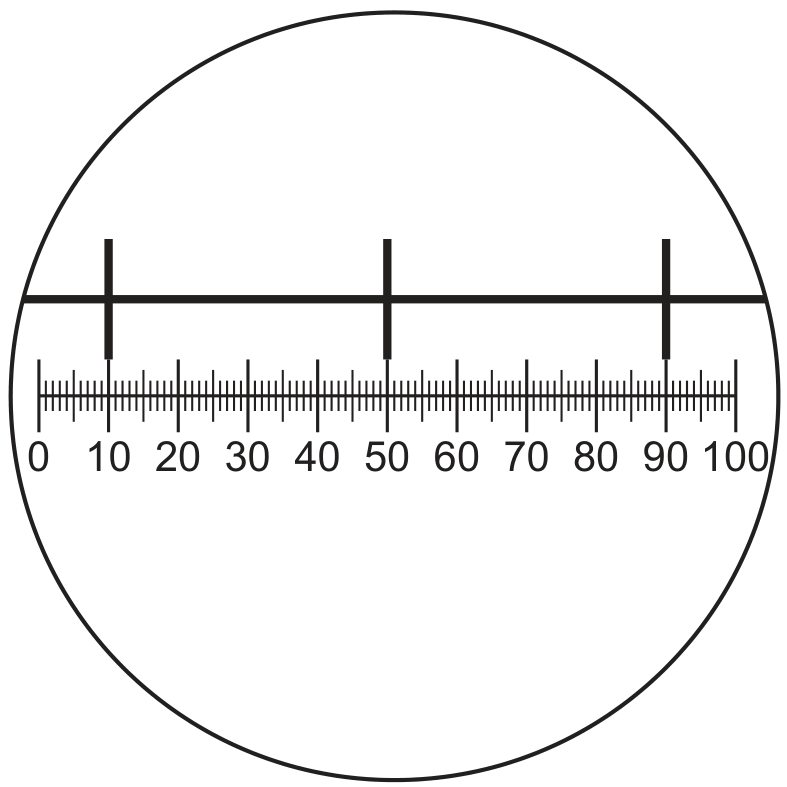
The diagram shows a stage micrometer, with divisions 0.1 mm apart, viewed through an eyepiece containing a graticule.

Question image

The same eyepiece is now used to examine a blood smear.
How many graticule divisions will cover the diameter of a white cell of 10μ m10 \mu \mathrm{~m} ?

A

1

B

4

C

10

D

20

[Maximum number: 1]

Glucose is used in the synthesis of amylose. Glucose is first converted to glucose 1-phosphate (G 1-P).

Starch phosphorylase is an intracellular enzyme that can catalyse the synthesis of amylose from G 1-P, which is the substrate for the reaction:

( glucose 1-phosphate )n amylose + (phosphate ions) n(\text { glucose } 1 \text {-phosphate }) n \longrightarrow \text { amylose }+ \text { (phosphate ions) } n

n= a large number
Students used a colorimeter to investigate the progress of the reaction.
The students made a reaction mixture containing 0.01 moldm3G0.01 \mathrm{~mol} \mathrm{dm}^{-3} \mathrm{G} 1-P in a buffer solution at pH6.0. A very small quantity of amylose was added to initiate the reaction.

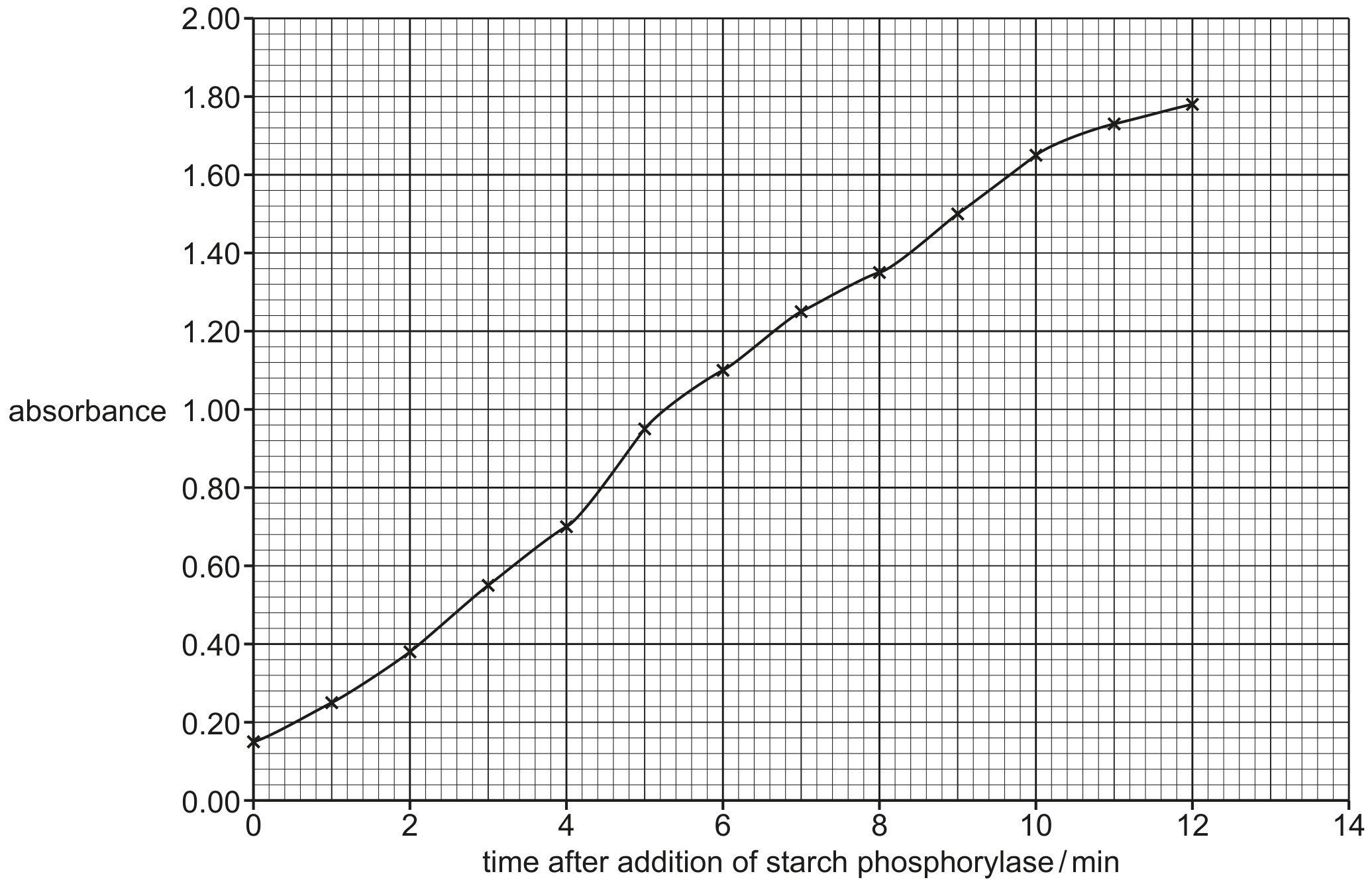
A solution of starch phosphorylase was added to the reaction mixture and samples were taken at 1-minute intervals. Each sample was added to a dilute iodine solution, stirred and then poured into a cuvette. The absorbance of each solution was recorded.

The results of the investigation are shown in Fig. 2.1.

Fig. 2.1

Fig. 2.1

(a)
(i)

State an advantage of using a colorimeter in determining the progress of the reaction.

[ 1 ]
0