(a)
Sucrose is a disaccharide.
Fig. 2.1 shows how sucrose is broken down in a reaction with hydrochloric acid.
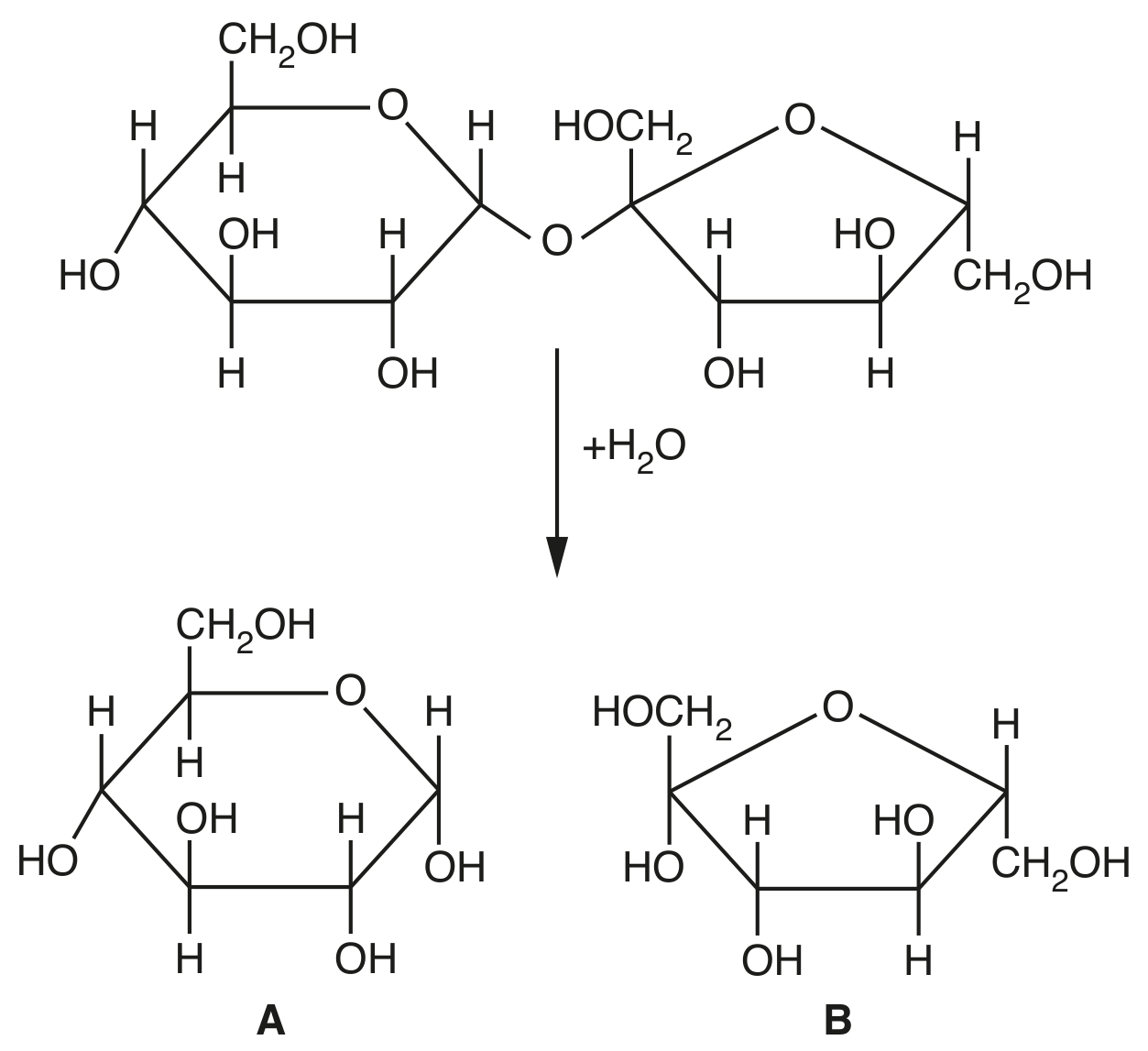
Fig. 2.1
[ 2 ]
(i)
Name the products, A and B, of the reaction shown in Fig. 2.1.
A
B
[ 2 ]
 EduNinja
Sucrose is a disaccharide.
Fig. 2.1 shows how sucrose is broken down in a reaction with hydrochloric acid.
Fig. 2.1
Name the products, A and B, of the reaction shown in Fig. 2.1.
A
B
A student used Benedict's solution to test a sample known to contain carbohydrate.
At the end of the test the solution was blue.
Which carbohydrate could be present in the sample?
glucose
fructose
maltose
sucrose
Which two polysaccharides both have 1,6 glycosidic bonds and are branched?
amylopectin and amylose
amylopectin and glycogen
amylose and glycogen
glycogen and cellulose
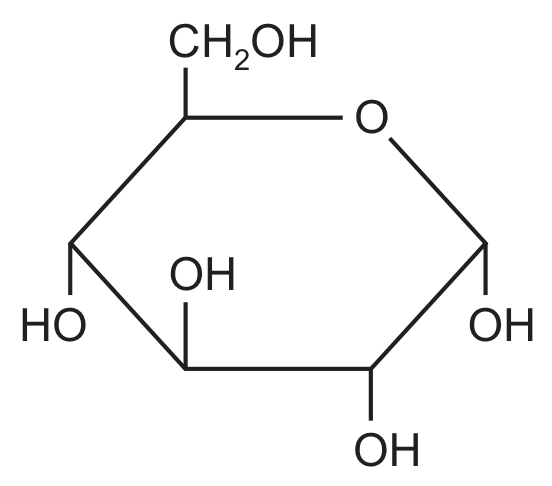
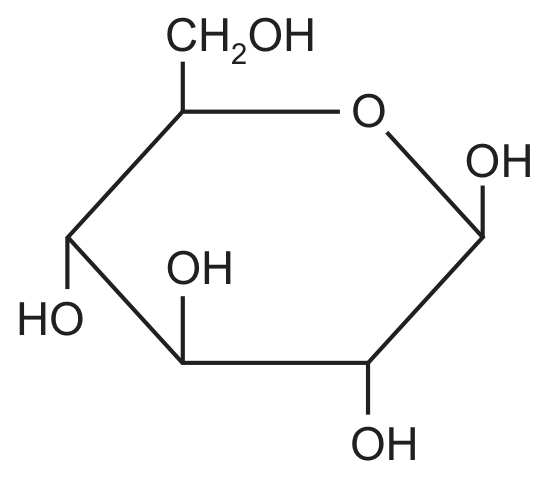
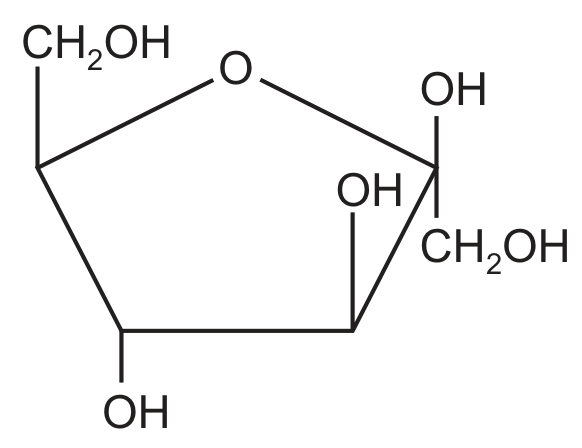
Three carbohydrate molecules are shown.
1
2
3
Which two molecules combine to form a molecule of sucrose?
1 and 2
1 and 3
2 and 3
two of molecule 1
Heating with which solution breaks glycosidic bonds?
Benedict's solution
dilute hydrochloric acid
dilute sodium hydroxide
ethanol
A student was provided with a solution of carbohydrate. They removed two samples from the solution and performed tests on each sample, as shown.
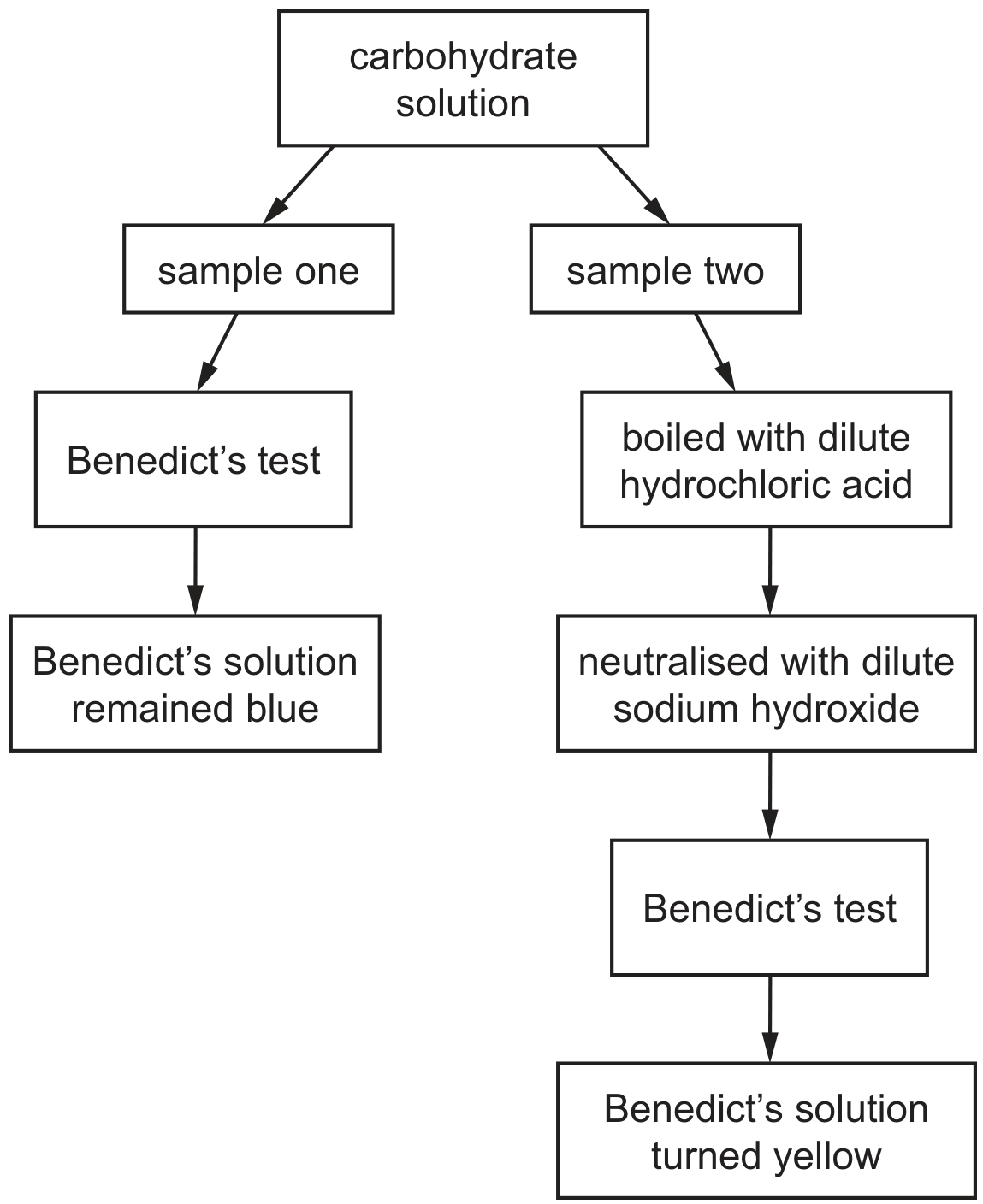
Which statement explains the results?
Condensation reactions occur in sample two to release reducing sugar.
Glycosidic bonds in a polysaccharide have been broken to release reducing sugar.
Sample one shows that sucrose is present in the carbohydrate solution.
The change in colour to a yellow solution shows that glucose is present.
Two disaccharides are cellobiose and sucrose. Cellobiose is formed from two molecules of glucose, whilst sucrose is formed from fructose and glucose.
Which row shows the molecular formulae of the two disaccharides?
cellobiose
sucrose
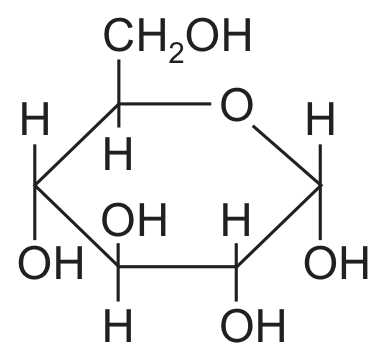
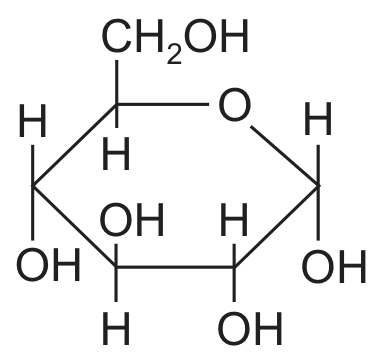
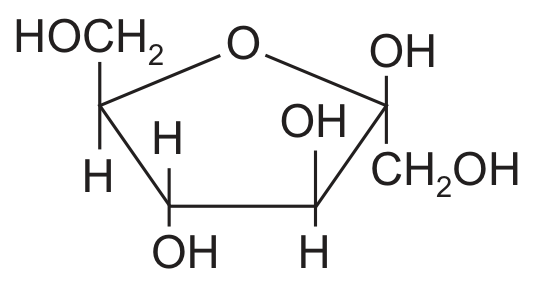
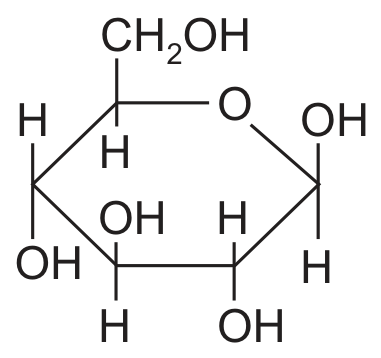
Which pair of monosaccharides forms sucrose?
A
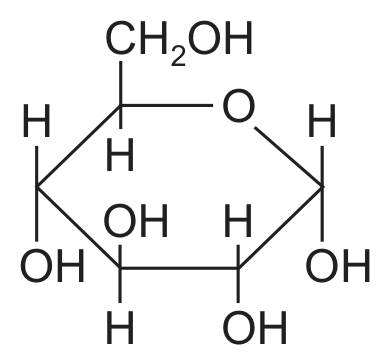
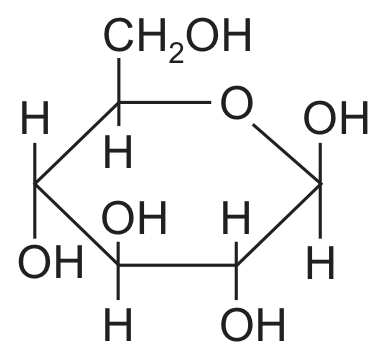
B
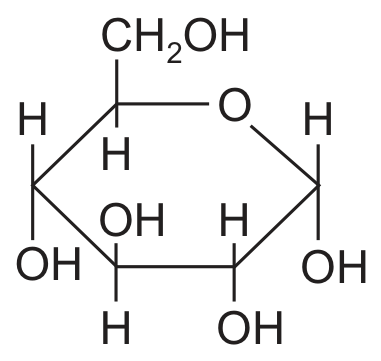
C
D
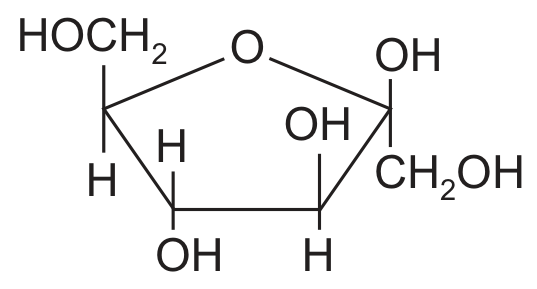
Which molecule is a disaccharide and a reducing sugar?
fructose
glucose
maltose
sucrose