[Maximum number: 2]
Fig. 1.1 is a diagram of a molecule of haemoglobin.
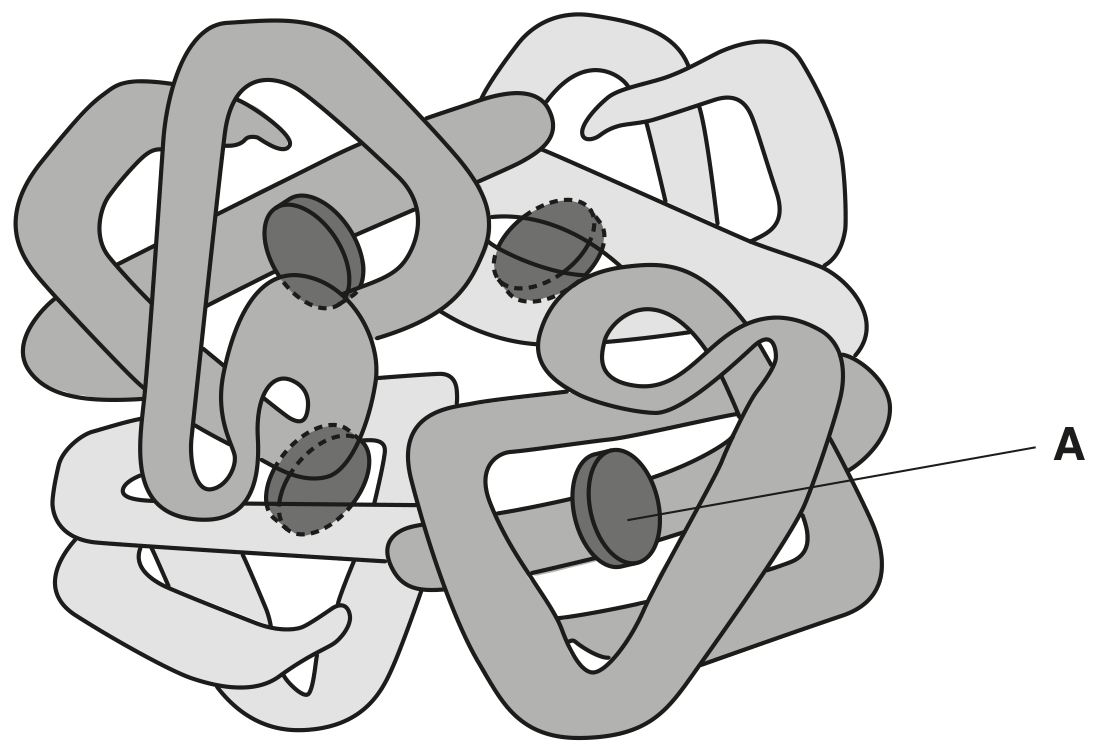
Fig. 1.1
(a)
The gene H B B codes for the -globin polypeptide.
State why a polypeptide, such as -globin, is described as a polymer.
[ 2 ]
 EduNinja
Fig. 1.1 is a diagram of a molecule of haemoglobin.
Fig. 1.1
The gene H B B codes for the -globin polypeptide.
State why a polypeptide, such as -globin, is described as a polymer.
Fig. 1.1 shows five biological molecules.
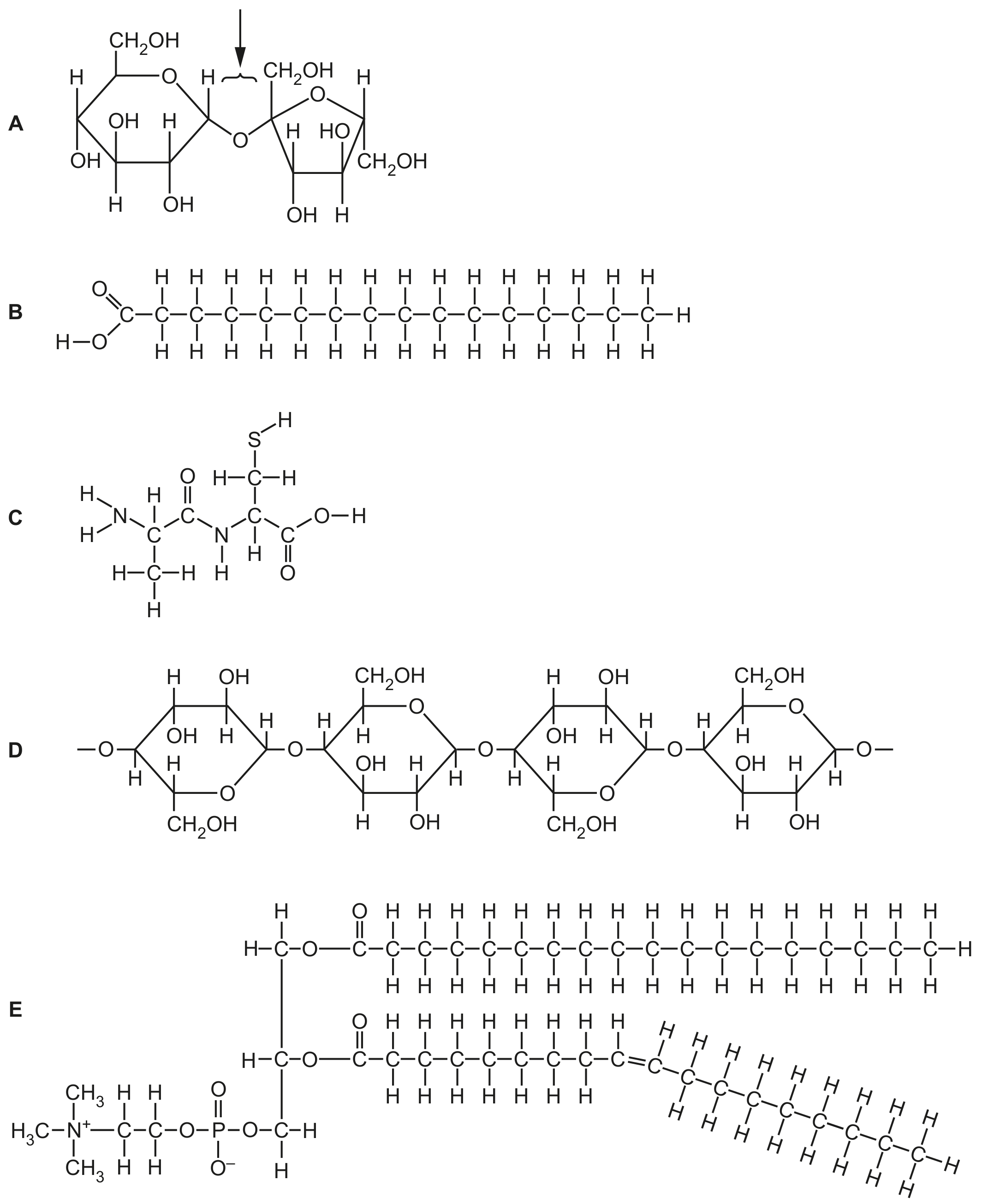
Fig. 1.1
Molecule D is a polymer.
State the name of the monomer that is used to synthesise this polymer.
Starch molecules are the main storage molecules in many types of cereal grain, such as the grain of the barley plant.
Some of the substances shown in Fig. 2.2 are listed in Table 2.1.
Complete Table 2.1 to identify which of the terms polysaccharide, monosaccharide and macromolecule apply to each of the substances listed.
Use a tick if the term applies and a cross (x) if the term does not apply.
Put a tick or a cross (X) in every box.
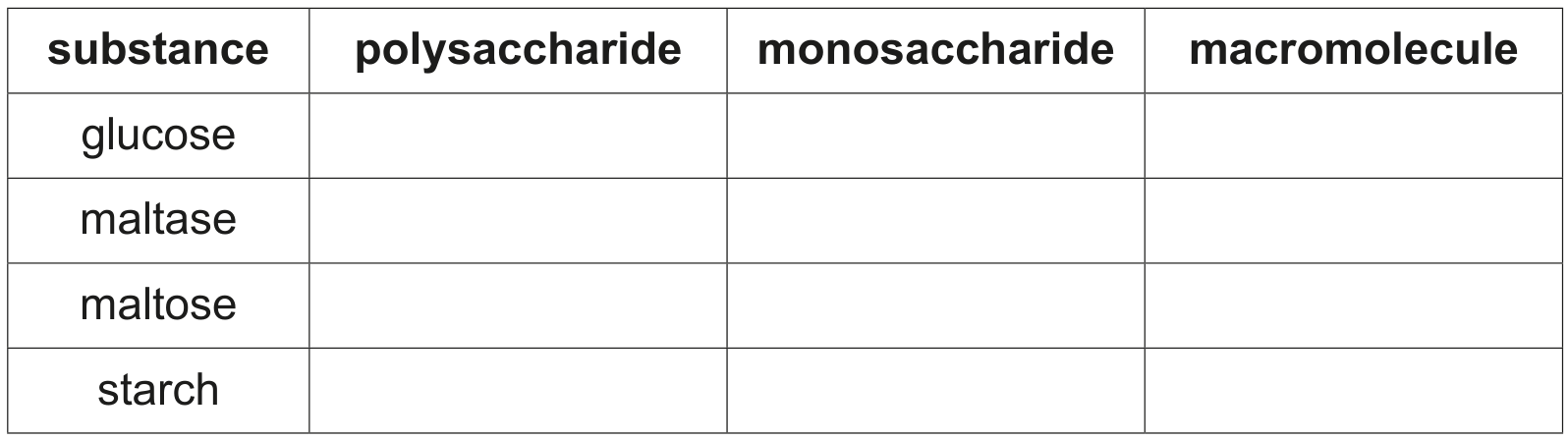
Table 2.1
When producing sugar syrups, there are advantages in using enzymes extracted from microorganisms.
For example, some enzymes extracted from microorganisms are heat stable. Heat-stable enzymes are used to increase productivity because the reactions can be carried out at higher temperatures.
Fig. 2.1 is a photomicrograph of a longitudinal section (LS) through a root tip. Two different regions are visible:
- the root apical meristem
- the root cap.
Cells in the root cap synthesise a gel-like, sticky secretion known as mucilage, which is important in reducing friction between soil and the growing root. It is composed mainly of polysaccharides and also contains some amino acids and enzymes.
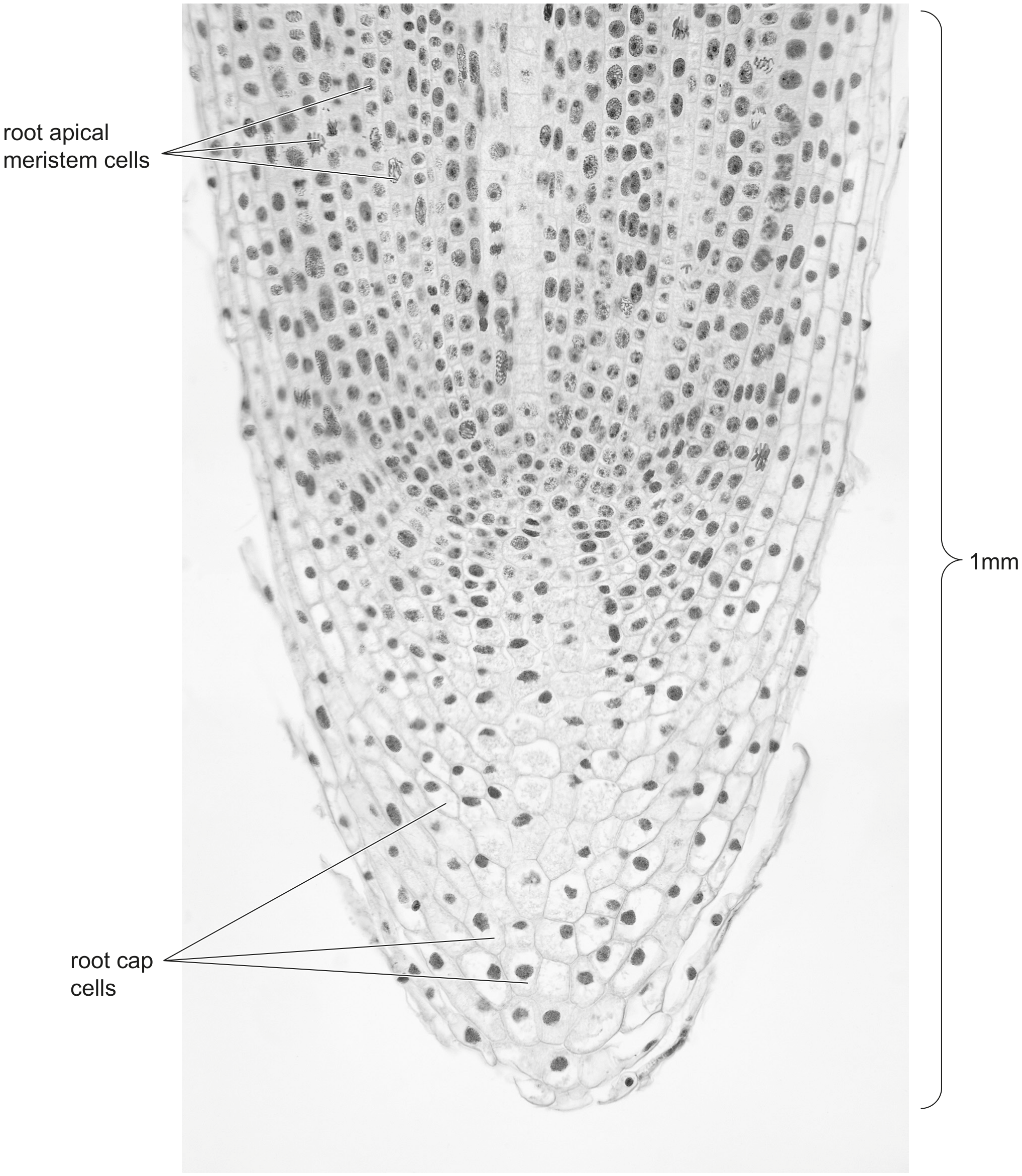
Fig. 2.1
The polysaccharides and amino acids present in the mucilage are a source of nutrients for soil microorganisms that live in the area surrounding the root. Some of these microorganisms can break down soil compounds to release mineral ions.
Explain what is meant by a polysaccharide.
Which row shows the monomer and type of bond that form the polymer?
monomer
type of bond
polymer
-glucose
1,4 only
starch
-glucose
1,4 and 1,6
amylopectin
-glucose
1,4 only
glycogen
-glucose
1,4 and 1,6
cellulose
Maltose and sucrose are disaccharides. Maltose is formed from two molecules of glucose, whilst sucrose is formed from fructose and glucose.
Which row shows the molecular formulae of the two disaccharides?
maltose
sucrose
Which row is correct for carbohydrates?
macromolecule
monomer
polymer
sucrose
starch
-glucose
glycogen
sucrose
starch
-glucose
glycogen
sucrose
starch
-glucose
glycogen
Which shows the basic unit of glycogen?
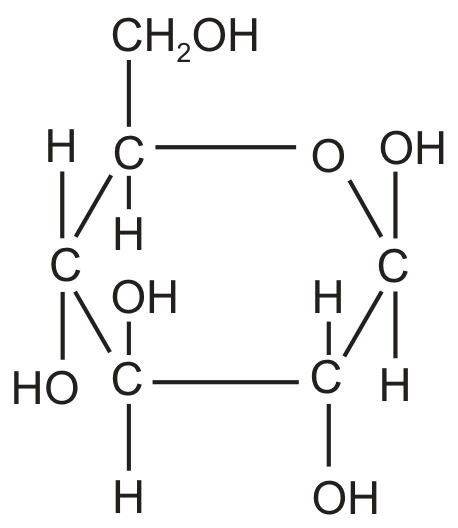
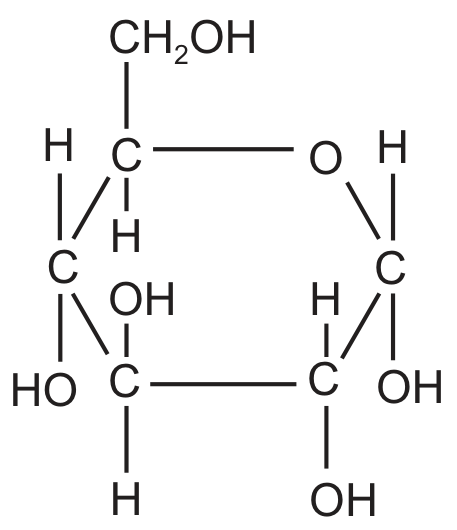
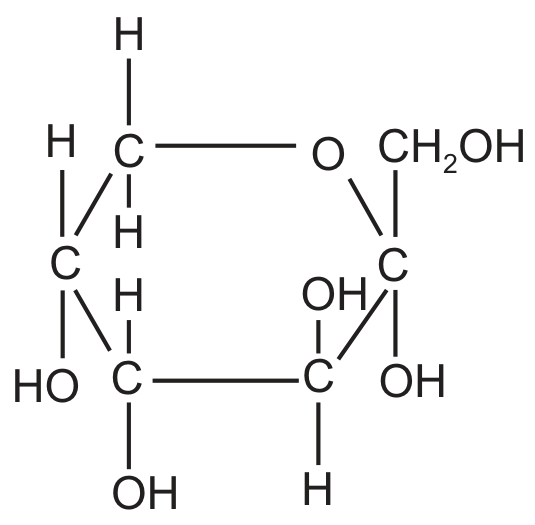
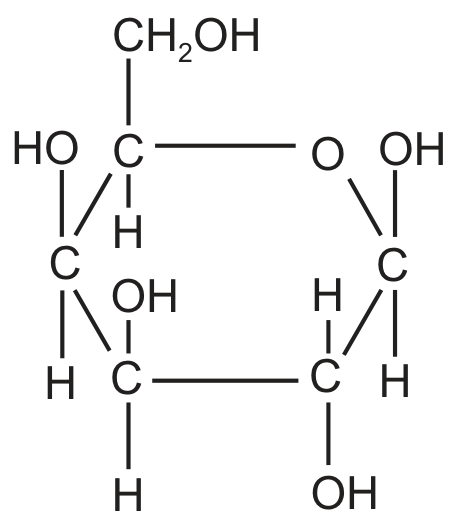
Which statement is correct?
Cellulose, glycogen and amylopectin are all polymers.
Ribose, amylase and phospholipid are all macromolecules.
Starch, glucose and amylose are all monomers.
Sucrose, deoxyribose and amylopectin are all polysaccharides.