C1.1.12 (HL)—Heat generation
Exergonic metabolic reactions release some energy as heat, helping endotherms maintain body temperature in cold environments and small bodies during survival.
- Syllabus
- First assessment 2025
- Objective
- C1.1.12
- Level
- HL
Exergonic metabolic reactions release some energy as heat, helping endotherms maintain body temperature in cold environments and small bodies during survival.

Coverage 2025–2025 · Updated 15 Jul 2026
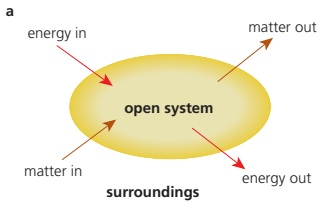
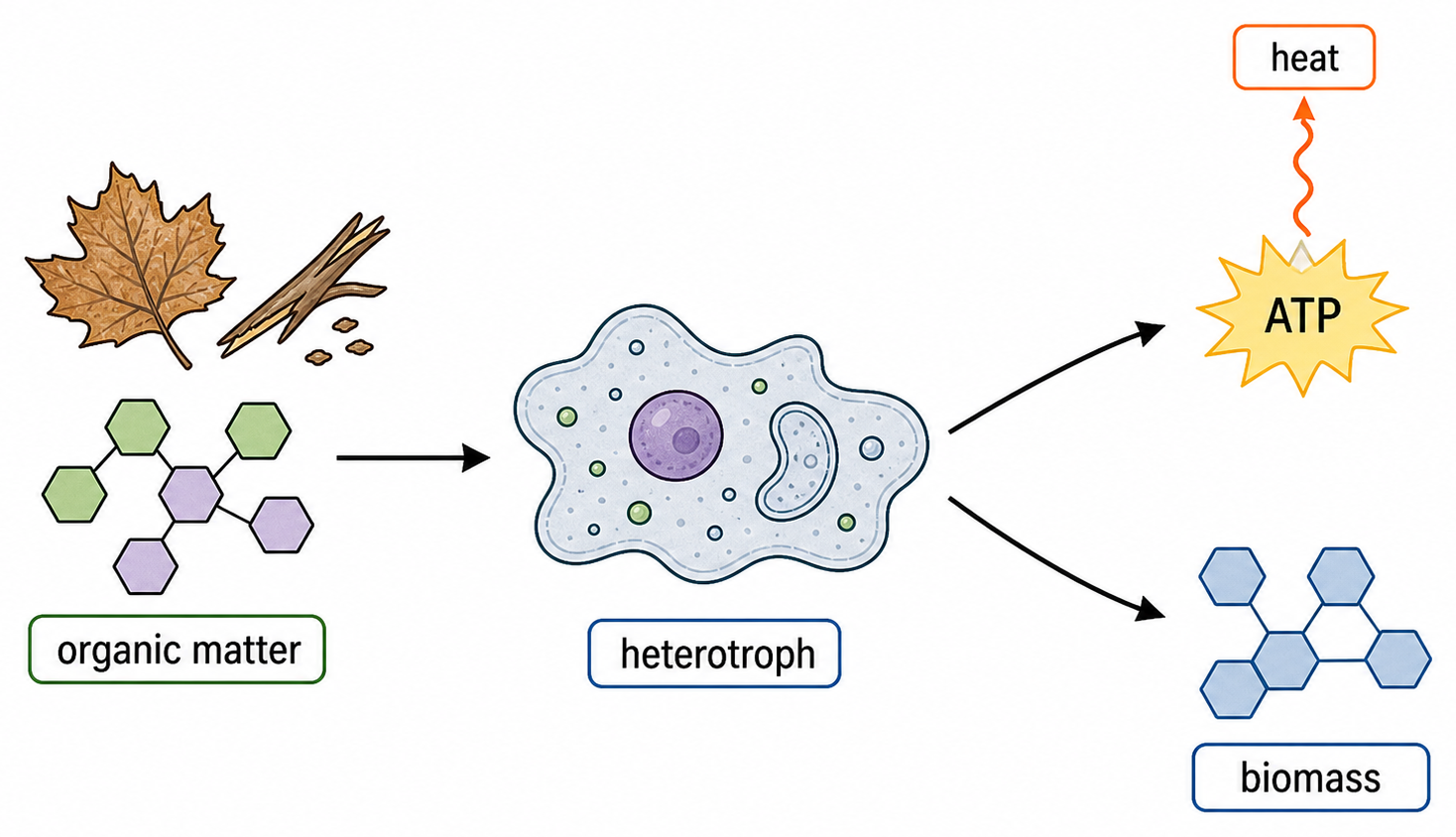
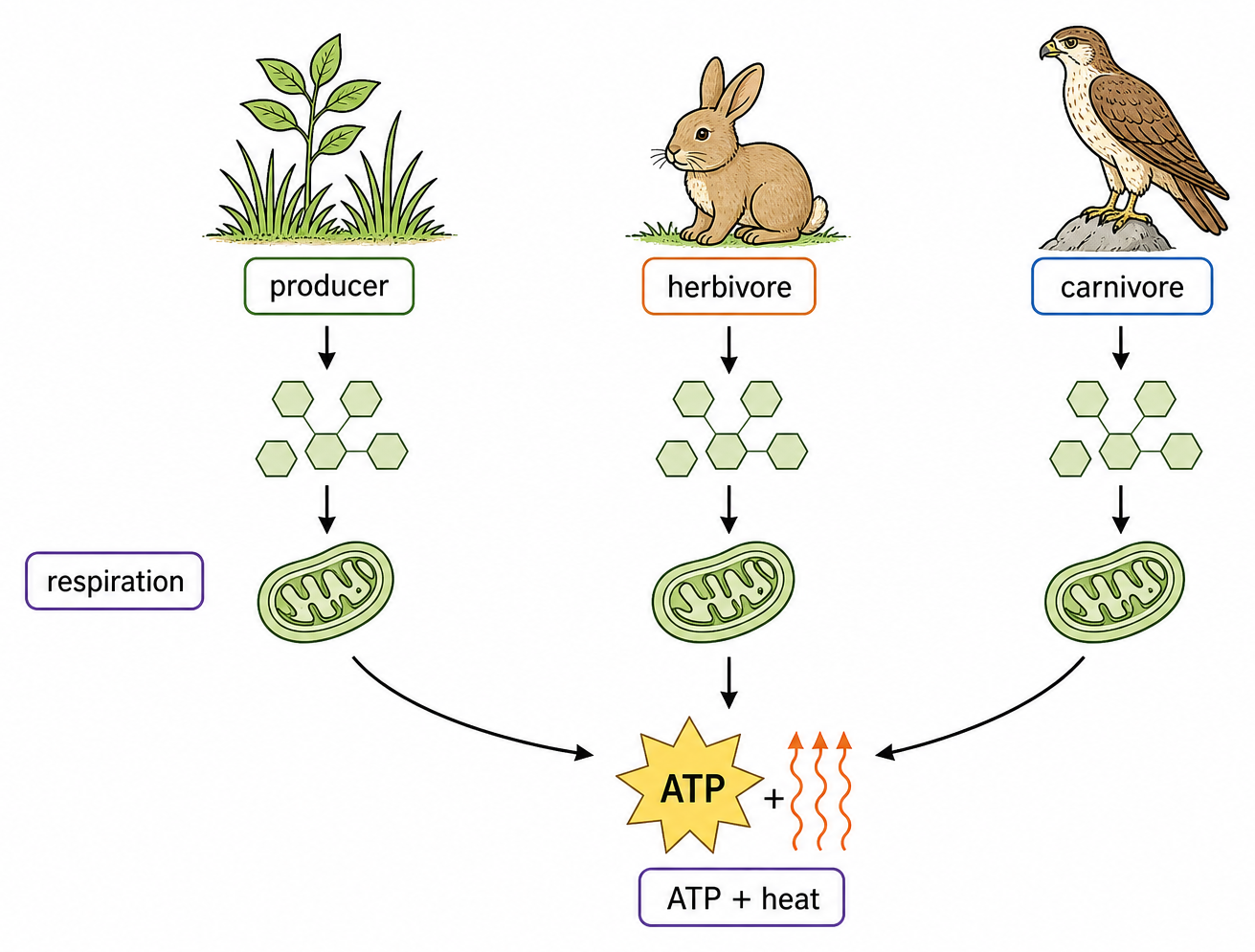
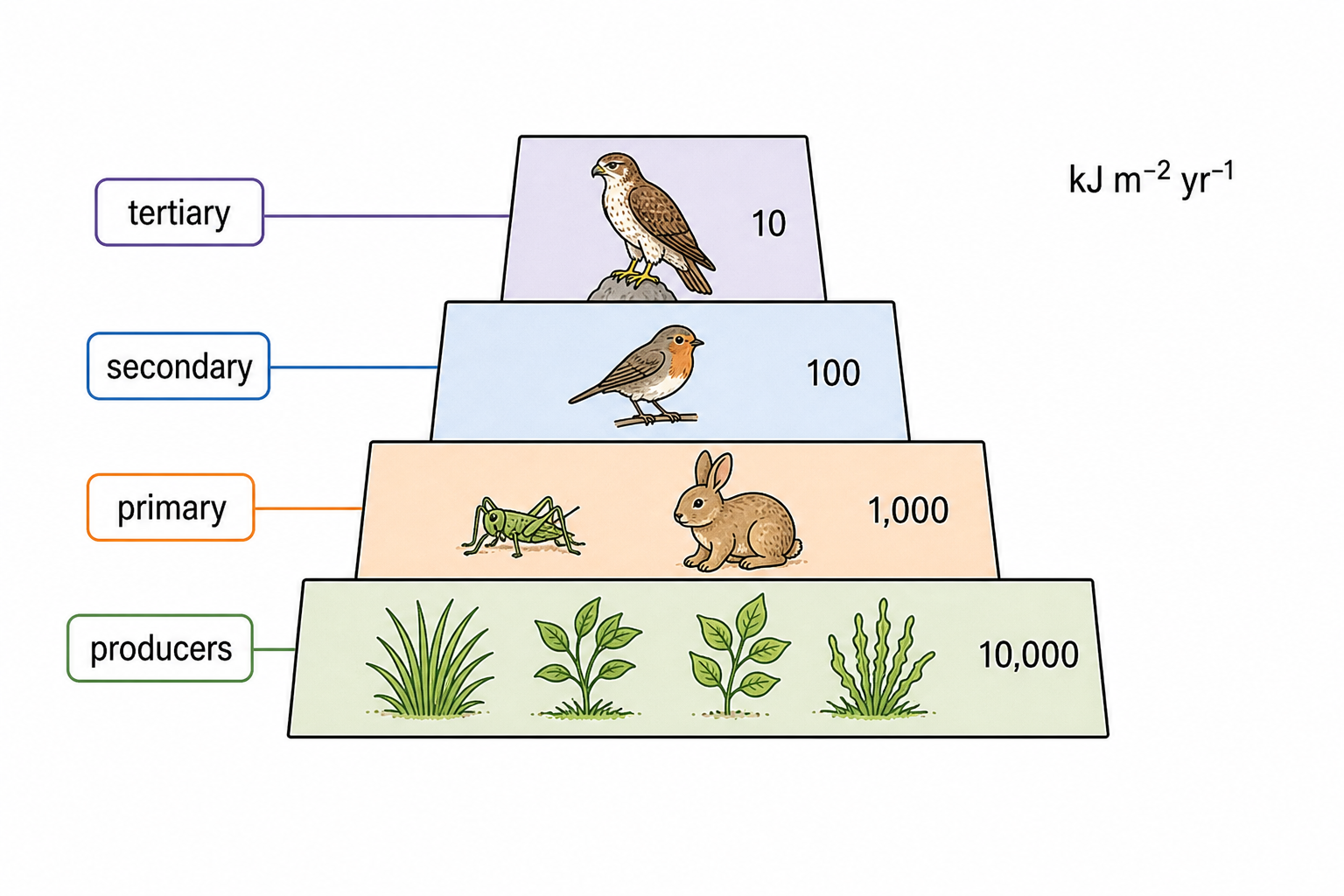
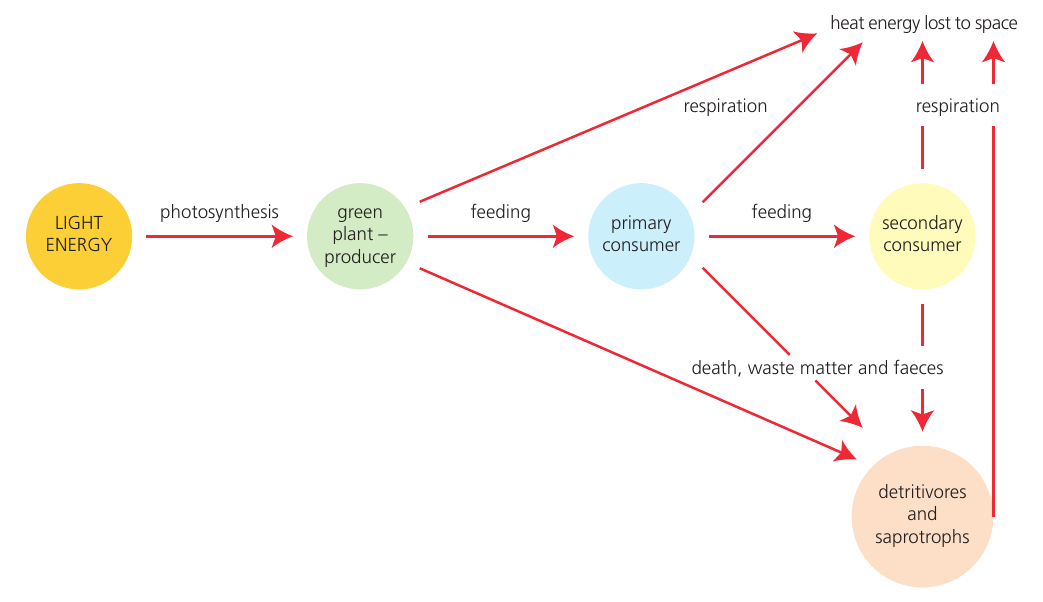
Metabolic reactions transfer energy, and some of the released energy appears as heat rather than being captured in ATP or products.
Cells use coupled reactions and ATP to conserve part of the energy, but inefficiency and thermodynamic constraints produce heat. Heat generation can help endotherms maintain body temperature but must be regulated.
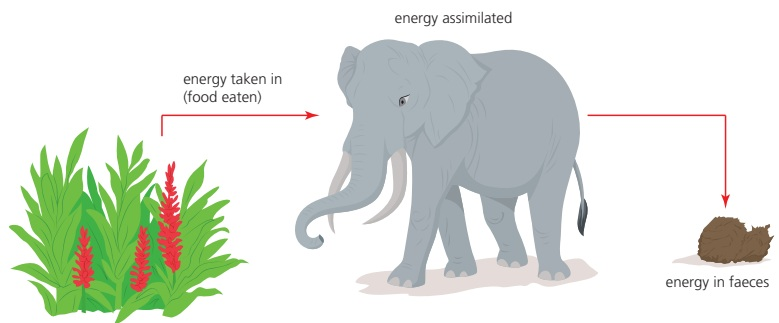
Trace energy allocation:
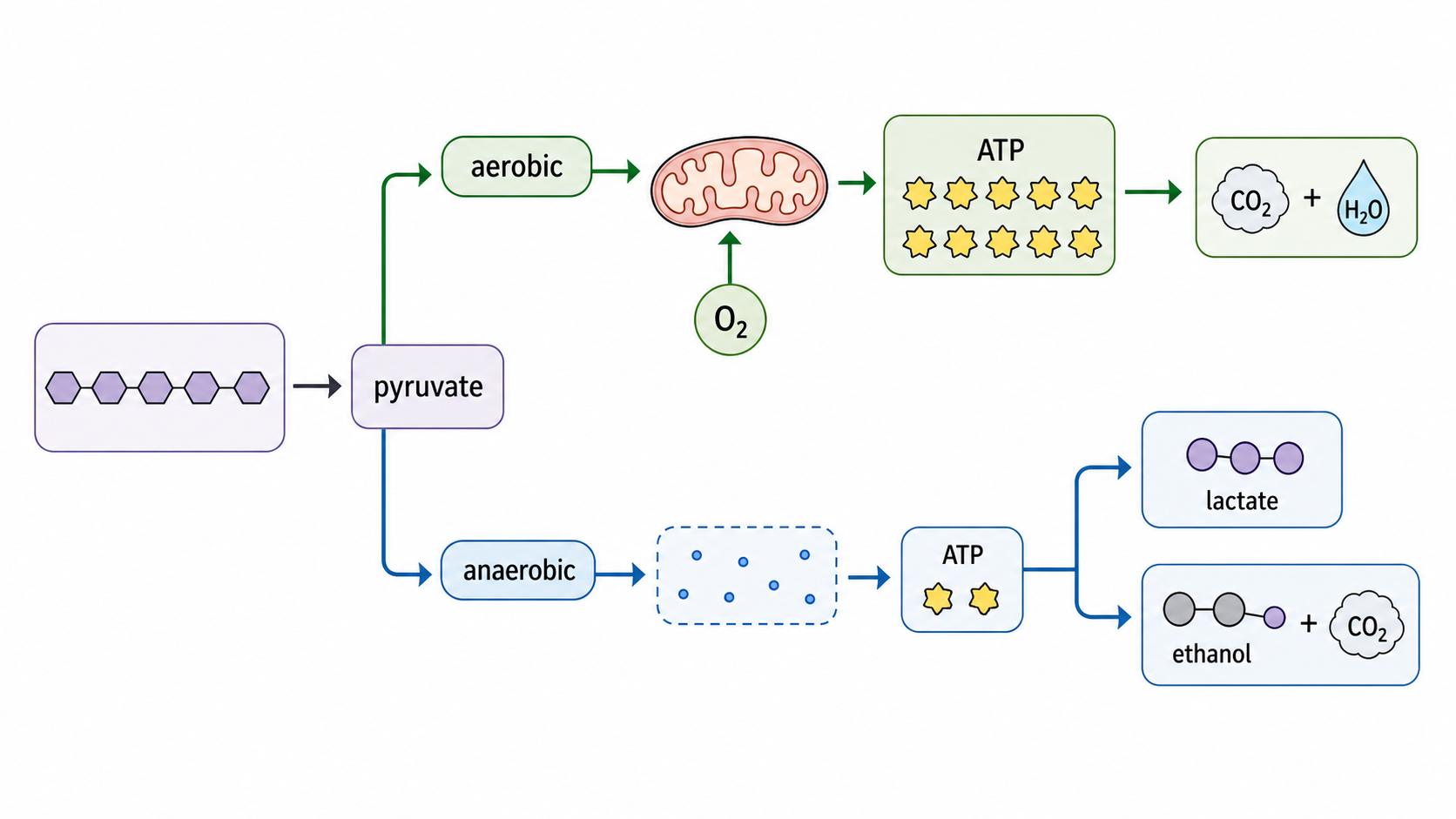
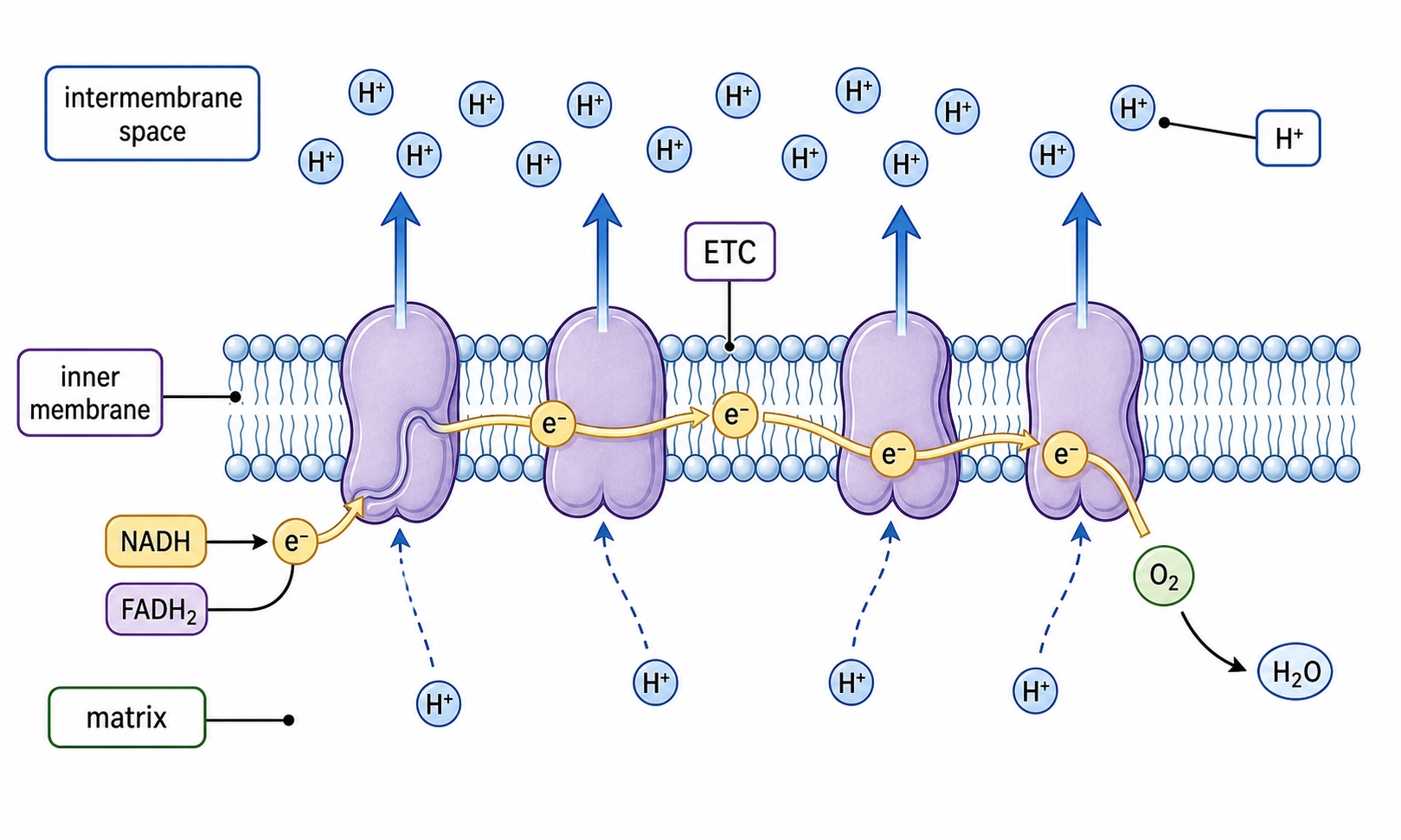
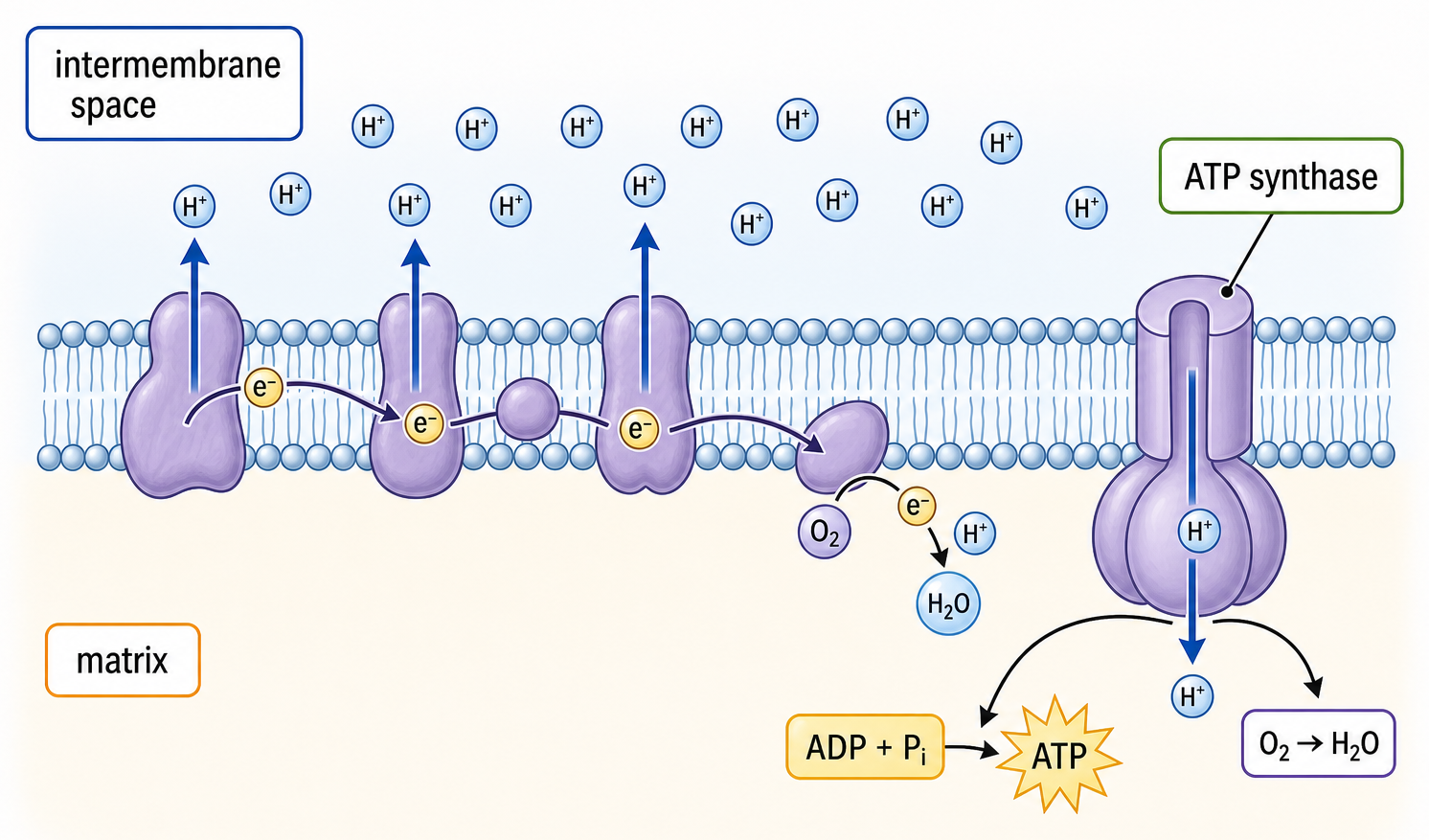
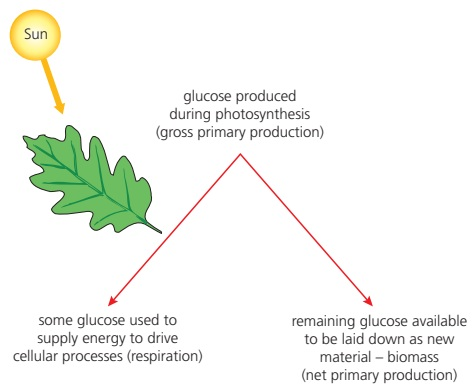
During respiration, not all glucose energy becomes ATP; some warms tissues and must be dissipated or used for thermoregulation.
Heat is an energy transfer, not a separate metabolic substance or proof that ATP production stopped.
This objective is assessed through structured response, commonly using Explain.
Explain
Build the answer around this relationship: Metabolic reactions release some energy as heat.
Representative question
Above a body mass of 10 kg , there is little difference in BMR between desert and polar mammals. Suggest reasons for this.
a. surface area to volume ratio is low in large mammals/above 10 kg ;
b. less heat/energy loss in larger mammals;
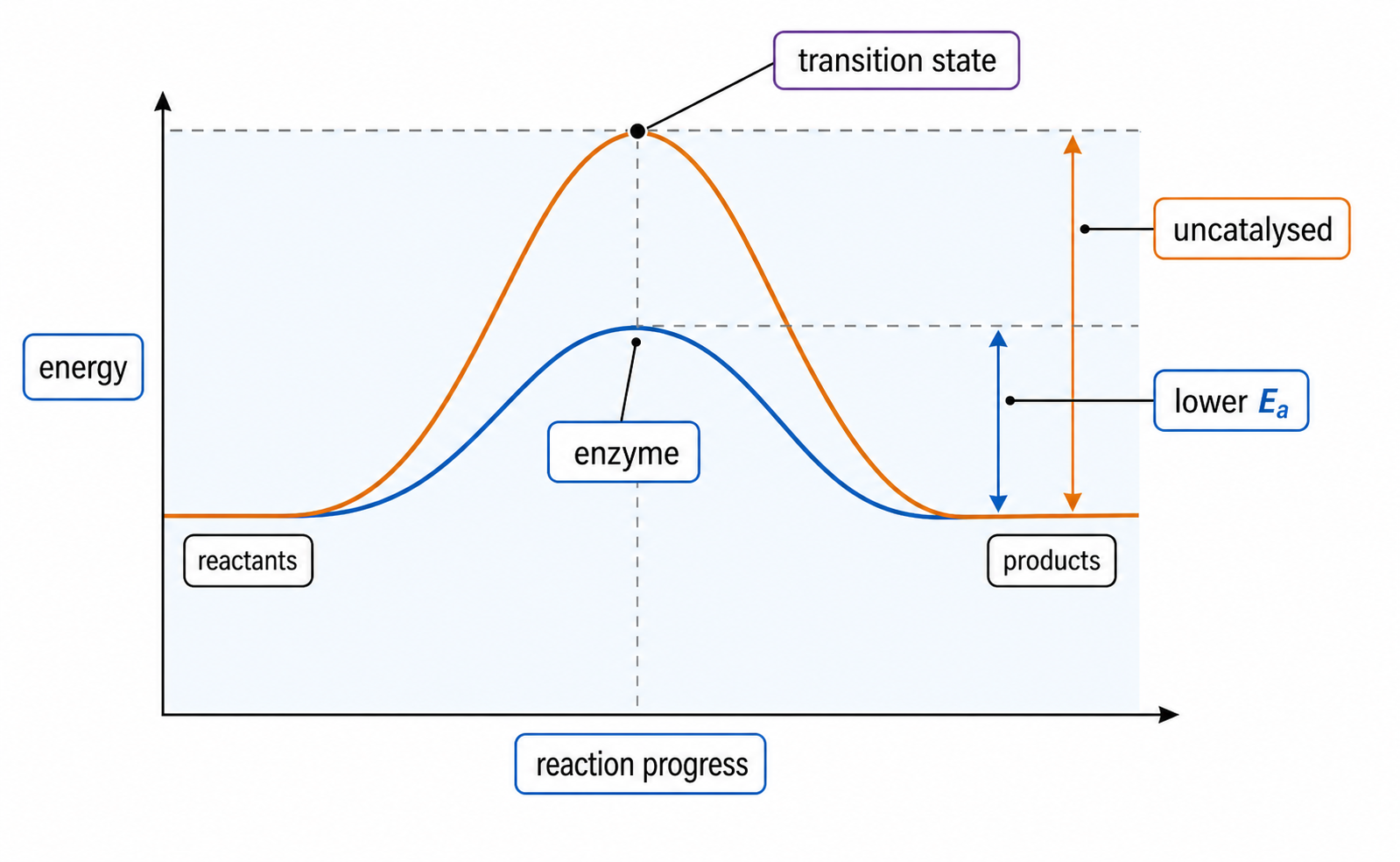
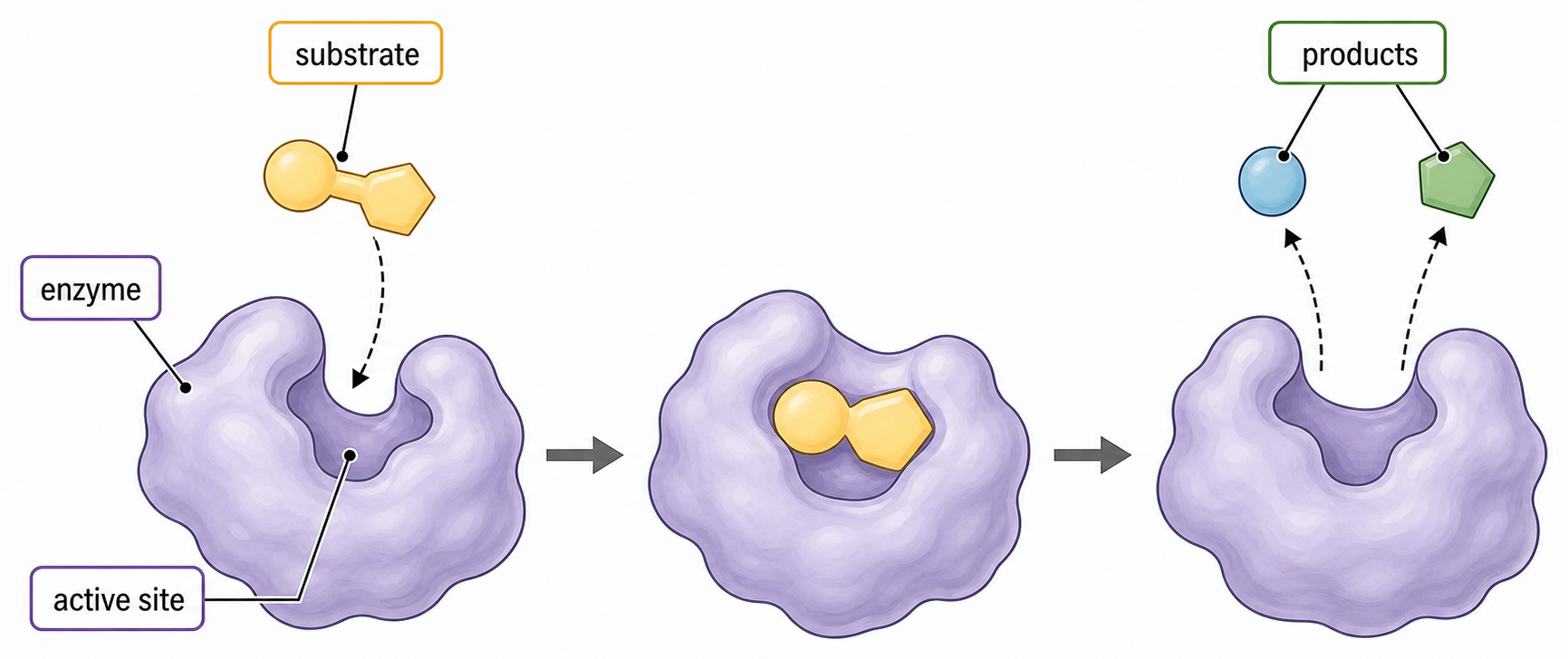
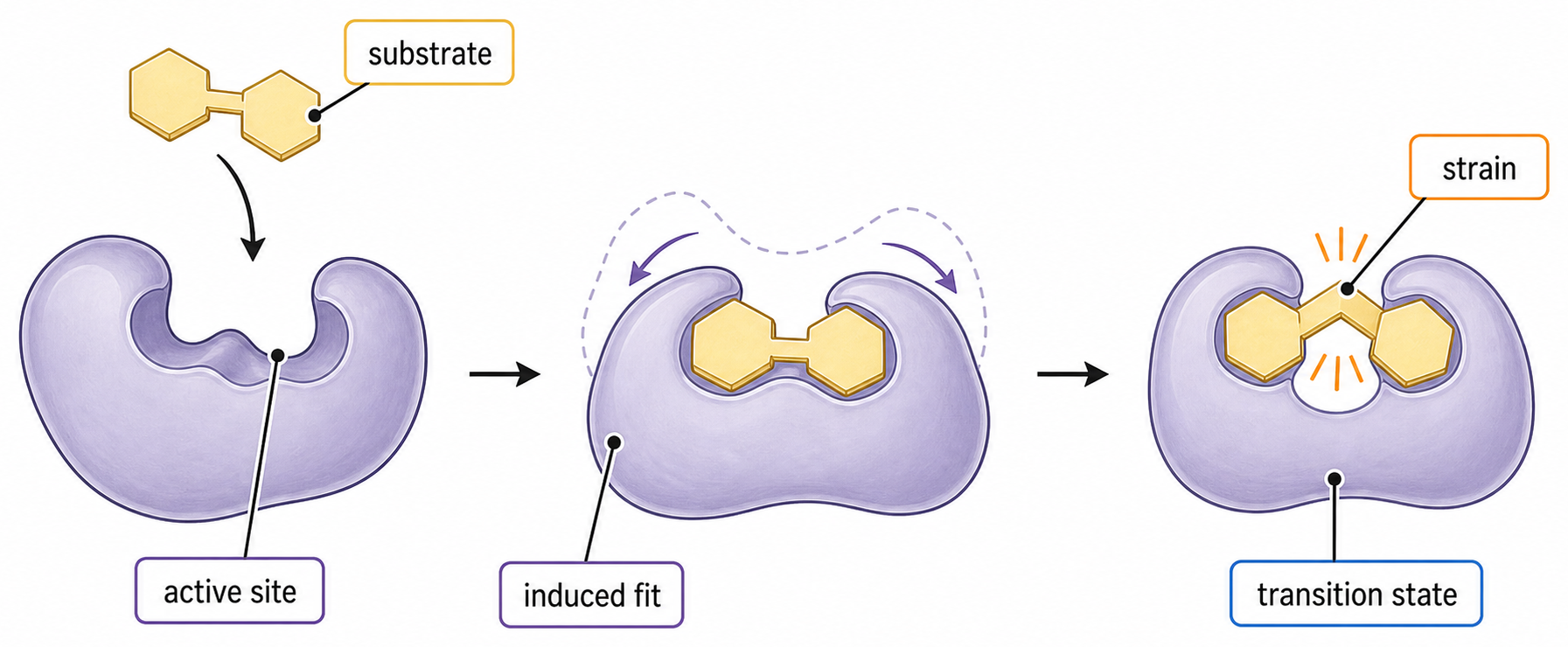
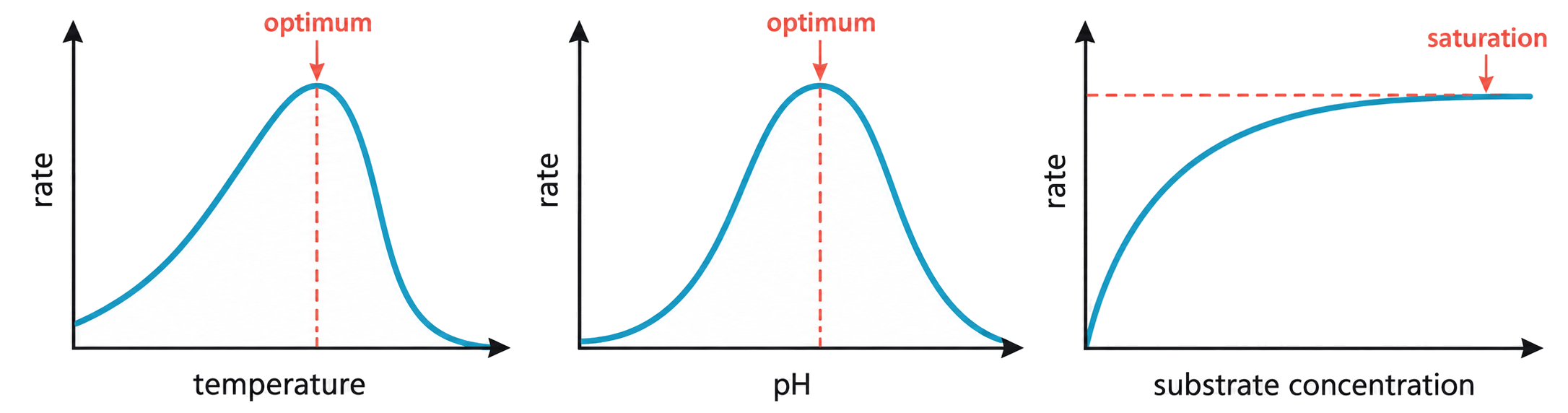
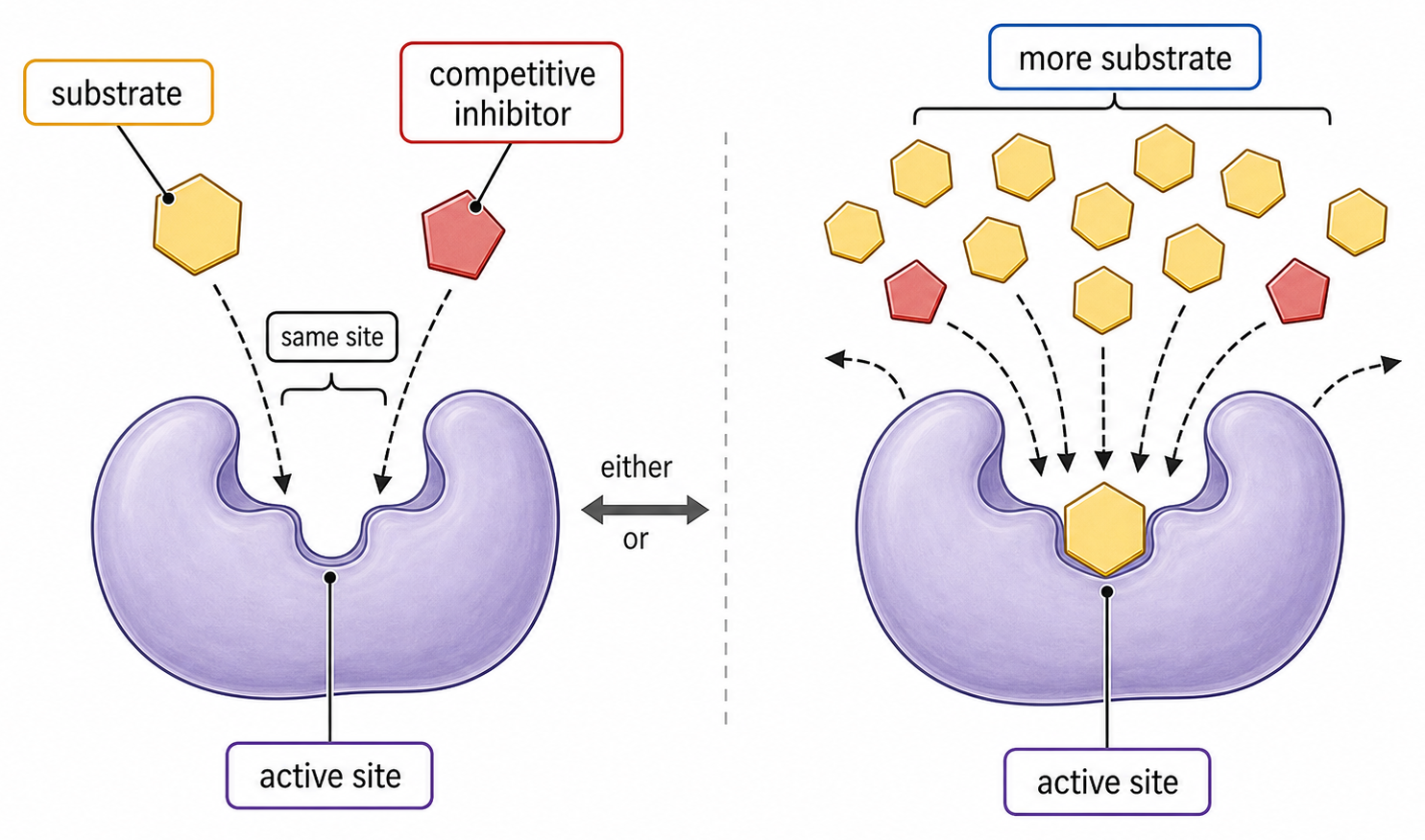
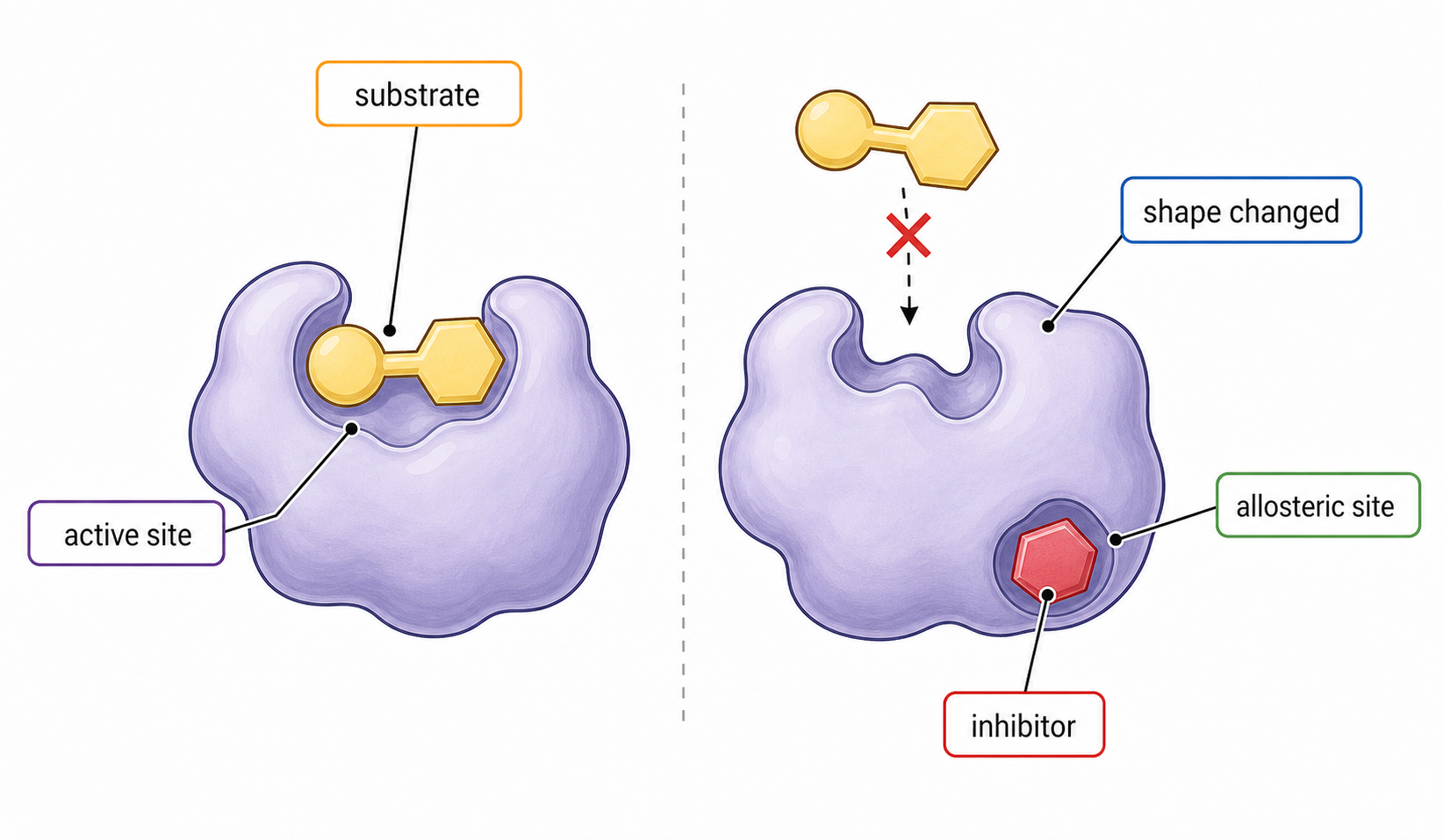
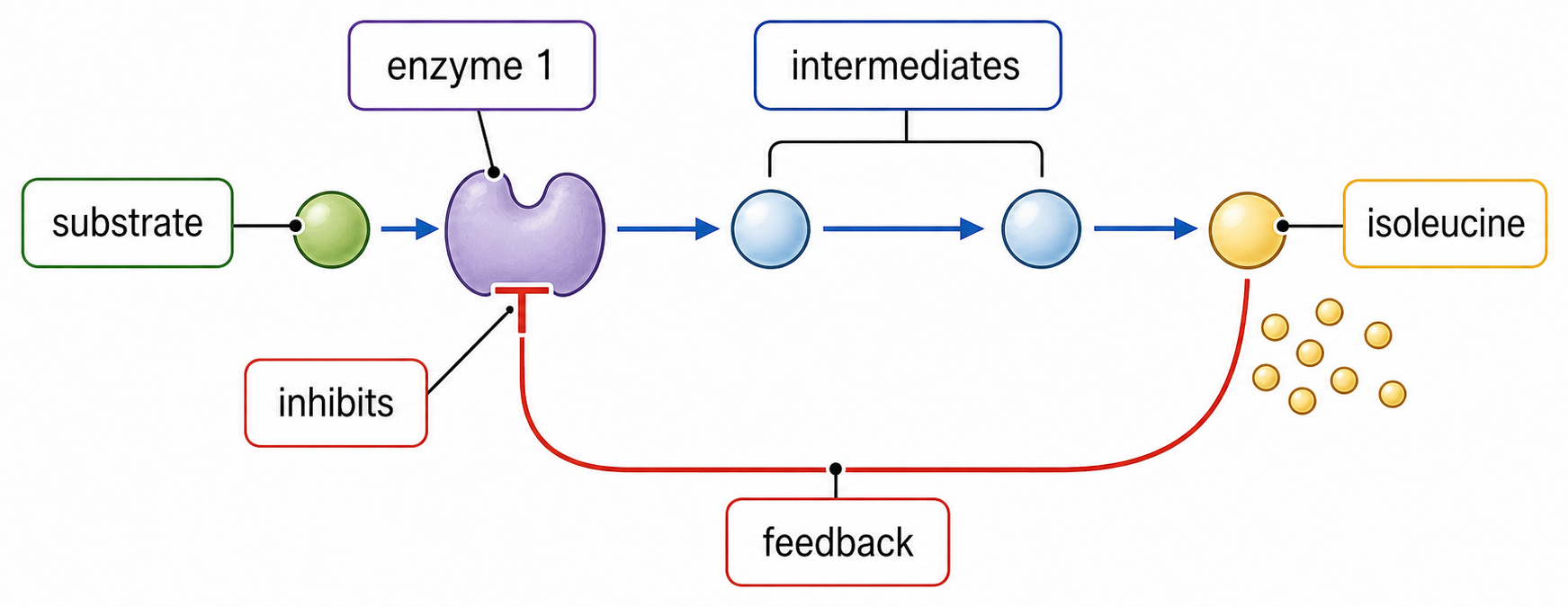
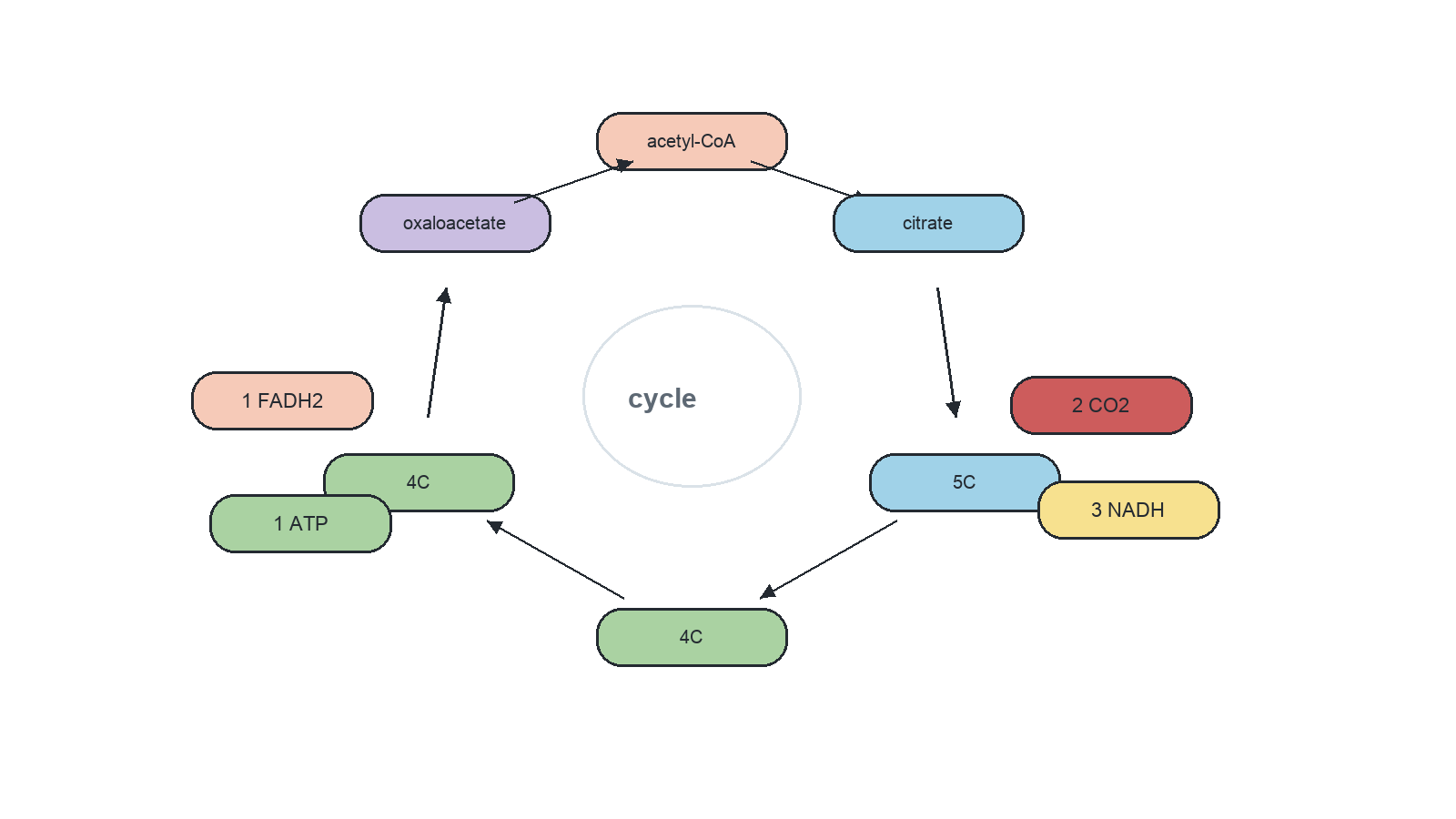
Enzymes can act inside or outside cells, metabolic reactions release heat, pathways may be linear or cyclical, and pathway output is regulated by inhibition. Competitive inhibitors bind active sites and can be overcome by more substrate; non-competitive inhibitors bind allosteric sites; feedback inhibition uses end products to inhibit earlier enzymes; mechanism-based inhibitors trap enzymes after reaction begins.