C1.1.4—Enzymes as globular proteins

Enzymes are usually globular proteins whose folded active-site pockets bind substrates and catalyse specific reactions in living cells during catalysis.
Syllabus
First assessment 2025
Objective
C1.1.4
Level
HL

Exam analysis

Chance of appearing3%of analysed past papers
Latest appearanceMay 2023
Most common paperPaper2
Typical marks1–6

Common command terms

  • Define
  • State

Recent exam appearances

May 2023Paper1 ["HL"] · TZ127[ 1 ]C1.1.4—Enzymes as globular proteins
November 2013Paper2 ["HL"] · TZ07(b)[ 6 ]C1.1.4—Enzymes as globular proteins
May 2013Paper2 ["HL"] · TZ24(a)[ 1 ]C1.1.4—Enzymes as globular proteins
Practice this objective

Coverage 2013–2023 · Updated 15 Jul 2026

Globular Protein Shape Creates an Active Site

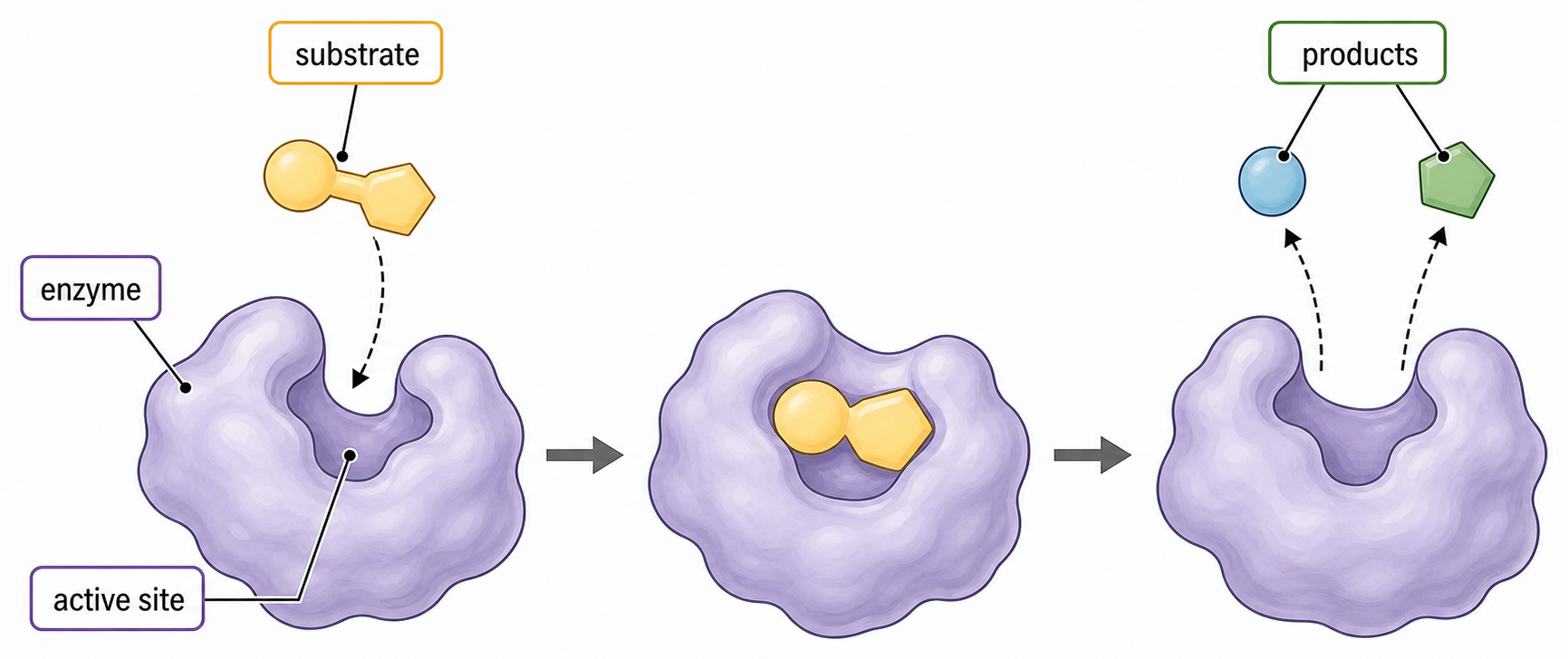
Most enzymes are globular proteins whose overall three-dimensional fold creates a small active-site pocket for substrate binding and catalysis.
Only a few amino-acid residues directly form the active site, but interactions among many residues elsewhere—hydrogen bonds, ionic attractions, hydrophobic effects and sometimes disulfide bonds—position those catalytic residues correctly.

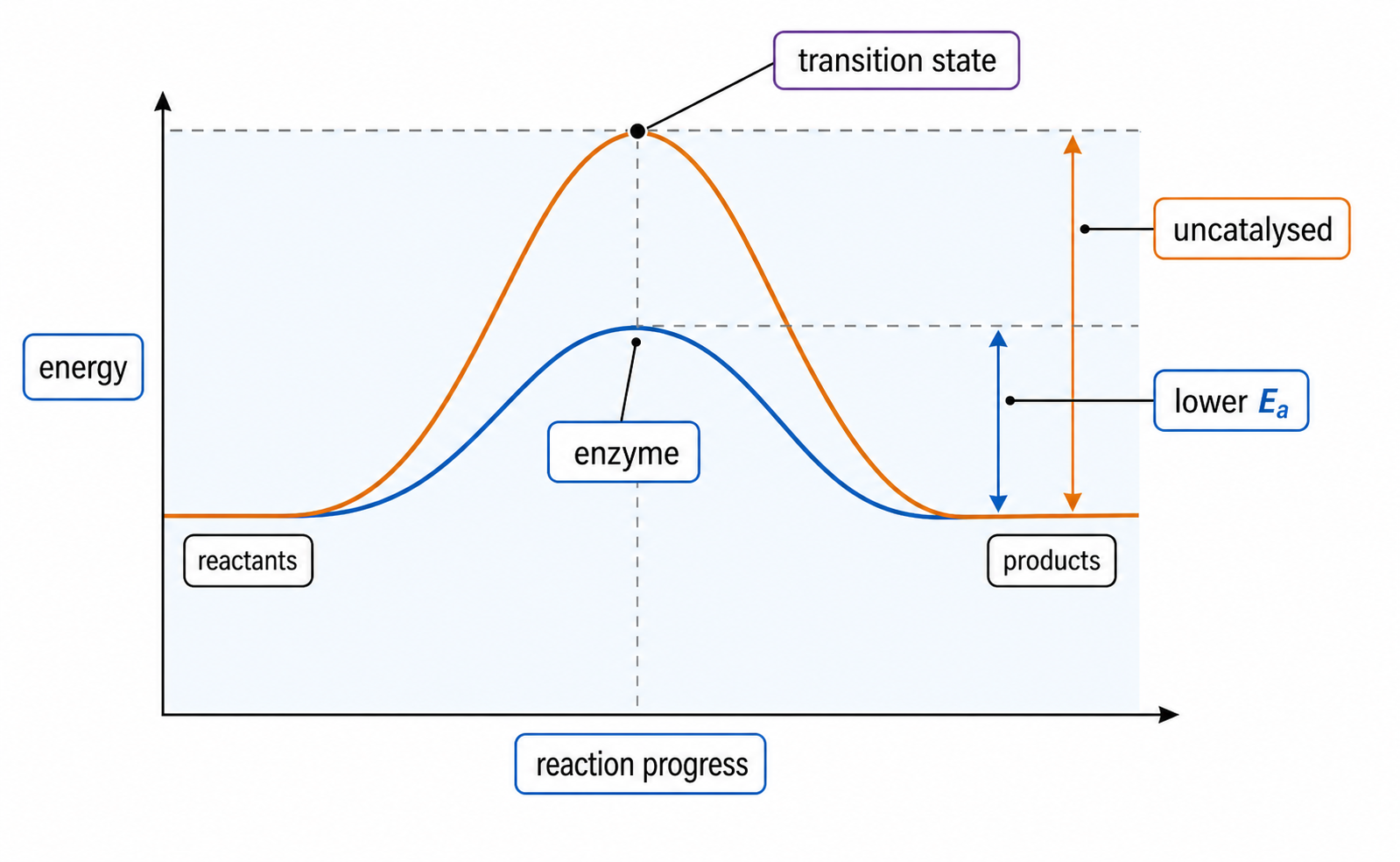
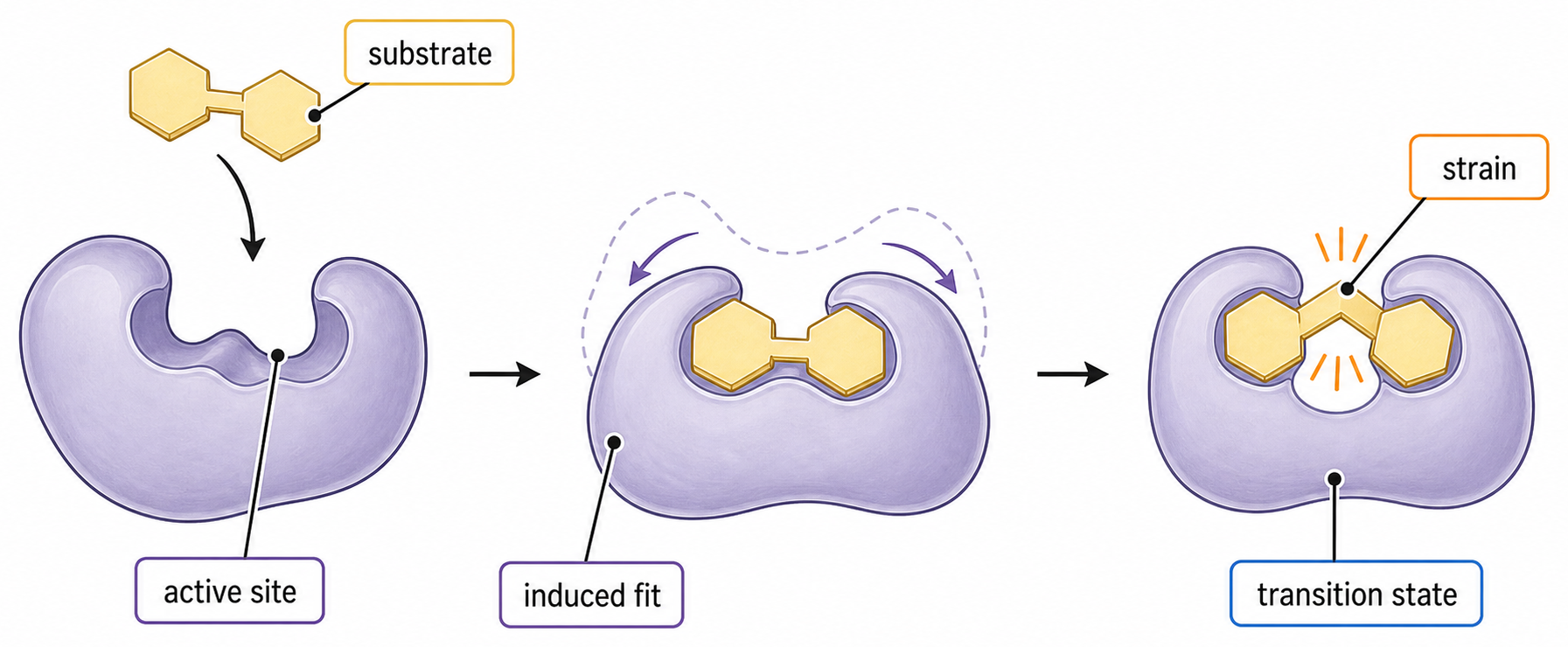
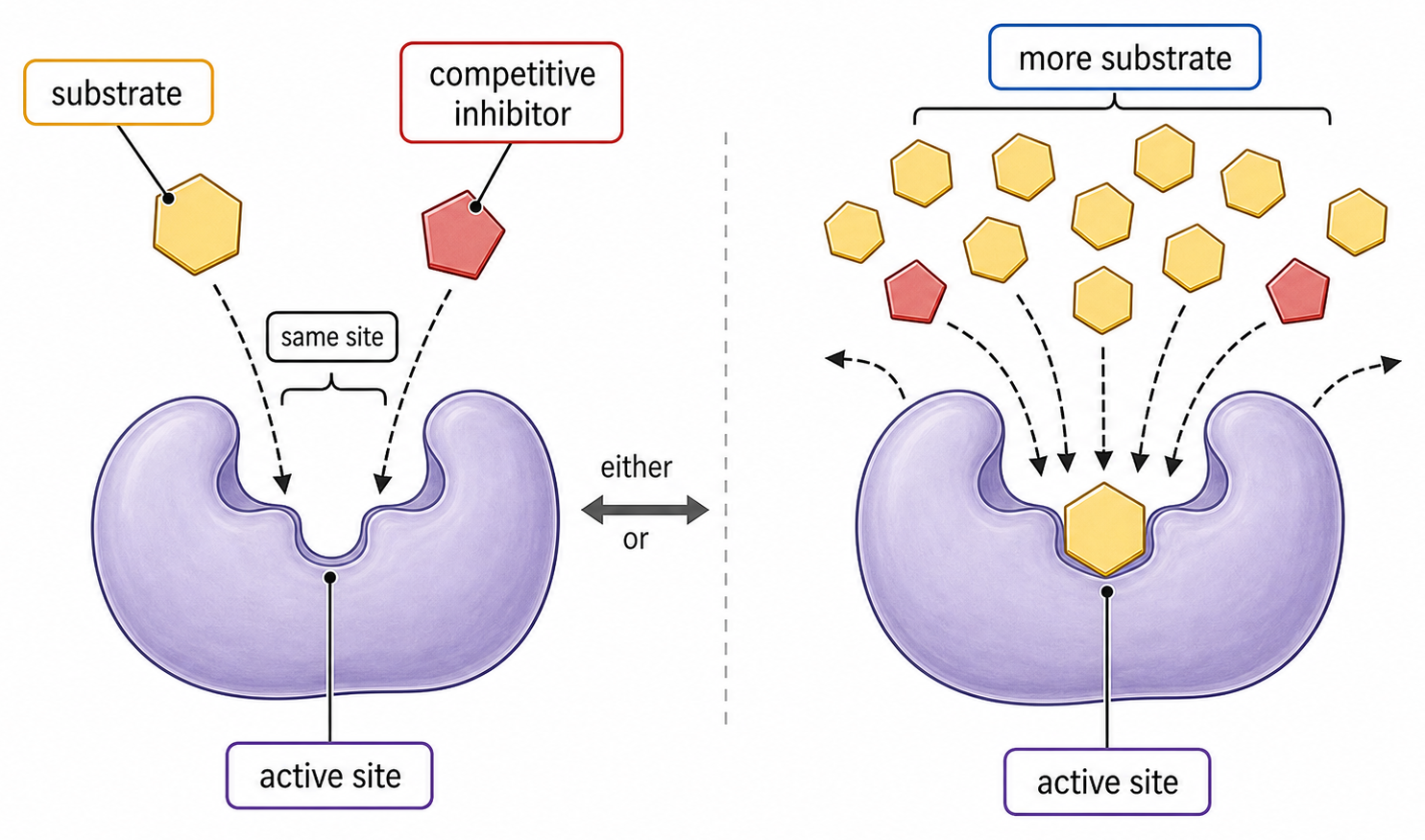
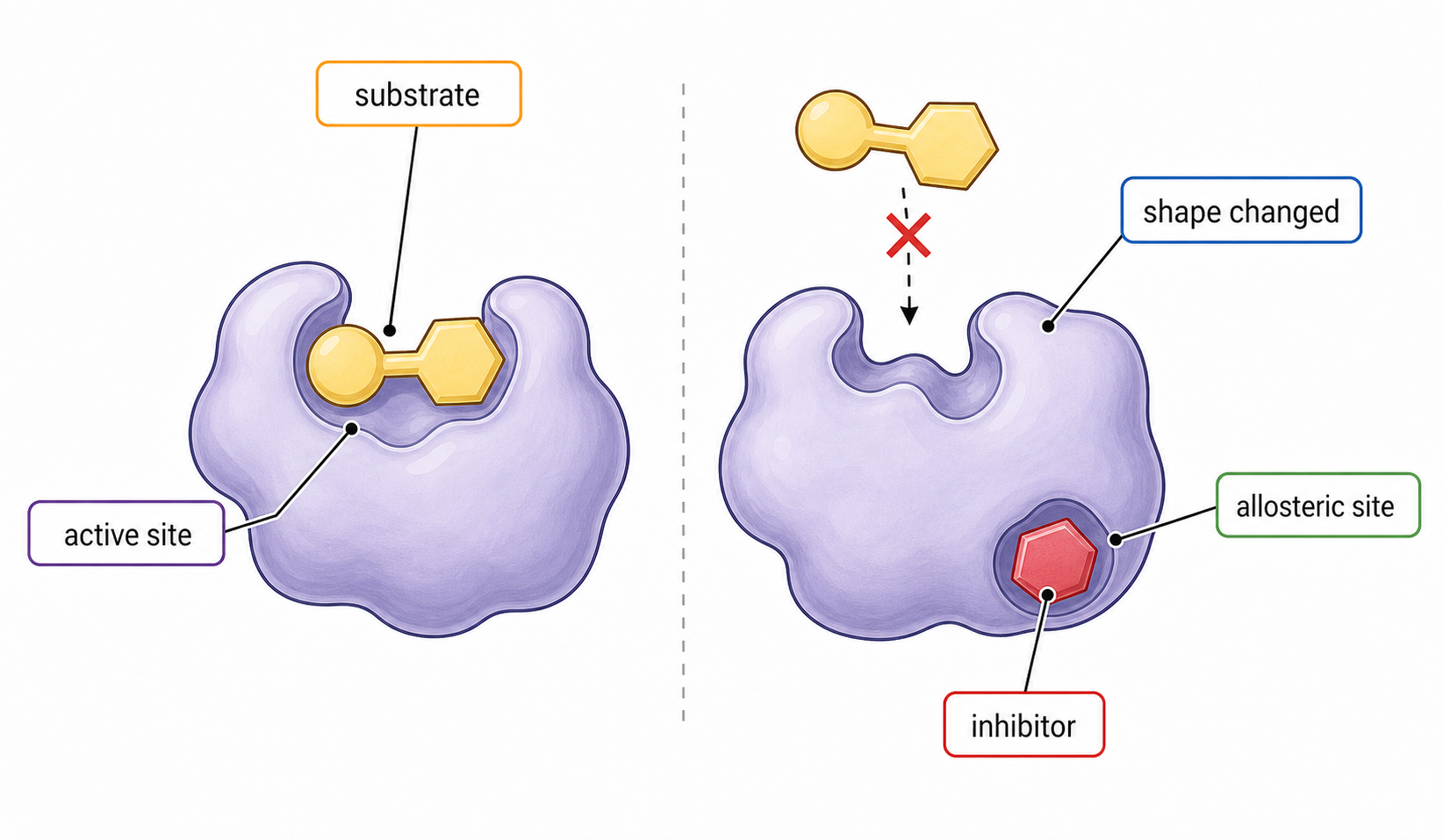
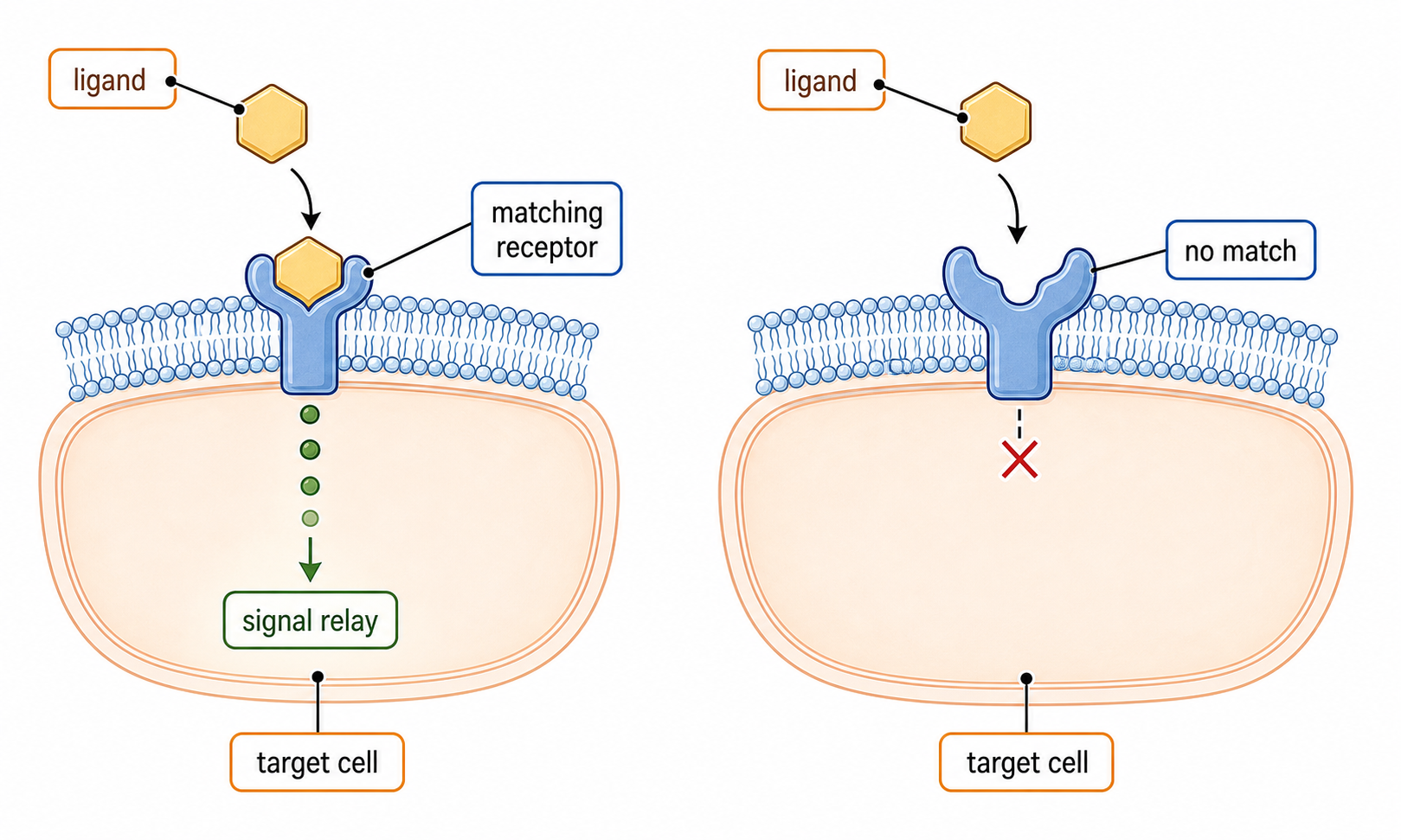
The active site binds substrate to form an enzyme–substrate complex and presents chemical groups with the charge, polarity and geometry needed to stabilize the transition state and promote reaction.

Changing a residue far from the pocket can disrupt the protein fold and reposition an active-site residue, reducing catalysis even though that altered residue never contacts substrate.

The active site is only a small part of the enzyme, but it depends on the entire globular conformation; a matching outline alone is not enough for catalytic chemistry.

Enzymes as globular proteins

Assessment in practice

1 marks
How it is assessed

This objective is assessed through structured response, commonly using Define / State.

Command terms

Define / State

What earns marks

Build the answer around this relationship: Most enzymes are globular proteins with specific folded shapes.

Representative question

Question 1

[Maximum number: 1]

State a role of the active site of an enzyme.

Enzyme Catalysis and Rate

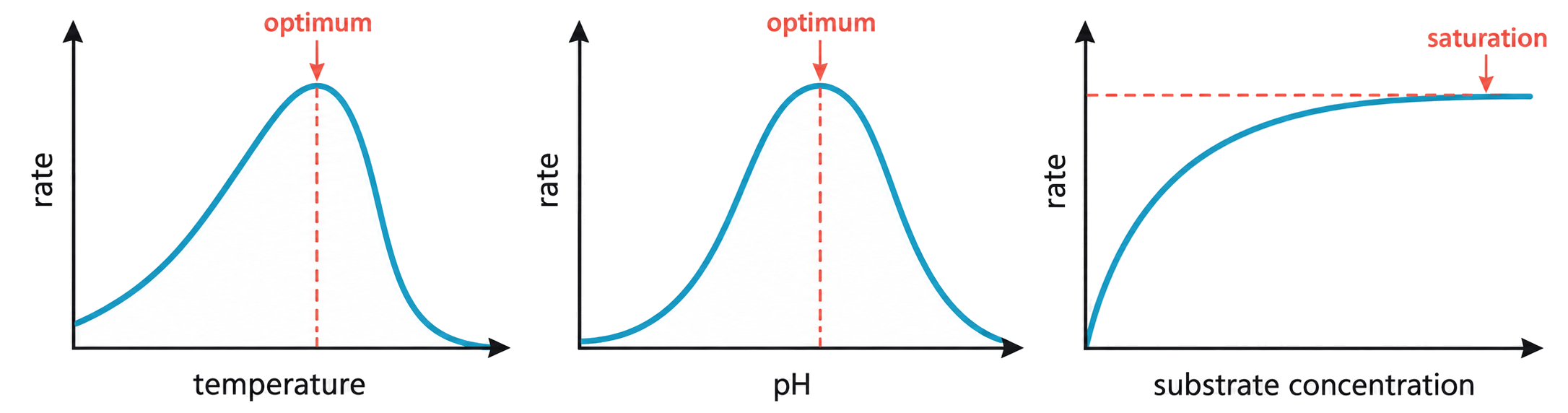
Enzymes are biological catalysts that lower activation energy and remain unchanged. Their globular protein shape creates active-site specificity; induced fit aligns substrates; molecular motion and collisions affect rate; temperature, pH, and substrate concentration change activity; assays measure substrate loss or product formation over time.

  • Define enzyme as biological catalyst, effective in small amounts and unchanged.
  • Use active site, specificity, induced fit, ES complex, and activation energy in mechanism answers.
  • Use curve shapes: temperature optimum/denaturation, pH optimum, and substrate saturation plateau.
  • For practicals, state what is measured per unit time and use initial rate, controls, and replicates.

Concept essentials

  • Most enzymes are globular proteins with specific folded shapes.
  • The active site is the enzyme region where substrate binds.
  • Amino acid sequence contributes to enzyme structure.
  • Substrate specificity follows from active-site shape and chemistry.