C1.1.11 (HL)—Intracellular vs. extracellular enzymes

Intracellular enzymes work inside cells, whereas extracellular enzymes are secreted to catalyse reactions outside cells, including chemical digestion in organisms.

Syllabus
First assessment 2025
Objective
C1.1.11
Level
HL

Exam analysis

Chance of appearing4%of analysed past papers
Latest appearanceMay 2025
Most common paperPaper1
Typical marks1–3

Common command terms

  • Explain
  • Discuss
  • Outline
  • State
  • Identify

Recent exam appearances

May 2025Paper1A ["HL"] · TZ16[ 1 ]C1.1.11 (HL)—Intracellular vs. extracellular enzymes
May 2023Paper1 ["HL"] · TZ119[ 1 ]C1.1.11 (HL)—Intracellular vs. extracellular enzymes
May 2017Paper1 ["HL"] · TZ123[ 1 ]C1.1.11 (HL)—Intracellular vs. extracellular enzymes
November 2014Paper3 ["HL"] · TZ015[ 6 ]C1.1.11 (HL)—Intracellular vs. extracellular enzymes
May 2013Paper3 ["HL"] · TZ1H2(c)[ 3 ]C1.1.11 (HL)—Intracellular vs. extracellular enzymes
Practice this objective

Coverage 2013–2025 · Updated 15 Jul 2026

Intracellular and Extracellular Enzymes Work in Different Places

HL only

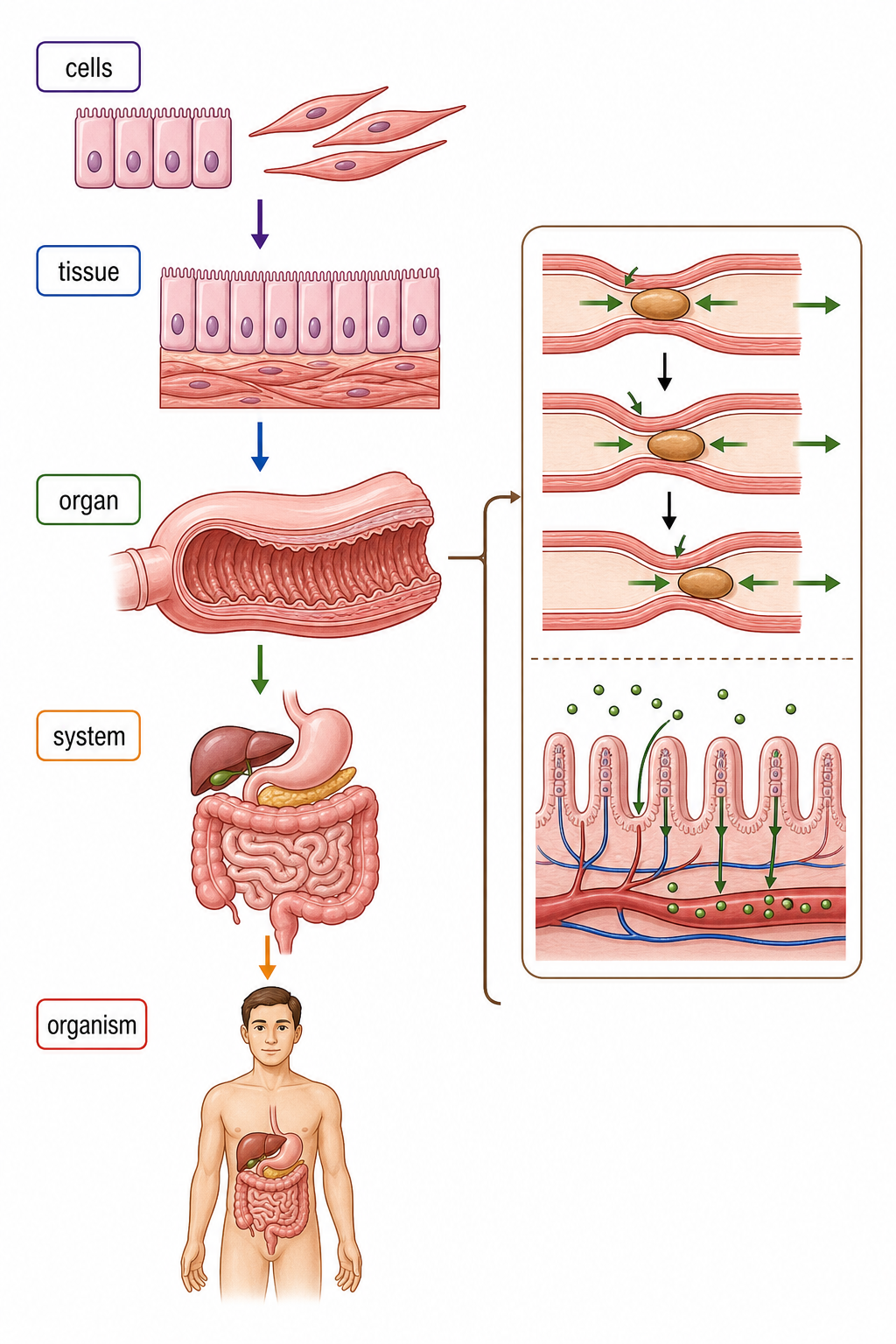
Intracellular enzyme reactions occur inside cells, whereas extracellular enzymes are secreted and catalyse reactions outside the cell that produced them.

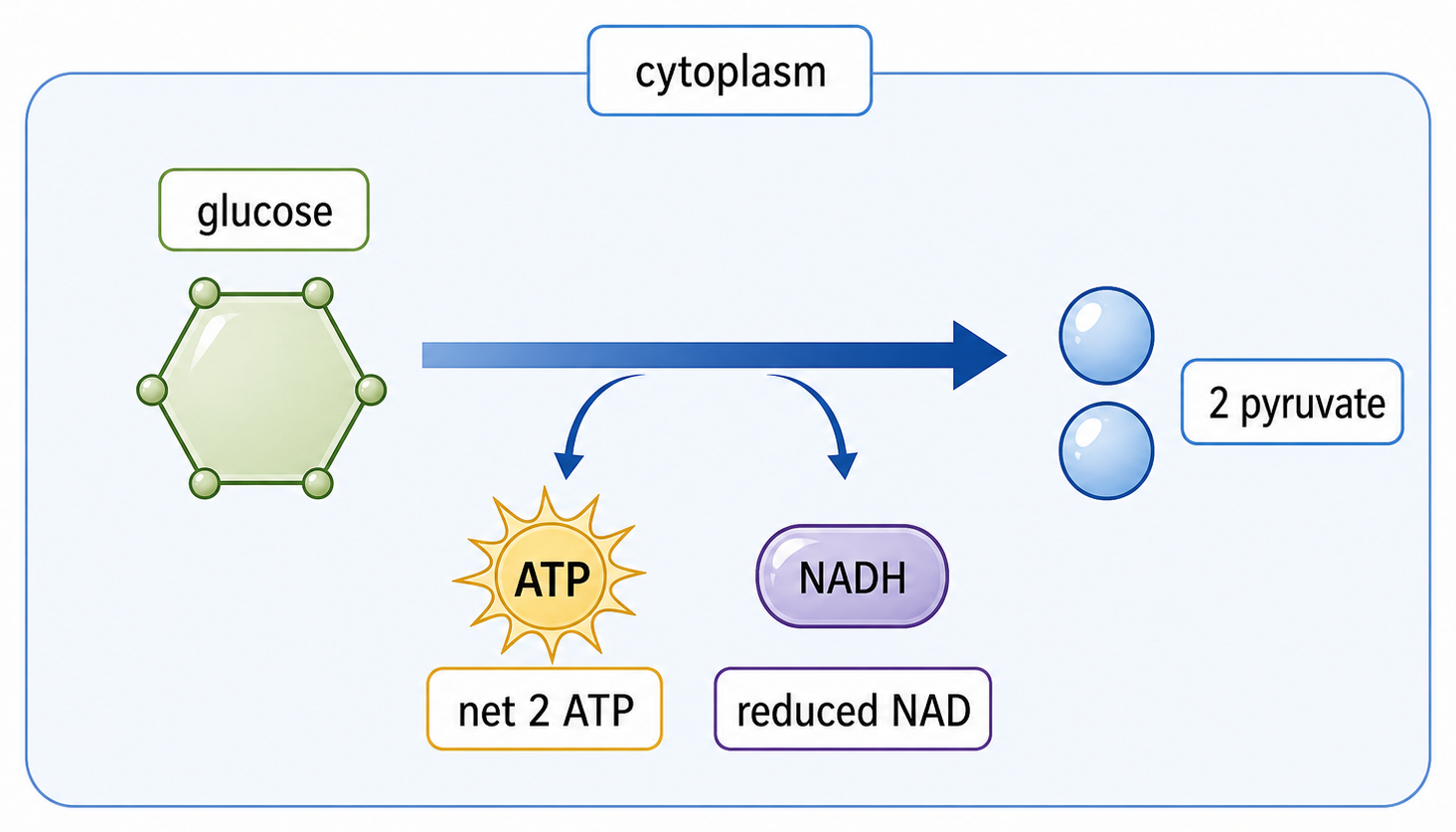
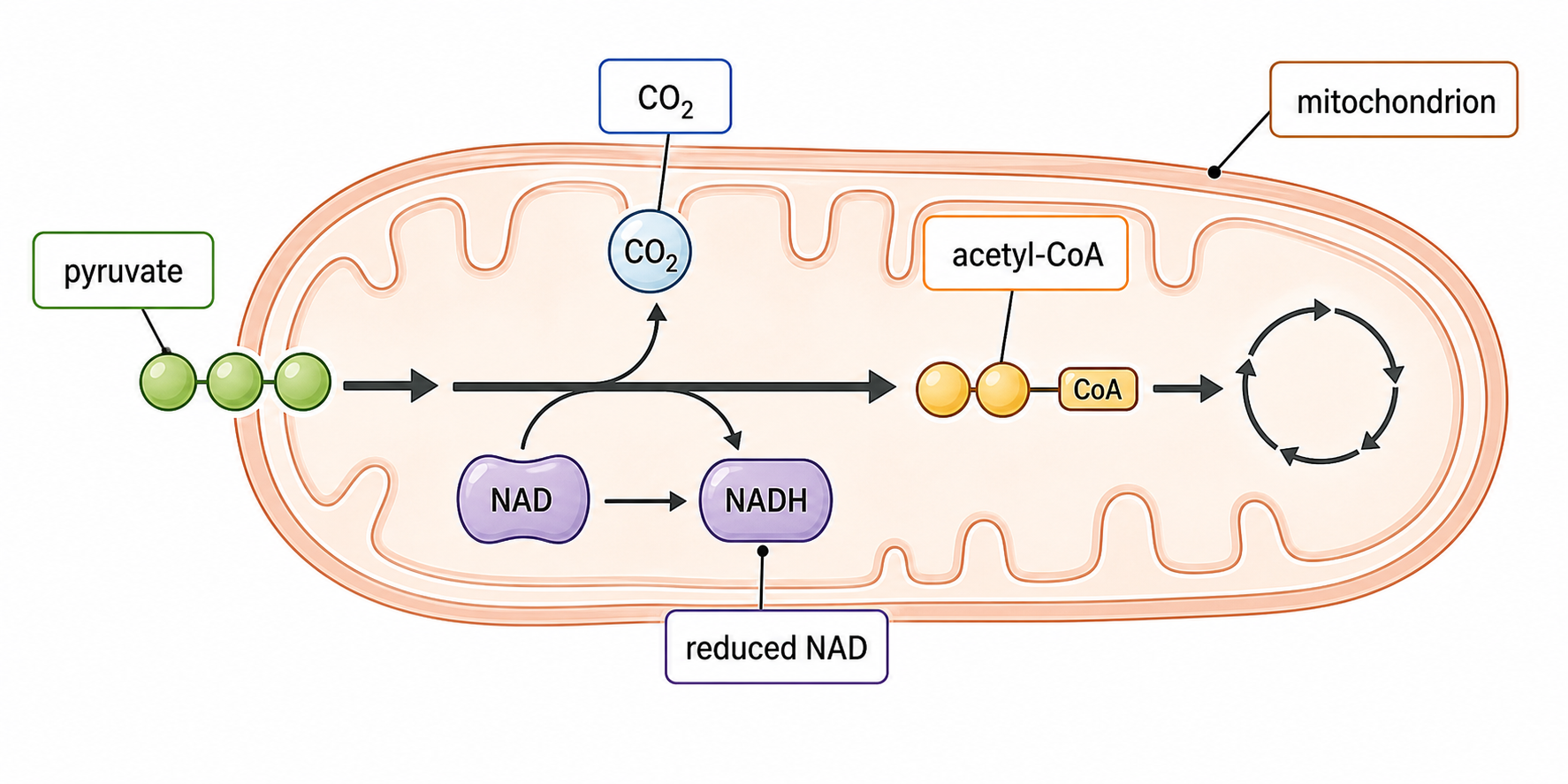
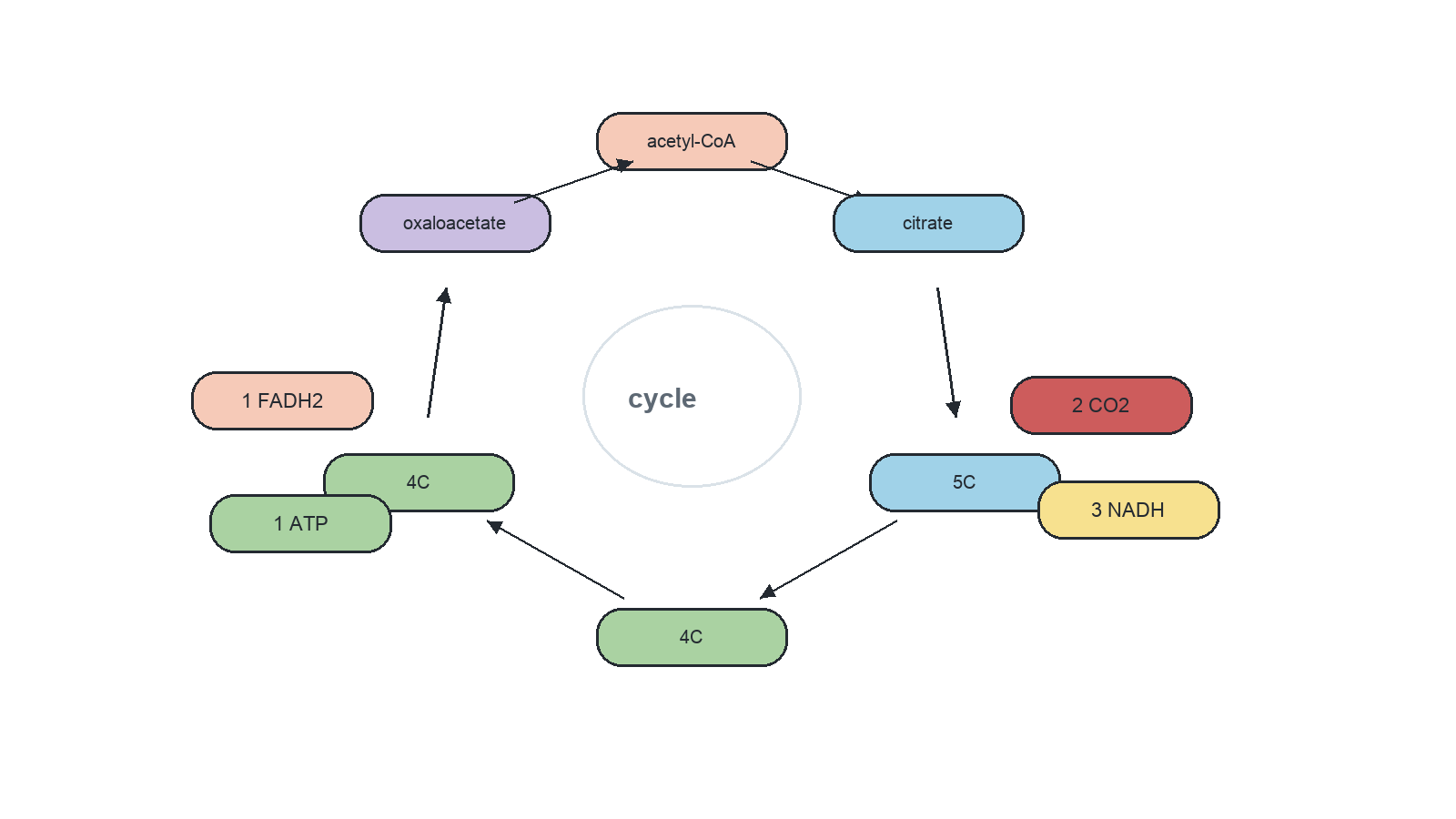
Glycolysis in the cytoplasm and the Krebs cycle in the mitochondrial matrix are intracellular pathways. Digestive enzymes secreted into the gut lumen catalyse extracellular chemical digestion.

Location matches access to substrate and conditions. Extracellular products must often be small enough for absorption, while intracellular products can feed directly into other compartmentalized pathways.

Pancreatic amylase is secreted into the small intestine and hydrolyses starch outside cells; absorbed sugars can then enter intracellular metabolic reactions.

Extracellular means outside the producing cell, not outside the organism. An enzyme enclosed in a cytoplasmic organelle is still intracellular.

Intracellular vs. extracellular enzymes

HL only

Assessment in practice

1–3 marks
How it is assessed

This objective is assessed through structured response, commonly using Explain / Discuss / Outline.

Command terms

Explain / Discuss / Outline / State / Identify

What earns marks

Build the answer around this relationship: Intracellular enzymes catalyse reactions inside cells.
Representative question

Question 1

[Maximum number: 4]

Outline the role of amylase in digestion in humans.
Enzyme Regulation

HL only

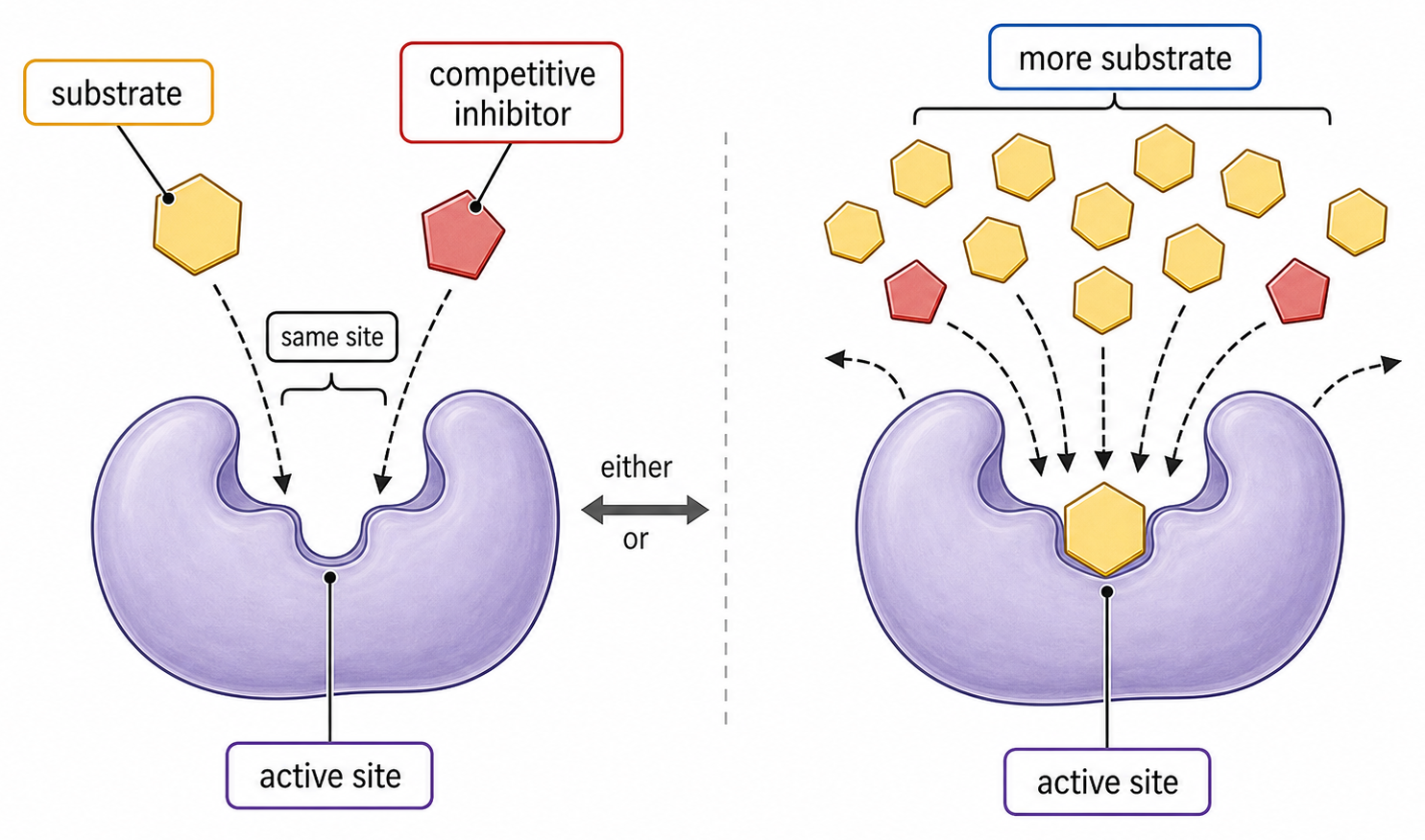
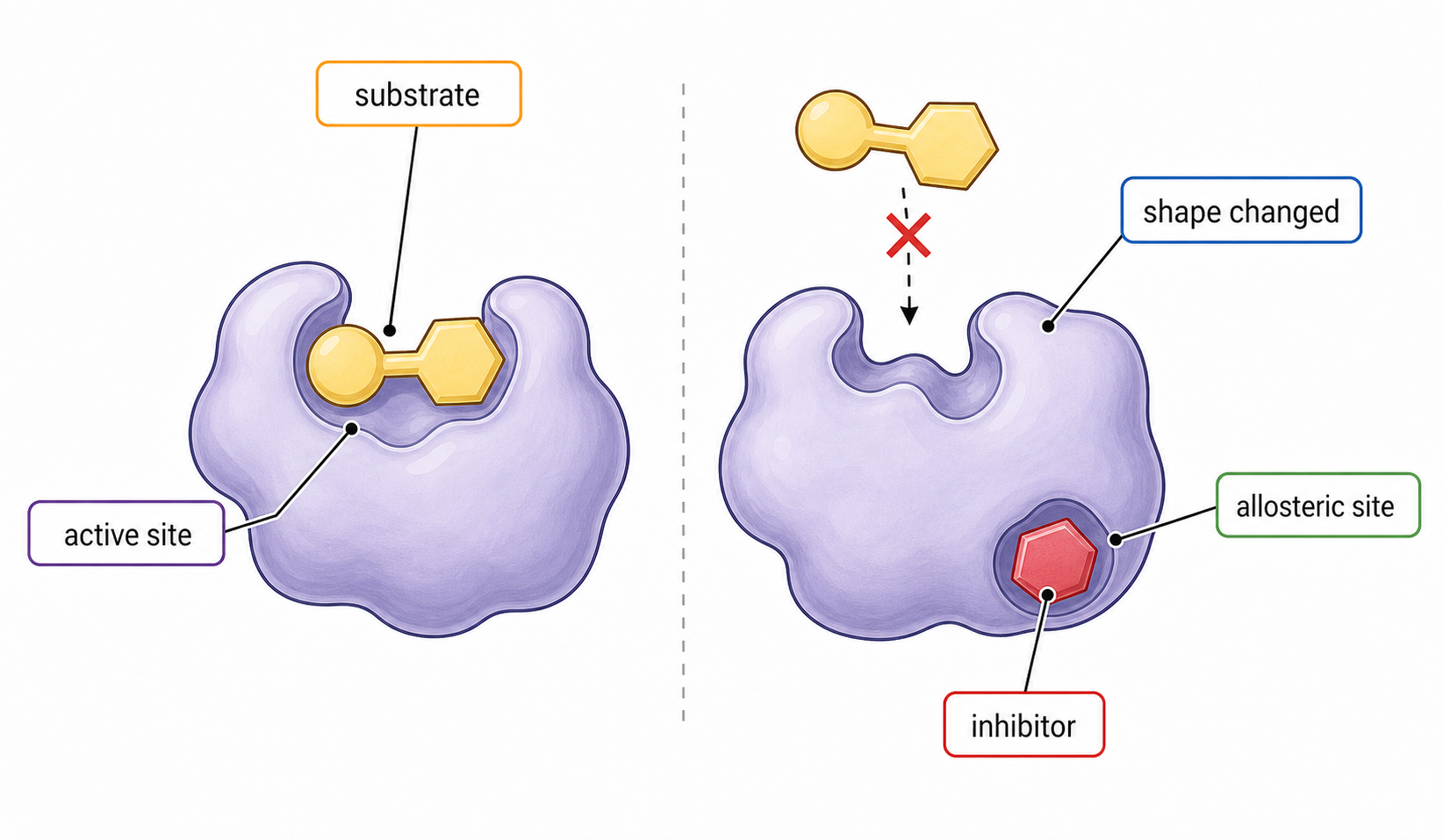
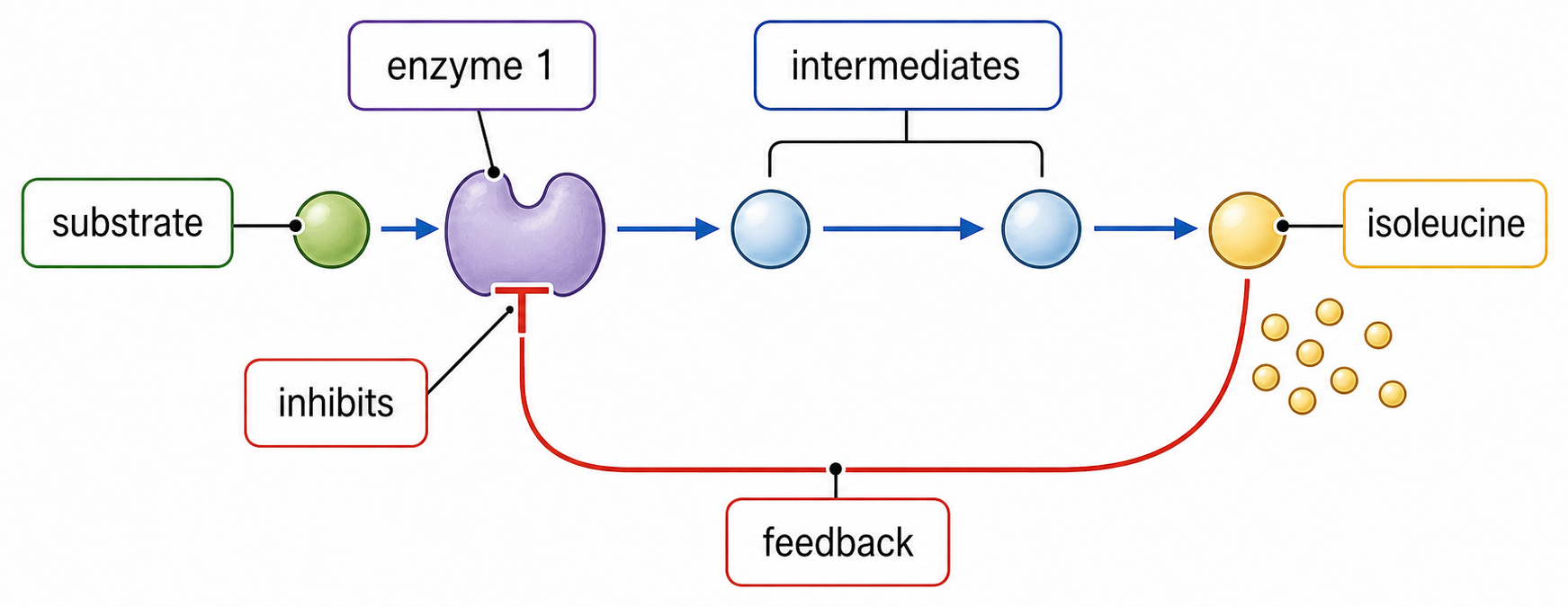
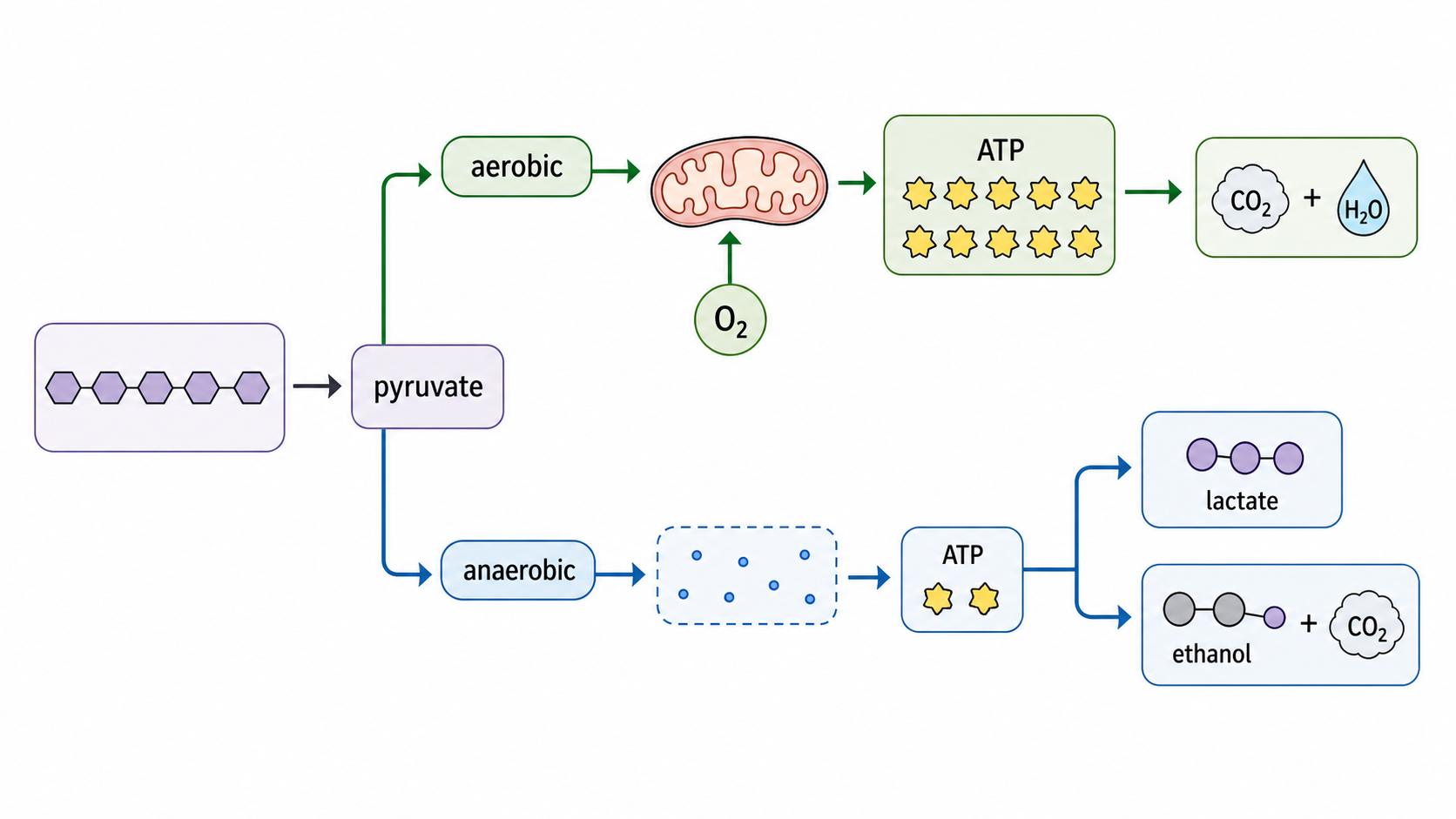
Enzymes can act inside or outside cells, metabolic reactions release heat, pathways may be linear or cyclical, and pathway output is regulated by inhibition. Competitive inhibitors bind active sites and can be overcome by more substrate; non-competitive inhibitors bind allosteric sites; feedback inhibition uses end products to inhibit earlier enzymes; mechanism-based inhibitors trap enzymes after reaction begins.
  • Location: intracellular versus extracellular enzyme action.
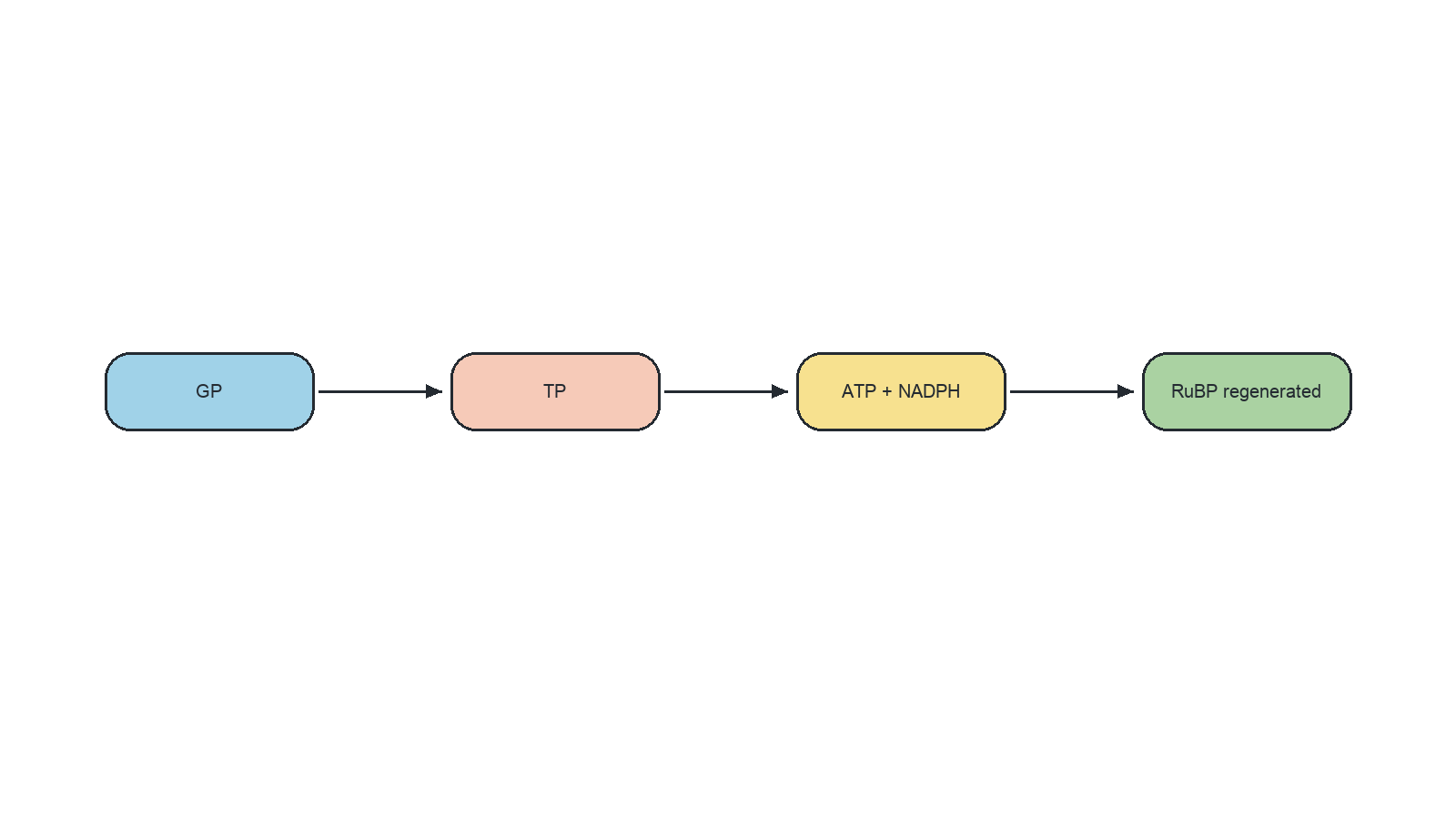
  • Pathway shape: linear products move forward; cyclical pathways regenerate acceptors.
  • Inhibition: competitive active-site competition, non-competitive allosteric shape change, feedback end-product control, mechanism-based irreversible trapping.

Concept essentials

  • Intracellular enzymes catalyse reactions inside cells.
  • Extracellular enzymes are secreted and act outside cells.
  • Pancreatic enzymes digest starch, lipids and proteins in the small intestine.
  • Inactive protease precursors help prevent self-digestion.