Q BankQuestion BankDocsDocuments

C1.1.14 (HL)—Allosteric sites and non-competitive inhibition

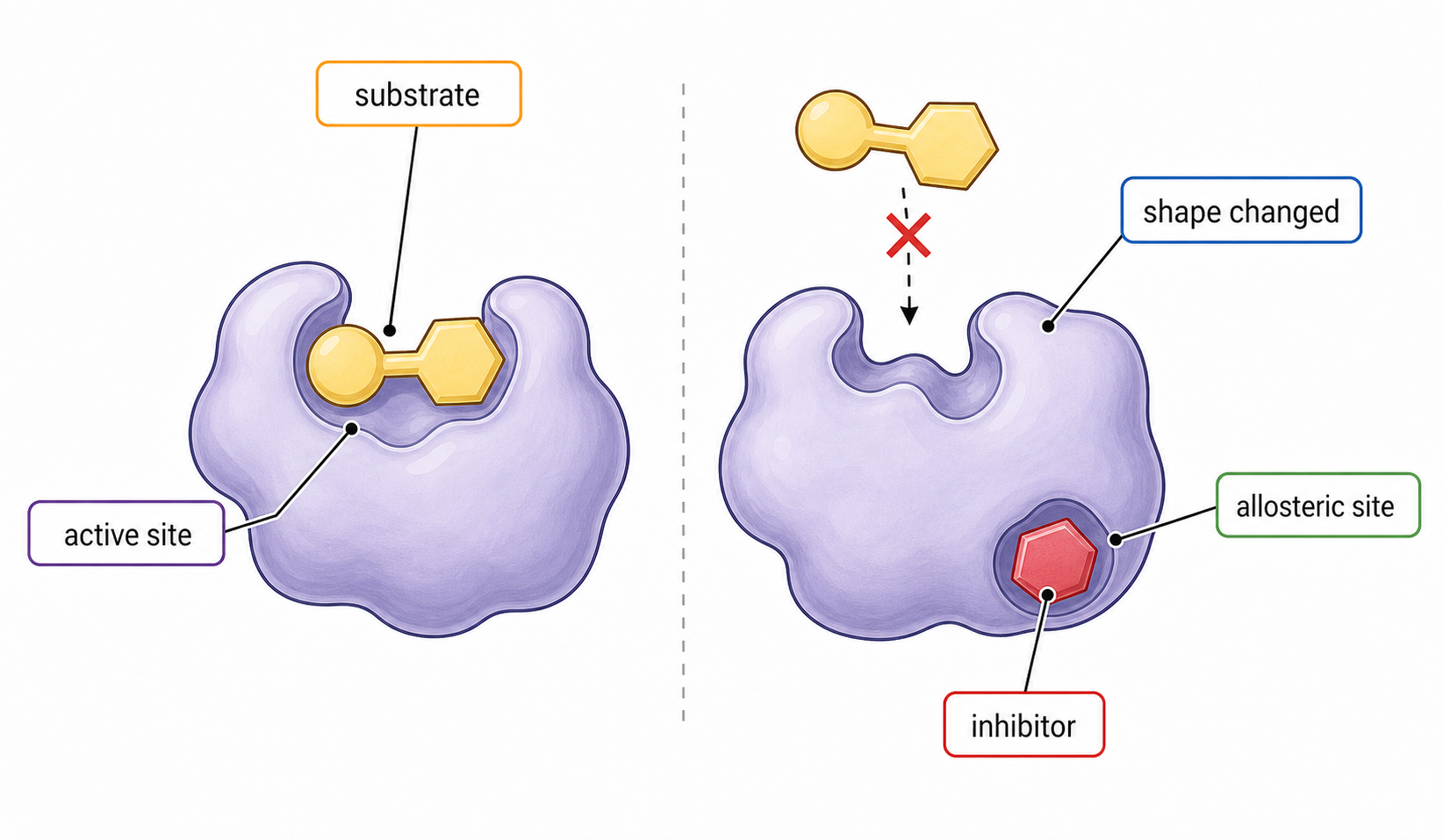
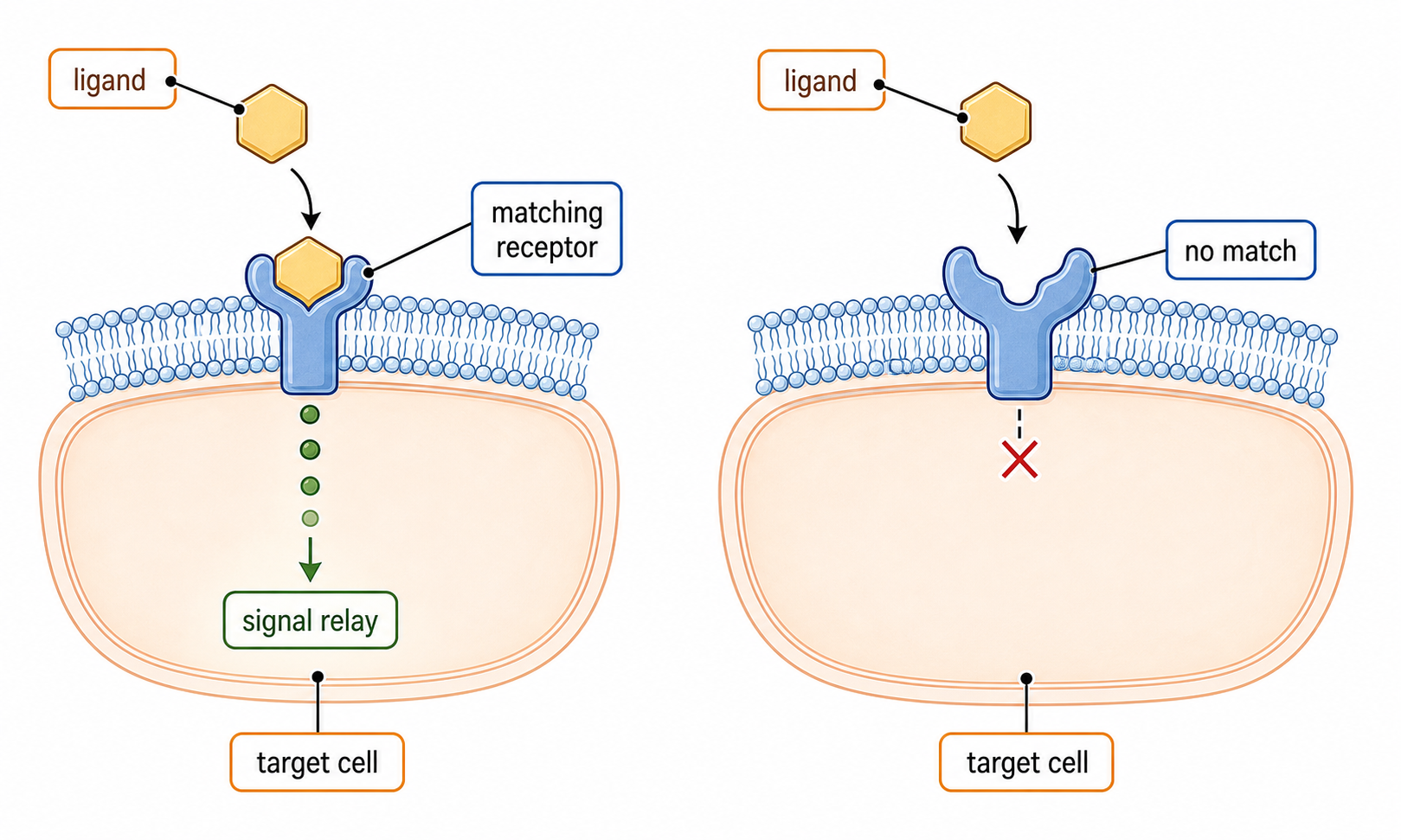
Non-competitive inhibitors bind allosteric sites away from active sites, changing enzyme shape and reducing catalytic activity despite substrate presence in reactions.
Syllabus
First assessment 2025
Objective
C1.1.14
Level
HL

Exam analysis

Chance of appearing5%of analysed past papers
Latest appearanceNovember 2024
Most common paperPaper1
Typical marks1

Common command terms

  • Describe
  • Explain
  • Deduce
  • Outline
  • Compare
  • Distinguish

Recent exam appearances

November 2024Paper2 ["HL"] · TZ06(a)[ 4 ]C1.1.14 (HL)—Allosteric sites and non-competitive inhibition
November 2023Paper1 ["HL"] · TZ224[ 1 ]C1.1.14 (HL)—Allosteric sites and non-competitive inhibition
May 2021Paper1 ["HL"] · TZ229[ 1 ]C1.1.14 (HL)—Allosteric sites and non-competitive inhibition
November 2016Paper1 ["HL"] · TZ029[ 1 ]C1.1.14 (HL)—Allosteric sites and non-competitive inhibition
November 2013Paper1 ["HL"] · TZ028[ 1 ]C1.1.14 (HL)—Allosteric sites and non-competitive inhibition
Practice this objective

Coverage 2012–2024 · Updated 15 Jul 2026

Concept essentials

  • Non-competitive inhibitors bind away from the active site.
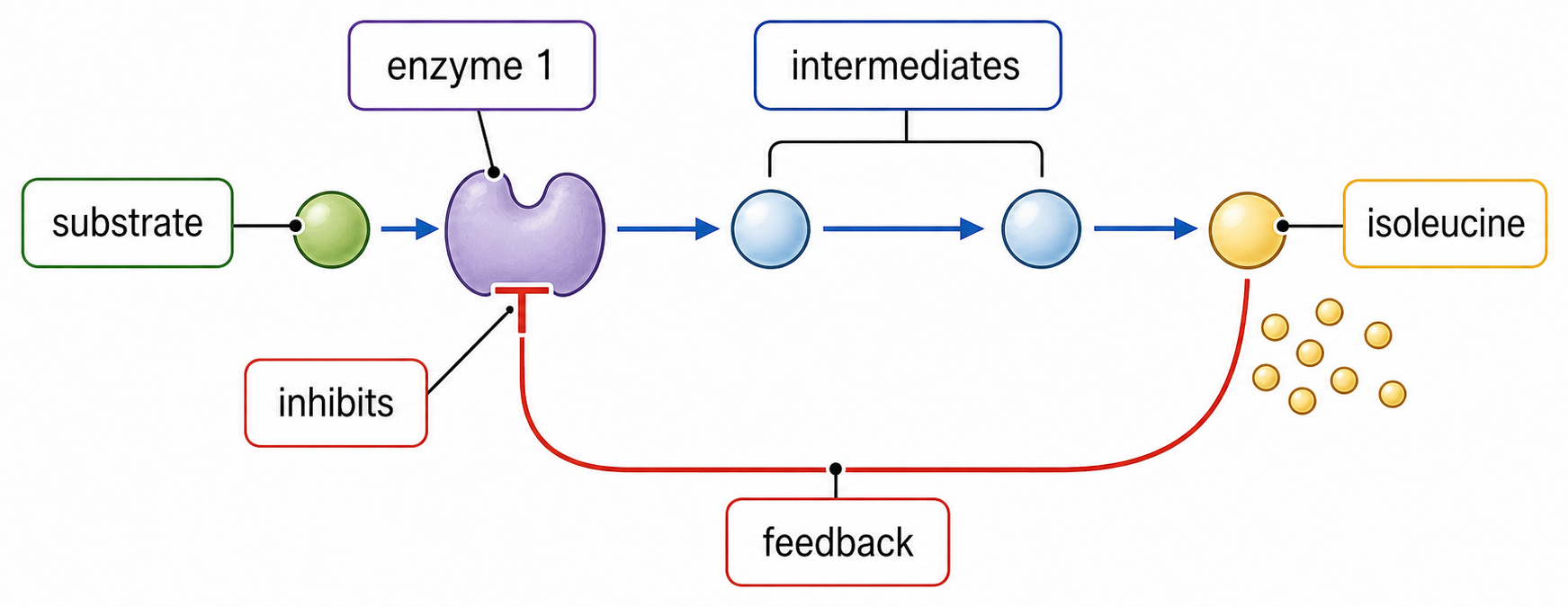
  • Allosteric binding can change active-site shape and reduce activity.
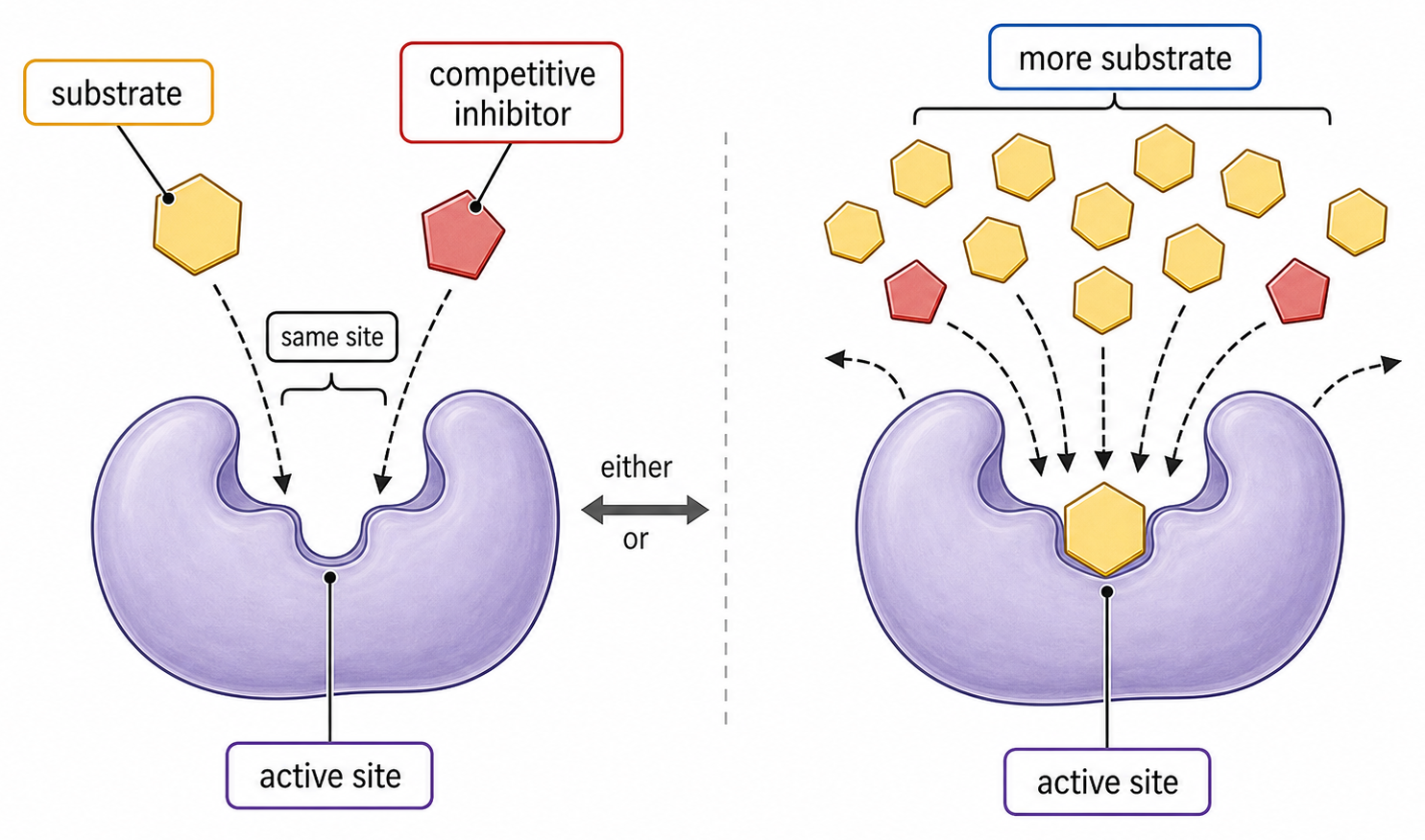
  • Increasing substrate concentration does not overcome non-competitive inhibition.
  • Competitive and non-competitive inhibition differ in binding site and substrate response.
ConceptIB Biology HL