C1.1.17 (HL)—Mechanism-based inhibition

Mechanism-based inhibitors become irreversible after enzyme-catalysed reaction begins, permanently blocking further catalytic activity at the active site during catalysis and treatment.

Syllabus
First assessment 2025
Objective
C1.1.17
Level
HL

Mechanism-based Inhibitors Disable an Enzyme during Reaction

HL only

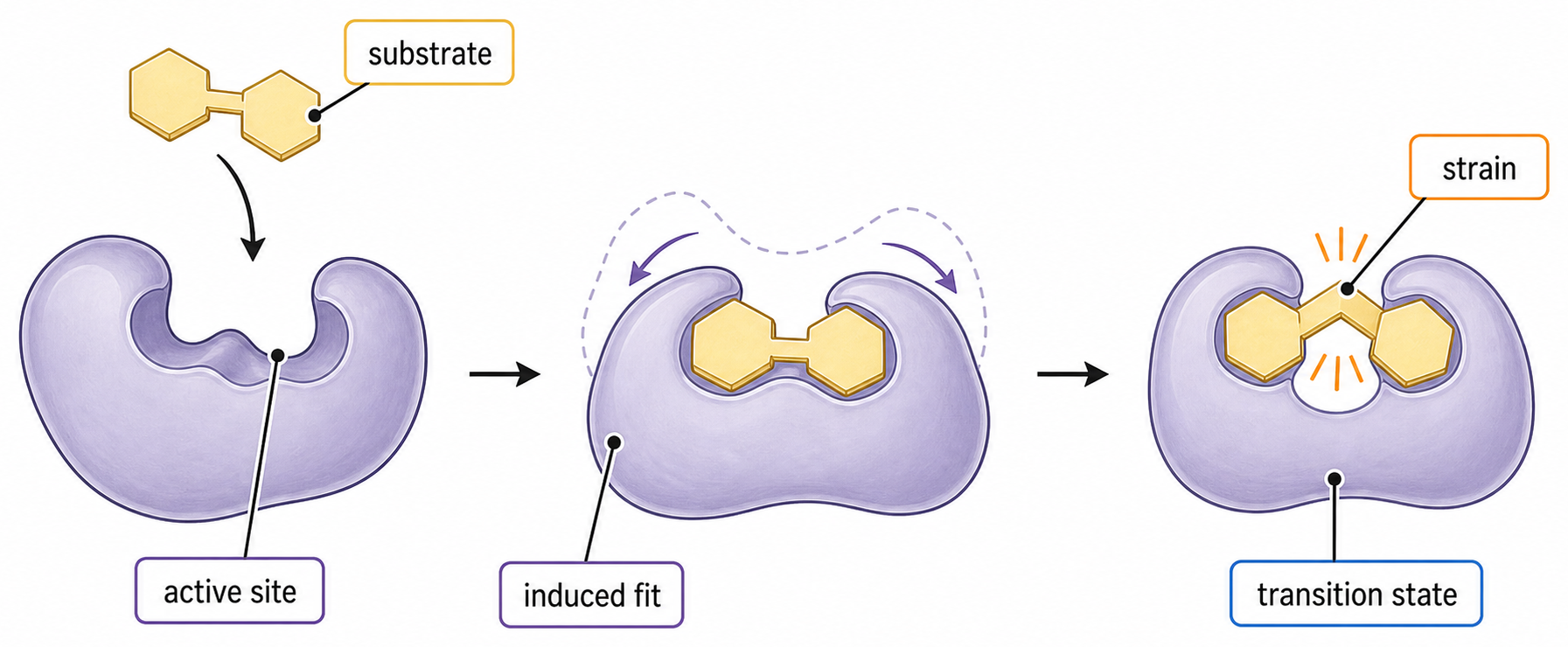
A mechanism-based inhibitor undergoes enzyme-catalysed chemistry and then binds irreversibly or causes an irreversible active-site change, disabling that enzyme molecule.

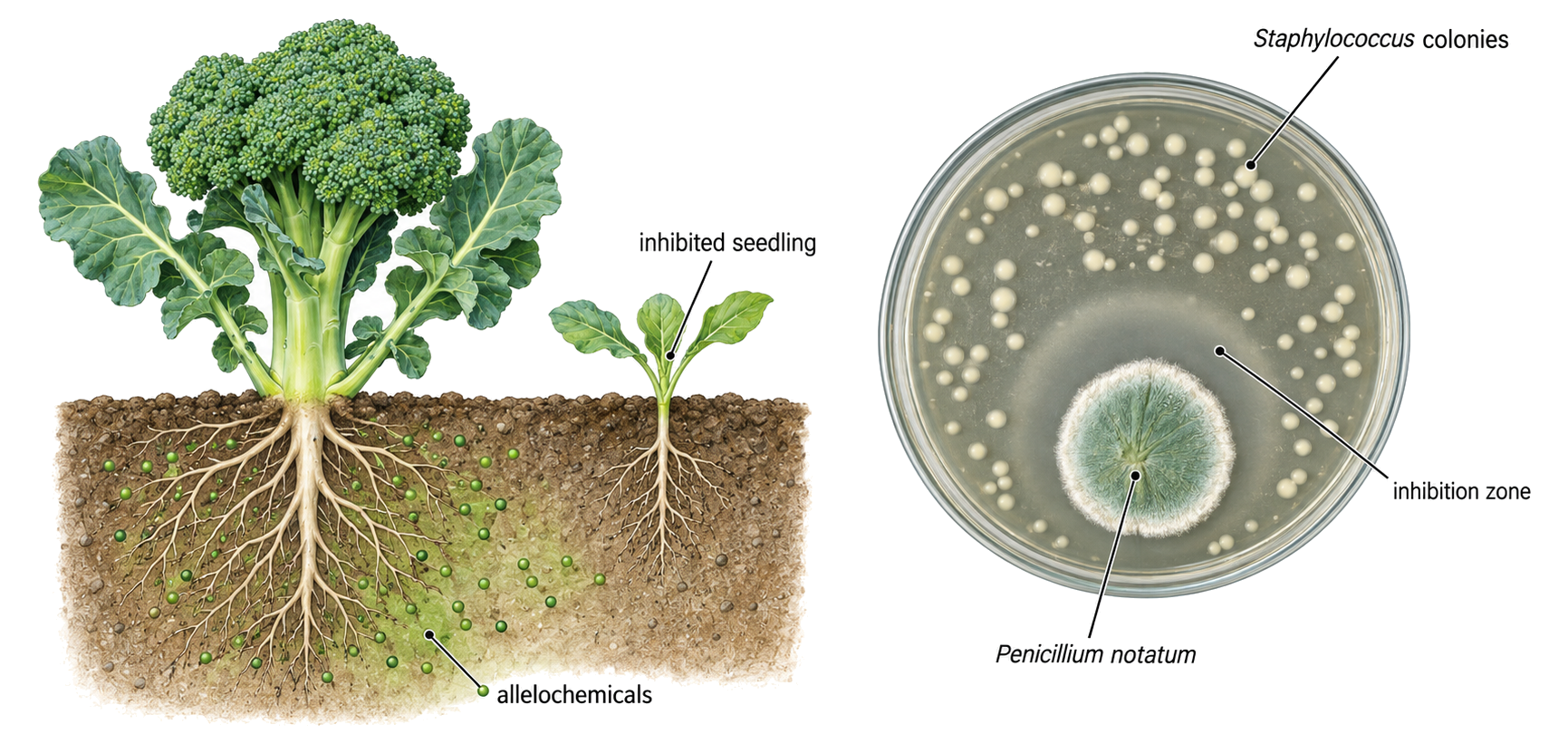
Penicillin acts on bacterial transpeptidase involved in peptidoglycan cross-linking. Interaction at the active site forms a stable covalent complex, preventing further wall cross-link formation.

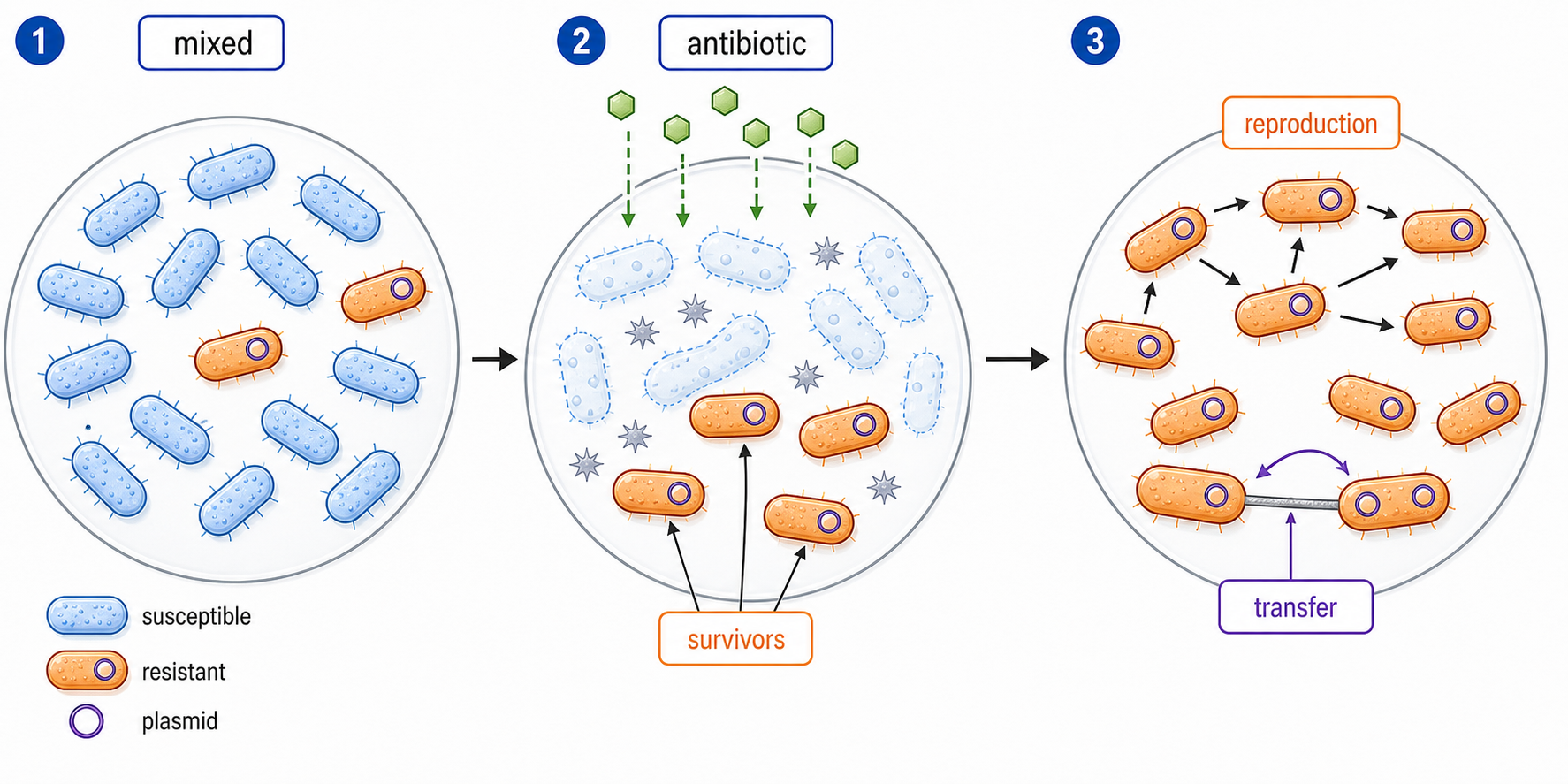
Without effective cross-linking, growing bacterial walls are weakened. Resistance can arise when a transpeptidase changes so penicillin binds or reacts less effectively while the enzyme still performs its normal function.

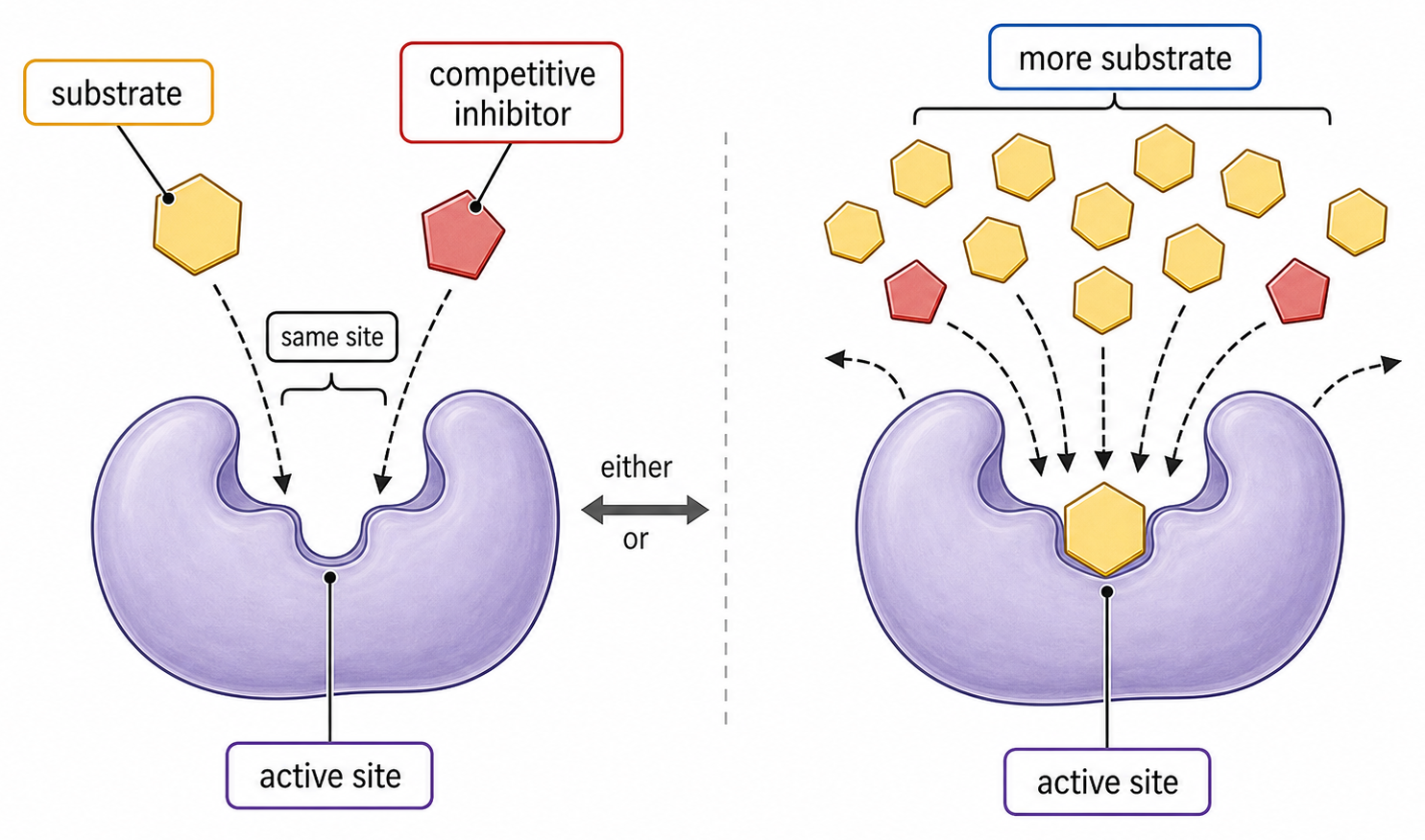
Unlike a reversible competitive inhibitor, increasing the normal substrate cannot reactivate a transpeptidase molecule already irreversibly modified by penicillin; new functional enzyme is required.

Mechanism-based inhibition is not merely temporary active-site competition. Penicillin targets bacterial wall synthesis; it does not directly inhibit an equivalent human cell-wall pathway.

Enzyme Regulation

HL only

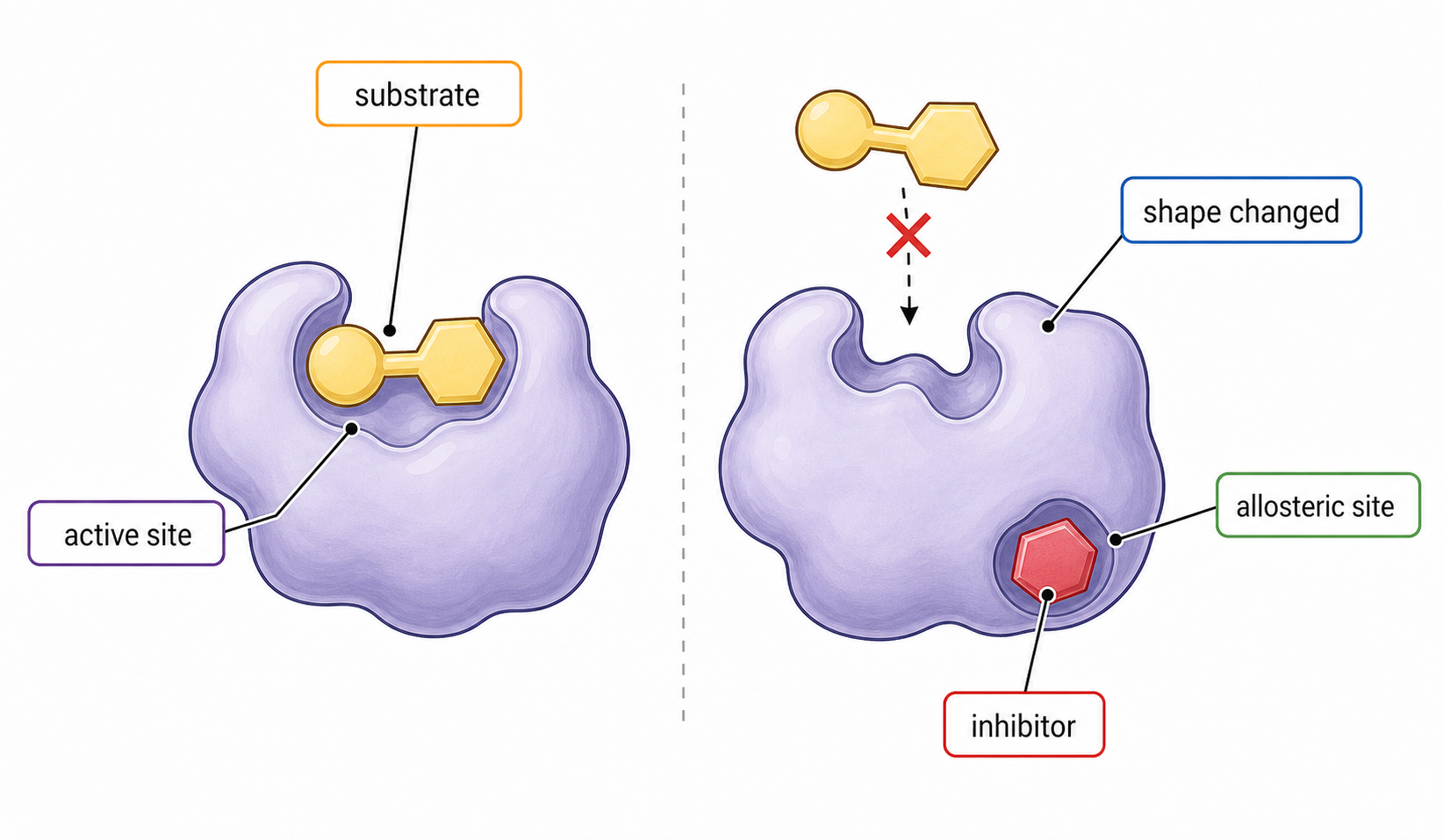
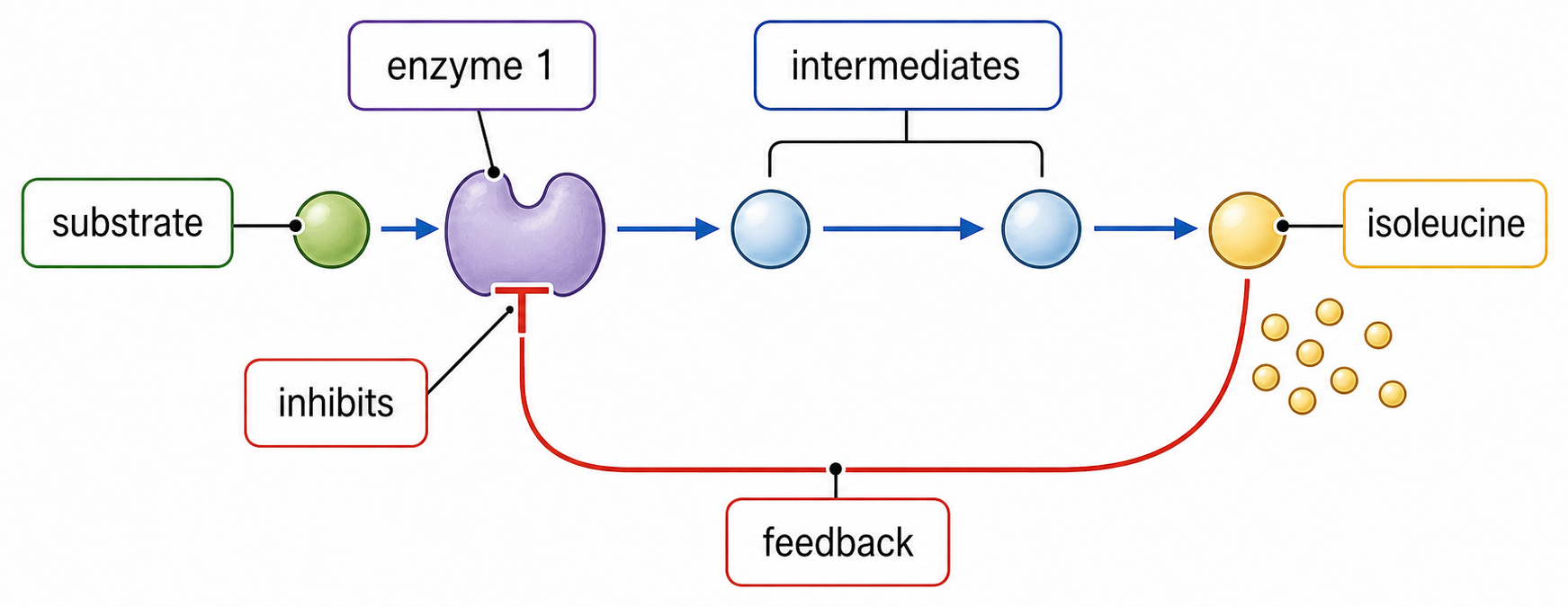
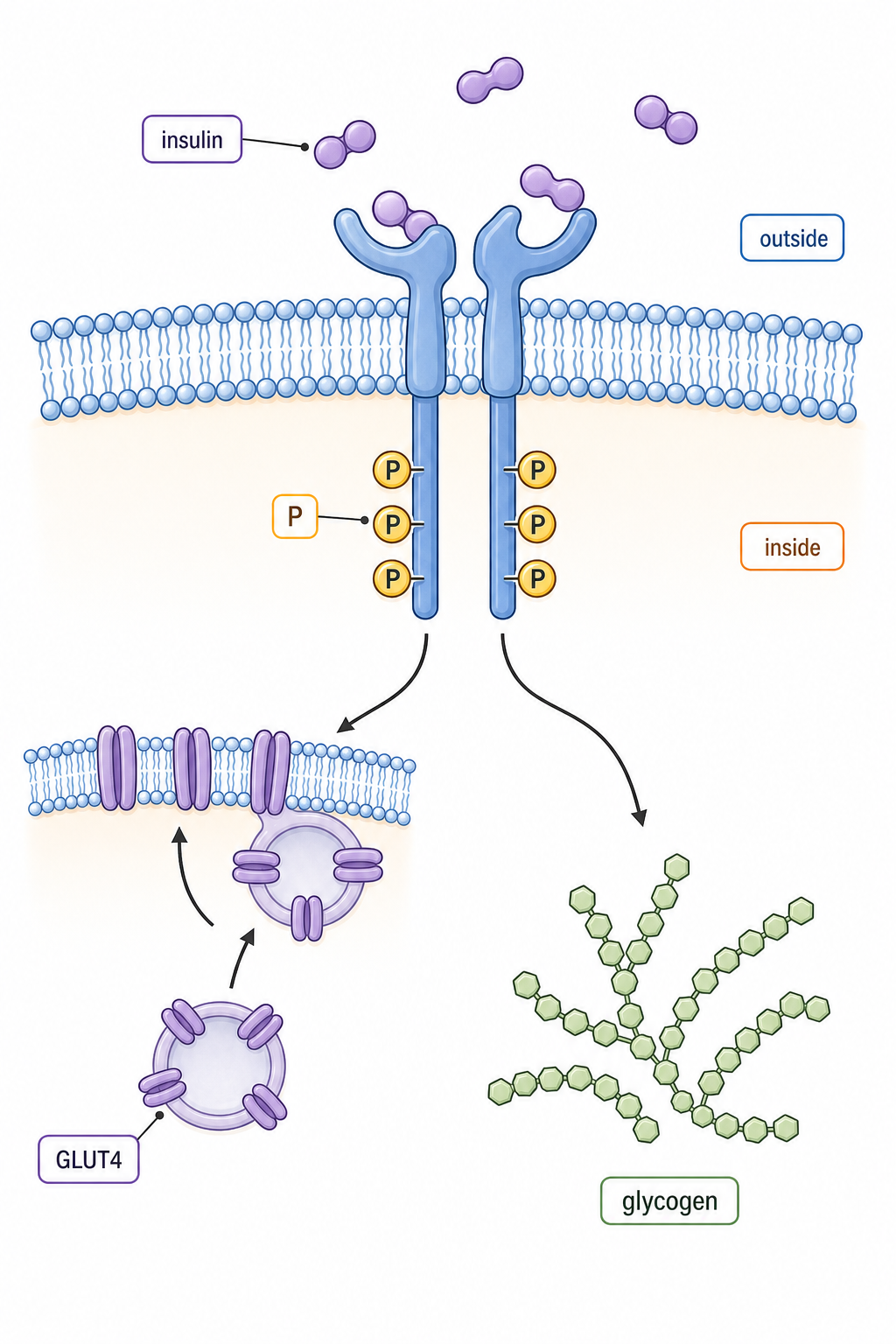
Enzymes can act inside or outside cells, metabolic reactions release heat, pathways may be linear or cyclical, and pathway output is regulated by inhibition. Competitive inhibitors bind active sites and can be overcome by more substrate; non-competitive inhibitors bind allosteric sites; feedback inhibition uses end products to inhibit earlier enzymes; mechanism-based inhibitors trap enzymes after reaction begins.
  • Location: intracellular versus extracellular enzyme action.
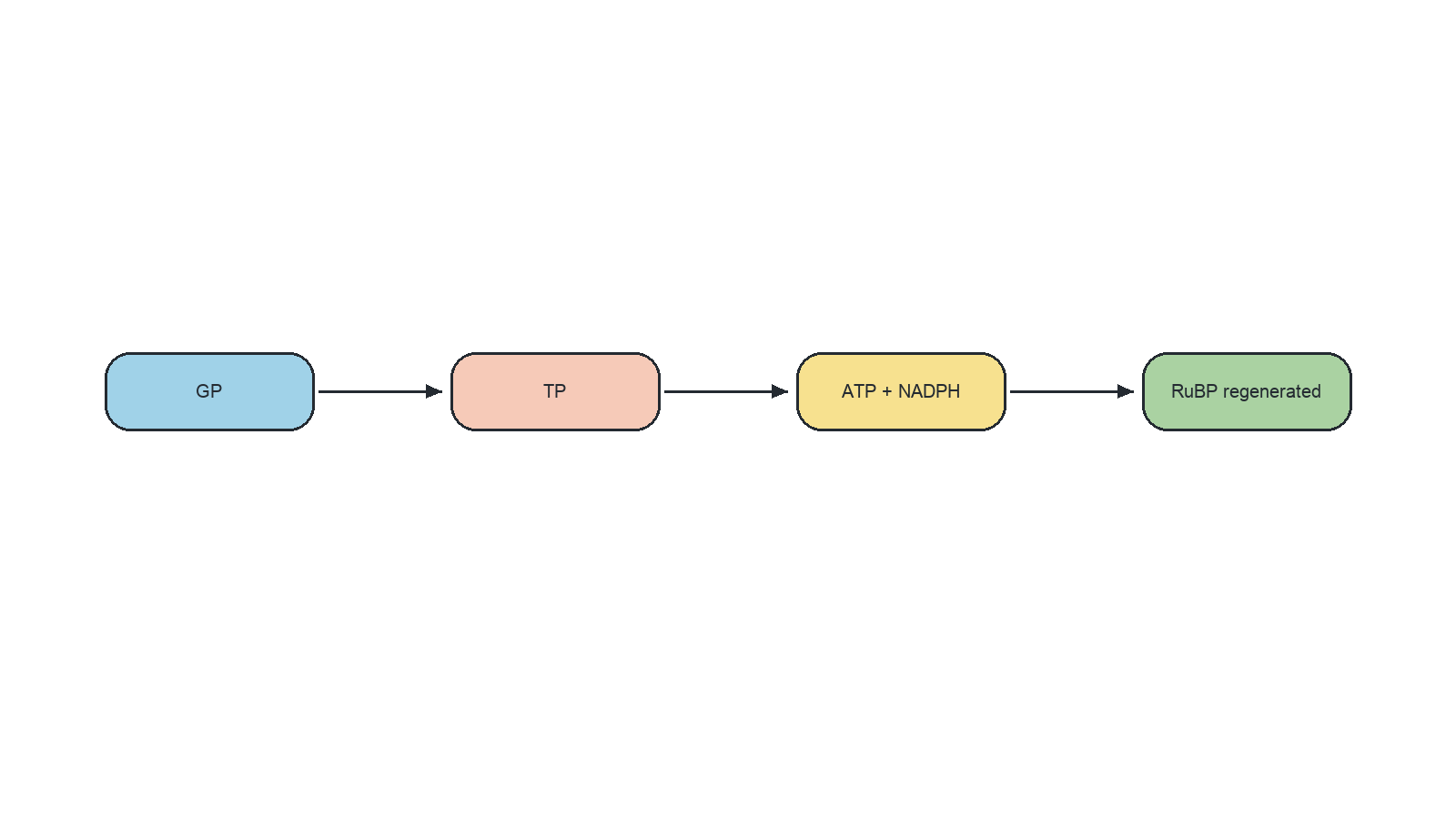
  • Pathway shape: linear products move forward; cyclical pathways regenerate acceptors.
  • Inhibition: competitive active-site competition, non-competitive allosteric shape change, feedback end-product control, mechanism-based irreversible trapping.

Concept essentials

  • Mechanism-based inhibitors become activated during the enzyme reaction.
  • The resulting inhibition is irreversible.
  • The active site is permanently blocked or modified.
  • Penicillin inhibits bacterial transpeptidase and prevents cell-wall cross-linking.