C1.1.3—Anabolic and catabolic reactions
Anabolic reactions build larger molecules, while catabolic reactions break molecules down and release usable materials or energy for cellular processes.
- Syllabus
- First assessment 2025
- Objective
- C1.1.3
- Level
- HL
Anabolic reactions build larger molecules, while catabolic reactions break molecules down and release usable materials or energy for cellular processes.
Coverage 2016–2023 · Updated 15 Jul 2026
Anabolic reactions build larger molecules from smaller units and require energy; catabolic reactions break down or oxidize molecules and often release usable energy.
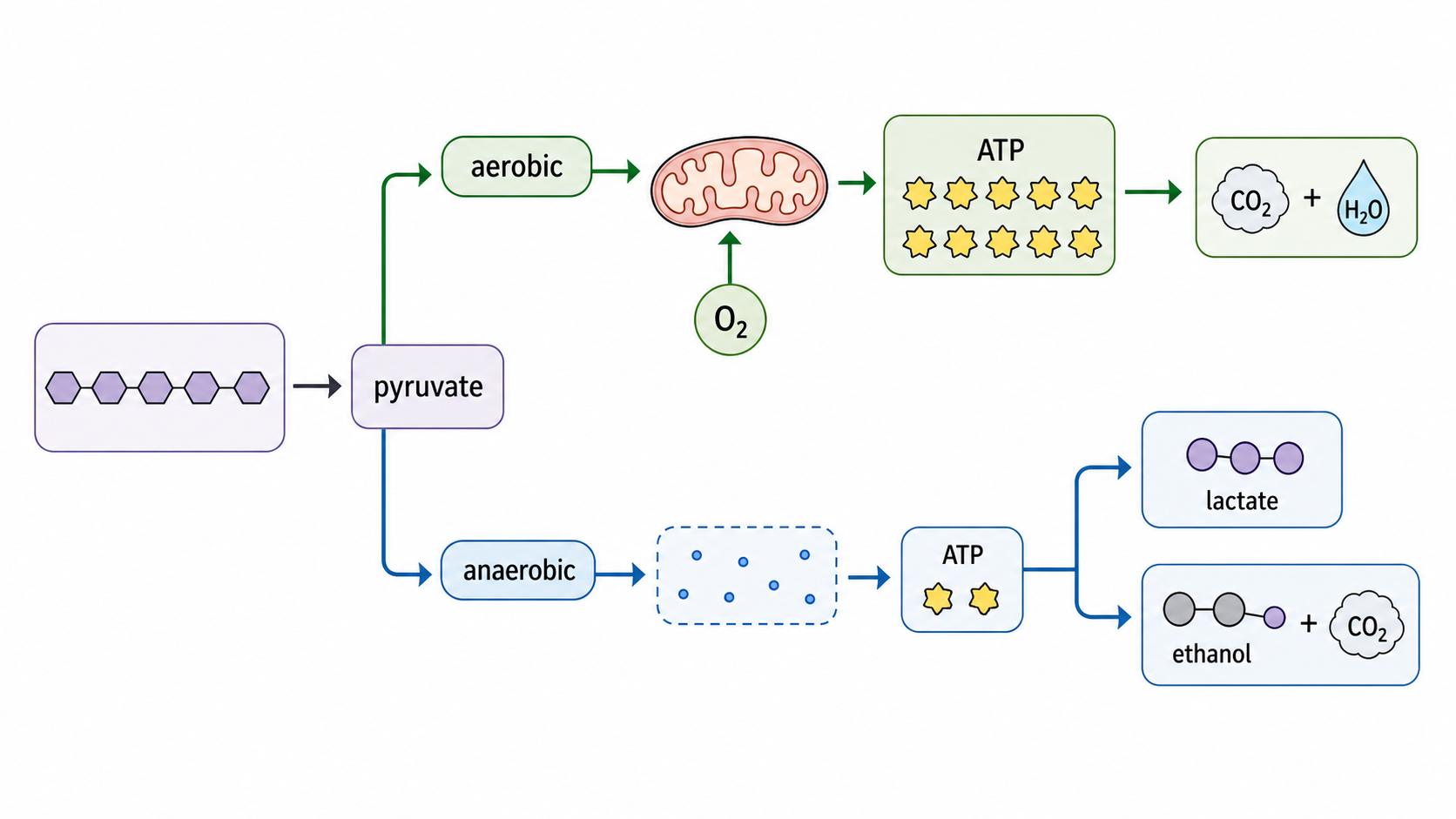
Anabolism commonly joins monomers by condensation, forming covalent bonds and releasing water. Catabolism includes hydrolysis of macromolecules in digestion and oxidation of respiratory substrates.
| Anabolism | Catabolism |
|---|---|
| Amino acids → proteins by condensation | Proteins → amino acids by hydrolysis in digestion |
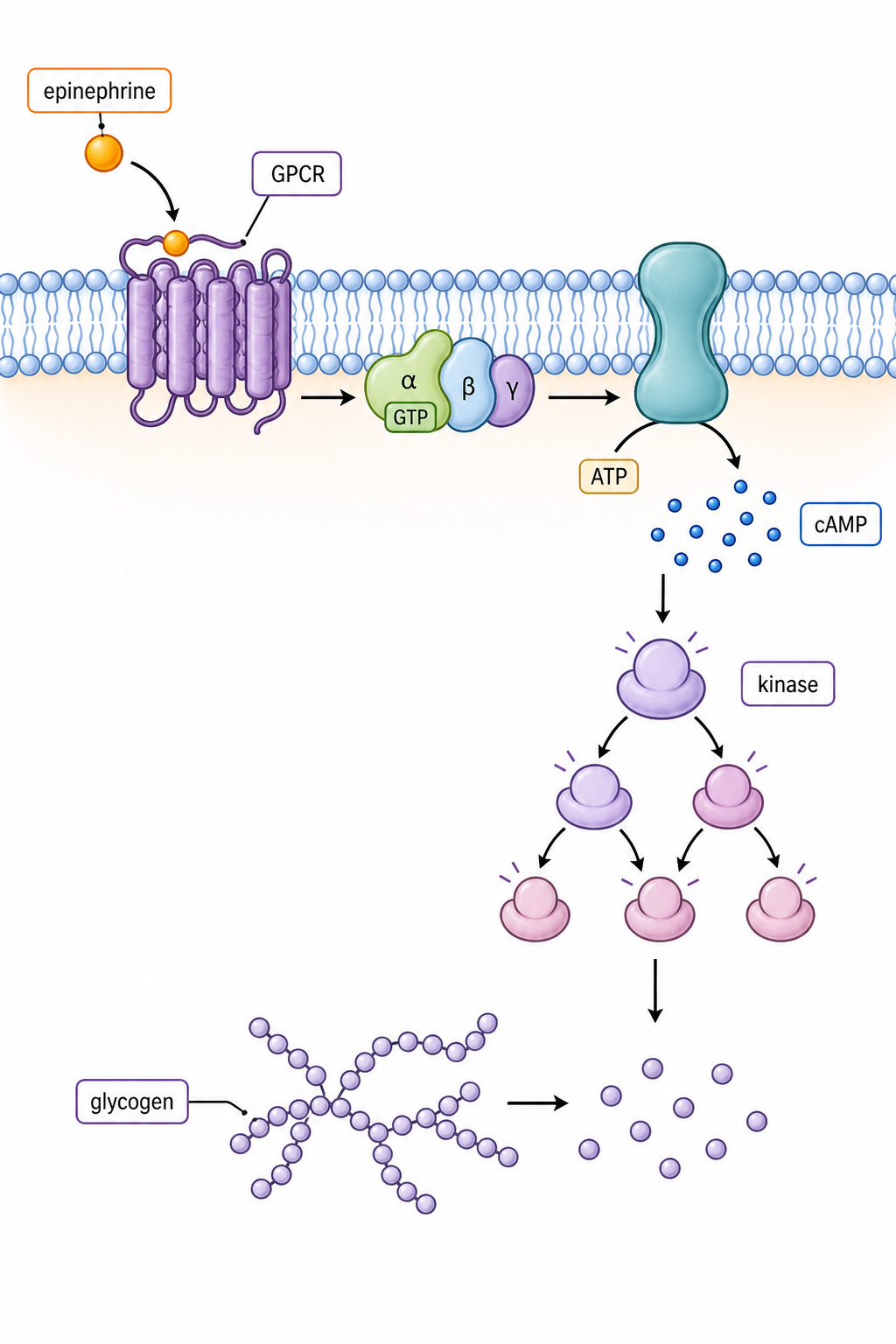
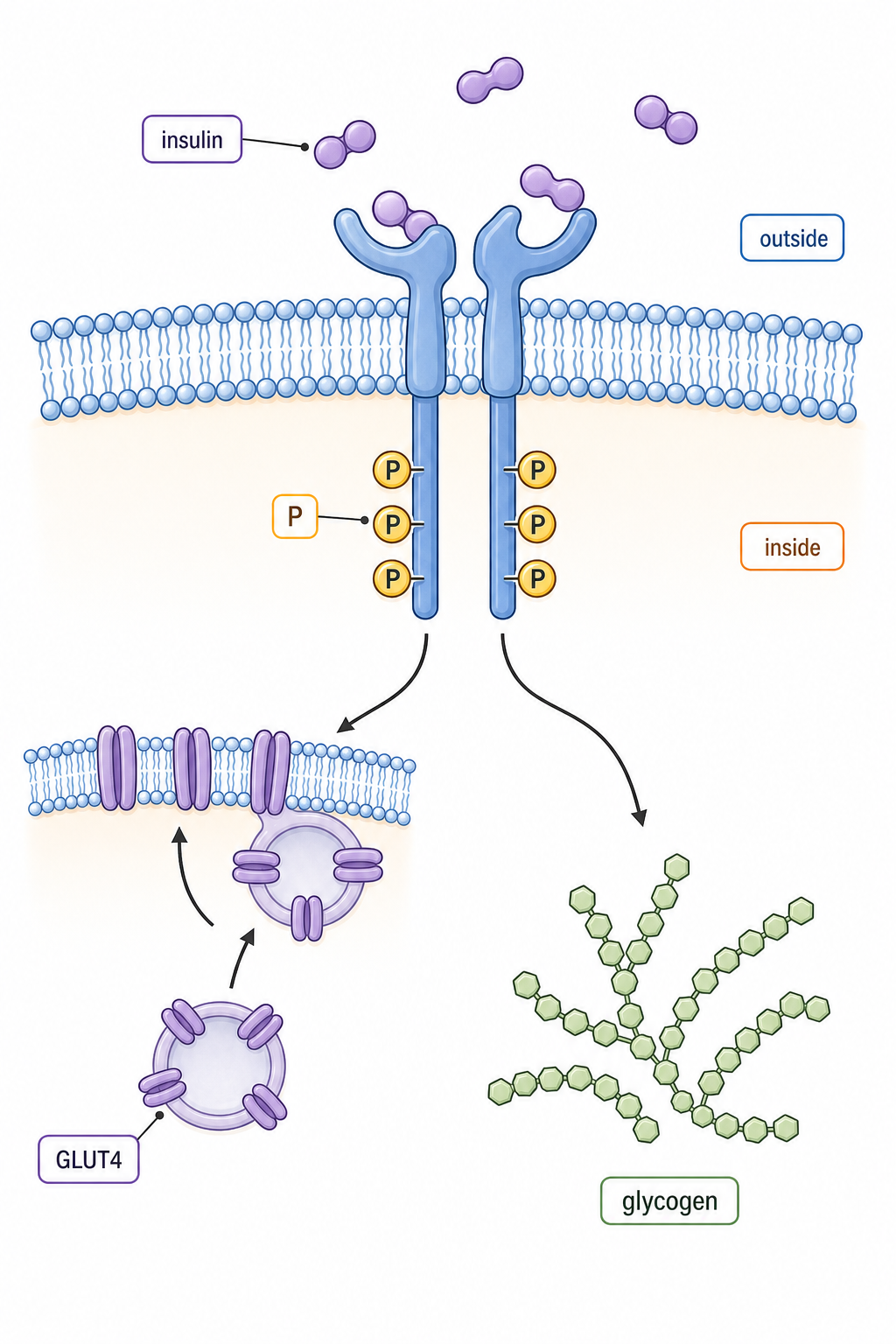
| Glucose → glycogen | Glycogen or other macromolecules → smaller units |
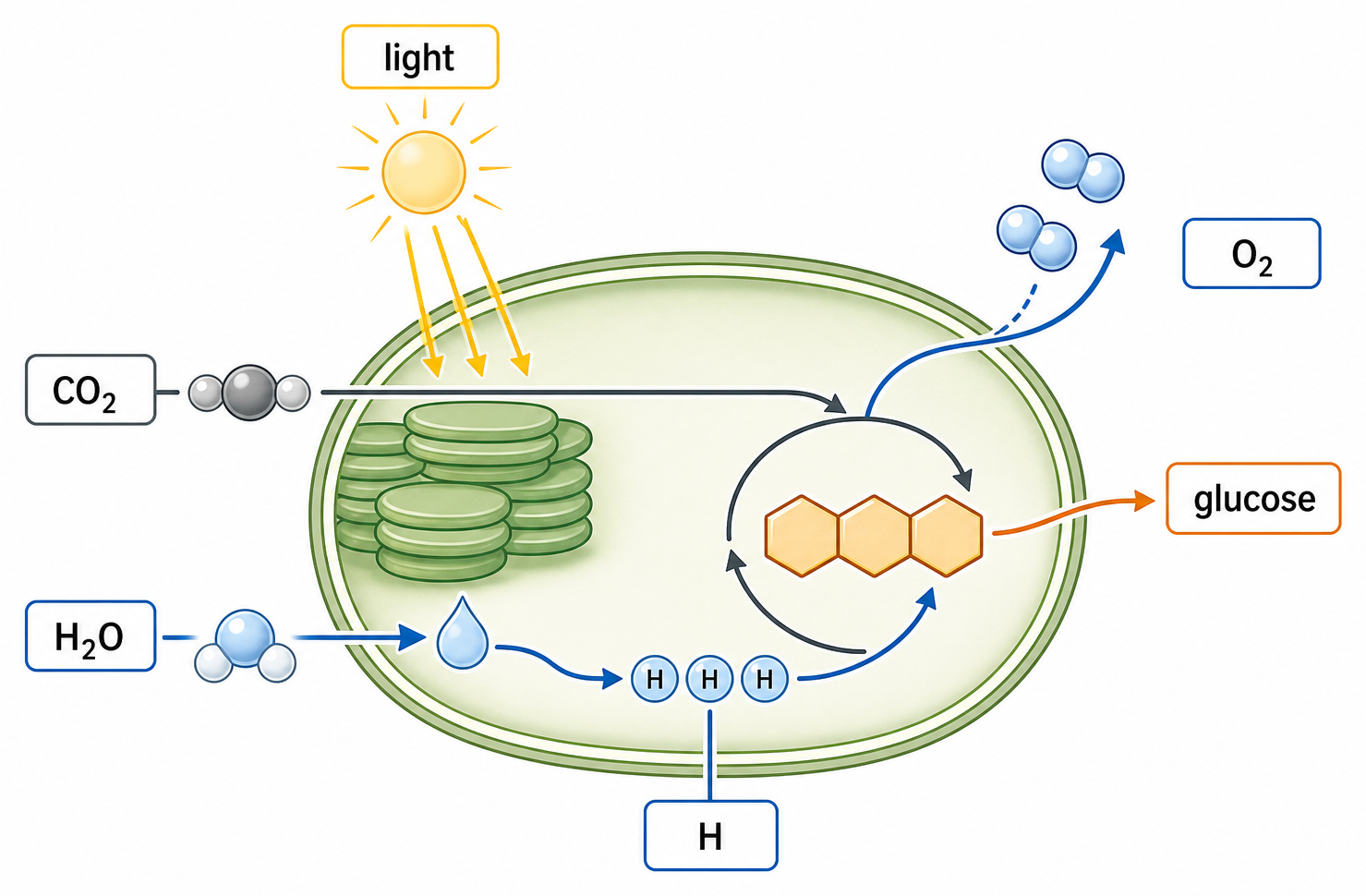
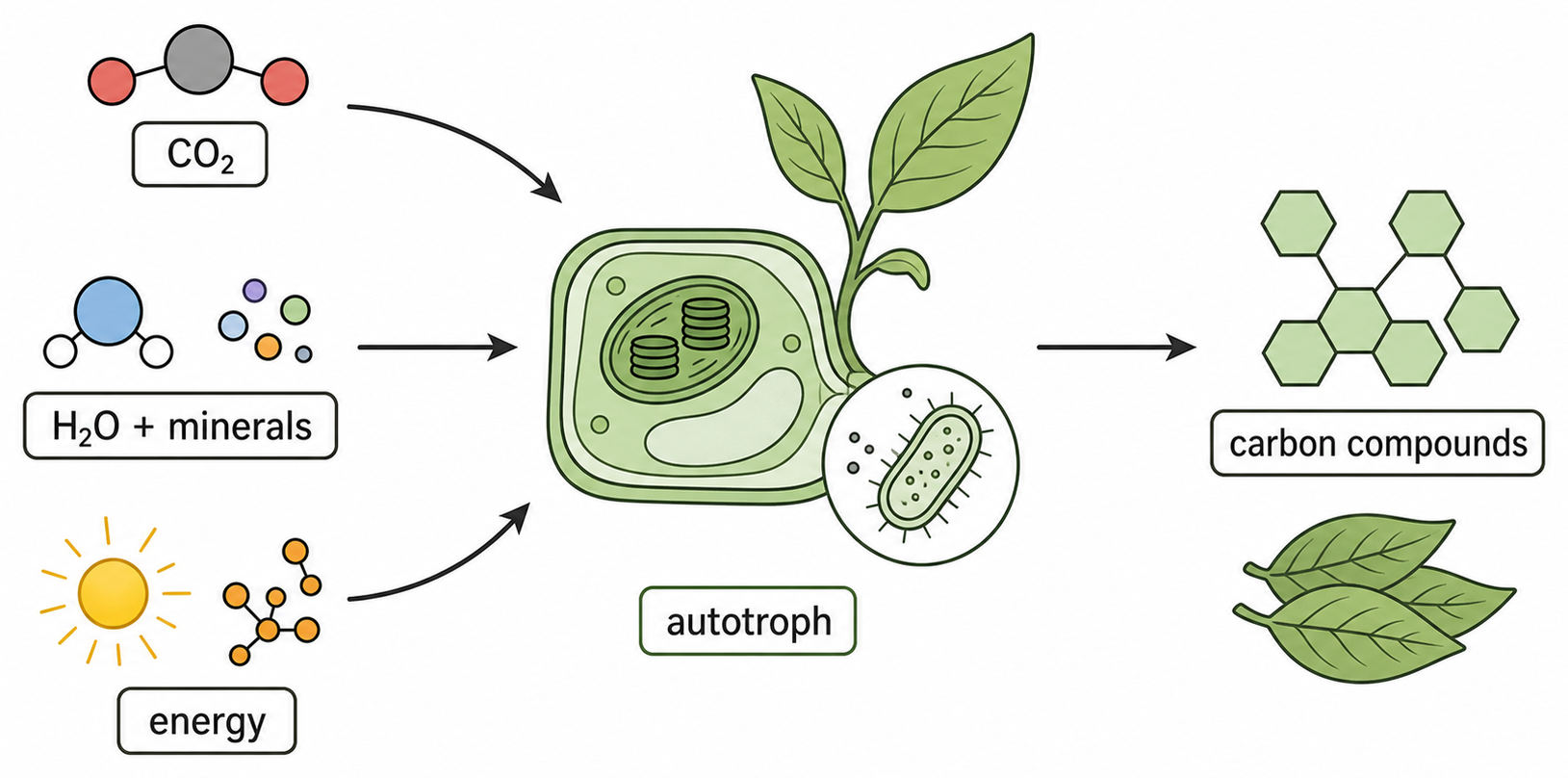
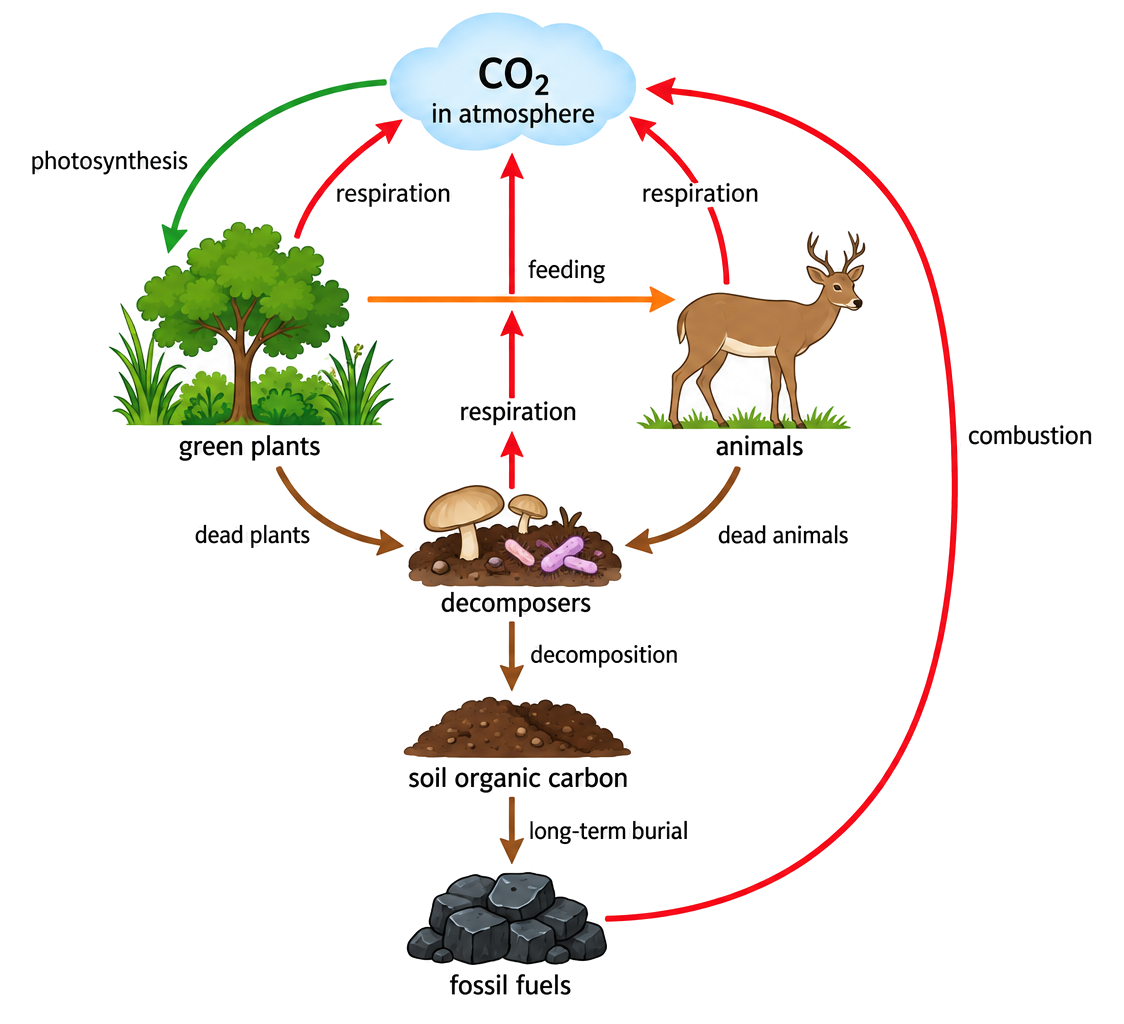
| Carbon dioxide → organic molecules in photosynthesis | Glucose/fatty acids oxidized during respiration |
Catabolic respiration can supply ATP and reducing power that drive anabolic protein or glycogen synthesis, linking the two parts of metabolism.
Energy input or release is a typical consequence, not the sole classification rule: identify whether the cellular pathway constructs or breaks/oxidizes material.
This objective is assessed through structured response, commonly using Identify / Distinguish.
Identify / Distinguish
Build the answer around this relationship: Anabolism builds larger or more complex molecules from smaller units.
Representative question
Identify the following processes as either anabolism or catabolism by placing a tick ( ✓ ) in the correct box.
| Process | Anabolism | Catabolism |
|---|---|---|
| Light-independent reactions of photosynthesis | □ | □ |
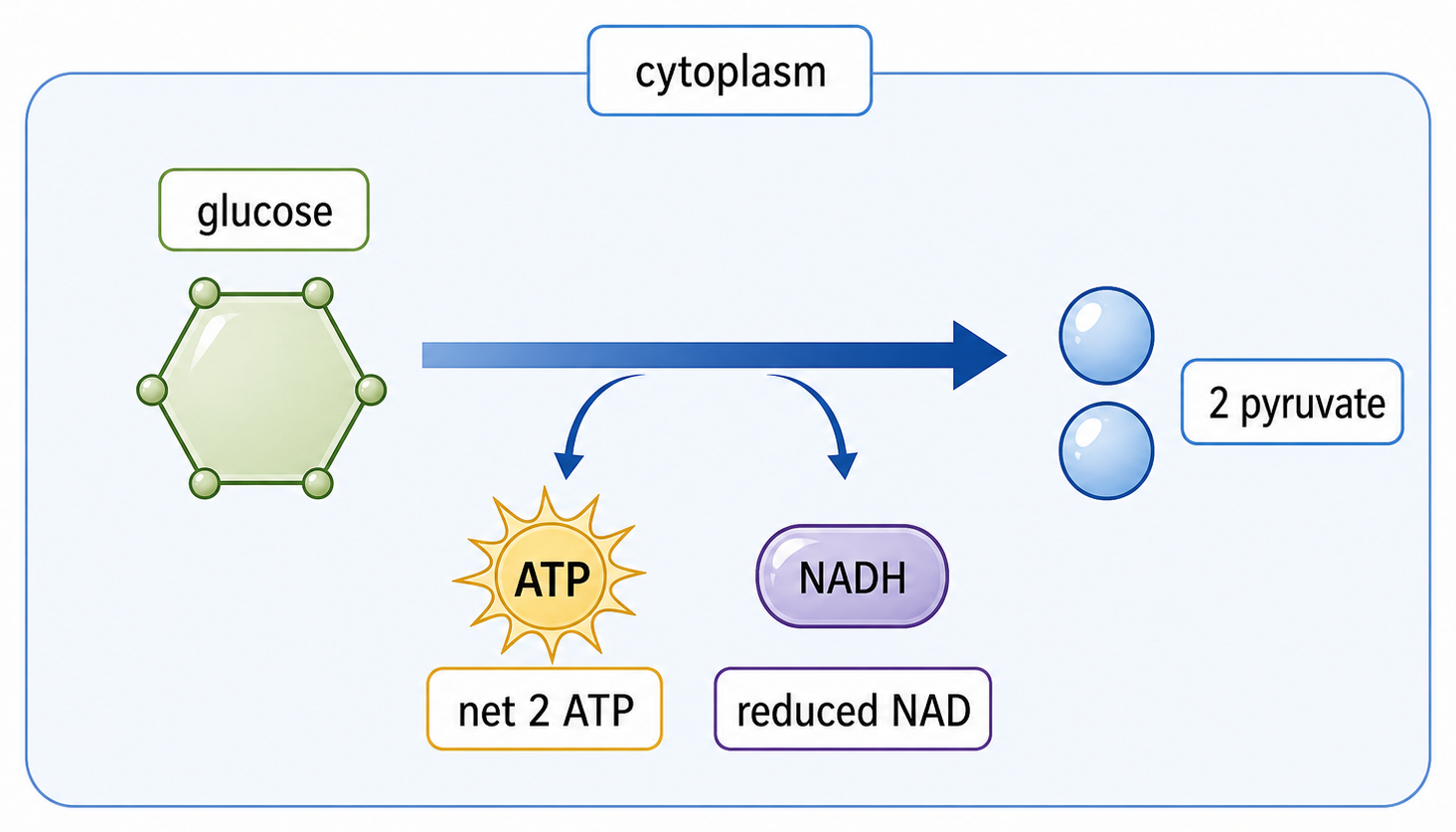
| Glycolysis | □ | □ |

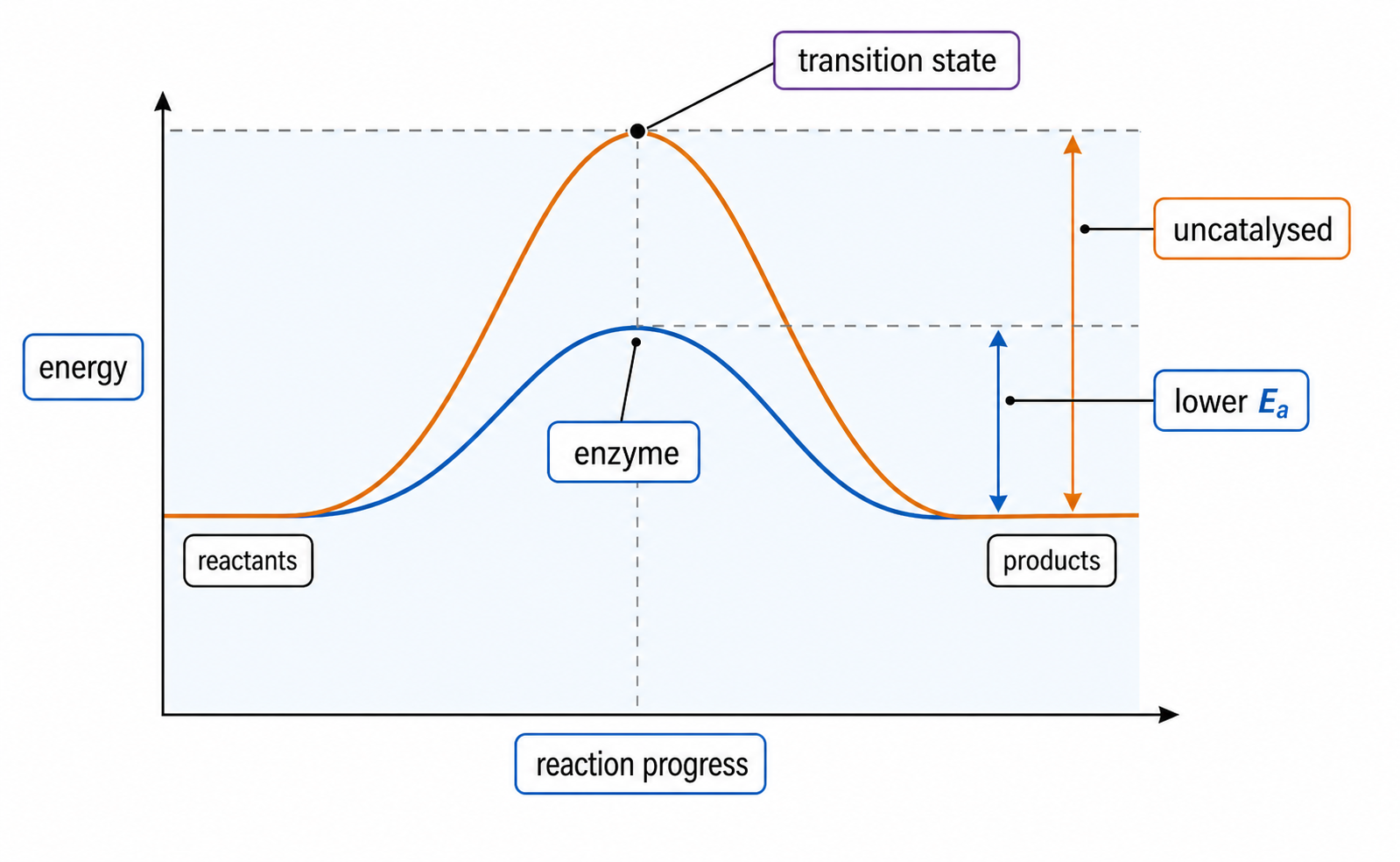
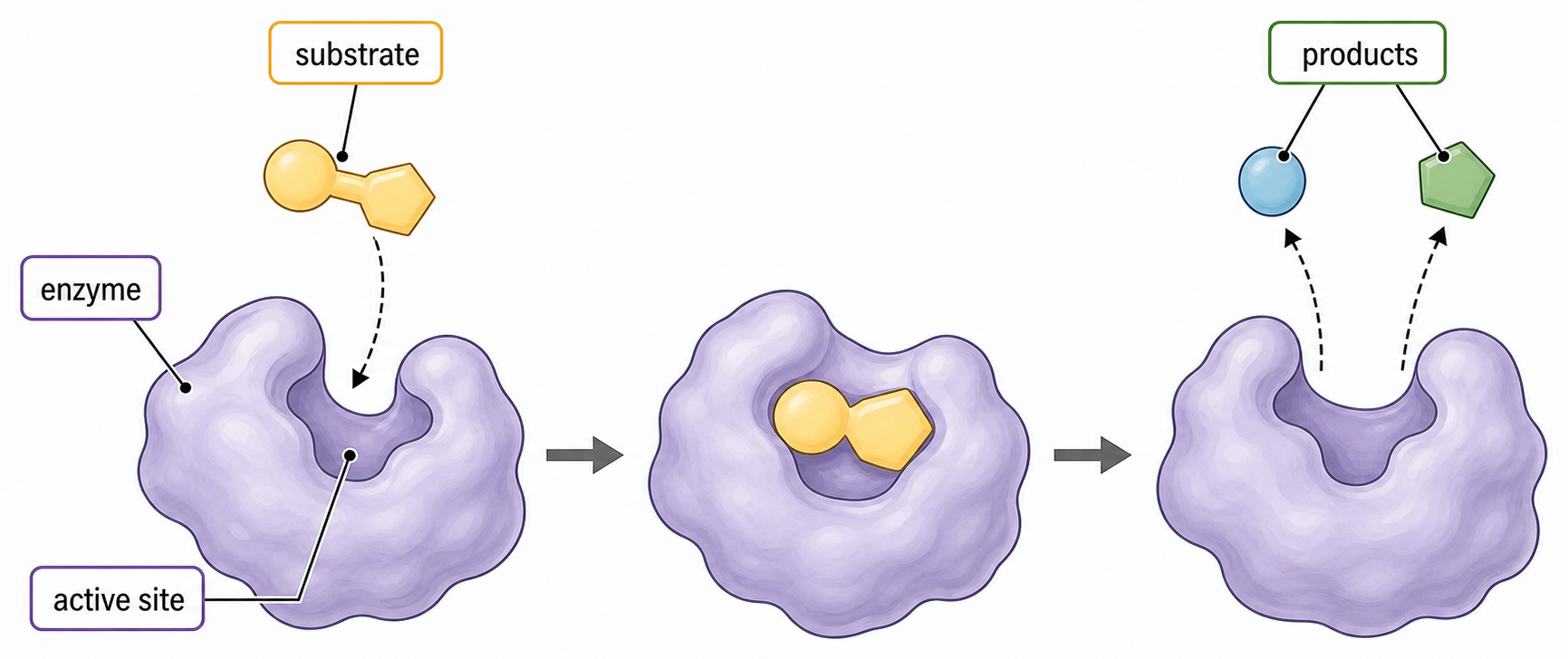
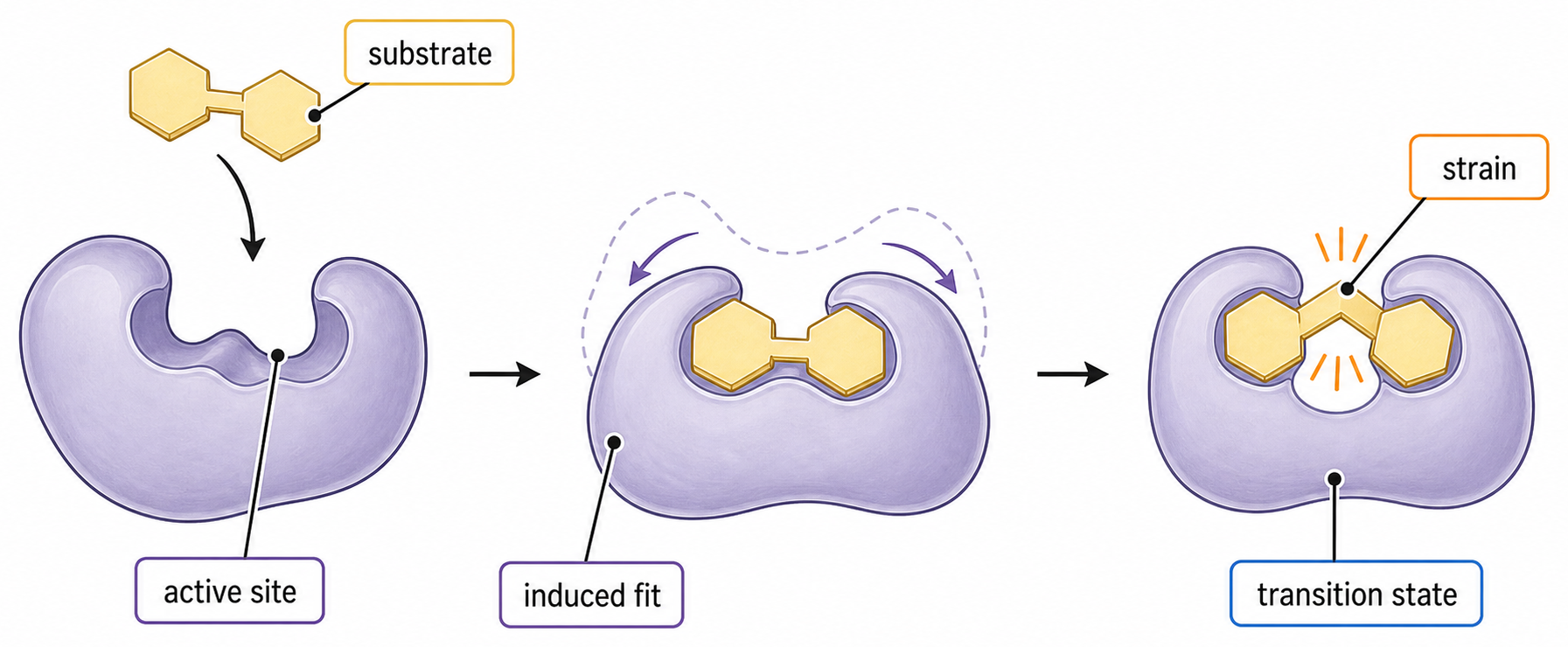
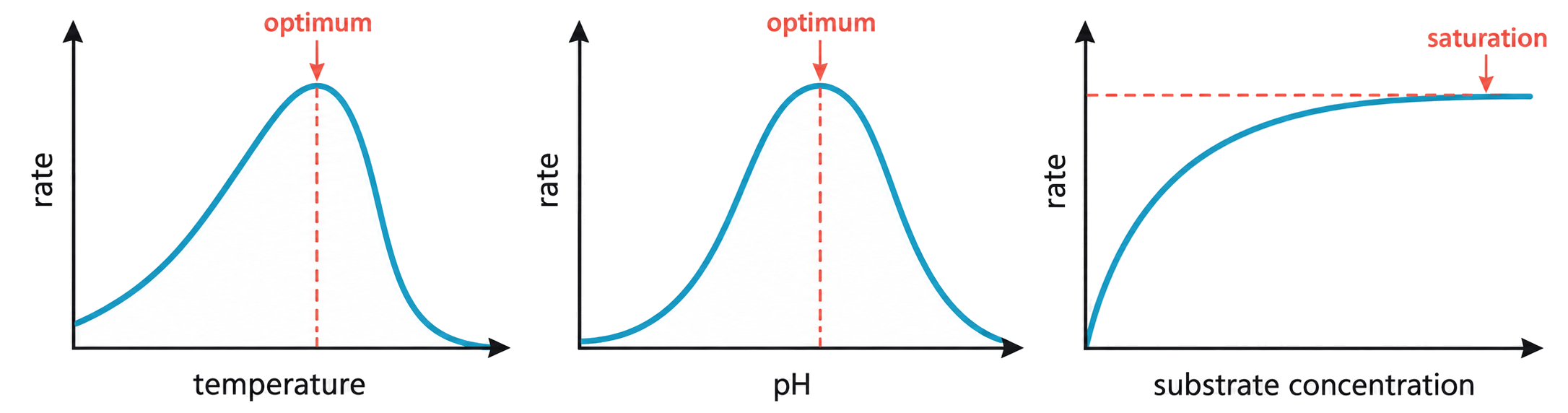
Enzymes are biological catalysts that lower activation energy and remain unchanged. Their globular protein shape creates active-site specificity; induced fit aligns substrates; molecular motion and collisions affect rate; temperature, pH, and substrate concentration change activity; assays measure substrate loss or product formation over time.