Q BankQuestion BankDocsDocuments

C4.2 Transfers of energy and matter

Transfers of energy and matter connect sunlight, feeding, trophic levels, decomposers, heat loss and carbon cycling to ecosystem structure, function and sustainability.
Syllabus
First assessment 2025
Topic
C4.2
Level
HL

Exam analysis

Chance of appearing59%of analysed past papers
Latest appearanceNovember 2025
Most common paperPaper1
Typical marks1–2

Most tested objectives

Common question formats

  • Calculation
  • Diagram interpretation
  • Definition or recall
  • Comparison
  • Structured response
  • Data analysis
  • Evaluation
  • Process explanation
  • Extended response

Recent exam appearances

November 2025Paper2 ["HL"] · TZ14(b)[ 2 ]C4.2.18—Carbon sinks and sources
November 2025Paper1A ["HL"] · TZ337[ 1 ]C4.2.11—Energy pyramids
May 2025Paper1A ["HL"] · TZ237[ 1 ]C4.2.18—Carbon sinks and sources
May 2025Paper1A ["HL"] · TZ336[ 1 ]C4.2.20—Keeling Curve analysis
May 2025Paper2 ["HL"] · TZ22(c)[ 1 ]C4.2.10—Trophic levels
Practice this topic

Coverage 2012–2025 · Updated 16 Jul 2026

Objective notes

22 learning objectives
C4.2.1Ecosystems as open systems

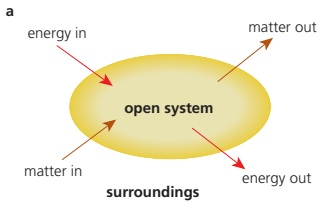
• Ecosystems are open systems exchanging energy and matter with surroundings

• Energy flows through ecosystems while matter can enter, leave, and recycle

C4.2.2Sunlight as principal energy source

• Sunlight is the principal energy source for most ecosystems

• Exceptions include caves and deep-ocean vents supported by chemosynthesis

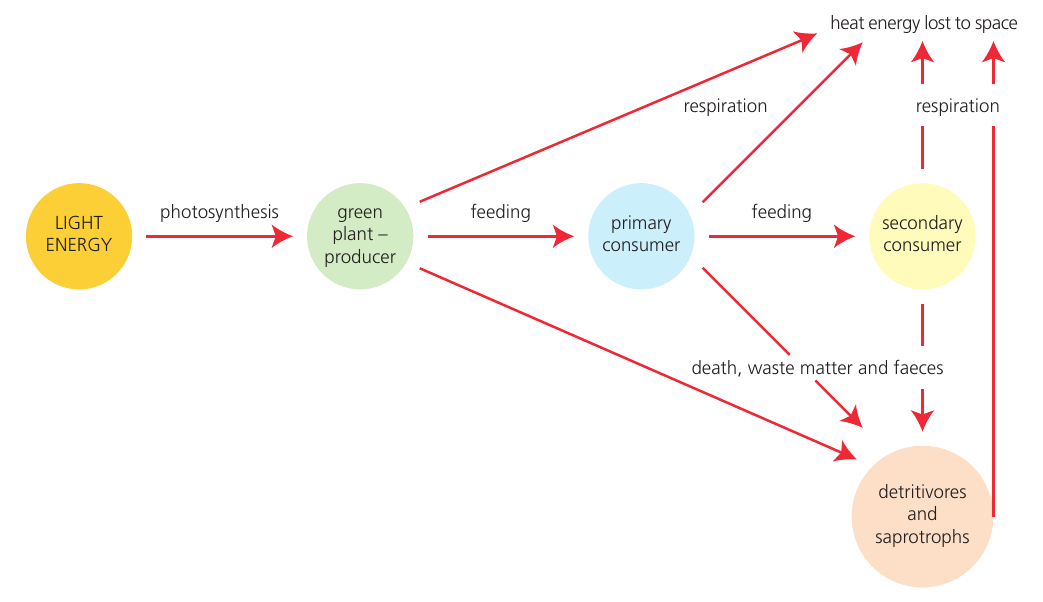
C4.2.3Chemical energy flow

• Chemical energy flows from producers to consumers through feeding

• Energy enters as light or chemical energy and leaves ecosystems as heat

C4.2.4Food chains and food webs

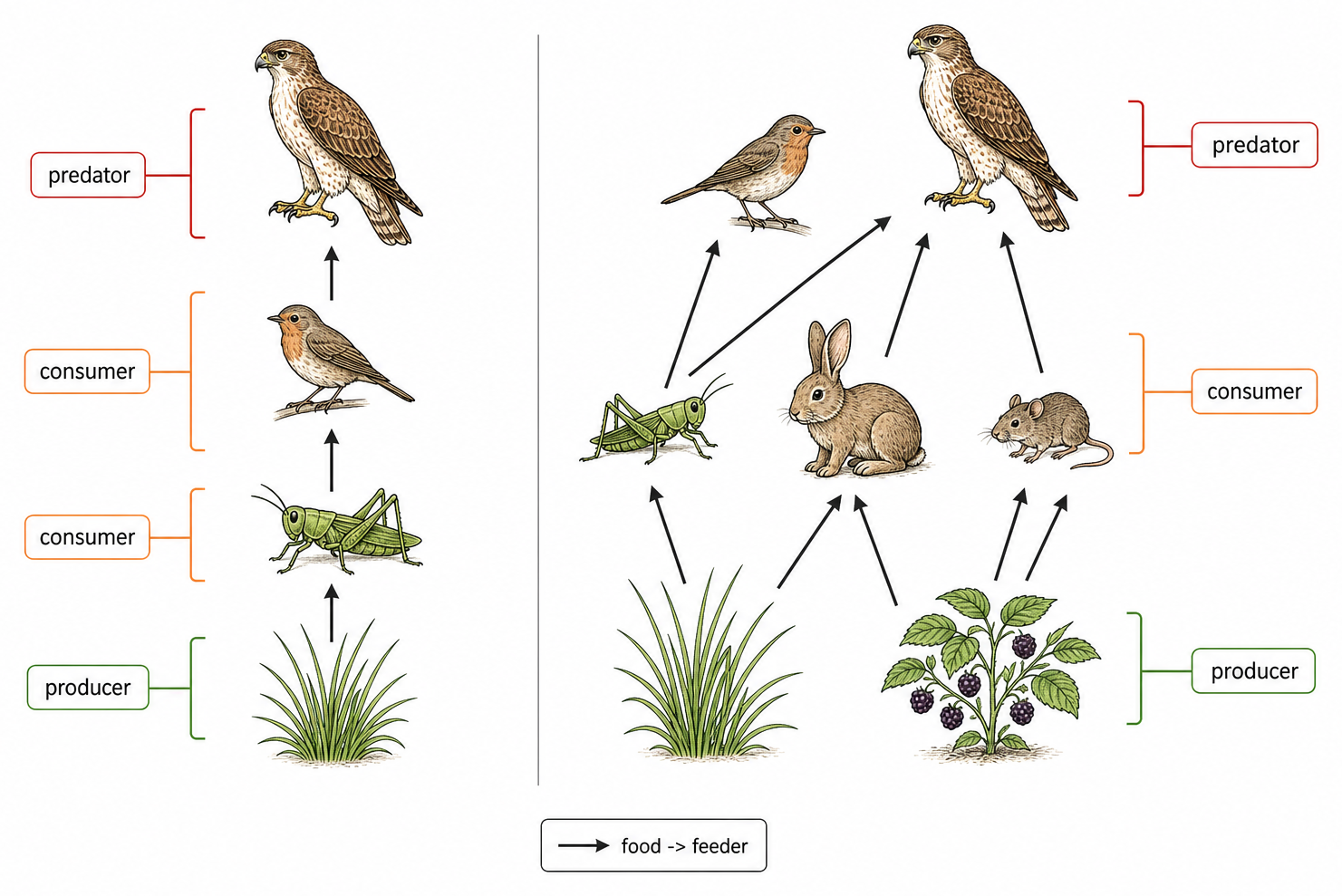
• Food chains and food webs model feeding relationships in communities

• Arrows point in the direction of energy and biomass transfer

C4.2.5Supply to decomposers

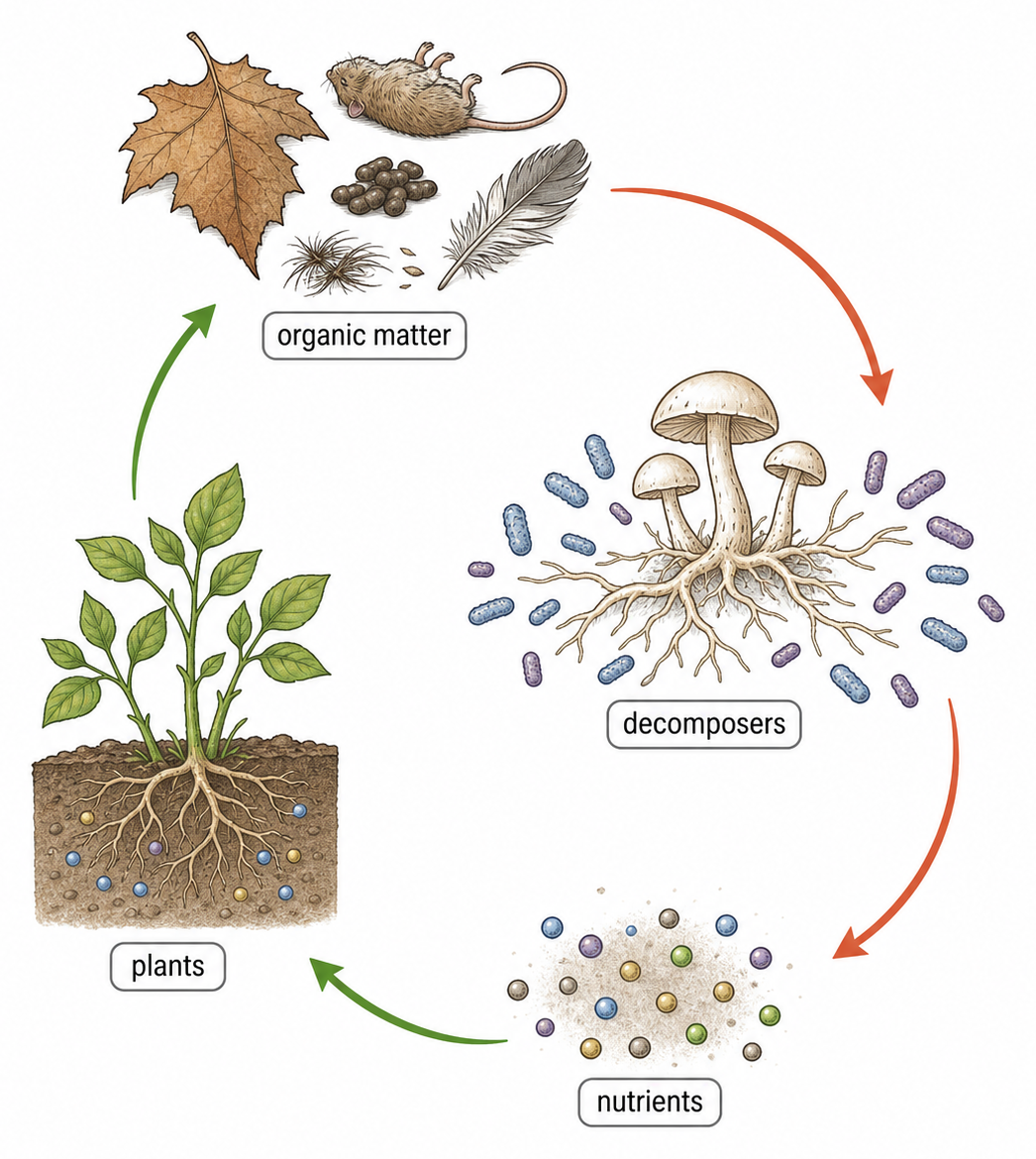
• Decomposers obtain energy from carbon compounds in detritus

• Dead organisms, faeces, fallen leaves, and shed tissues supply organic matter

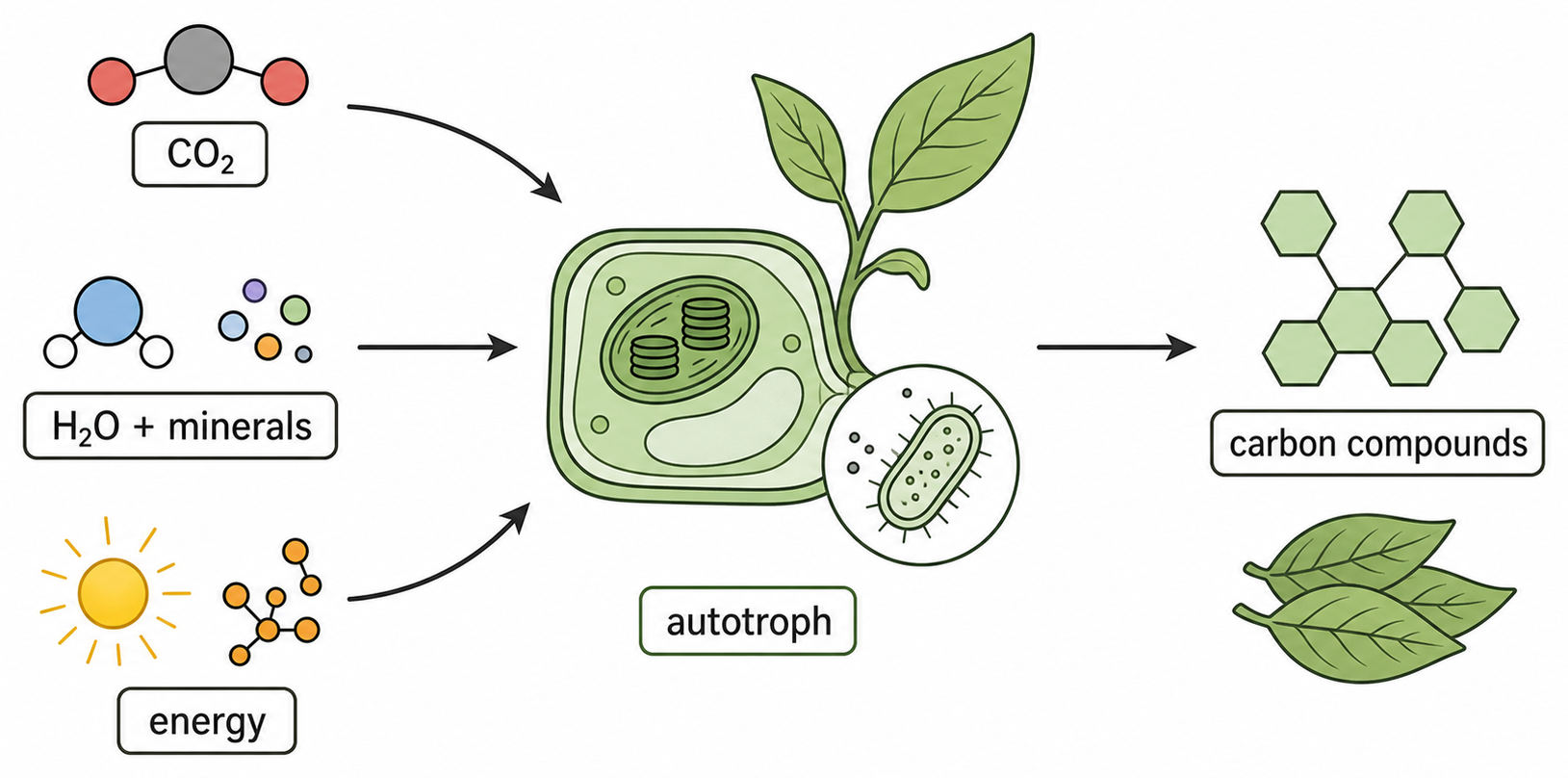
C4.2.6Autotrophs as self-feeders

• Autotrophs synthesize carbon compounds from simple inorganic substances

• They use external energy sources to fix carbon and build biomass

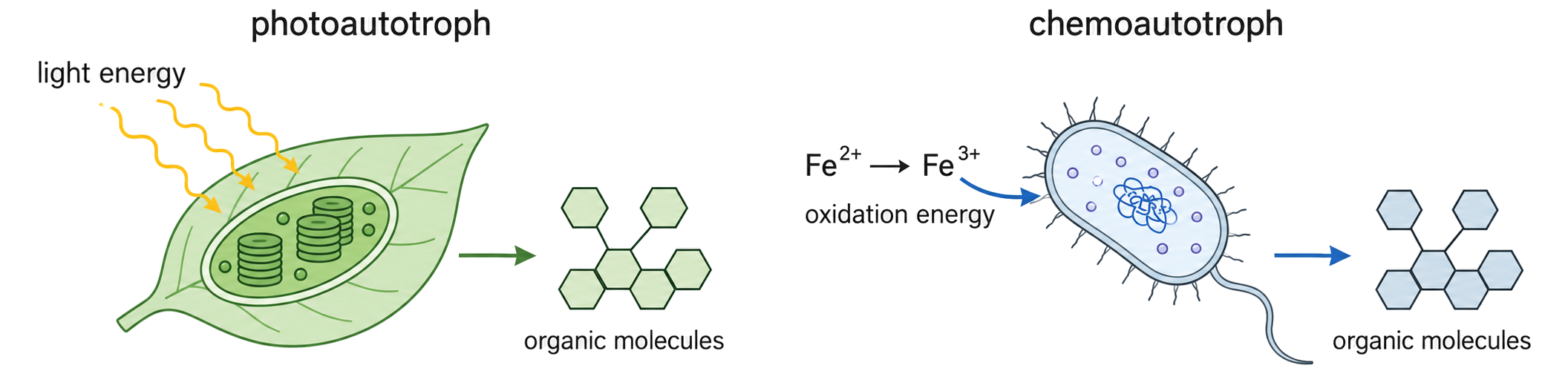
C4.2.7Energy sources

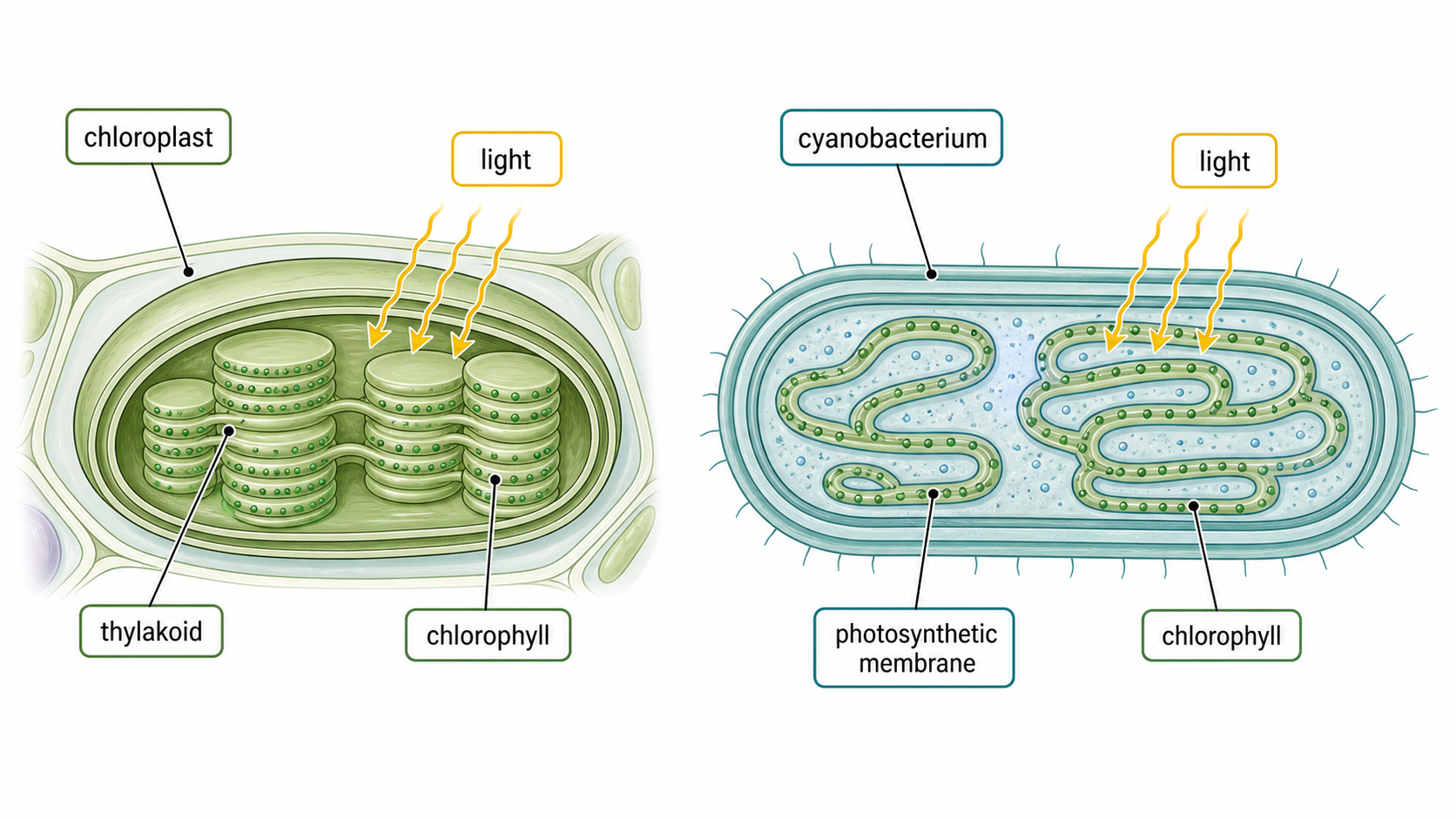
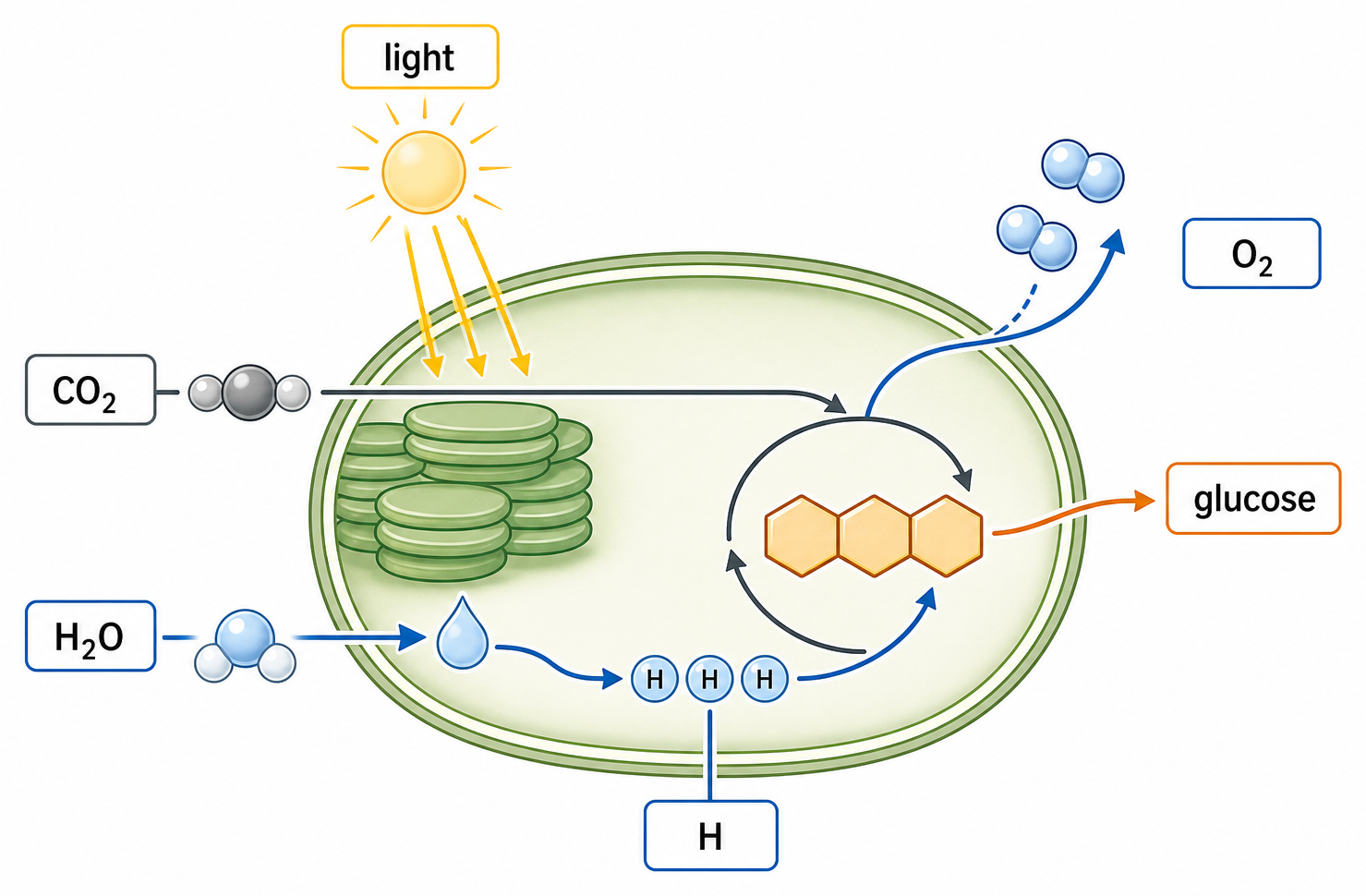
• Photoautotrophs use light captured by photosynthetic pigments

• Chemoautotrophs use oxidation of inorganic substances, such as iron or sulfur compounds

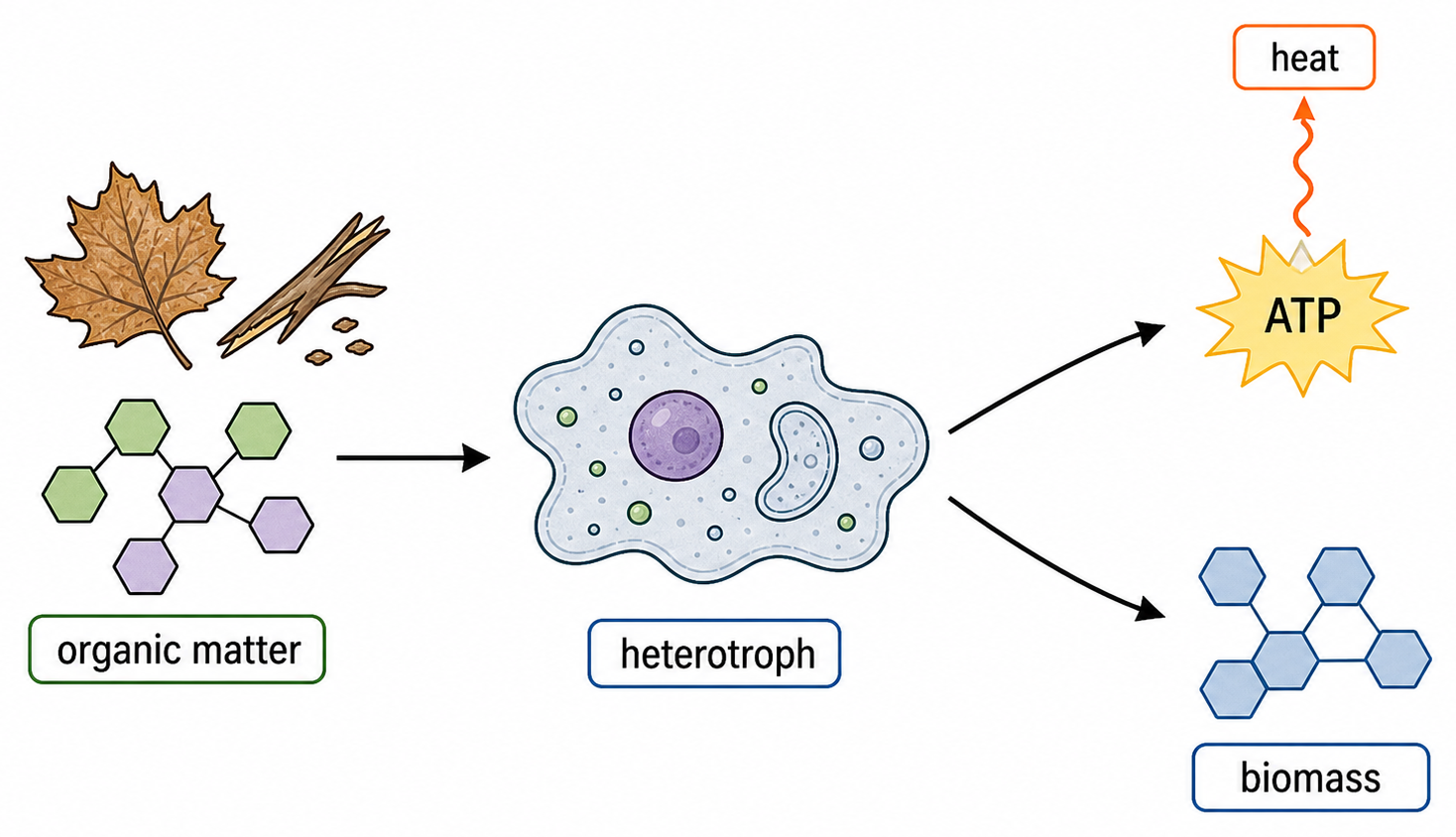
C4.2.8Heterotrophs

• Heterotrophs obtain carbon compounds from other organisms or organic matter

• They use these compounds for respiration and synthesis of their own biomass

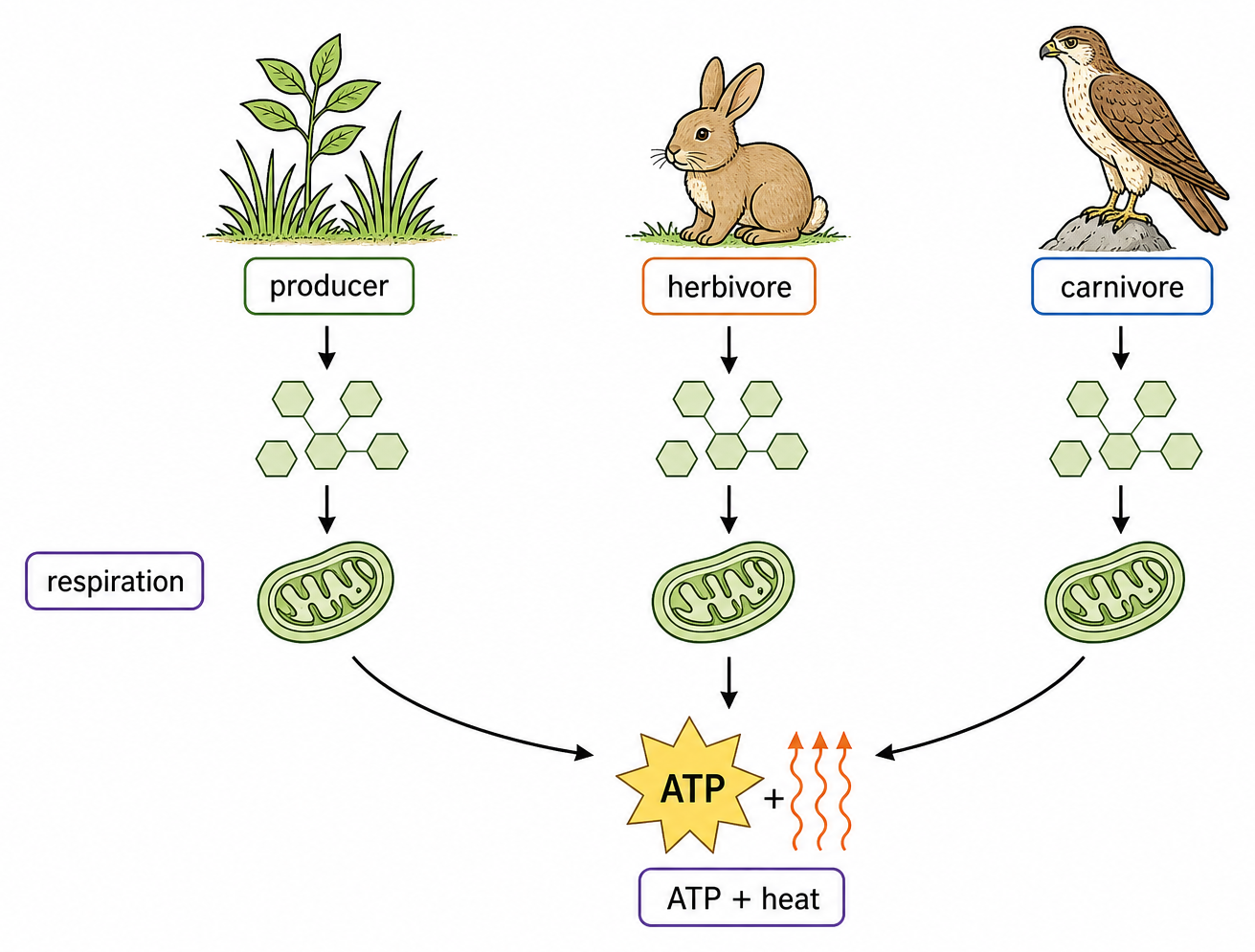
C4.2.9Energy release

• Both autotrophs and heterotrophs release energy by cell respiration

• Oxidation of carbon compounds transfers energy to ATP and heat

C4.2.10Trophic levels

• Trophic levels classify organisms as producers, primary consumers, and higher consumers

• Omnivores and decomposers may feed across more than one trophic level

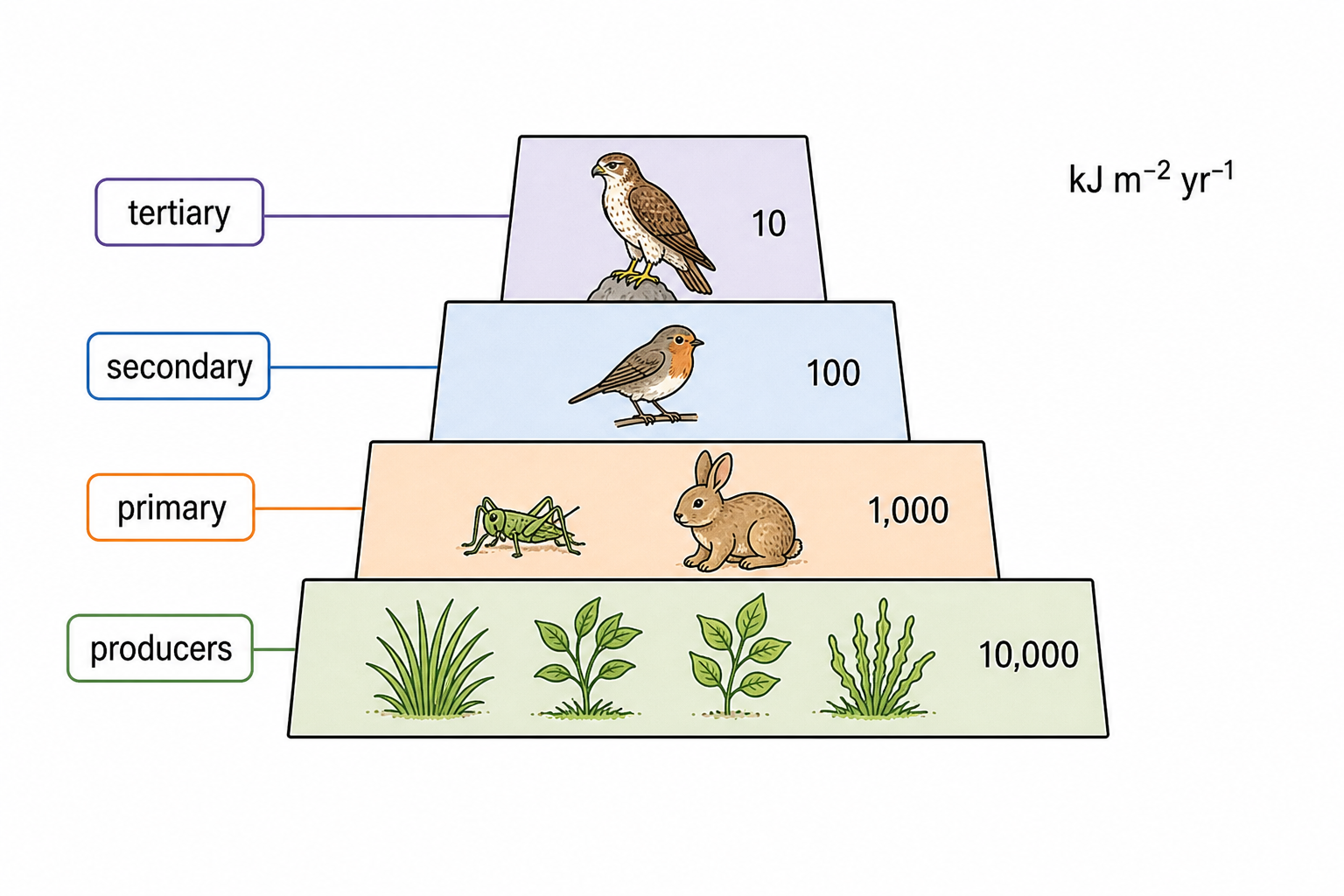
C4.2.11Energy pyramids

• Energy pyramids represent energy flow per unit area per unit time

• Each bar shows energy available to one trophic level

C4.2.12Energy reductions

• Energy availability decreases at each transfer between trophic levels

• Losses occur through respiration, heat, egestion, excretion, and uneaten biomass

C4.2.13Heat loss

• Cell respiration converts some chemical energy to heat in all trophic levels

• Heat dissipates to the environment, so energy cannot be recycled

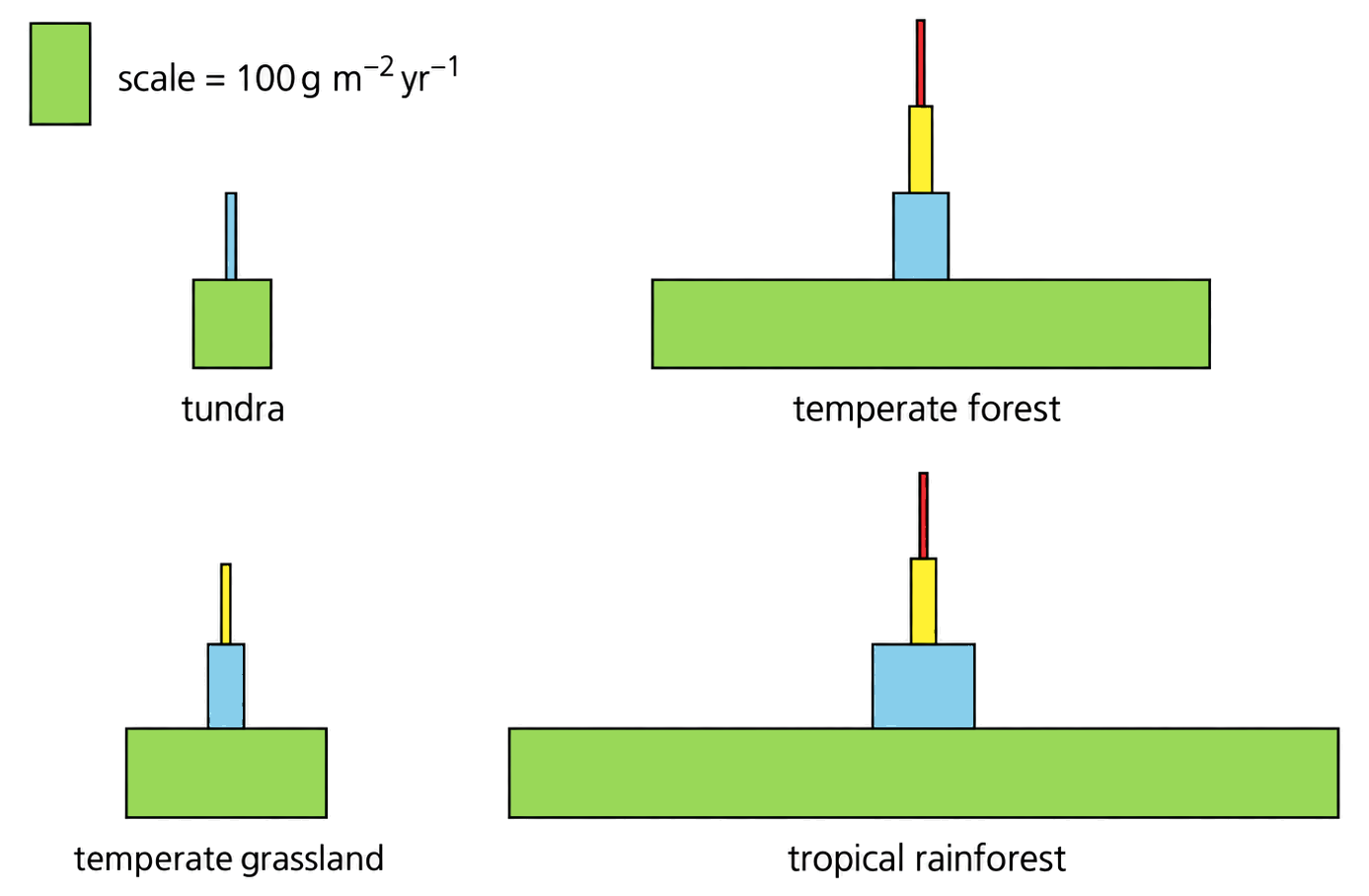
C4.2.14Restrictions on trophic levels

• Large energy losses restrict food chains to a few trophic levels

• Higher trophic levels usually support less biomass and fewer individuals

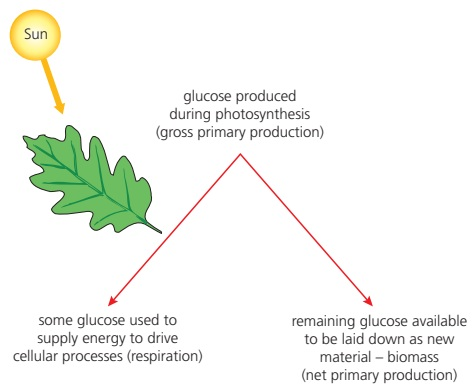
C4.2.15Primary production

• Primary production is accumulation of carbon compounds in autotroph biomass

• Gross production minus respiration gives net primary production

C4.2.16Secondary production

• Secondary production is biomass accumulation by heterotrophs

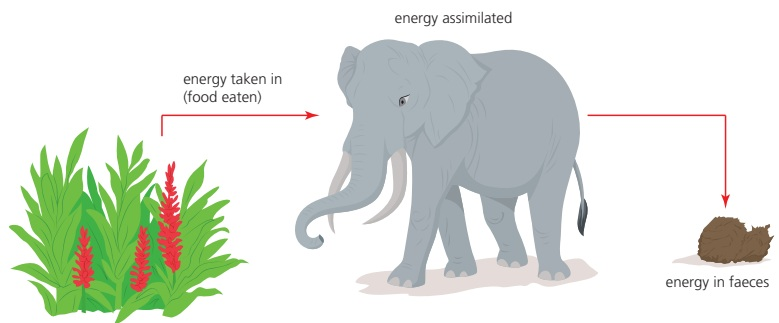
• It depends on food intake, assimilation, respiration losses, and biomass conversion

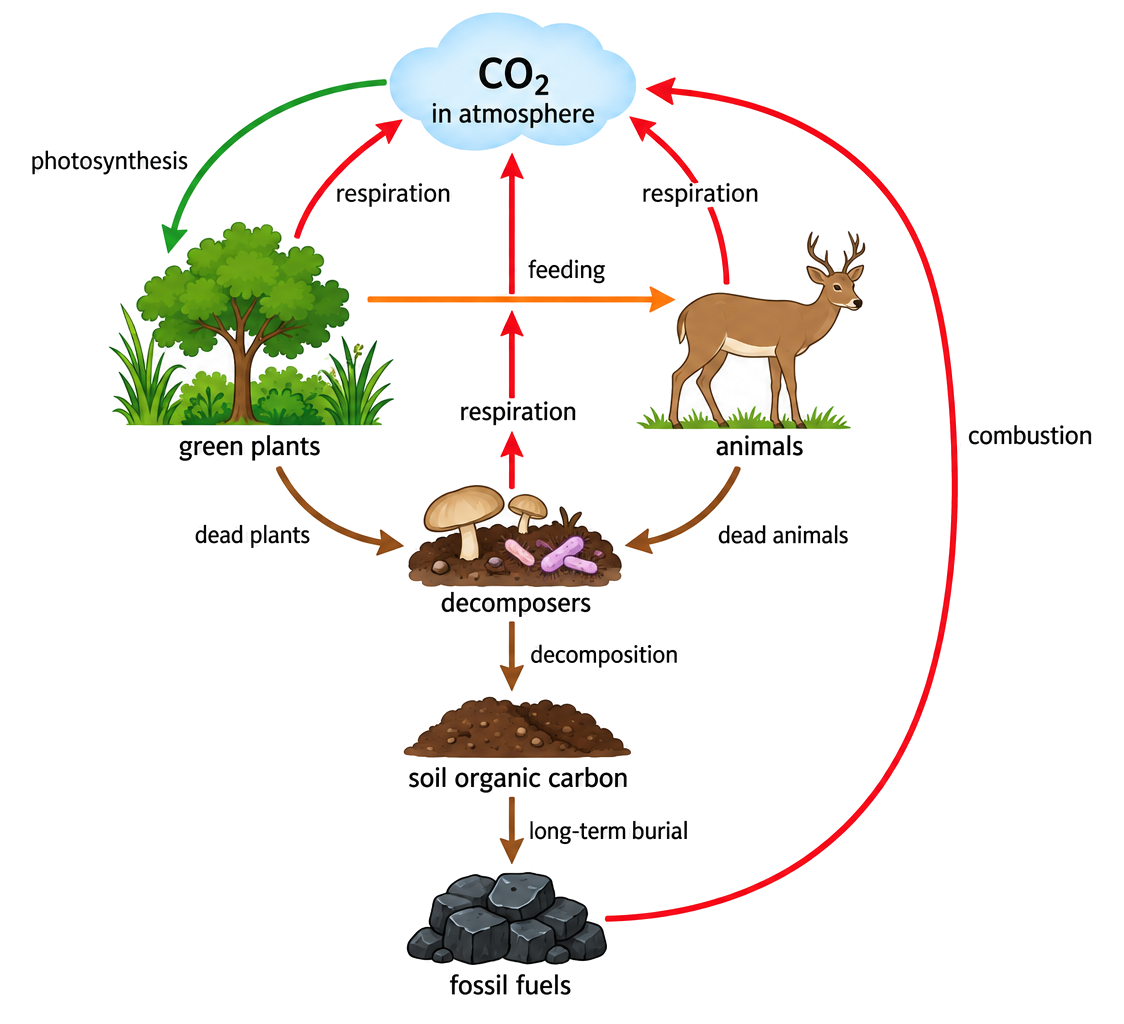
C4.2.17Carbon cycle diagrams

• Carbon cycle diagrams show stores as boxes and fluxes as labelled arrows

• Include CO₂, photosynthesis, feeding, respiration, decomposition, fossil fuels, and combustion

C4.2.18Carbon sinks and sources

• Carbon sinks absorb more carbon than they release, such as forests, soils, and oceans

• Carbon sources release more carbon than they absorb, such as fossil fuel combustion

C4.2.19CO₂ release during combustion

• Combustion of biomass, peat, coal, oil, and natural gas releases CO₂

• Draining peat and forest fires increase carbon flux to the atmosphere

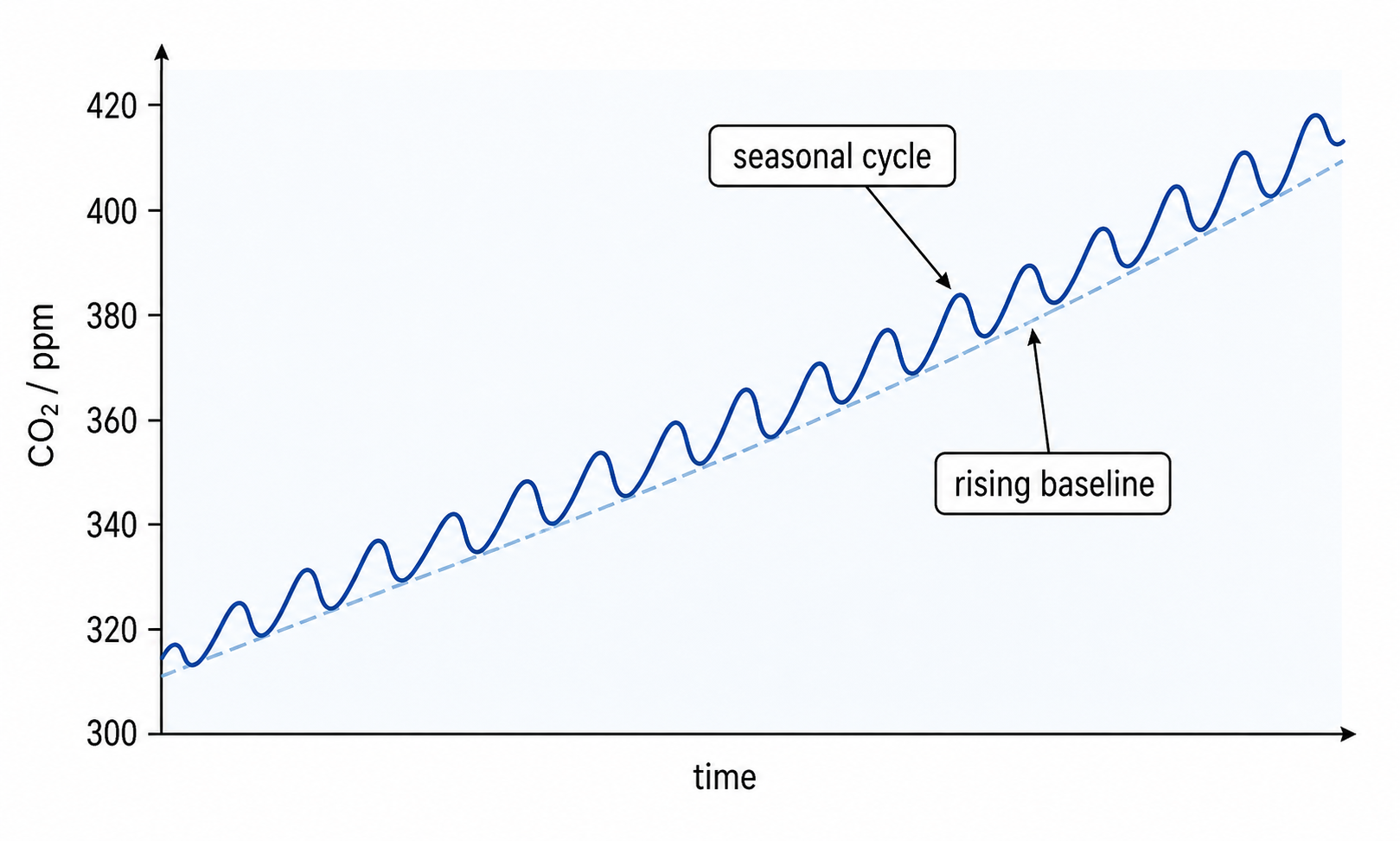
C4.2.20Keeling Curve analysis

• The Keeling Curve records atmospheric CO₂ at Mauna Loa since the late 1950s

• Long-term rise reflects combustion; annual oscillation reflects Northern Hemisphere photosynthesis

C4.2.21Dependence between respiration and photosynthesis

• Photosynthesis supplies atmospheric O₂ used in aerobic respiration

• Respiration supplies CO₂ used by photosynthesis, linking autotrophs and heterotrophs

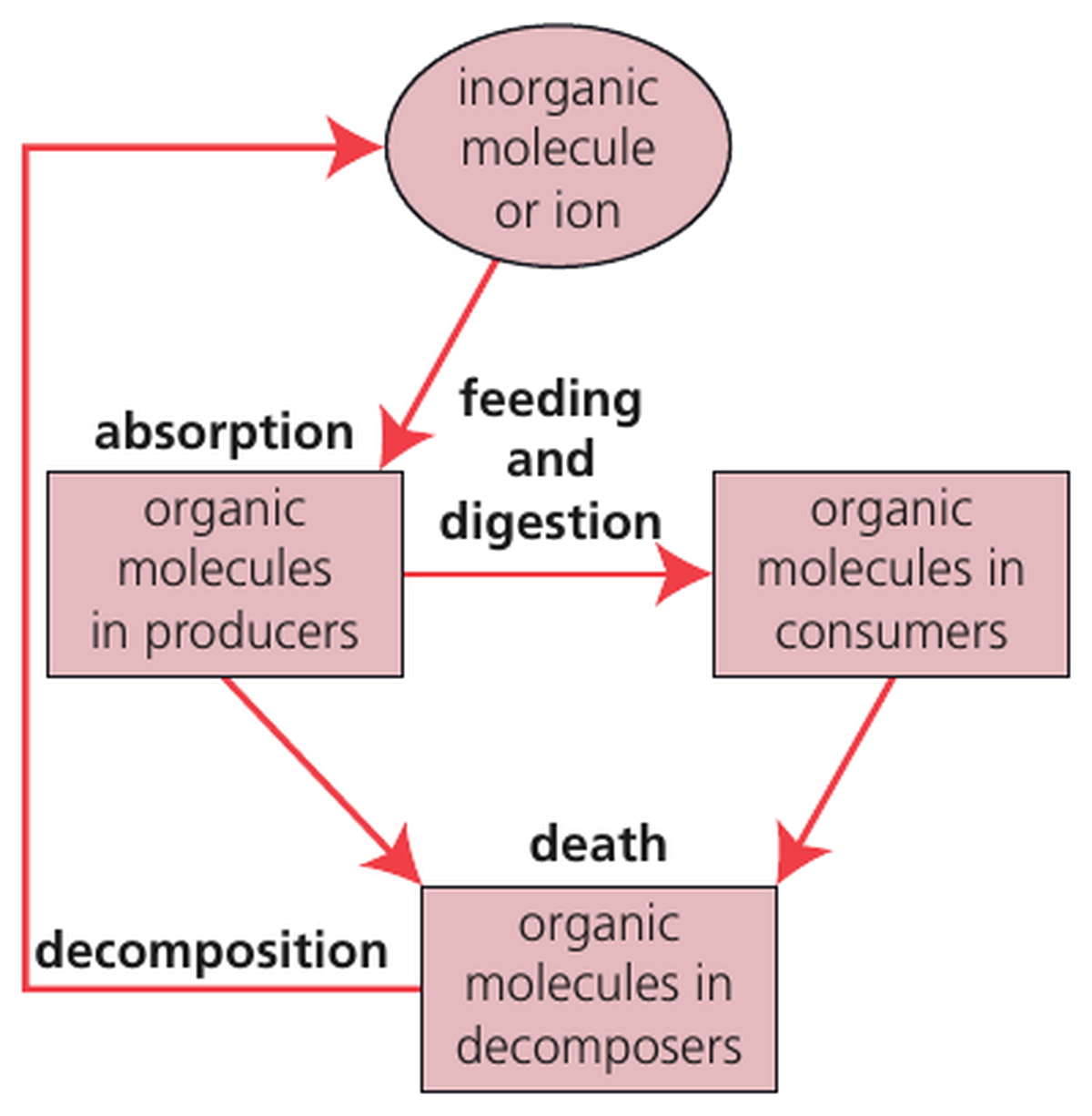
C4.2.22Recycling of all chemical elements

• All chemical elements required by organisms are recycled in ecosystems

• Decomposers convert detritus and waste into inorganic nutrients for producers

ConceptIB Biology HL