EduNinja
[Maximum number: 4]


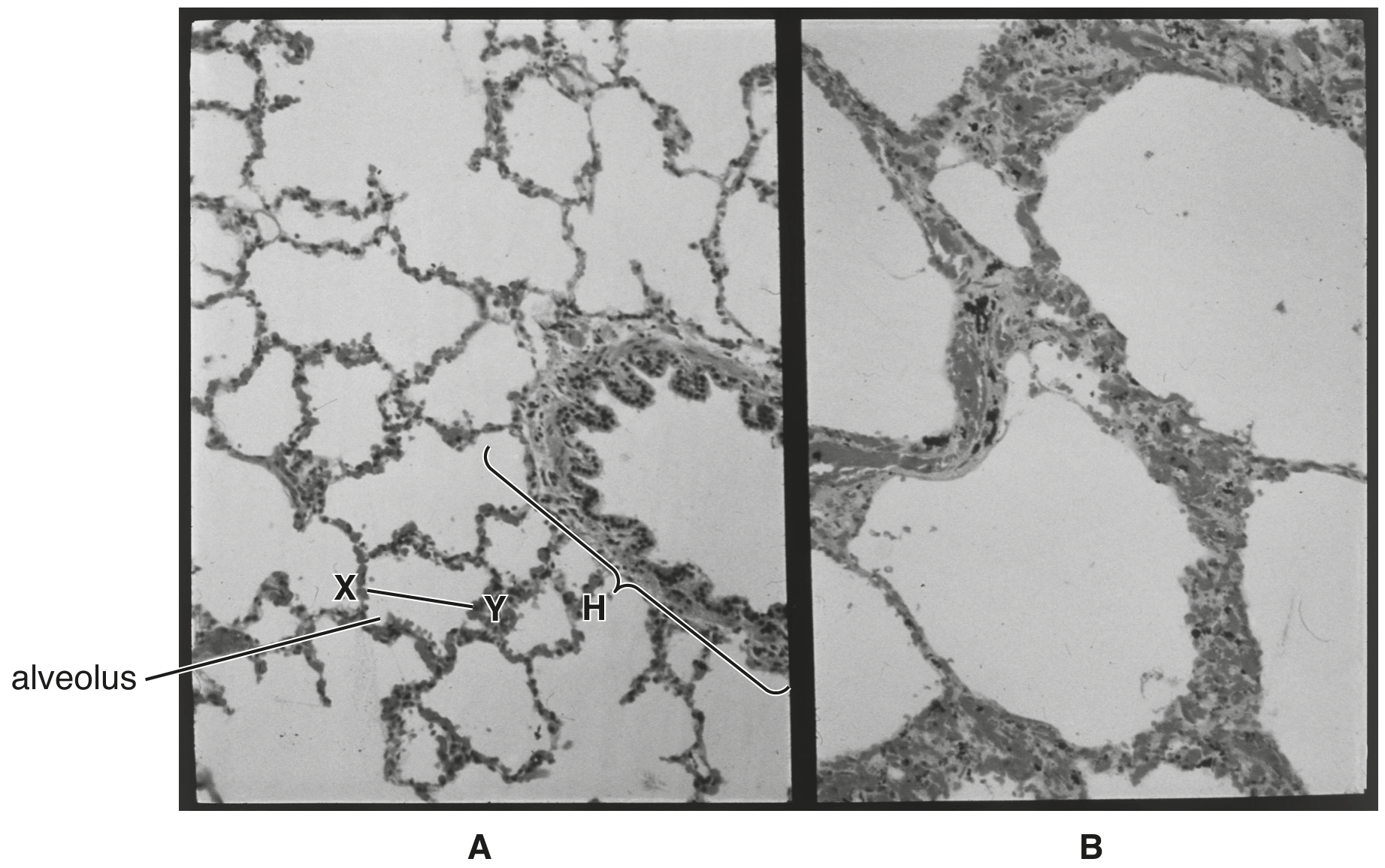
Fig. 1.1 A is a photomicrograph of healthy lung tissue.
Fig. 1.1B is a photomicrograph of lung tissue from a person with emphysema, a chronic obstructive pulmonary disease (COPD). The images are both at magnification ×40\times 40.

Fig. 1.1

Fig. 1.1

(a)

Gas exchange in the lungs occurs in the alveoli.

Describe the process of gas exchange in healthy lungs and suggest how this compares with gas exchange in the diseased lung shown in Fig. 1.1B.

[ 4 ]
[Maximum number: 2]

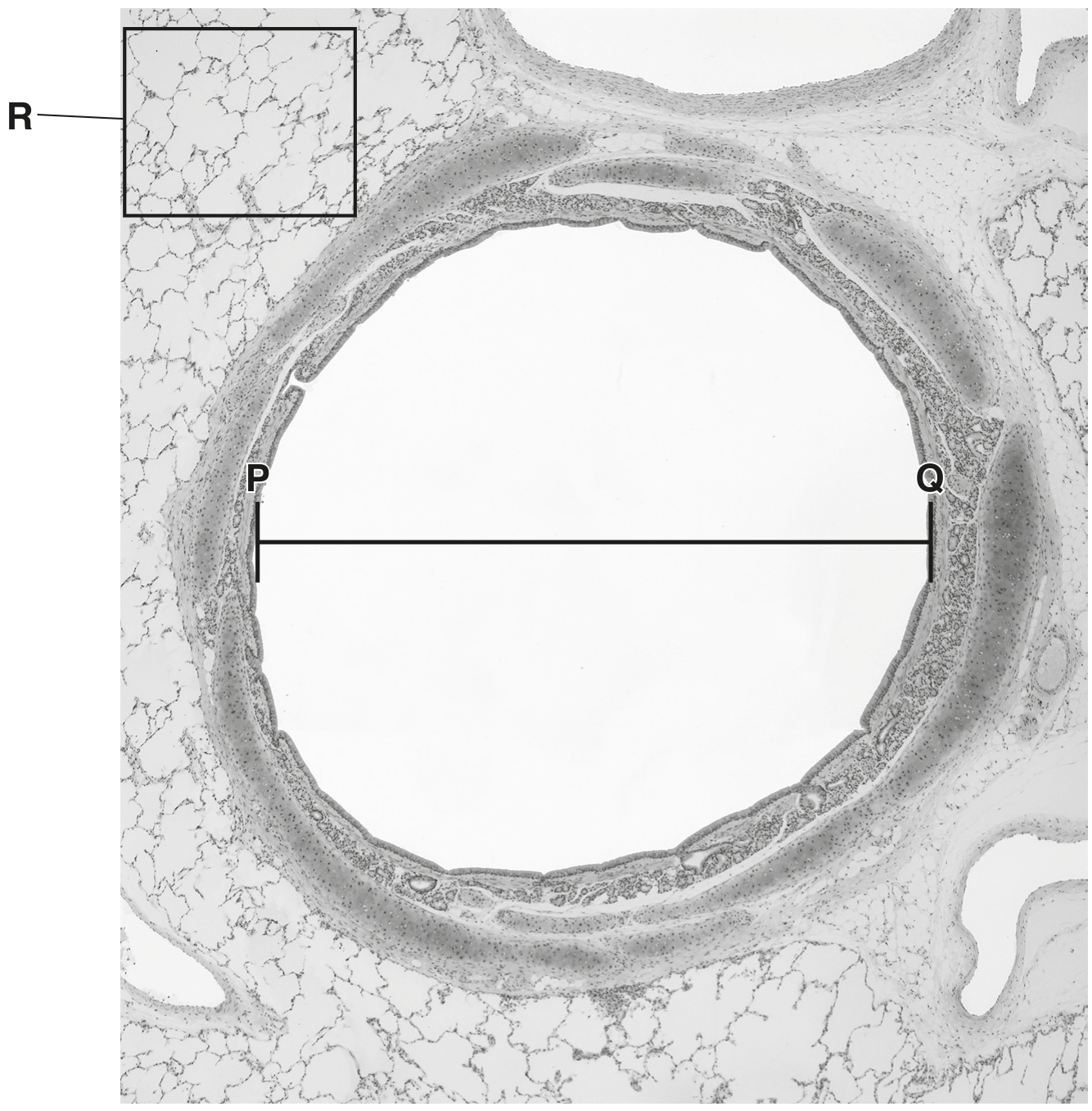
Fig. 2.1 is a photomicrograph showing a transverse section through a bronchus and the surrounding lung tissue.

Fig. 2.1

Fig. 2.1

magnification x40

(a)
(i)

Suggest how the alveoli are adapted for gas exchange.

[ 2 ]
(a)

Suggest how thicker mucus interferes with the maintenance of healthy gas exchange surfaces in the lungs.

[ 2 ]
[Maximum number: 1]

Which does not increase the efficiency of gaseous exchange in the alveoli?

A

The blood capillaries and alveoli have a large total surface area.

B

The blood flow is slowed as it passes through the pulmonary capillaries.

C

The walls of the alveoli and capillaries are moist.

D

The walls of the alveoli and capillaries are very thin.

[Maximum number: 4]

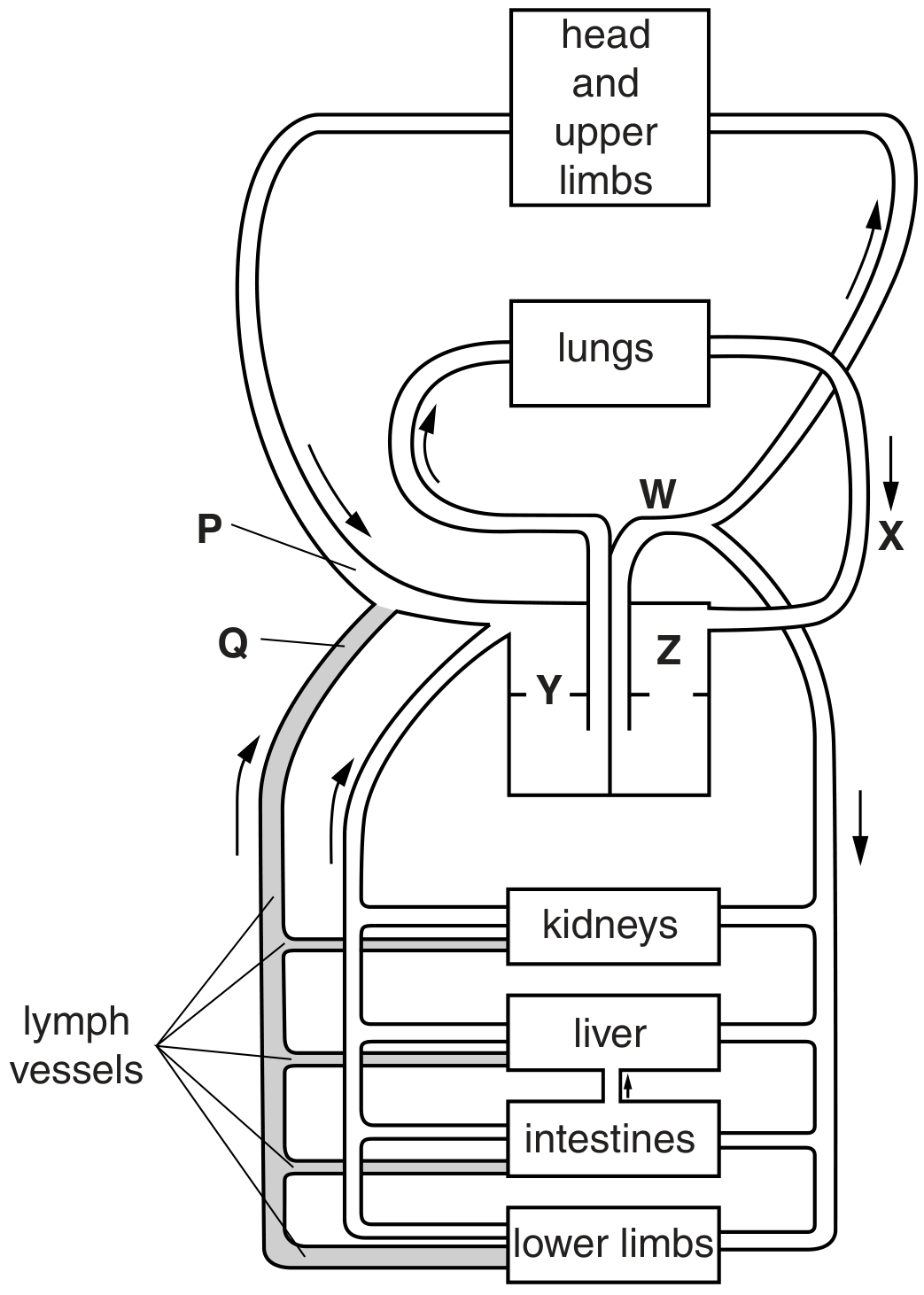
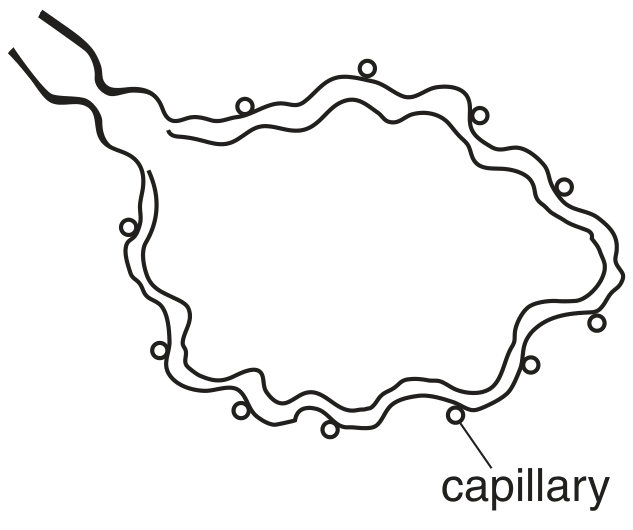
Fig. 4.1 is a simplified diagram of the circulatory system of a mammal. Some of the lymph system is also shown.

Fig. 4.1

Fig. 4.1

(a)

As blood passes through the capillary network in the lungs, gas exchange occurs.

Describe the process of gas exchange between the alveolus and the blood.

[ 4 ]
[Maximum number: 2]

In a double circulatory system, blood passes through the heart twice in one complete circuit of the body. The complete circuit consists of the pulmonary circulation and the systemic circulation.

(a)

The alveolus is the gas exchange surface in mammals. For efficient oxygen uptake, a steep diffusion gradient is maintained between the alveolar air and the blood.

Suggest how the steep diffusion gradient for oxygen is maintained at the gas exchange surface.

[ 2 ]
[Maximum number: 5]

Arteries, capillaries and veins are three types of blood vessel.

(a)

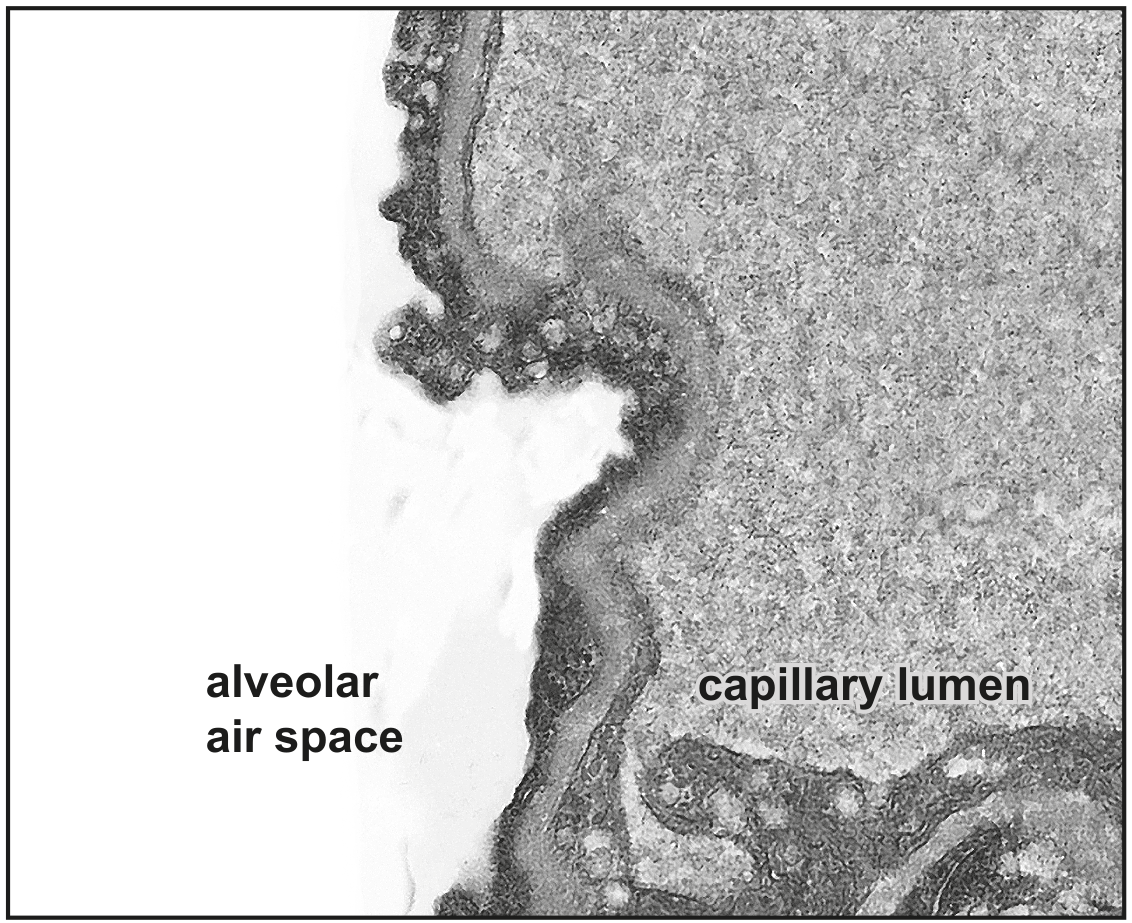
Fig. 3.1 shows a transmission electron micrograph of part of an alveolus and part of the adjacent capillary.

Fig. 3.1

Fig. 3.1

[ 5 ]
(i)

Draw two labelled arrows on Fig. 3.1 to show the direction of movement of oxygen and the direction of movement of carbon dioxide during gas exchange in the lungs.

[ 1 ]
(ii)

Suggest and explain how a steep oxygen concentration gradient is maintained in the lungs.

[ 4 ]
[Maximum number: 2]

The alveoli of the lungs are the main gas exchange surface in humans.

(a)

Explain how blood flow through the alveolar capillaries helps to maintain steep diffusion gradients for gas exchange.

[ 2 ]
(a)

Describe and explain how the structure of alveoli is adapted for efficient gas exchange.

Fig. 5.1 shows a cross-section of normal human alveoli and Fig. 5.2 shows a cross-section of alveoli from a person suffering from emphysema.

Fig. 5.1

Fig. 5.1

Fig. 5.2

Fig. 5.2

[ 3 ]
(b)
(i)

With reference to changes visible in Fig.5.1 and Fig.5.2, state and explain the effect of emphysema on the alveoli and on gas exchange.

[ 2 ]
[Maximum number: 1]

In the lungs, oxygen and carbon dioxide pass through cell membranes by diffusion.
Which row is correct?

oxygen from air

carbon dioxide to air

3

2

3

2 or 3

5

4

5

4 or 5

0