EduNinja
[Maximum number: 2]

The enzyme sucrase is used by many organisms for the hydrolysis of sucrose. Fig. 3.1 shows a diagram of the enzyme and its substrate.
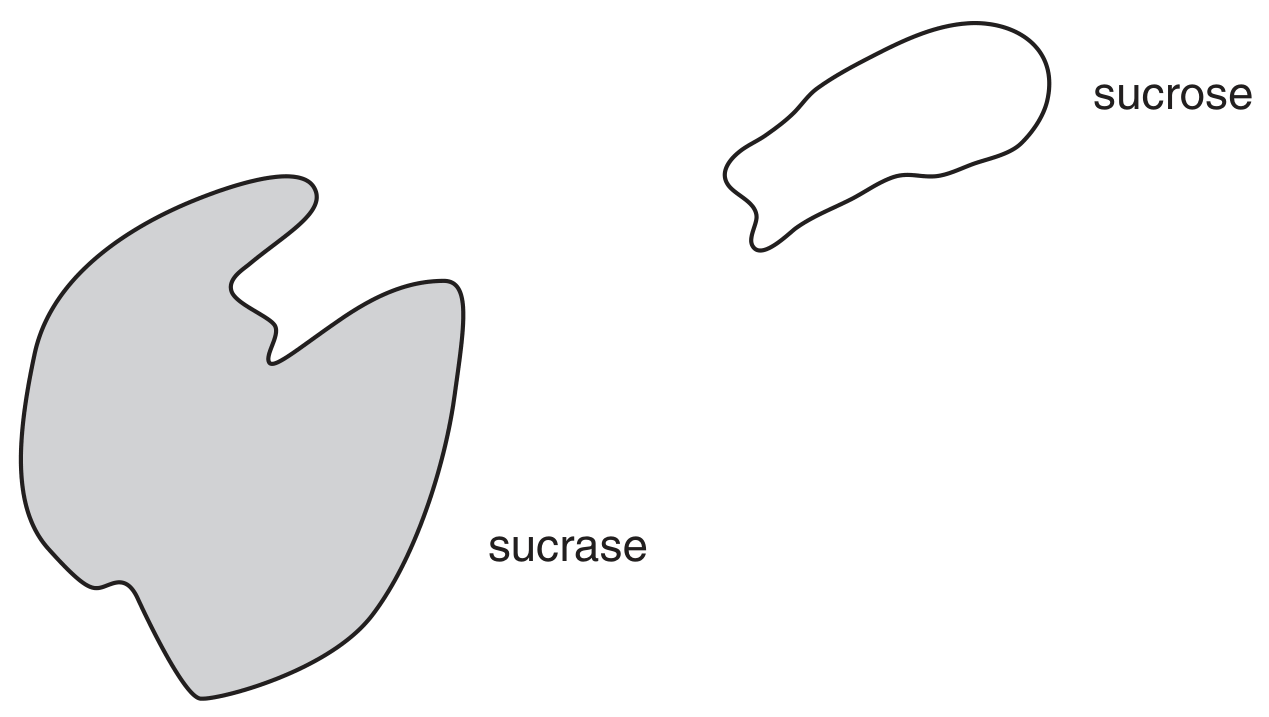
Fig. 3.1

Fig. 3.1

(a)

Sucrose is one of the assimilates transported in the phloem sieve tubes of plants from source to sink. Sucrase is found in sinks.

[ 2 ]
(i)

Suggest the role played by sucrase in the process of unloading of sucrose at sinks.

[ 2 ]
[Maximum number: 4]

Meristematic tissue is found in the growing regions of plants, such as root tips.

(a)

Describe and explain how sucrose is loaded into phloem sieve tubes.

[ 4 ]
(a)

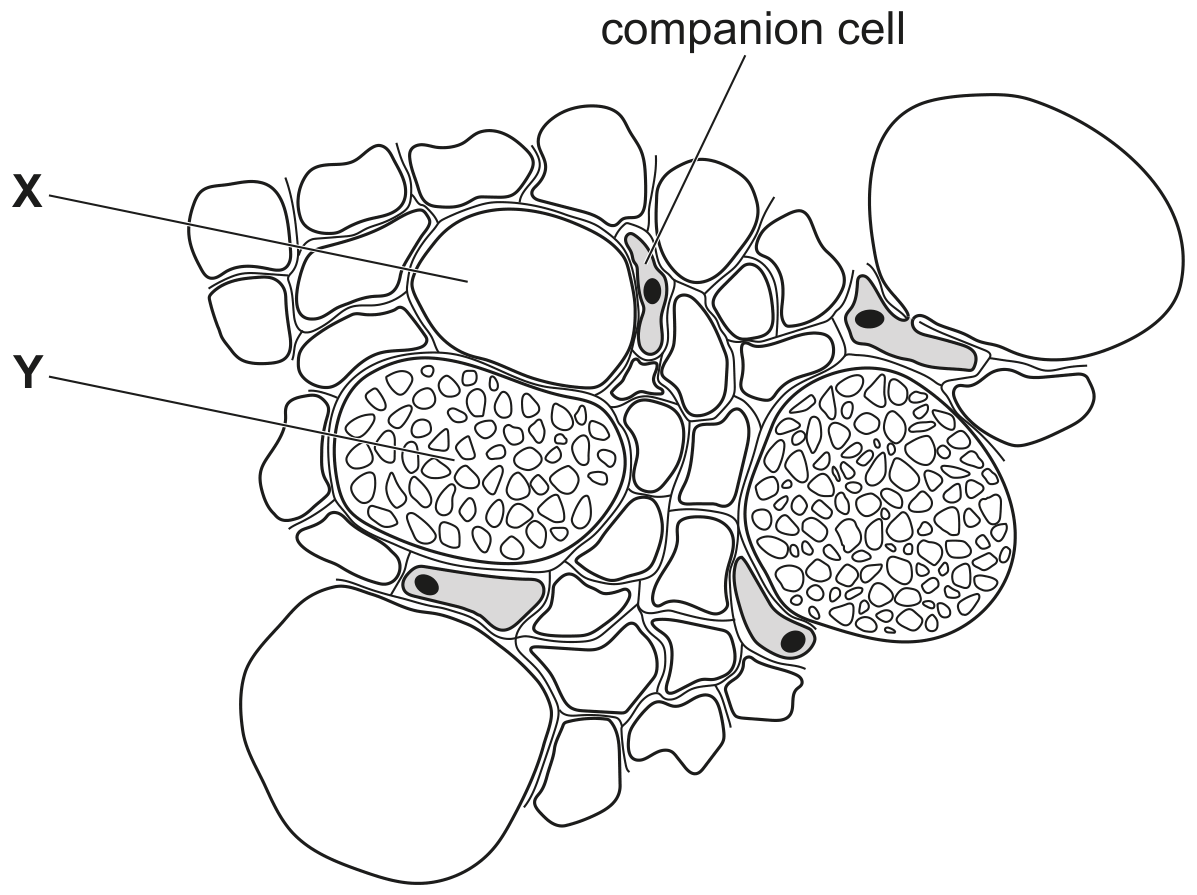
Fig. 3.1 is a diagram of an area of phloem tissue from a transverse section through the stem of a squash plant, Cucurbita pepo.

Fig. 3.1

Fig. 3.1

[ 4 ]
(i)

Sucrose is formed from the glucose synthesised by mesophyll cells in the leaves of C. pepo. Explain how companion cells are involved in the transfer of sucrose into phloem sieve tubes.

[ 4 ]
[Maximum number: 2]

Meristematic tissue is found in the growing regions of plants, such as shoot tips. Meristematic cells have a similar role to stem cells in animals.

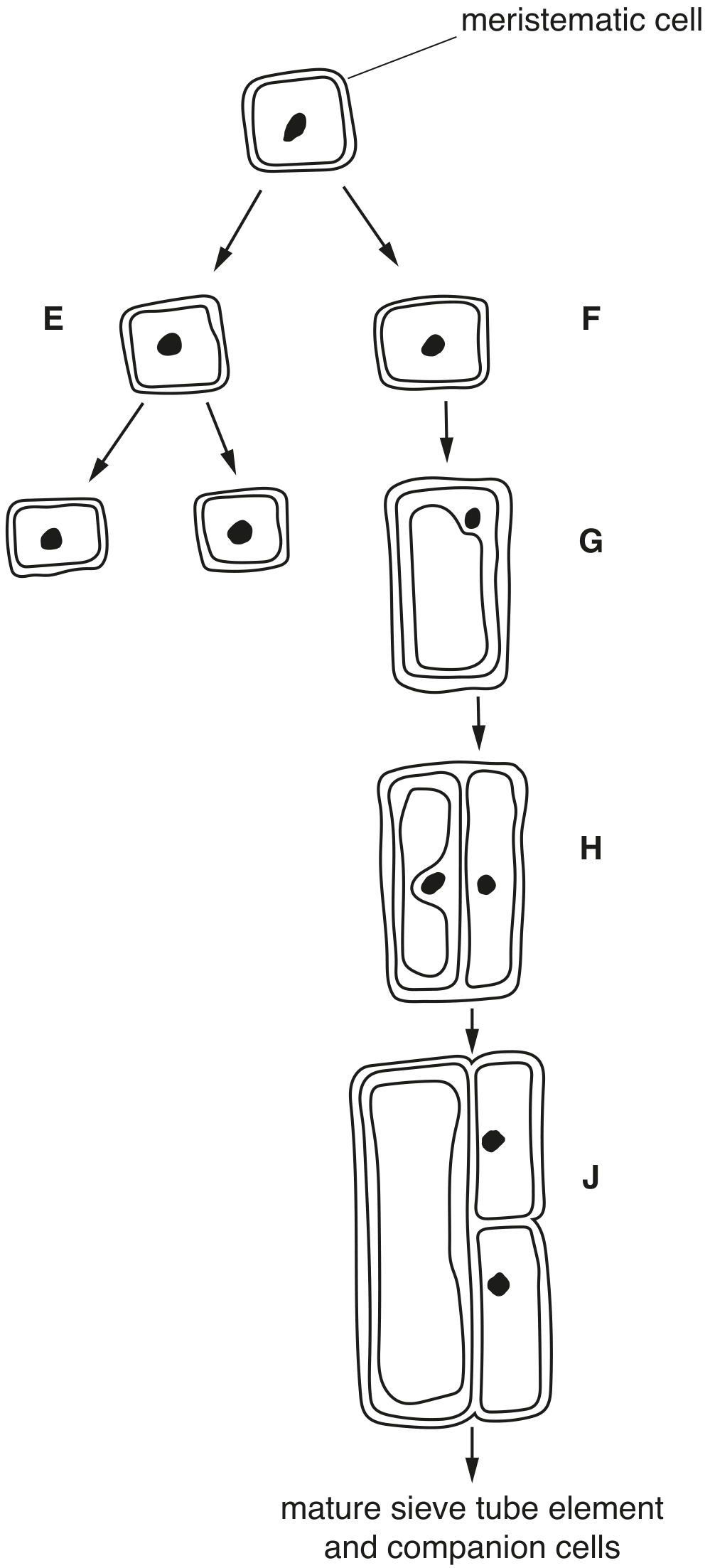
Fig. 4.1 shows some of the stages in the formation of a mature phloem sieve tube element and companion cells from a meristematic cell.

Fig. 4.1 shows some of the stages in the formation of a mature phloem sieve tube element and companion cells from a meristematic cell.

(a)

Describe the functions of companion cells in transport in the phloem.

[ 2 ]
[Maximum number: 1]

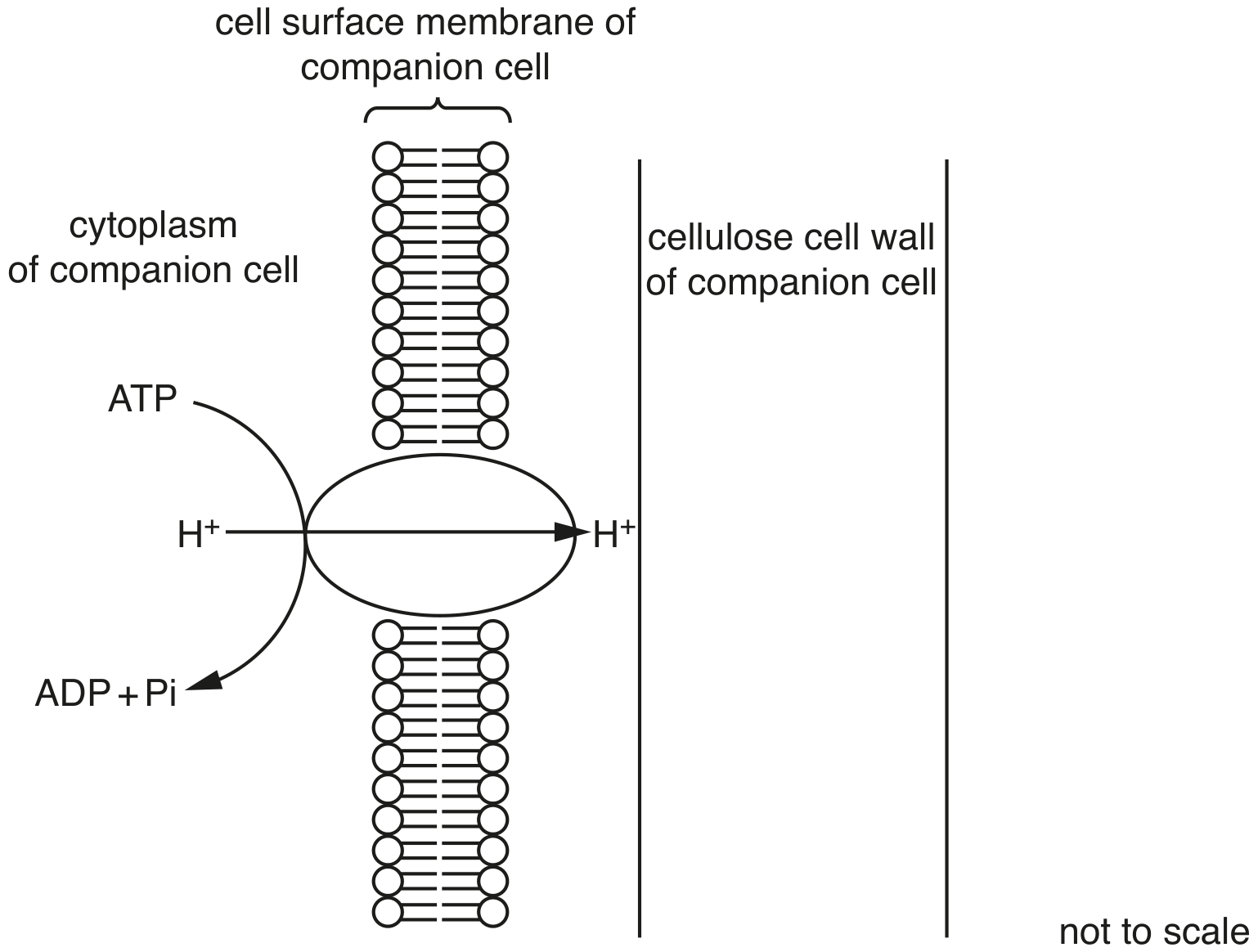
Companion cells use ATP to move hydrogen ions out of the cell and co-transporter proteins to allow hydrogen ions to return with sucrose molecules.

Which two processes are involved in this movement?

A

active transport and diffusion

B

active transport and facilitated diffusion

C

exocytosis and diffusion

D

exocytosis and facilitated diffusion

[Maximum number: 5]

Phloem sieve tube elements and xylem vessel elements are cells that are involved with the transport of substances in plants.

(a)

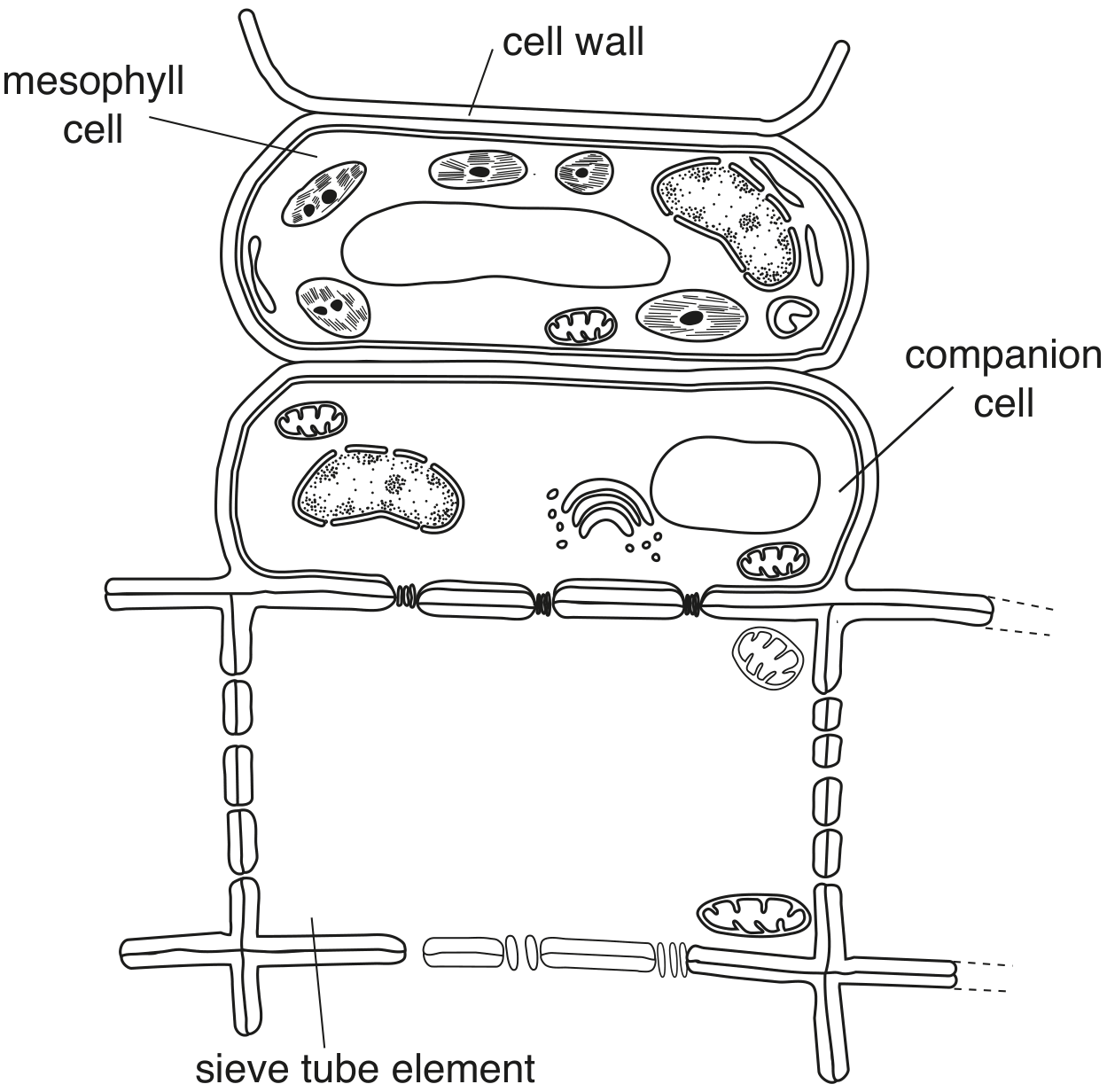
The process of loading sucrose into a phloem sieve tube element involves a companion cell.

[ 5 ]
(i)

Fig. 4.1 shows a stage in the process of loading sucrose into the phloem.

Fig. 4.1

Fig. 4.1

Companion cells contain large numbers of mitochondria and ribosomes.
Explain the roles of mitochondria and ribosomes for the stage shown in Fig. 4.1.

[ 2 ]
(ii)

Describe and explain how sucrose is transported from the cell wall of the companion cell into the cytoplasm.

[ 3 ]
[Maximum number: 5]

Phloem transfer cells are modified companion cells that move sucrose and other assimilates from mesophyll tissue into phloem sieve tube elements.

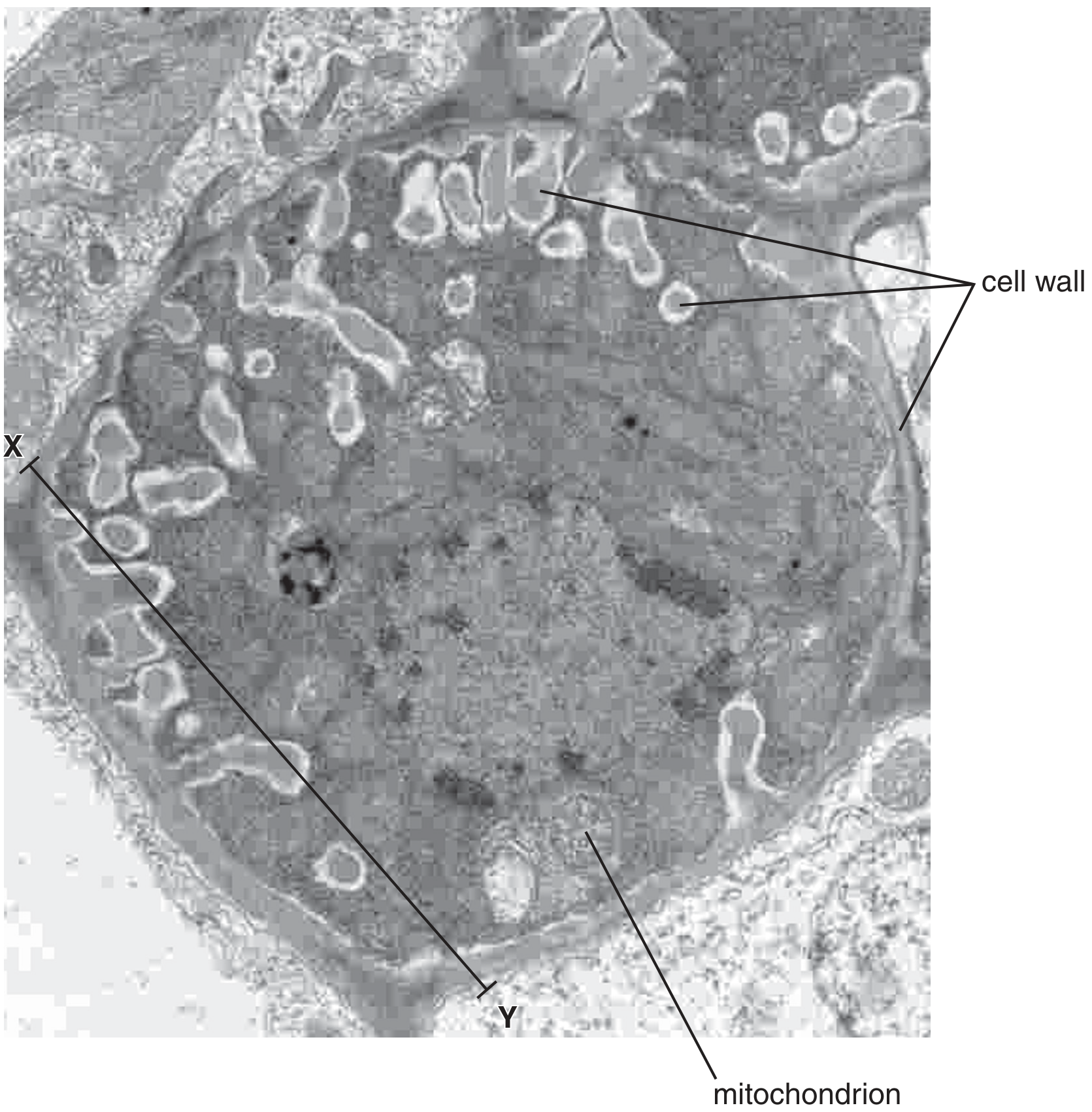
Fig. 5.1 is an electron micrograph of a phloem transfer cell.

Fig. 5.1

Fig. 5.1

magnification =×10000=\times 10000

(a)

With reference to Fig. 5.1, explain how phloem transfer cells help in the movement of sucrose from the mesophyll of a leaf into a phloem sieve tube element.

[ 5 ]
[Maximum number: 1]

Which combination of features is characteristic of a phloem sieve tube element as it is loaded from a source?

water potential of the phloem sieve tube element

lignification of the cell wall

less negative than source

absent

less negative than source

present

more negative than source

absent

more negative than source

present

[Maximum number: 1]

In the mesophyll tissue of leaves, products of photosynthesis can be used to synthesise organic compounds, such as the polysaccharide cellulose and some amino acids.

A source of nitrogen for amino acid synthesis can be provided by nitrate ions that have been taken up in the roots and transported to the leaves.

(a)

In the leaf, transport of amino acids from mesophyll cells to companion cells involves using a number of different membrane transport proteins called amino acid transporters.

There is evidence that amino acids can move from the apoplast into the cytoplasm of a companion cell using the same transport mechanism that is used for sucrose transport.

[ 1 ]
(i)

Suggest why amino acid transporters are not needed to move amino acids from the companion cell into a phloem sieve tube element.

To investigate nitrate uptake, roots can be cut and removed (excised) and placed in a buffered solution containing nitrate ions. The root tissue can be analysed to determine the quantity of nitrate taken up over a set time period.

[ 1 ]
[Maximum number: 5]

Sugar molecules enter cells through transport proteins.

(a)

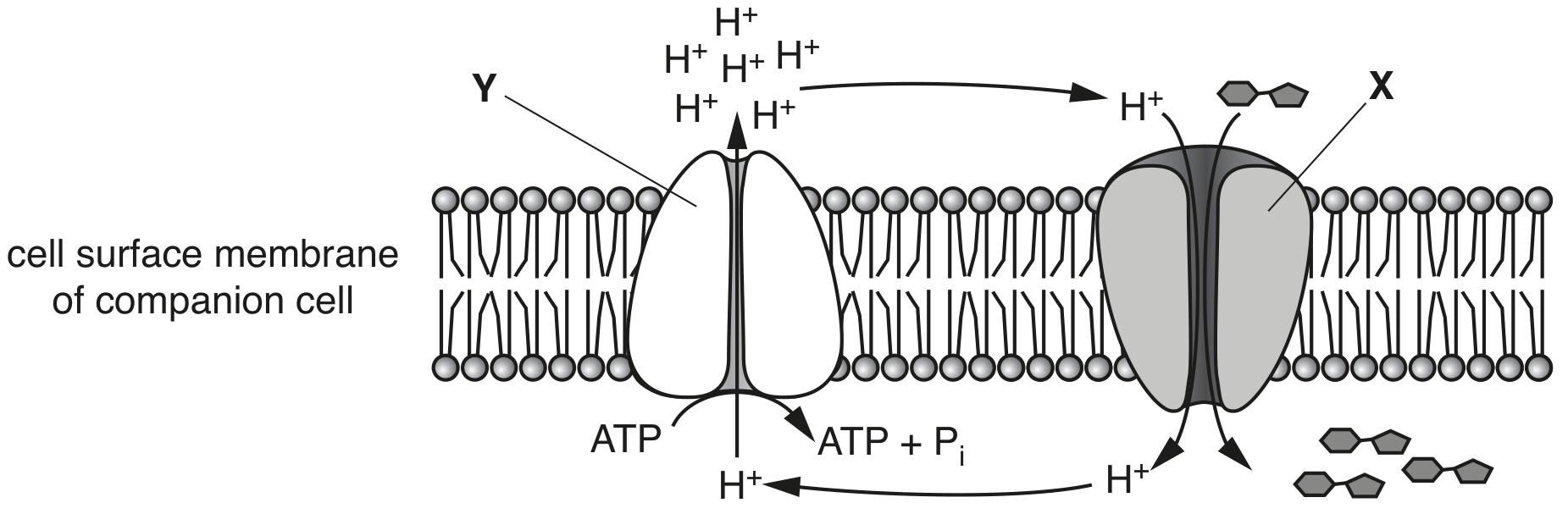
Some plant cells convert fructose and glucose into sucrose for transport from sources to sinks. Sucrose is moved into phloem sieve tubes as shown in Fig. 5.1.

Question image
Fig. 5.1

Fig. 5.1

Use the information in Fig. 5.1 to explain how sucrose:
- moves into the companion cell
- moves from the companion cell into the sieve tube element.

[ 5 ]
0