EduNinja
[Maximum number: 1]

Boiling the bones and teeth from dead animals can be used to produce a type of glue.
The glue is formed from the collagen fibres present in bones and teeth.
Which statement describes the changes to collagen that occur when the glue is produced?

A

The fibres of collagen become more coiled.

B

The fibres of collagen become more flexible.

C

The helices of collagen molecules unwind.

D

The molecules of collagen dissolve in water.
[Maximum number: 1]

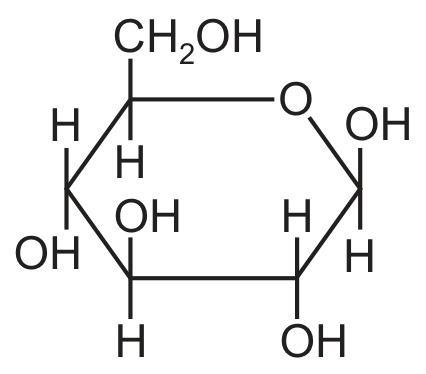
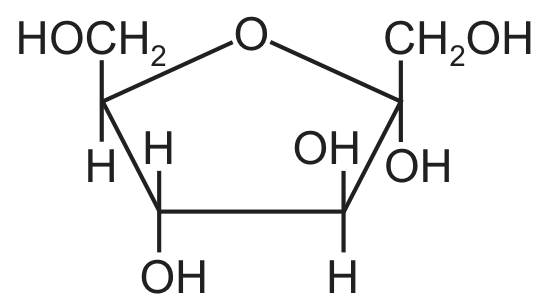
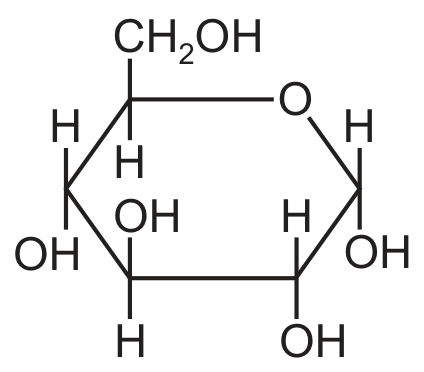
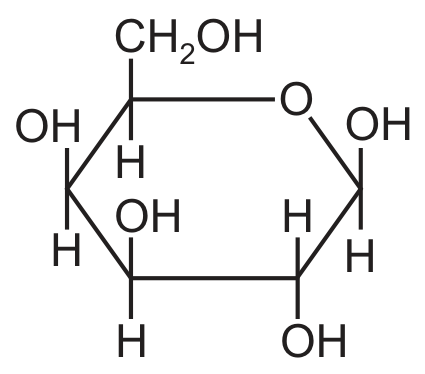
Which molecule is α\alpha-glucose?

A
Question image
B
Question image
C
Question image
D
Question image
[Maximum number: 1]

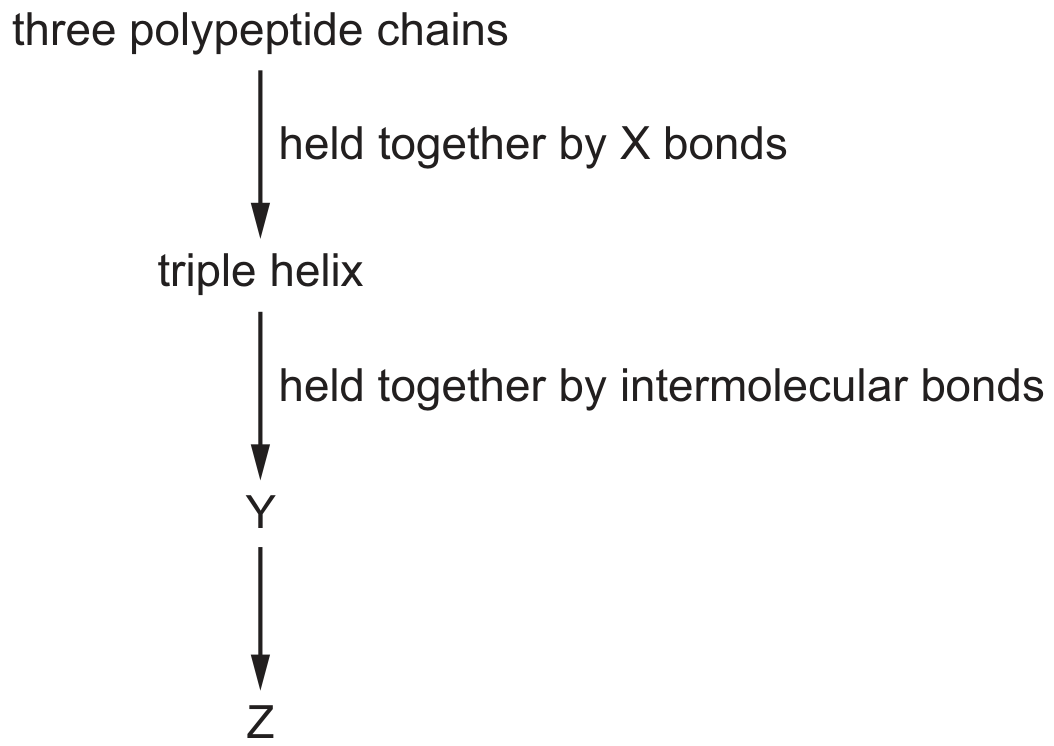
The flow chart shows some of the steps in the formation of collagen.

Question image

Which row correctly identifies X, Y and Z ?

X

Y

Z

disulfide

fibres

fibrils

hydrogen

fibrils

fibres

hydrogen

microfibrils

fibres

peptide and hydrogen

fibres

microfibrils

[Maximum number: 1]

Which feature of phospholipids enables a bilayer to form?

A

They are insoluble in water.

B

They are polar molecules.

C

They have hydrophobic and hydrophilic components.

D

They may contain saturated or unsaturated fatty acids.

[Maximum number: 1]

Which description of collagen is correct?

A

A collagen molecule consists of three polypeptide chains, each in the shape of a helix. The three chains are wound together into a triple helix called a fibre.

B

A collagen molecule consists of three polypeptide chains, each of which is an α\alpha-helix. The three chains are wound tightly together into a triple helix. Many of these triple helices bind together as a fibre.

C

A collagen molecule consists of three polypeptide chains wound tightly into a triple helix called a fibre.

D

A collagen molecule consists of three polypeptide chains in which every third amino acid is glycine. The three polypeptides are wound tightly together into a triple helix. Many of these helices form a fibre.

[Maximum number: 1]

Which statement about collagen is correct?

A

A collagen fibre is made of three parallel helices with hydrogen bonds holding them in place.

B

It is an insoluble fibrous protein with a quaternary structure.

C

One-third of the amino acids making up collagen are valine.

D

Collagen fibres are formed from several collagen molecules held together by ionic bonds.

[Maximum number: 5]

Collagen is a fibrous protein that is found in many tissues in animals.

(a)

Describe the structure of a collagen molecule and the structure of a collagen fibre. collagen molecule
collagen fibre

[ 5 ]
[Maximum number: 3]

Collagen is a major component of the cartilage found in some of the structures of the human gas exchange system. Cells that synthesise and secrete the components of cartilage are known as chondrocytes.

(a)

Fig. 4.2 shows part of the primary structure of a collagen polypeptide.

Fig. 4.2

Fig. 4.2

[ 3 ]
(i)

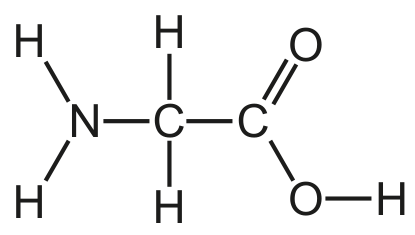
Fig. 4.3 shows the molecular structure of the amino acid glycine (gly).

Fig. 4.3

Fig. 4.3

With reference to Fig. 4.2 and Fig. 4.3 and the function of collagen, explain how the structure of a collagen polypeptide makes it suitable to form a collagen molecule.

[ 3 ]
0