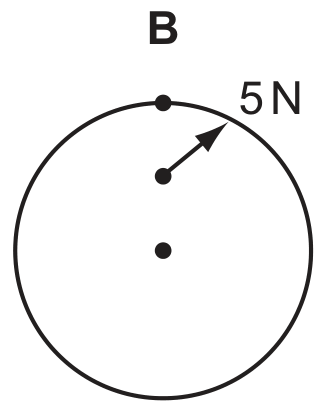
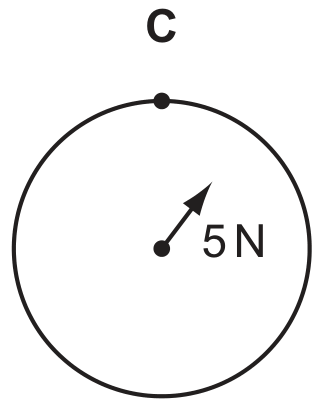
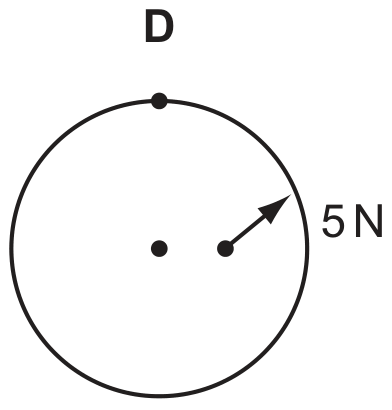
[Maximum number: 2]
The drag force acting on an object falling through air is given by
where A is the cross-sectional area of the object,
v is the velocity of the object in the air,
is the density of the air and
C is a constant called the drag coefficient.
(a)
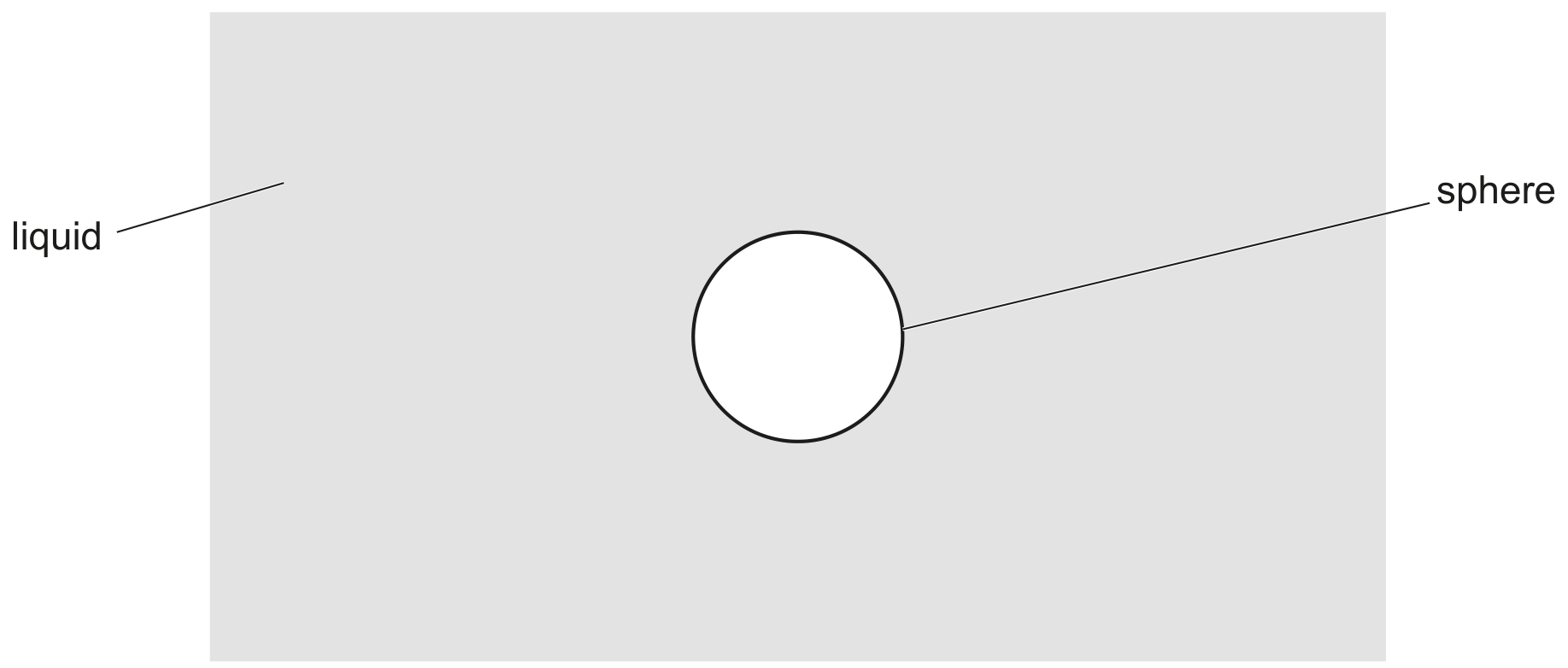
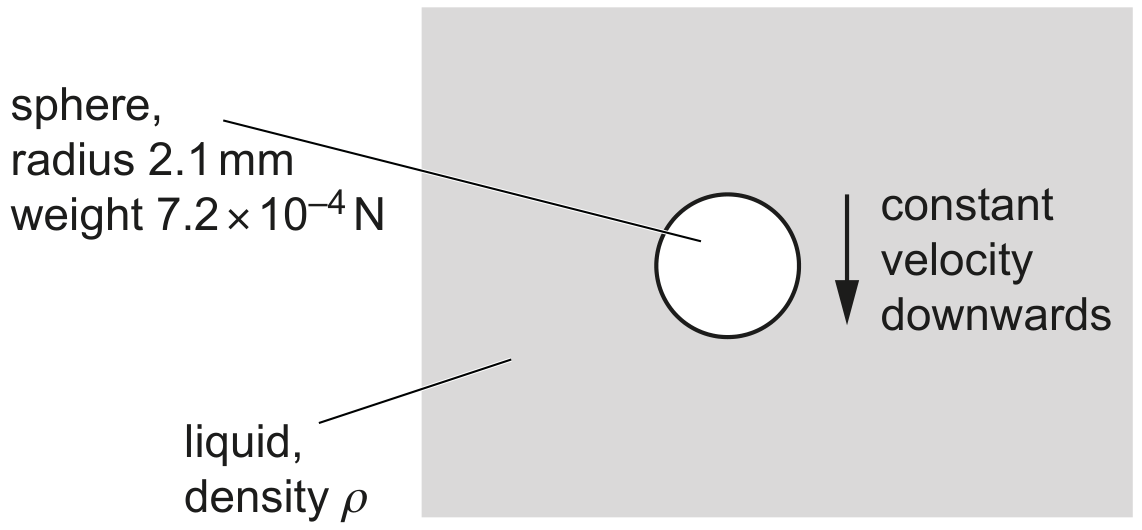
Fig. 1.1 shows a sphere falling at terminal velocity in air.
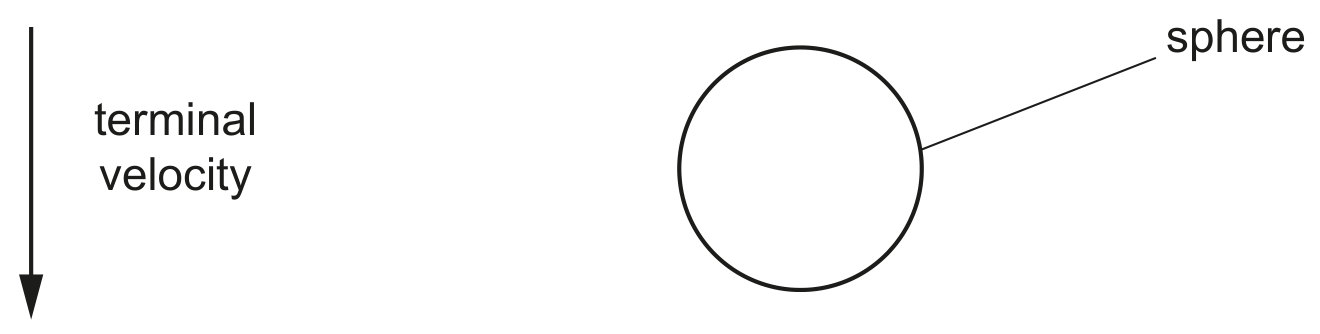
Fig. 1.1
Assume that the upthrust on the sphere is negligible.
On Fig. 1.1, draw and label arrows to show the directions of the two forces acting on the sphere.
[ 2 ]