Mammals have a closed double circulation system.
Smoking causes carbon monoxide and nicotine to enter the blood.
Describe the short-term effects of each of these substances on the cardiovascular system.
carbon monoxide
nicotine
EduNinjaMammals have a closed double circulation system.
Smoking causes carbon monoxide and nicotine to enter the blood.
Describe the short-term effects of each of these substances on the cardiovascular system.
carbon monoxide
nicotine
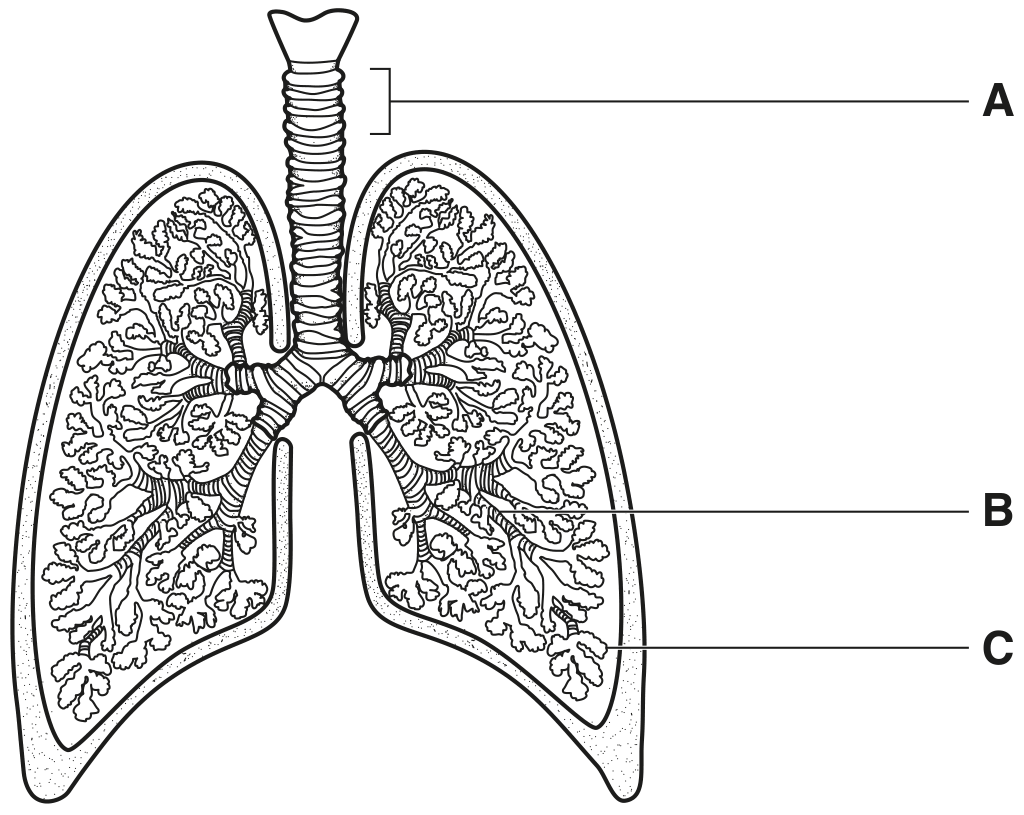
Fig. 1.1 shows the human gas exchange system.

Fig. 1.1
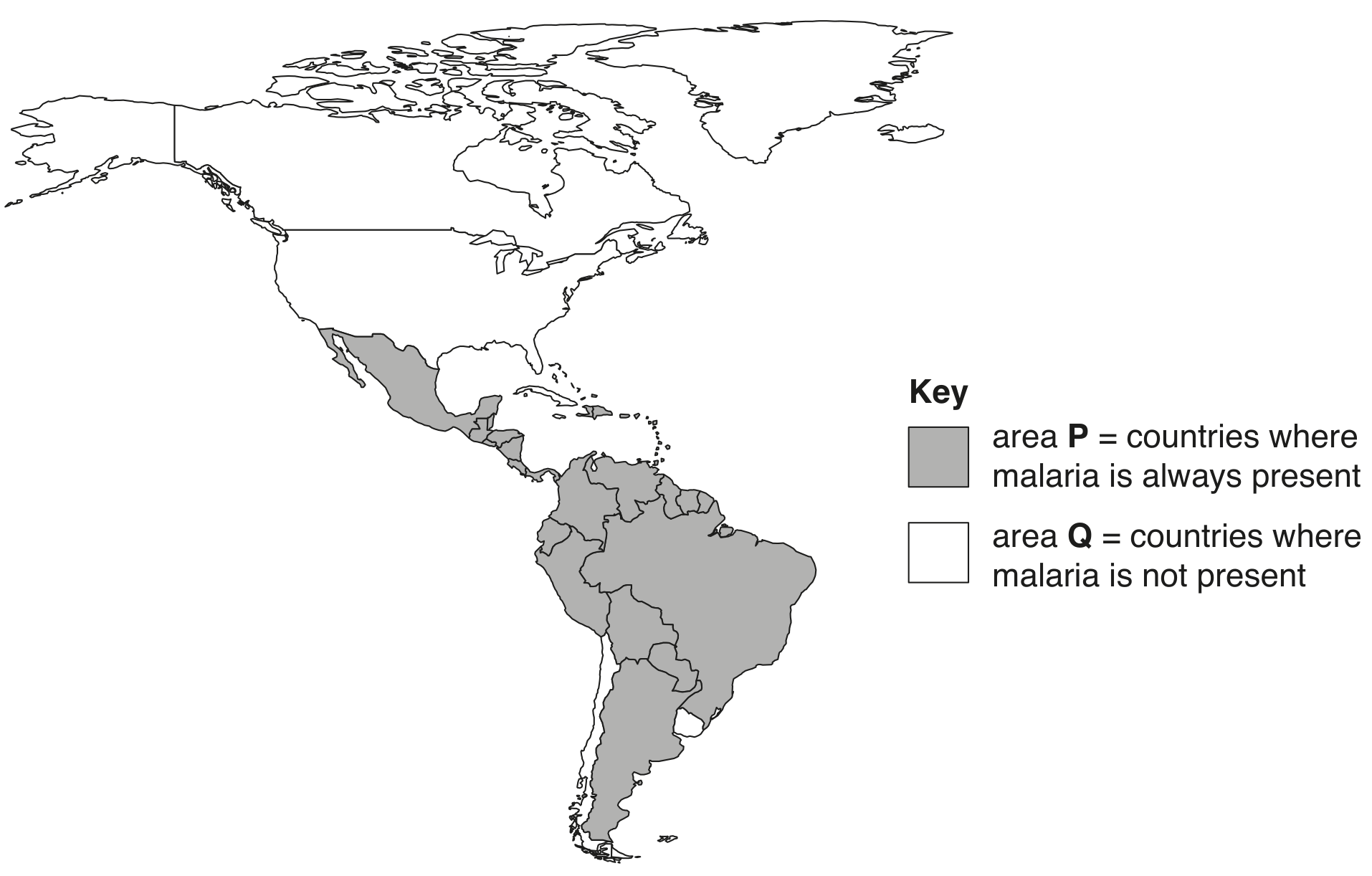
Fig. 1.2 shows the distribution of malaria in the Americas in 2012.

Fig. 1.2
Suggest the factors, other than lack of vaccines, that could be restricting the distribution of malaria to area P.
The Zika virus is a pathogen that can infect human cells.
The vector for Zika virus is the mosquito Aedes aegypti. The mosquito feeds on the blood of an infected person and transmits the virus to another person when it feeds again.
Describe the similarities and differences between the transmission of Zika virus disease and the transmission of malaria.
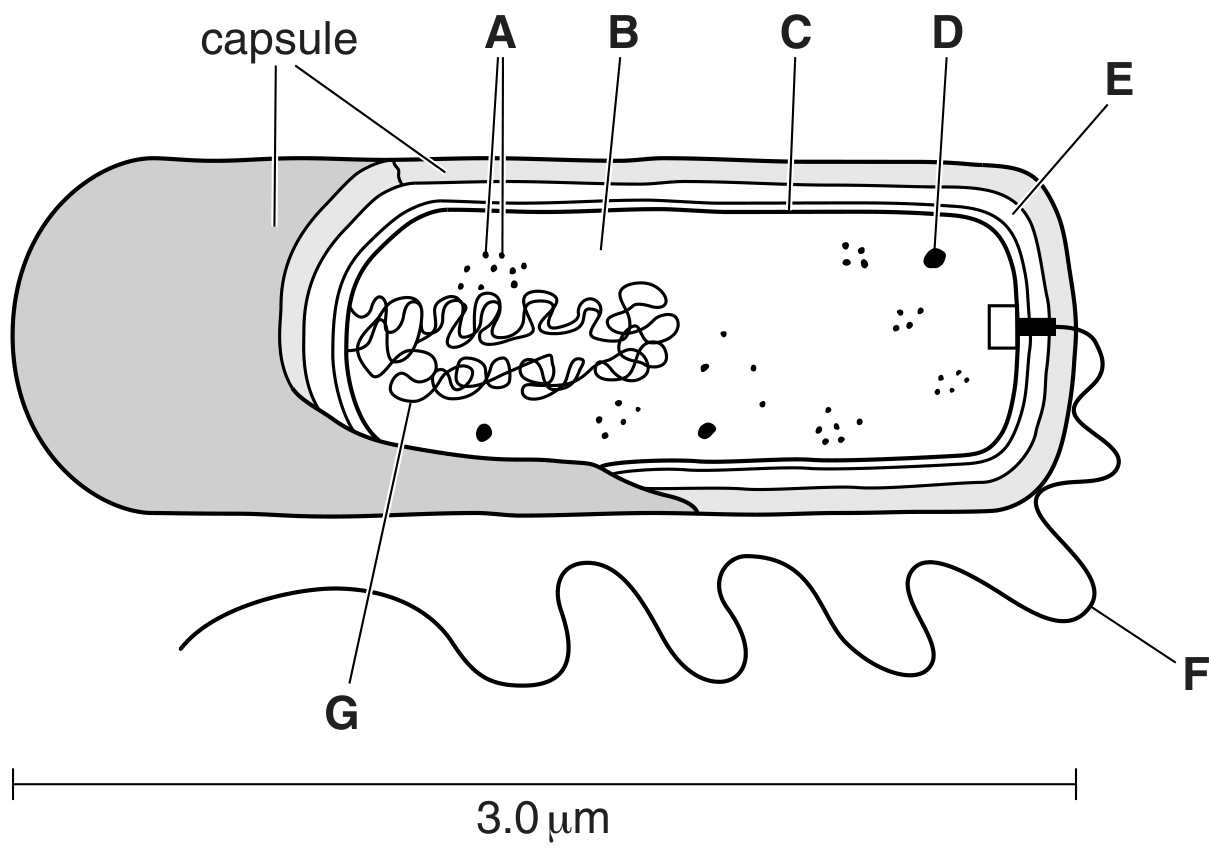
Vibrio cholerae is a prokaryotic organism.
Fig. 1.1 shows the structure of a cell of V. cholerae.

Fig. 1.1
Describe how V. cholerae is transmitted from an infected person to an uninfected person.
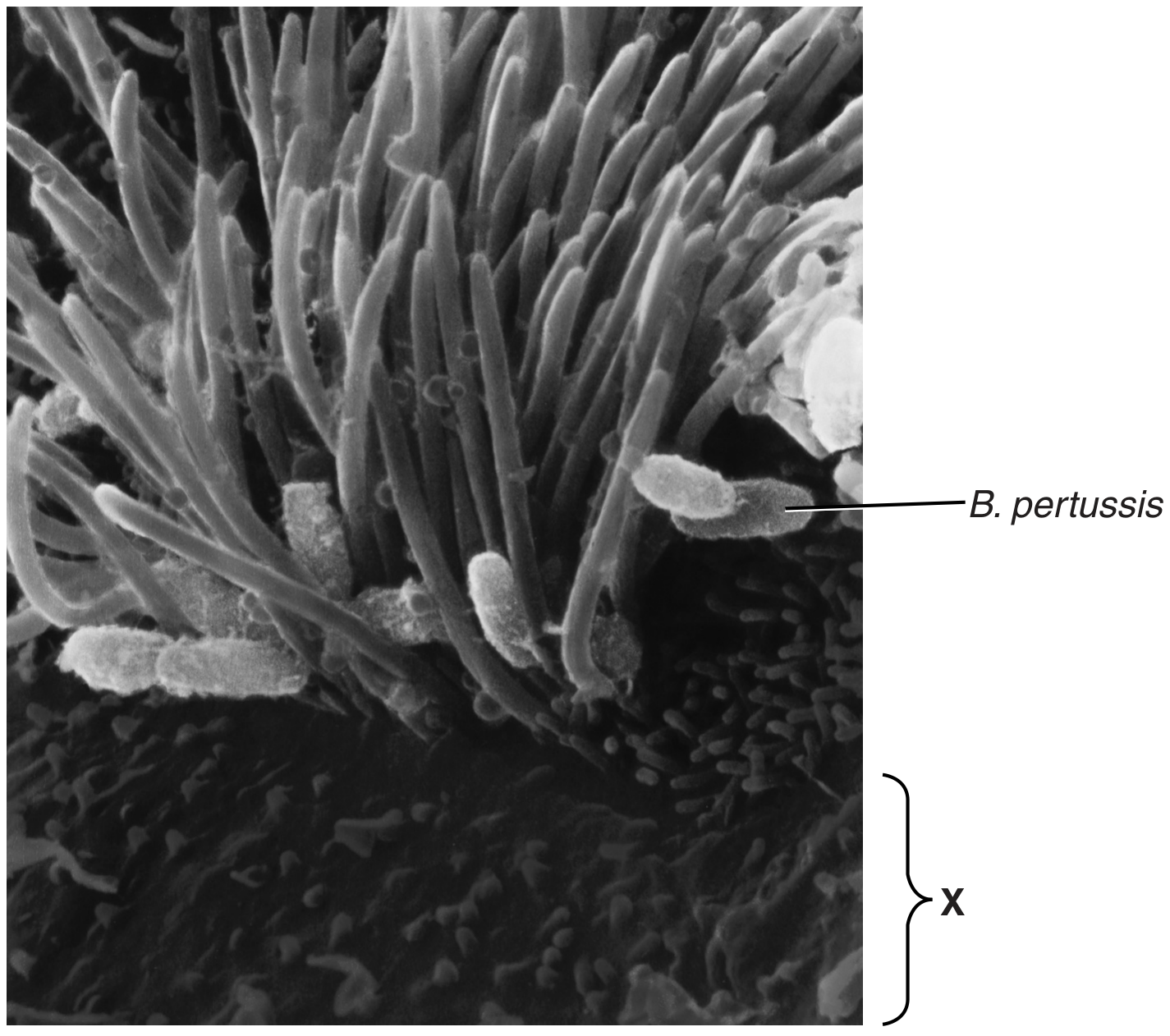
Fig. 2.1 is a scanning electron micrograph of an area of the trachea showing the presence of Bordetella pertussis bacteria.
B. pertussis is the causative organism of a respiratory disease in humans known as whooping cough. The disease is transmitted from person to person in a similar way to tuberculosis (TB).
A symptom that is common to TB and to whooping cough is the production of an excess of mucus.

Fig. 2.1
Suggest how whooping cough is transmitted.
The main cause of tuberculosis (TB) in humans is the bacterium Mycobacterium tuberculosis. Most cases of the disease involve the lungs. The bacterium can enter cells and remain inactive in a latent (dormant) state. However, the bacterium can become active to produce symptoms of the disease.
In a person with active TB, the pathogen can be present in airborne droplets that are exhaled. Generally, a healthy person who inhales these droplets has effective defence mechanisms in the gas exchange system to prevent infection.
TB in humans can be caused by another species of bacterium, M. bovis.
State the mode of transmission of this pathogen to humans.
The main cause of tuberculosis (TB) in humans is the bacterium Mycobacterium tuberculosis. Most cases of the disease involve the lungs. The bacterium can enter cells and remain inactive in a dormant state. However, the bacterium can become active to produce symptoms of the disease.
In a person with active TB , the pathogen can be present in airborne droplets that are exhaled. Generally, a healthy person who inhales these droplets has effective defence mechanisms in the gas exchange system to prevent infection.
TB in humans can be caused by another species of bacterium, M. bovis.
State the mode of transmission of this pathogen to humans.
Explain how the virus that causes measles is transmitted.
Vaccination can protect against the infectious disease tuberculosis (TB).
Describe how a person may become infected with TB.
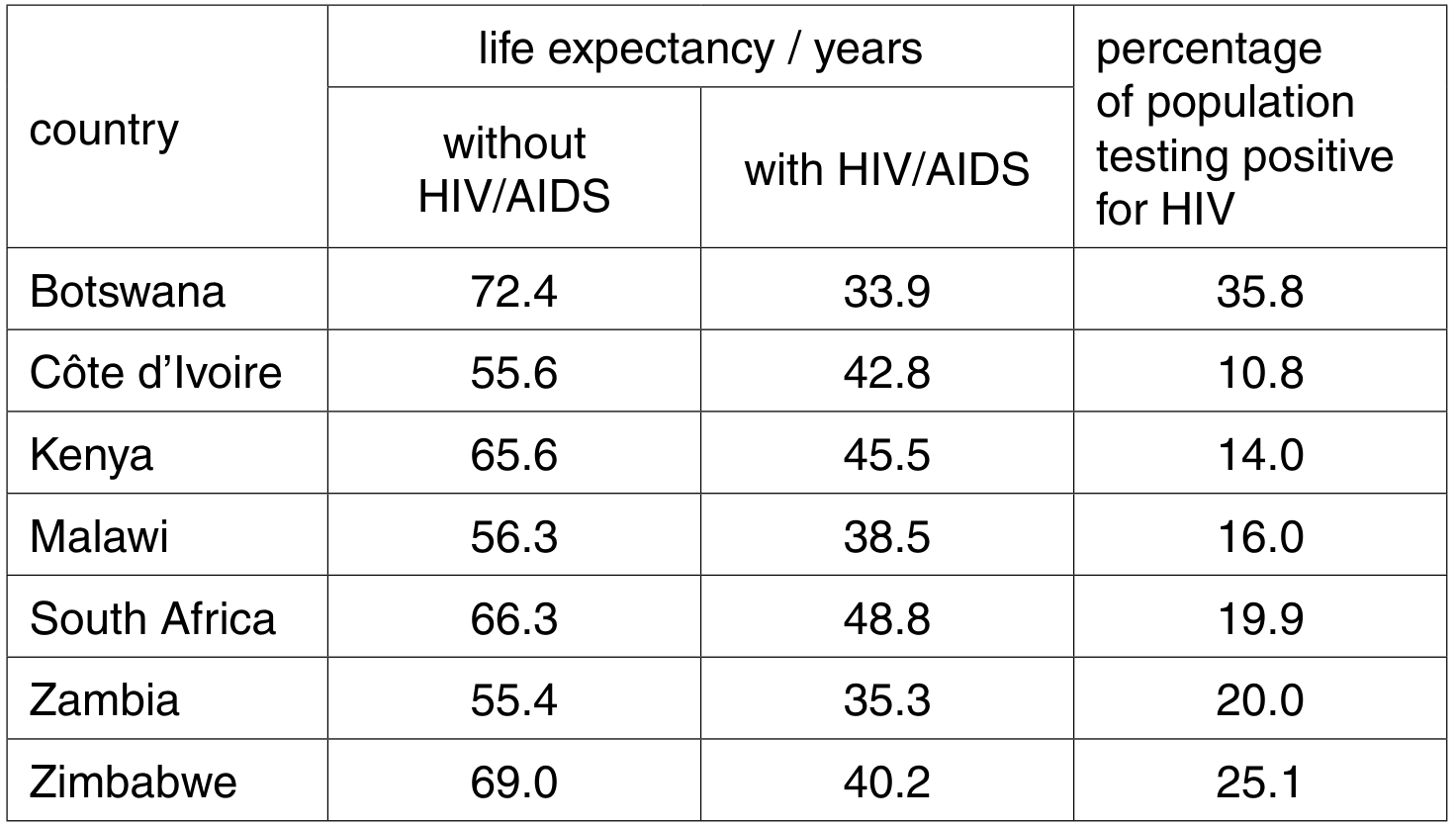
The HIV/AIDS pandemic has had a very large impact on life expectancy in many African countries.
Table 3.1 shows estimated data for seven African countries for
- the average life expectancy of an individual born in 2002
- the percentage of the population testing positive for HIV in 2002
- the average life expectancy of an individual born in 2002 if there was no HIV/AIDS pandemic.

Table 3.1
After studying the data in Table 3.1, a student concluded that:
"There is a correlation between the percentage of the population testing positive for HIV and the decrease in estimated life expectancy with HIV/ AIDS."
With reference to Table 3.1, explain why the data do not fully support the student's conclusion.