EduNinja
[Maximum number: 3]

The malarial pathogen, Plasmodium falciparum, enters red blood cells after a person becomes infected. After some time, each cell of P. falciparum divides to form daughter cells.

Fig. 1.1 shows a cell of P. falciparum that is forming many daughter cells.
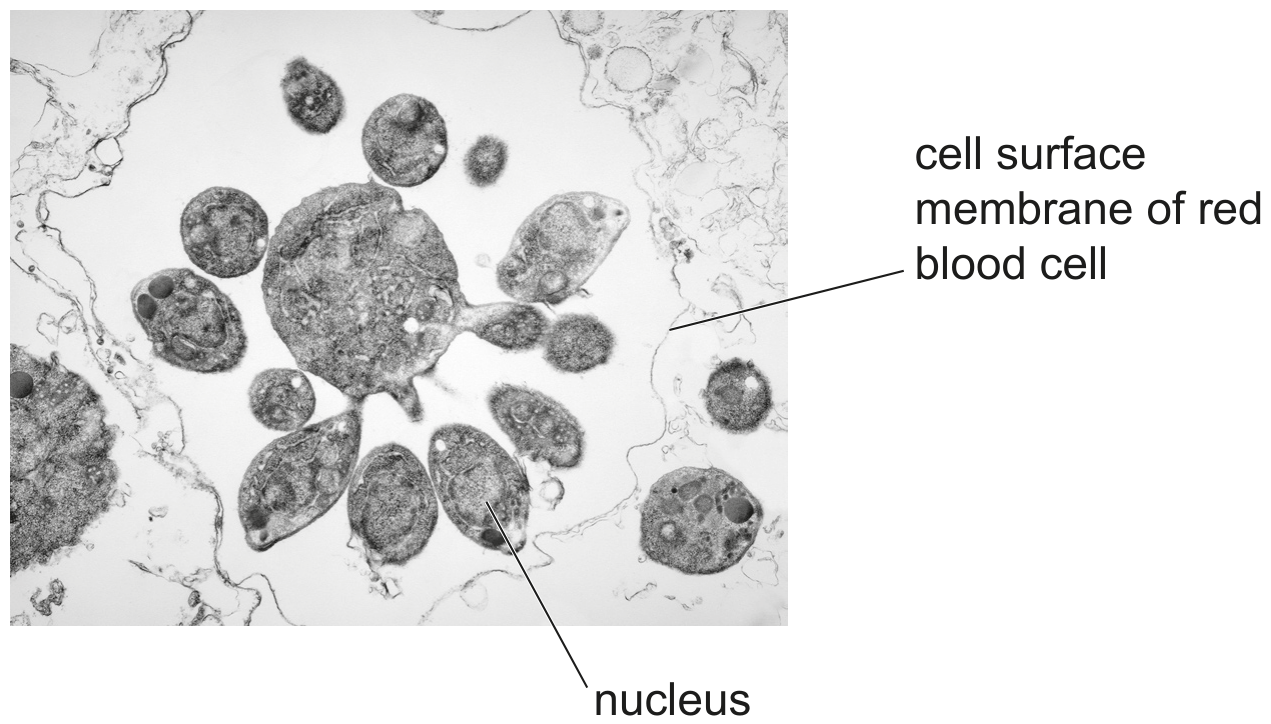
Fig. 1.1

Fig. 1.1

(a)

With reference to Fig. 1.1, suggest how the presence of P. falciparum affects a red blood cell.

[ 3 ]
[Maximum number: 1]

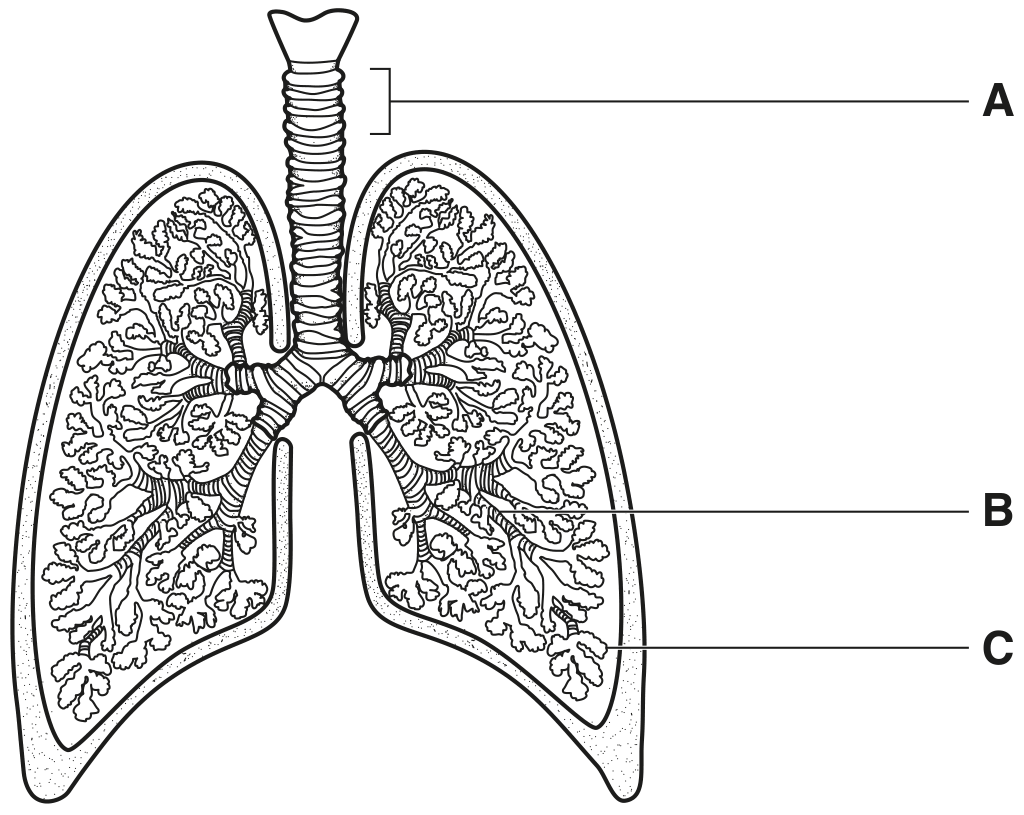
Fig. 1.1 shows the human gas exchange system.

Fig. 1.1

Fig. 1.1

(a)

Malaria is an infectious disease.

Name the pathogen that causes malaria.

[ 1 ]
[Maximum number: 1]

The infectious disease cholera is caused by a bacterium.

(a)

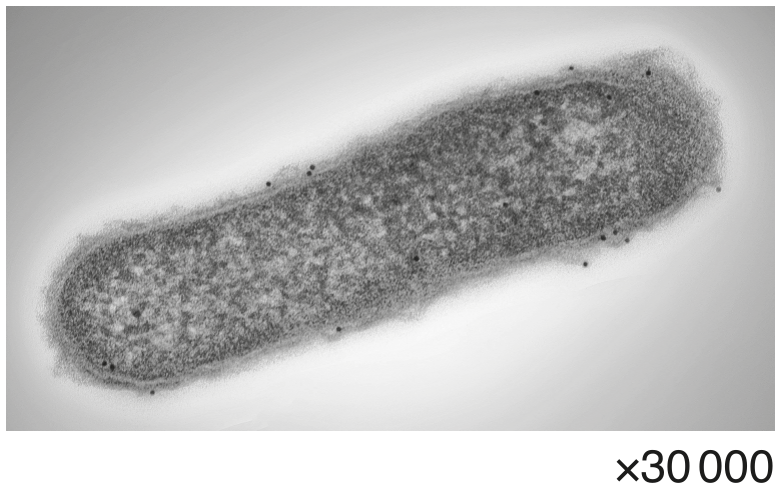
Fig. 2.1 shows a transmission electron micrograph of this bacterium.

Fig. 2.1

Fig. 2.1

[ 1 ]
(i)

Name the bacterium that causes cholera.

[ 1 ]
[Maximum number: 3]

Fig. 2.1 shows a world map shaded by country according to the incidence of tuberculosis (TB).

TB incidence.
New cases per 100000 people per year
<10
10<25
25<50
50 < 100
100 < 300
>300

(a)

State the name of the pathogenic organism which causes TB and describe its mode of transmission from infected to uninfected people.
name of organism
mode of transmission

[ 3 ]
(a)

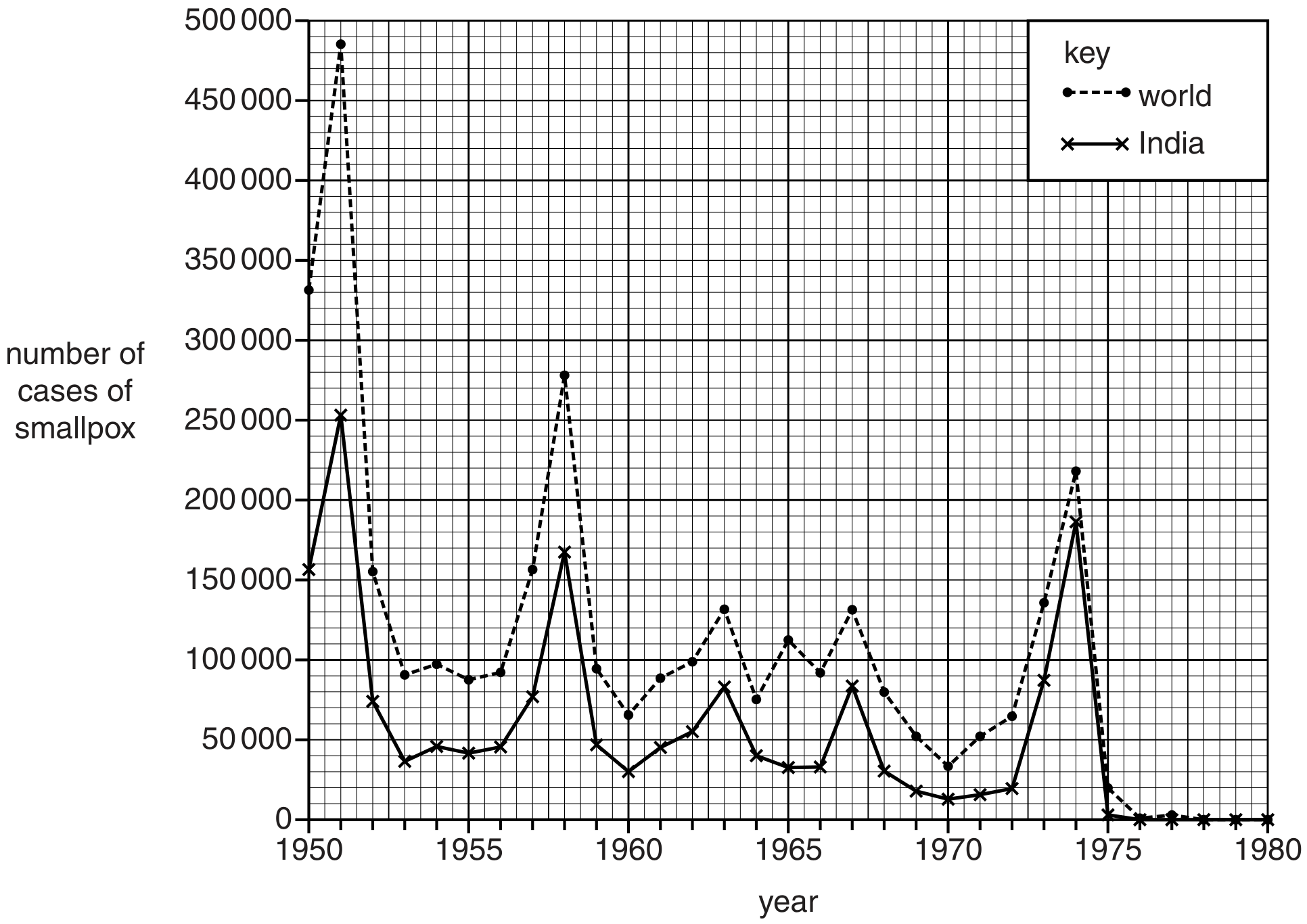
Fig. 2.2 shows the number of cases of smallpox from 1950 to 1980:
- in all the countries of the world
- in India.

Fig. 2.2

Fig. 2.2

Describe the changes in number of cases of smallpox as shown in Fig.2.2.

The World Health Organization (WHO) declared the world to be free of smallpox in 1980.

[ 3 ]
[Maximum number: 2]

Globally, measles is an important disease that mainly affects children. Many deaths from measles occur in children under five years of age.

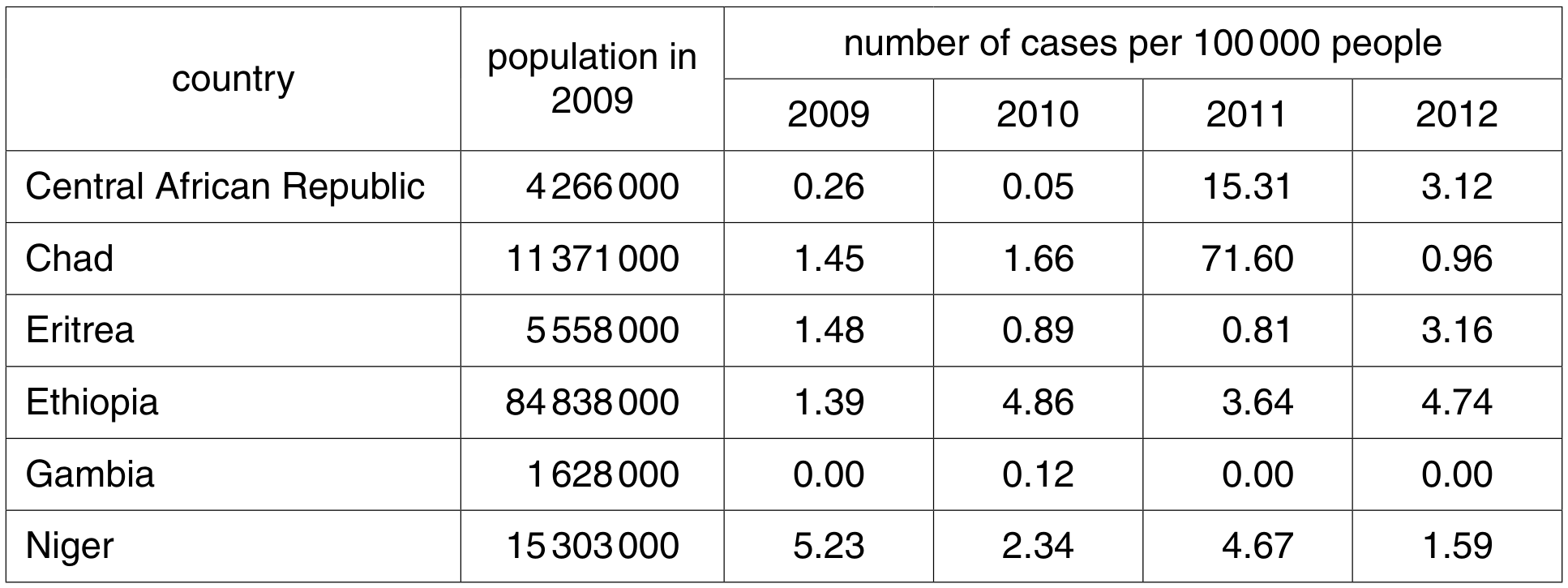
Table 3.1 shows the population of six countries in Africa in 2009 and the number of cases of measles per 100000 people for the four years 2009 to 2012.
All six countries are classified as low-income countries.

Table 3.1

Table 3.1

(a)
(i)

The actual number of cases of measles in Chad in 2009 was 165 and in Eritrea was 82. Calculate the actual number of cases of measles in Ethiopia in 2009. Show your working.

[ 2 ]
[Maximum number: 2]

Smallpox, measles and HIV/AIDS are infectious diseases caused by different viruses. These different viruses share some structural features.

(a)

The virus that causes smallpox belongs to a different genus to the virus that causes measles.

Name the viruses that cause these diseases.
smallpox
measles

[ 2 ]
[Maximum number: 1]

The main cause of tuberculosis (TB) in humans is the bacterium Mycobacterium tuberculosis. Most cases of the disease involve the lungs. The bacterium can enter cells and remain inactive in a latent (dormant) state. However, the bacterium can become active to produce symptoms of the disease.

In a person with active TB, the pathogen can be present in airborne droplets that are exhaled. Generally, a healthy person who inhales these droplets has effective defence mechanisms in the gas exchange system to prevent infection.

(a)

One example of a defence mechanism against pathogens in the gas exchange system involves the action of macrophages.

[ 1 ]
(i)

It is sometimes possible for M. tuberculosis to survive within macrophages. Suggest one way in which M. tuberculosis may survive within a macrophage.

[ 1 ]
[Maximum number: 5]

Malaria is an infectious disease that is considered by the World Health Organization to be a disease of worldwide importance.

(a)

Name one species of organism that causes malaria.

[ 1 ]
(b)

Explain the significance of the following statements in the control of malaria.

[ 4 ]
(i)

The female Anopheles mosquito has been more closely studied with regard to malaria than the male Anopheles mosquito.

[ 1 ]
(ii)

The infective stages of the malarial organism are present in anti-coagulant produced by the mosquito.

[ 1 ]
(iii)

After circulating in the blood for a short time, the pathogen enters liver cells of the newly infected person and then enters red blood cells.

[ 2 ]
[Maximum number: 4]

In 2015, the World Health Organization (WHO) published the Global Technical Strategy for Malaria 2016-2030. The aim of this global strategy, which follows on from the 2008 Global Malaria Action Plan (GMAP), is to make progress in the control and elimination of malaria.

Both the global strategy and GMAP aim to reduce:
- the case incidence (number of new cases each year) of malaria
- the mortality rate (number of deaths each year) from malaria.

(a)

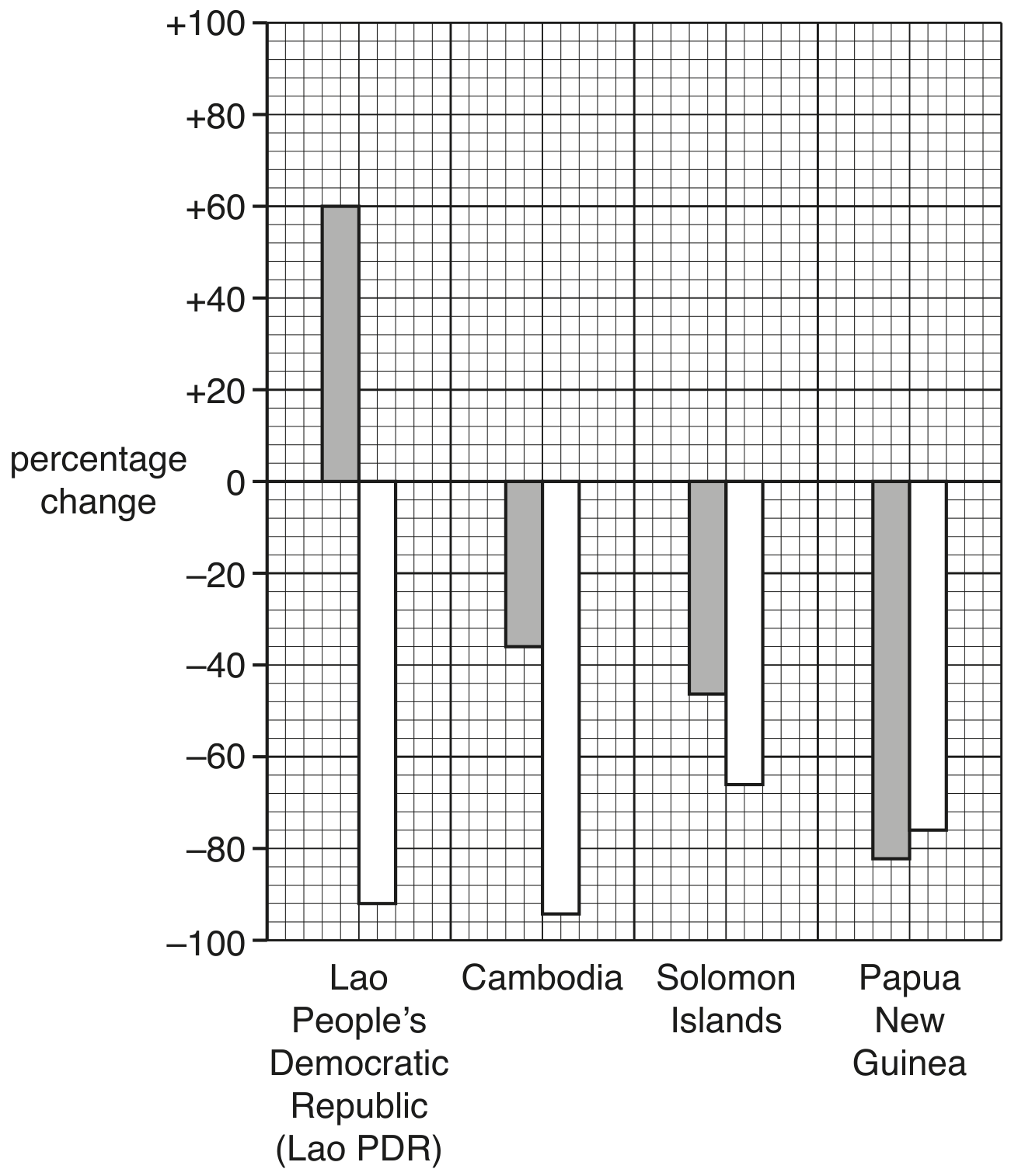
Fig. 3.1 shows data for the four countries in the WHO Western Pacific Region that had the highest proportion of cases of malaria in 2015.

For each of these four countries, the percentage change in the case incidence and the percentage change in the mortality rate over the five-year period from 2010 to 2015 are shown.

Fig. 3.1

Fig. 3.1

Table
[ 4 ]
(i)

With reference to Fig. 3.1, describe the progress made in the control of malaria in the four countries between 2010 and 2015.

[ 4 ]
0