EduNinja
[Maximum number: 1]

Fig. 1.1 is a photomicrograph of a low power image of part of the common sunflower, Helianthus annuus. Fig. 1.1 is a transverse section.
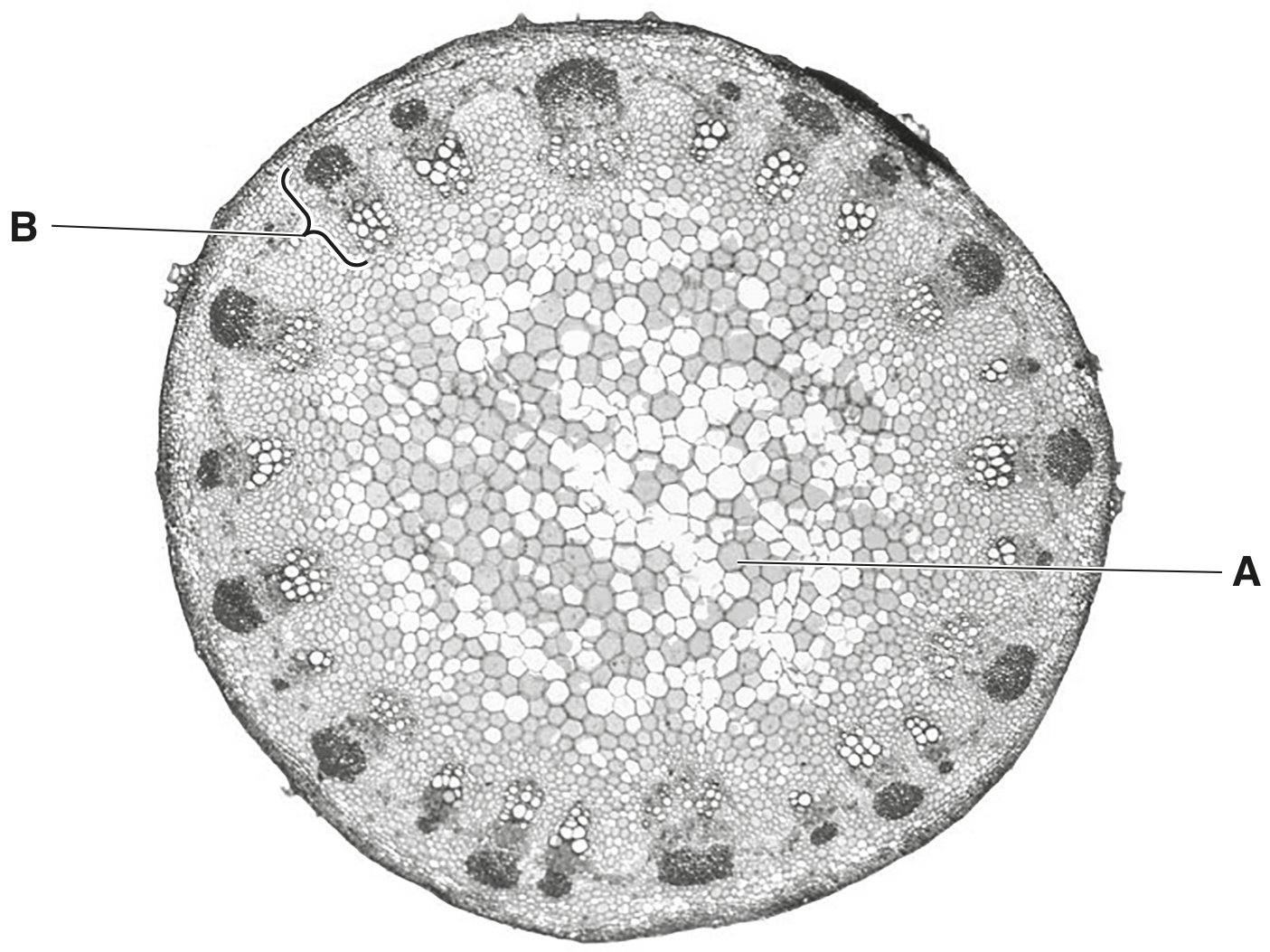
Fig. 1.1

Fig. 1.1

(a)

State, with a reason, whether Fig. 1.1 shows a section through the root or the stem of H. annuus.

[ 1 ]
[Maximum number: 1]

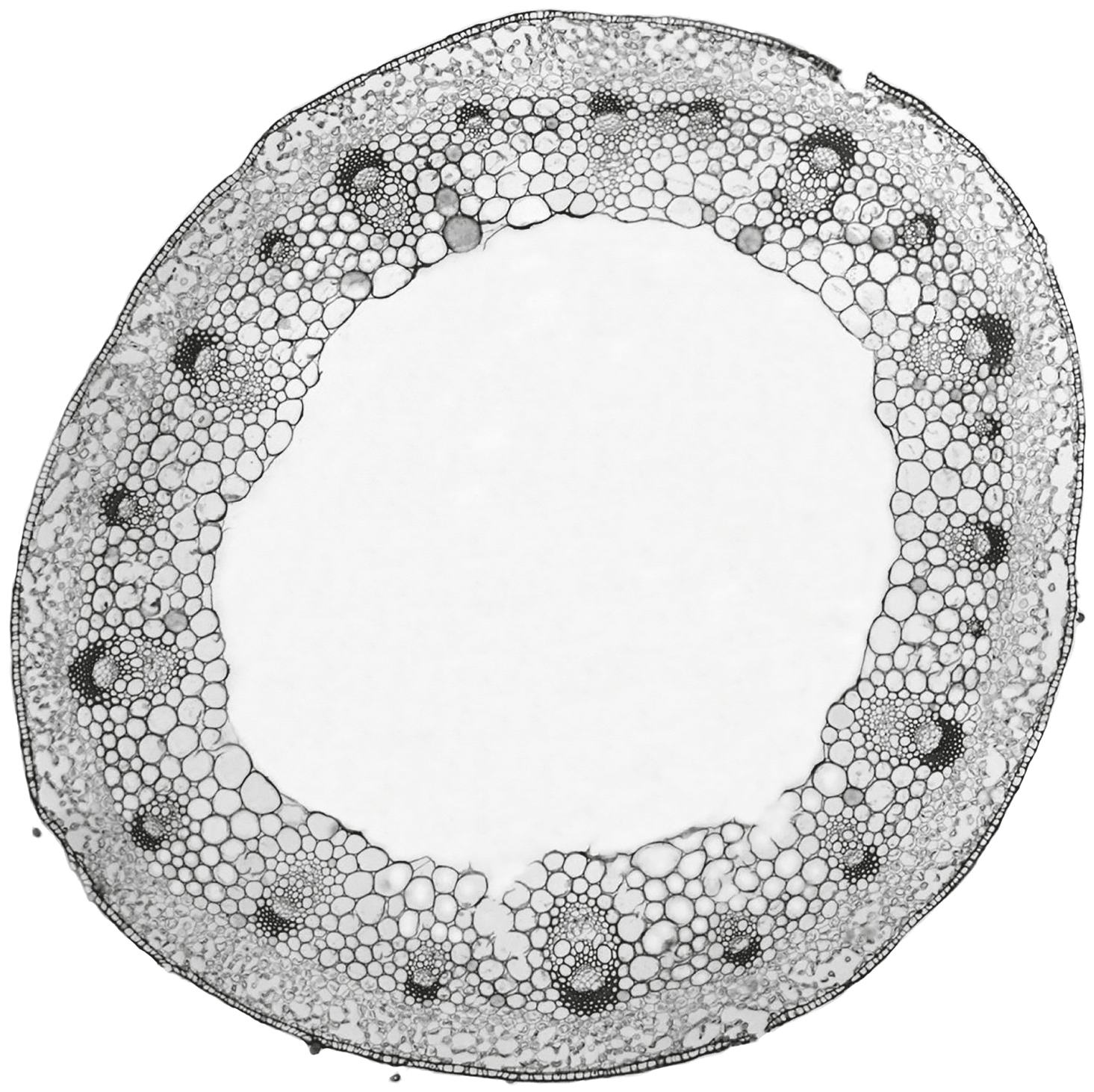
Fig. 1.1 is a photomicrograph of a transverse section through the stem of creeping buttercup, Ranunculus repens.

Fig. 1.1

Fig. 1.1

(a)

A good quality plan diagram of Fig. 1.1 will show only the tissues in the stem in their correct location and in the correct proportions.

[ 1 ]
(i)

State the name of the tissue that forms the outer layer of the stem section of R. repens in Fig. 1.1.

[ 1 ]
[Maximum number: 1]

Four students were asked to suggest a set of four labels to add to a plan diagram of a transverse section of a dicotyledonous leaf.

Which student, A, B, C or D, suggested a correct set of labels?

label 1

label 2

label 3

label 4

lower epidermis

phloem

spongy mesophyll

palisade mesophyll

phloem sieve tubes

upper epidermis

spongy mesophyll

xylem vessel elements

spongy mesophyll

endodermis

xylem vessel elements

palisade mesophyll

waxy cuticle

xylem

companion cells

spongy mesophyll

[Maximum number: 1]

When drawing a plan diagram of a transverse section of a dicotyledonous leaf, which feature should not be included?

A

cuticle on the upper epidermis

B

palisade mesophyll layer

C

vascular bundles in the leaf lamina

D

xylem vessel elements

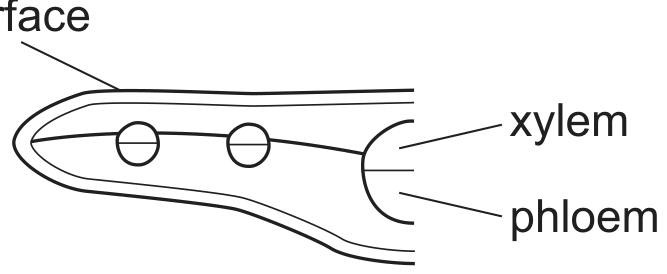
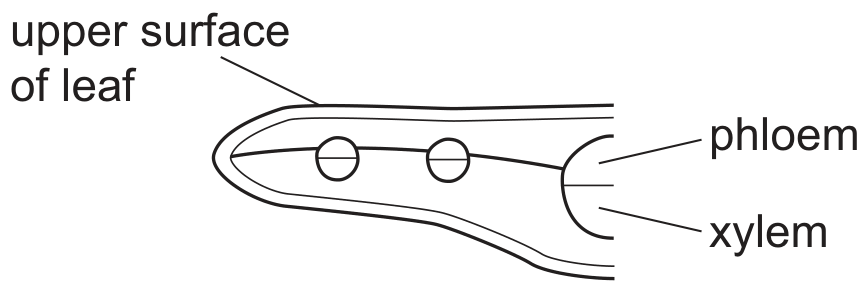
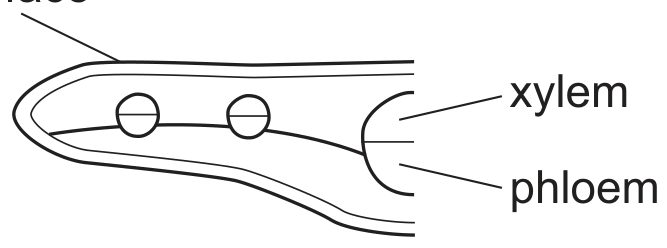
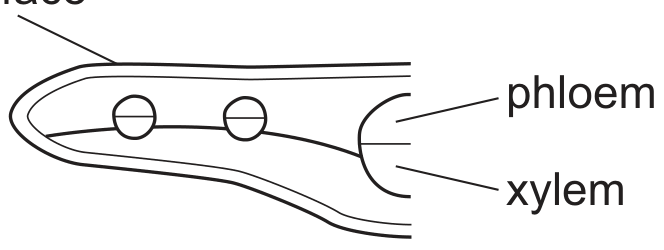
[Maximum number: 1]
A

dicotyledonous leaf has a palisade mesophyll layer that is approximately twice as thick as the spongy mesophyll layer.

Which plan diagram is correct?
A
upper surface of leaf

Question image
Question image
C

upper surface
of leaf

Question image
D

upper surface
of leaf

Question image
[Maximum number: 1]

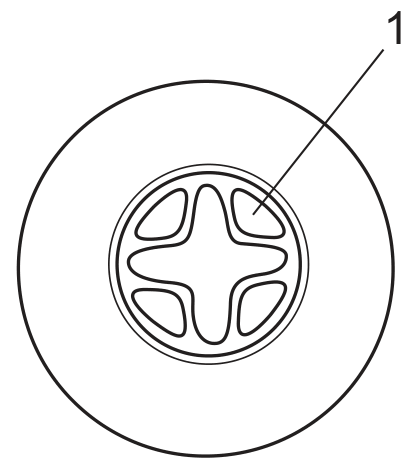
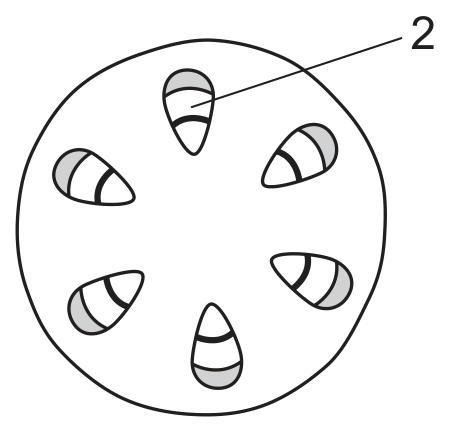
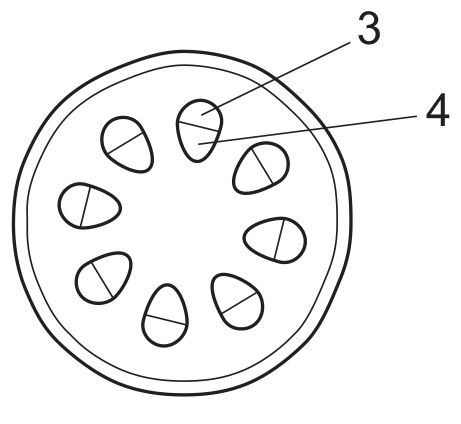
The diagrams show some tissue types in plant organs.

Question image
Question image
Question image

Which row identifies the tissue types?

1

2

3

4

phloem

phloem

phloem

xylem

phloem

xylem

phloem

xylem

xylem

phloem

xylem

phloem

xylem

xylem

phloem

xylem

[Maximum number: 1]

Four students were asked to suggest a set of four labels to add to a plan diagram of a transverse section of a dicotyledonous leaf.

Which student suggested a correct set of labels?

label 1

label 2

label 3

label 4

lower epidermis

phloem

spongy mesophyll

palisade mesophyll

phloem sieve tubes

upper epidermis

spongy mesophyll

xylem vessel elements

spongy mesophyll

endodermis

xylem vessel elements

palisade mesophyll

waxy cuticle

xylem

companion cells

spongy mesophyll

[Maximum number: 1]

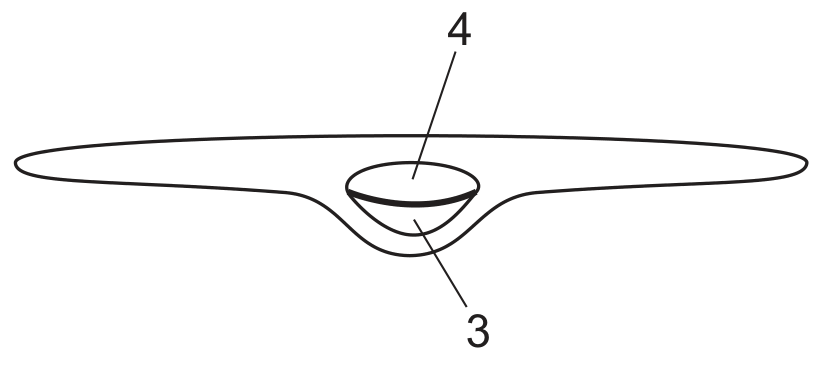
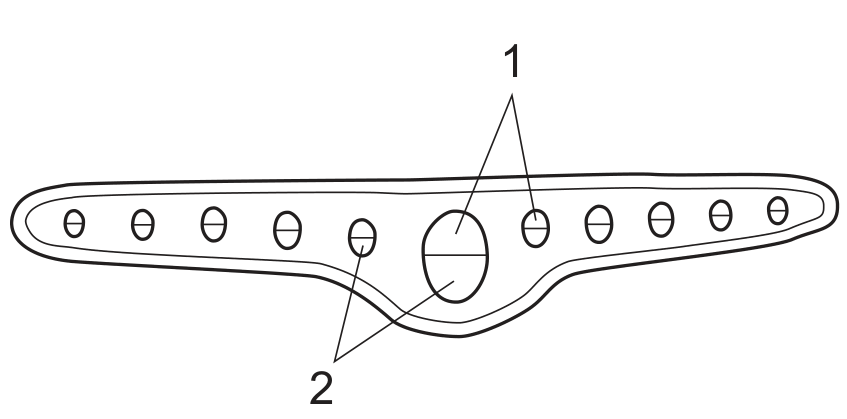
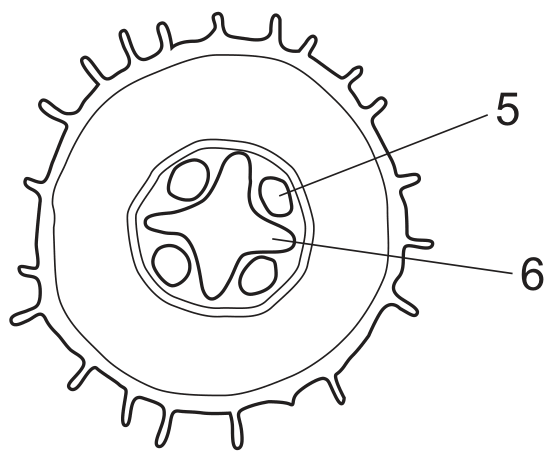
The diagrams show transverse sections through parts of plants.

Question image
Question image
Question image

Which row is correct?

contains lignin

transports

organic solutes

1,4,5

2,3,6

1,4,6

2,3,5

2,3,5

1,4,6

2,4,6

1,3,5

[Maximum number: 1]

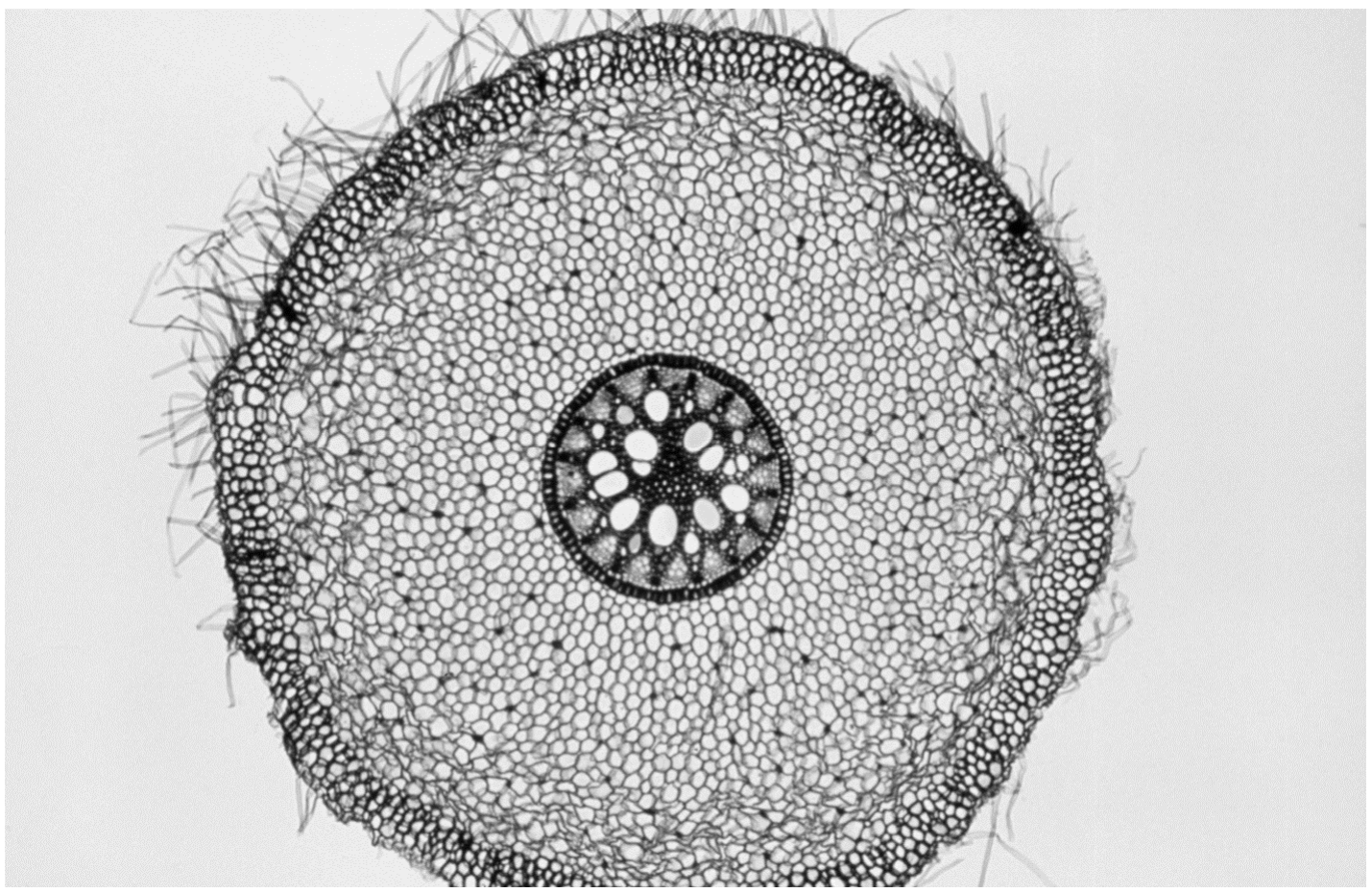
The photomicrograph shows a transverse section through a root.

Question image

What is the simplest ratio of the diameter of the root (excluding root hairs) to the diameter of the vascular tissue and endodermis?

A

40 mm:11 mm40 \mathrm{~mm}: 11 \mathrm{~mm}

B

40:11

C

8 cm:2.2 cm8 \mathrm{~cm}: 2.2 \mathrm{~cm}

D

80:22

[Maximum number: 1]

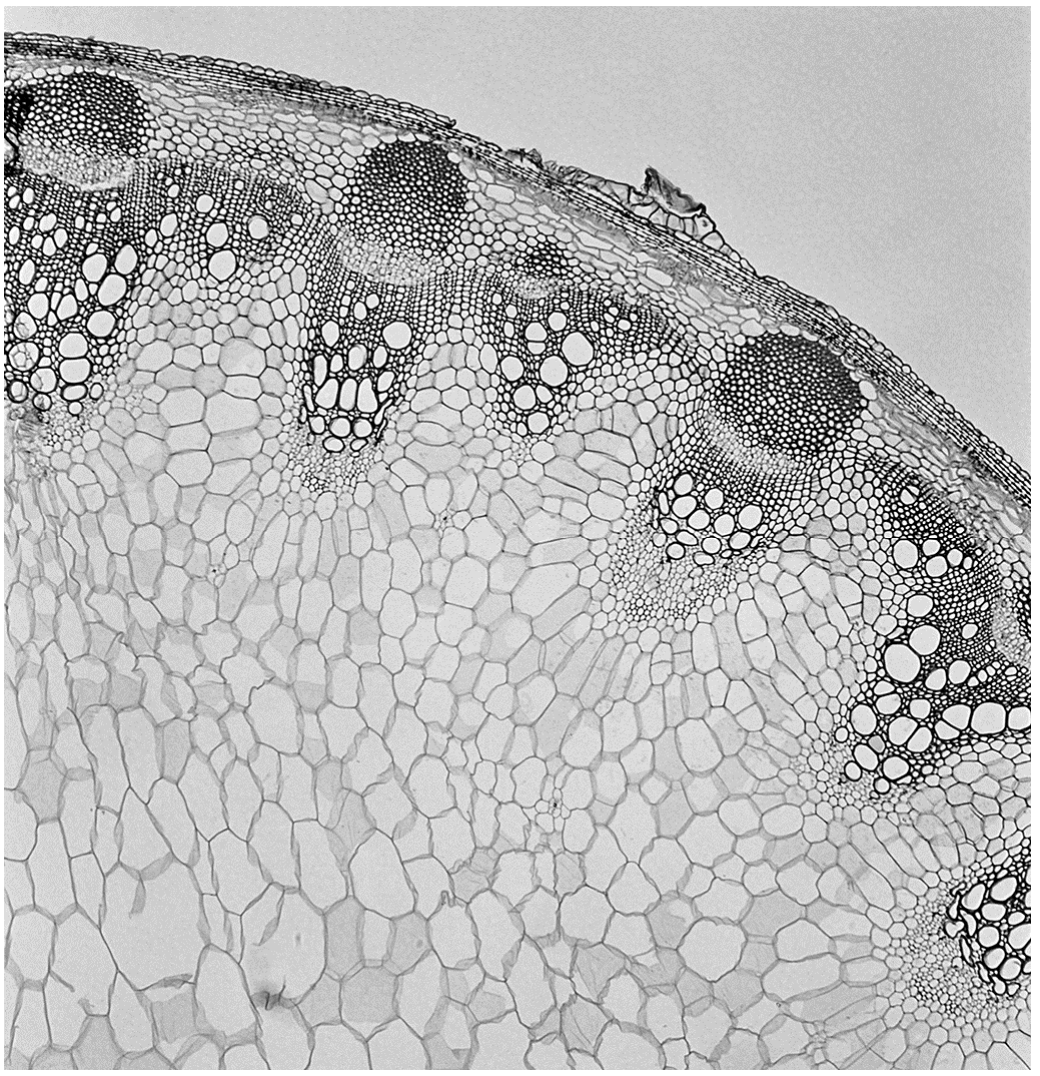
The photomicrograph shows a section of a plant organ.

Question image

Students were asked to study the photomicrograph and identify the organ, giving a reason to support their answer.

Which statement written by the students correctly identifies the organ and provides a correct reason to support this identification?

A

It is a leaf because the xylem is located on the inner side of each vascular bundle.

B

It is a stem because there is a ring of endodermis visible around the edge of the vascular tissue.

C

It is a stem because the vascular bundles are arranged in a ring near the epidermis.

D

It is a xerophytic leaf because there is a thick epidermis made up of many layers of cells.

0