EduNinja
[Maximum number: 1]

Fig. 1.1 is a diagram showing the structure of a section of a DNA molecule.
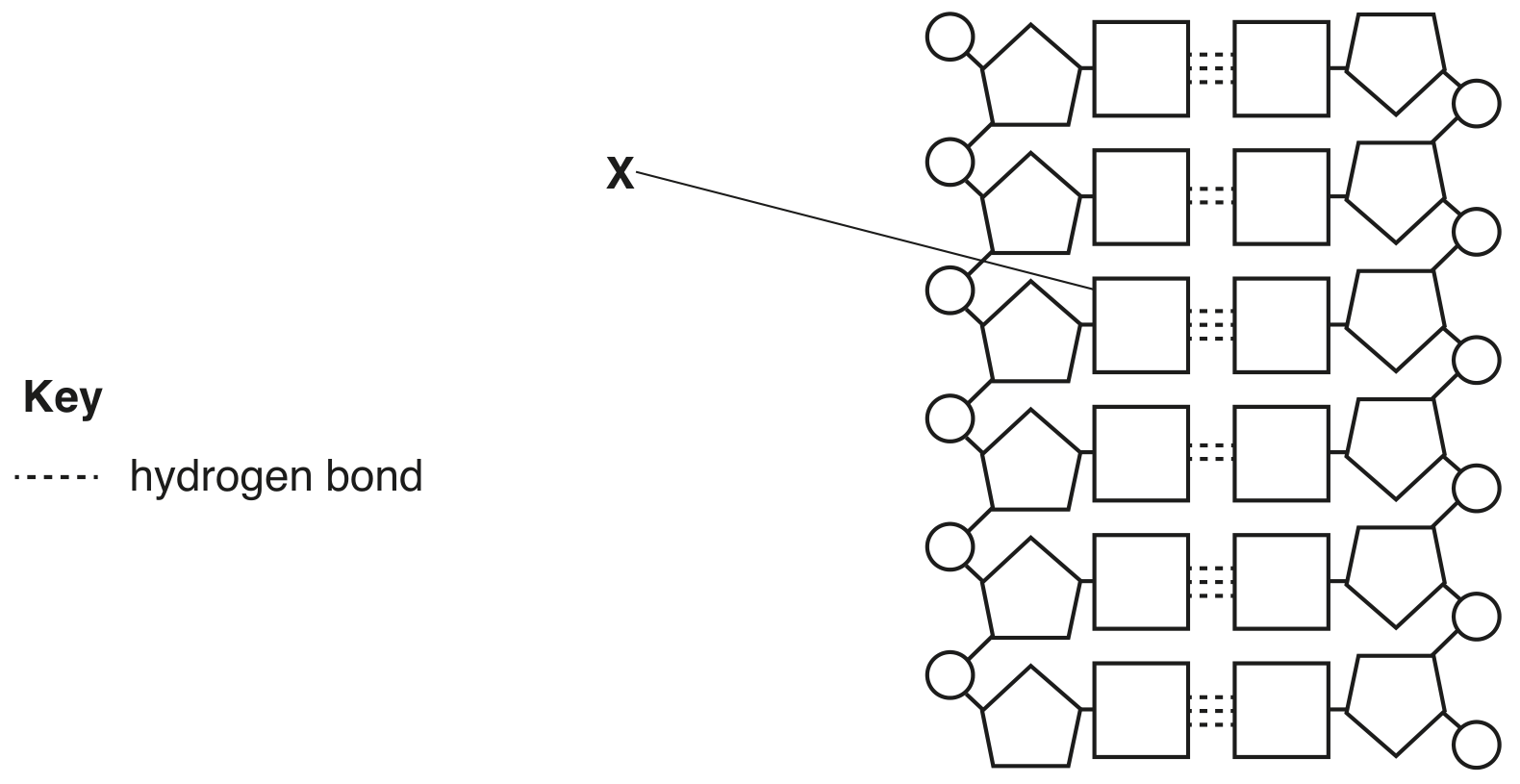
Fig. 1.1

Fig. 1.1

(a)

The statements 1-5 describe events that occur during DNA replication.

1 DNA polymerase forms a phosphodiester bond
2 DNA double helix forms
3 hydrogen bonds break
4 hydrogen bonds form
5 two strands of the double helix separate
Write the numbers 1 to 5 in the spaces below to show the order in which these events occur. The first one has been done for you.
```
3
```

[ 1 ]
[Maximum number: 1]

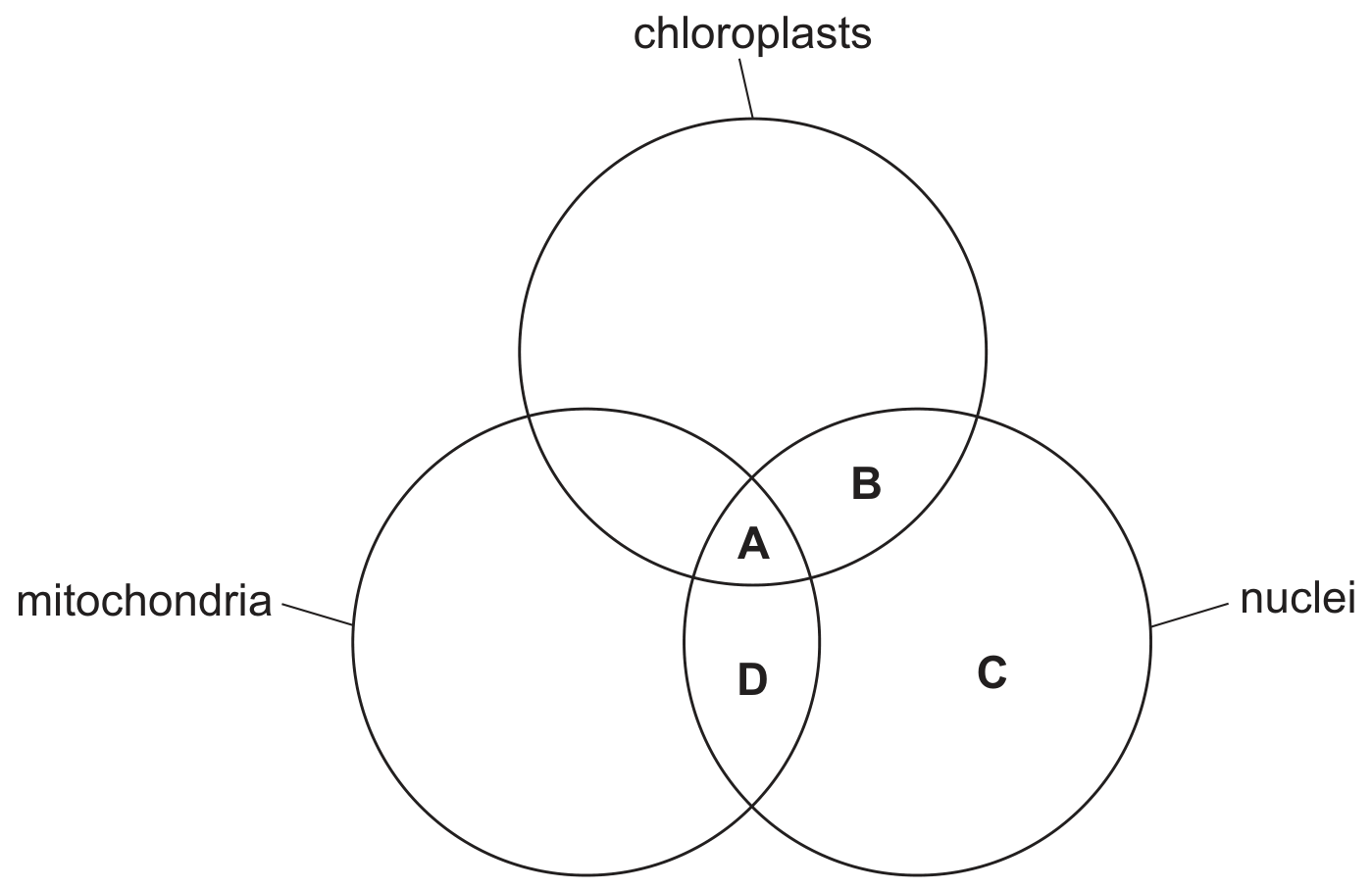
Which letter identifies cell structures where semi-conservative replication of DNA occurs?

Question image
[Maximum number: 1]

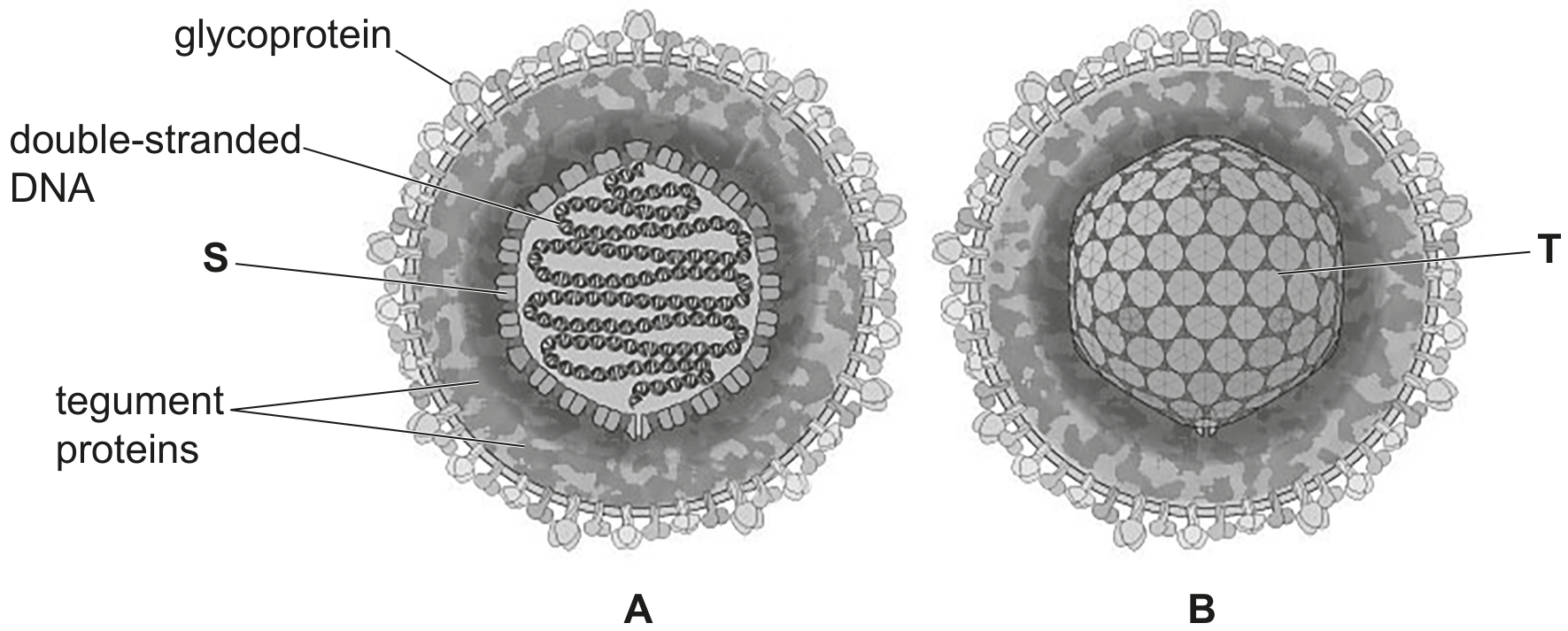
Human cytomegalovirus (HCMV) is a common virus affecting humans. In people with a fully functioning immune system, infection by HCMV usually causes no, or only mild, symptoms.

Fig. 2.1 A is a diagram of a section through HCMV. In Fig. 2.1B, only the outer part of HCMV is sectioned.

Fig. 2.1

Fig. 2.1

The viral DNA shown in Fig. 2.1 contains genes that code for proteins important in viral replication and viral structure, including viral DNA polymerase and proteins known as tegument proteins.

Viruses can only replicate in host cells as they need to use processes and contents of the host cell. Complete viral particles that are released from the host cell are known as virions.

(a)

Suggest the role of viral DNA polymerase within the host cell.

[ 1 ]
[Maximum number: 2]

The main cause of tuberculosis (TB) in humans is the bacterium Mycobacterium tuberculosis. Most cases of the disease involve the lungs. The bacterium can enter cells and remain inactive in a dormant state. However, the bacterium can become active to produce symptoms of the disease.

In a person with active TB , the pathogen can be present in airborne droplets that are exhaled. Generally, a healthy person who inhales these droplets has effective defence mechanisms in the gas exchange system to prevent infection.

(a)

Rifampicin is one antibiotic that can be used to kill mycobacterial cells. Although rifampicin is very effective at killing mycobacterial cells, it is often the first antibiotic to which resistance develops.

Rifampicin binds to a section of RNA polymerase that has attached to the DNA template strand.

Explain how binding to RNA polymerase allows rifampicin to kill mycobacterial cells.

The standard treatment for TB continues for six months. Initially, four antibiotics are prescribed. This is then reduced to two of the four antibiotics, rifampicin and isoniazid, if the person responds to treatment.

A person with multidrug-resistant TB (MDR-TB) does not respond to treatment with rifampicin and isoniazid. The treatment for MDR-TB involves other antibiotics and can last for up to 30 months.

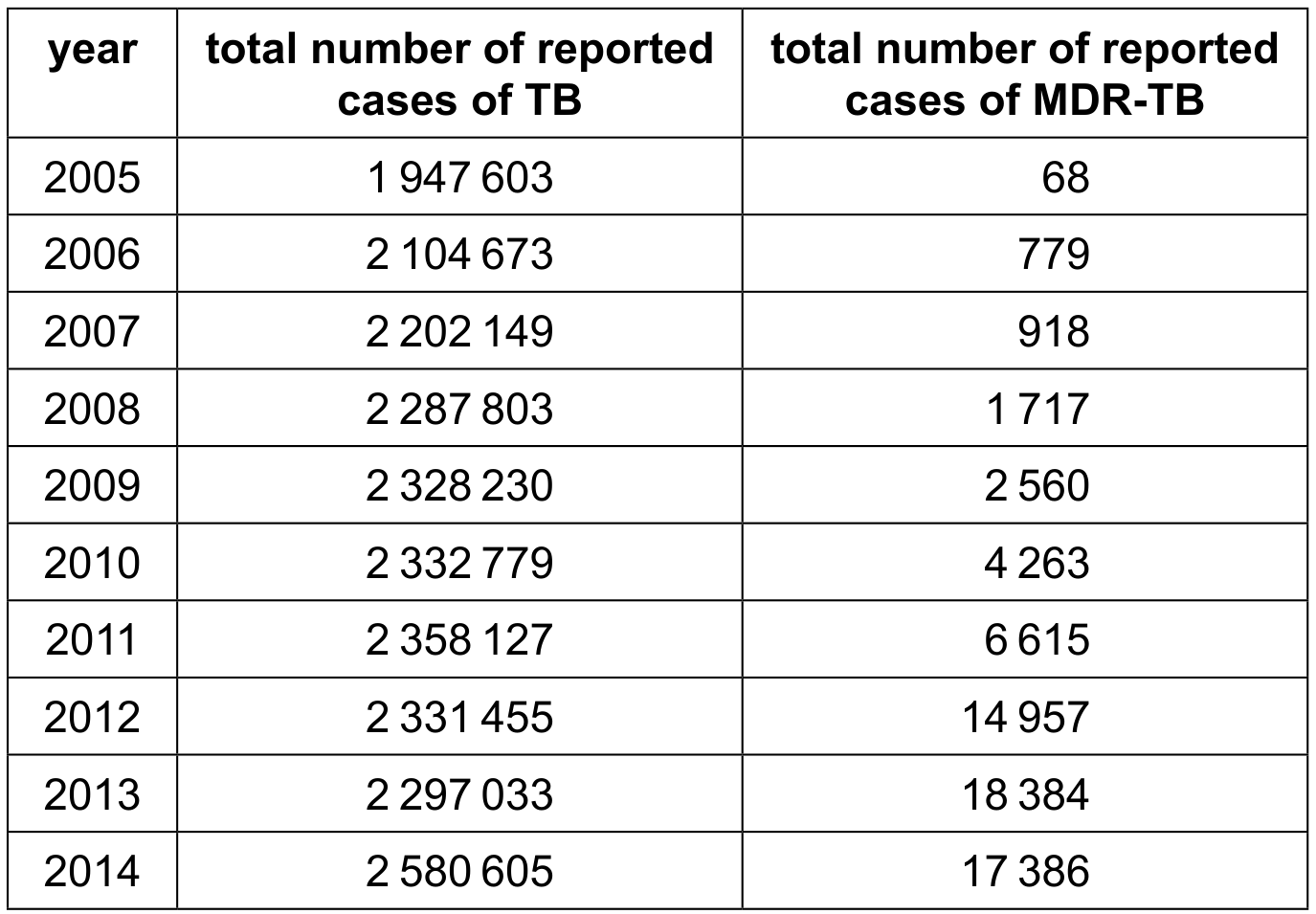
Table 2.1 shows the number of reported cases of TB and MDR-TB in the South-East Asia region between 2005 and 2014, as published by the World Health Organization (WHO).

Table 2.1

Table 2.1

Table 2.1 shows that between 2005 and 2014 there is an overall increase in the total number of reported cases for both TB and MDR-TB.

[ 2 ]
[Maximum number: 5]

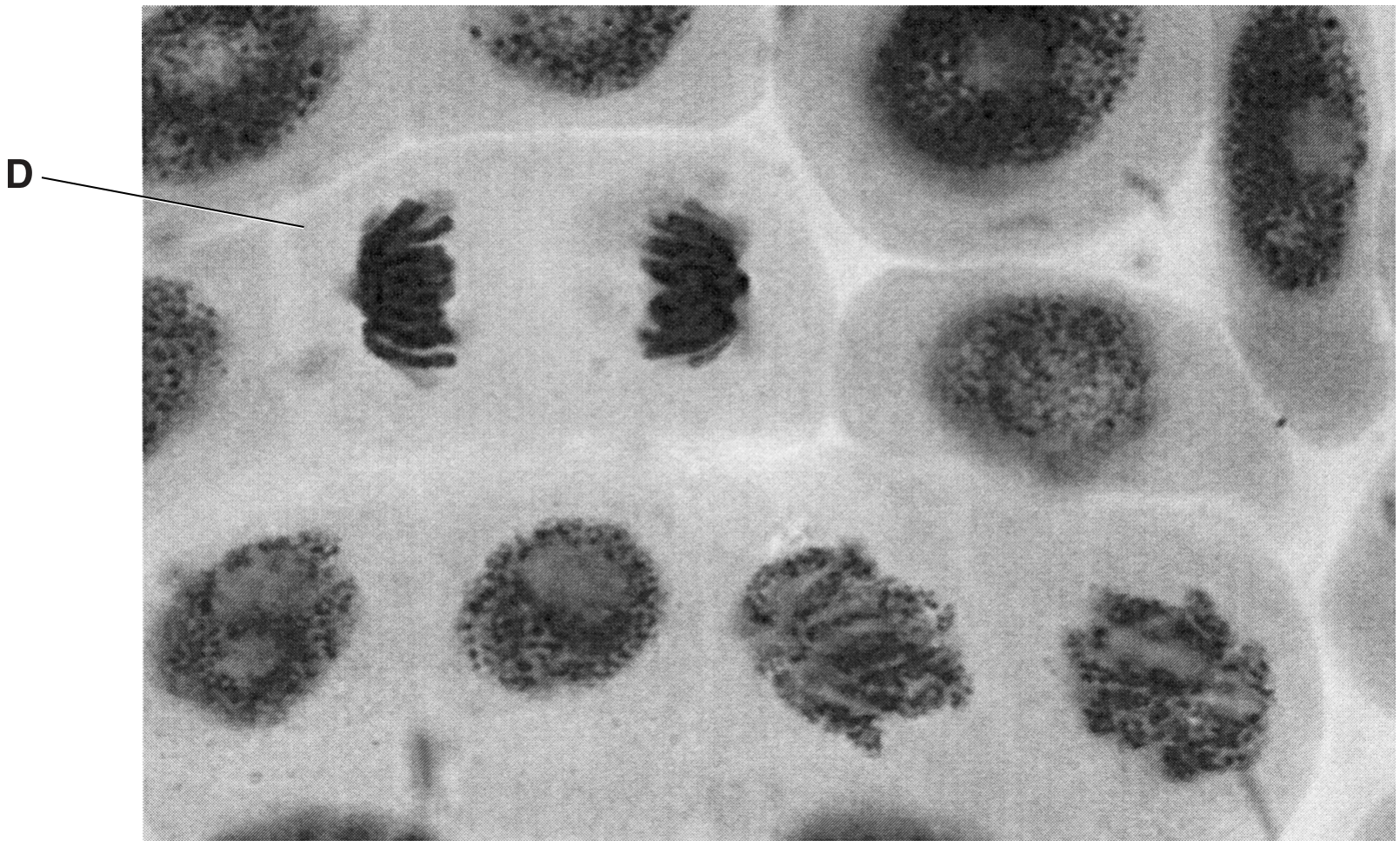
Fig. 3.1 is a light micrograph of cells in the root tip of the garlic plant Allium sativum. It has a diploid number (2 n) of 16.

Fig. 3.1

Fig. 3.1

(a)

DNA replication must occur before cell division.

Describe the process of DNA replication.

[ 5 ]
[Maximum number: 3]

Meristematic tissue is found in the growing regions of plants, such as root tips.

(a)

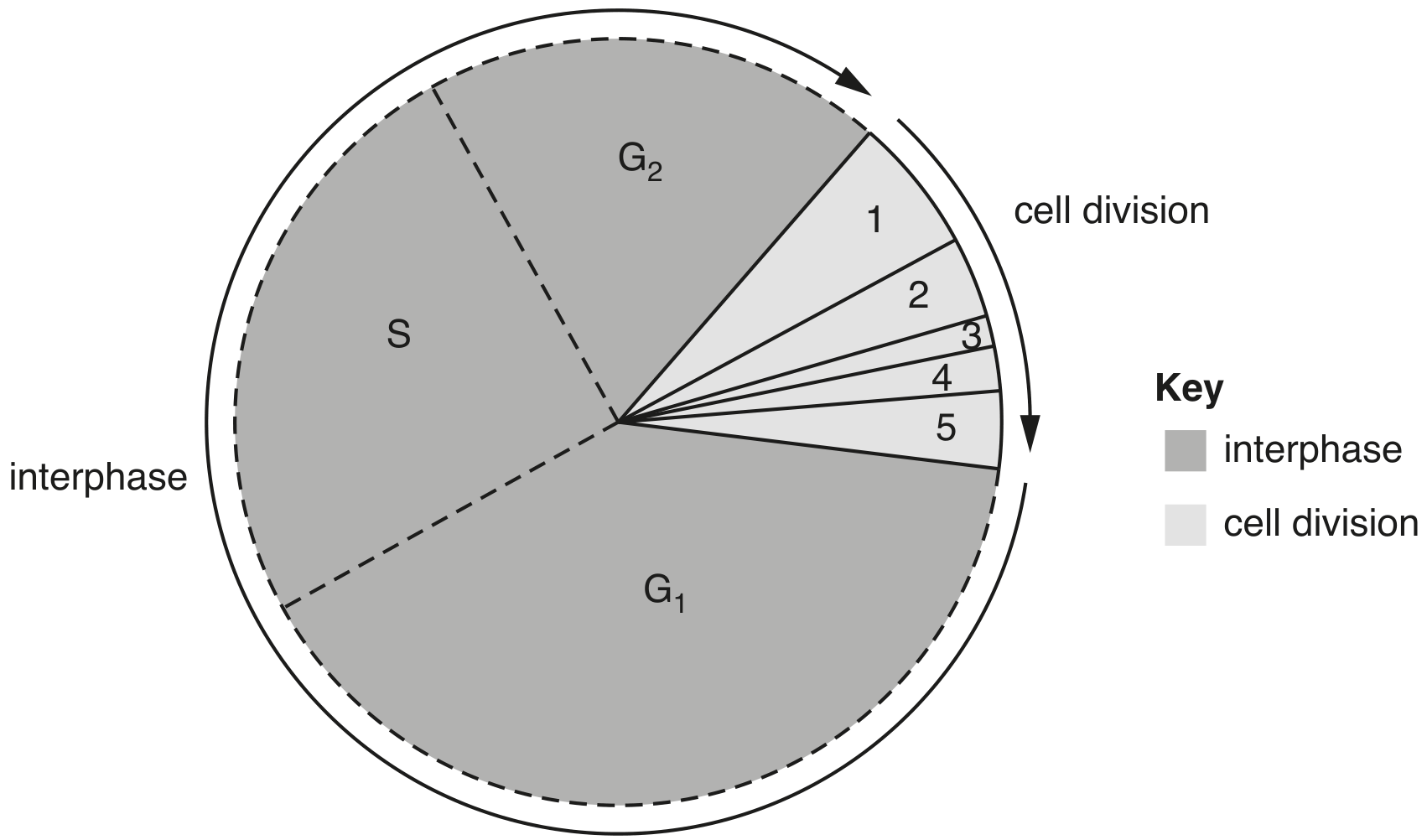
Fig. 4.1 summarises a cell cycle for a meristematic cell in the root tip. The two phases of this cell cycle are shown:
- interphase, which is divided into the G1,SG_{1}, S and G2G_{2} stages
- cell division, which is divided into stages 1-5.

Fig. 4.1

Fig. 4.1

[ 3 ]
(i)

The stages shown in Fig. 4.1 are listed below. Draw a circle around the stage in the cell cycle in which the semi-conservative replication of DNA occurs and state what is meant by semi-conservative replication.
1
2
3
4
5
G1\mathrm{G}_{1}
S
G2\mathrm{G}_{2}

[ 3 ]
[Maximum number: 1]

The bacterium Escherichia coli divides once every 50 minutes at 36C36^{\circ} \mathrm{C}.
E. coli were grown on a medium containing only heavy nitrogen, 15 N{ }^{15} \mathrm{~N}, until all of the bacterial DNA contained heavy nitrogen (0 minutes).

Some of the bacteria were moved from a heavy nitrogen medium and cultured in a medium with only light nitrogen, 14 N{ }^{14} \mathrm{~N}.

Some bacteria were collected after each of three generations. Their DNA was extracted and centrifuged.

Hybrid DNA contains heavy and light nitrogen.
The diagram shows the possible positions (upper, middle and lower) of the bands of DNA. The actual positions of bands in the first two samples are shown.
sample time:

Table

Which proportion of the DNA of the sample taken at 150 minutes will be at the upper position?

A

25 %

B

50\%

C

75\%

D

100\%

[Maximum number: 2]

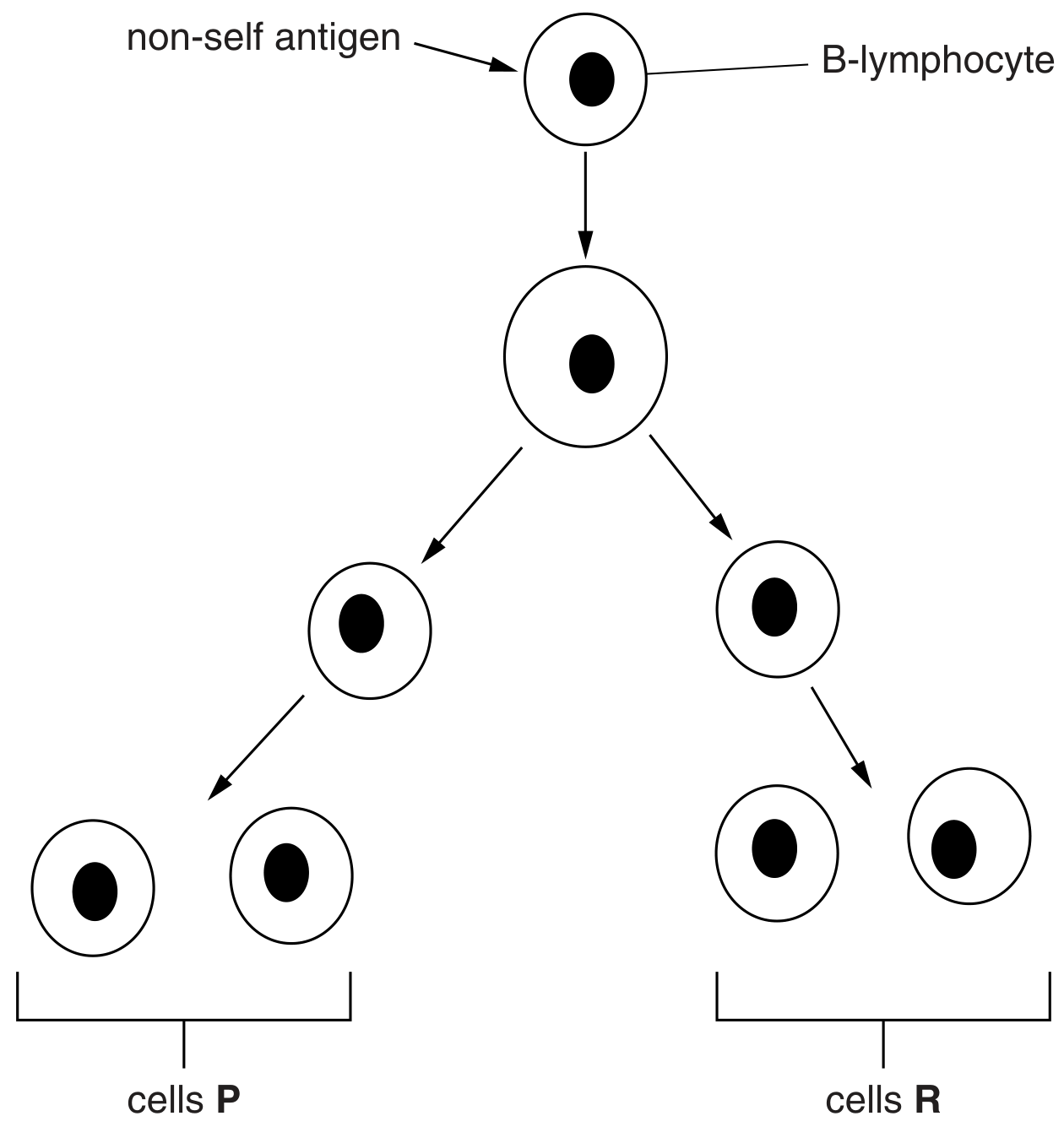
B-lymphocytes respond to the presence of a non-self antigen by dividing as shown in Fig. 4.1.

Fig. 4.1

Fig. 4.1

(a)

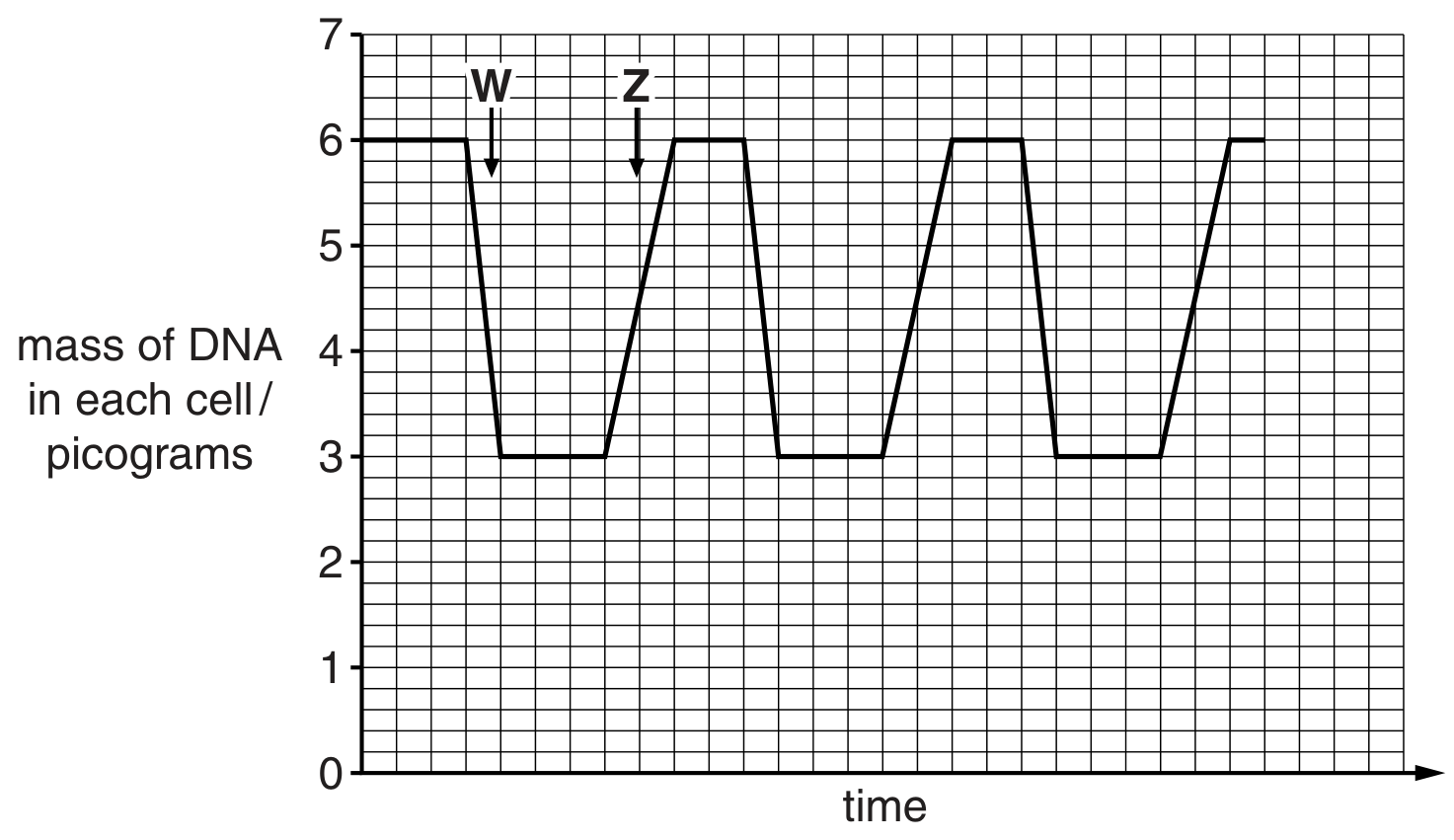
The mass of DNA in the cells shown in Fig. 4.1 was determined. The results are shown in Fig. 4.2.

Fig. 4.2

Fig. 4.2

State what happens at W and Z to change the mass of DNA in each cell.

W
Z

[ 2 ]
[Maximum number: 1]

Scientists have made a nucleic acid, HNA, that has a sugar with the same number of carbon atoms as glucose instead of deoxyribose. Although genetic information can be stored by HNA, naturally occurring DNA polymerase cannot replicate HNA.

Which statements could explain why naturally occurring DNA polymerase cannot replicate HNA?
1 DNA polymerase cannot form bonds between the sugars of two HNA nucleotides.
2 DNA polymerase cannot form hydrogen bonds between two HNA nucleotides.
3 HNA nucleotides do not fit into the active site of DNA polymerase.
4 The shape of an HNA nucleotide is slightly larger than that of a DNA nucleotide.

A

1, 2, 3 and 4

B

1 and 4 only

C

2 and 3 only

D

3 and 4 only

0