EduNinja
[Maximum number: 3]

Skeletal muscle fibres normally respond to insulin by absorbing glucose. Failure of skeletal muscle to respond to insulin is a major factor in the development of type II diabetes.

(a)

Distinguish between type I and type II diabetes.

[ 2 ]
(b)

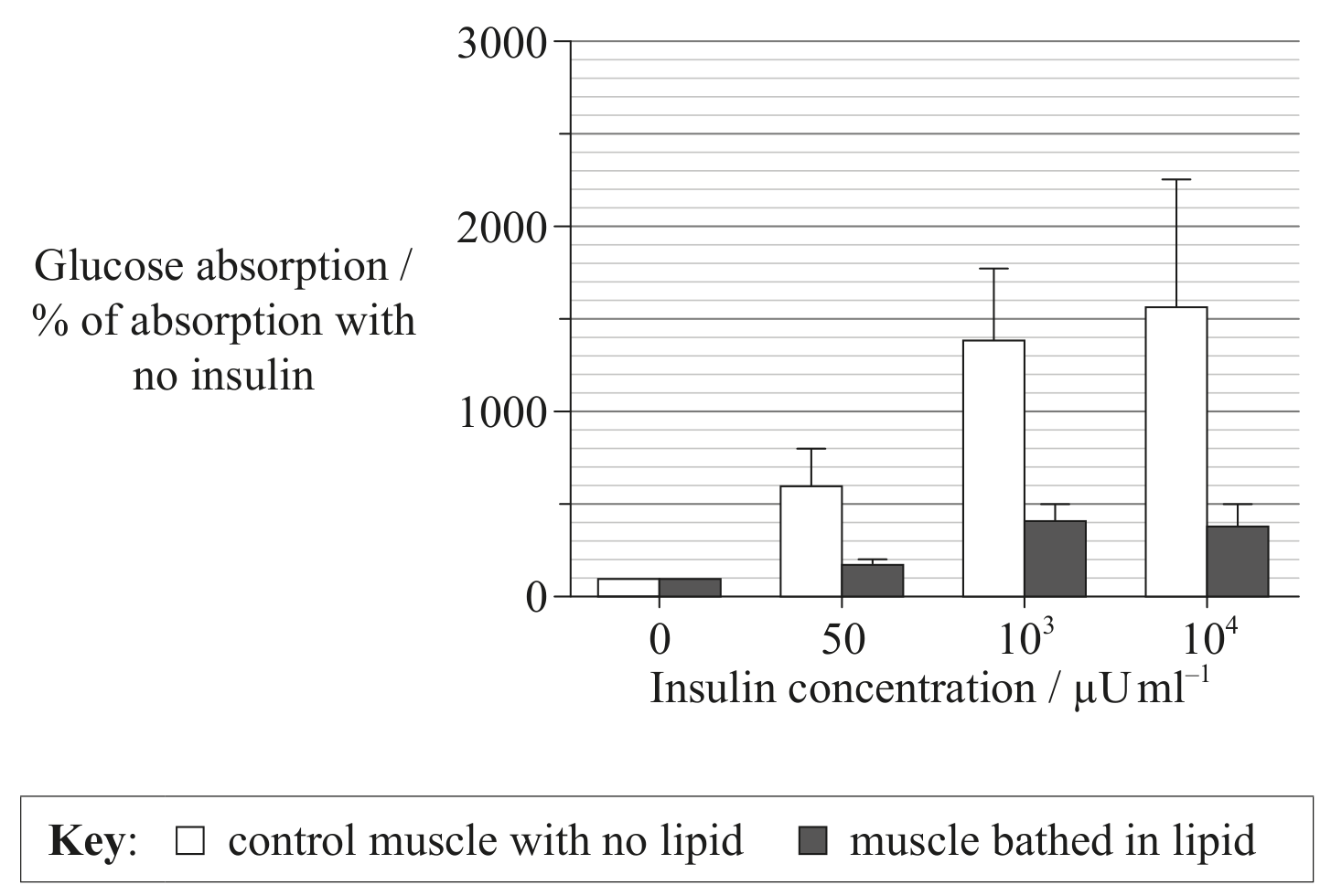
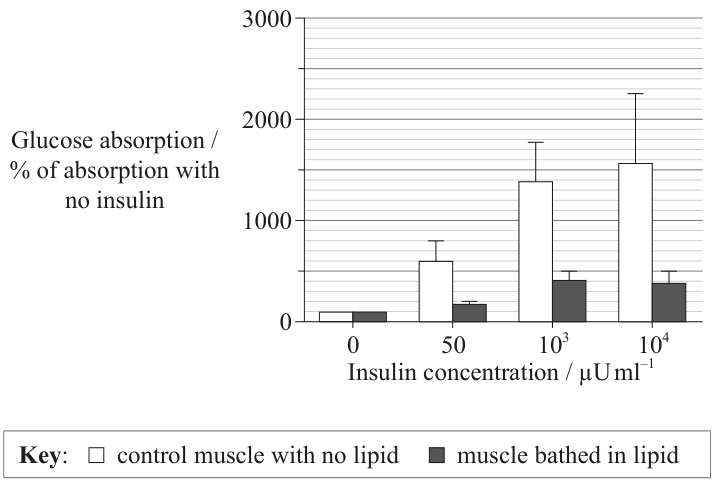
A further study was undertaken to look at the effect of increasing the concentration of insulin on glucose absorption in muscle bathed in lipids. A wide range of insulin concentrations were used in the same type of muscle. Glucose absorption was then measured after 5 hours.
Question image

Calculate the increase in glucose absorption when insulin is increased from 0 to 103μUml110^{3} \mu \mathrm{Uml}^{-1} for the muscle bathed in lipid.
\% of absorption with no insulin

[ 1 ]
[Maximum number: 4]

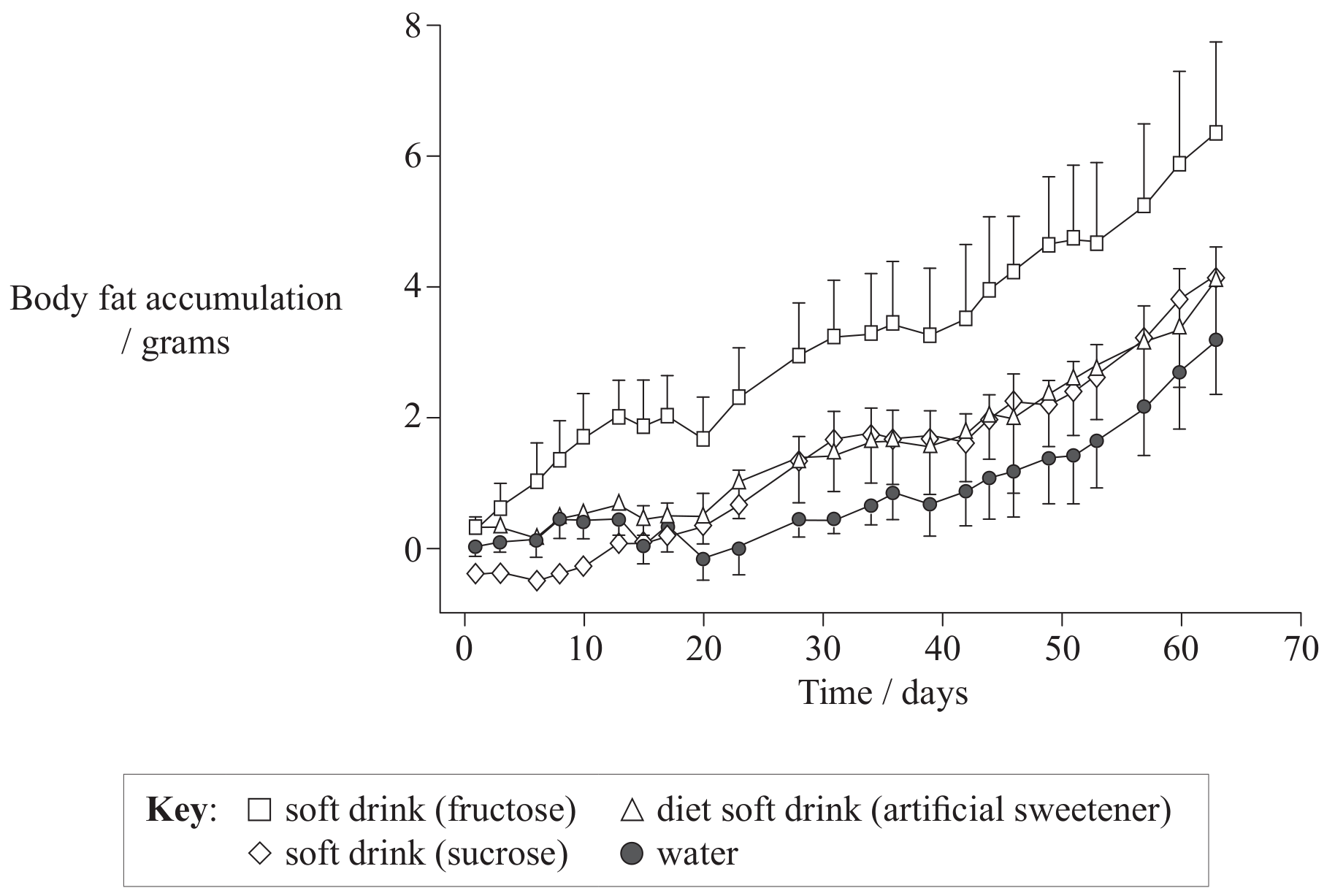
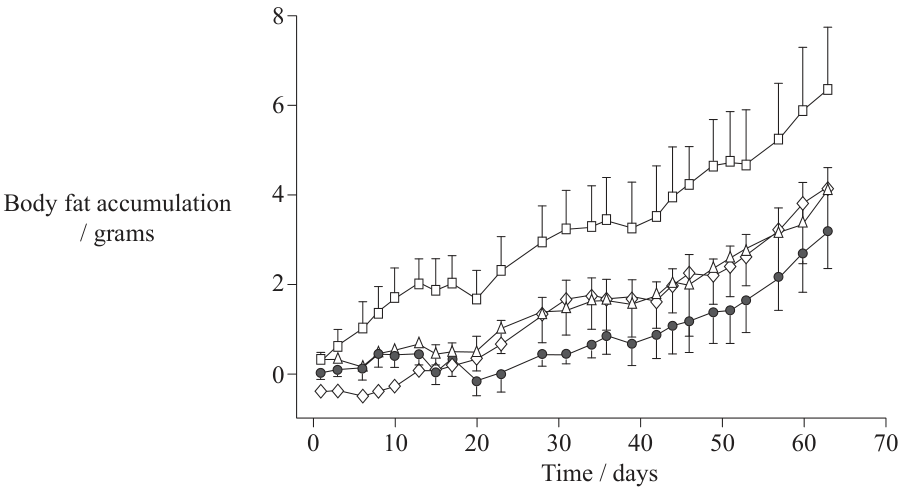
Obesity (excessive weight) is recognized as a global health problem and has been correlated with a large number of health issues, diseases and deaths. The increased consumption of fructose, now widely used as a sweetener, has been associated with the increase in obesity.

In a study, mice were divided into four groups. Each group was given the same amount of food and either a soft drink with a different sweetener or water.

Question image
Table
(a)

State the disease that could be caused by excessive consumption of fructose.

[ 1 ]
(b)

Using all of the data, evaluate the evidence that suggests the consumption of large amounts of fructose poses a risk to human health.

[ 3 ]
[Maximum number: 7]

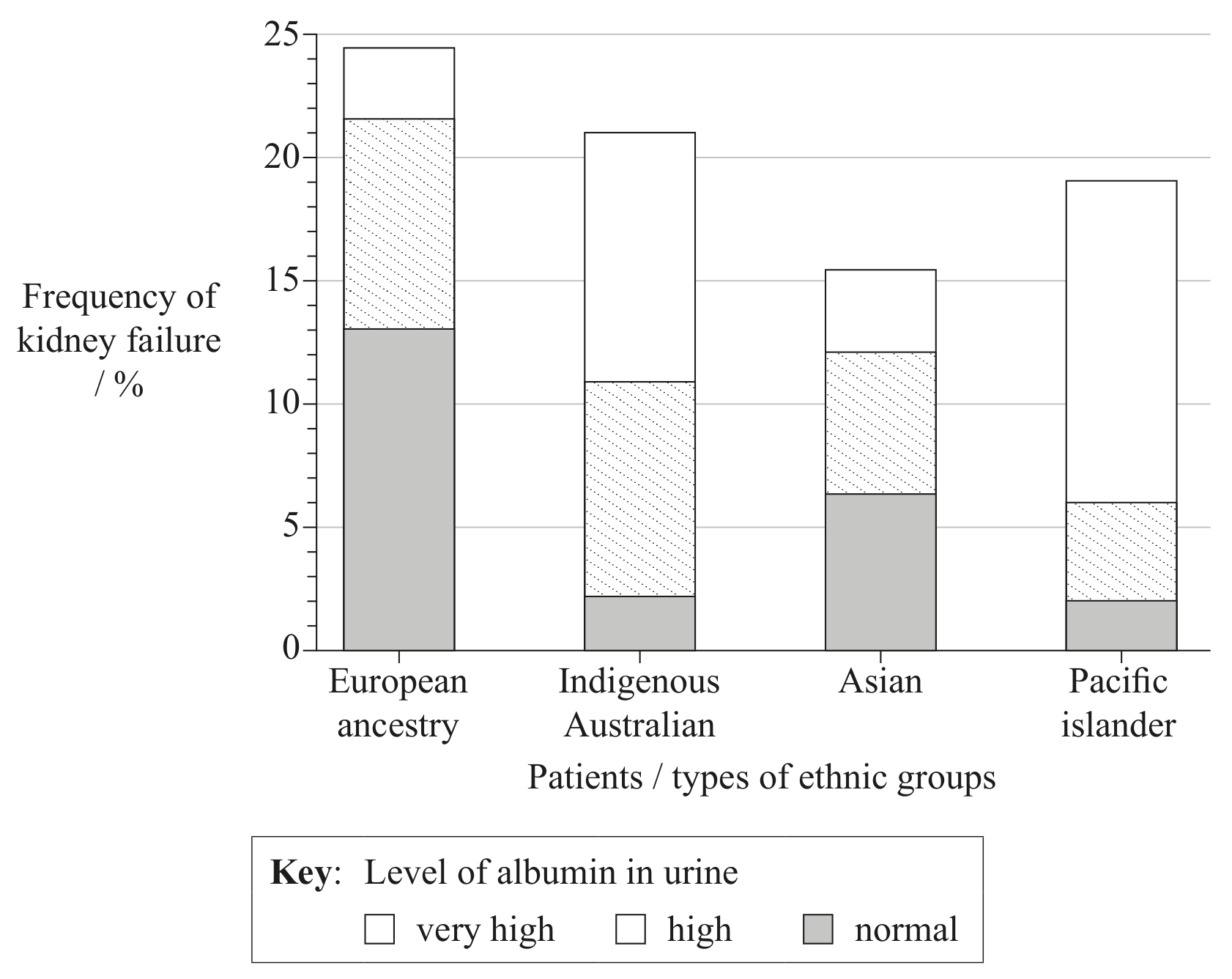
Inadequate filtering of waste products from the blood is known as kidney failure. If this condition is found in a patient, or albumin is present in their urine, it shows that the patient has chronic kidney disease. Type II diabetes is the leading cause of chronic kidney disease in Australia. The bar graph shows the frequency of kidney failure in patients with type II diabetes in different Australian ethnic groups. It also shows the level of albumin in the urine of patients with both type II diabetes and kidney failure.

Question image
(a)
(i)

State the ethnic group with the lowest frequency of kidney failure.

[ 1 ]
(ii)

State the frequency of both kidney failure and greater than normal albumin levels in patients of European ancestry with type II diabetes.

[ 1 ]
(b)

Compare the levels of albumin in urine of patients with kidney failure in the different ethnic groups.

[ 3 ]
(c)

The usual method of screening for chronic kidney disease is to test for kidney failure. Using the data in the bar chart, suggest why this method leads to more cases being missed in patients of indigenous Australian ancestry than in patients with European ancestry.

[ 2 ]
[Maximum number: 8]

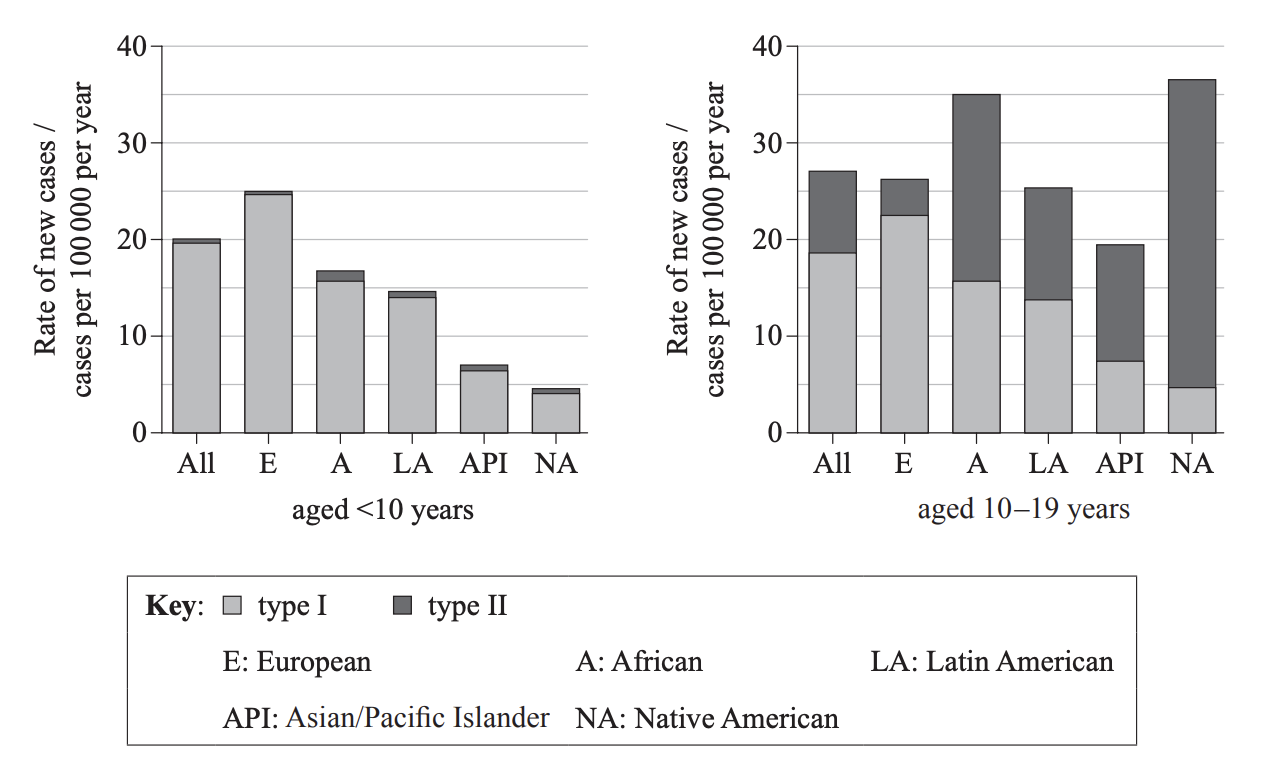
Diabetes in Youth is a study that examined diabetes (type I and type II) among children and adolescents in the United States. The graphs show the rate per year of new cases of type I and type II diabetes among young people (aged less than 20 years) by ethnicity between 2002-2005.

Question image
(a)

Identify, among young people aged 10-19 years, which ethnic group showed the highest rate of new cases of type I diabetes and type II diabetes.

Type I diabetes:
Type II diabetes:

[ 1 ]
(b)

Determine the rate of new cases of type II diabetes among children of African ethnicity aged 10-19 years.

[ 1 ]
(c)

Compare rates of diabetes between the two age groups studied.

[ 2 ]
(d)

A further study was undertaken to look at the effect of increasing the concentration of insulin on glucose absorption in muscle bathed in lipids. A wide range of insulin concentrations were used in the same type of muscle. Glucose absorption was then measured after 5 hours.

Question image

Comment on the effect of increased insulin concentration on glucose absorption in the muscle bathed in lipid.

[ 2 ]
(e)

Some investigators suggest that there is a strong relationship between high lipid diet and the body's response to insulin. Using the data provided, evaluate this hypothesis.

[ 2 ]
[Maximum number: 4]

Obesity (excessive weight) is recognized as a global health problem and has been correlated with a large number of health issues, diseases and deaths. The increased consumption of fructose, now widely used as a sweetener, has been associated with the increase in obesity.

In a study, mice were divided into four groups. Each group was given the same amount of food and either a soft drink with a different sweetener or water.

Question image
(a)

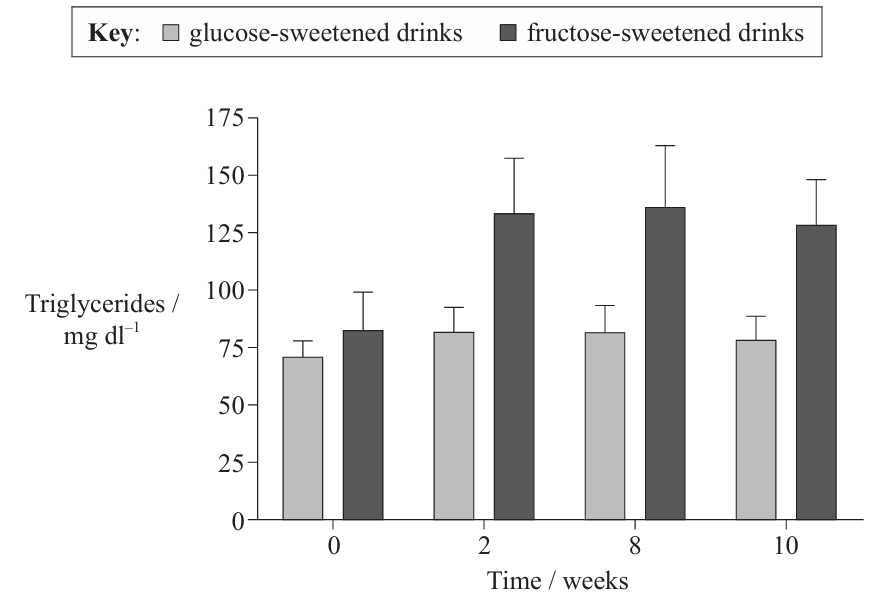
As it has been shown that high triglyceride levels correlate to obesity, another study was undertaken with humans. Over a ten-week period, one group was given glucose-sweetened drinks and the other fructose-sweetened drinks. Triglyceride levels in blood were measured throughout the study.

Question image

Distinguish between the results for the two groups.

This study also showed a significant reduction in insulin sensitivity when participants were given fructose-sweetened drinks, but not when they were given glucose-sweetened drinks.

[ 2 ]
(b)

Describe possible effects of the reduction of insulin sensitivity.

[ 2 ]
[Maximum number: 3]

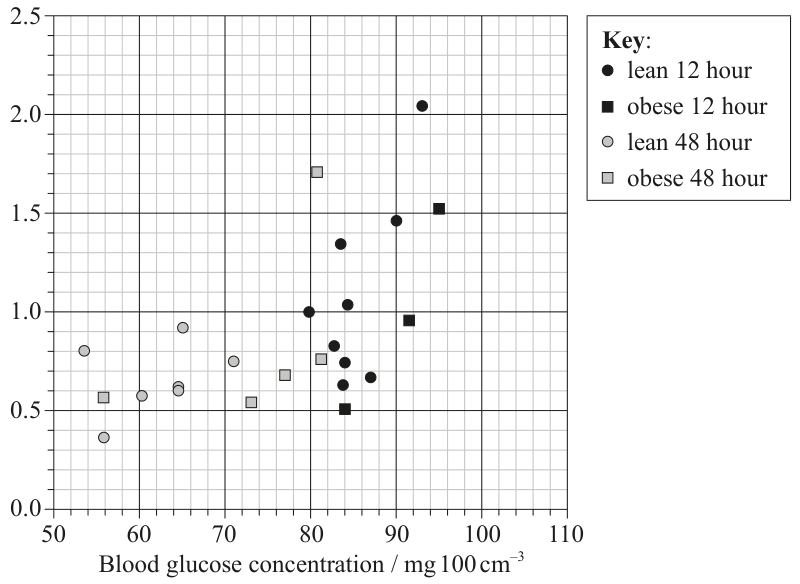
Type II diabetes is commonly observed in obese humans. Munc18c is a protein related to insulin-mediated glucose transport in skeletal muscle. A group of lean (BMI <25 ) and obese (BMI >30) individuals, all non-diabetic, fasted (had no food) for either 12 hours or 48 hours. Blood glucose concentration and skeletal muscle Munc18c protein content were measured at the end of the fasting period in each individual. The results are shown in the graph.

Skeletal muscle Munc18c protein content / arbitrary units

Question image
(a)
(i)

Outline the relationship between blood glucose concentration and Munc18c protein content in obese individuals after 12 hours of fasting.

[ 1 ]
(ii)

Compare the overall effects of fasting for 12 hours and 48 hours on the blood glucose concentration.

[ 2 ]
[Maximum number: 1]

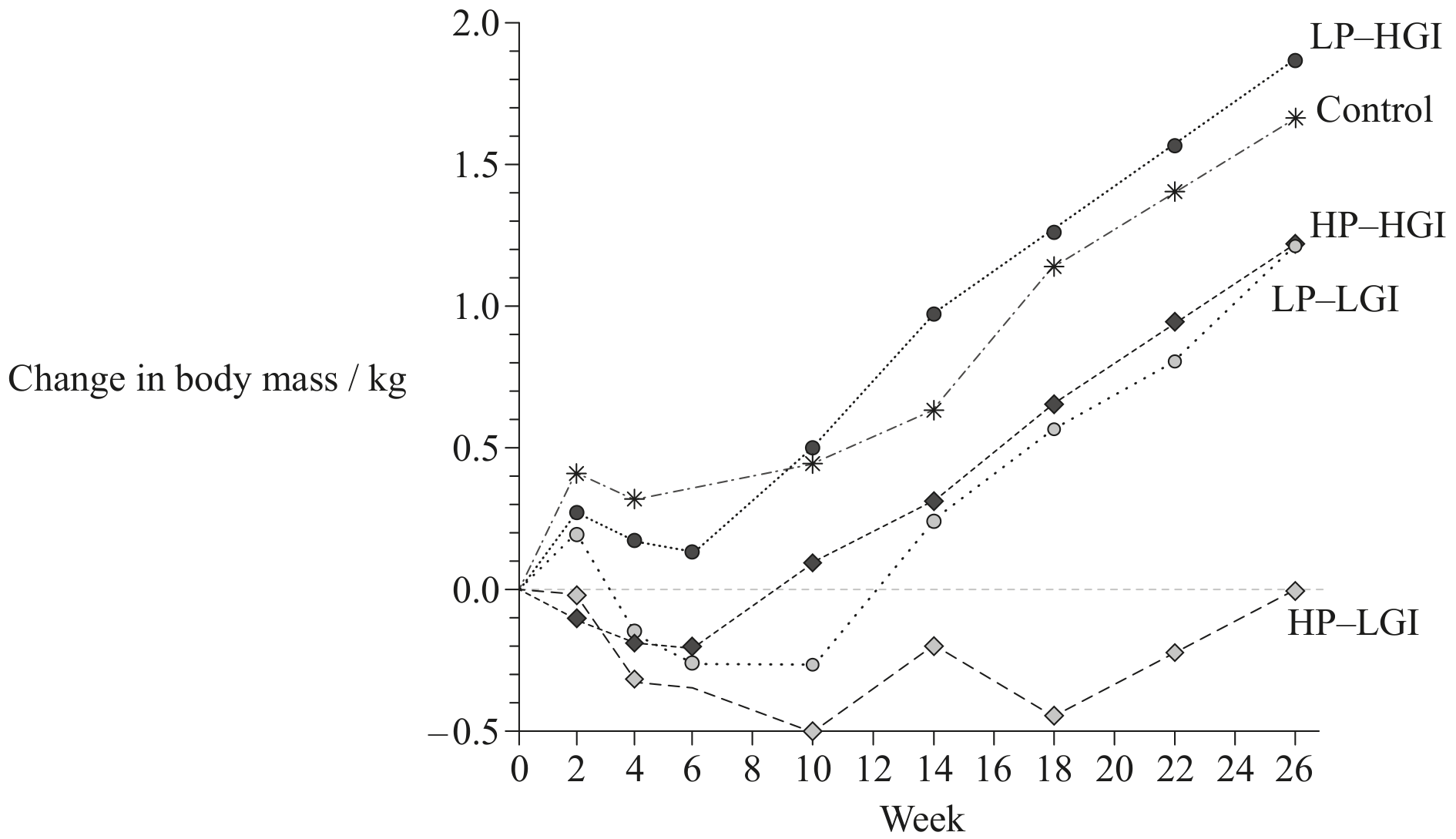
During an investigation, 773 participants who had lost body mass through a low-energy diet were randomly assigned a diet (with no energy restriction) for the next 26 weeks to maintain their mass. These maintenance diets were one of the four combinations of high or low protein with either high or low glycemic index. A control group followed the recommended daily intake. High glycemic index foods enable a quicker release of glucose into the bloodstream than foods with a low glycemic index.

Question image

Key: HP - high protein HGI - high glycemic index
LP - low protein LGI - low glycemic index

(a)

State the trend in body mass during the 26 week period for the maintenance diets with high glycemic index.

[ 1 ]
[Maximum number: 2]

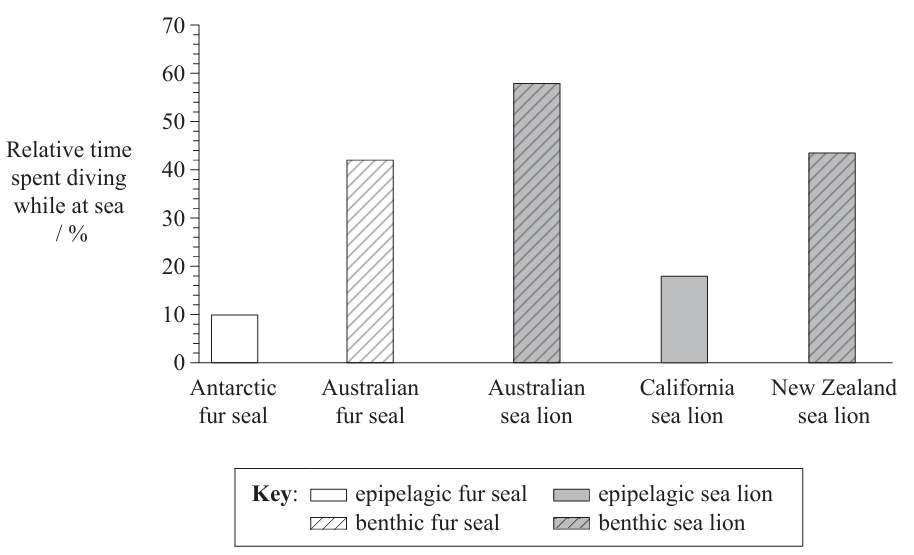
Pinnipeds are marine mammals with fins or flippers and include fur seals and sea lions. Some pinnipeds forage for prey near the surface (epipelagic) while others forage on the bottom of the sea (benthic). The graph shows the foraging behaviour and the relative time spent diving while at sea for five pinniped species.

Question image
(a)

Explain two mechanisms or adaptations used in mammals to maintain a constant body temperature in cold environments that could be used by pinnipeds.

[ 2 ]
[Maximum number: 13]

Diabetes is often associated with the failure of the β\beta (beta) cells in the pancreas, but it is unclear what actually causes this failure. FoxO1 is a protein which acts as a transcription factor to regulate the expression of genes involved in cell growth. FoxO1 also regulates increase in number and differentiation in cells such as pancreatic β\beta cells.

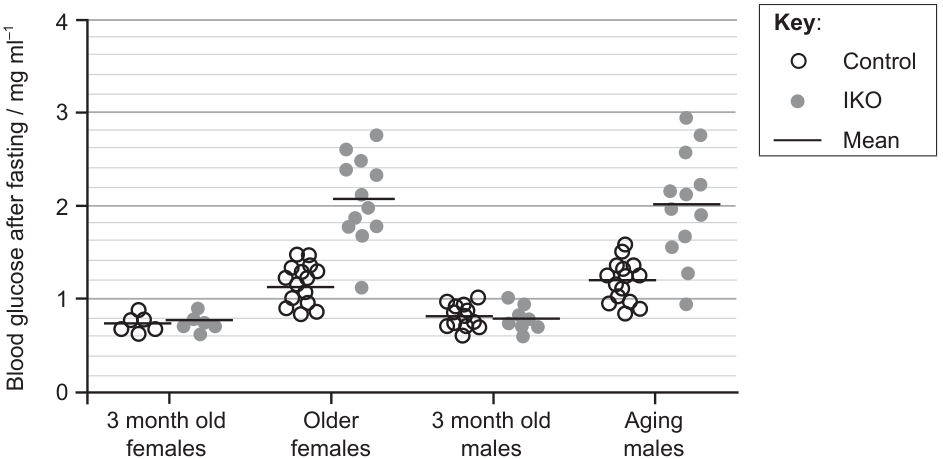
A study was conducted using mice lacking the gene for FoxO1 in β\beta cells (IKO) as well as normal (control) mice. Blood glucose levels after fasting were compared for four groups of mice: young ( 3 months old) male mice, young ( 3 months old) female mice, older females (who have had several pregnancies) and aging males (16-20 months).

Question image
(a)

Compare blood glucose levels after fasting in young control mice and young IKO mice without FoxO1.

[ 2 ]
(b)
(i)

Estimate the difference between mean blood glucose levels in control and IKO older female mice.
. mgml1\mathrm{mg} \mathrm{ml}^{-1}

[ 1 ]
(ii)

Aging and having pregnancies are considered to be physiological stresses.

Deduce the effect of stress on blood glucose levels.

[ 2 ]
(c)

Outline the relationship between blood glucose levels after fasting and lack of FoxO1 in the mice studied.

[ 2 ]
(d)

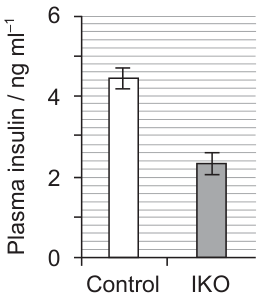
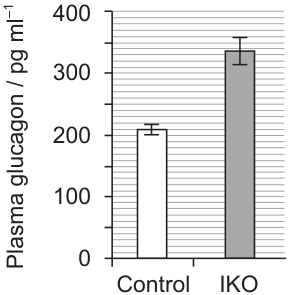
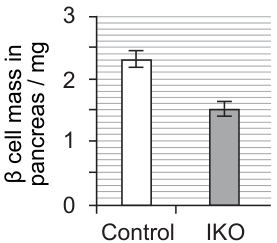
The levels of pancreatic hormones and β\beta cell mass in older female control mice and older female IKO mice lacking FoxO1 were then investigated.

Question image
Question image
Question image

Calculate the percentage difference in β\beta cell mass of the IKO mice compared to the control mice.
\%

[ 2 ]
(e)

State the correlation between lack of FoxO1 and pancreatic hormones in mice.

[ 1 ]
(f)

Referring to the functions of insulin and glucagon, suggest how the differences in hormone levels help to explain the blood glucose levels.

[ 3 ]
[Maximum number: 8]

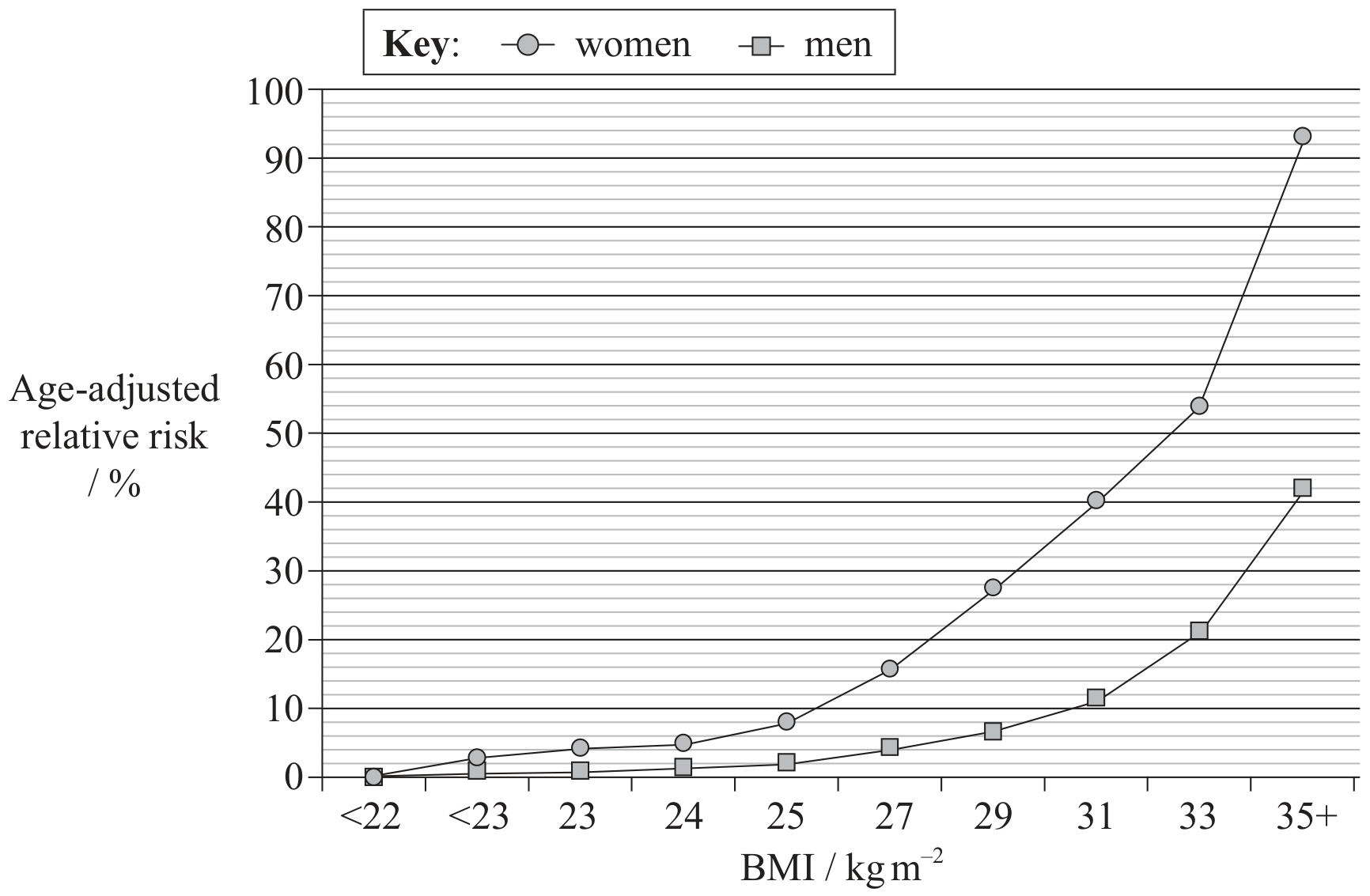
A1. Body mass index (BMI) is an important indicator of health. The relationship between a high BMI and percentage risk of developing type II diabetes was studied and the following data presented.

Question image
(a)

Describe the effect of increased BMI on the risk of developing type II diabetes.

[ 2 ]
(b)

Identify the risk of developing type II diabetes in men with a BMI of 33 kg m233 \mathrm{~kg} \mathrm{~m}^{-2}.

[ 1 ]
(c)

Determine, by indicating on the graph, the range of age-adjusted relative risk for women who are overweight but not obese.

[ 1 ]
(d)

Explain the dietary advice that should be given to a patient who has developed type II diabetes.

[ 4 ]
0