EduNinja
[Maximum number: 1]

Mice (Mus musculus) have various defence systems against predators such as foxes (Vulpus vulpus) or stoats (Mustela erminea). The mice release specific alarm compounds when under threat that serve as danger signals for other mice. Predators also release scents that the mice can detect.

In one study, mice were exposed to paper soaked in compounds taken from other mice, foxes or stoats in a test chamber. The scientists then measured the reaction of three different groups of neurons used in smelling: G1, G2 and G3, as shown in the diagram.
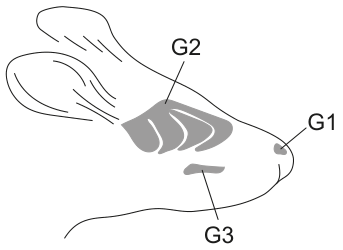
Question image

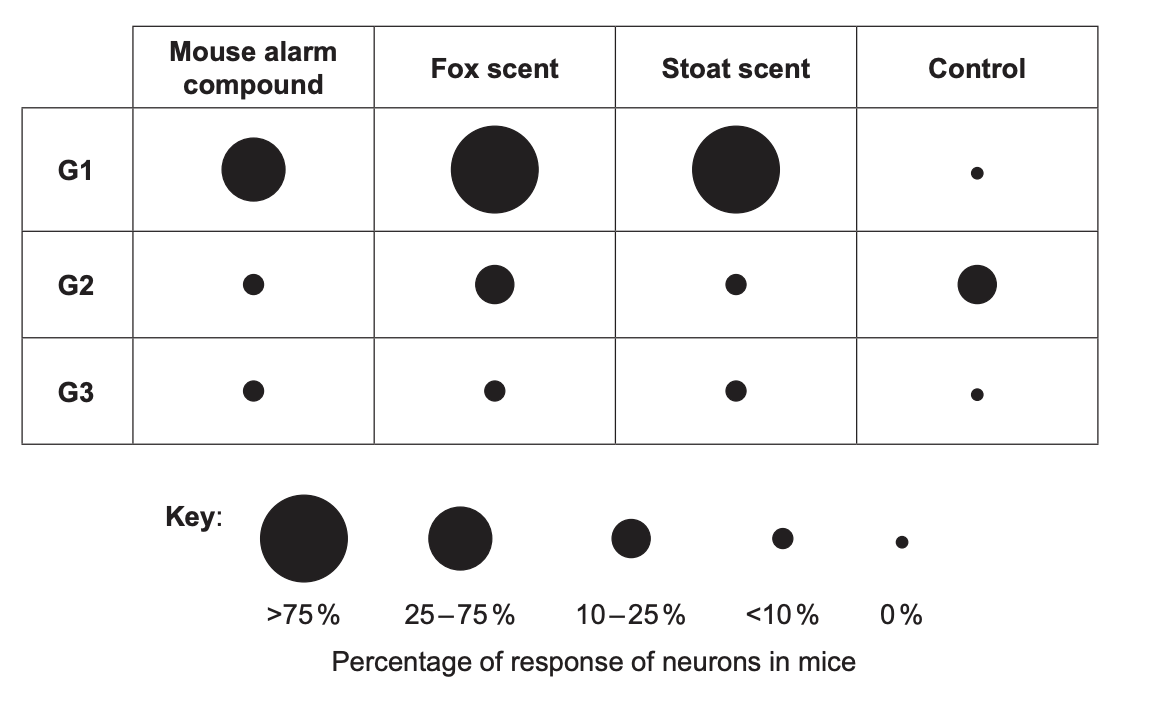
The percentage of G1, G2 and G3 neurons responding to the mouse, fox and stoat compounds, as well as a control compound, are shown in the chart.
Question image
(a)

Another study was carried out on the defence systems in aphids (Myzus persicae) which feed on thale cress plants (Arabidopsis thaliana). Individual aphids release an alarm compound containing the chemical (E)- β\beta-farnesene (EBF) when attacked by a predator. Other aphids are repelled and leave the thale cress plant or hide.

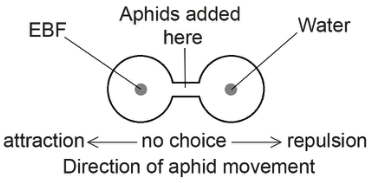
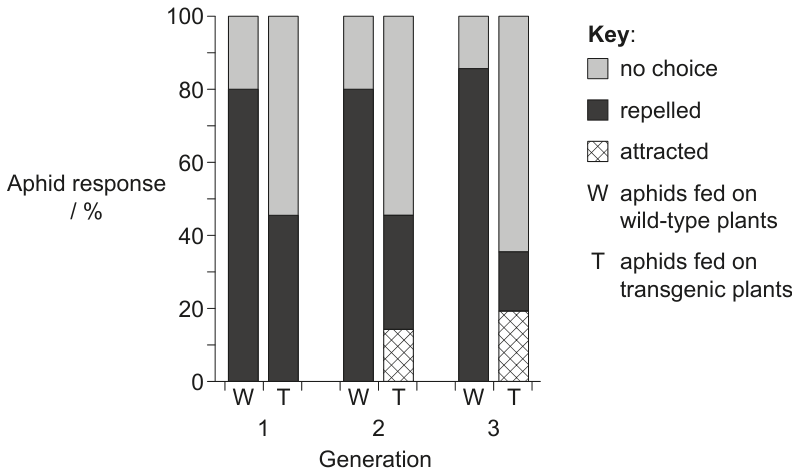
The gene for EBF was inserted to produce transgenic (T) thale cress plants to test aphid reaction to EBF over several generations. Aphids were raised on wild type (W) thale cress and then allowed to feed for three generations on either W or T thale cress. Aphids were tested in each generation for their reaction when EBF was added to a choice chamber. The percentages of aphids attracted to or repelled by EBF and those which made no choice were recorded.
Question image
Question image

Identify, with a reason, the aphids that were most strongly repelled by EBF.
[ 1 ]
[Maximum number: 1]

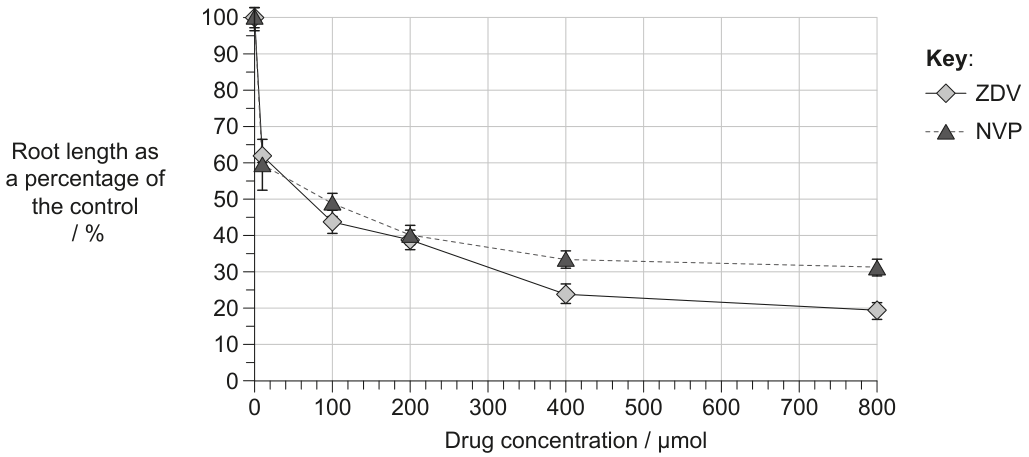
Antiretroviral drugs are used to treat Human Immunodeficiency Virus (HIV) infections. Zidovudine (ZDV) and nevirapine (NVP) are examples of antiretroviral drugs. There are concerns that these drugs may be toxic to body cells in mitosis. In a study using Allium cepa, root tips were exposed to the drugs for 96 hours at a range of concentrations. The control treatment was a drug concentration of 0μ mol0 \mu \mathrm{~mol}. In the graph, root lengths after the 96-hour treatment period are expressed as a percentage of the length of the control.

Question image
(a)

Outline the role of leptin in appetite control.

[ 1 ]
[Maximum number: 3]

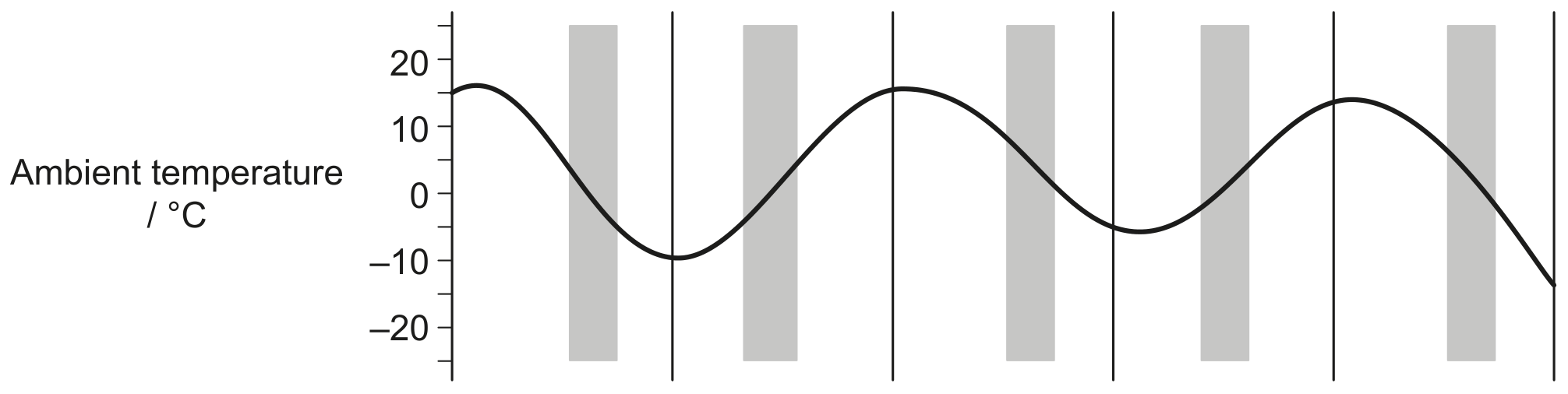
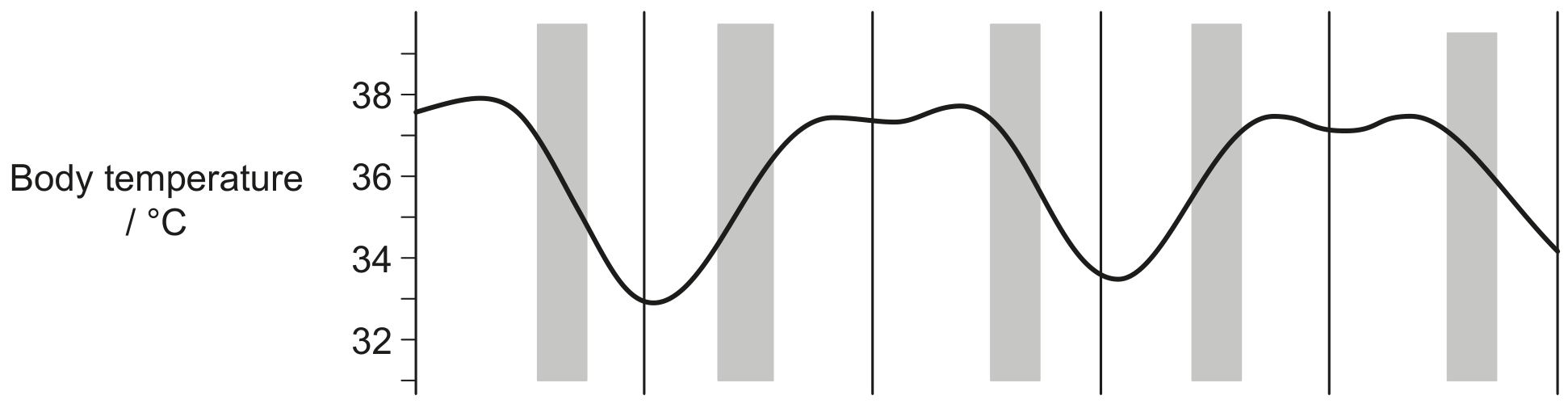
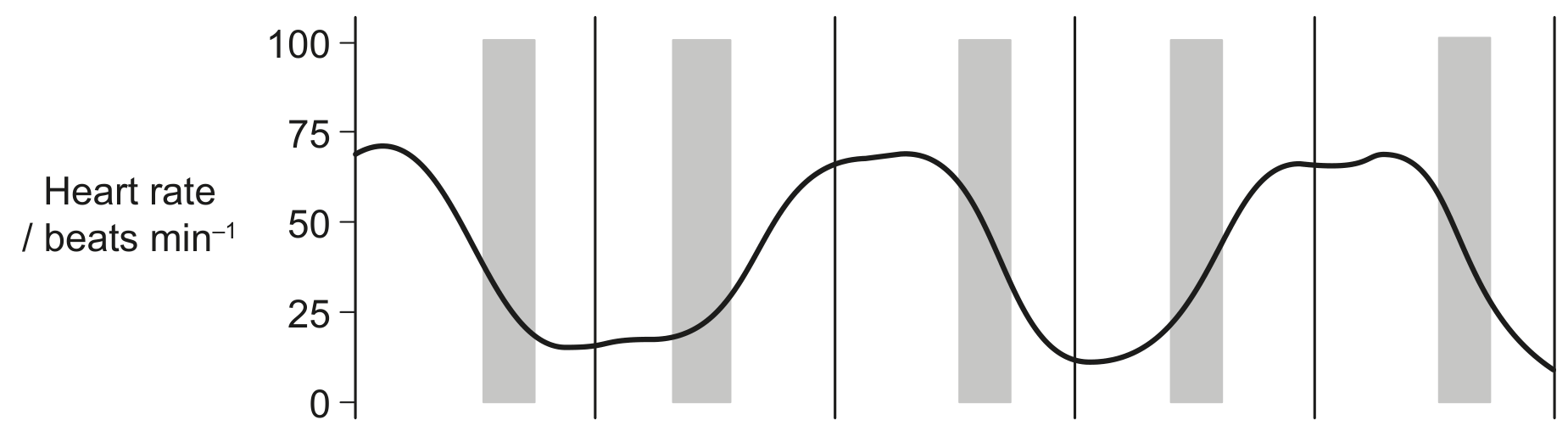
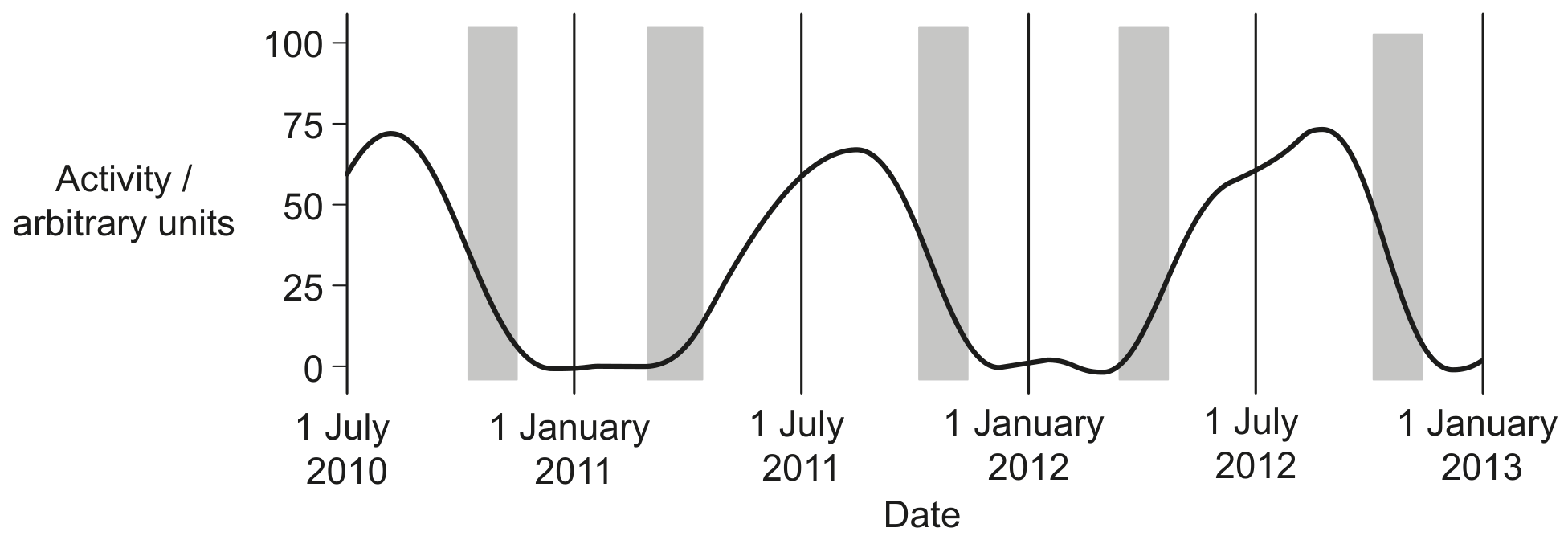
In winter when temperatures drop, brown bears (Ursus arctos) enter a cave and hibernate. The graph shows the mean values for the body temperature, heart rate and activity of 14 brown bears throughout the year. The grey shaded areas indicate the periods when the bears are in transition between hibernation and normal activity.

Question image
Question image
Question image
Question image
(a)

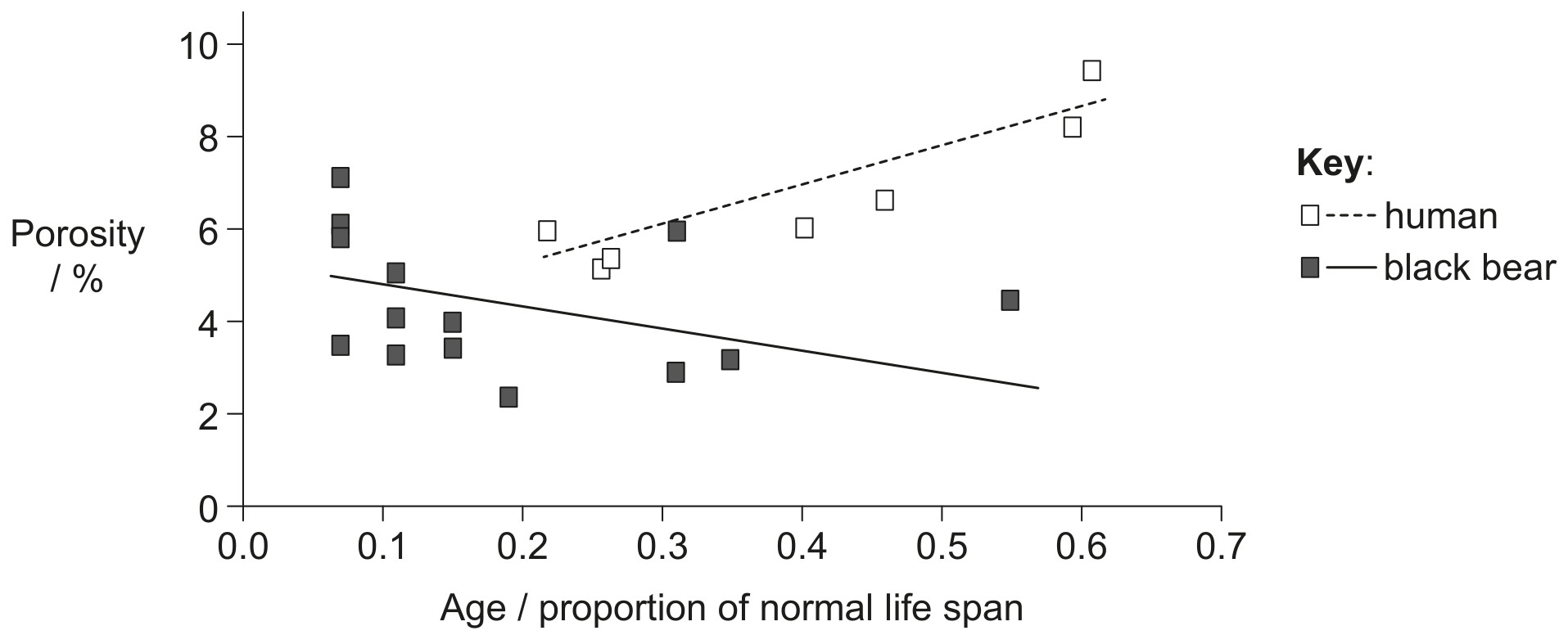
It was observed that during hibernation bears are not susceptible to osteoporosis, a condition characterized by a decrease in the density of bone, resulting in porous and fragile bones. This condition may develop in humans during long periods of inactivity and with increasing age. The graph shows the porosity of the tibia bones of black bears (Ursus americanus) and humans at different ages. Age is expressed as the proportion of normal life span.

Question image

Distinguish between the changes in porosity of the bones in humans and bears as age increases.

(b)

Suggest how the graph would differ for a human during a long period of inactivity.

Question image
Question image
[ 1 ]
(c)

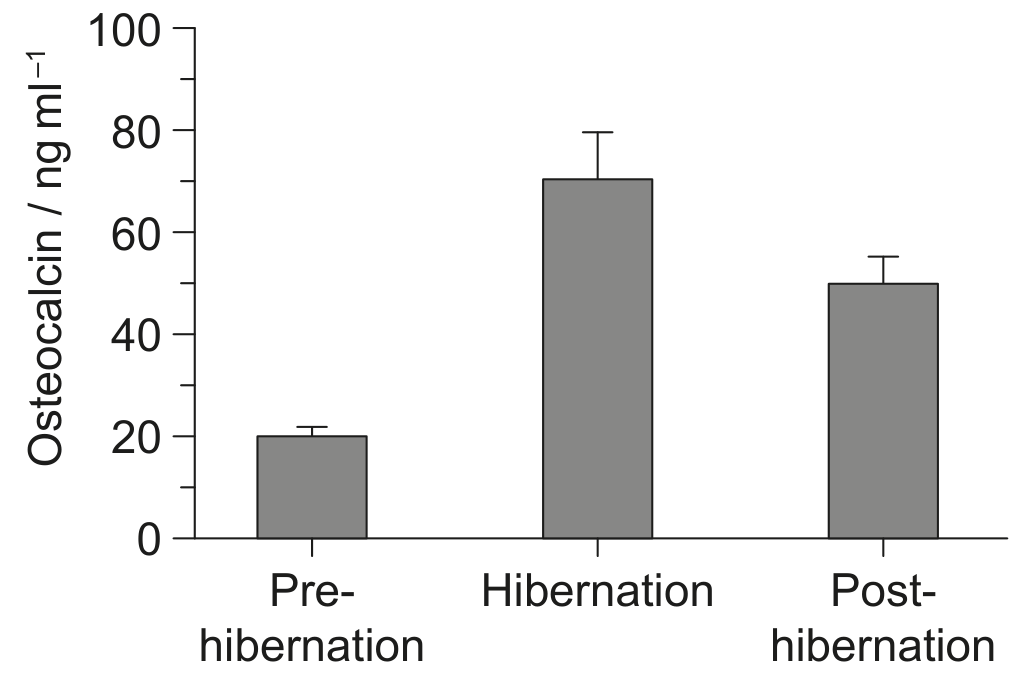
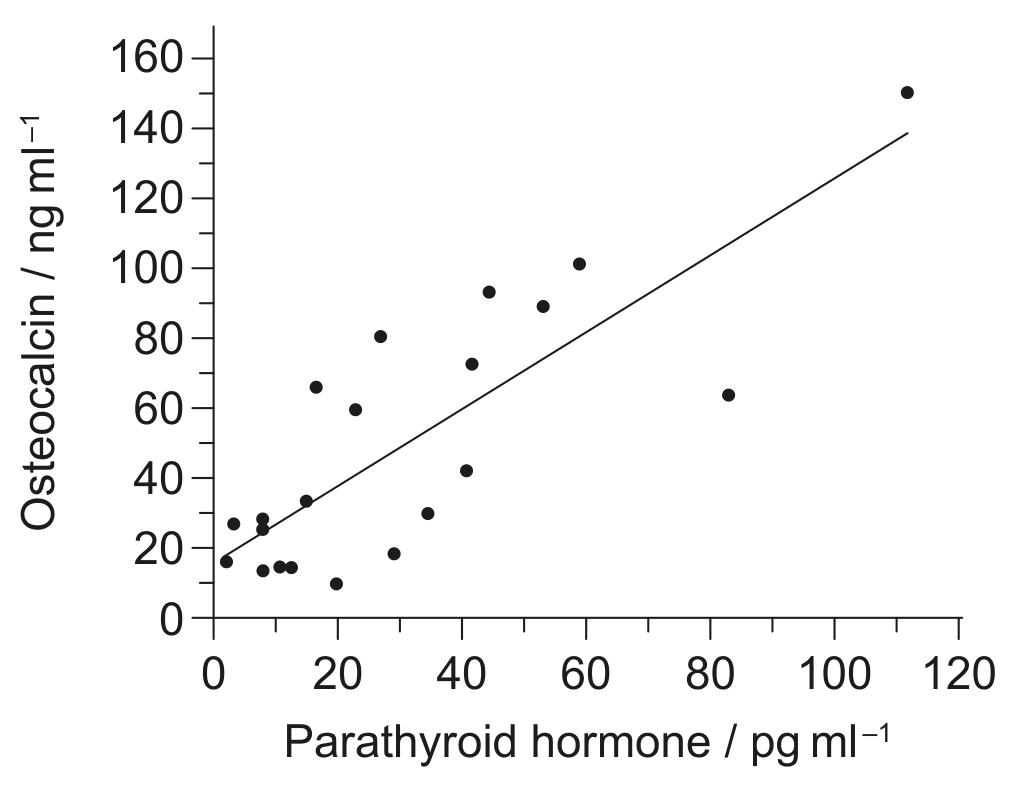
Osteocalcin is a peptide hormone that causes calcium to bind in the bones, so is involved in bone formation and regeneration. Research shows that changes in the mean concentration of osteocalcin in blood serum occur before and after hibernation in bears. In this research, concentration of both osteocalcin and parathyroid hormone were measured in the blood serum of bears. Results are shown in the bar chart and graph.

Question image
Question image

Calculate the percentage increase in the mean concentration of osteocalcin from pre-hibernation to hibernation.

(d)

A hypothesis has been proposed that an increase in parathyroid hormone concentration causes an increase in osteocalcin in bears. Evaluate the evidence for this hypothesis provided by the data.

[ 2 ]
[Maximum number: 2]

In an experiment to determine the effect of diet on response to leptin, mice were fed a control diet or a high fructose diet for six months and then either injected with a saline (salt) solution or injected with leptin. The food intake of both groups was then monitored over a 24 hour period.
Removed for copyright reasons

(a)

Leptin is a hormone. Hormones are chemicals produced in one part of the body that have an effect in another part of the body. State the

[ 2 ]
(i)

tissue that produces leptin in humans.

[ 1 ]
(ii)

target that leptin normally acts on.

[ 1 ]
(a)

Blood transports molecules throughout the body. State where the blood absorbs

[ 1 ]
(i)

hormones.

[ 1 ]
[Maximum number: 2]

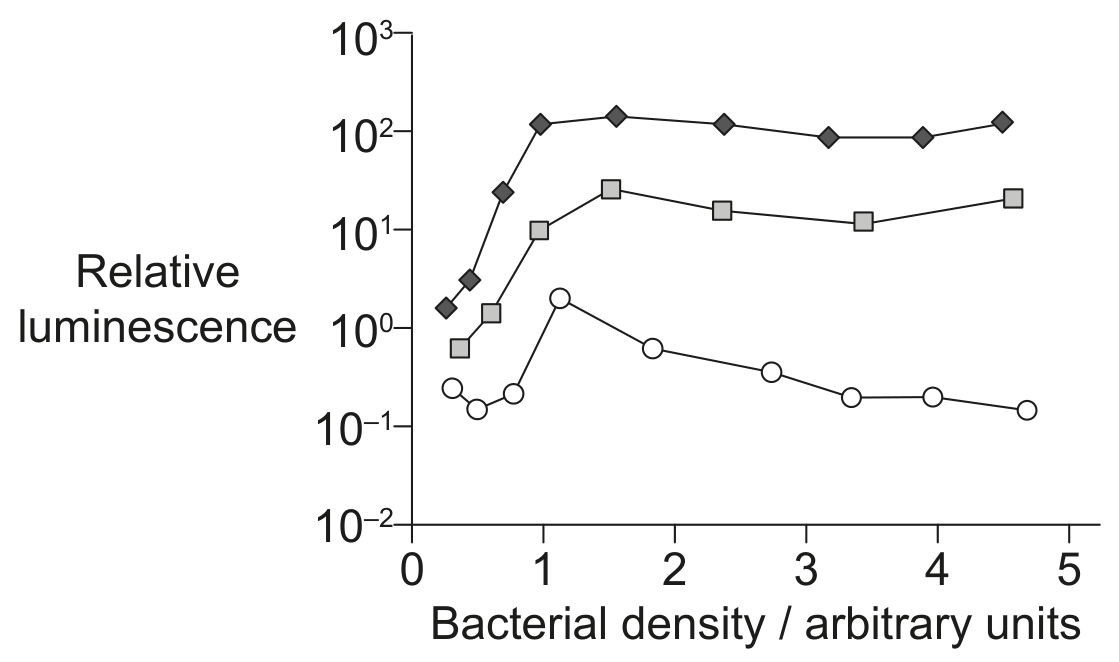
Vibrio fischeri is a bioluminescent (light-producing) bacterium in the Pacific Ocean. V. fischeri grown in the laboratory often has less luminescence. An investigation was carried out to look at the effect of the external osmolarity (in mOsmol) on the bacterium's luminescence, at different densities of bacteria. V. fischeri cultures were grown in three different concentrations of artificial seawater. Relative luminescence is the total luminescence divided by the density of bacteria.

Question image

Key: osmolarity
- 1300 mOsmol
- 810 mOsmol
- 570 mOsmol

(a)

Comment on the effects of osmolarity on the luminescence of the bacterium V. fischeri.

[ 2 ]
[Maximum number: 2]

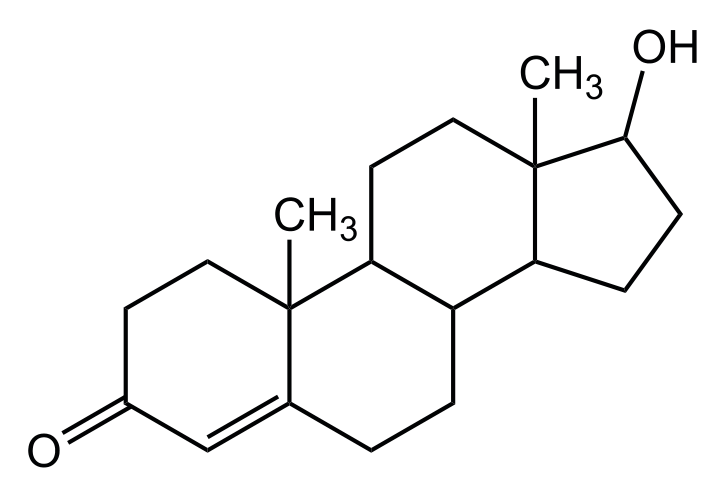
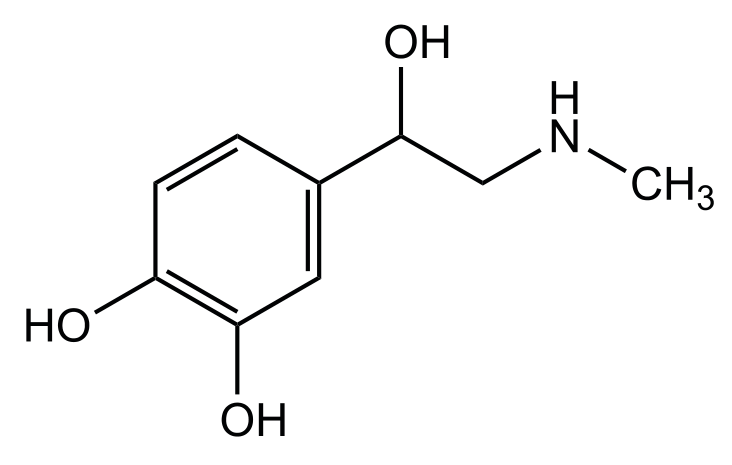
Testosterone and epinephrine (adrenaline) are two of the many hormones used for cell-to-cell communication in the human body.

Testosterone

Testosterone

Epinephrine

Epinephrine

(a)

State one effect on the body of each of these hormones.

Testosterone:
Epinephrine:

[ 2 ]
[Maximum number: 1]

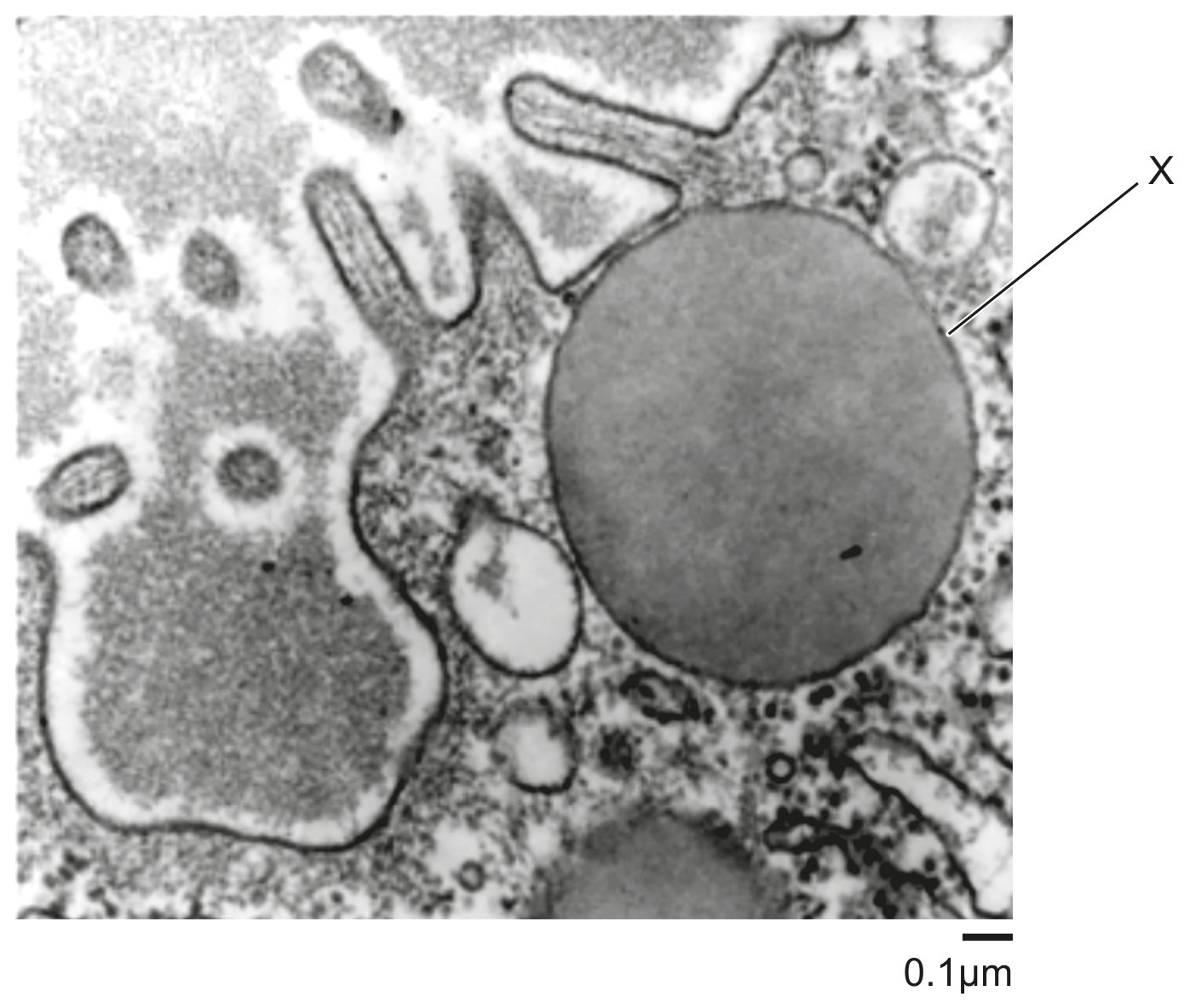
The electron micrograph shows part of a pancreas cell that secretes digestive enzymes.

Question image
(a)

The pancreas secretes other chemicals as well as enzymes. State an example of a chemical and the type of pancreatic cell that secretes it.

[ 1 ]
[Maximum number: 1]

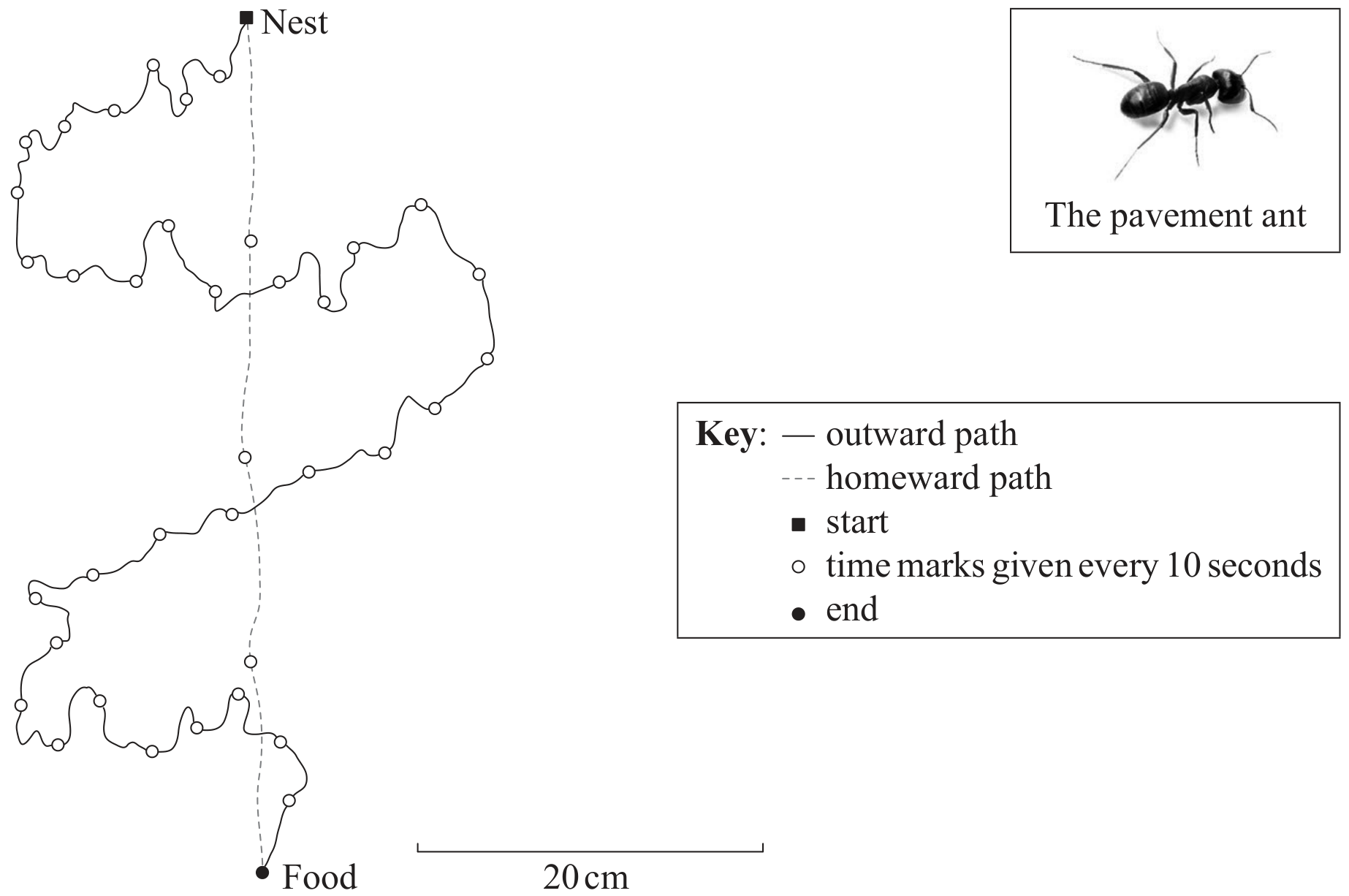
The pavement ant (Tetramorium caespitum) eats organic matter found within its territory. Individual ants leave their nest to forage for food. When they find a suitable source of food they return and communicate to other ants in the colony where the food can be found. The diagram shows the path of one ant when foraging for food and returning to the nest after finding food.

Question image
(a)
(i)

Suggest how the other ants in the colony were able to quickly find the same source of food.

[ 1 ]
[Maximum number: 2]

Honey bees (Apis mellifera) live in colonies where some workers exhibit scouting behaviour. The scouts communicate information on new food sources to the non-scouting workers of the colony.

(a)

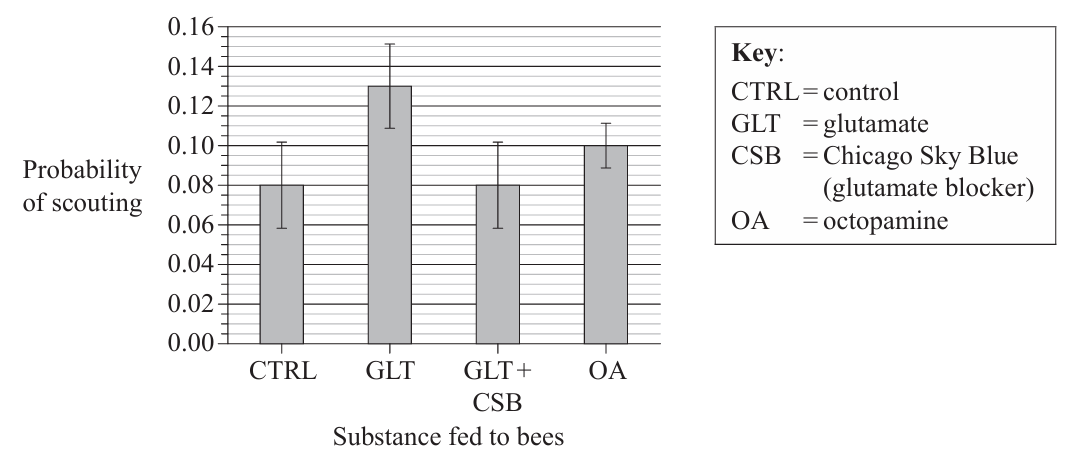
The biologists then fed non-scout bees various substances to see if they would promote scouting behaviour. The graph shows the effect of these substances.

Question image

Calculate the increase in the probability of scouting behaviour of non-scouts fed with GLT (glutamate) and OA (octopamine).
GLT:
OA:

[ 2 ]
0