EduNinja
[Maximum number: 1]

The black-legged tick (lxodes scapularis) is an arthropod which sucks blood from humans and other mammals. It is encountered mainly in wooded and semi-wooded areas.
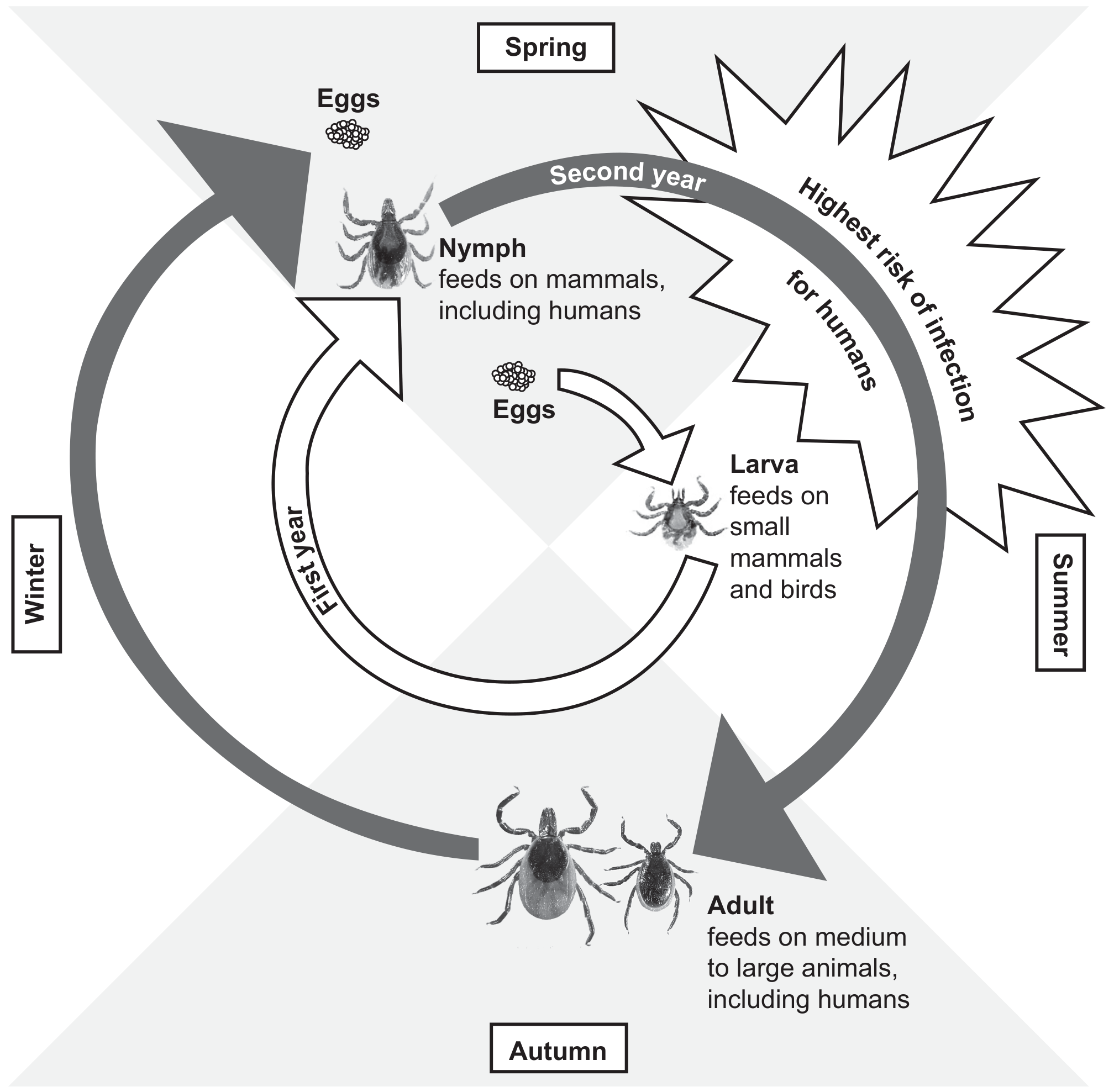
Some ticks can be infected by the bacterium Borrelia burgdorferi. When a tick bites a human, the bacterium is often introduced, causing Lyme disease. Lyme disease is a public health problem in North America and, if left untreated, can cause important neurological impairment. The diagram represents the two-year life cycle of a tick.
Question image
(a)

State the domain into which ticks are classified.

[ 1 ]
[Maximum number: 1]

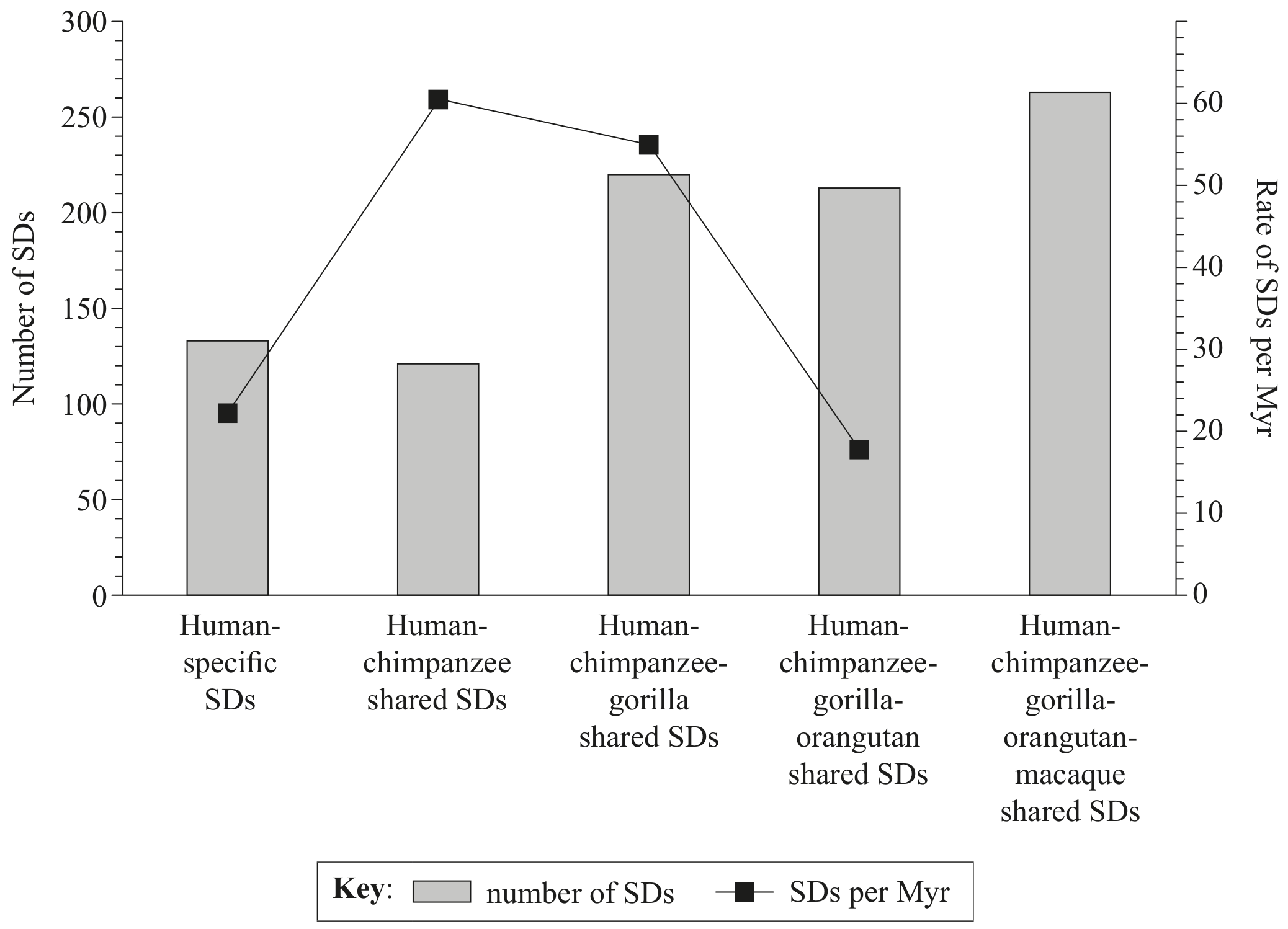
Analysis of the genome of primates reveals many DNA segments that have been duplicated. It is possible to deduce the stage in evolution at which segmental duplications (SDs) occurred by comparing human and other primate genomes. Human-specific SDs occurred after humans and chimpanzees diverged. Human-chimpanzee shared SDs occurred after the common human-chimpanzee ancestor diverged from gorillas and so on. It is possible to estimate the rates at which SDs occurred during evolution using knowledge of when the primates changed. In the chart the bars indicate numbers of shared SDs and the line shows estimates of the rate of SDs per millions of years (Myr).

Question image
(a)

Design a cladogram showing the divergence of humans and primates.

[ 1 ]
(a)

Define clade.

[ 1 ]
(a)

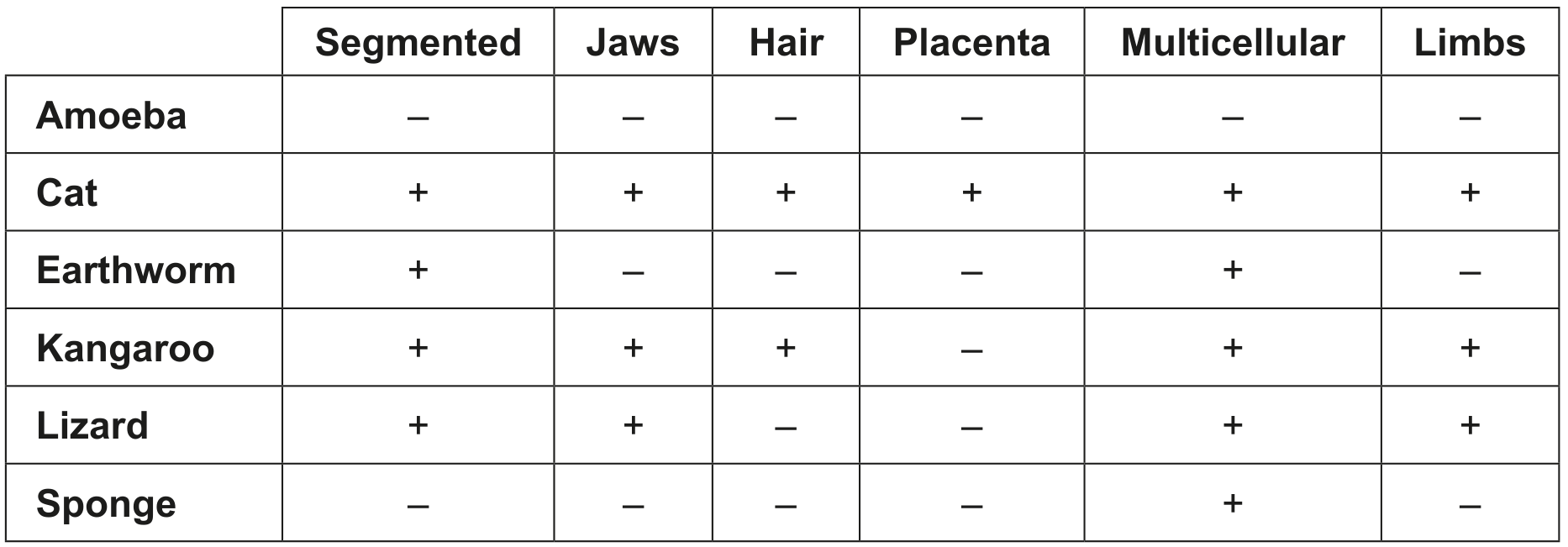
The table shows certain characteristics present (+) or absent (-) in six organisms.

Table

Using the data, label the cladogram with the names of the organisms.

Question image
[ 3 ]
(a)

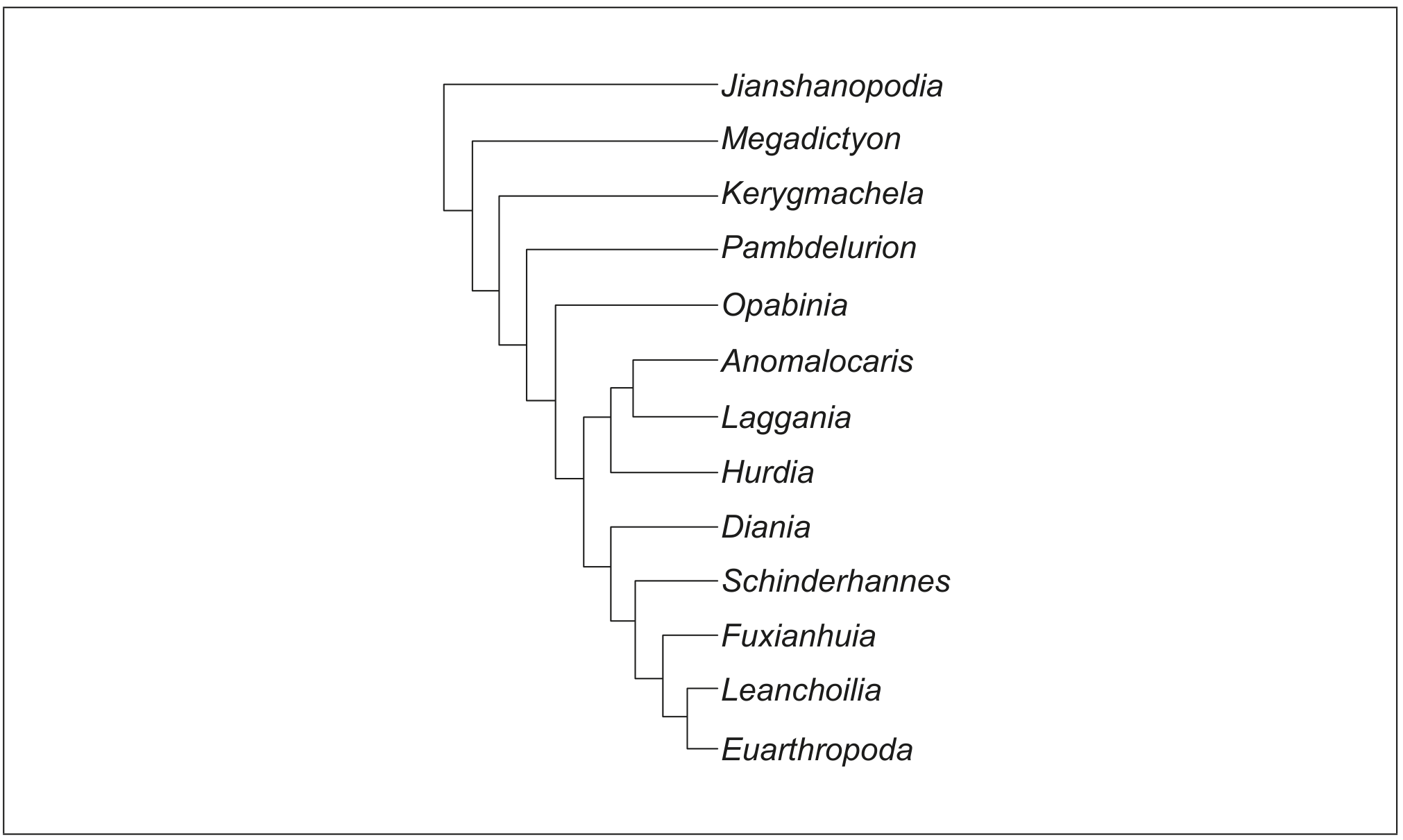
The diagram shows part of a cladogram for invertebrate species from the Cambrian age.

Question image
[ 2 ]
(i)

On the cladogram, label with the letter C the point that shows the most recent common ancestor of Pambdelurion and Fuxianhuia.

[ 1 ]
(ii)

Identify which two species evolved most recently.

[ 1 ]
[Maximum number: 4]

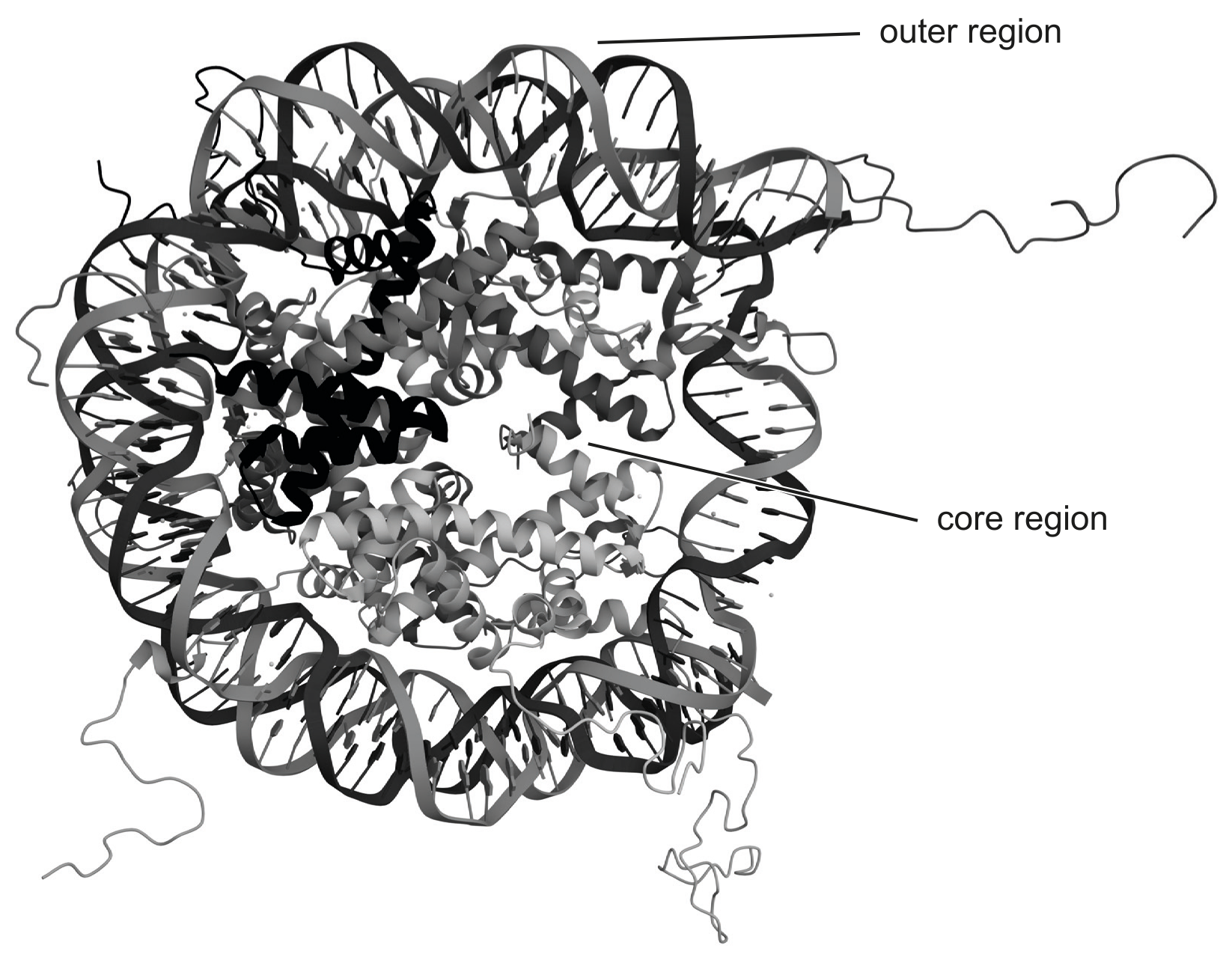
Molecular visualization software was used to produce the representation of a human nucleosome.

Question image
(a)

Explain how DNA can be used in cladistics.

[ 4 ]
[Maximum number: 6]

Discuss the use of cladograms in phylogenetic studies.

(a)
(i)

State the domain in which it is classified.

[ 1 ]
[Maximum number: 6]

Explain cladistics as a method of classifying organisms.

[Maximum number: 6]

Discuss the use of cladograms in classification and research into the evolutionary origins of living organisms.

0