EduNinja
[Maximum number: 1]

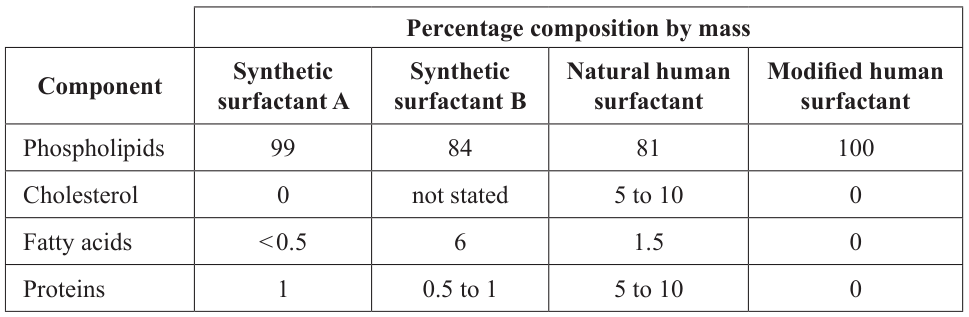
Cells in the alveolus wall produce a surfactant. Its function is to prevent alveoli collapse at the end of expiration. Surfactants are used in the treatment of respiratory system disease in premature babies.

The table shows some of the components of different surfactant preparations.
Table
(a)

Phospholipids found in the surfactants form a surface film on the moist lining of the alveoli. Outline how the hydrophilic and hydrophobic parts of the phospholipids in the surfactants are aligned on the alveolar surface.

[ 1 ]
[Maximum number: 4]

Obesity (excessive weight) is recognized as a global health problem and has been correlated with a large number of health issues, diseases and deaths. The increased consumption of fructose, now widely used as a sweetener, has been associated with the increase in obesity.

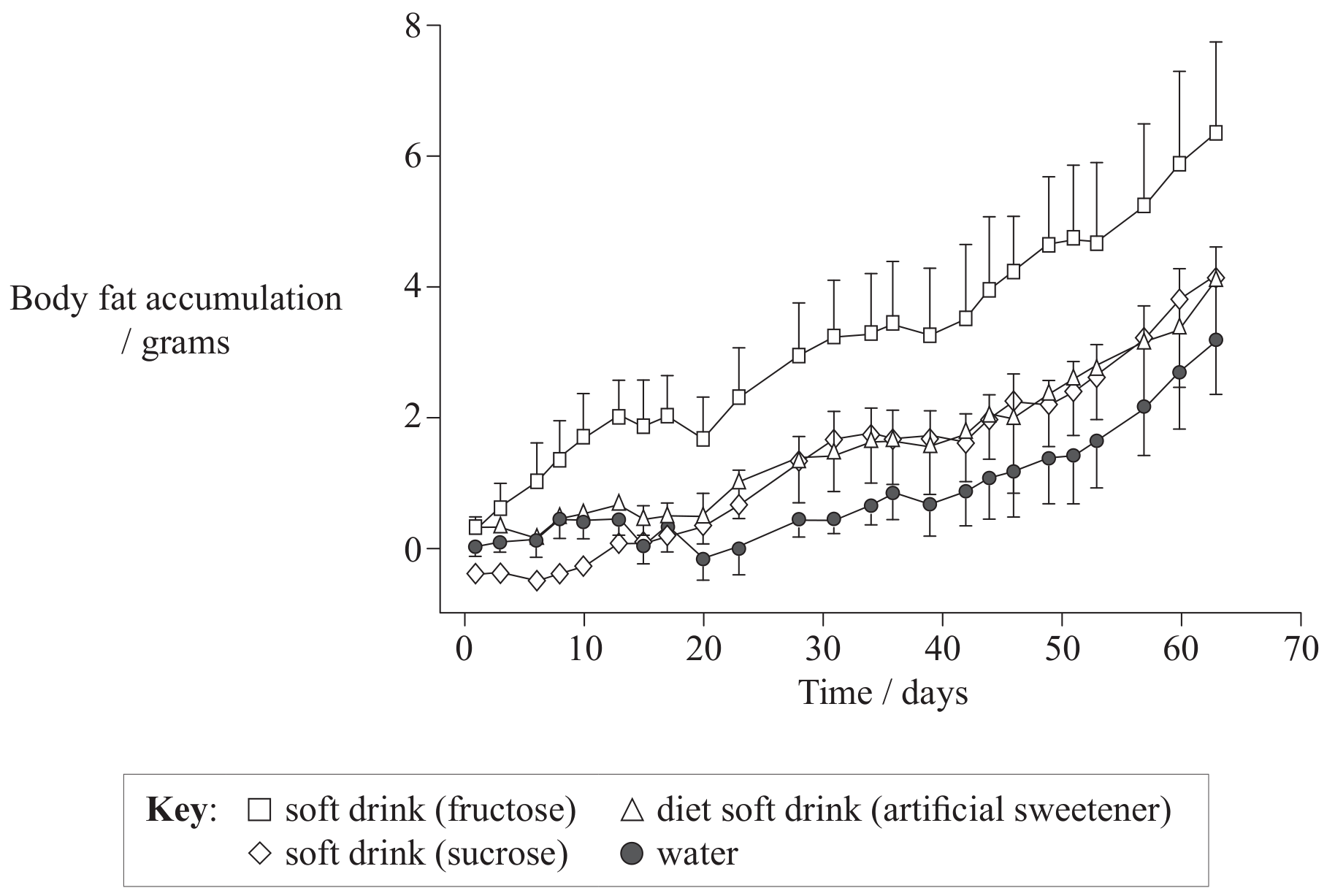
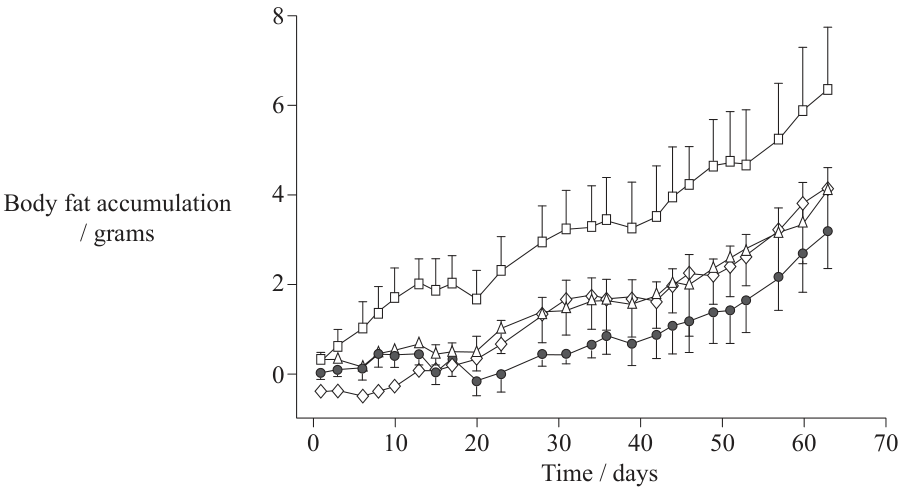
In a study, mice were divided into four groups. Each group was given the same amount of food and either a soft drink with a different sweetener or water.

Question image
Table
(a)

Describe the overall trend in body fat accumulation for the four groups of mice.

[ 1 ]
(b)

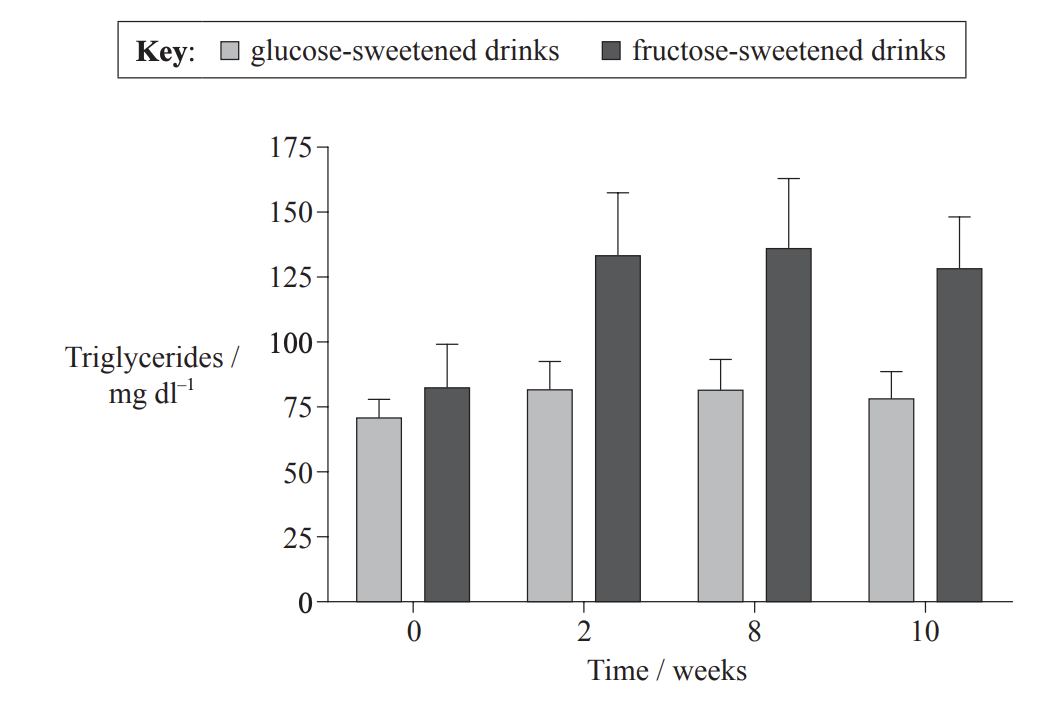
As it has been shown that high triglyceride levels correlate to obesity, another study was undertaken with humans. Over a ten-week period, one group was given glucose-sweetened drinks and the other fructose-sweetened drinks. Triglyceride levels in blood were measured throughout the study.

Question image

Distinguish between the results for the two groups.

This study also showed a significant reduction in insulin sensitivity when participants were given fructose-sweetened drinks, but not when they were given glucose-sweetened drinks.

[ 2 ]
(c)

Determine which sugar is primarily used in the production of ribose.

[ 1 ]
[Maximum number: 4]

Obesity (excessive weight) is recognized as a global health problem and has been correlated with a large number of health issues, diseases and deaths. The increased consumption of fructose, now widely used as a sweetener, has been associated with the increase in obesity.

In a study, mice were divided into four groups. Each group was given the same amount of food and either a soft drink with a different sweetener or water.

Question image
(a)

Describe the overall trend in body fat accumulation for the four groups of mice.

[ 1 ]
(b)

Compare the body fat accumulation between the four groups.

[ 2 ]
(c)

Determine which sugar is primarily used in the production of ribose.

[ 1 ]
[Maximum number: 2]

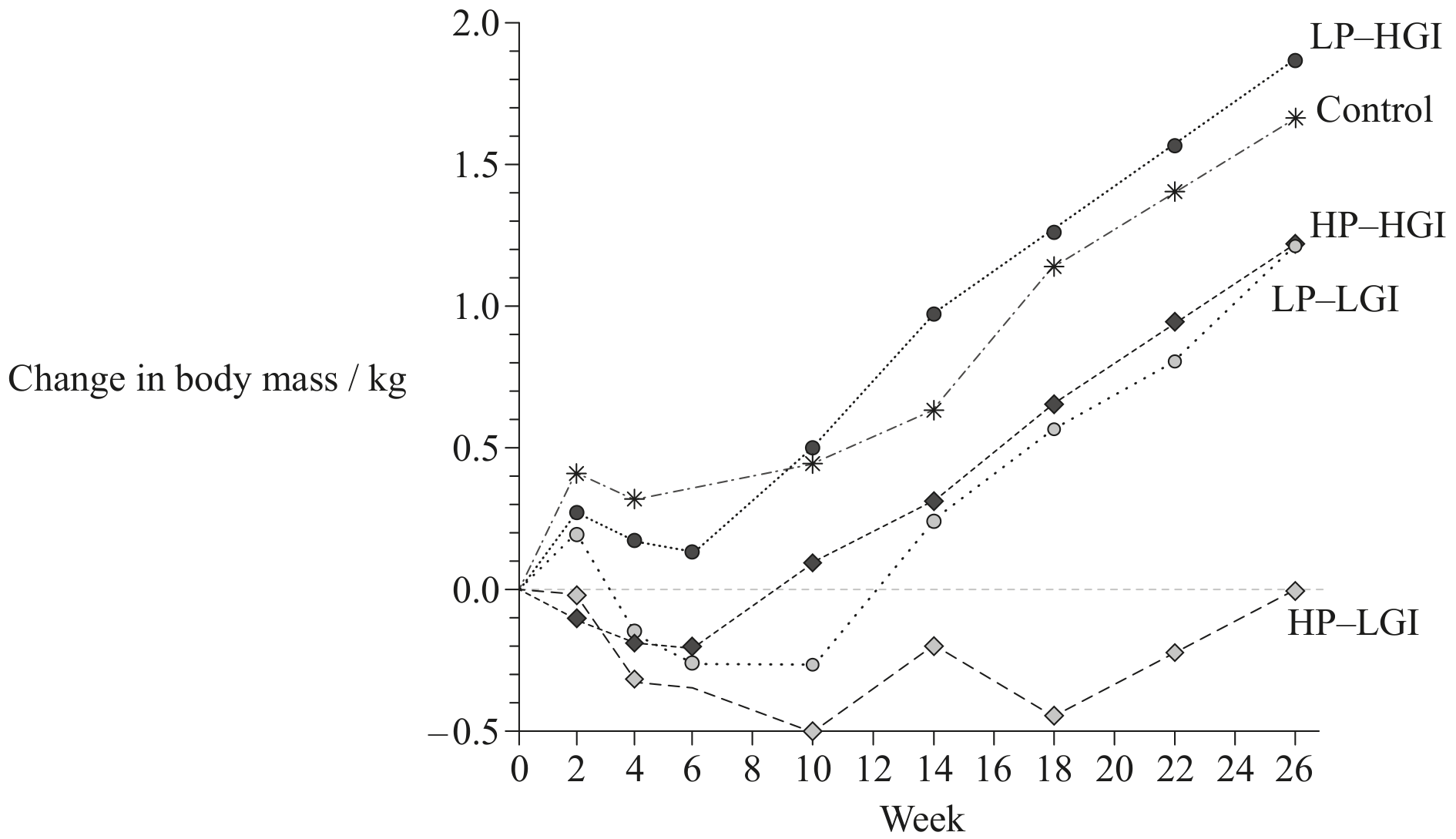
During an investigation, 773 participants who had lost body mass through a low-energy diet were randomly assigned a diet (with no energy restriction) for the next 26 weeks to maintain their mass. These maintenance diets were one of the four combinations of high or low protein with either high or low glycemic index. A control group followed the recommended daily intake. High glycemic index foods enable a quicker release of glucose into the bloodstream than foods with a low glycemic index.

Question image

Key: HP - high protein HGI - high glycemic index
LP - low protein LGI - low glycemic index

(a)

Explain the possible health consequences of diets rich in carbohydrates.

[ 2 ]
[Maximum number: 2]

Low protein diets are a widespread problem in the developing world. A low protein diet in a pregnant mother could affect a developing fetus. Other mammals are used as a biomedical model for energy metabolism and malnutrition in humans.

In an experiment to study the effect of protein levels in the diet, pregnant mammals were fed diets with different ratios of protein to carbohydrate:
- low protein : high carbohydrate (LP),
- adequate protein: adequate carbohydrate (AP),
- high protein : low carbohydrate (HP).

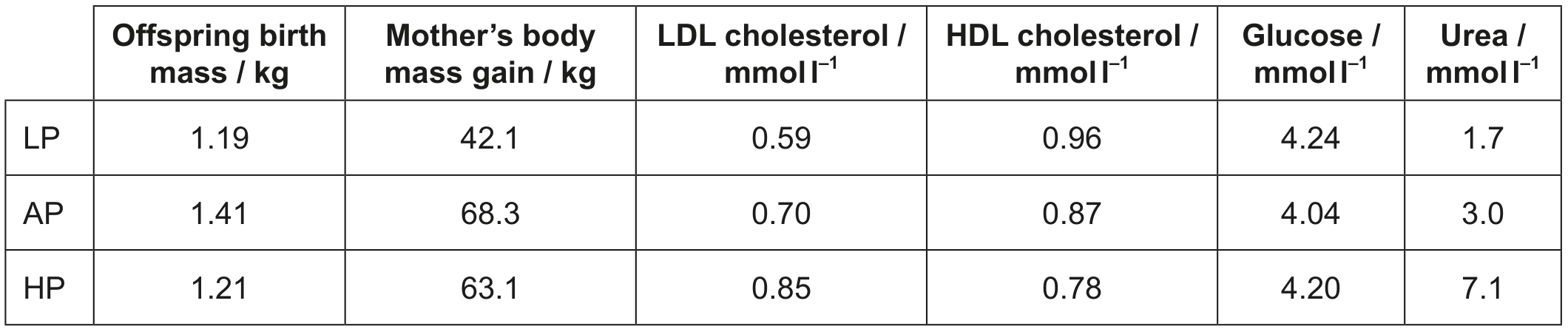
The table shows the average birth mass of the offspring and the body mass gain of the mother during the pregnancy. The concentration of several substances in the plasma of the mothers was also recorded. LDL (low density lipoprotein) is considered "bad cholesterol" and HDL (high density lipoprotein) is considered "good cholesterol".

Table
(a)

Identify the substance that varies the most in the plasma of the mothers.

[ 1 ]
(b)

Distinguish between LDL cholesterol and HDL cholesterol in relation to the diet.

[ 1 ]
[Maximum number: 1]

Which molecule is a polysaccharide?

A

Cellulose

B

Fructose

C

Maltose

D

Sucrose

[Maximum number: 1]

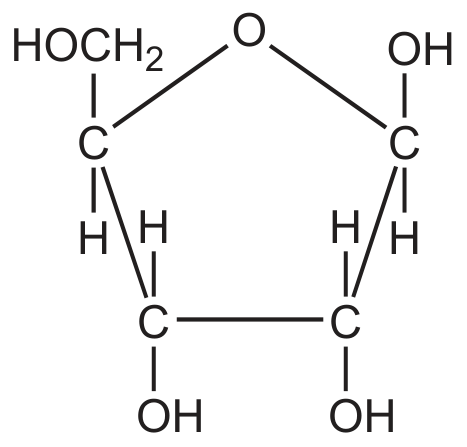
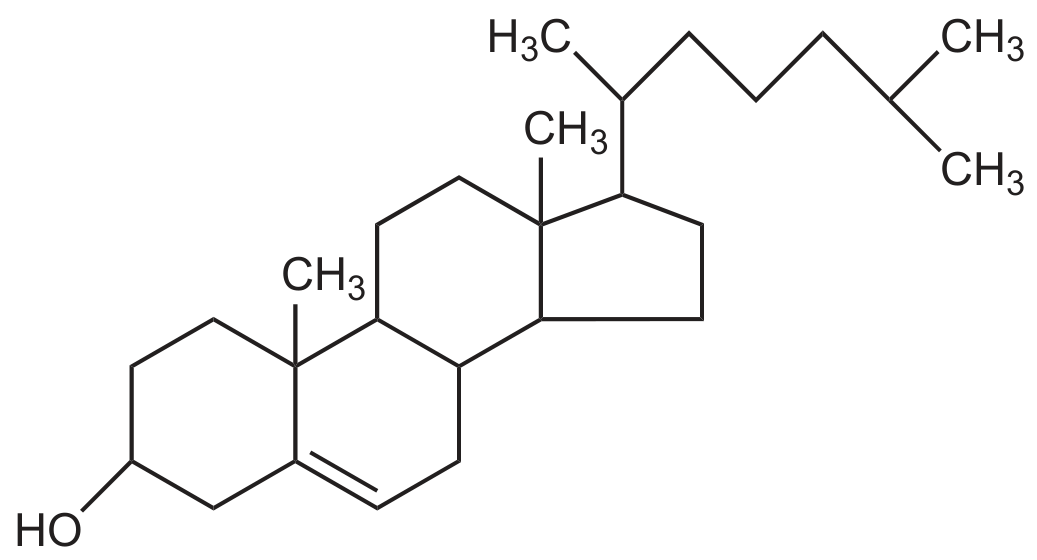
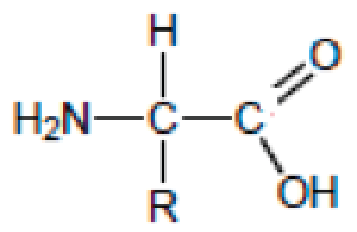
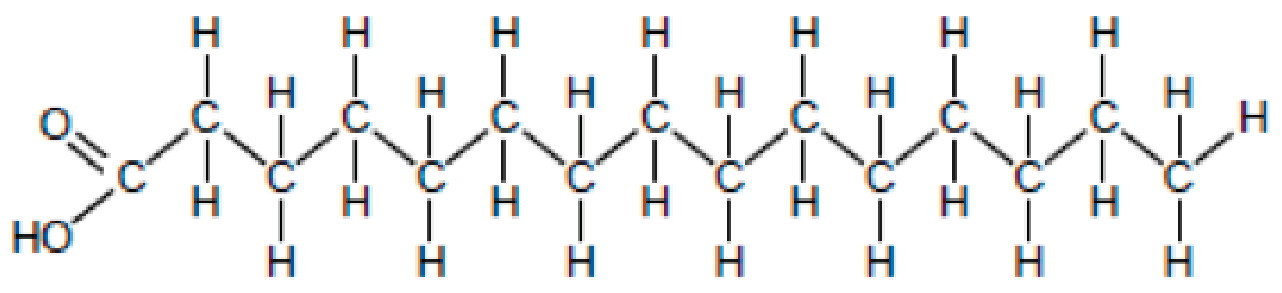
Which molecule is a sugar?

A
Question image
B
Question image
C
Question image
D
Question image
[Maximum number: 1]

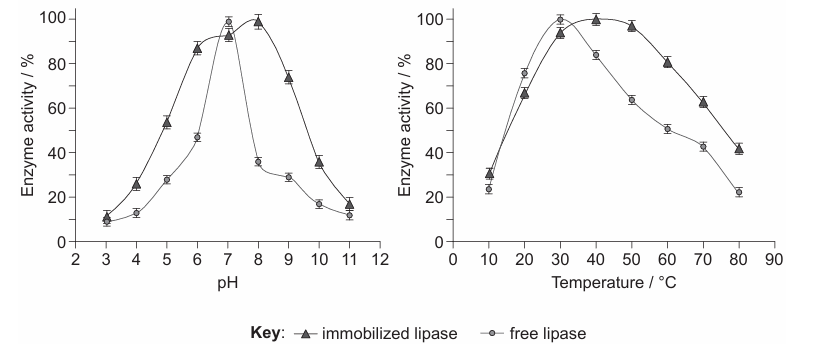
Lipase was extracted from the fungus Aspergillus niger and used to hydrolyse one of its substrates. This was repeated for an immobilized form of lipase. The graph shows how the enzyme activity varied at different pH and temperature levels.

Key: - immobilized lipase - - free lipase

Key: - immobilized lipase - - free lipase

(a)

State the effect immobilization of lipase has on its optimum temperature.

[ 1 ]
[Maximum number: 2]

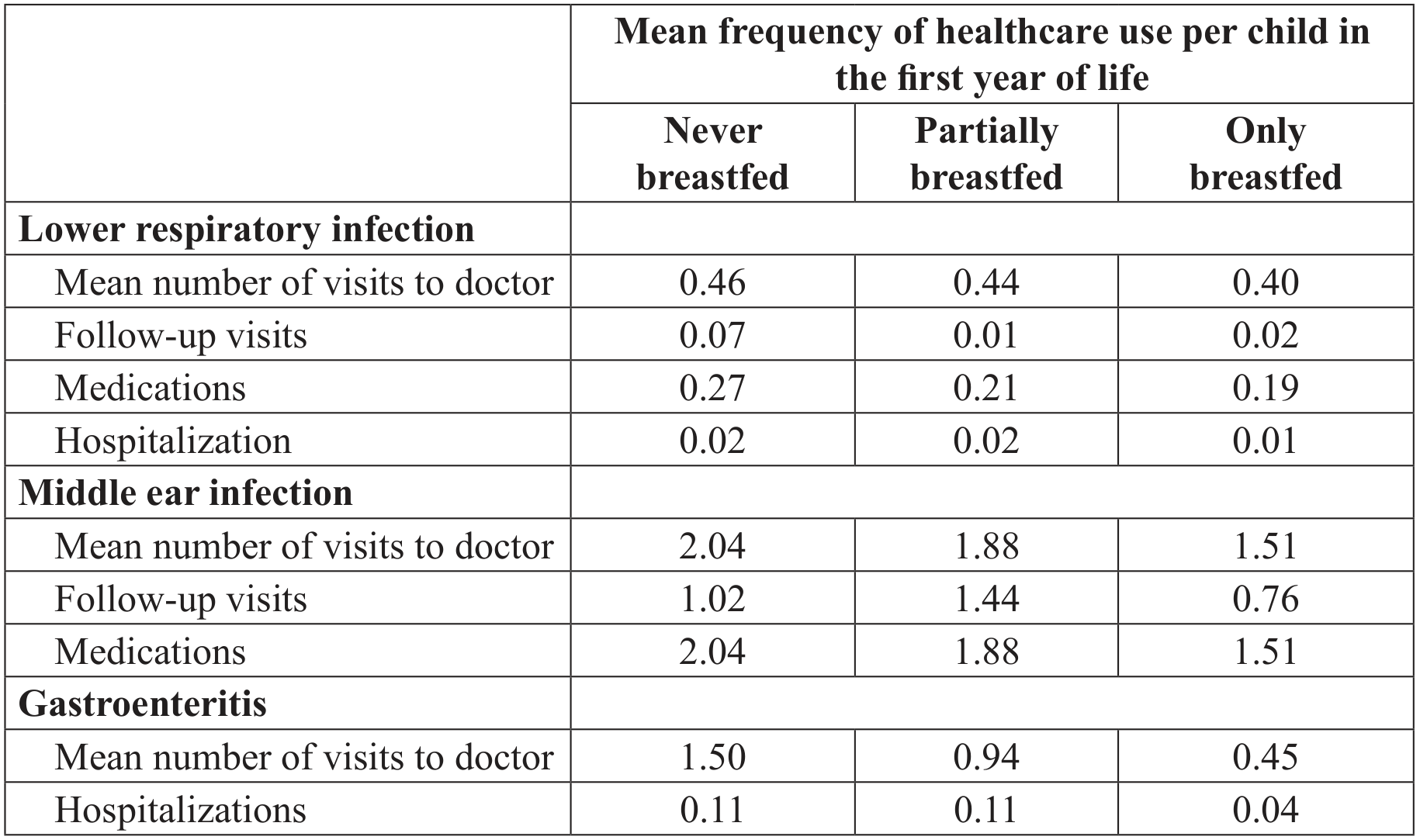
A1. A study was made to look at the effect of breastfeeding on infant health. The infants studied were all healthy at birth. They were classified as never breastfed, partially breastfed or only breastfed, based on their feeding status in the first three months of life. The frequency of health care use was assessed for each of these groups, for three illnesses (lower respiratory infection, middle ear infection and gastroenteritis).

The table below indicates the frequency of initial and follow-up visits to the doctor, prescription of medication and hospitalizations during the first year of life. Follow-up visits and medication were seldom needed for gastroenteritis.

Table
(a)

Suggest how the composition of breast milk and artificial milk may have contributed to these results.

[ 2 ]
[Maximum number: 7]

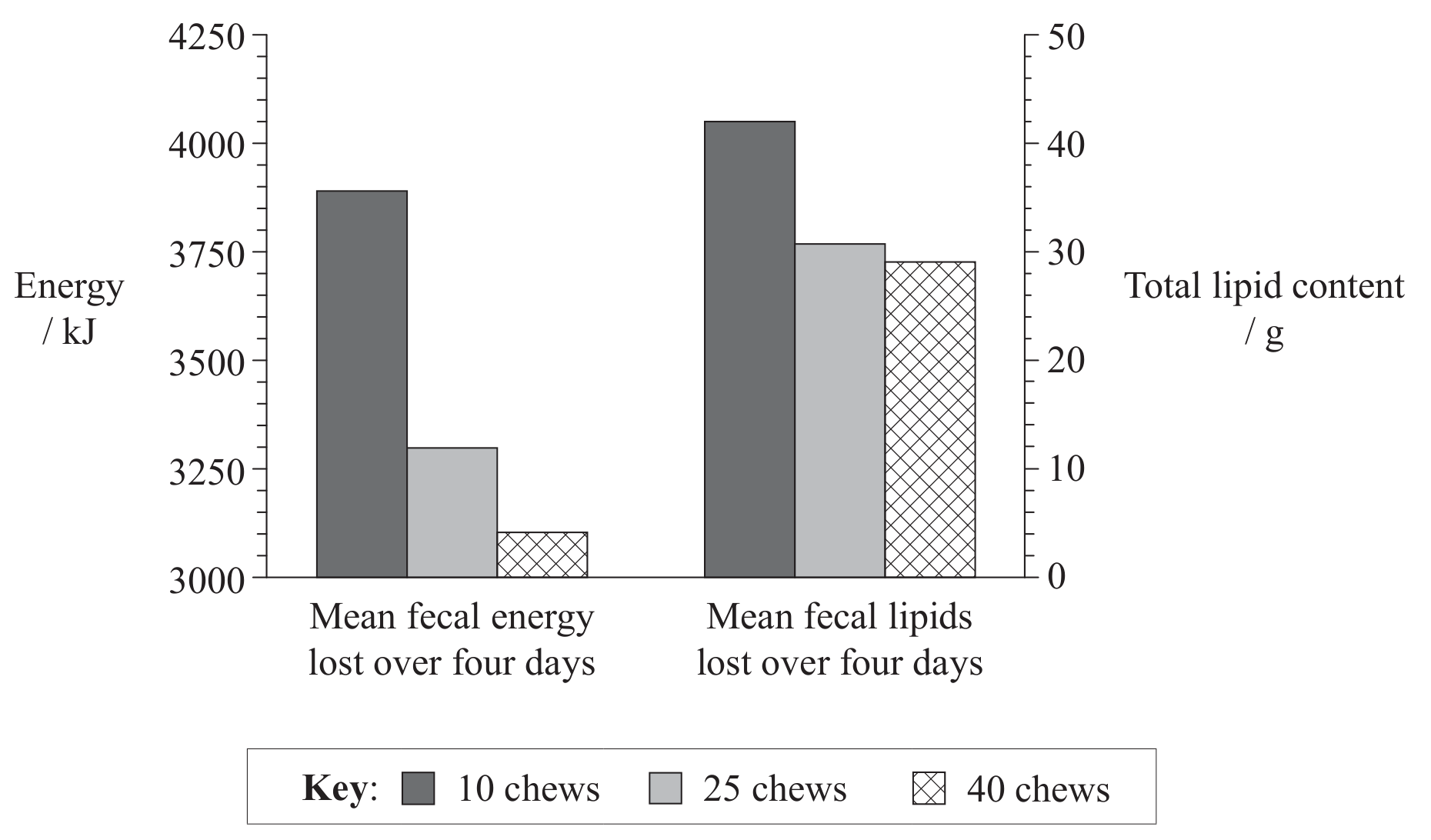
A1. Nuts are nutritionally important because they are energy rich and their lipids may reduce the risk of cardiovascular disease. Despite these advantages, some people avoid eating nuts because they fear gaining weight from them. The role of mastication (chewing) of nuts was explored in relation to the absorption of lipids by the body and to the sense of fullness after eating nuts. Energy and total lipid content in the fecal matter (feces) of 13 people were measured over a four-day period. After not eating for eight hours, participants were initially given 55 g of raw whole almonds (in 5 g portions) to be chewed 10, 25 or 40 times before swallowing. For the remainder of the four-day period, participants were fed three controlled meals each day without any nuts.

Question image

[Acknowledgment: Cassady, B.A., Hollis, J.H., Fulford, A.D., Considine, R.V. and Mattes, R.D. 'Mastication of almonds: effects of lipid bioaccessibility, appetite, and hormone response.' American Journal of Clinical Nutrition, 2009; 89 (3): 794-800, ©American Society for Nutrition.]

(a)

The amount of energy lost in fecal matter after 10 chews is 3890 kJ . State the amount of lipids lost in fecal matter after 10 chews, giving the units.

[ 1 ]
(b)

Using the data, analyse the effects of mastication on loss of energy in fecal matter.

[ 2 ]
(c)

Deduce how mastication affects the absorption of lipids by the body.

[ 1 ]
(d)

Evaluate the importance of the given information for individuals concerned with weight control.

[ 3 ]
0