EduNinja
[Maximum number: 1]

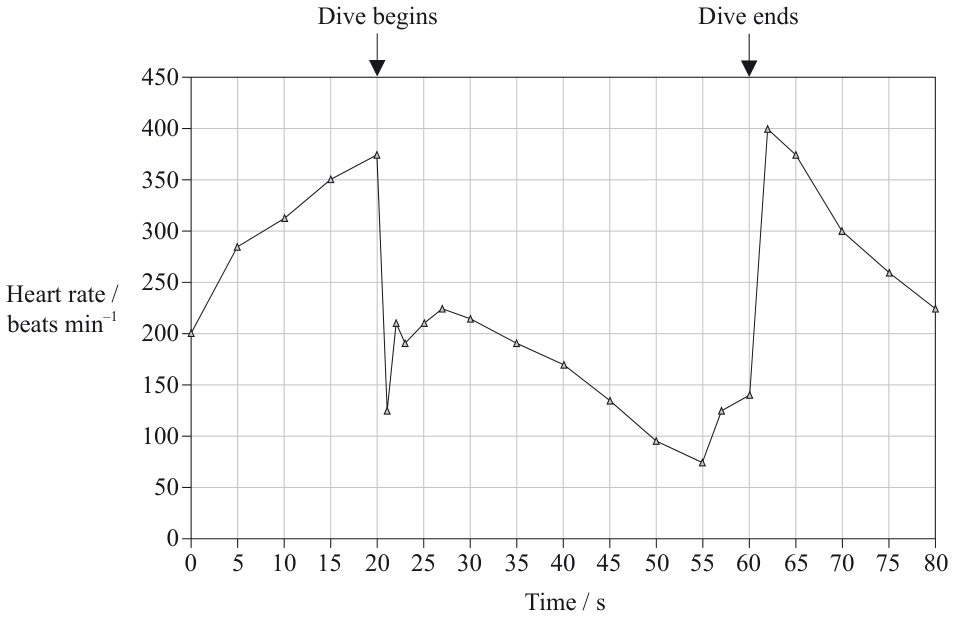
Tufted ducks (Aythya fuligula) are found in lakes and lagoons throughout Europe. They eat molluscs, insects and plants, sometimes from the surface but mostly by diving under the water. The graph shows how the heart rate of a tufted duck changes when diving under the water.
Question image
(a)

Suggest, with a reason, the type of respiration used by the tufted duck during the dive.

[ 1 ]
[Maximum number: 2]

Ozone gas in the atmosphere helps to block high-energy ultraviolet light (UV) from reaching the Earth's surface. Over the past few decades, the ozone layer has been decreasing, thus allowing through more UV.

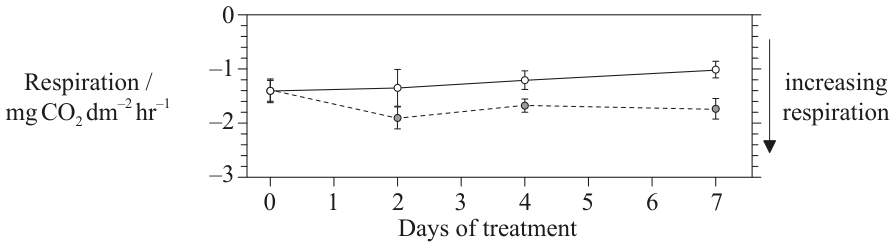
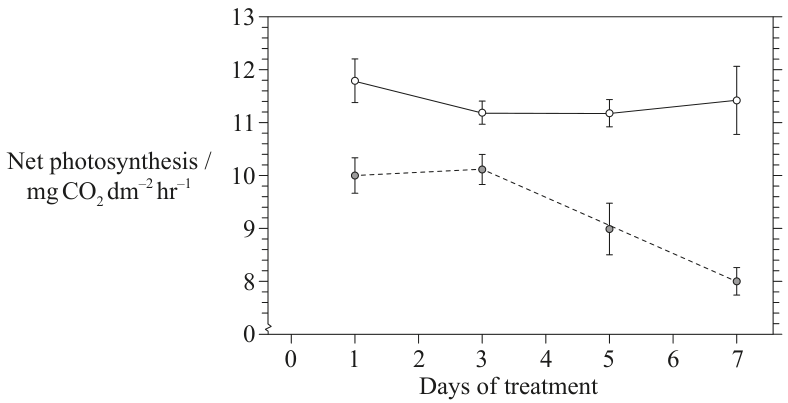
The effect of this decrease in the ozone has been studied in different plants. An early study was undertaken on patience dock plants (Rumex patientia) to test the effect of atmospheric ozone levels decreasing by 38 %. The net photosynthesis (total photosynthesis minus total respiration) and respiration of the plants were measured during seven days of exposure to UV. The rates of photosynthesis and respiration are given in rates of carbon dioxide uptake per unit area of leaf.

Question image
Key: -- control plants - - exposed to UV with 38 % less ozone

Key: -- control plants - - exposed to UV with 38 % less ozone

(a)

Distinguish between the results for the plants exposed to UV and the controls without UV in

[ 2 ]
(i)

respiration.

[ 2 ]
[Maximum number: 1]

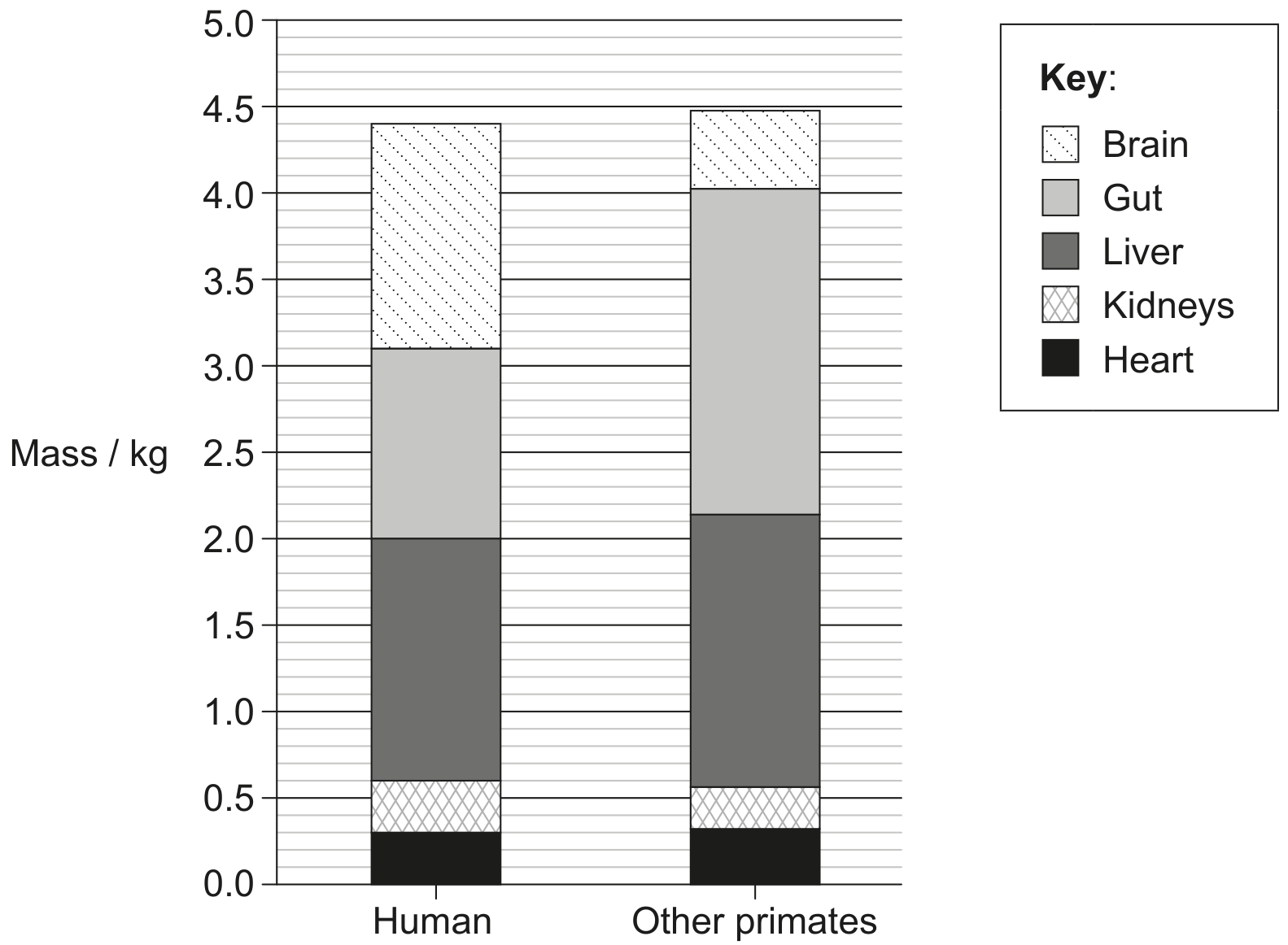
Researchers investigating human evolution recorded energy use for the brain, gastrointestinal tract (gut), liver, kidneys and heart as a percentage of total energy used in the human body. They found that these organs use around 70 % of the body's energy although they account for only about 7 % of body mass. They also compared the mass of each of these organs in humans with other modern primates, each with a body mass of 65 kg as shown in the bar chart.

Table
Question image
(a)

Using information from the table and the graph, identify the human organ which uses the greatest amount of energy per kilogram of body tissue.

[ 1 ]
[Maximum number: 3]

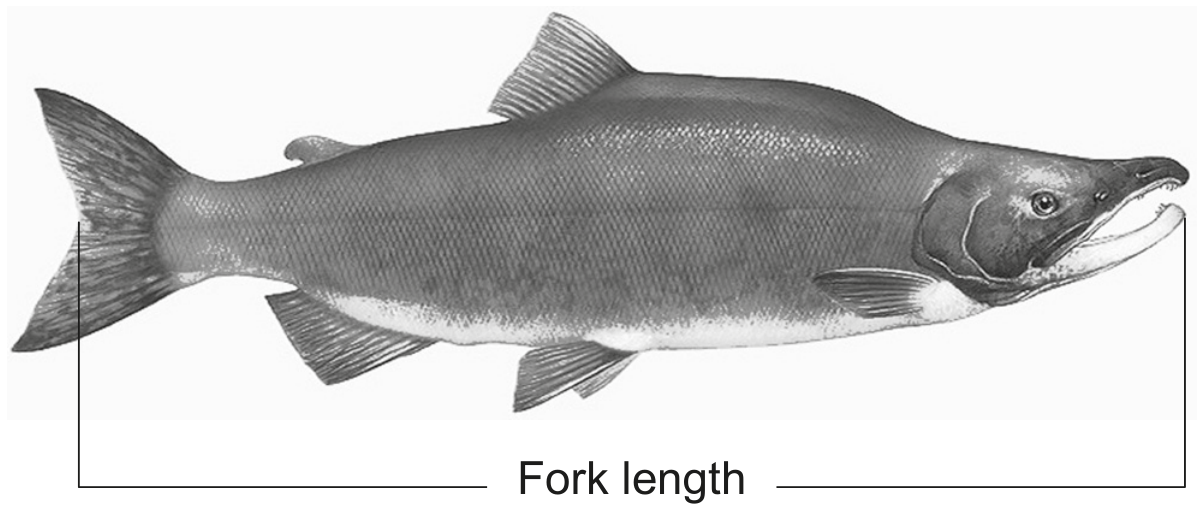
Sockeye salmon (Oncorhynchus nerka) spend the first years of their lives in the freshwater lakes of Alaska before migrating to marine waters. Their first months in marine waters are spent foraging and growing near the shore line. They then move to offshore regions of the North Pacific Ocean for 2 to 3 years.

Question image

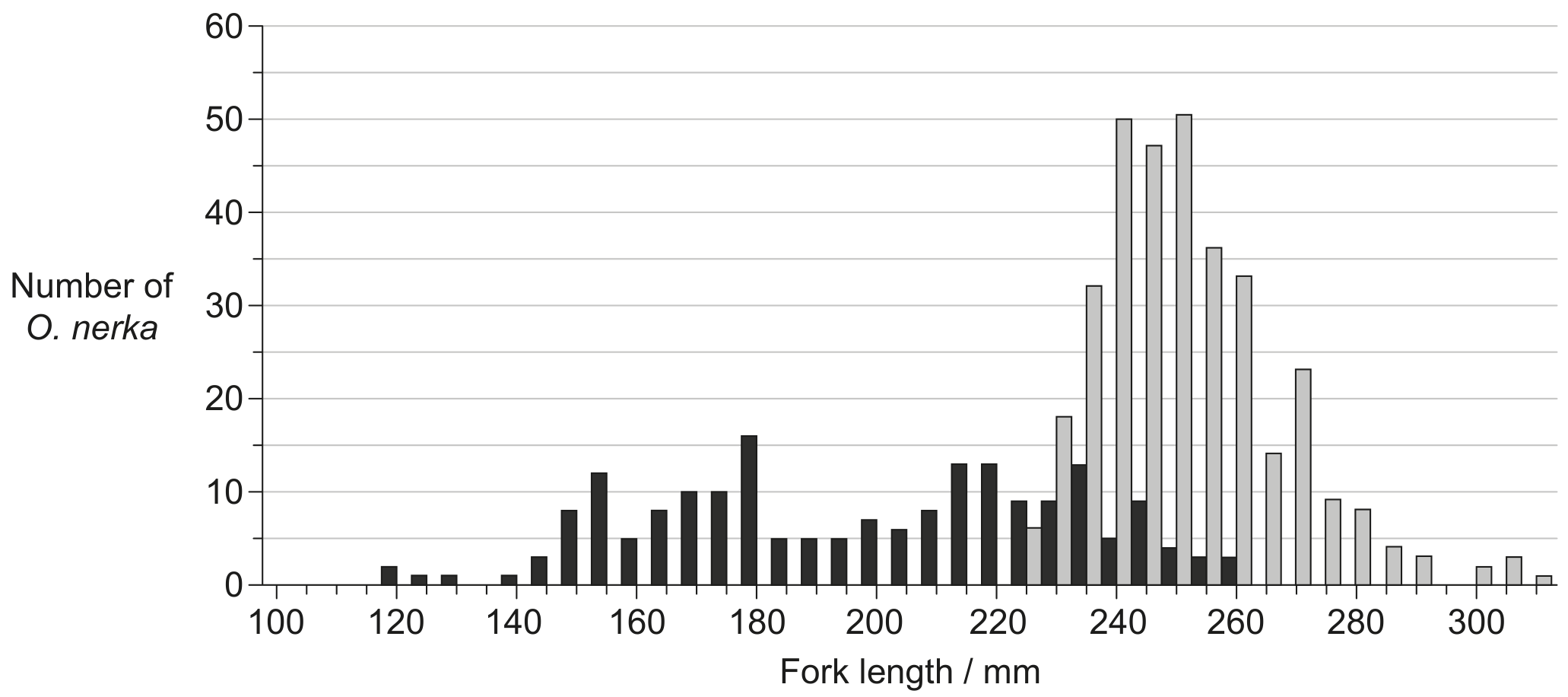
The graph shows fork length frequency of juvenile O. nerka caught during their first months in marine waters in autumn 2008 and ocean age one O. nerka caught 15 months later during winter 2009 in the North Pacific Ocean.

Question image
Table
(a)

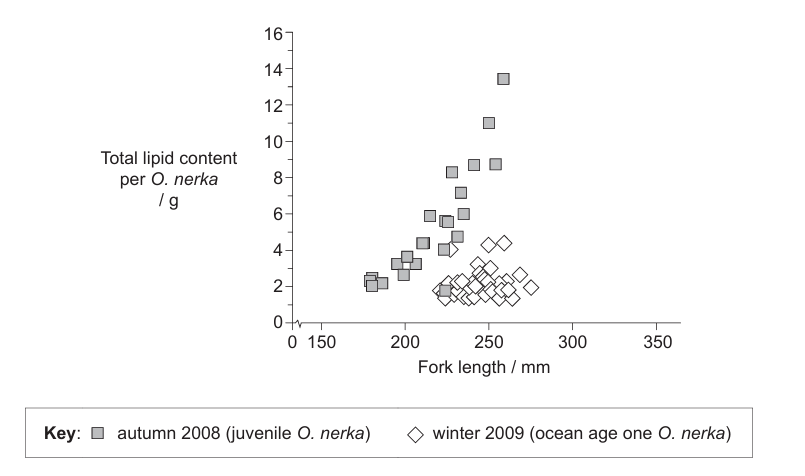
Lipid in O. nerka was measured to evaluate possible differences in energy status during their first 15 months at sea. The graph shows the relationship between fork length and lipid content for O. nerka caught during autumn 2008 and winter 2009.

Question image

State the range of lipid content measured in O. nerka caught during autumn 2008.

[ 1 ]
(b)

Suggest reasons for the differences in lipid content.

[ 2 ]
[Maximum number: 7]

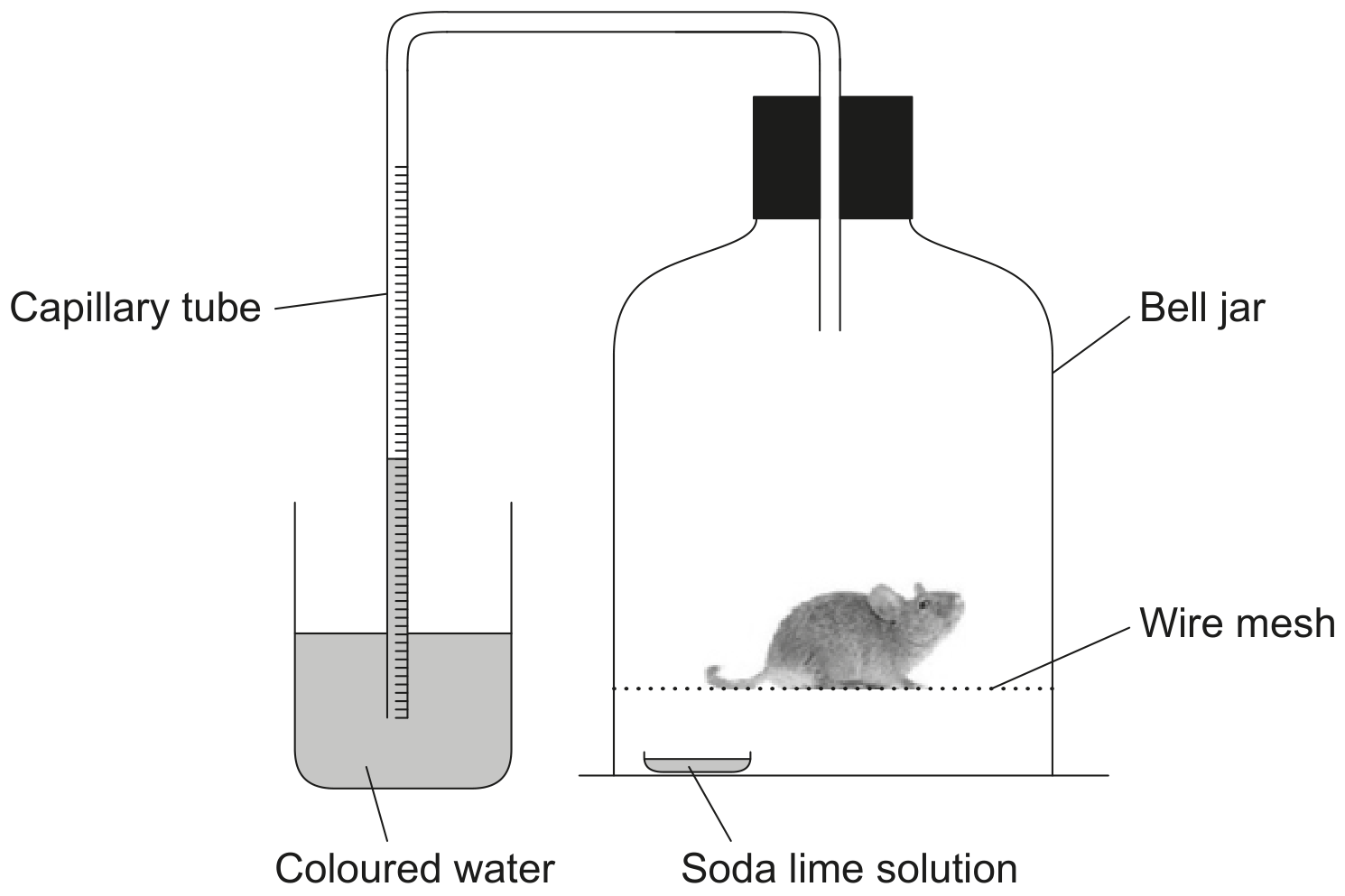
In an experiment measuring oxygen consumption, a laboratory mouse was placed in a respirometer for a short time. Soda lime solution absorbed any carbon dioxide produced during the experiment.

Question image
(a)

Suggest the purpose of the wire mesh.

[ 1 ]
(b)

Describe how the apparatus measures the oxygen consumption of the mouse.

[ 3 ]
(c)

Discuss whether the apparatus would be suitable for measuring the oxygen consumption of a small green plant during respiration.

[ 3 ]
[Maximum number: 8]

Consumption of dark chocolate has been shown to have health benefits. A study was undertaken to see the effects of epicatechin (Epi), a substance in dark chocolate, on the aerobic capacity of leg muscles of mice.

A group of adult mice was used to measure the effects of a low dose of Epi given over 15 days. The mice were divided into four groups and given either water or Epi and were either kept idle (no exercise) or made to exercise on a treadmill.

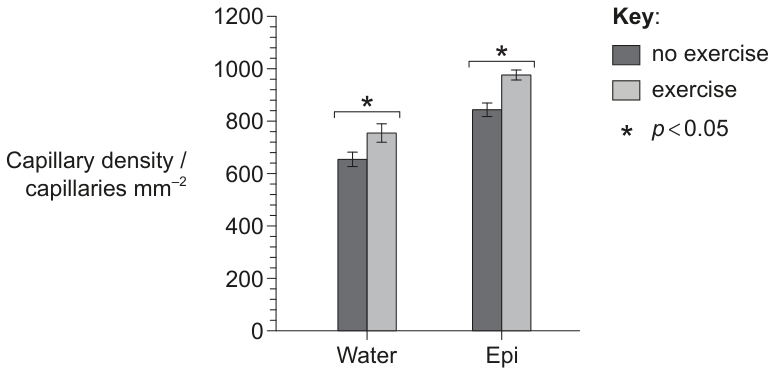
After 15 days, the results were analysed. The blood capillary density in leg muscle was measured under the light microscope.

Question image
(a)

Discuss the effect of exercise on the results of the experiment.

[ 2 ]
(b)

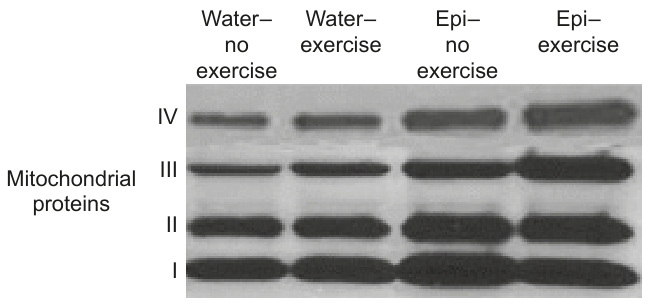
The scientists tested the expression of four different mitochondrial proteins. The protein samples were taken from leg muscles. The technique that was used to quantify the amount of protein expressed was Western blotting. In this procedure the thickness of the band is an indicator of the amount of protein.

Question image

Analyse the effect of exercise on the presence of the mitochondrial proteins in the leg muscle.

[ 2 ]
(c)

Mitochondria are essential for aerobic respiration. Suggest one possible role of the proteins that were studied.

[ 1 ]
(d)

The scientists concluded that Epi significantly increased aerobic capacity in leg muscle.

Evaluate the strength of the evidence provided by all of the data for dark chocolate improving the aerobic capacity of athletes.

[ 3 ]
[Maximum number: 3]

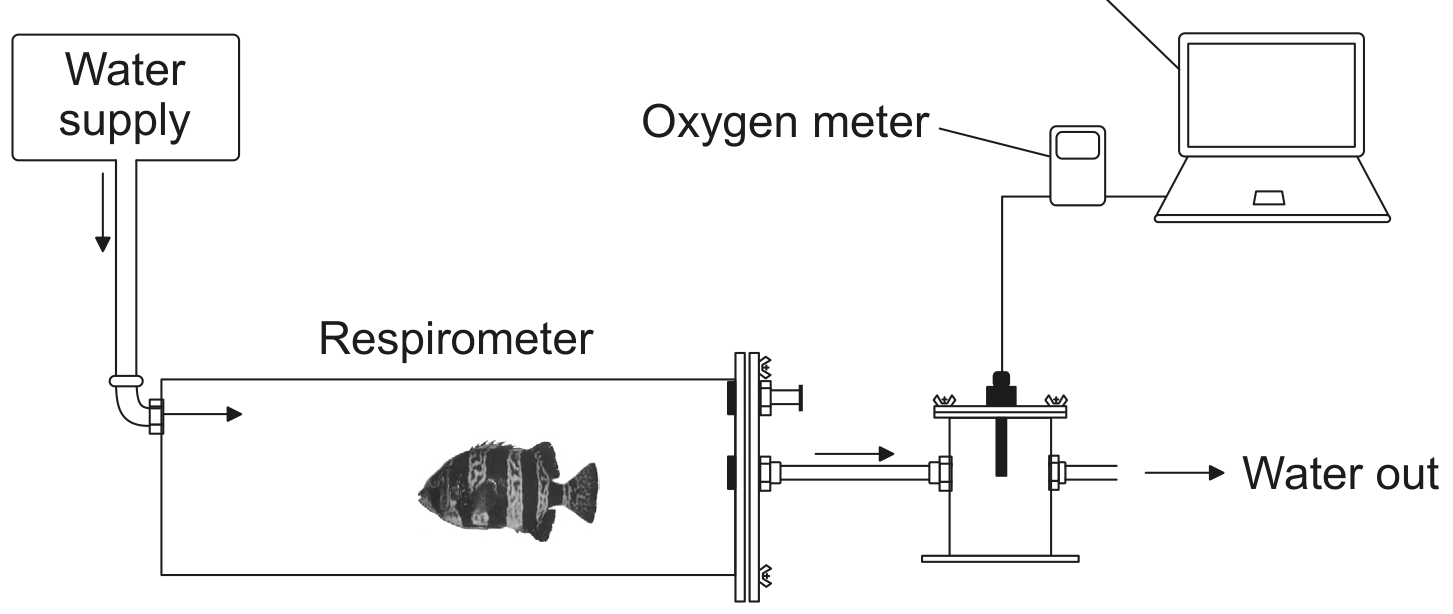
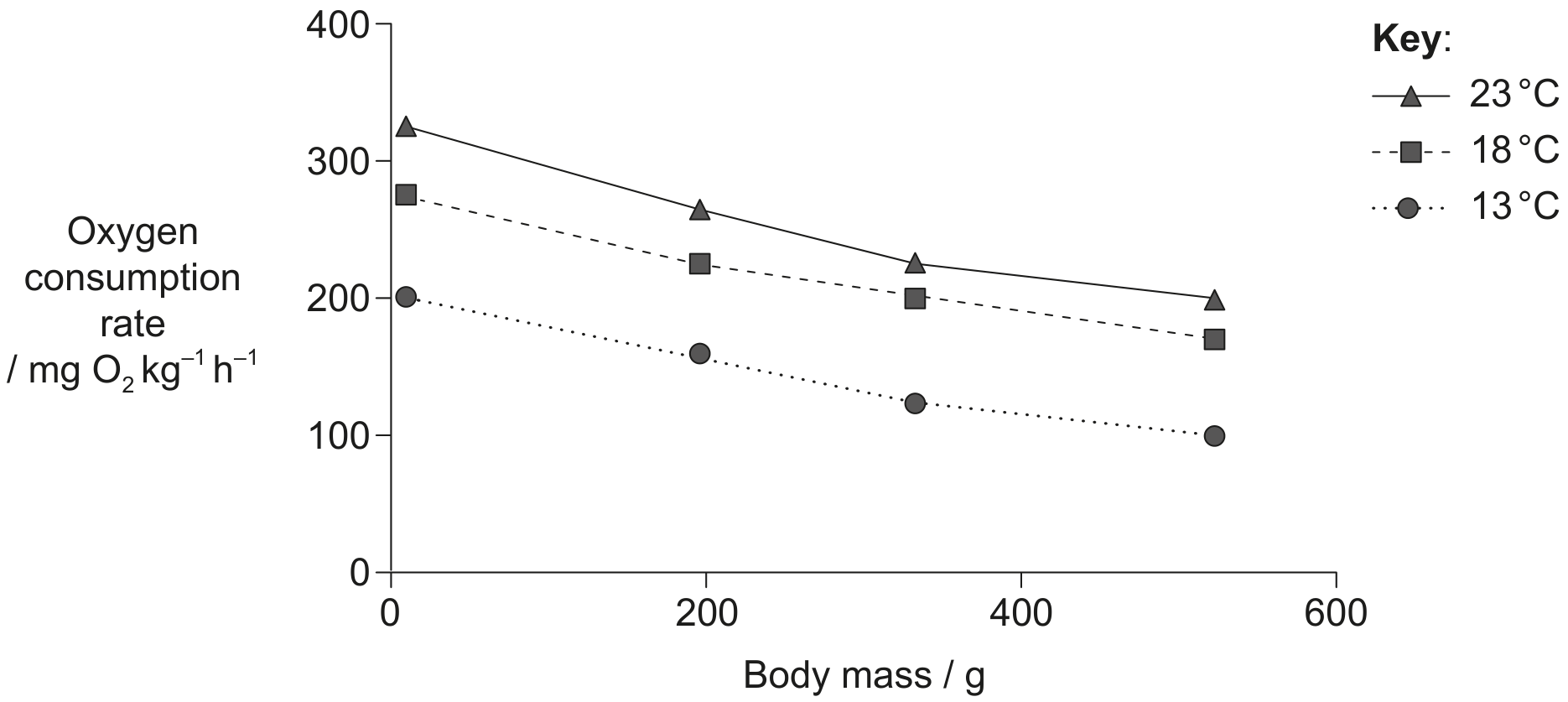
The oxygen consumption rate of the fish Oplegnathus insignis was examined in a respirometer at three different water temperatures and at four different body masses.

Computer used to record oxygen

Computer used to record oxygen

Computer used to record oxygen

Computer used to record oxygen

(a)

Suggest how the oxygen consumption rate is determined using this apparatus.

[ 2 ]
(b)

State the relationship between body mass and the oxygen consumption of fish.

[ 1 ]
[Maximum number: 2]

Edible insects have been a part of traditional human diets in many countries. For example, crickets are insects commonly eaten in Asia and Africa. Many studies have looked at the prospects of raising insects on a commercial scale for direct human consumption as food or indirectly by feeding insects to farm animals.

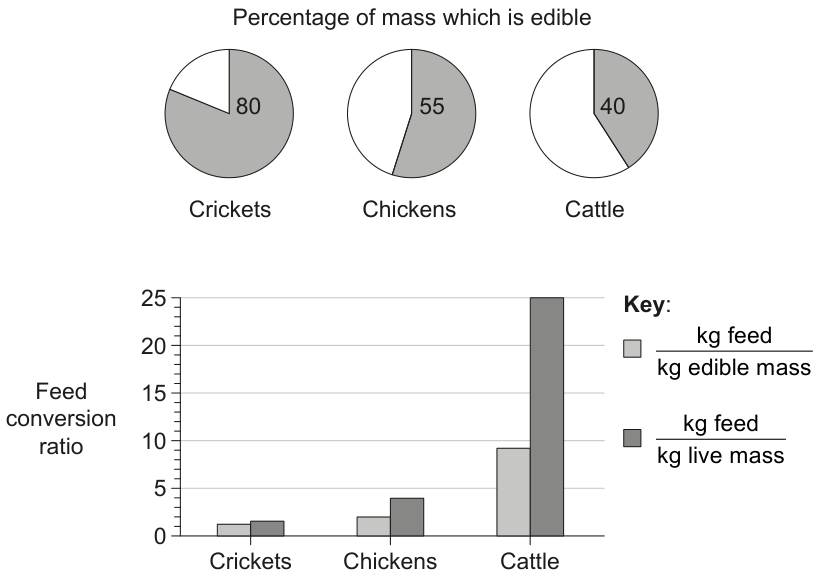
One factor to consider is which organisms are most efficient at converting the feed they eat into animal protein that can be consumed. A study compared the percentage of mass that was edible in two common farm animals and in crickets.

Question image
(a)

Birds and mammals maintain constant body temperature despite considerable losses of body heat to the environment. In insects such as mealworms, body temperature is variable and is often the same as the temperature of the environment or only slightly above it. Analyse the data in the bar charts, using this information.

[ 2 ]
[Maximum number: 5]

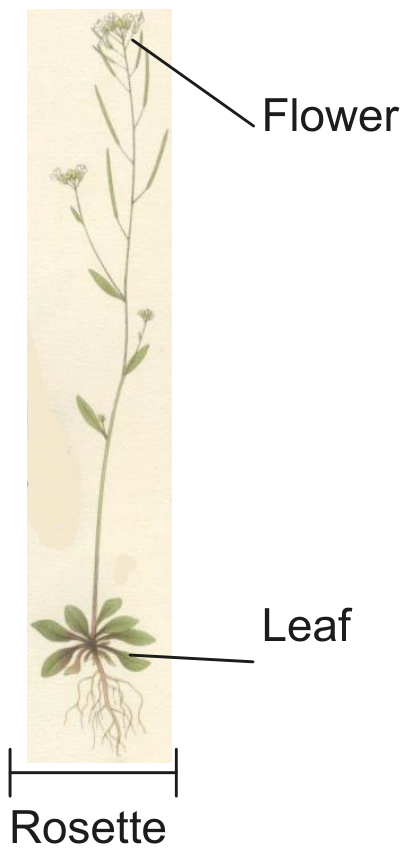
Arabidopsis is a small flowering plant in the mustard family (Brassicaceae) that is widely used in basic research. It has a short life cycle, flowers quickly producing a large number of seeds and is easy to cultivate. It forms a circle of leaves known as a rosette that lies close to the soil. Flowers form at the end of short stems.

Question image

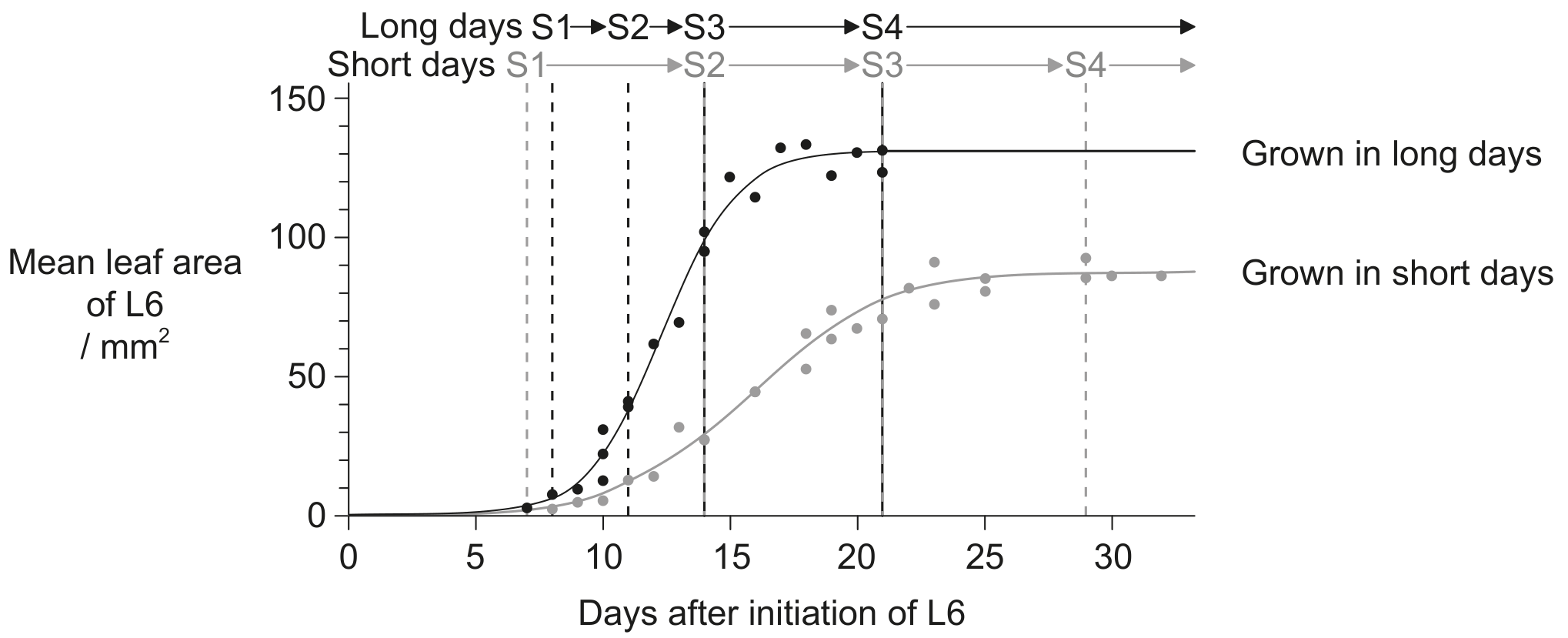
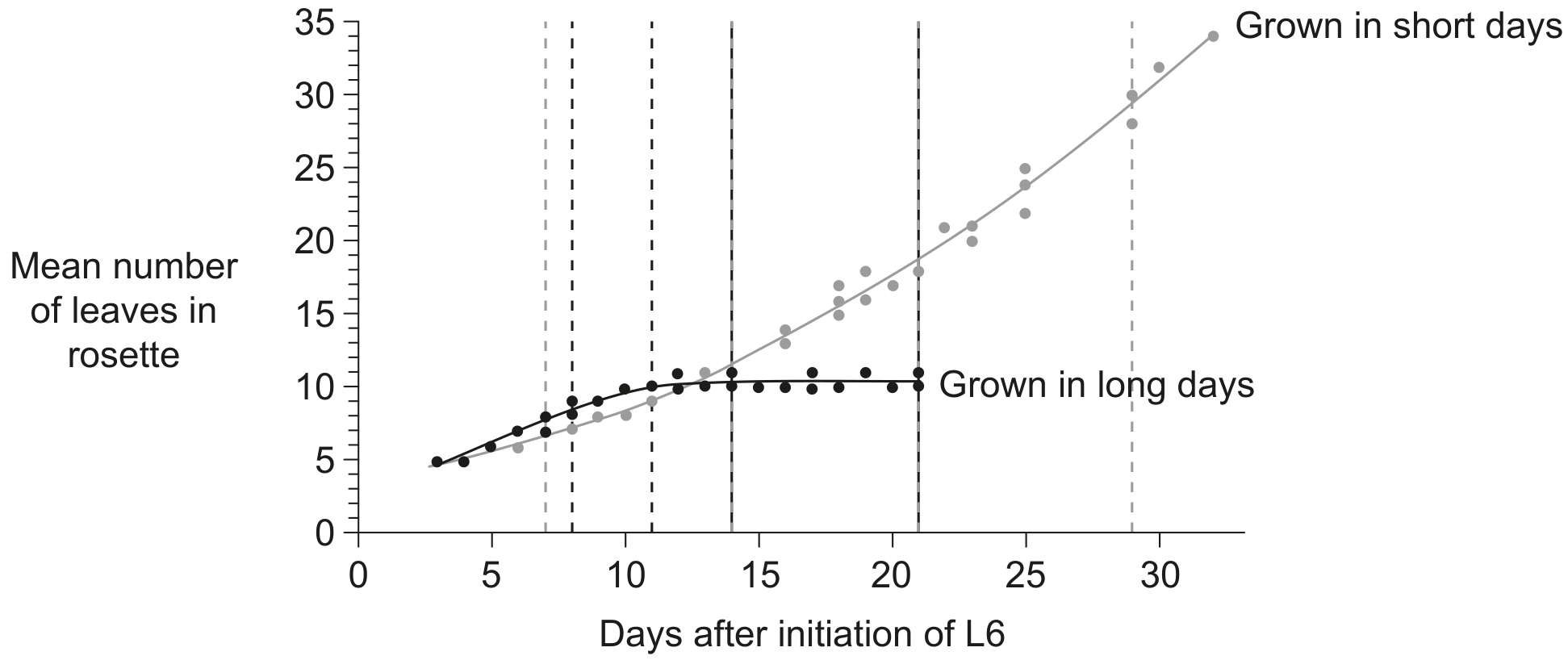
A study was carried out of differences in development between Arabidopsis plants grown in long days ( 16 hours light, 8 hours dark) or short days ( 8 hours light, 16 hours dark). The sixth leaf (L6) to emerge in the rosette of each plant was used in all investigations.

New leaves are initiated by the meristem and go through four stages as they develop.
- Stage 1 (S1) - rapid cell division
- Stage 2 (S2) - cell division has ceased, cell expansion continues
- Stage 3 (S3) - decreasing cell expansion rate
- Stage 4 (S4) - leaf growth complete

The start of each stage of leaf development for plants grown in long days and short days is shown above the first graph.

Question image
Question image
(a)

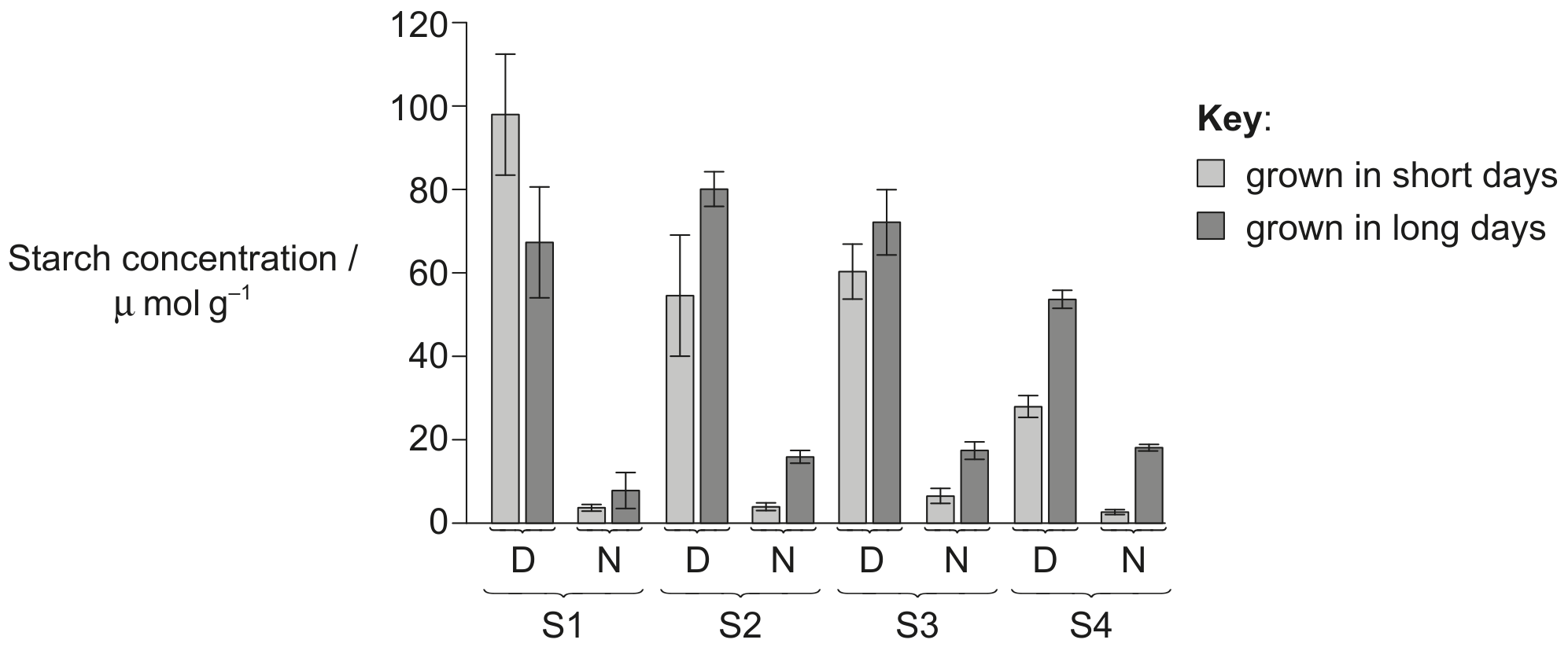
Leaves were removed from Arabidopsis plants that had been grown in long day and short day conditions and the concentration of starch within them was measured. This was done both at the end of the day (D) and at the end of the night (N) in each of the four stages of development (S1, S2, S3, S4).

Question image

Discuss the evidence provided in the bar chart for the hypothesis that plant leaves use up starch reserves for cell respiration during the night.

[ 2 ]
(b)
(i)

For each of the stages, identify whether the starch concentration at the end of the day is higher in the leaves grown in long day or short day conditions.

[ 1 ]
(ii)

Suggest reasons for the difference in end of day starch concentrations in stage 2 (S2) for the plants grown in long days and short days.

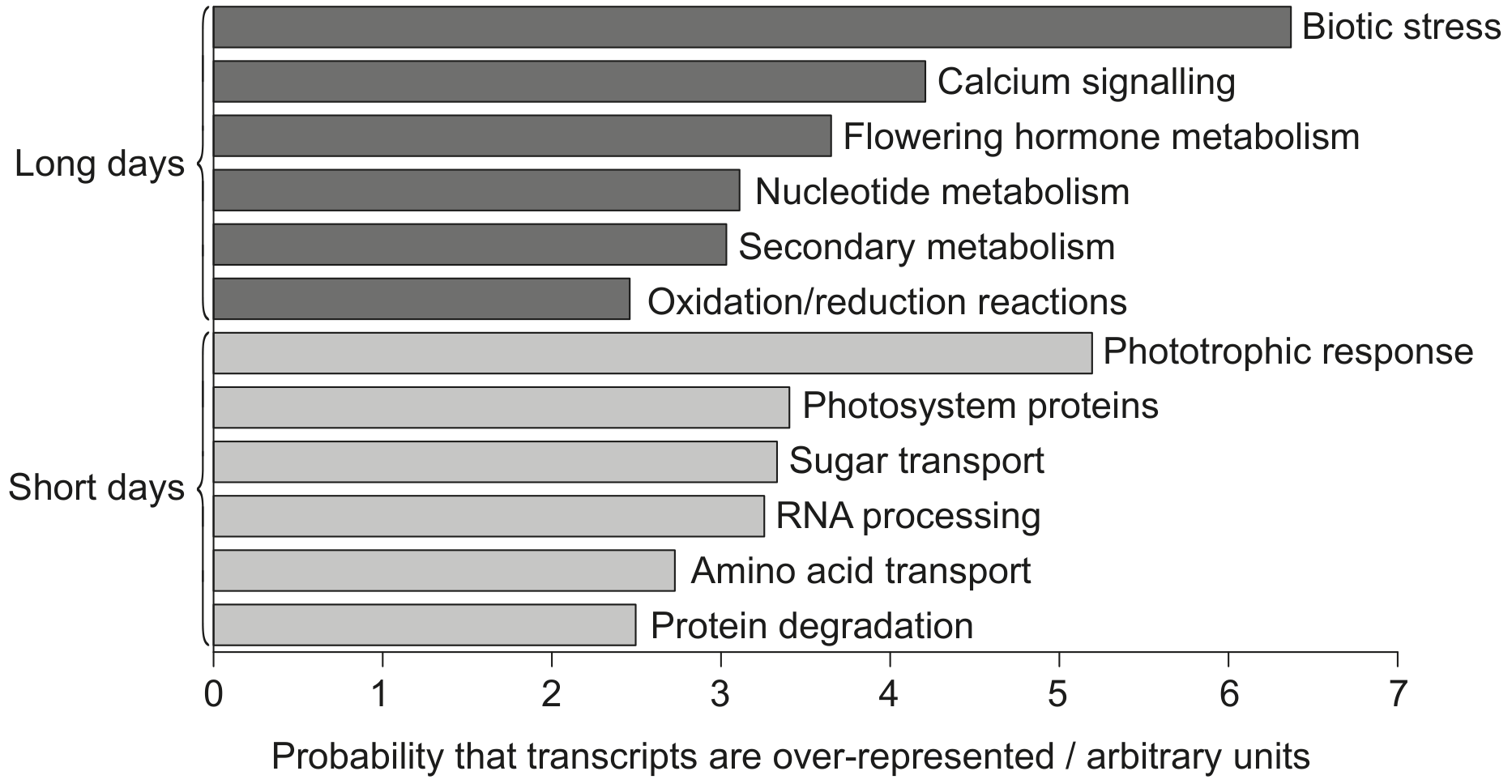
To account for the observed phenotypic and metabolic differences, researchers analysed mRNA transcript data. They found certain transcripts over-represented in Arabidopsis plants grown in long days (dark grey) compared with the amount expected due to chance. Other types of transcripts were over-represented in Arabidopsis plants grown in short days (light grey).

Question image
[ 2 ]
[Maximum number: 2]

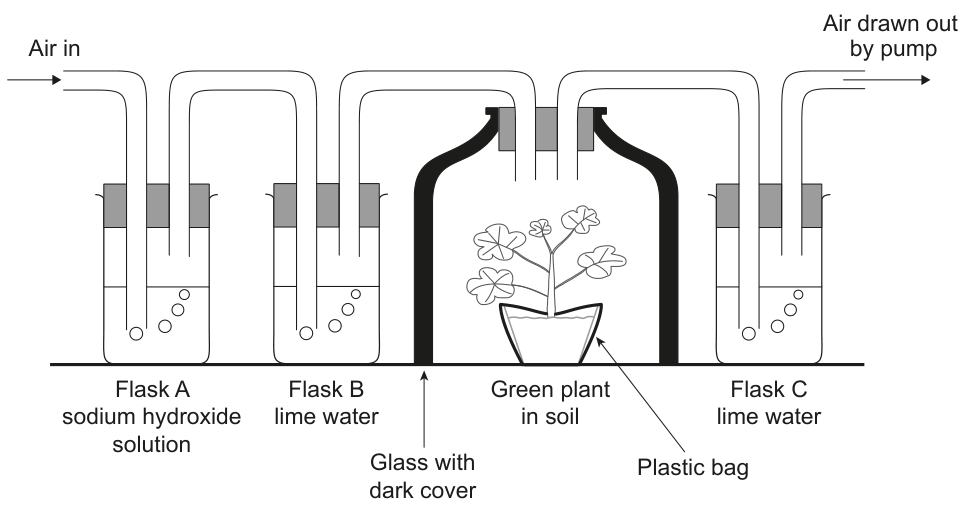
An experiment on aerobic respiration was performed using a plant in a pot containing fertile soil. The apparatus was set up as shown in the diagram. Sodium hydroxide and limewater (calcium hydroxide) are both alkaline solutions. Limewater goes cloudy when carbon dioxide is bubbled into it.

Question image
(a)

State the purpose of lime water in flask B.

[ 1 ]
(b)

Suggest a suitable control for this experiment.

[ 1 ]
0