C1.3.8—CO₂ enrichment experiments

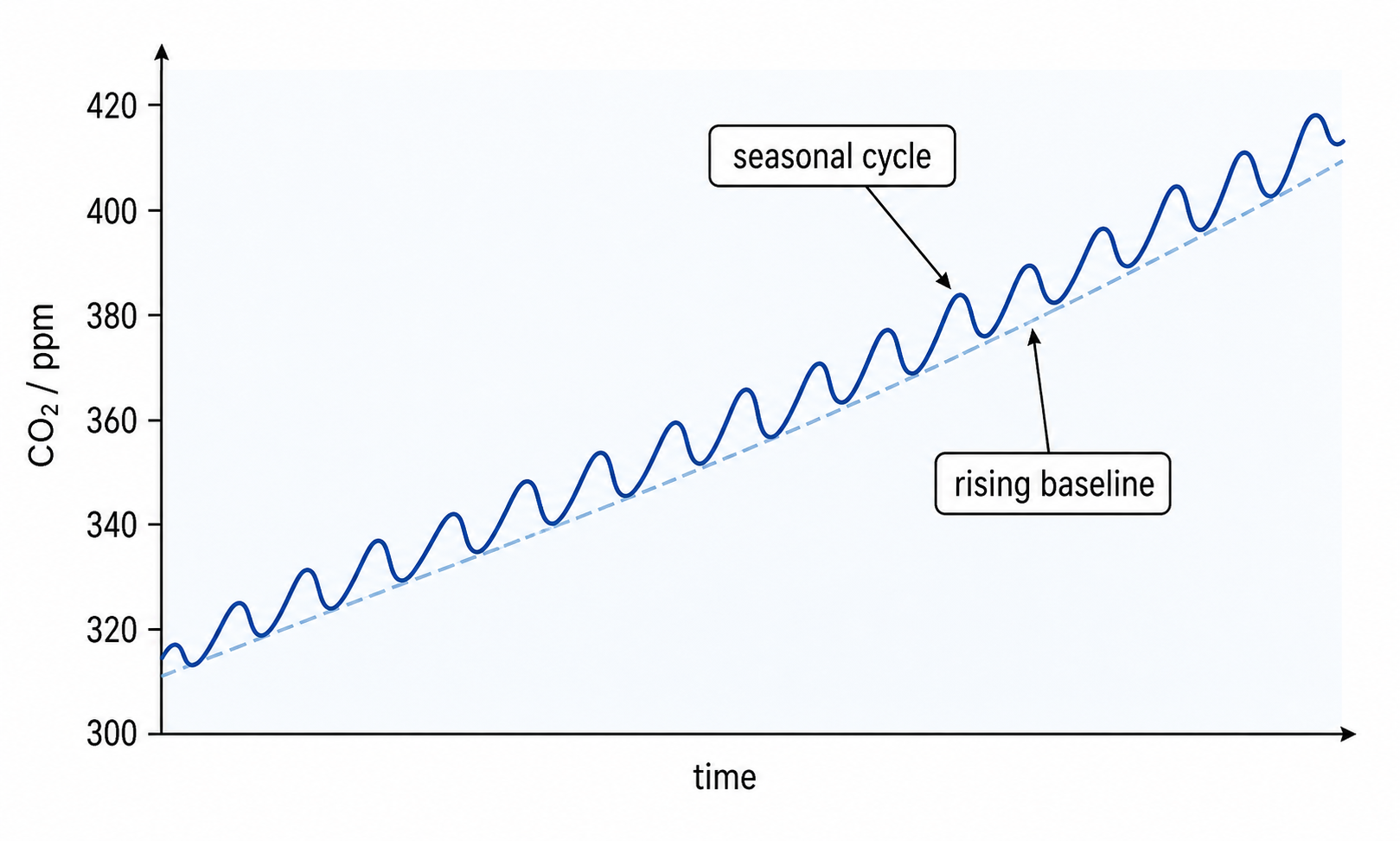
Carbon dioxide enrichment experiments test whether elevated atmospheric carbon dioxide changes photosynthesis or growth under realistic environmental conditions, connecting the mechanism to observable photosynthesis evidence.

Syllabus
First assessment 2025
Objective
C1.3.8
Level
HL

Exam analysis

Chance of appearing1%of analysed past papers
Latest appearanceMay 2025
Most common paperPaper1A
Typical marks1

Common command terms

  • Discuss

Recent exam appearances

May 2025Paper1A ["HL"] · TZ38[ 1 ]C1.3.8—CO₂ enrichment experiments
Practice this objective

Coverage 2025–2025 · Updated 15 Jul 2026

CO₂ Enrichment Can Increase Photosynthesis

Carbon-dioxide enrichment experiments test how higher atmospheric CO₂ may alter photosynthesis and plant growth, but responses depend on other limiting factors.
Design Control strength Realism Typical limitation
Enclosed greenhouse/chamber CO₂ and other conditions can be controlled closely Artificial enclosure Chamber conditions can alter light, temperature or airflow
FACE field experiment CO₂ is raised around plants in an open ecosystem High field realism Weather and ecosystem variation are harder to control

Compare enriched and ambient-CO₂ treatments with replication. Record photosynthetic rate and longer-term growth or biomass while monitoring controlled variables such as light, temperature, water, nutrients and plant age.
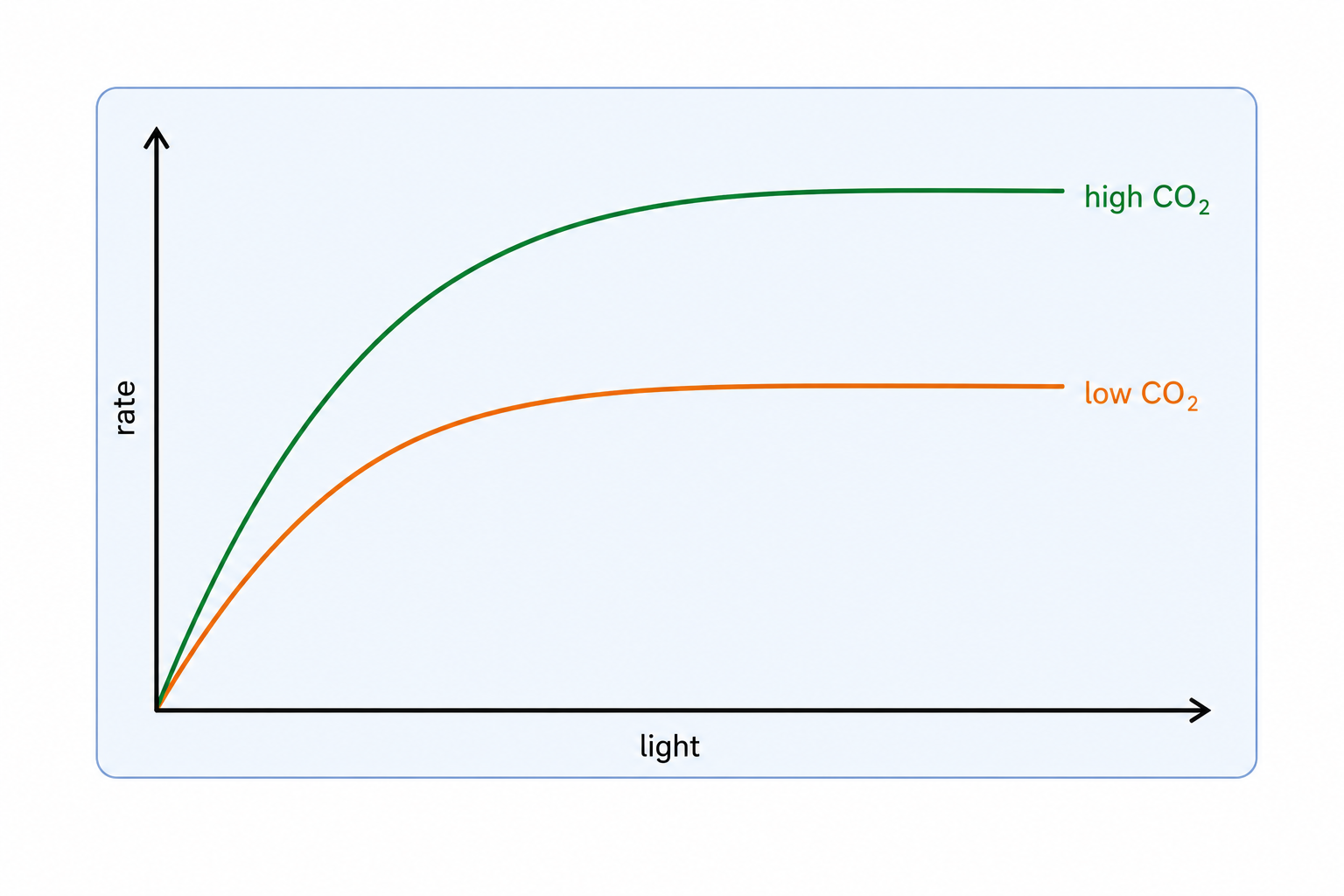
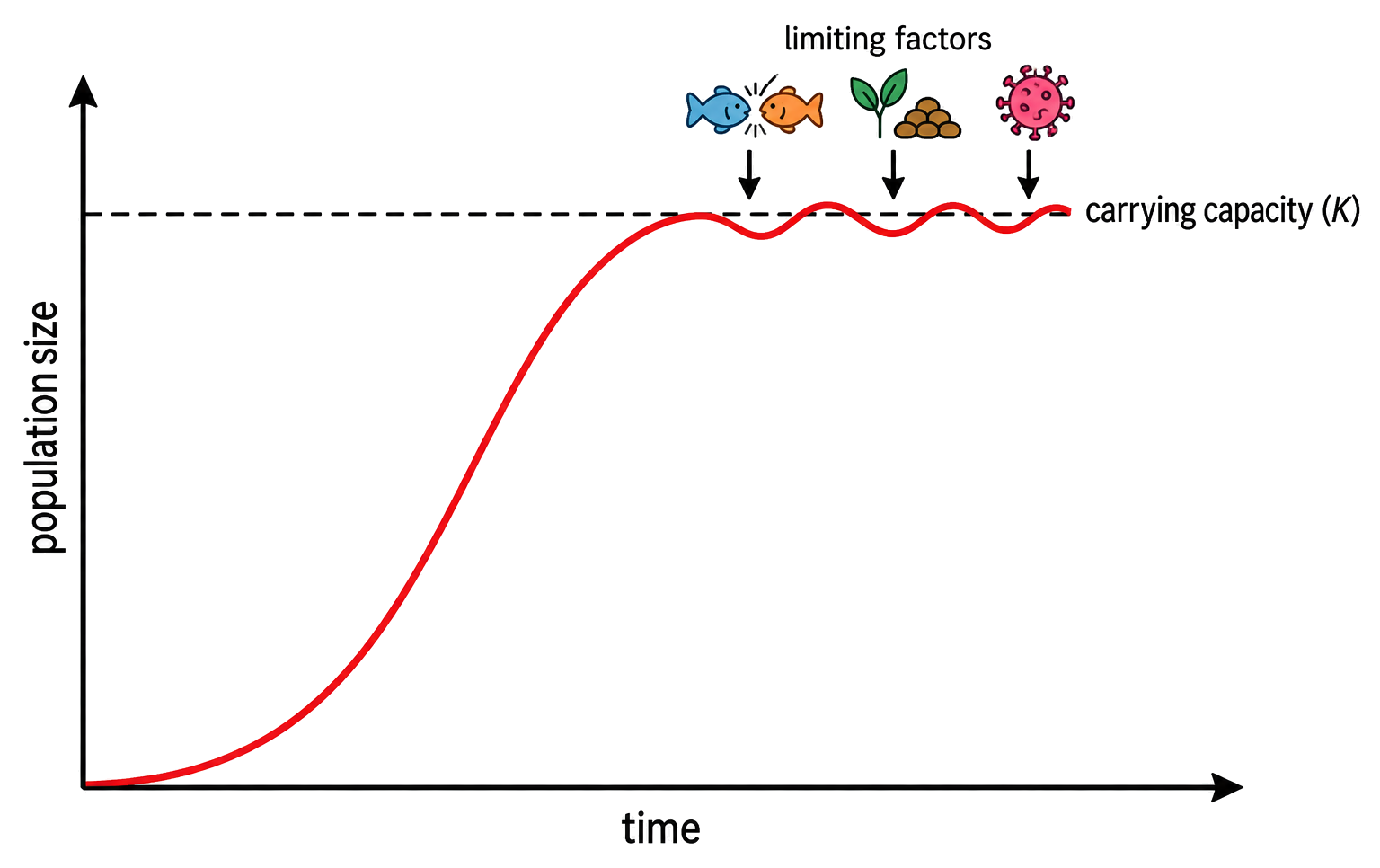
A crop may show greater CO₂ uptake under enrichment when light and nutrients are sufficient, but little additional biomass under shade or nutrient limitation. This conditional response improves predictions of future growth.

Higher CO₂ does not guarantee a proportional or permanent rise in photosynthesis or yield. Greenhouse results cannot be transferred to natural ecosystems without considering enclosure effects and field interactions.

CO₂ enrichment experiments

Assessment in practice

1–2 marks
How it is assessed

This objective is assessed through structured response, commonly using Discuss.

Command terms

Discuss

What earns marks

Build the answer around this relationship: FACE experiments expose plants to elevated carbon dioxide under more realistic field conditions.

Representative question

Question 1

[Maximum number: 2]

Using the data in the graph, discuss whether rising carbon dioxide levels in the atmosphere will increase growth rates in maize.

SL Transfer: Explain Core Photosynthesis

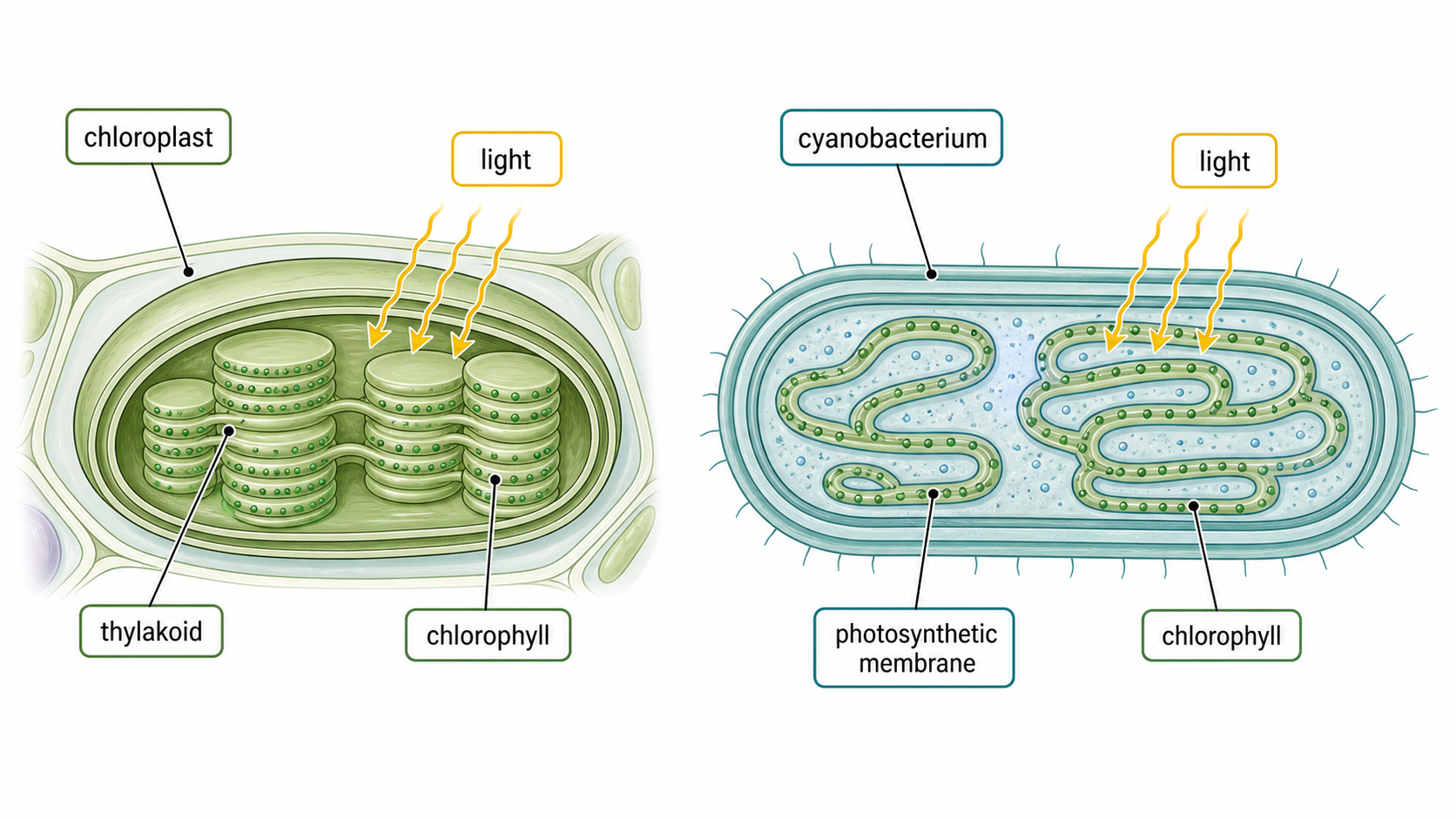
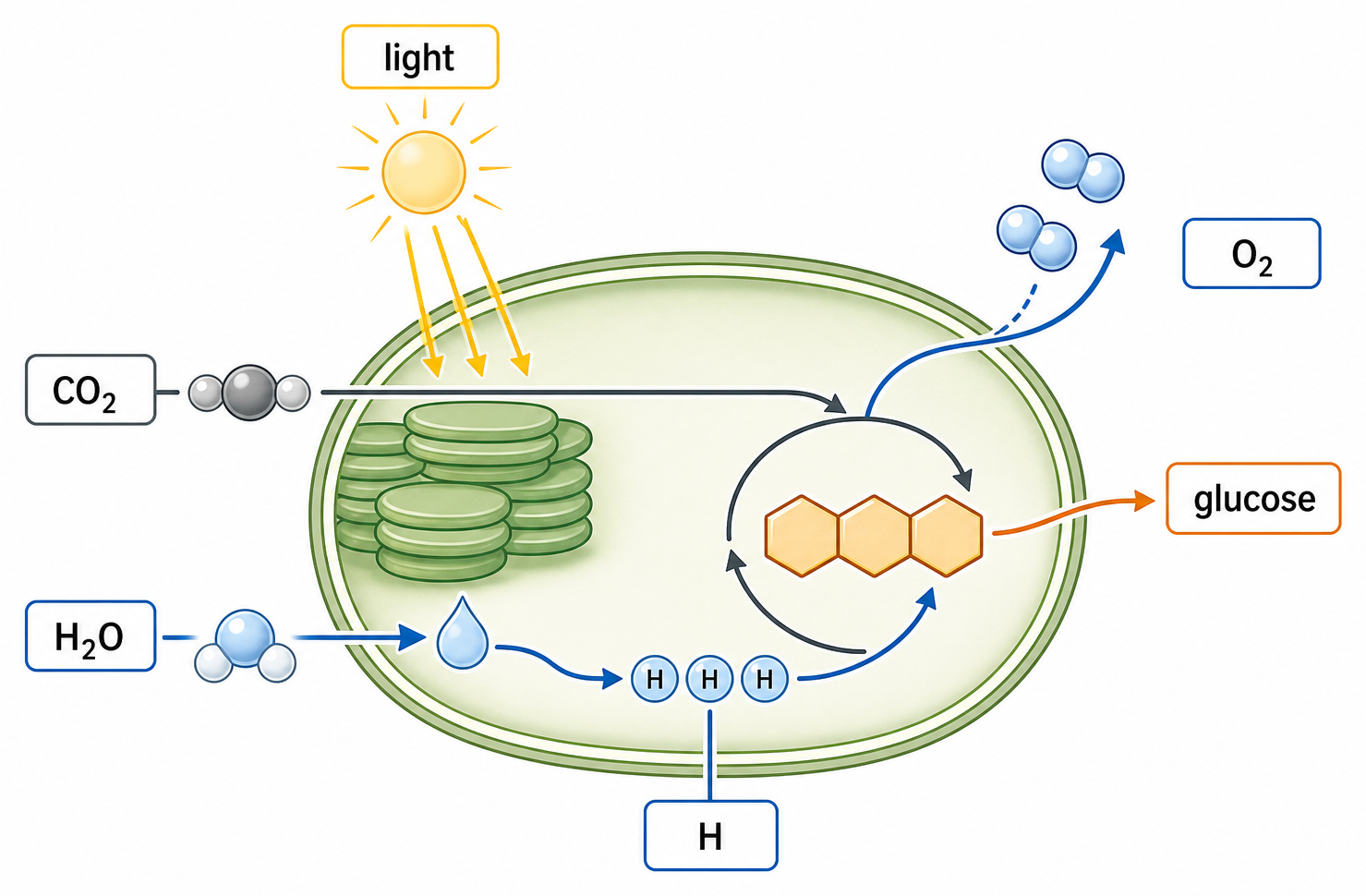
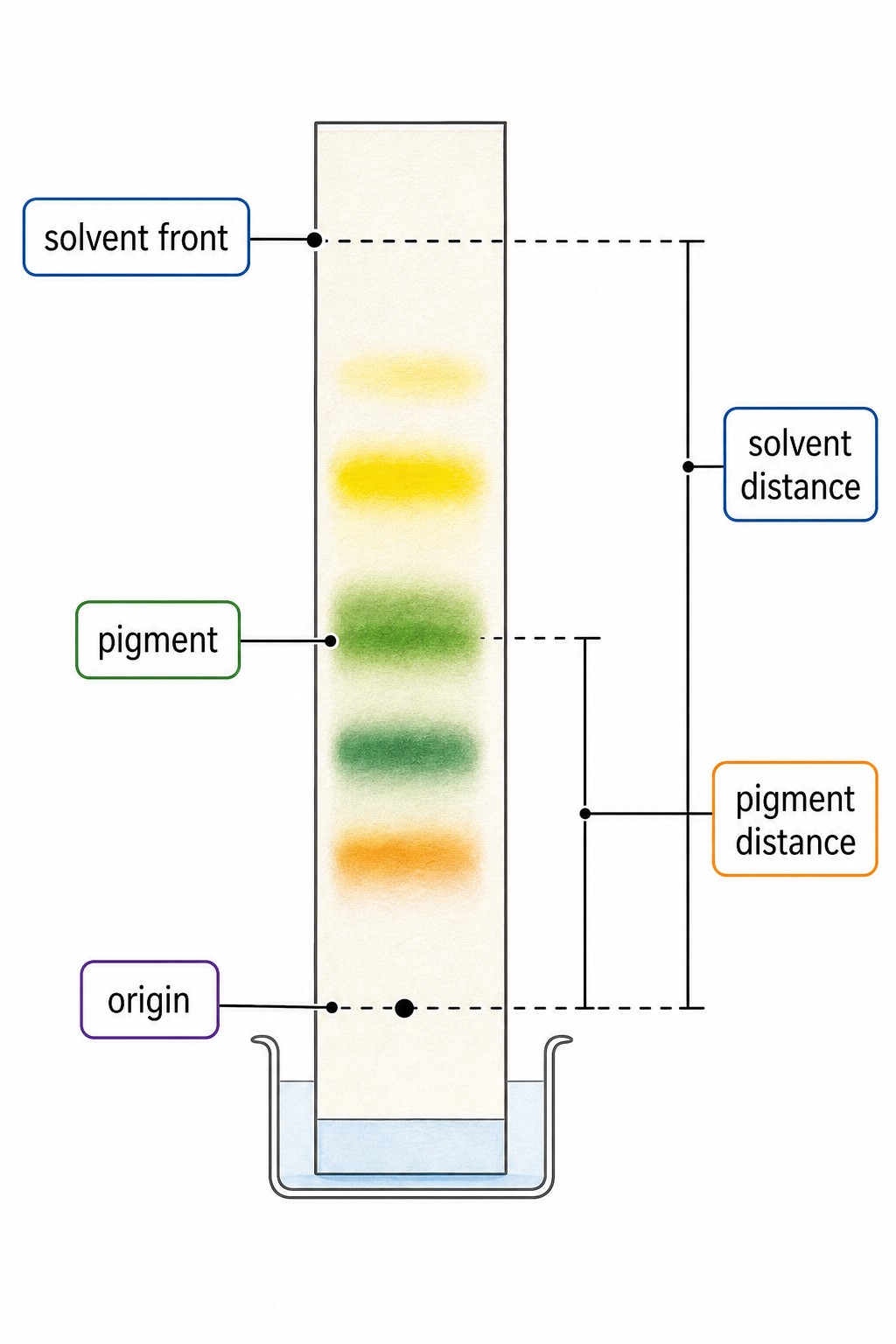
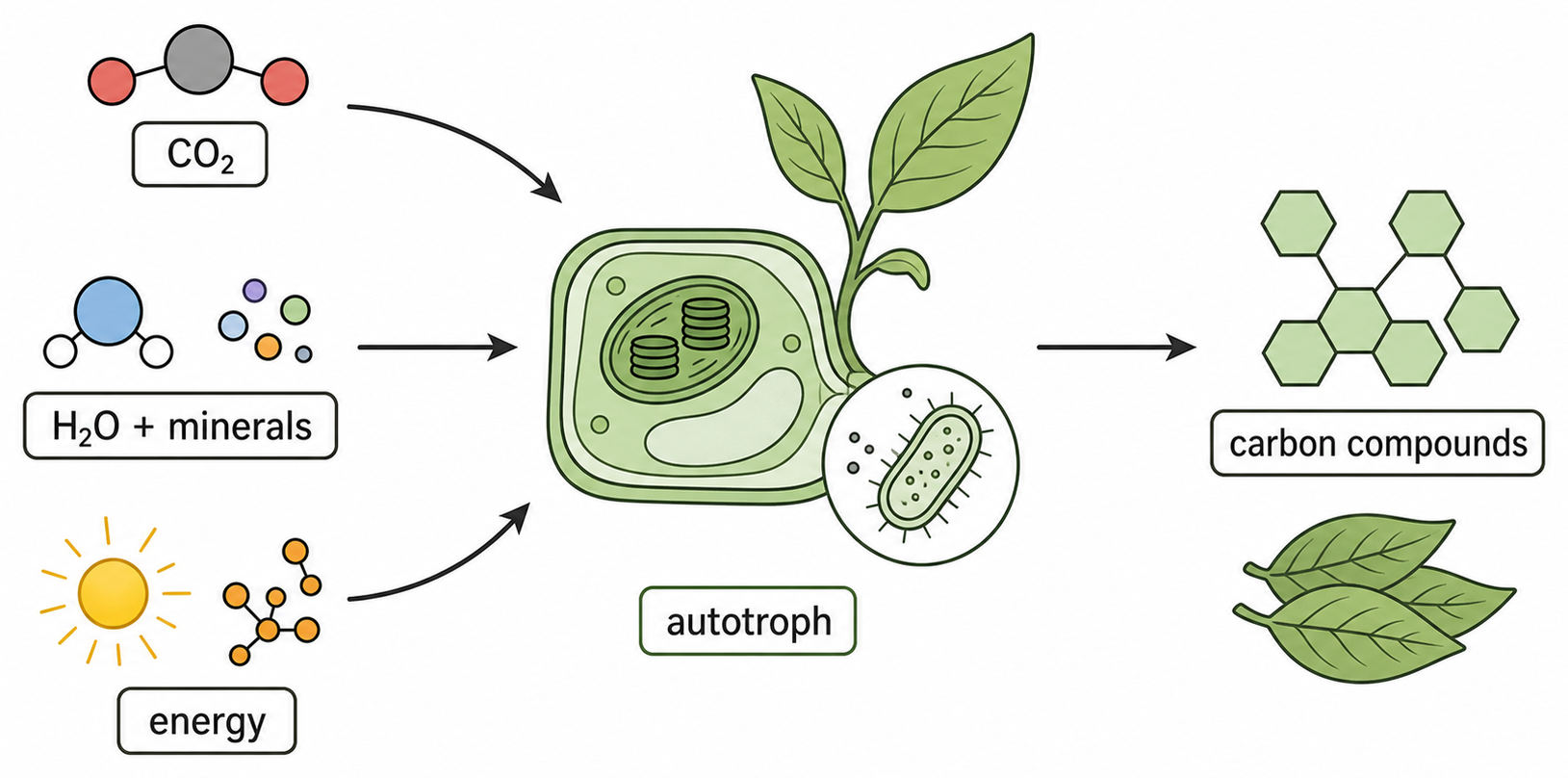
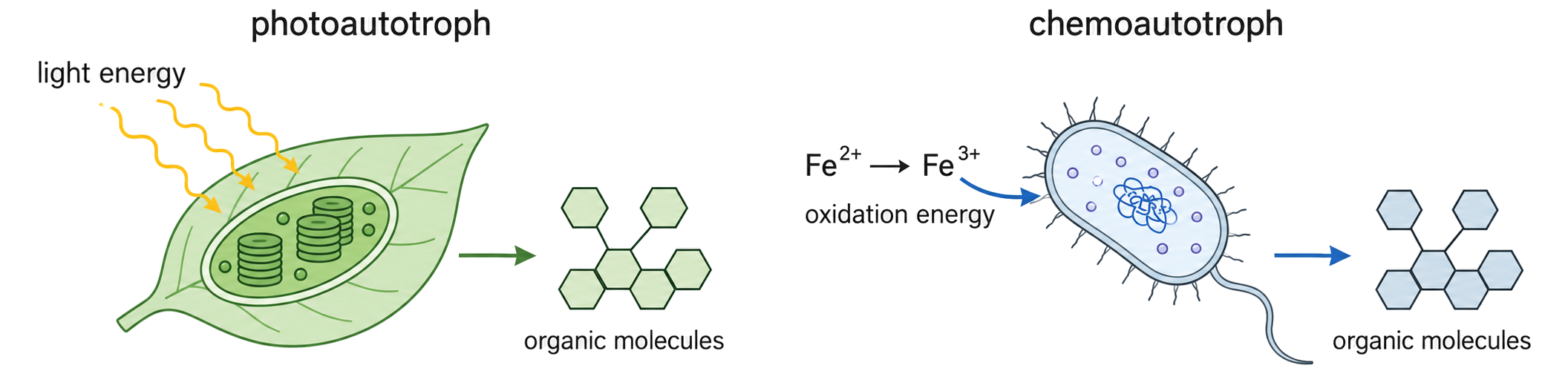
Photosynthesis converts light energy into chemical energy in carbon compounds. Carbon dioxide is reduced to carbohydrate using hydrogen from water, glucose is the main stored product, and released oxygen comes from photolysis of water. Pigment evidence is tested with chromatography and Rf, spectra questions separate absorption from action, and rate/evidence questions use limiting factors, controls, and CO2 enrichment context.

  • Light becomes chemical energy in carbon compounds through chlorophyll-containing photoautotrophs.
  • Carbon in carbohydrate comes from CO2; released oxygen comes from photolysis of water.
  • Chromatography separates pigments using Rf; absorption spectra and action spectra measure different things.
  • Limiting-factor and CO2 enrichment questions require variables, controls, and realistic interpretation.

Concept essentials

  • FACE experiments expose plants to elevated carbon dioxide under more realistic field conditions.
  • Higher carbon dioxide does not always cause a higher growth rate.
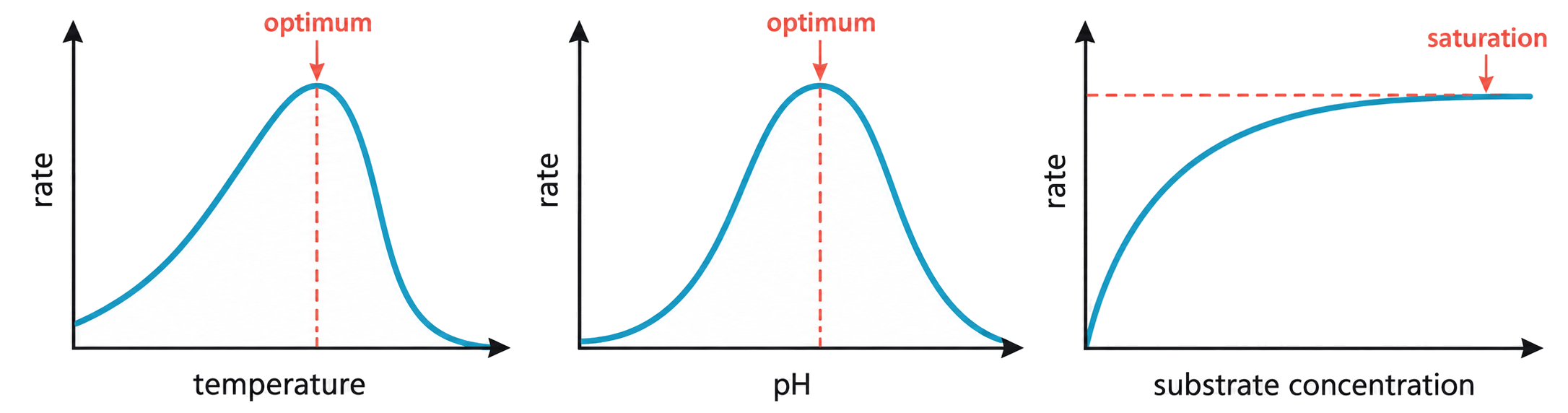
  • Temperature and other limiting factors can alter enrichment responses.
  • Carbon dioxide enrichment data must be interpreted from the experimental graph or design.