Q BankQuestion BankDocsDocuments

C1.3.12 (HL)—ATP production in thylakoids

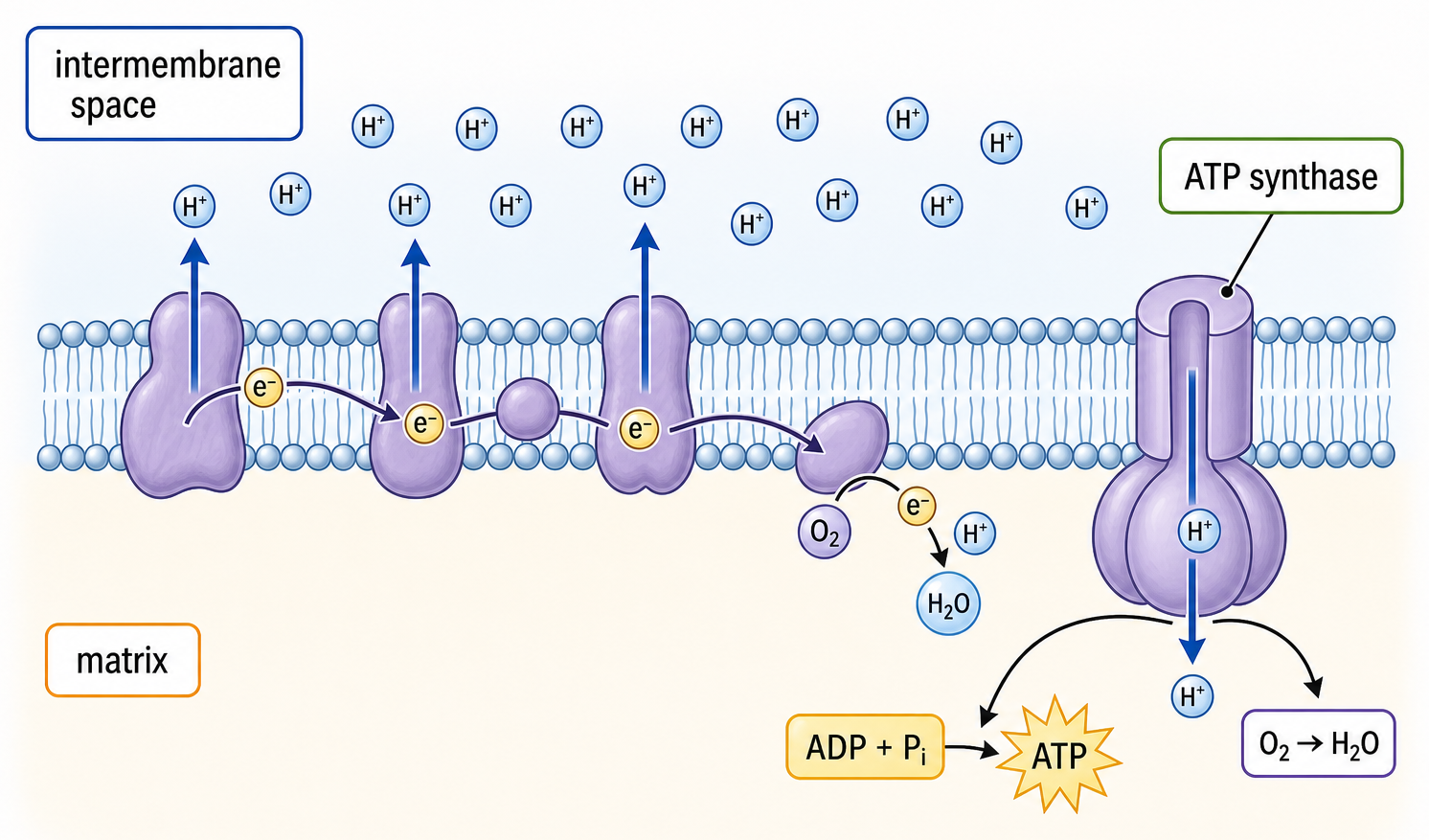
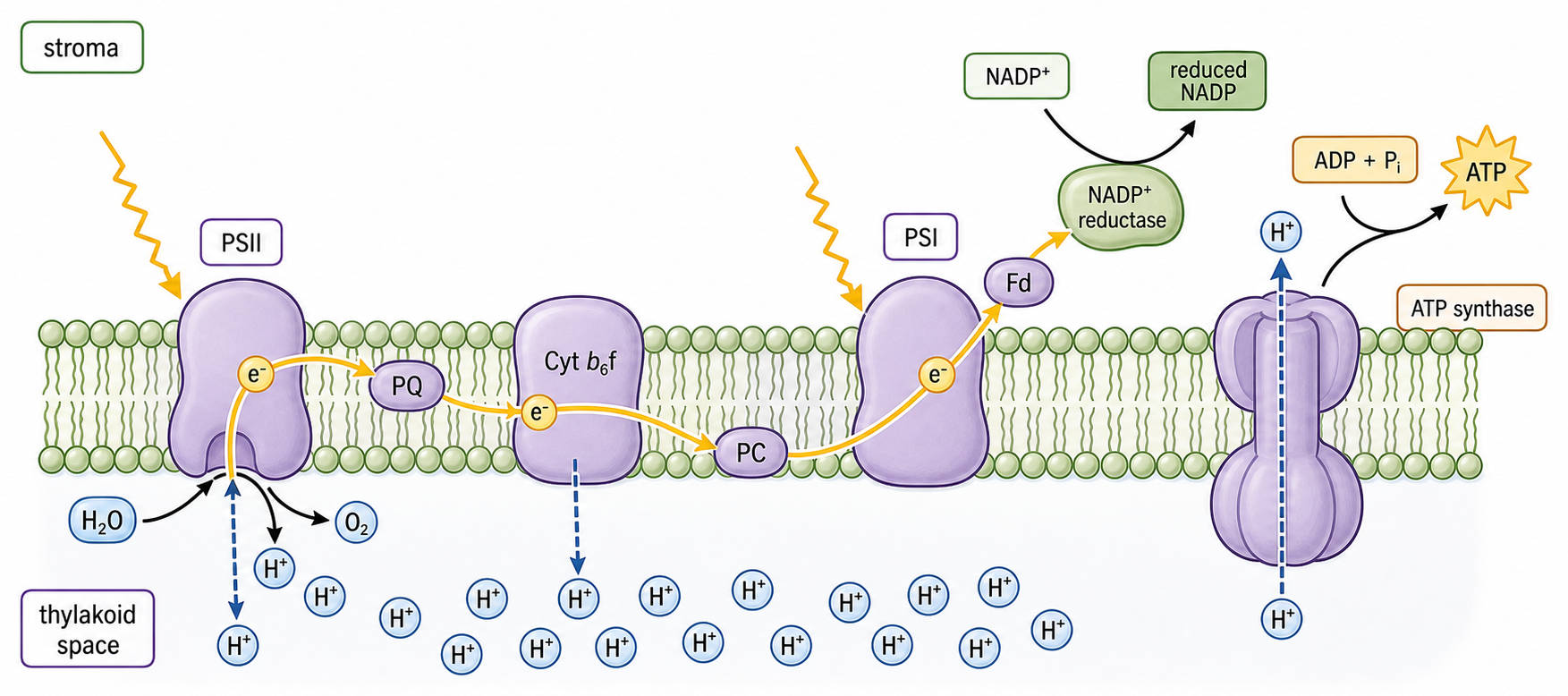
ATP is produced in thylakoids when electron transport builds a proton gradient that drives ATP synthase during photophosphorylation, connecting the mechanism to observable photosynthesis evidence.

Syllabus
First assessment 2025
Objective
C1.3.12
Level
HL

Exam analysis

Chance of appearing9%of analysed past papers
Latest appearanceMay 2025
Most common paperPaper1
Typical marks1–7

Common command terms

  • Describe
  • Explain
  • Compare
  • Contrast

Recent exam appearances

May 2025Paper2 ["HL"] · TZ310(b)[ 7 ]C1.3.12 (HL)—ATP production in thylakoids
November 2022Paper2 ["HL"] · TZ07(b)[ 5 ]C1.3.12 (HL)—ATP production in thylakoids
May 2021Paper2 ["HL"] · TZ26(a)[ 7 ]C1.3.12 (HL)—ATP production in thylakoids
November 2019Paper1 ["HL"] · TZ031[ 1 ]C1.3.12 (HL)—ATP production in thylakoids
May 2018Paper2 ["HL"] · TZ15(b)[ 2 ]C1.3.12 (HL)—ATP production in thylakoids
Practice this objective

Coverage 2012–2025 · Updated 15 Jul 2026

Concept essentials

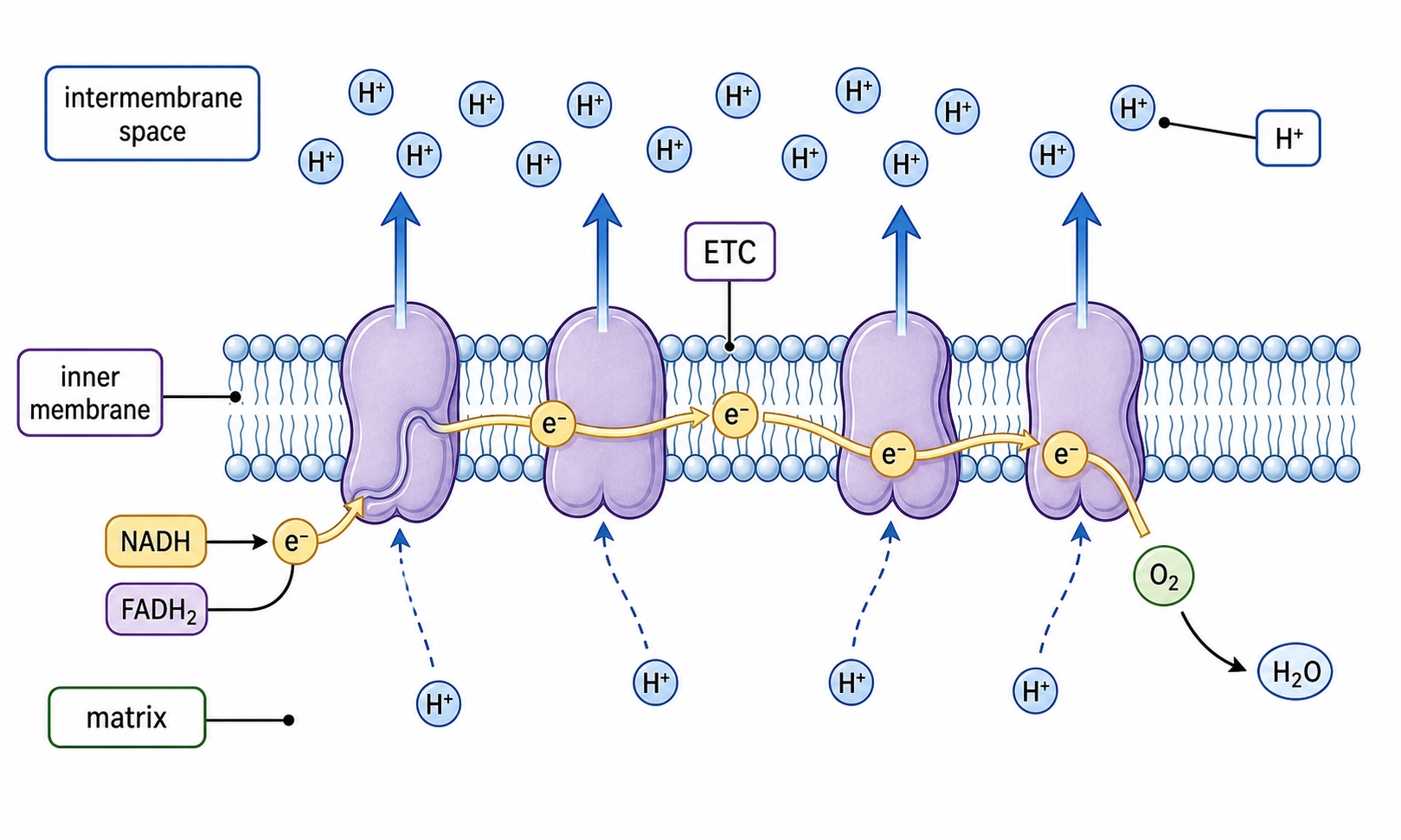
  • Electron transport in thylakoid membranes helps build a proton gradient.
  • The thylakoid space has a high proton concentration during light-dependent reactions.
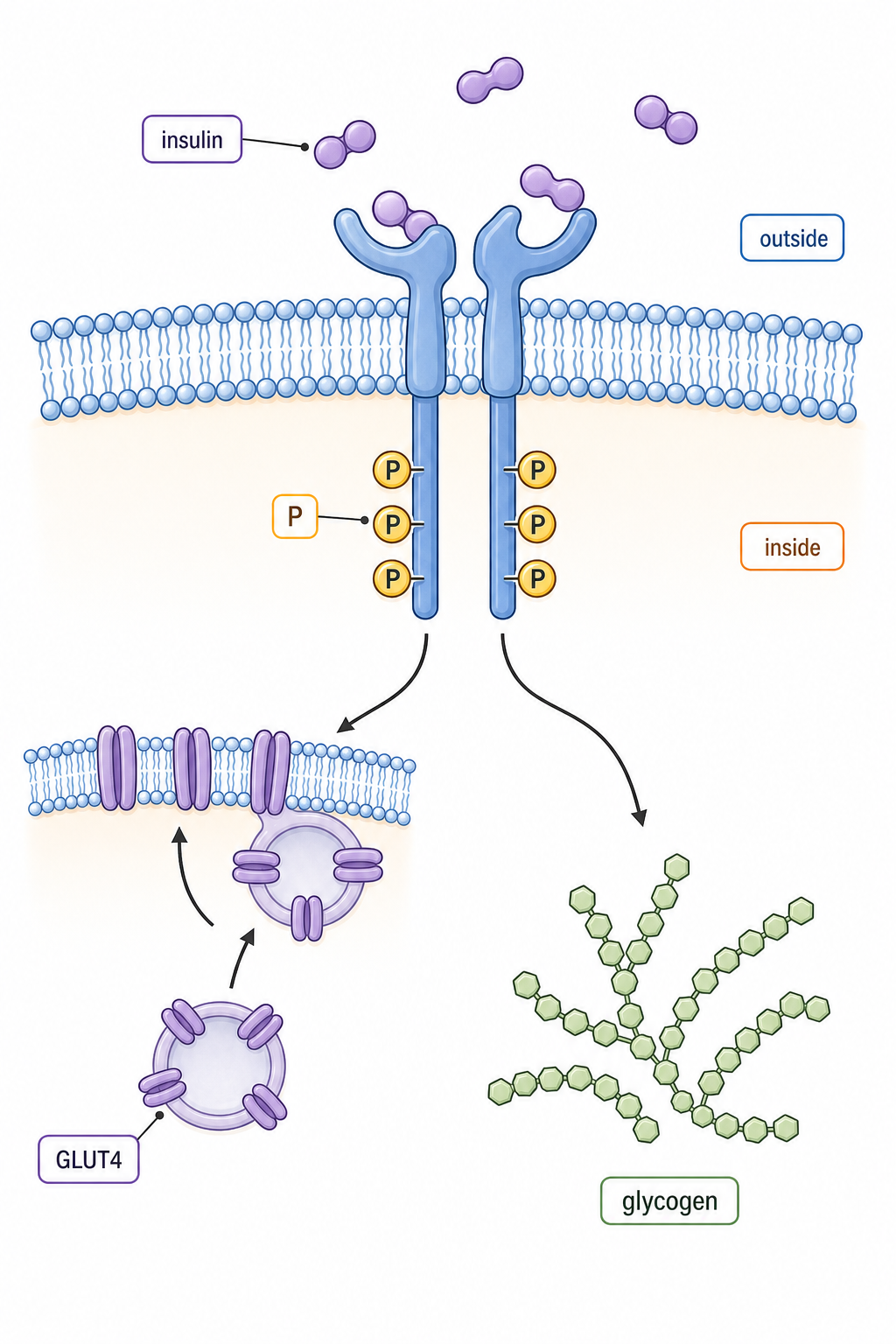
  • ATP synthase uses proton flow back to the stroma to make ATP.
  • Cyclic photophosphorylation produces ATP using excited electrons from Photosystem I.
ConceptIB Biology HL