C1.3.3—Oxygen as by-product

Oxygen released during photosynthesis is produced when light energy splits water molecules, not when carbon dioxide is broken apart, connecting the mechanism to observable photosynthesis evidence.

Syllabus
First assessment 2025
Objective
C1.3.3
Level
HL

Exam analysis

Chance of appearing2%of analysed past papers
Latest appearanceMay 2025
Most common paperPaper1A
Typical marks1

Common command terms

  • State

Recent exam appearances

May 2025Paper1A ["HL"] · TZ37[ 1 ]C1.3.3—Oxygen as by-product
November 2019Paper2 ["HL"] · TZ04(b)(i)[ 1 ]C1.3.3—Oxygen as by-product
Practice this objective

Coverage 2019–2025 · Updated 15 Jul 2026

Photosynthesis equation and oxygen

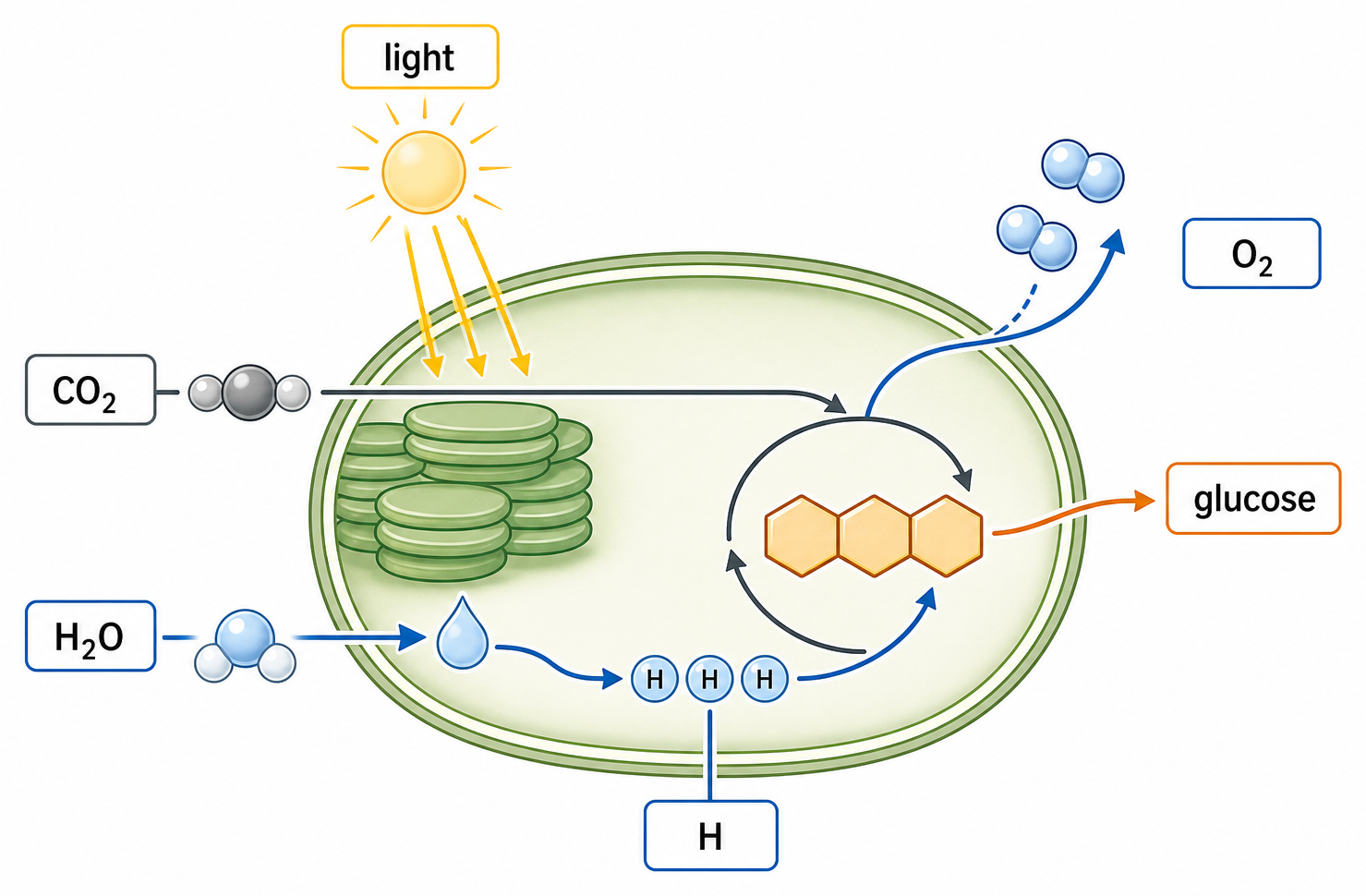
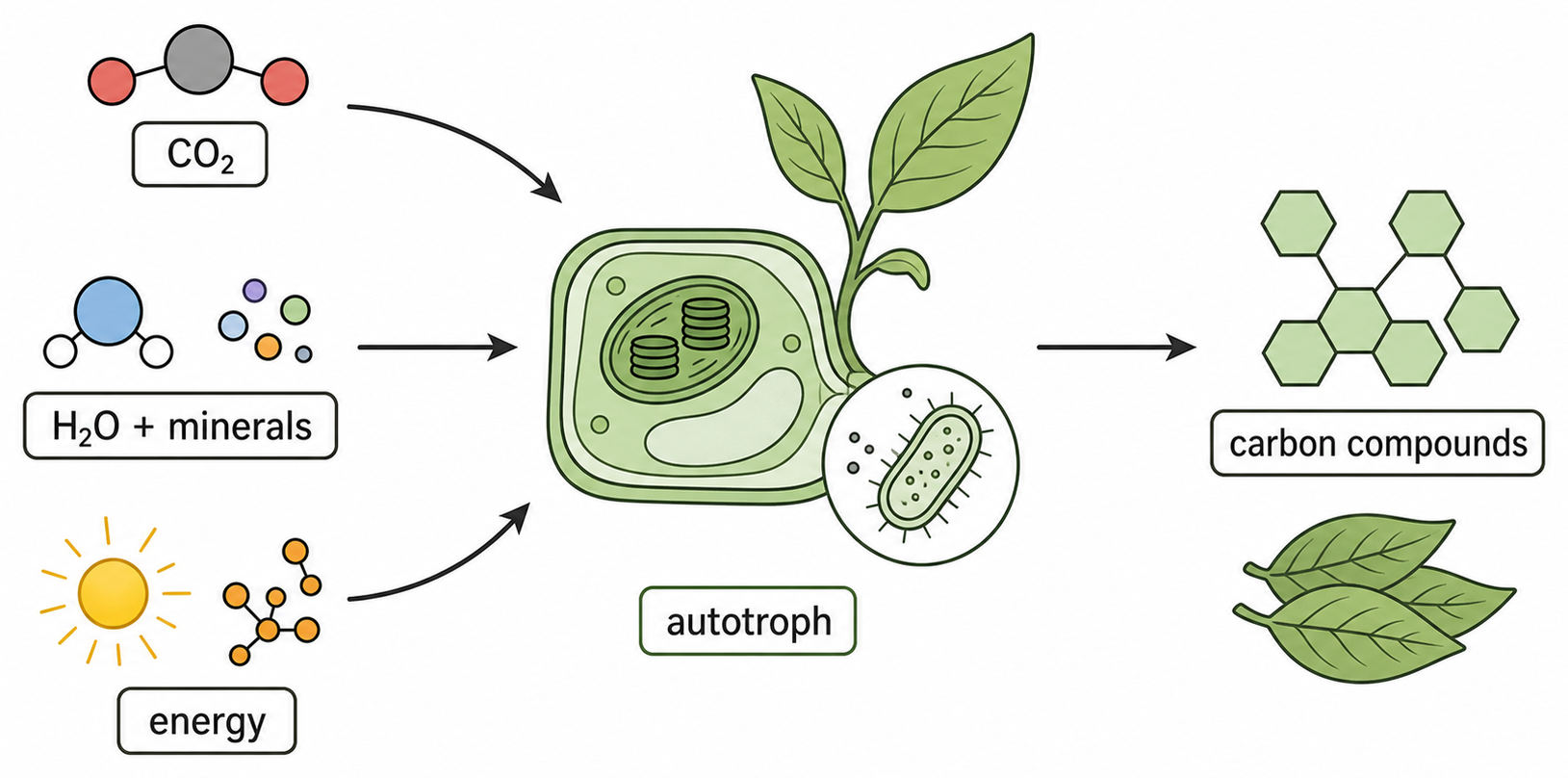
Simple source-flow diagram for the photosynthesis equation. Show CO2 flowing to the carbon skeleton of glucose/carbohydrate; H2O splitting into hydrogen used to reduce CO2 and oxygen released as O2; light energy shown as the input that drives the process.
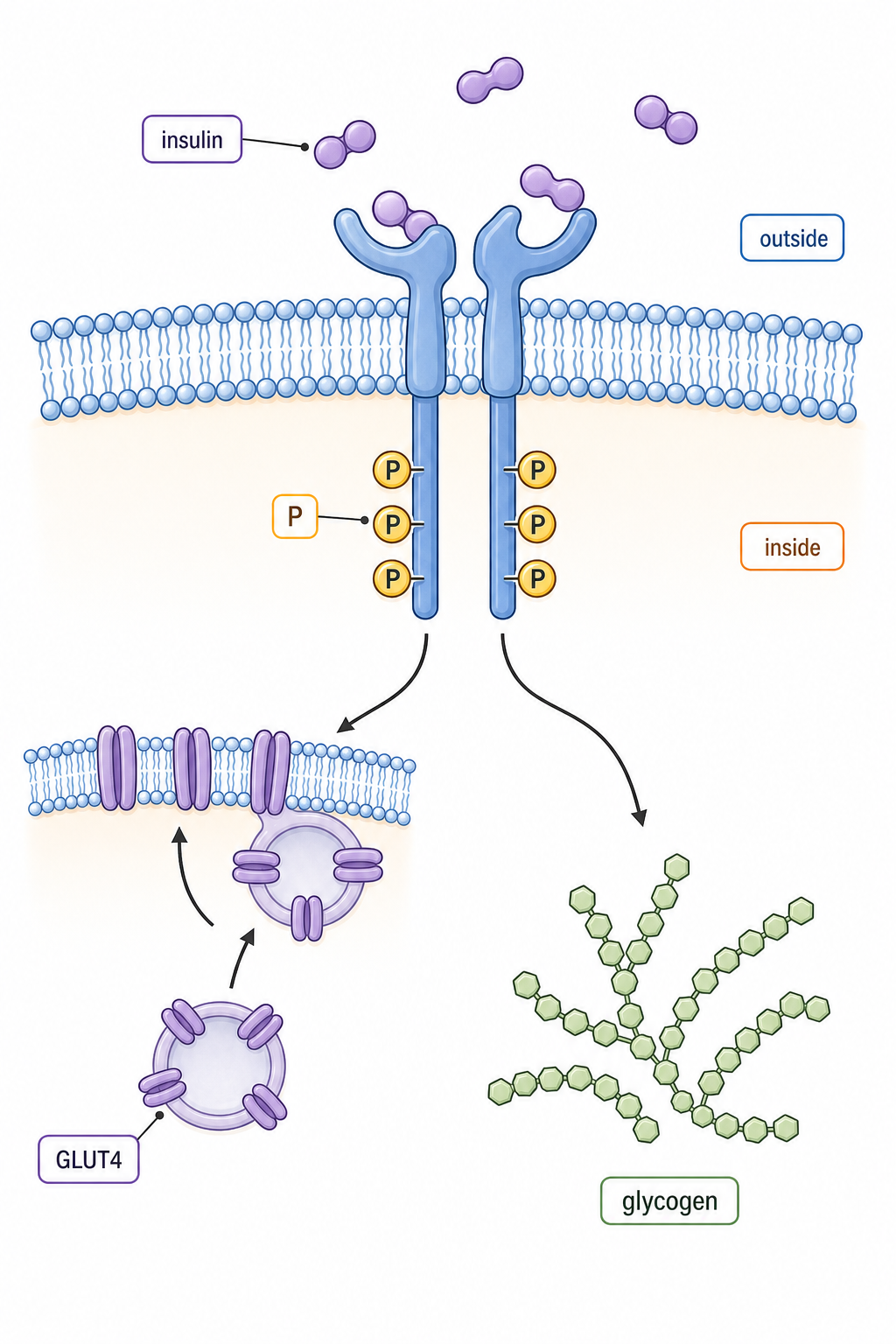
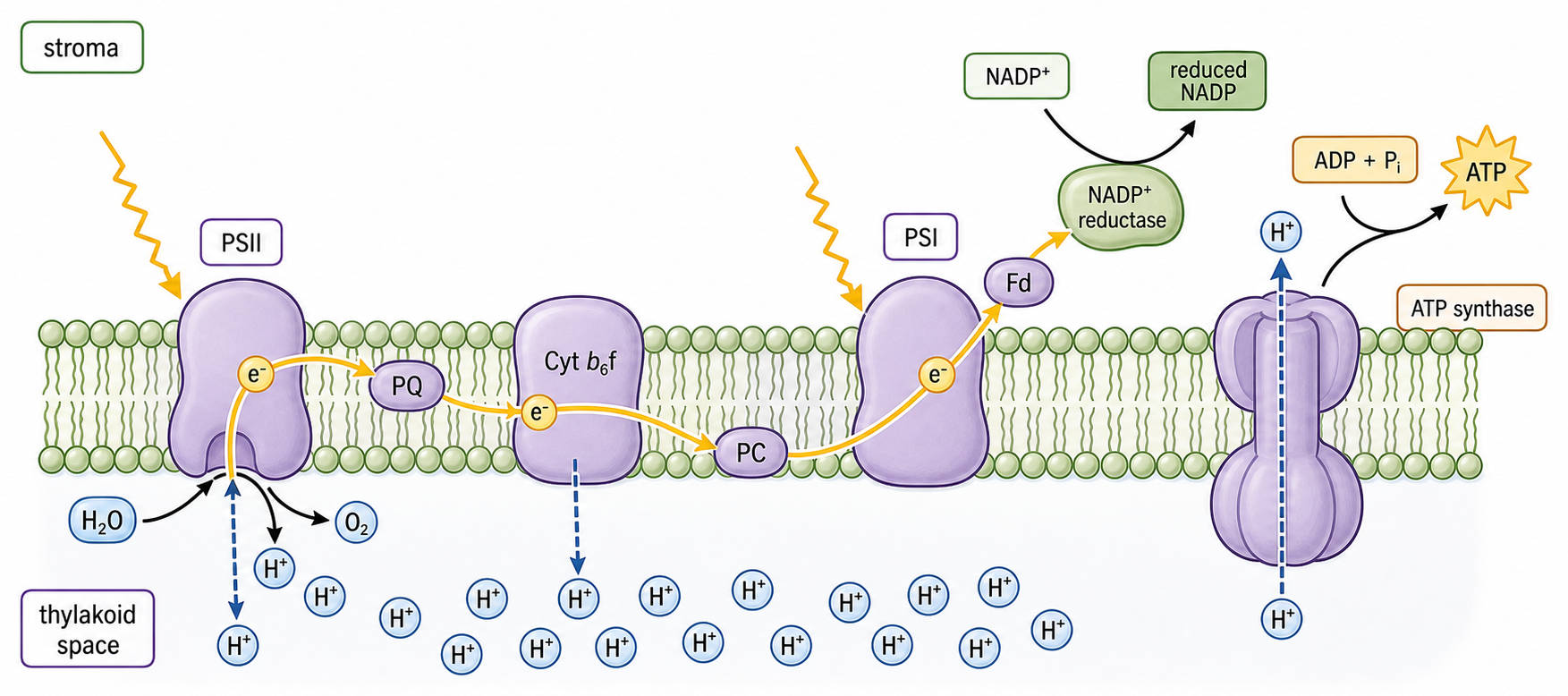
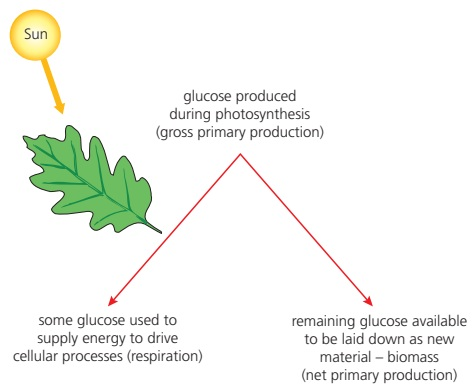
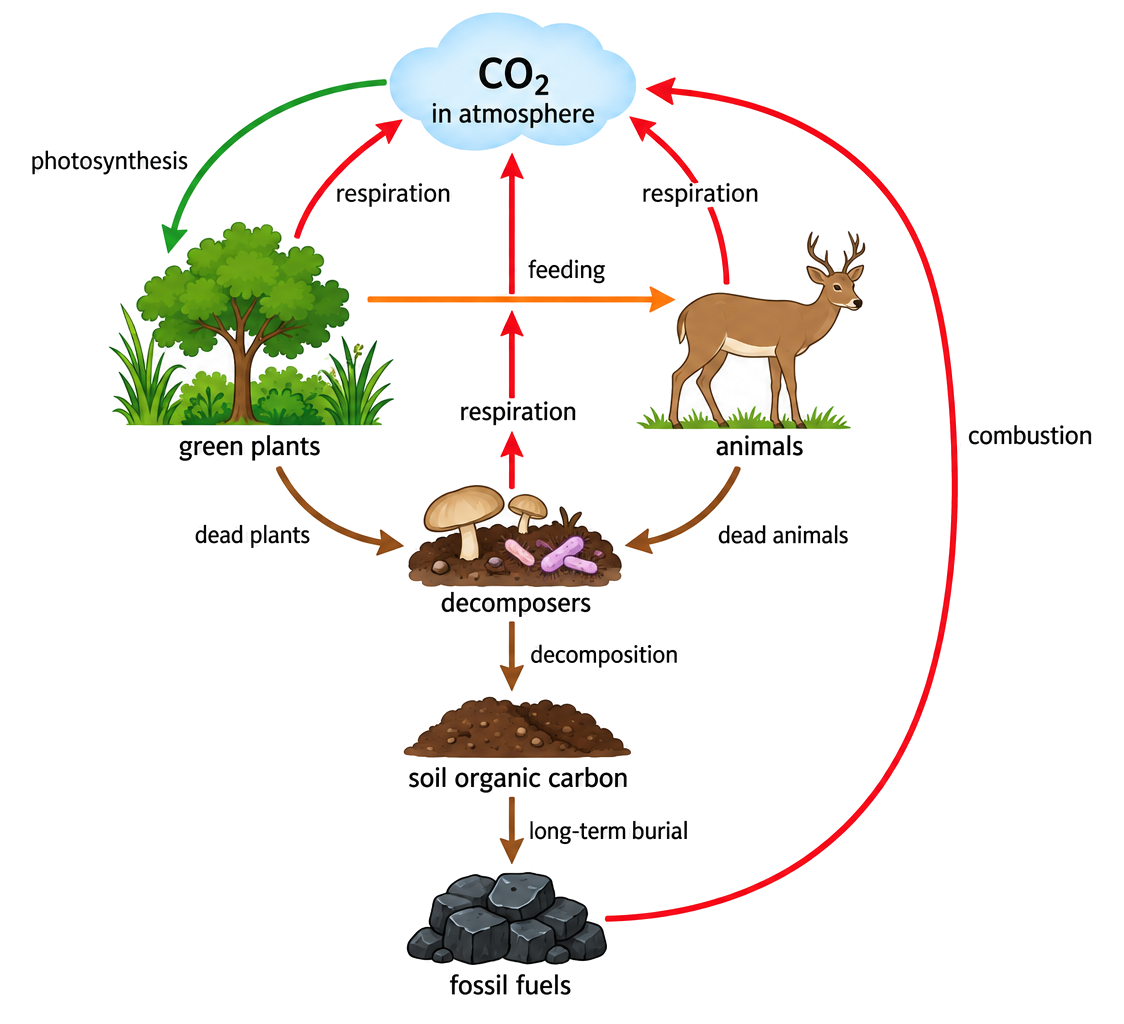
The overall photosynthesis equation shows carbon dioxide and water converted to carbohydrate using light energy: 6CO₂ + 6H₂O → C₆H₁₂O₆ + 6O₂. Carbon dioxide supplies the carbon skeleton and is reduced using hydrogen derived from water. Oxygen is released when water is split by photolysis in the light-dependent reactions, not directly from CO₂. Glucose represents a carbohydrate product; the products can be used to make starch, sucrose and other organic compounds.
  • Word equation: carbon dioxide + water → glucose + oxygen, using light energy.
  • Symbol equation: 6CO₂ + 6H₂O → C₆H₁₂O₆ + 6O₂.
  • O₂ comes from photolysis of H₂O.
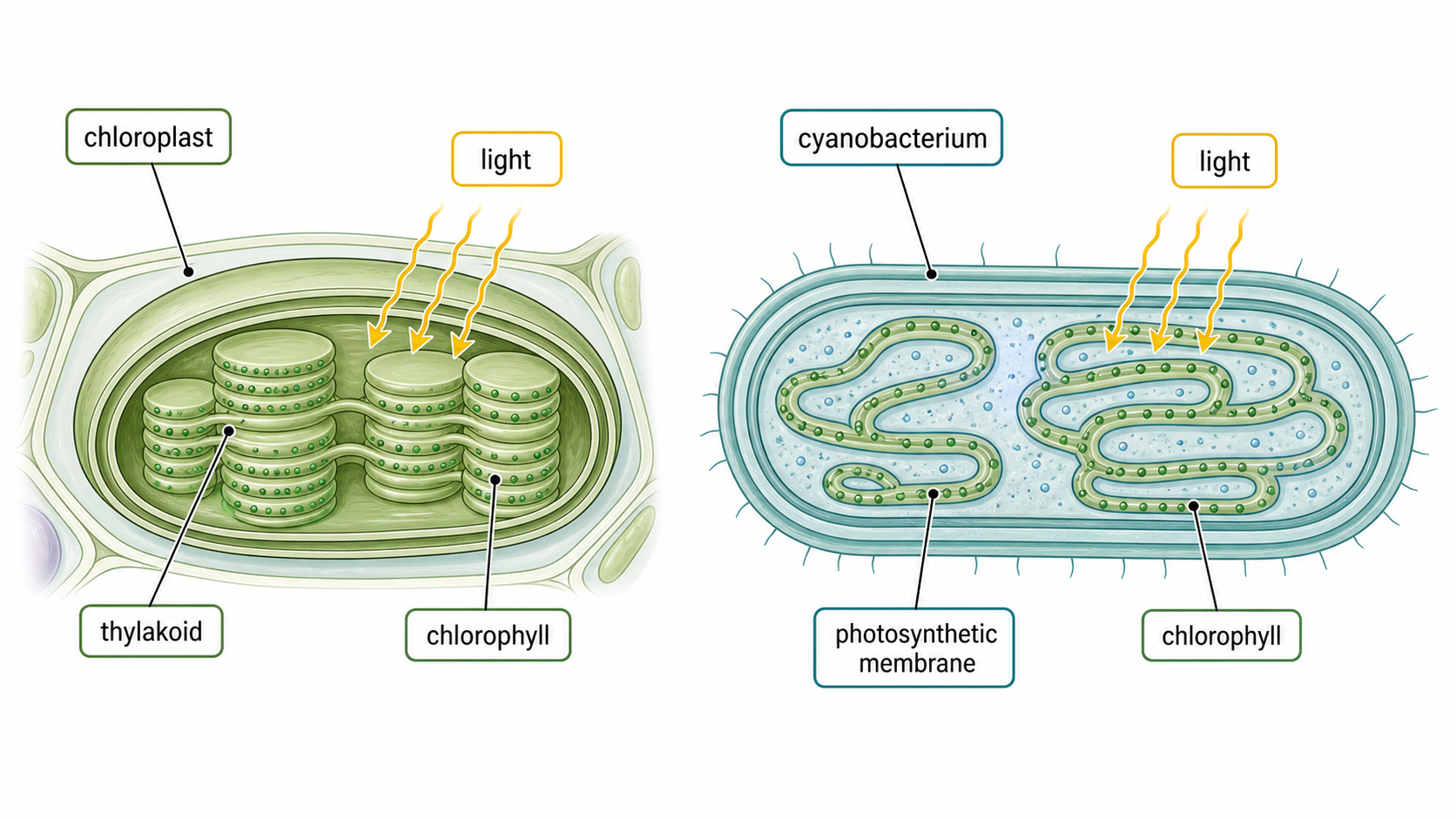
  • Plants, algae and cyanobacteria perform oxygenic photosynthesis.

Oxygen as by-product

Assessment in practice

1 marks
How it is assessed

This objective is assessed through multiple choice, commonly using State.

Command terms

State

What earns marks

Build the answer around this relationship: Photolysis splits water during the light-dependent reactions.

Representative question

Question 1

[Maximum number: 1]

Which group(s) produce(s) oxygen as a by-product of photosynthesis?

I. Algae
II. Cyanobacteria
III. Fungi

A

I only

B

I and II only

C

II and III only

D

I, II and III

SL Transfer: Explain Core Photosynthesis

Photosynthesis converts light energy into chemical energy in carbon compounds. Carbon dioxide is reduced to carbohydrate using hydrogen from water, glucose is the main stored product, and released oxygen comes from photolysis of water. Pigment evidence is tested with chromatography and Rf, spectra questions separate absorption from action, and rate/evidence questions use limiting factors, controls, and CO2 enrichment context.

  • Light becomes chemical energy in carbon compounds through chlorophyll-containing photoautotrophs.
  • Carbon in carbohydrate comes from CO2; released oxygen comes from photolysis of water.
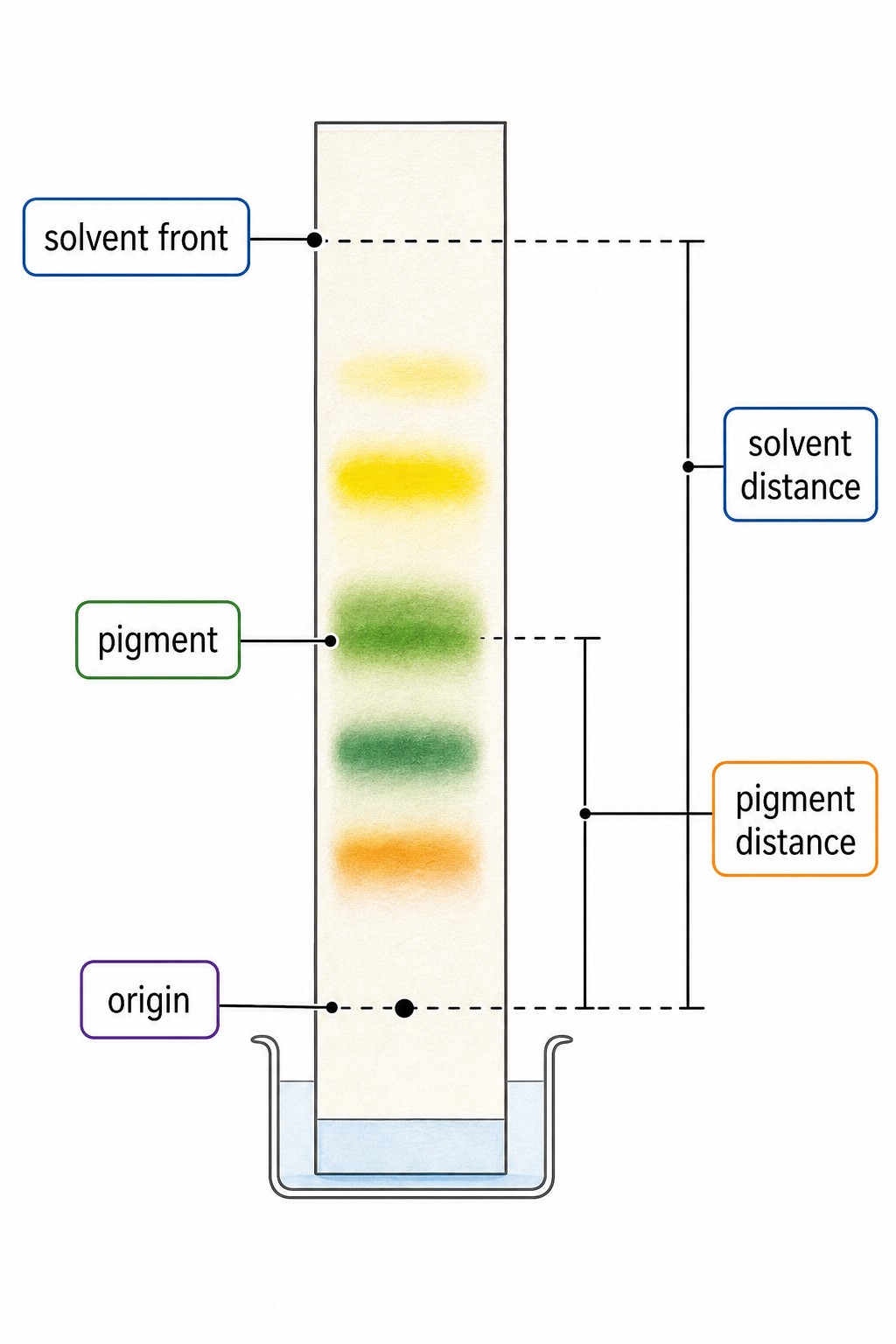
  • Chromatography separates pigments using Rf; absorption spectra and action spectra measure different things.
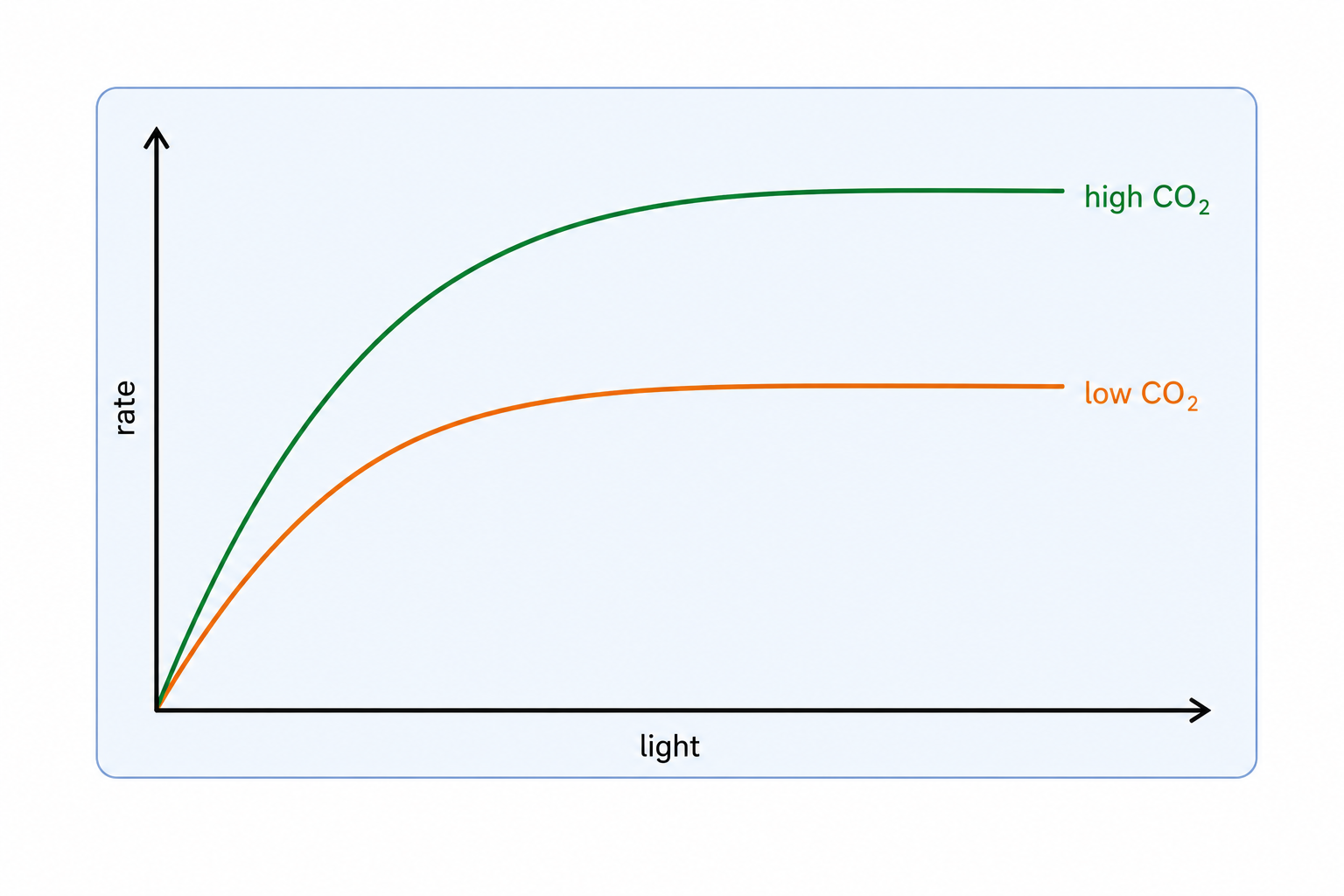
  • Limiting-factor and CO2 enrichment questions require variables, controls, and realistic interpretation.

Concept essentials

  • Photolysis splits water during the light-dependent reactions.
  • Released oxygen originates from water molecules.
  • Carbon dioxide supplies carbon for organic compounds, not released oxygen.
  • Algae and cyanobacteria can produce oxygen as a photosynthetic by-product.