Q BankQuestion BankDocsDocuments

C1.3.5—Absorption of specific wavelengths

Photosynthetic pigments absorb specific wavelengths, with chlorophyll absorbing red and blue light strongly while reflecting or transmitting much green light.

Syllabus
First assessment 2025
Objective
C1.3.5
Level
HL

Exam analysis

Chance of appearing4%of analysed past papers
Latest appearanceNovember 2020
Most common paperPaper2
Typical marks1–4

Common command terms

  • Describe
  • Distinguish
  • Outline
  • Predict
  • Explain

Recent exam appearances

November 2020Paper2 ["HL"] · TZ04(c)[ 3 ]C1.3.5—Absorption of specific wavelengths
May 2019Paper1 ["HL"] · TZ19[ 1 ]C1.3.5—Absorption of specific wavelengths
May 2018Paper2 ["HL"] · TZ17(b)[ 4 ]C1.3.5—Absorption of specific wavelengths
November 2014Paper2 ["HL"] · TZ06(a)[ 4 ]C1.3.5—Absorption of specific wavelengths
Practice this objective

Coverage 2014–2020 · Updated 15 Jul 2026

Concept essentials

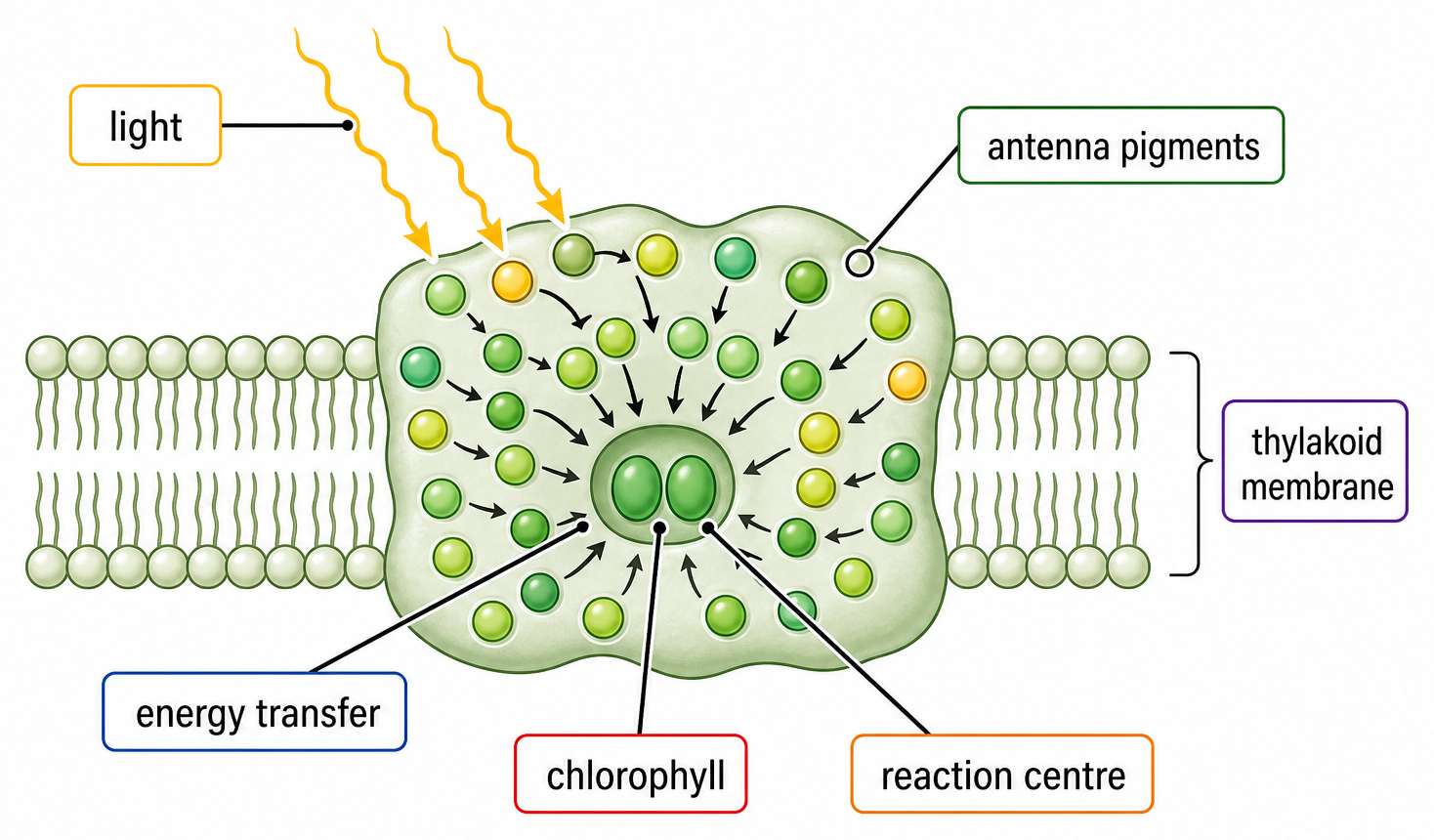
  • Chlorophyll absorbs blue and red light more strongly than green light.
  • Green light is often reflected or transmitted by chlorophyll-containing leaves.
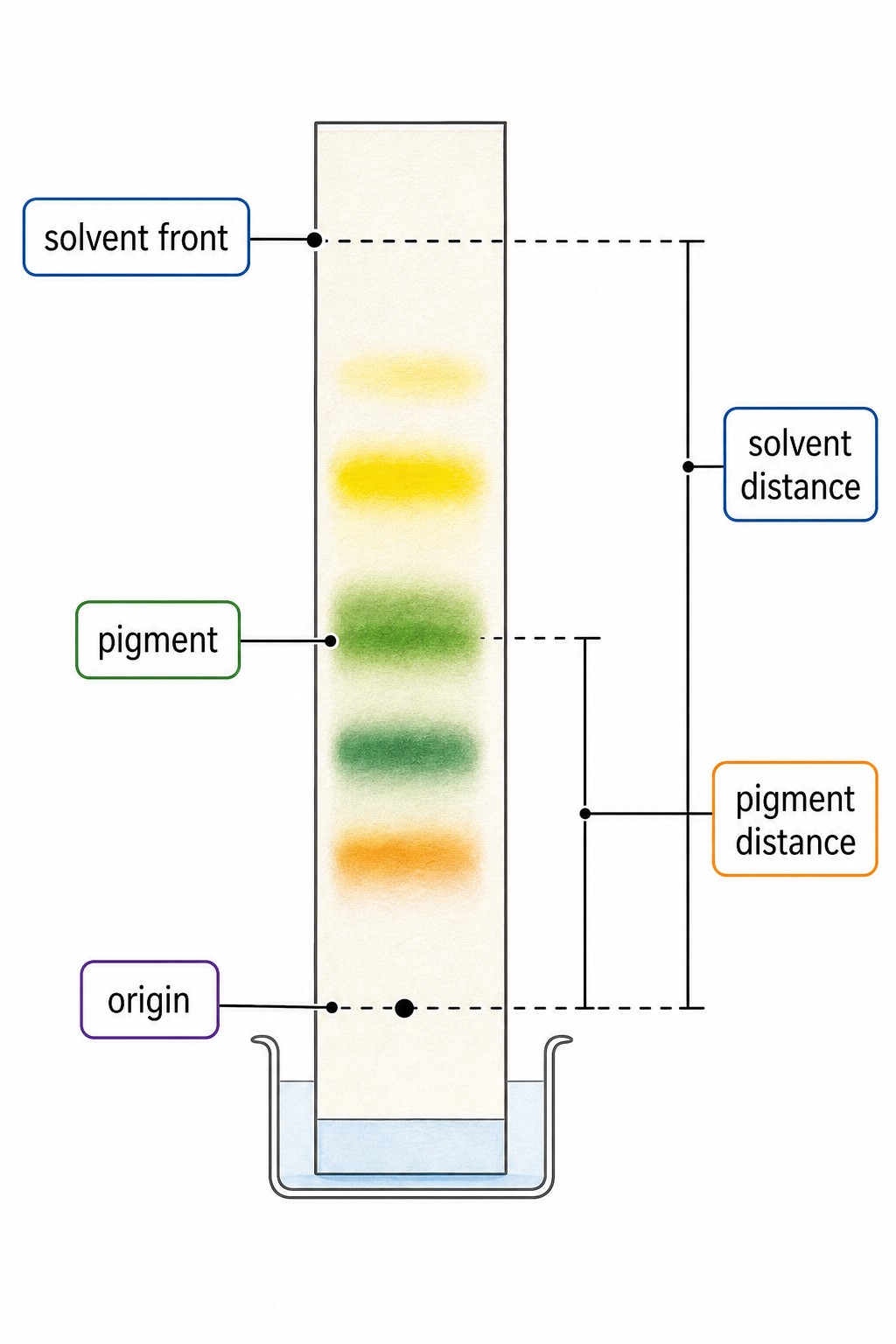
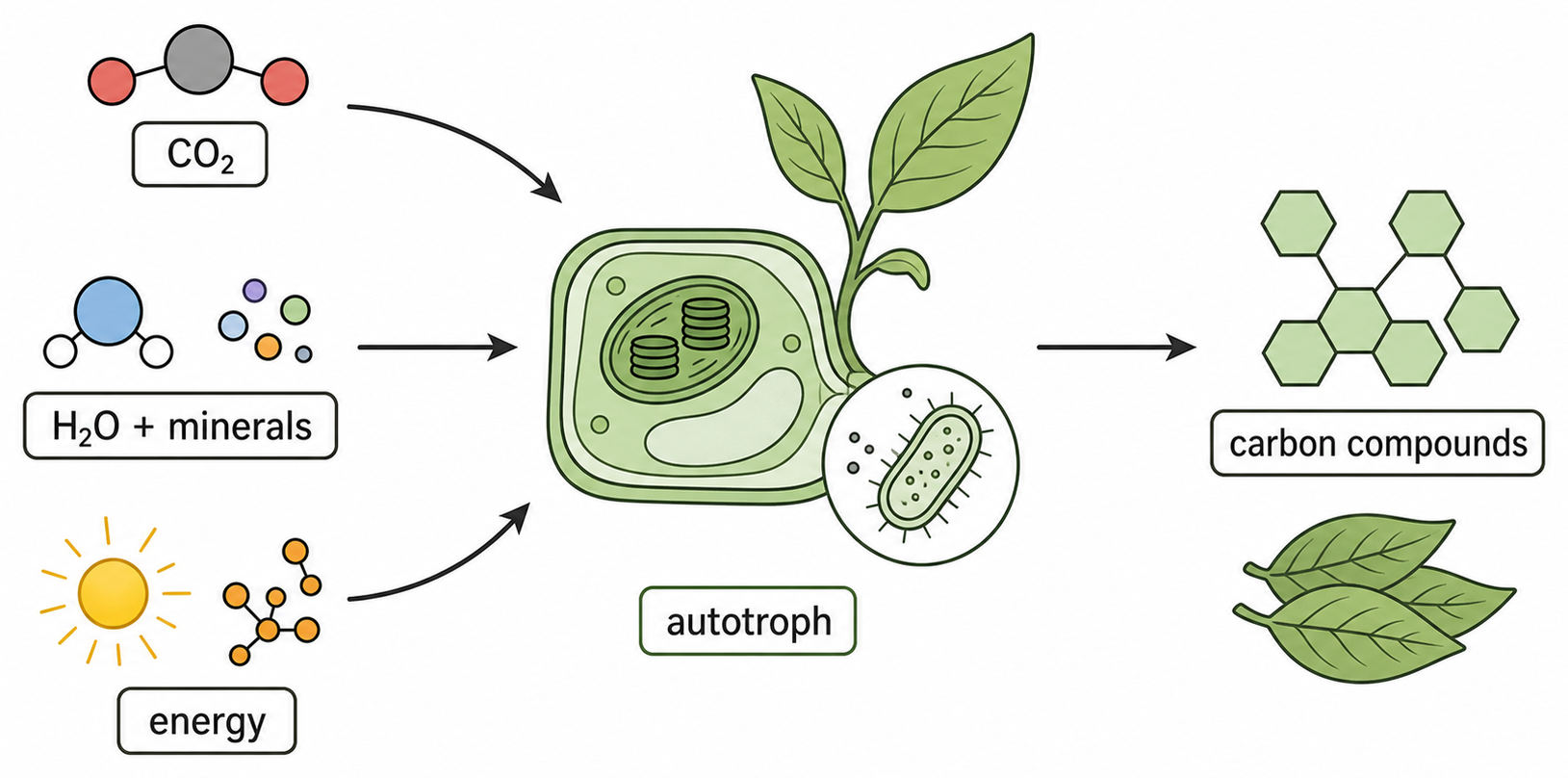
  • Accessory pigments extend the range of wavelengths available for photosynthesis.
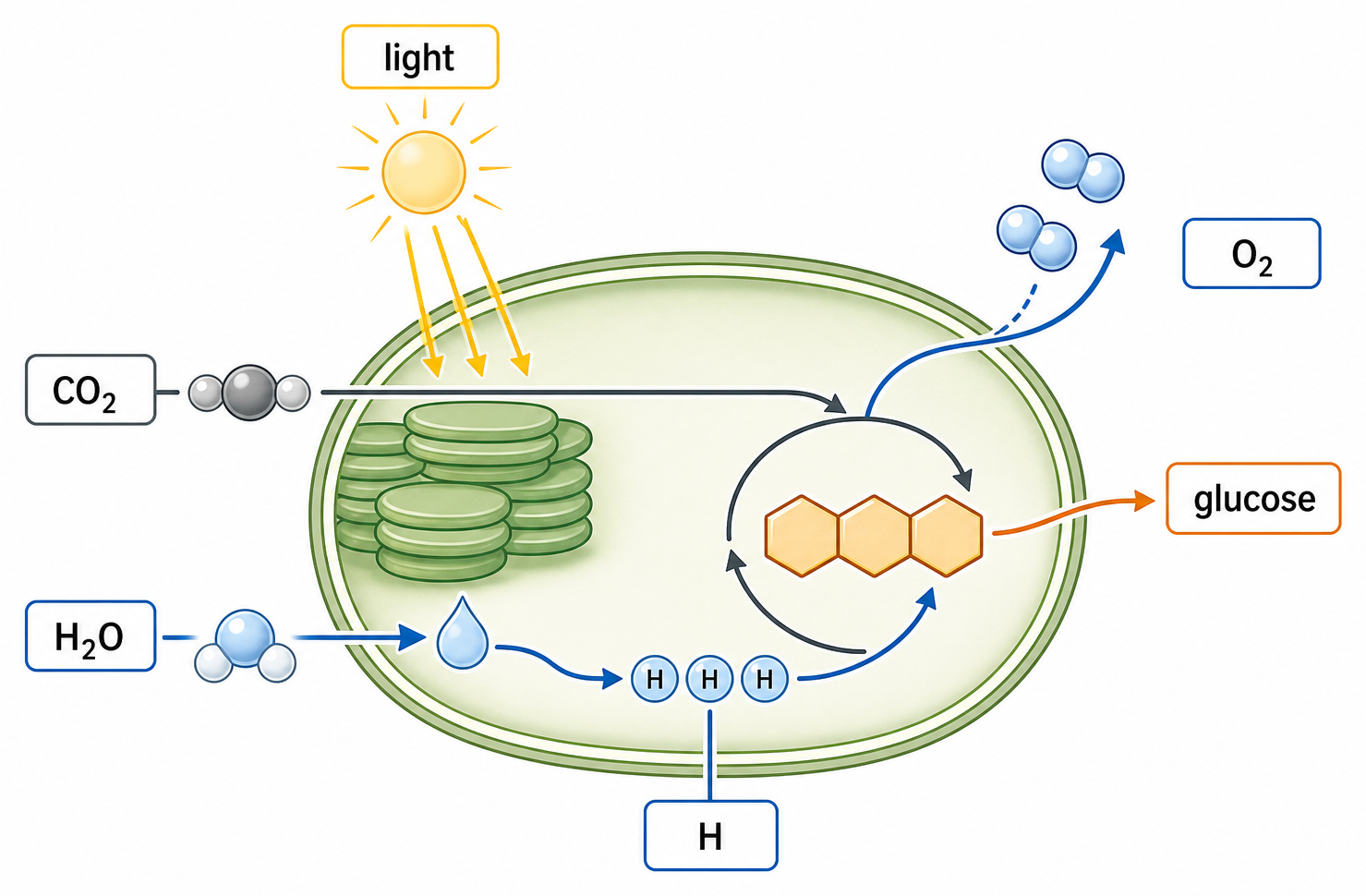
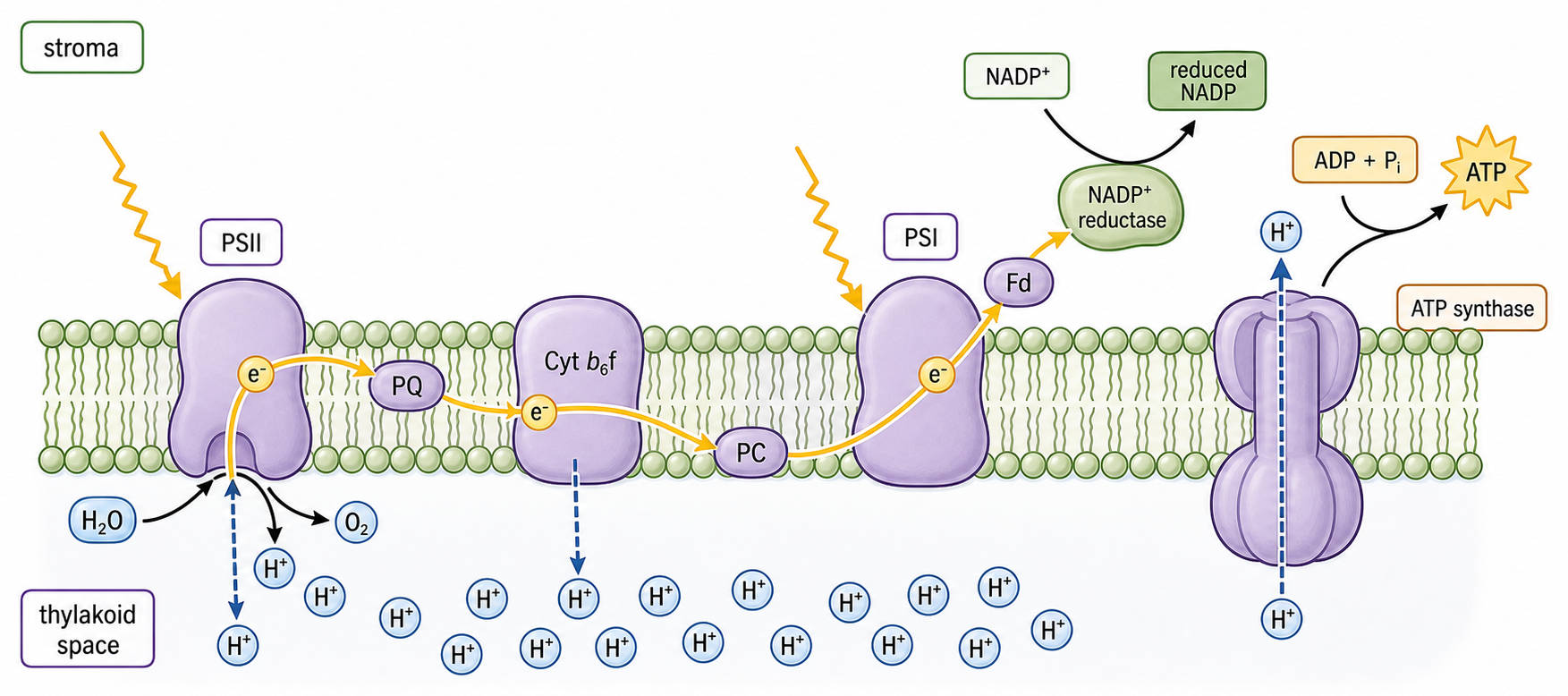
  • Absorbed light energy excites electrons and supports the light-dependent reactions.
ConceptIB Biology HL