EduNinja
[Maximum number: 1]

Fig. 3.1 shows some fruits (grapes) of the grapevine, Vitis vinifera.
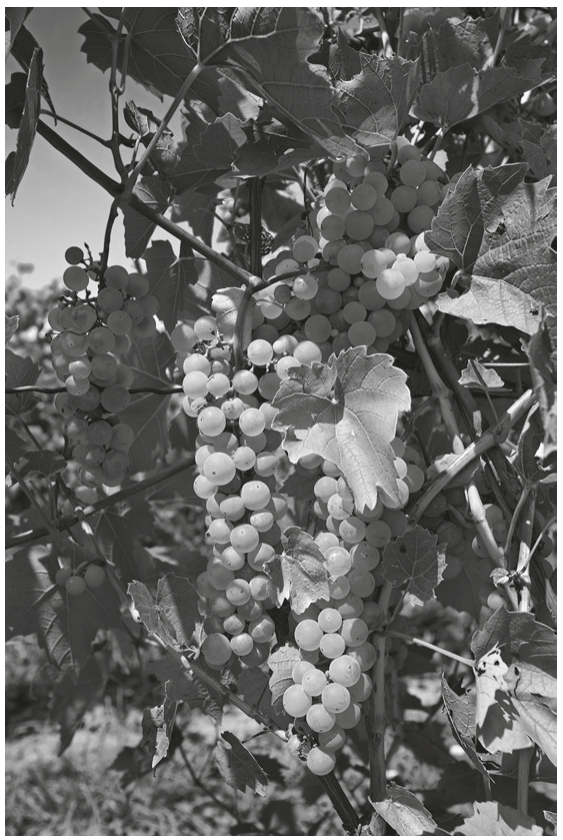
Fig. 3.1

Fig. 3.1

Sucrose is transported in the phloem of the grapevine to the fruits. In the fruits, sucrose is hydrolysed by the enzyme sucrase, which is found in cell walls. The glucose and fructose produced by the hydrolysis of sucrose pass through membrane proteins, known as hexose transporters, into the cytoplasm of the fruit cells.

(a)

Fig. 3.3 is a diagram of a protein in the cell surface membrane of a macrophage from a mouse.

Macrophages use these proteins in antigen presentation. Non-self antigens bind to the proteins and are involved in the activation of specific T-lymphocytes during the immune response.
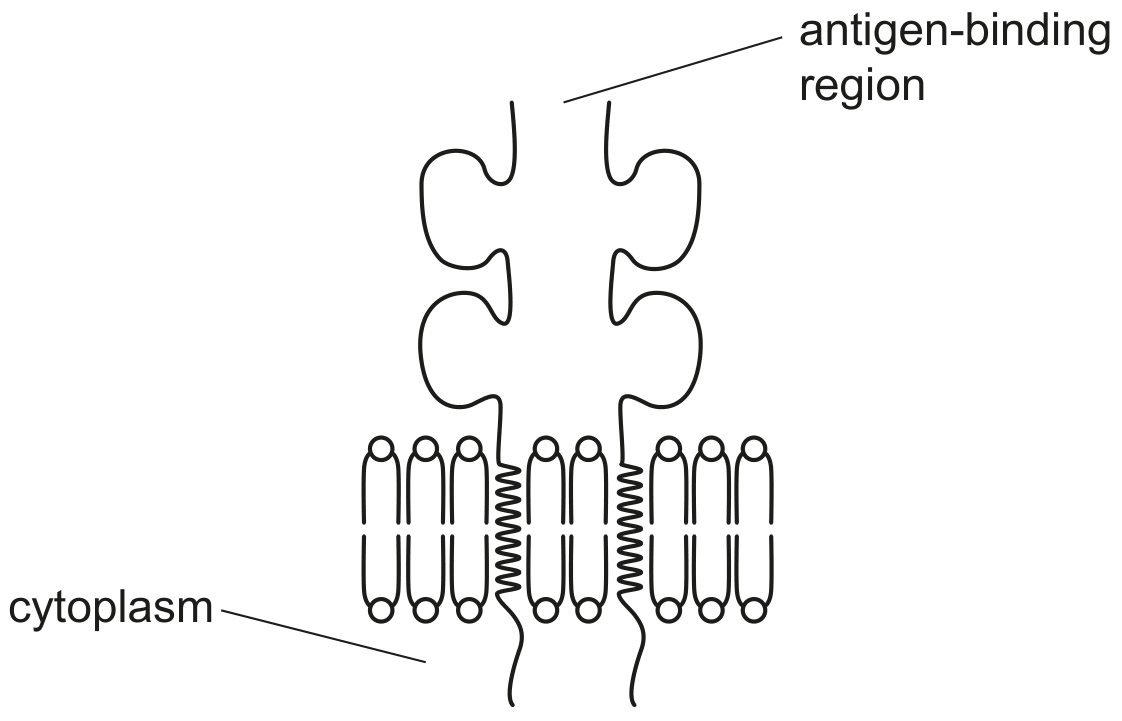
Fig. 3.3

Fig. 3.3

[ 1 ]
(i)

State what is meant by a non-self antigen.

[ 1 ]
[Maximum number: 3]

Cells of the immune system respond to the presence of non-self antigens.

(a)

Outline the features of non-self antigens.

[ 3 ]
[Maximum number: 2]

Cholera is an infectious disease caused by the bacterium Vibrio cholerae. The pathogen causes disease by disrupting the activity of the epithelial cells in the human intestine.

(a)

The World Health Organization has suggested that people with HIV/AIDS take a longer time to recover from cholera and are at an increased risk of death from cholera.

The human immunodeficiency virus (HIV) only infects certain types of cell. These cells have CD4 receptor proteins in their cell surface membrane. Helper T-lymphocytes have CD4 receptor proteins.

[ 2 ]
(i)

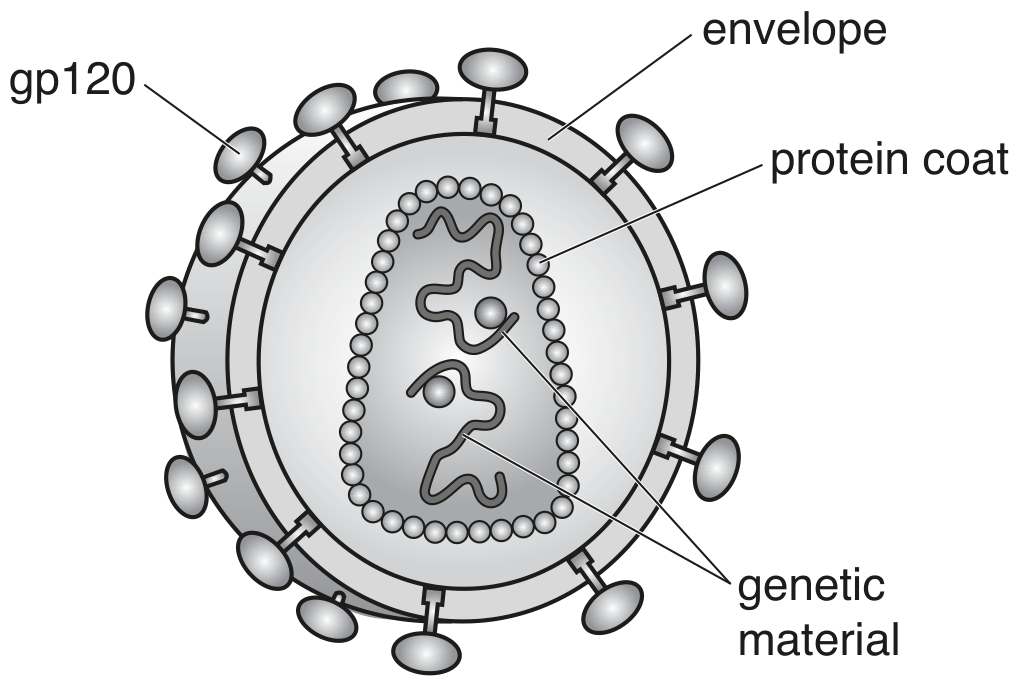
Fig. 3.1 is a diagram of HIV showing the glycoprotein gp120.

This glycoprotein is embedded in a membrane envelope which surrounds the viral protein coat.

Fig. 3.1

Fig. 3.1

The glycoprotein gp120 is important in allowing HIV to only infect certain types of cell.
Suggest the role of gp120.

[ 2 ]
[Maximum number: 1]

Where are antibodies and antigens found?

on surface of pathogens

on surface of phagocytes

in blood plasma

antibodies

antibodies

antigens

antibodies

antigens

antibodies

antigens

antibodies

antigens

antigens

antigens

antibodies

[Maximum number: 1]

One type of antigen is formed by a reaction between two different molecules.
Apart from oxygen, which other elements are found in this antigen?

A

carbon and hydrogen only

B

hydrogen and nitrogen only

C

carbon, nitrogen and phosphorus

D

carbon, hydrogen, nitrogen and sulfur

[Maximum number: 2]

Measles is an infectious disease for which vaccines have been developed.
The commonly used vaccine consists of an attenuated (weakened) form of the virus.
The measles vaccine is normally given to children when they are about one year old, followed by a booster dose when they are about four years old.

(a)

The measles virus has a unique protein on its surface called MV-H which can bind to a protein called CD-46 on the surface of human cells. This allows the measles virus to infect these cells.

Suggest how the two proteins, MV-H and CD-46, can bind to each other.

[ 2 ]
[Maximum number: 3]

Rheumatoid arthritis (RA) is a disease of the joints in the human body.

(a)

RA is classed as an auto-immune disease where the immune system treats some self antigens as non-self.

Explain what is meant by the term non-self antigens.

[ 3 ]
[Maximum number: 2]

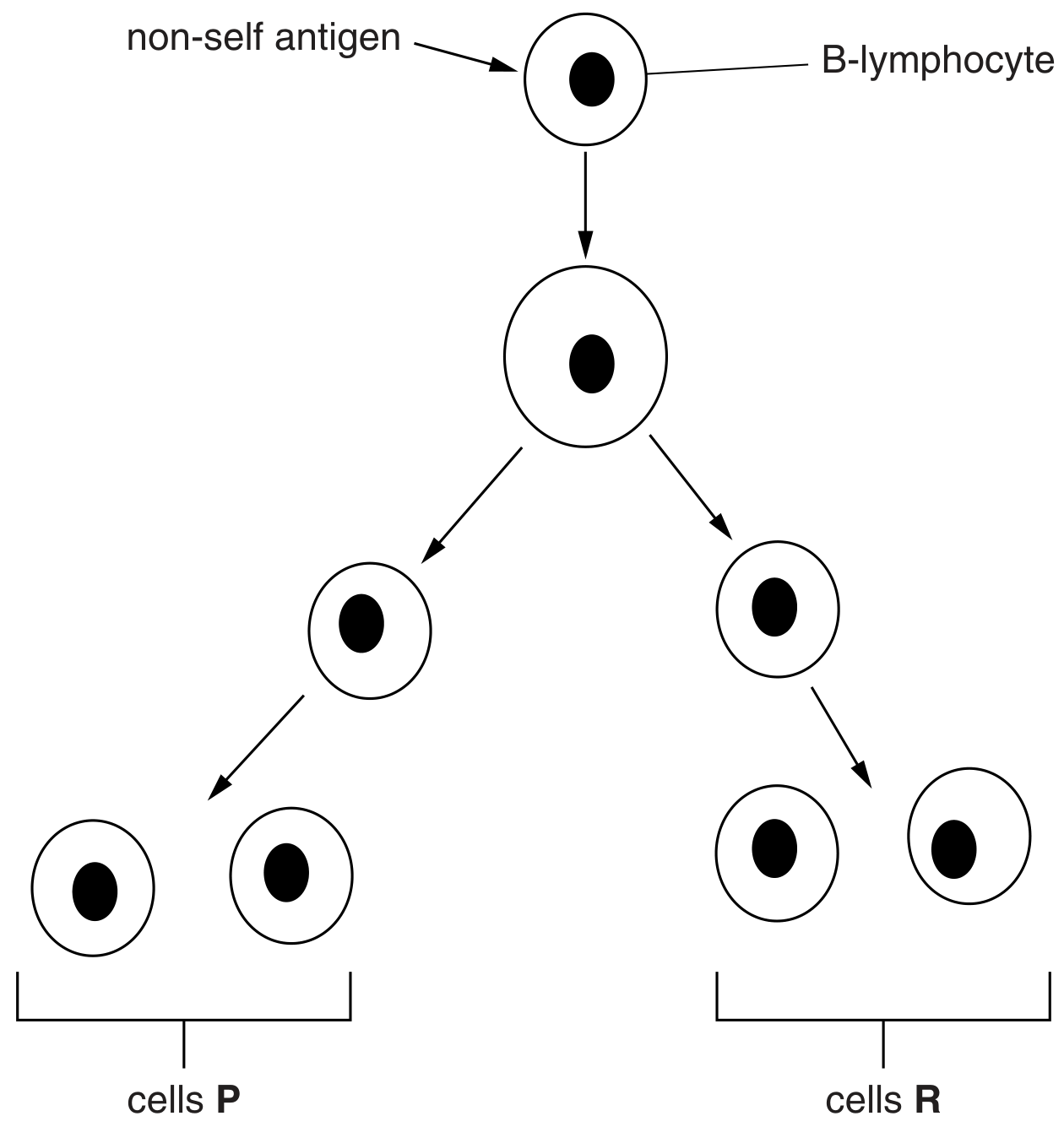
B-lymphocytes respond to the presence of a non-self antigen by dividing as shown in Fig. 4.1.

Fig. 4.1

Fig. 4.1

(a)
(i)

Explain what is meant by the term non-self antigen.

[ 2 ]
[Maximum number: 3]

Diseases are either infectious or non-infectious.

(a)

After infection, the ingested typhoid bacteria are engulfed by phagocytes.

[ 3 ]
(i)

Explain why the phagocytes act only against the bacteria and not against human cells.

[ 3 ]
(a)

Phagocytes play an important role when an immune response is initiated against cancerous tumour cells.

[ 2 ]
(i)

Suggest how phagocytes can recognise the difference between healthy body cells and cancerous tumour cells.

[ 2 ]
0