EduNinja
[Maximum number: 3]

Fig. 1.1 is an electron micrograph of part of a eukaryotic cell.
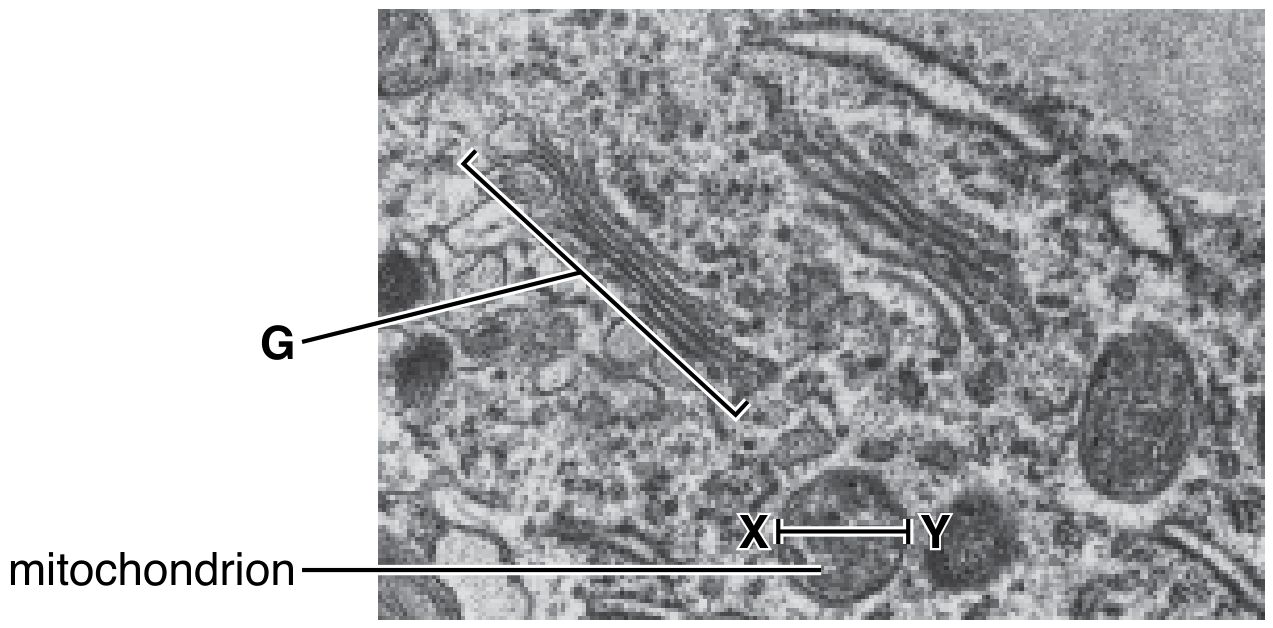
Fig. 1.1

Fig. 1.1

×47000

(a)

Many of the cell structures in Fig. 1.1 are surrounded by membranes.

Membranes are approximately 6 nm to 7 nm wide.

[ 3 ]
(i)

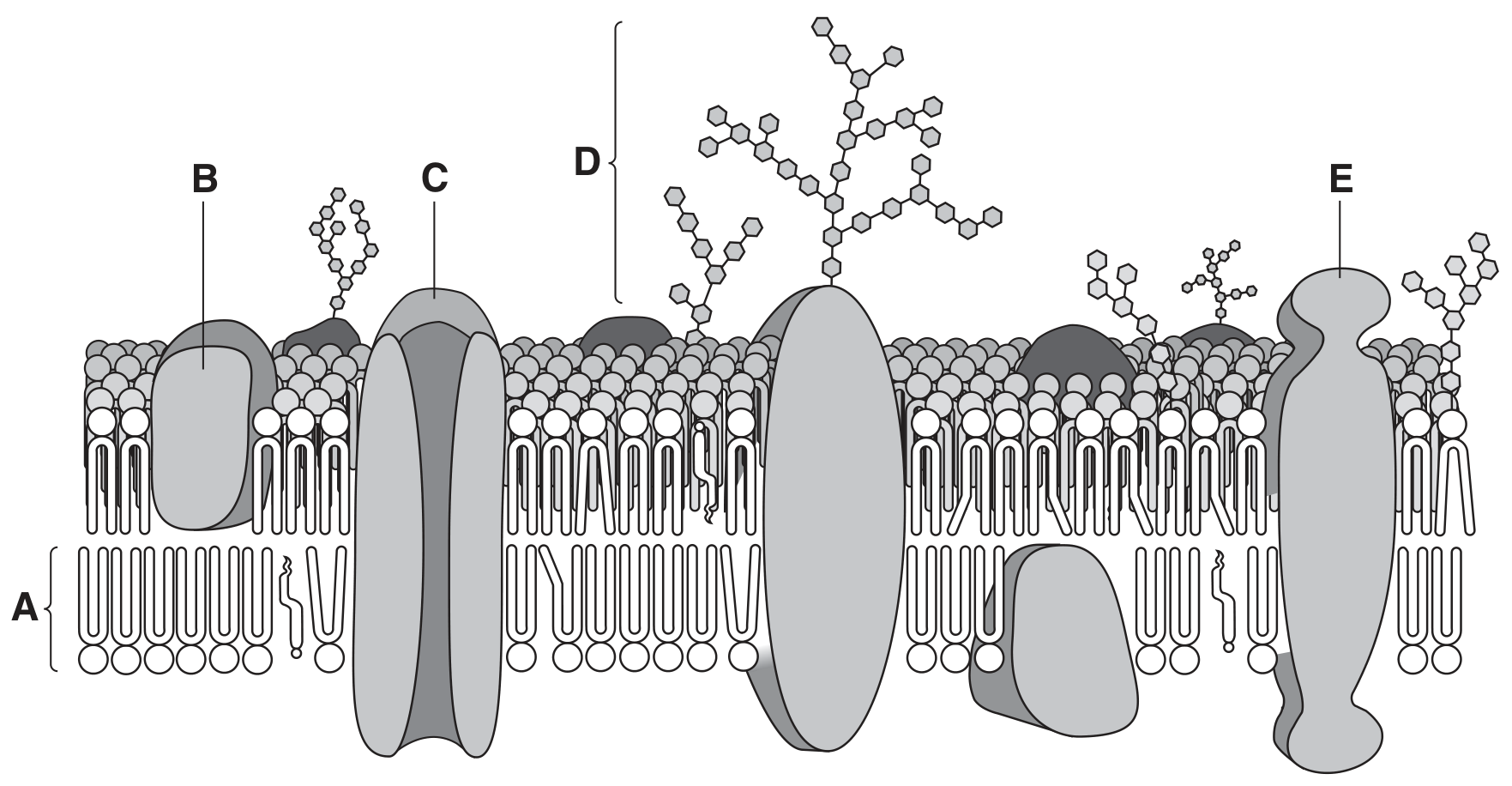
Describe the fluid mosaic model of membrane structure.

There is space below for a diagram.

[ 3 ]
[Maximum number: 1]

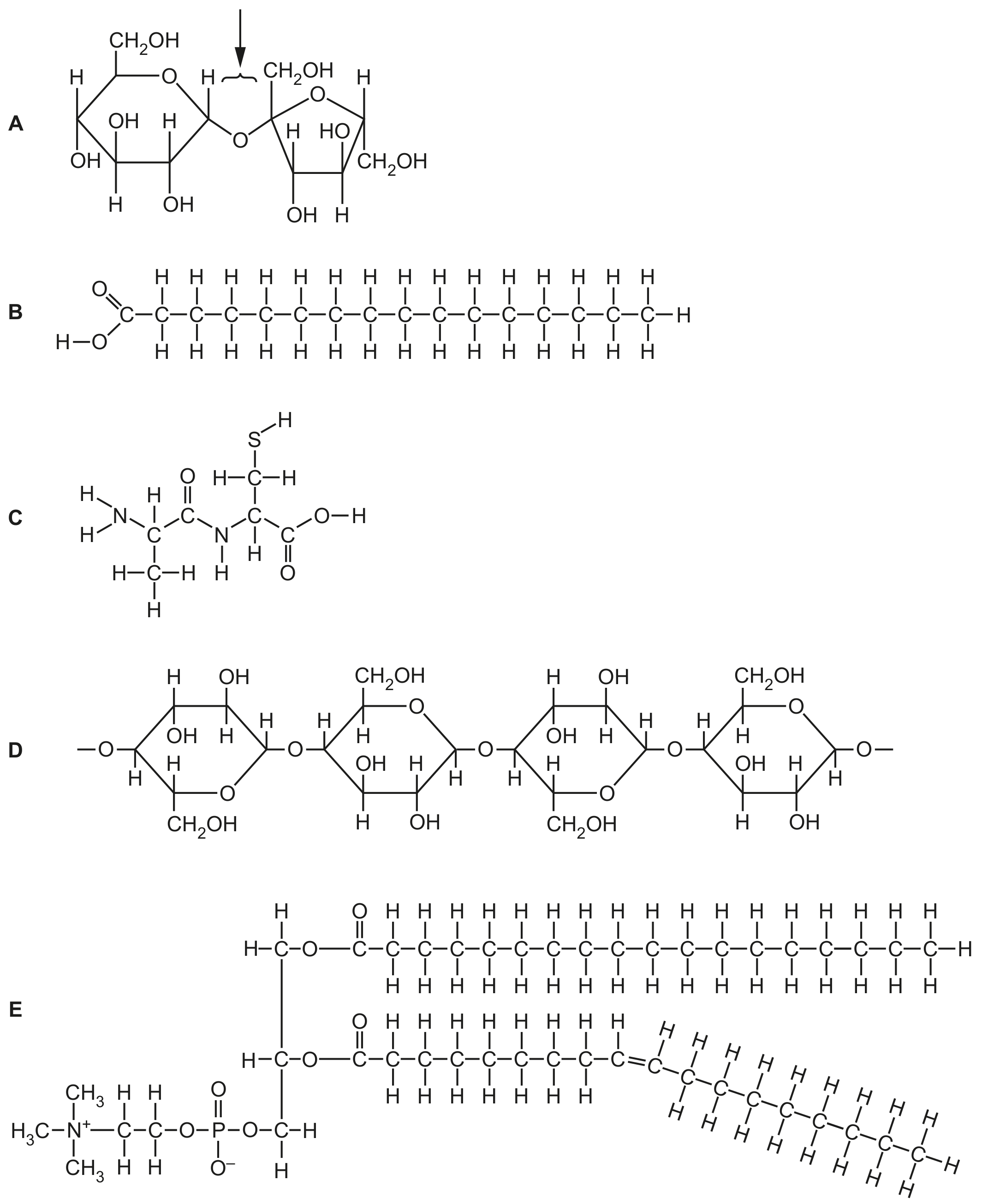
Fig. 1.1 shows five biological molecules.

Fig. 1.1

Fig. 1.1

(a)

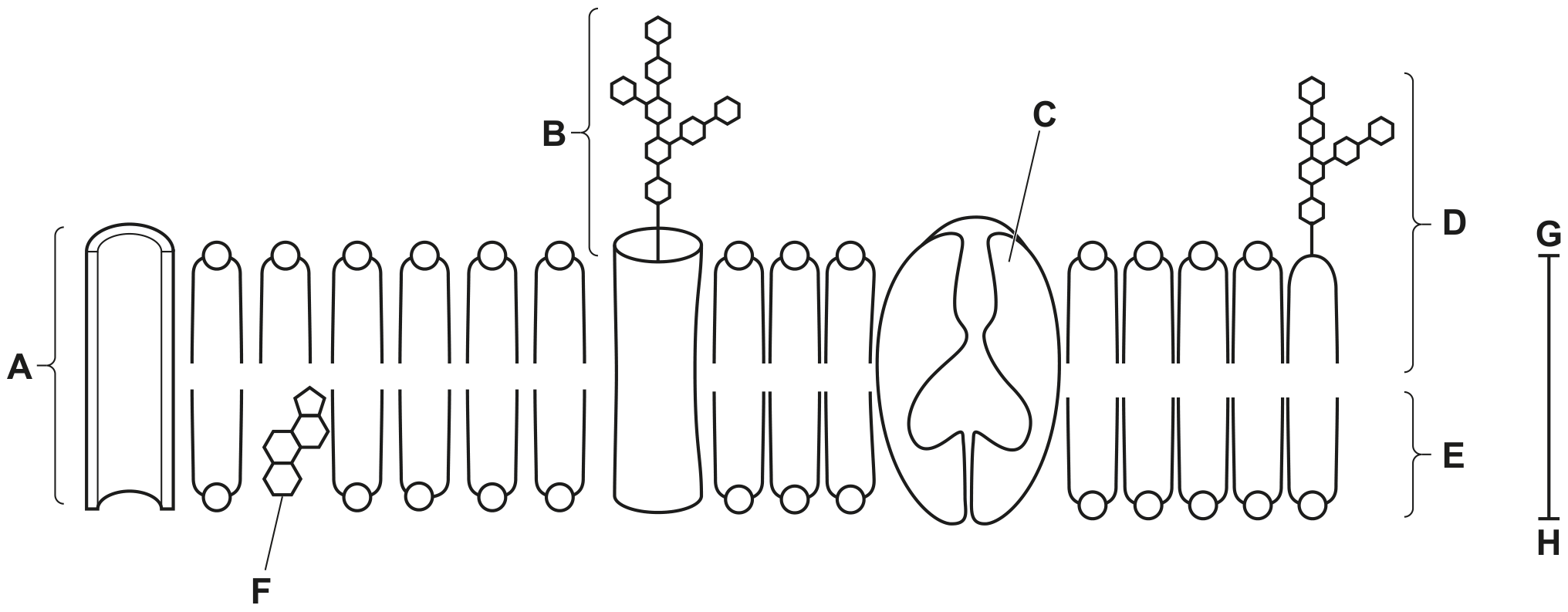
State the letter of the molecule that forms part of the cell surface membranes of eukaryotic cells.

[ 1 ]
[Maximum number: 1]

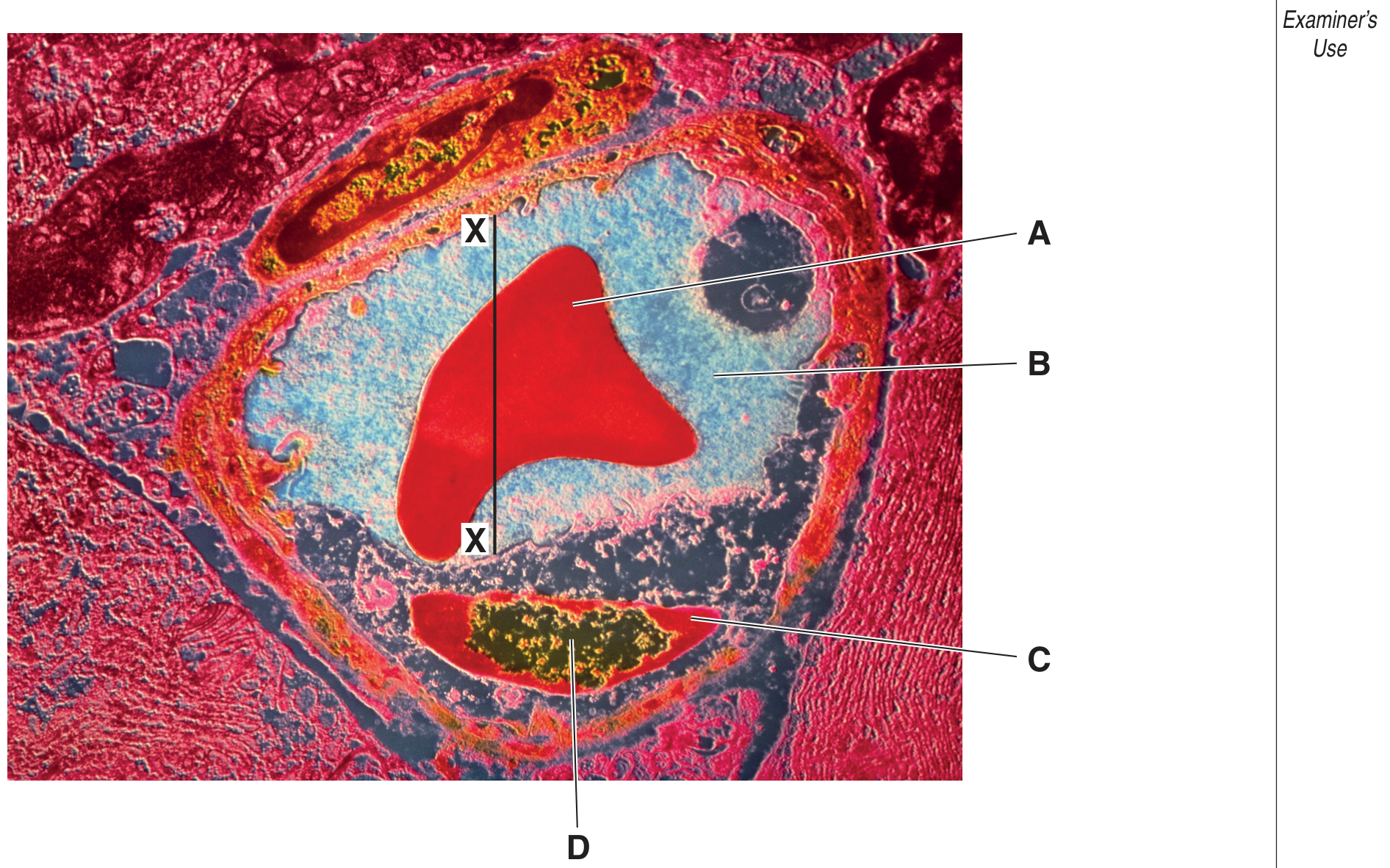
Fig. 1.1 is an electron micrograph of a cross section through a blood vessel.

Fig. 1.1

Fig. 1.1

(a)

Name:

[ 1 ]
(i)

Cell C in Fig. 1.1 is an endothelial cell.

Name structure D.

[ 1 ]
[Maximum number: 1]

Fig. 1.1 is a diagram showing part of a cell surface membrane of an animal cell.

Fig. 1.1

Fig. 1.1

(a)
(i)

State the approximate thickness of the membrane as shown by the line G-H.

[ 1 ]
[Maximum number: 3]

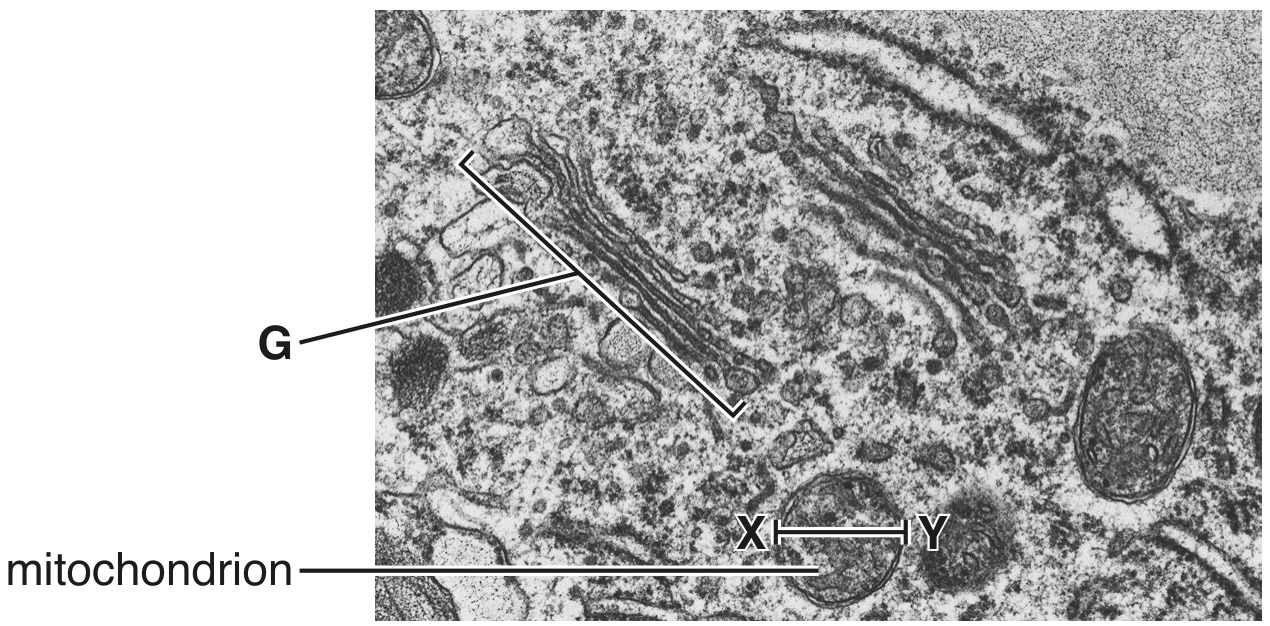
Fig. 1.1 is an electron micrograph of part of a eukaryotic cell.

Fig. 1.1

Fig. 1.1

×47000\times 47000

(a)

The inner and outer membranes of the mitochondrion have a fluid mosaic structure similar to other cell membranes. They are both approximately 6 to 7 nanometres ( nm ) thick.

[ 3 ]
(i)

Outline the fluid mosaic model of membrane structure.

There is space below for a diagram.

[ 3 ]
[Maximum number: 3]

Fig. 1.1 shows a diagram of part of a cell surface membrane.

Fig. 1.1

Fig. 1.1

(a)
(i)

Explain how the features of molecules of A cause them to form a layer in the membrane as seen in Fig. 1.1.

[ 3 ]
[Maximum number: 4]

The cell surface membrane has a fluid mosaic structure.

(a)

Describe what is meant by the term fluid mosaic.

[ 2 ]
(b)

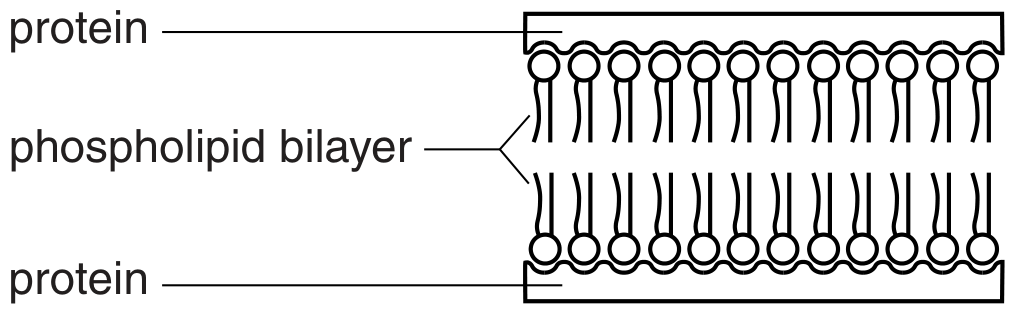
In 1934, the biologists Davson and Danielli published their suggestion for the structure of the cell surface membrane, as shown in Fig. 1.1.

They suggested that the membrane was a phospholipid bilayer with a layer of hydrophilic protein on both surfaces.

Fig 1.1

Fig 1.1

State one way in which the Davson-Danielli structure is similar to the fluid mosaic structure and one way in which it differs from the fluid mosaic model.
similarity
difference

[ 2 ]
[Maximum number: 1]

Fig. 1.1 is a diagram of a transverse section through a vein.

Fig. 1.1

Fig. 1.1

(a)

Explain how the following structural features of a capillary are related to its function.

[ 1 ]
(i)

The capillary wall is composed of a single layer of squamous epithelial cells.

[ 1 ]
[Maximum number: 4]

Fig. 1.1 is an electron micrograph of a transverse section of palisade mesophyll tissue in the leaf of the flowering plant, Zinnia elegans.

Fig. 1.1

Fig. 1.1

magnification ×7000\times 7000

(a)

The membrane surrounding the vacuole, called the tonoplast, has a fluid mosaic structure.

Describe the structure of this membrane.

[ 4 ]
0