EduNinja
[Maximum number: 5]

A student investigated the initial rate of reaction of catalase in breaking down hydrogen peroxide into oxygen and water:

The volume of oxygen collected was recorded over a period of 140 seconds. The results are shown in Fig. 2.1.
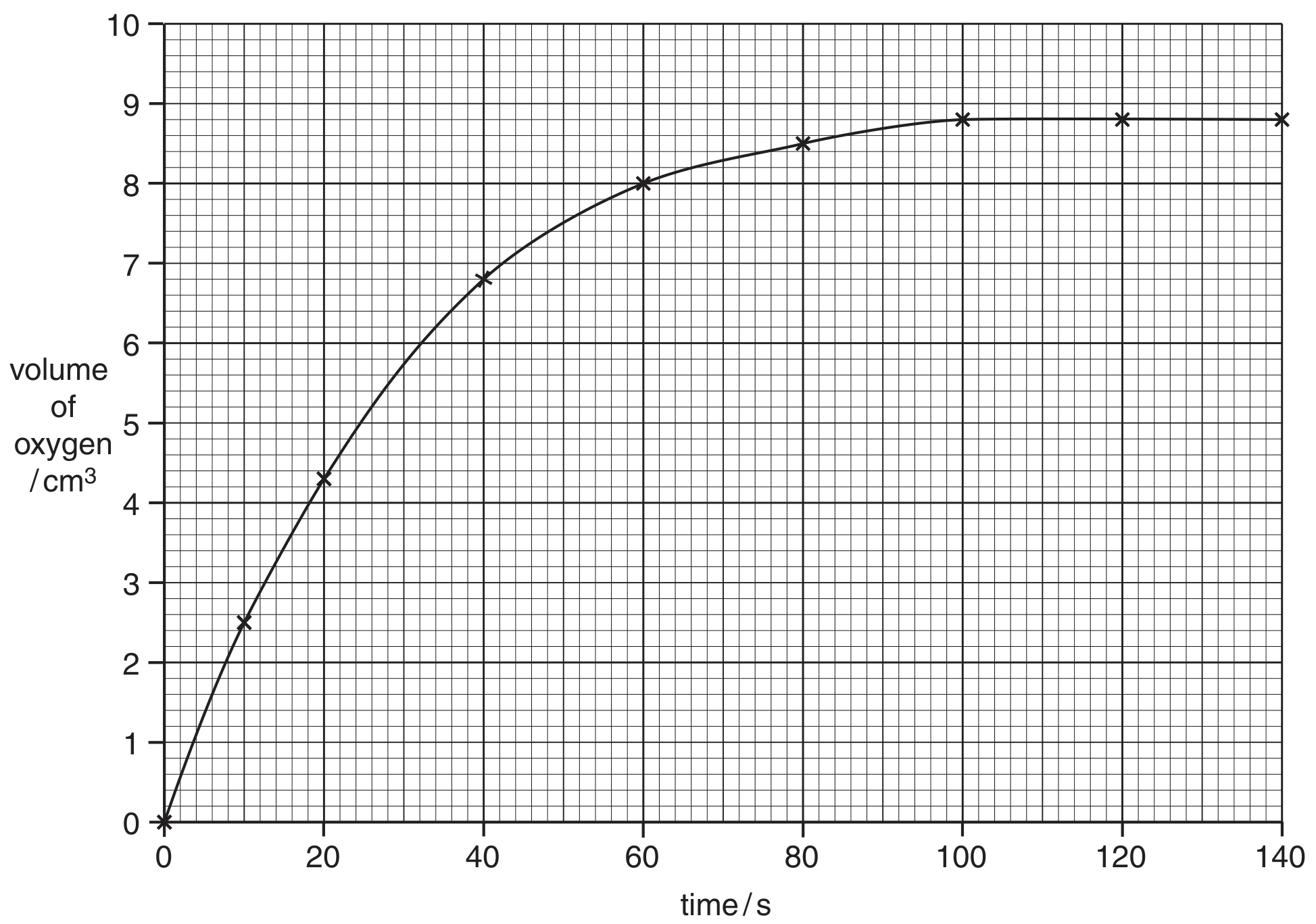
Fig. 2.1

Fig. 2.1

(a)
(i)

Use the information in Fig. 2.1 to calculate the initial rate of reaction in cm3 s1\mathrm{cm}^{3} \mathrm{~s}^{-1}.

Show your working.
answer cm3 s1\mathrm{cm}^{3} \mathrm{~s}^{-1}

[ 2 ]
(ii)

Explain the change in volume of oxygen collected as shown in Fig. 2.1.

The student continued the investigation by determining the initial rates of reaction for five different concentrations of hydrogen peroxide. The line marked W in Fig. 2.2 shows the results.

The whole procedure was repeated after adding copper ions to the different concentrations of hydrogen peroxide. The line marked V on Fig. 2.2 shows the results.
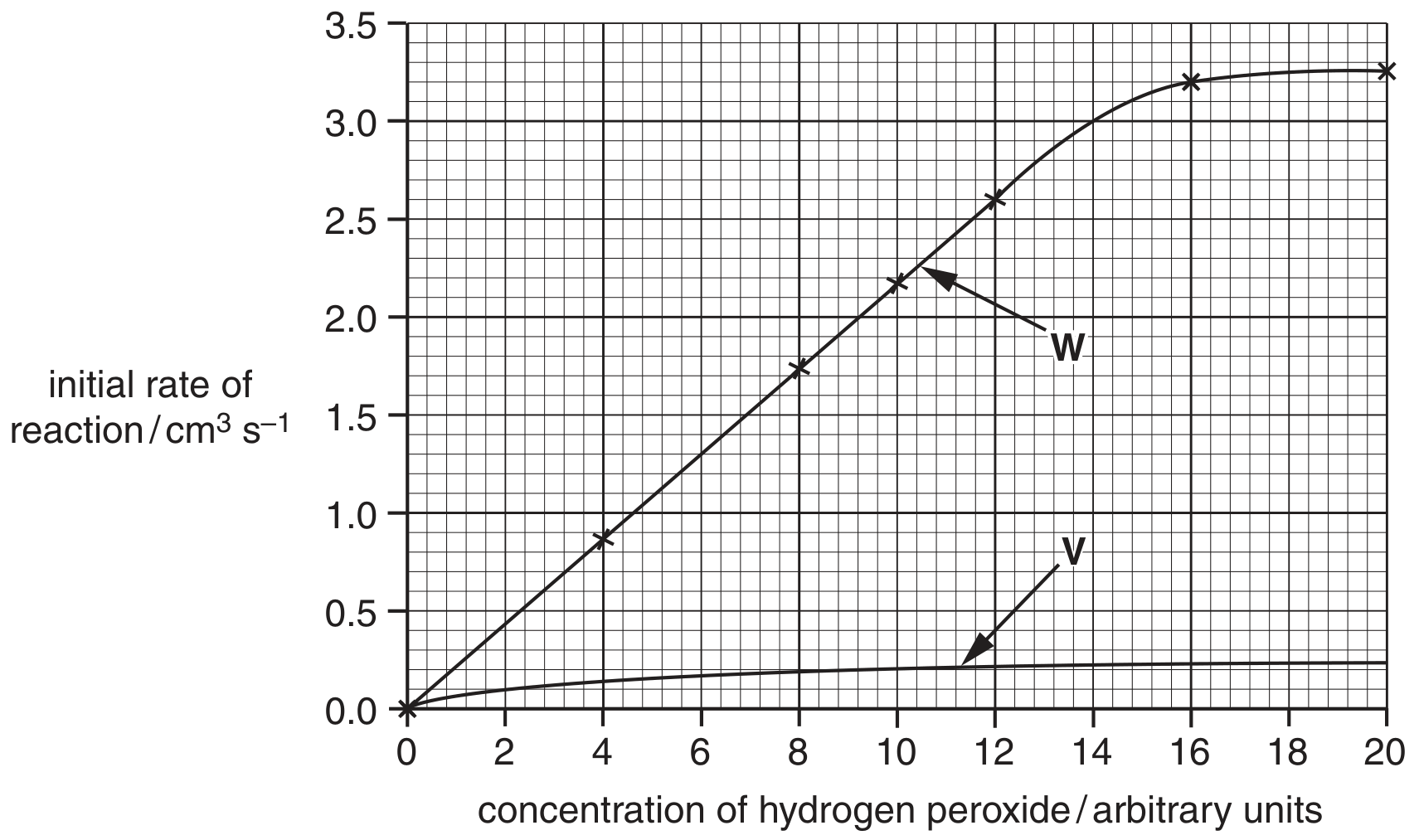
Fig. 2.2
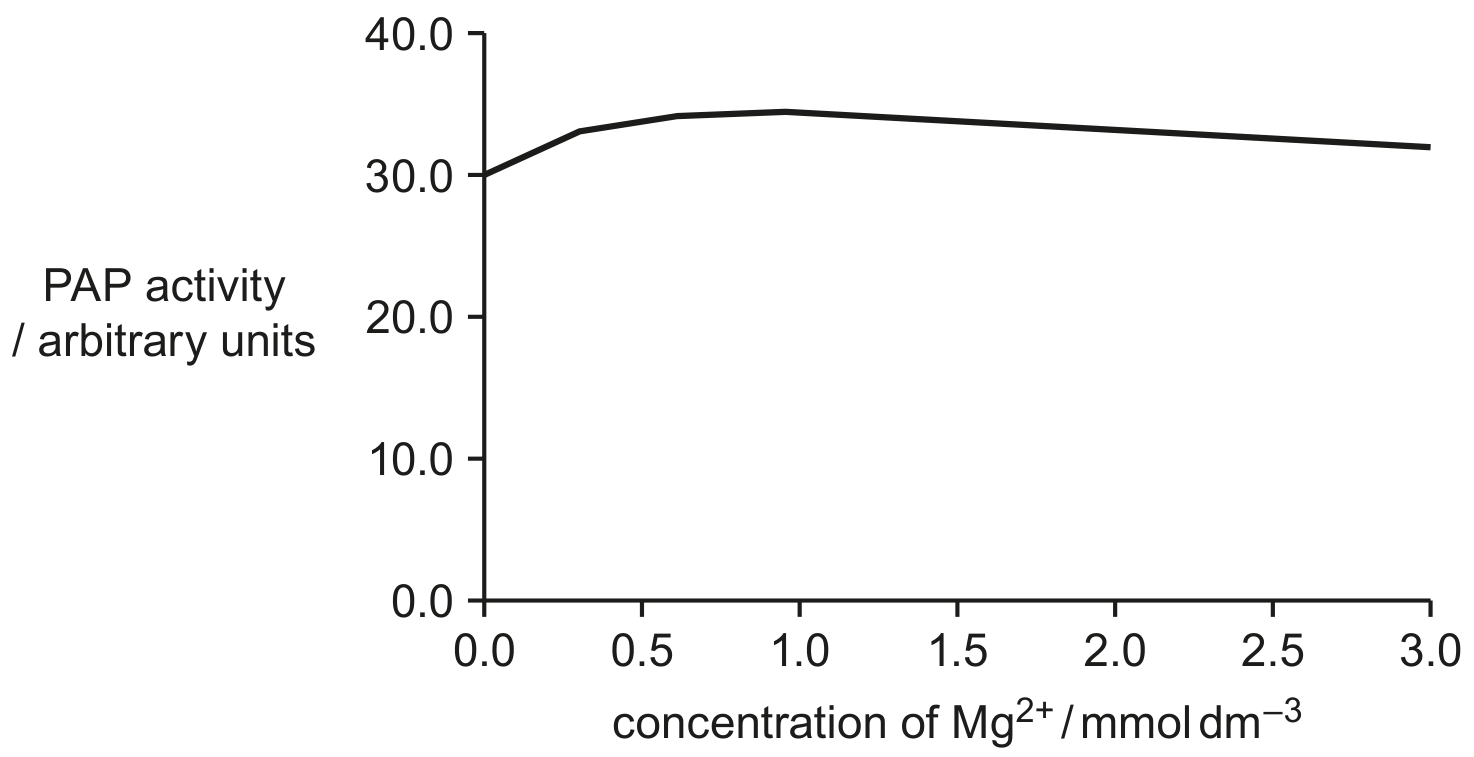
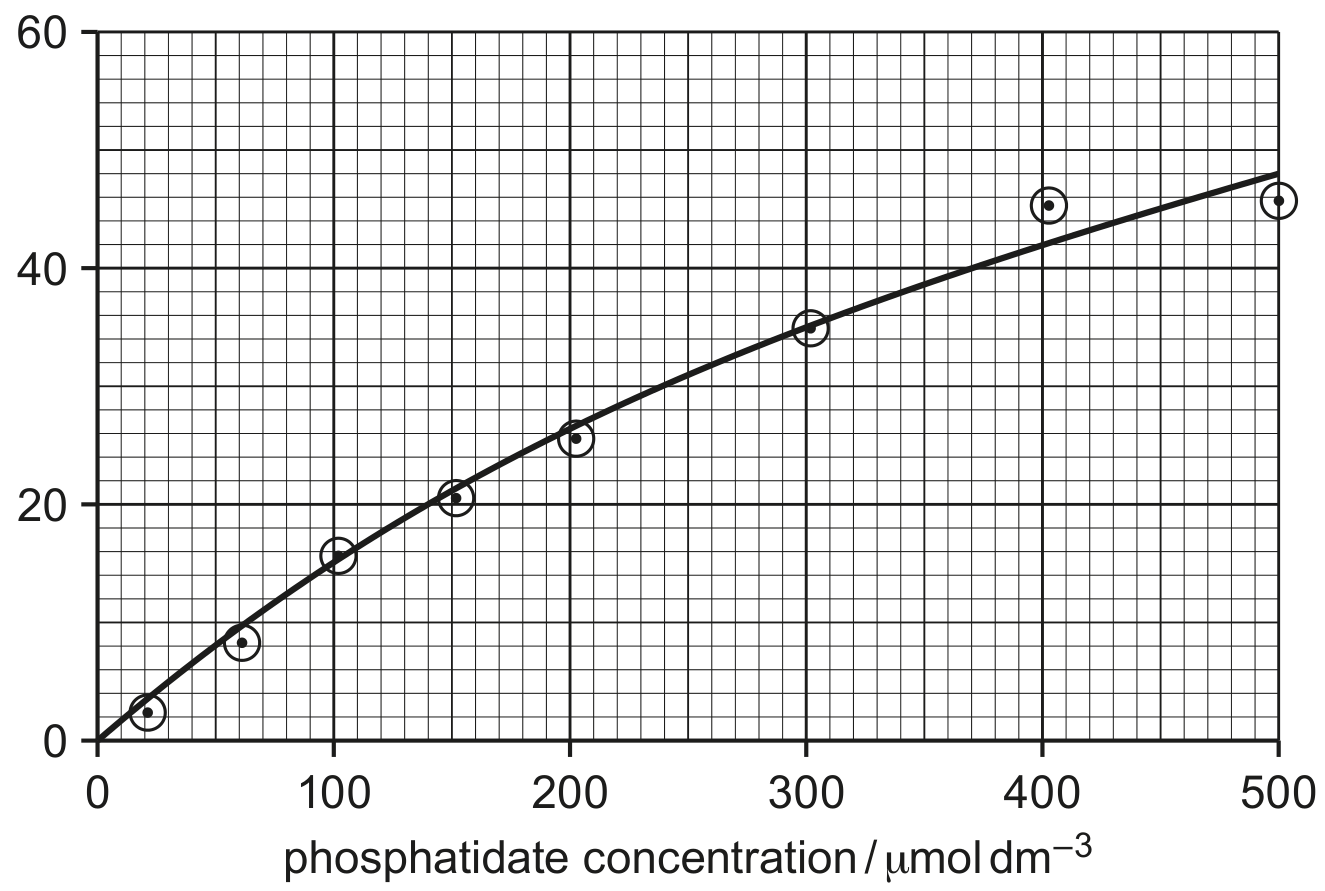
Fig. 2.2

[ 3 ]
[Maximum number: 6]

Phosphatidate phosphatase (PAP) enzymes have an important role in lipid metabolism.
The reaction catalysed by PAP is shown in Fig. 2.1.

 phosphatidate +H2O diglyceride + inorganic phosphate (Pi) \text { phosphatidate }+\mathrm{H}_{2} \mathrm{O} \longrightarrow \text { diglyceride }+ \text { inorganic phosphate (Pi) }

Experiments were carried out to investigate the activity of PAP extracted from the cotyledons (seed leaves) of bitter gourd, Momordica charantia.

(a)

There are two types of PAP enzymes:
- PAP1 enzymes need magnesium ions (Mg2+)\left(\mathrm{Mg}^{2+}\right) in the active site to function
- PAP2 enzymes do not need Mg2+\mathrm{Mg}^{2+}.

The effect of different concentrations of Mg2+\mathrm{Mg}^{2+} on the activity of PAP extracted from M. charantia was investigated.

The results are shown in Fig. 2.2.

Fig. 2.2

Fig. 2.2

Explain, with reference to Fig. 2.2, whether the PAP extracted from M. charantia is a PAP1 enzyme or a PAP2 enzyme.

[ 2 ]
(b)

Fig. 2.3 shows the effect of increasing phosphatidate concentration on the activity of PAP extracted from M. charantia.

PAP activity / arbitrary units

Fig. 2.3

Fig. 2.3

With reference to Fig. 2.3, describe and explain the effect of increasing phosphatidate concentration on the activity of PAP.

[ 4 ]
[Maximum number: 4]

Lipase is an enzyme with many commercial uses. Some species of bacteria are of great interest as they produce large quantities of lipase.

(a)

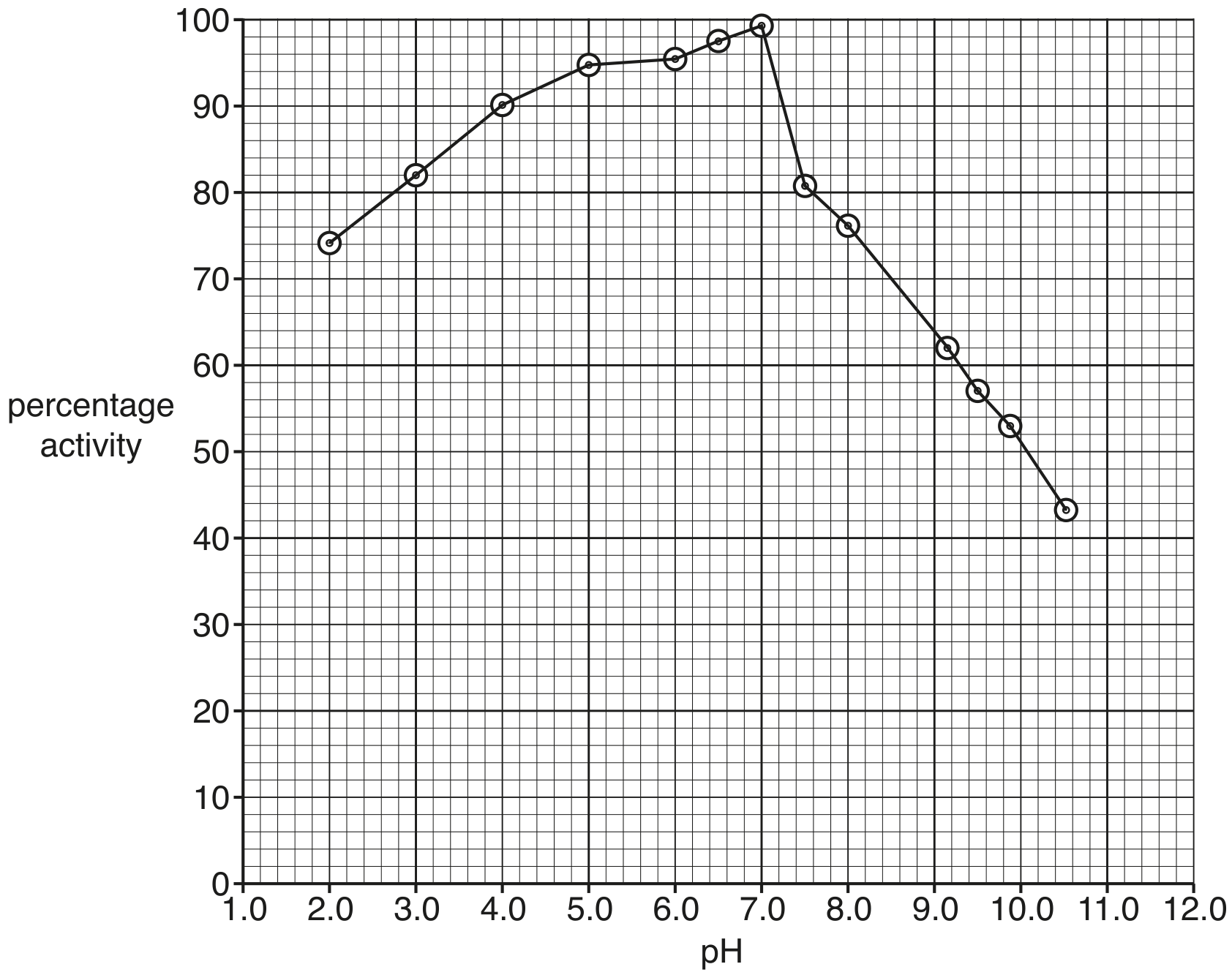
The researchers investigated the effect of pH values between pH 2.0 and pH 10.5 on the activity of bacterial lipase in hydrolysing triglyceride at a temperature of 37C37^{\circ} \mathrm{C}.

The results are shown in Fig. 2.2.

Fig. 2.2

Fig. 2.2

With reference to Fig. 2.2, describe the effect of pH on the activity of bacterial lipase.

[ 4 ]
[Maximum number: 5]

Starch molecules are the main storage molecules in many types of cereal grain, such as the grain of the barley plant.

(a)

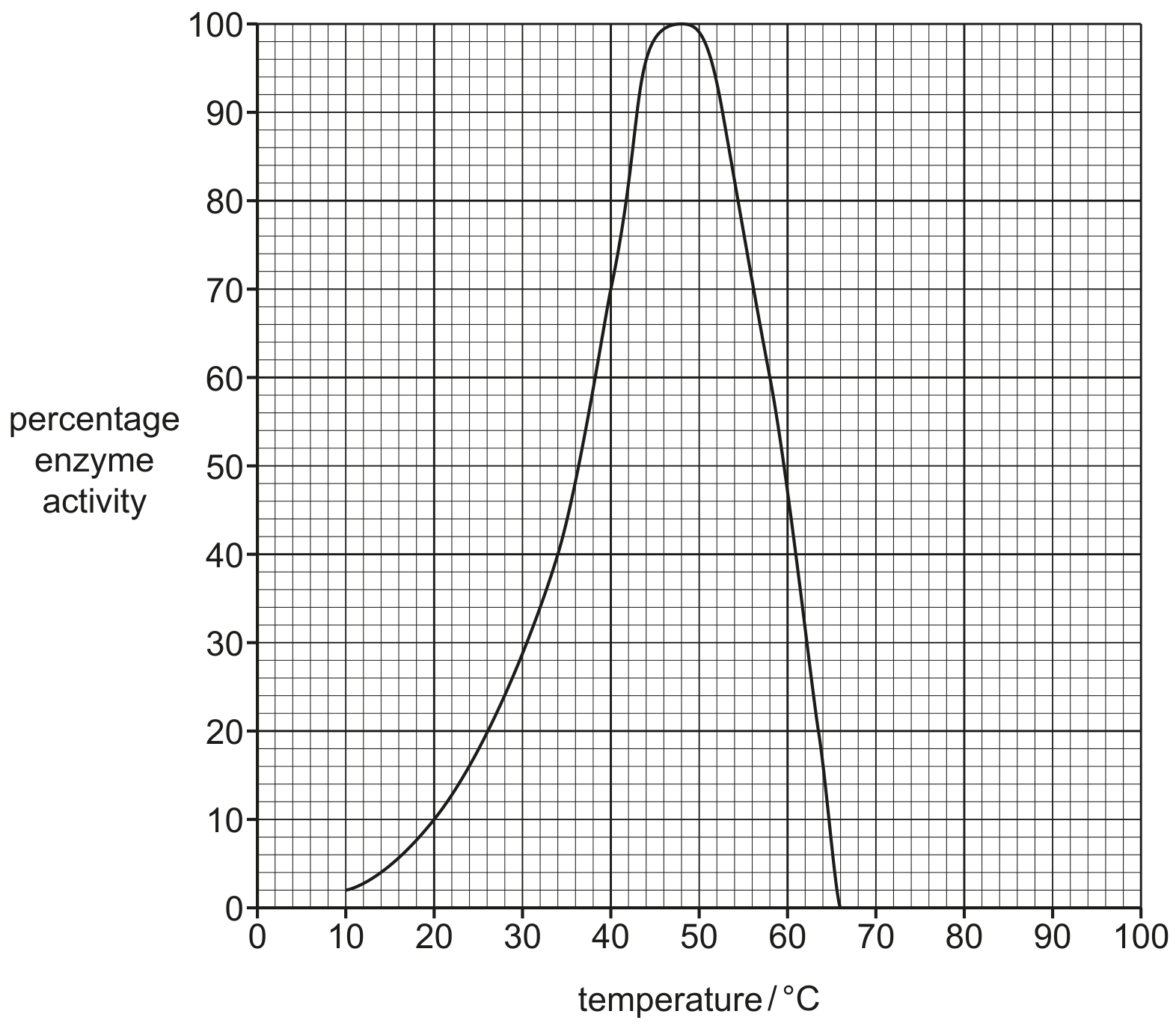
Fig. 2.3 is a graph showing how the activity of α\alpha-amylase extracted from barley seeds changes as the temperature increases from 10C10^{\circ} \mathrm{C} to 66C66^{\circ} \mathrm{C}.

Fig. 2.3

Fig. 2.3

[ 5 ]
(i)

Explain the effect of temperature on the activity of α\alpha-amylase extracted from barley seeds, as shown in Fig. 2.3.

[ 3 ]
(ii)

Sketch on Fig. 2.3 the curve that would be obtained using α\alpha-amylase enzyme that is heat stable.

[ 2 ]
(a)

Folic acid is a molecule used by all cells for growth. Bacteria cannot absorb folic acid from their surroundings. Bacteria use an enzyme to make a molecule called PABA. PABA is used to make folic acid.

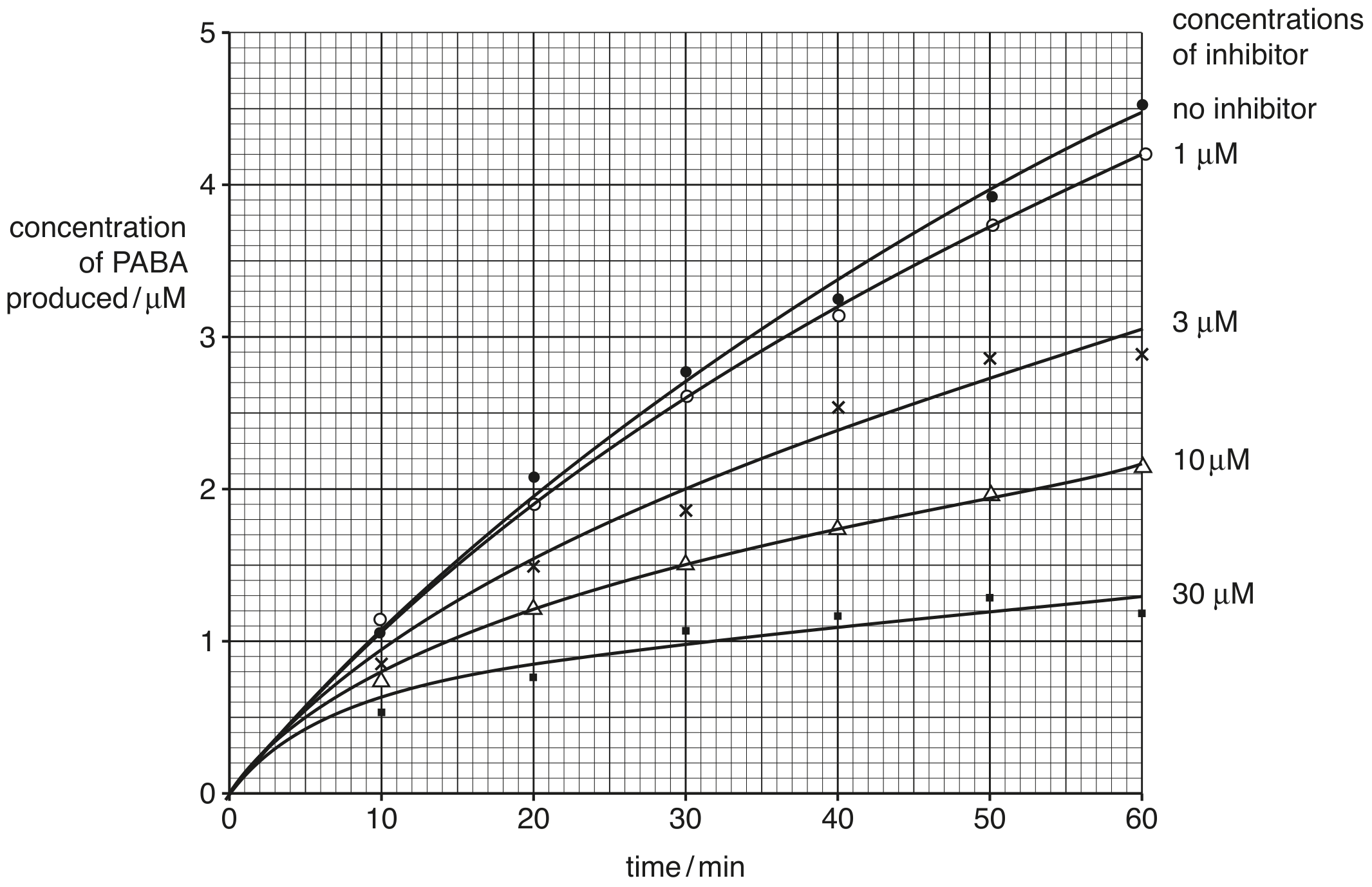
An investigation was carried out to determine the effect on the production of PABA when the concentration of an enzyme inhibitor is increased. Four different concentrations ( 1μM1 \mu \mathrm{M} to 30μM)30 \mu \mathrm{M}) of the inhibitor were used, together with a control with no inhibitor.

The concentration of PABA produced in each reaction mixture was determined at 10 minute intervals.

The results are shown in Fig. 2.1.

Fig. 2.1

Fig. 2.1

[ 4 ]
(i)

Use Fig. 2.1 to describe the results of the investigation.

[ 4 ]
[Maximum number: 2]

Glucose is used in the synthesis of amylose. Glucose is first converted to glucose 1-phosphate (G 1-P).

Starch phosphorylase is an intracellular enzyme that can catalyse the synthesis of amylose from G 1-P, which is the substrate for the reaction:

( glucose 1-phosphate )n amylose + (phosphate ions) n(\text { glucose } 1 \text {-phosphate }) n \longrightarrow \text { amylose }+ \text { (phosphate ions) } n

n= a large number
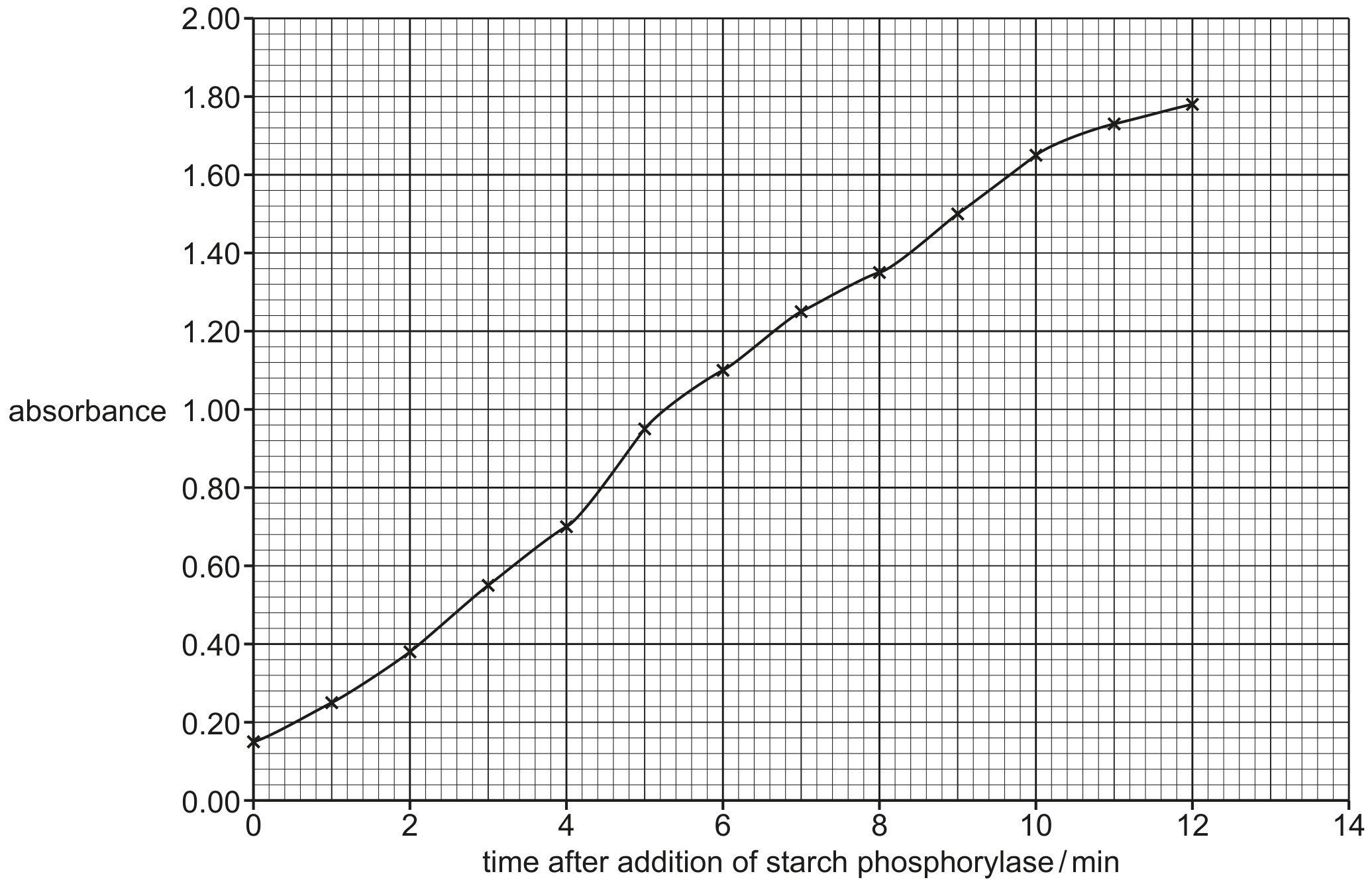
Students used a colorimeter to investigate the progress of the reaction.
The students made a reaction mixture containing 0.01 moldm3G0.01 \mathrm{~mol} \mathrm{dm}^{-3} \mathrm{G} 1-P in a buffer solution at pH6.0. A very small quantity of amylose was added to initiate the reaction.

A solution of starch phosphorylase was added to the reaction mixture and samples were taken at 1-minute intervals. Each sample was added to a dilute iodine solution, stirred and then poured into a cuvette. The absorbance of each solution was recorded.

The results of the investigation are shown in Fig. 2.1.

Fig. 2.1

Fig. 2.1

(a)
(i)

The students took their final sample at 12 minutes.

Predict the results for absorbance if the students had continued to take samples for a further 10 minutes. Explain your answer.
prediction
explanation

[ 2 ]
[Maximum number: 4]

Pepsin is an enzyme that hydrolyses proteins (protease). Some students used pepsin from the stomach of a mammal.

The activity of the pepsin was investigated by placing a small quantity of the enzyme with a known concentration of the protein albumen.

Fig. 2.1 shows the progress of the enzyme-catalysed reaction that was carried out at \(20^{\circ

Fig. 2.1 shows the progress of the enzyme-catalysed reaction that was carried out at \(20^{\circ

(a)
(i)

The procedure was repeated without the competitive inhibitor but at the higher temperature of 30C30^{\circ} \mathrm{C}.

Predict the results that will be obtained at 30C30^{\circ} \mathrm{C}.

[ 2 ]
(b)

The students extended their investigation by using pepsin from a different species of mammal. The experiments were carried out at 20C20^{\circ} \mathrm{C} and without a competitive inhibitor.

With reference to Fig. 2.1, explain the advantage of calculating the initial rate of reaction in each experiment.

[ 2 ]
(a)

Lipases are enzymes that digest triglycerides in the lumen of the human intestine. These enzymes are released by exocytosis from intestinal epithelial cells.

[ 7 ]
(i)

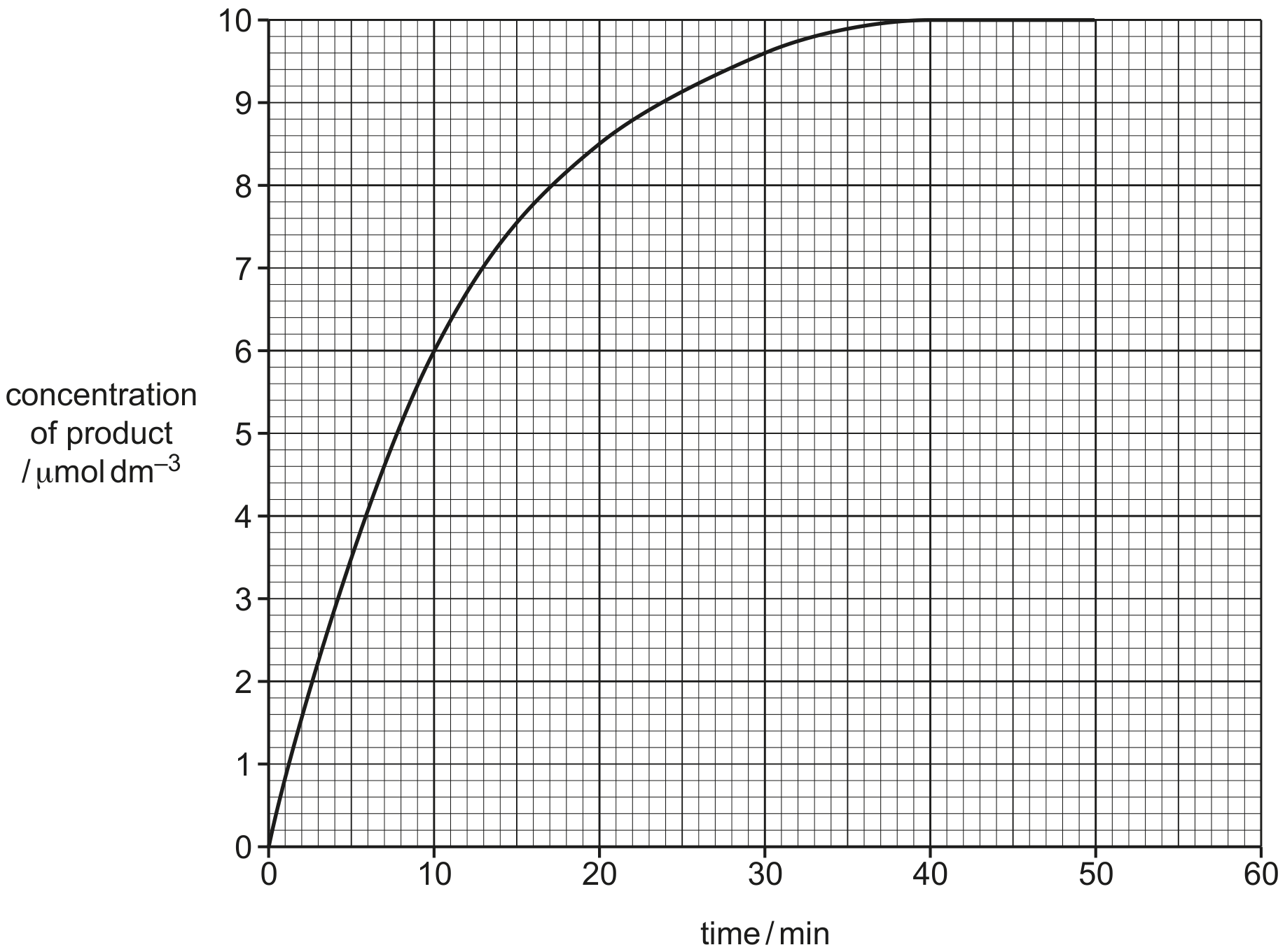
Calculate the time taken for the pH to decrease from pH 6.6 to pH 6.3 .
time taken = h

[ 1 ]
(ii)

Explain the results shown in Fig. 2.2.

[ 4 ]
(iii)

The scientists repeated the experiment using a higher concentration of lipase. All other variables remained constant.

Predict how an increase in the concentration of the lipase would affect the results of the experiment.

[ 2 ]
[Maximum number: 3]

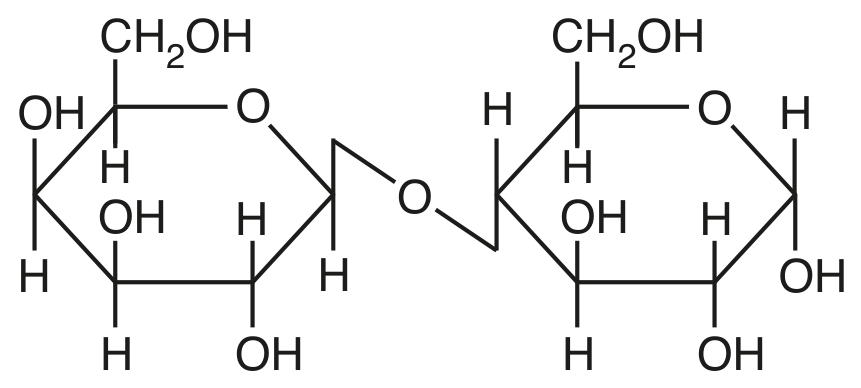
Fig. 2.1 shows the disaccharide lactose, which is found in milk.

Fig. 2.1

Fig. 2.1

(a)

Enzymes, such as lactase, are often immobilised for use in the food industry.

A scientist carried out an investigation to determine the effects of temperature on the activity of lactase when it was immobilised and when it was free in solution.

The scientist produced alginate beads containing lactase for use in this investigation. The beads varied in size. The scientist selected small beads for the investigation and put them into a glass column.

[ 3 ]
(i)

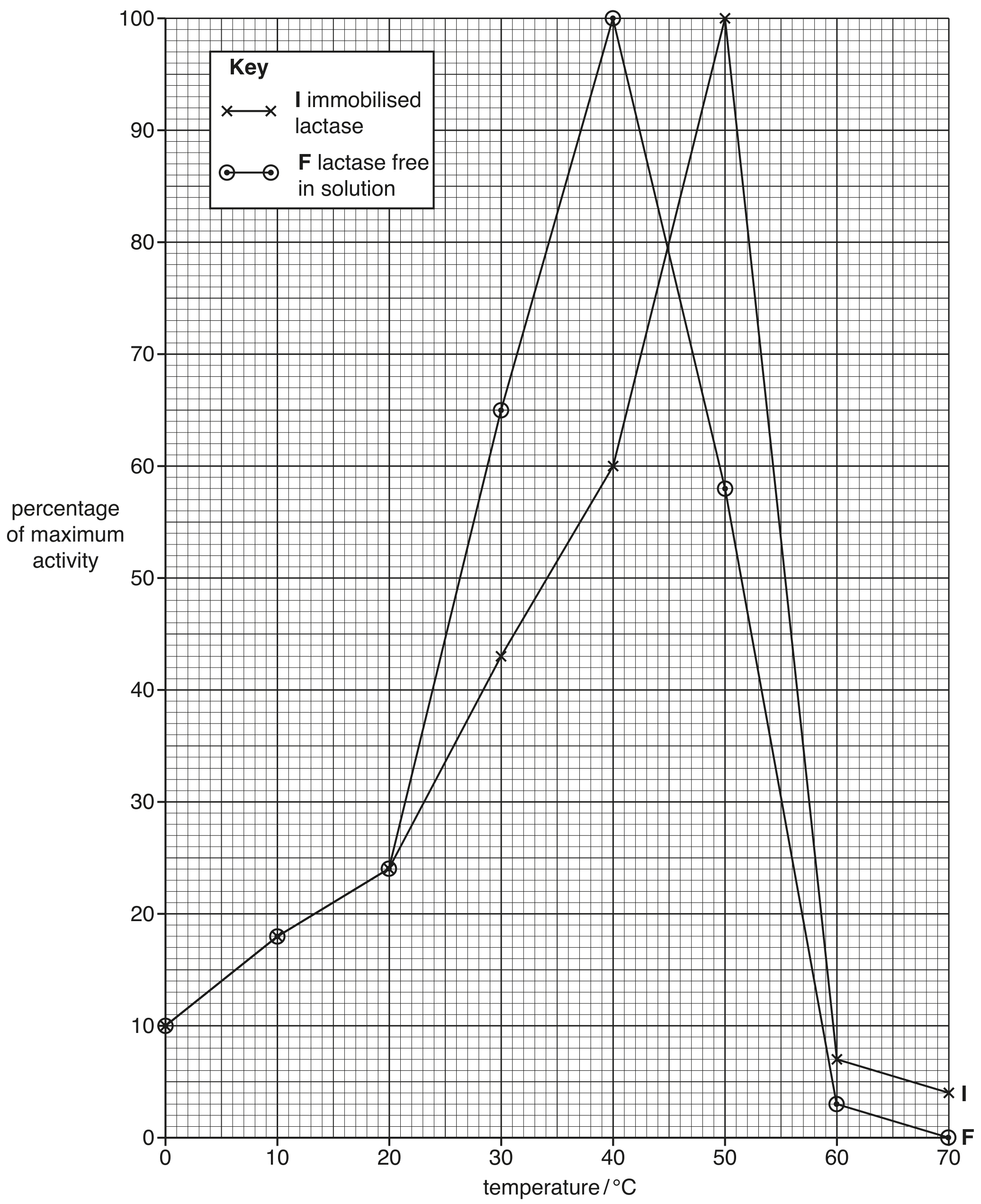
Fig. 2.2 shows the results of the investigation to determine the effects of temperature on the activity of lactase when it was immobilised, I, and when it was free in solution, F.

Fig. 2.2

Fig. 2.2

With reference to Fig. 2.2, compare the effect of temperature on the activity of immobilised lactase, I, and lactase free in solution, F.

[ 3 ]
[Maximum number: 16]

Phosphate ions have a number of uses in organisms. These include:
- involvement in cell signalling responses
- involvement in energy transfer processes
- component of phospholipids
- component of nucleotides.

Phosphatase enzymes remove phosphate groups from organic compounds, while kinase enzymes add phosphate groups.
(a) Read the following passage:

Some hormones circulating in the blood are able to trigger transcription within a cell, even though they are unable to enter the cell. Phosphatases and kinases then take part in cell activities that eventually result in genes switching on and transcription beginning.
(i) Suggest why the hormones, referred to in the passage, are unable to enter the cell.
(ii) Use the information in the passage to outline the process of cell signalling.
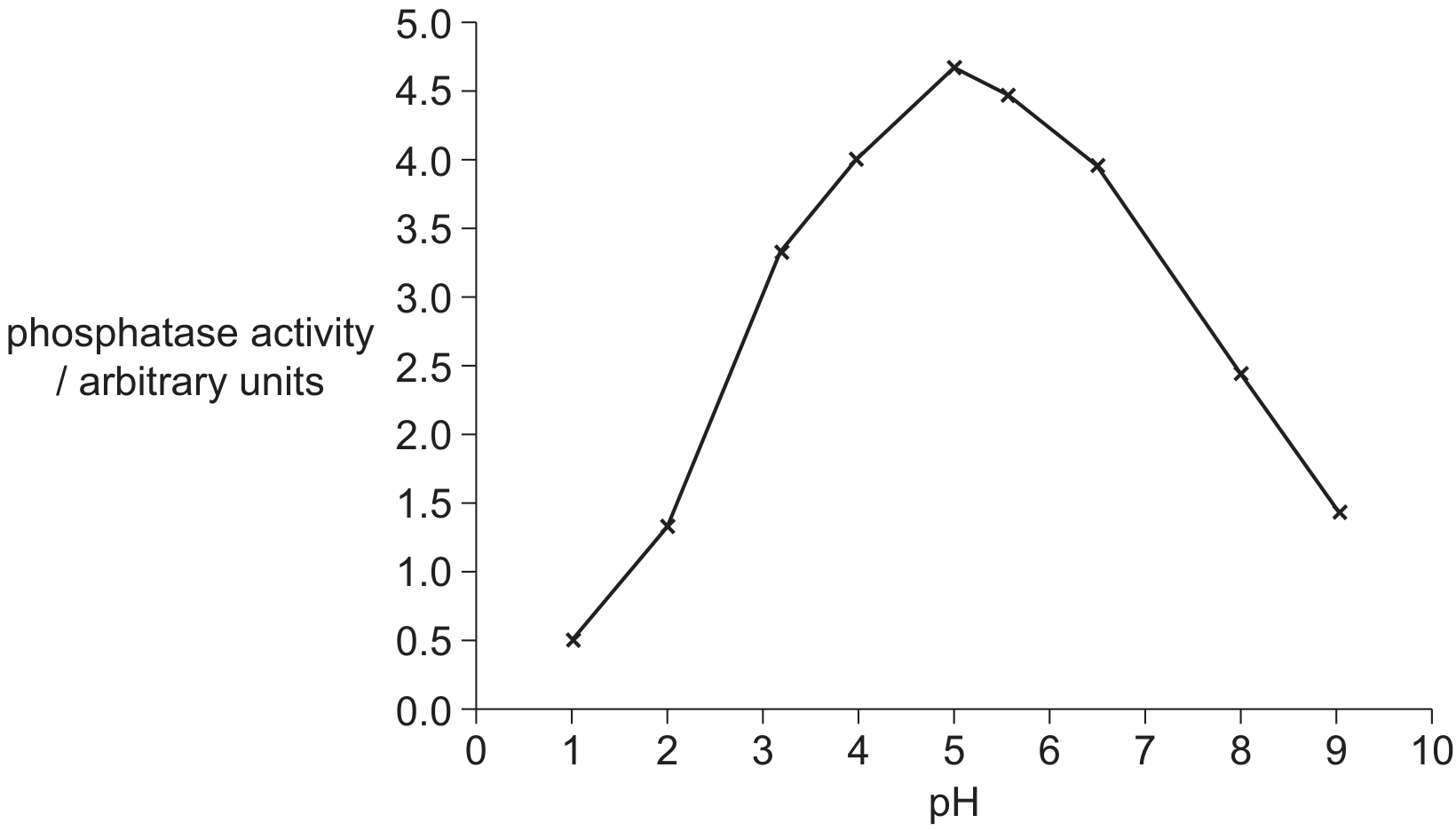
(b) The activity of a phosphatase enzyme was measured at different values of pH by using nine different buffer solutions. The temperature was kept constant at 30C30^{\circ} \mathrm{C}.

The results are shown in Fig. 4.1.

Fig. 4.1

Fig. 4.1

(i) With reference to Fig. 4.1, describe the effect of pH on the activity of phosphatase.
(ii) Explain why the activity of phosphatase at pH 1 is very low.
(c) DNA can be produced commercially for use in genetic engineering. Sometimes dephosphorylated DNA is required. This involves removal of the terminal phosphate groups using immobilised phosphatases.
(i) State one way of immobilising an enzyme.
(ii) Apart from a cost benefit, suggest one advantage of using immobilised phosphatase to produce dephosphorylated DNA.
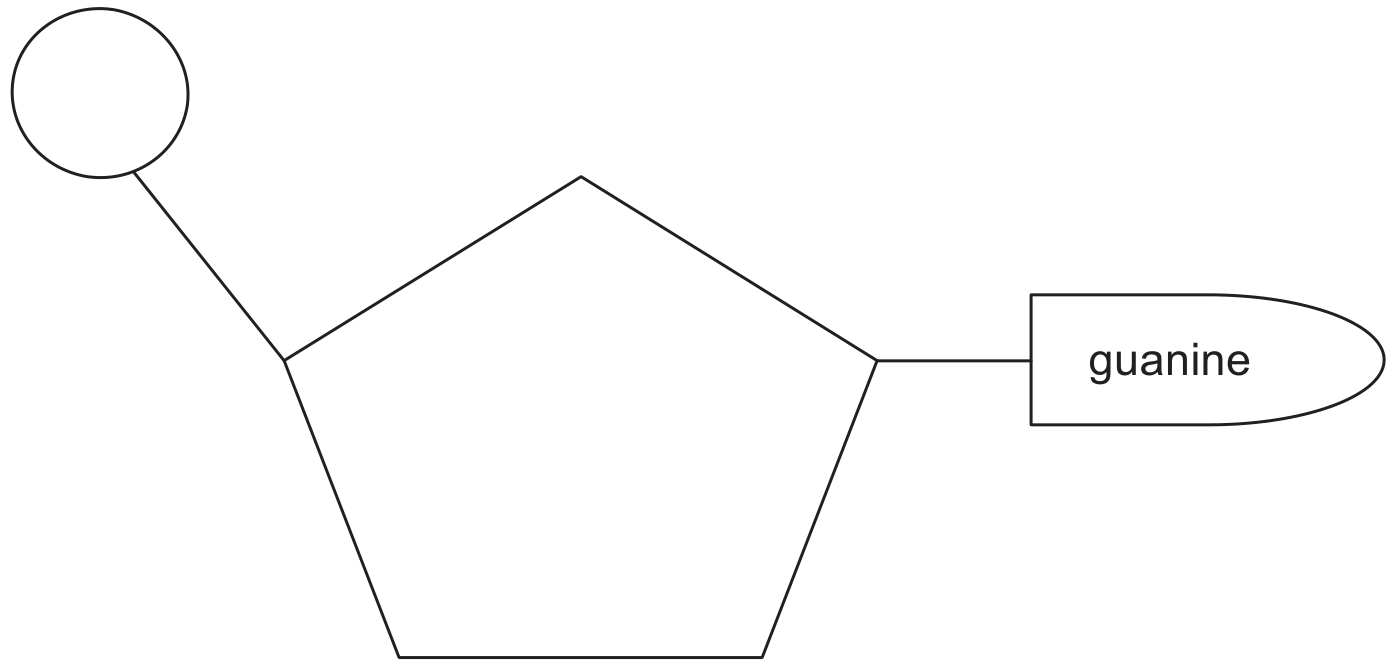
(d) Fig. 4.2 represents a DNA nucleotide.

Fig. 4.2

Fig. 4.2

Compare the structure of an ATP molecule with the DNA nucleotide shown in Fig. 4.2.

0