EduNinja
(a)

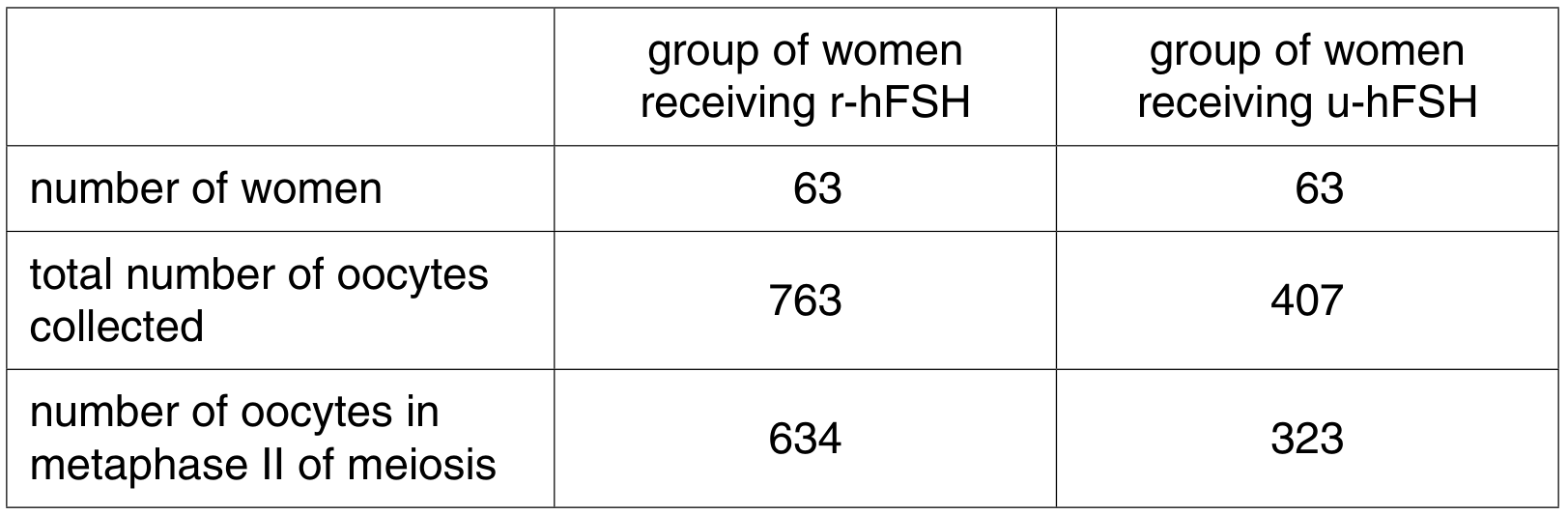
Two groups of women who were being prepared for ICSI were injected at daily intervals with either r-hFSH or with u-hFSH.

The results of their treatment are shown in Table 2.1.

Table 2.1

Table 2.1

With reference to Table 2.1, compare the effects of treatment with r-hFSH and u-hFSH and suggest an explanation for any differences.

[ 3 ]
(b)

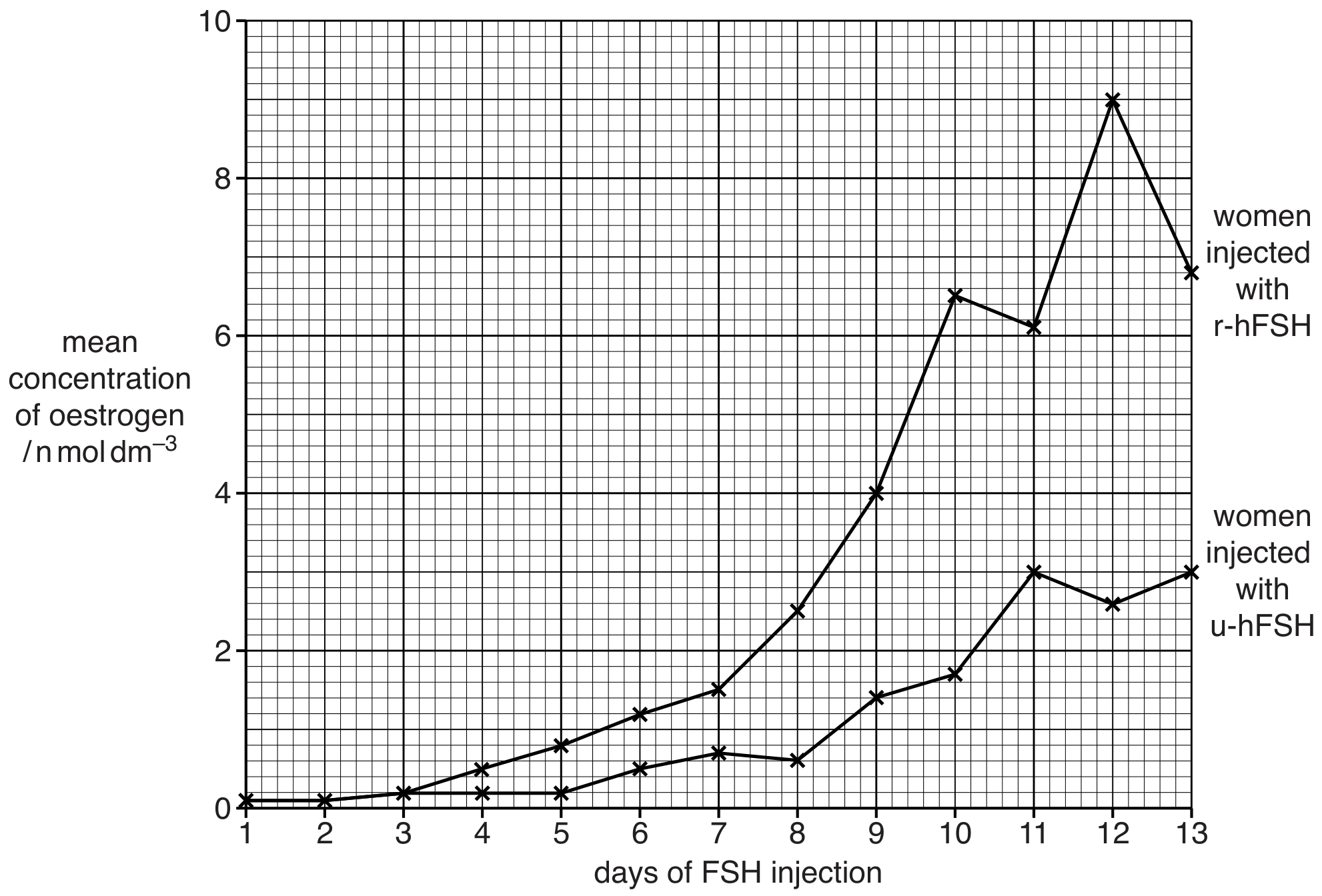
Whilst the two groups of women described in (d) were being injected at daily intervals with FSH, the concentrations of oestrogen in their blood were measured.

The results are shown in Fig. 2.1.

Fig. 2.1

Fig. 2.1

[ 3 ]
(i)

With reference to Fig. 2.1, compare the results for the two groups of women.

[ 3 ]
(a)

Lactose intolerance and lactose persistence were investigated in a test population in Europe. The mutation which causes lactose persistence is in a regulatory gene (T/t).
- People with lactose intolerance have the genotype tt.
- People with lactose persistence have the genotypes TT and Tt.
- 166 people were tested for their genotype.
- 58 people were found to have lactose intolerance.

[ 5 ]
(i)

The Hardy-Weinberg principle can be used to calculate allele, genotype and phenotype frequencies in populations.

The Hardy-Weinberg equations are shown in Fig. 2.1:

p+q=1p2+2pq+q2=1\begin{aligned} & p+q=1 \\ & p^{2}+2 p q+q^{2}=1 \end{aligned}

Calculate the frequency of allele T.
Show your working.
> frequency of allele T=

[ 3 ]
(ii)

When the calculated phenotype frequencies were compared to those in the general population in Europe, it was found that the percentage of people with lactose intolerance in this test population was much higher than in the general population.

Suggest two reasons why the percentage of people with lactose intolerance was much higher in the test population than in the general population.

[ 2 ]
[Maximum number: 5]

Scientists have found very little evolutionary change in populations of two Australian songbirds, the zebra finch, Taeniopygia guttata castanotis, and the budgerigar, Melopsittacus undulatus.

(a)

The Hardy-Weinberg principle is used to calculate allele, genotype and phenotype frequencies in populations.
- A breeder of birds keeps a population of 86 budgerigars in one enclosed area.
- Two distinct phenotypes are present, blue feathers and green feathers.
- Feather colour is controlled by one gene:
- G is the allele for green feathers
- g is the allele for blue feathers.
- Only 17 of the budgerigars have blue feathers.

[ 5 ]
(i)

The Hardy-Weinberg equations are shown in Fig. 2.2.

p+q=1p2+2pq+q2=1\begin{aligned} & p+q=1 \\ & p^{2}+2 p q+q^{2}=1 \end{aligned}

Calculate the number of heterozygous individuals in the population.
Show your working.

number =
[ 3 ]
(ii)

The Hardy-Weinberg principle cannot be applied to all populations.

State two conditions when the Hardy-Weinberg principle cannot be applied.
1

2

[ 2 ]
[Maximum number: 7]

Cystic fibrosis is an autosomal recessive genetic disease. People with cystic fibrosis have a homozygous recessive genotype.

(a)
(i)

In 2020:
- there were 10800 people with cystic fibrosis in the UK
- the UK population was estimated to be 67100000 people.
A proportion of people in the UK population are heterozygous for the gene that causes cystic fibrosis and do not have symptoms of the disease.
Use the Hardy-Weinberg principle to calculate the number of people in the UK population who are expected to be heterozygous for the gene that causes cystic fibrosis.
The two equations for the Hardy-Weinberg principle are provided.
equation 1

p+q=1

equation 2

p2+2pq+q2=1p^{2}+2 p q+q^{2}=1

p= frequency of the dominant allele
q= frequency of the recessive allele
p2=p^{2}= frequency of the homozygous dominant genotype
2 p q= frequency of the heterozygous genotype
q2=q^{2}= frequency of the homozygous recessive genotype
The first stage of the calculation has been completed for you.

q2=1080067100000q^{2}=\frac{10800}{67100000}

q=

p=

2 p q=
number of people in the UK expected to be heterozygous for the gene =
(ii) The Hardy-Weinberg principle provides a useful estimate of the number of people in the UK who are heterozygous for cystic fibrosis. However, the estimate is lower than the actual number. This underestimation occurs because not all the conditions of the Hardy-Weinberg principle apply.

In the UK in 2020, the mean life expectancy of:
- people with cystic fibrosis was approximately 50 years
- all people was approximately 80 years.

Explain how this information accounts for the underestimation of the number of people in the UK that are heterozygous for cystic fibrosis.
(c) A screening programme for cystic fibrosis was introduced in 2007 for all children born in the UK. Children are tested within seven days of their birth. Children identified from the screening programme as being at high risk of having cystic fibrosis can have a genetic test to confirm whether they have the disease.
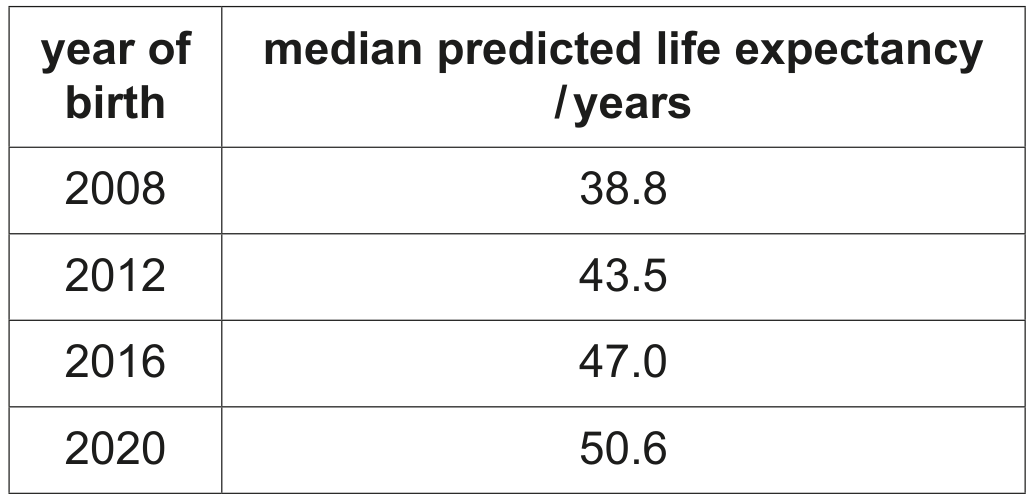
(i) Table 3.1 shows the median predicted life expectancy for people born in the UK who have cystic fibrosis. Predictions are shown for people born in 2008, 2012, 2016 and 2020.

Table 3.1

Table 3.1

Describe the trend shown in Table 3.1 and outline how early screening for cystic fibrosis may have contributed to this trend.
(ii) In many countries, a genetic test for cystic fibrosis is available to adults who do not have cystic fibrosis but have a family member who either has cystic fibrosis or is heterozygous for the gene that causes cystic fibrosis.

These adults include partners, parents, offspring, brothers and sisters of the family member. The aim is to find out if any of these adults are heterozygous for the gene that causes cystic fibrosis.

Discuss the ethical and social considerations of making a genetic test for cystic fibrosis available to these adults.

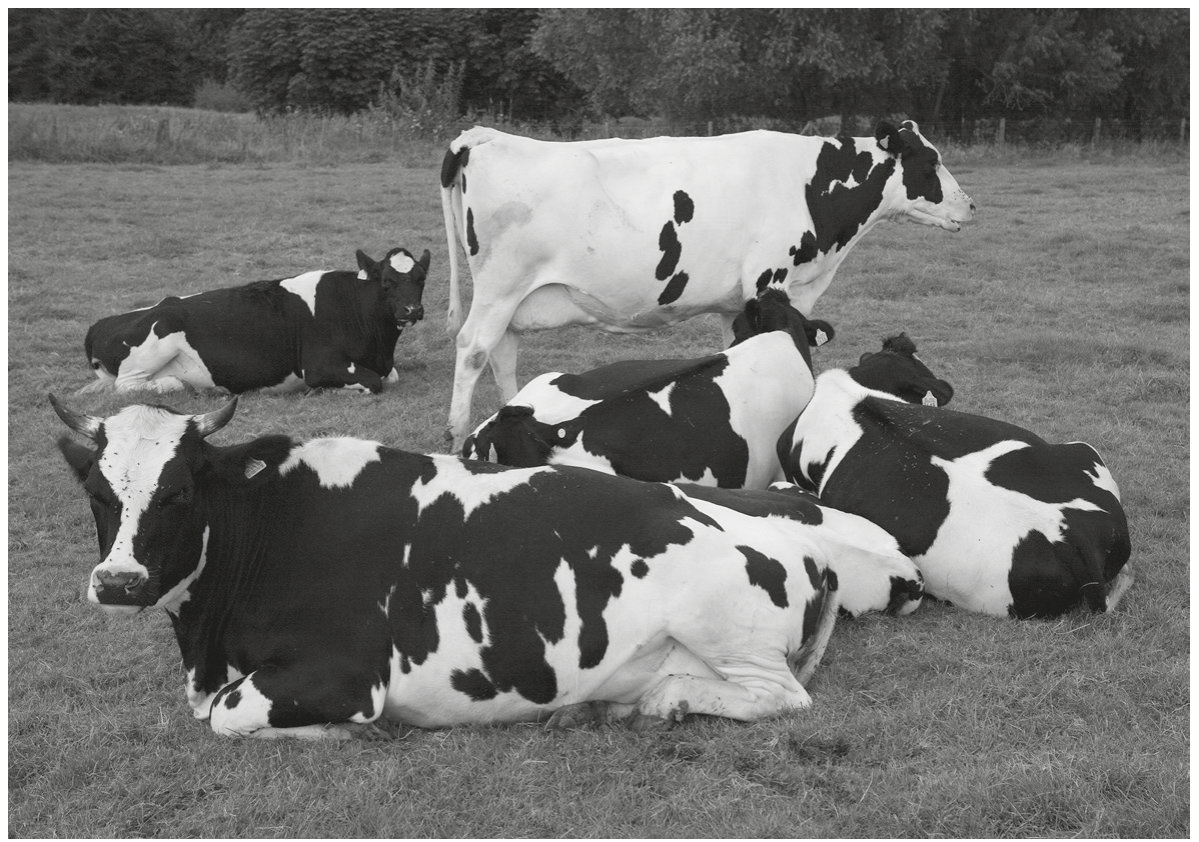
4 Holstein Friesian cattle are a breed of cattle used by dairy farmers in many countries of the world for the high milk yield of their cows.

Fig. 4.1 shows Holstein Friesian cattle.

Fig. 4.1

Fig. 4.1

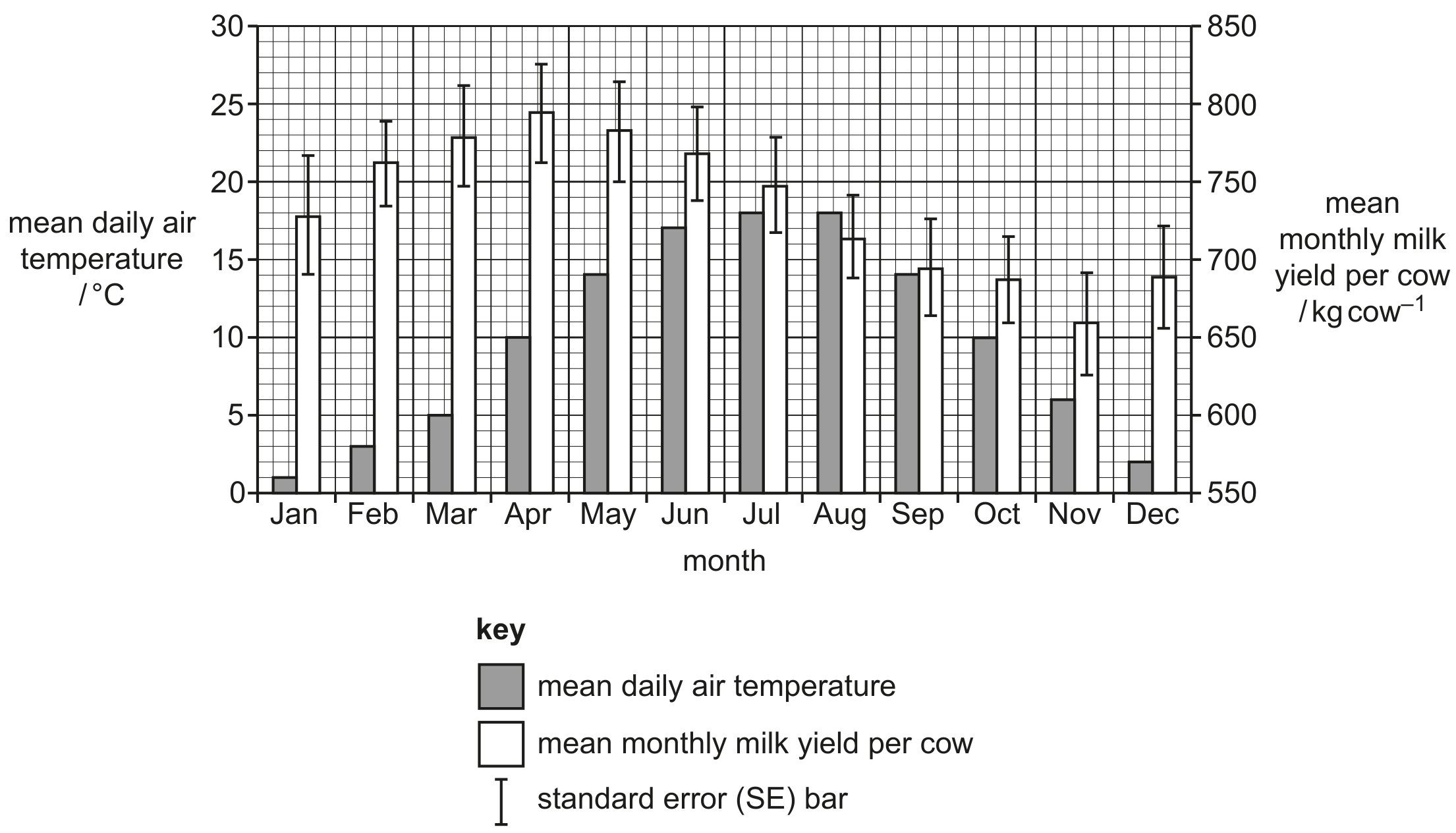
Milk yield in Holstein Friesian cattle is affected by heat stress. Heat stress occurs when homeostatic mechanisms are not enough to keep the body temperature down to normal levels.

One of the factors that contributes to heat stress is air temperature.

Fig. 4.2 shows:
- the mean daily air temperature in Central Europe
- the mean monthly milk yield per cow of Holstein Friesian cattle in Central Europe.

Fig. 4.2

Fig. 4.2

(a) With reference to Fig. 4.2, describe the trends in air temperature and milk yield from April to August.
(b) Many dairy farmers in tropical regions use cattle breeds that are tolerant to heat stress (heat-tolerant cattle). These heat-tolerant cattle:
- can tolerate higher air temperatures than Holstein Friesian cattle before heat stress occurs
- have milder symptoms of heat stress than Holstein Friesian cattle for the same high air temperatures.

Where heat stress does not occur, heat-tolerant cattle produce a lower milk yield than Holstein Friesian cattle under the same conditions.

Scientists compared DNA sequences of Holstein Friesian cattle and heat-tolerant cattle for a number of genes known to have an effect on body temperature.

Twenty genes were found that had alleles associated only with heat-tolerant cattle.
With reference to the information provided, including the data in Fig. 4.2:
- state the type (pattern) of phenotypic variation shown by milk yield in cattle
- identify factors that cause phenotypic variation in milk yield in cattle.

In each case, give a reason for your choice.
type (pattern) of phenotypic variation and reason for choice
factors that cause phenotypic variation and reason for each choice
(c) The scientists found that one of the genes studied, P R L R, has a dominant allele known as SLICK. The SLICK allele was identified in Senepol cattle, a heat-tolerant breed, and is not found in Holstein Friesian cattle.

Cattle with the SLICK allele have short hair due to reduced hair growth.
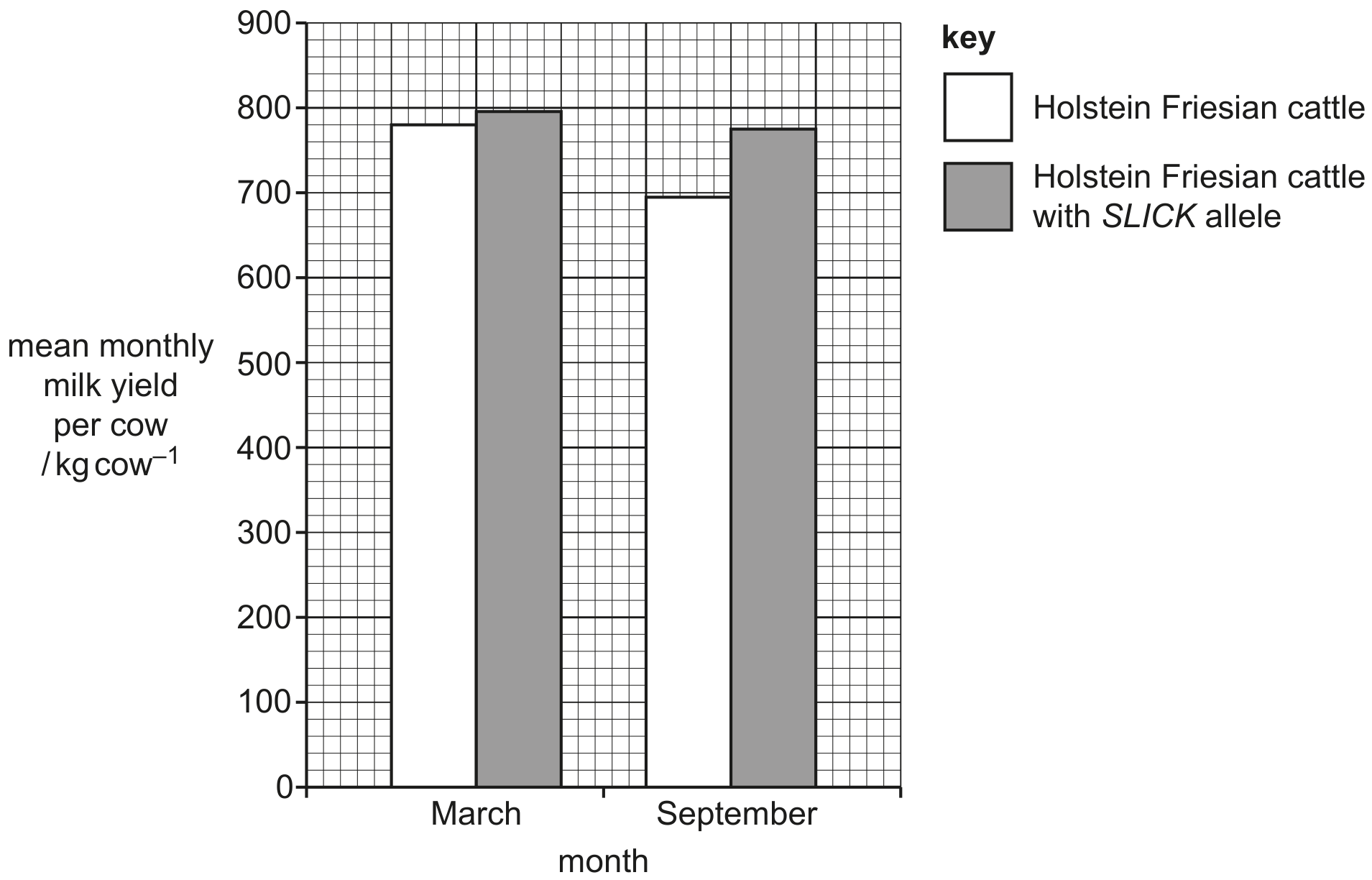
Scientists have used selective breeding to introduce the SLICK allele into Holstein Friesian cattle. The milk yields of normal Holstein Friesian cattle and Holstein Friesian cattle with the SLICK allele are shown in Fig. 4.3, during:
- March, when the mean daily air temperature is 5C5^{\circ} \mathrm{C}.
- September, when the mean daily air temperature is 14C14^{\circ} \mathrm{C}.

Fig. 4.3

Fig. 4.3

With reference to Fig. 4.3, describe the effect of the SLICK allele on milk yield in Holstein Friesian cattle.
(d) The SLICK allele differs from the recessive allele by a single nucleotide deletion. This results in a frameshift mutation and introduces a premature stop codon in the P R L R gene.

Scientists can use gene editing to replicate this mutation in Holstein Friesian cattle. This provides a way to introduce the SLICK allele into Holstein Friesian cattle without selective breeding.

Compare gene editing and selective breeding for introducing the SLICK allele into Holstein Friesian cattle.

Include similarities and differences in your answer.

5 Complete the following paragraphs using the most appropriate word or words.

The theory of evolution describes a process that can lead to the formation of new species from pre-existing species over .

DNA sequence data of different species can be compared to show evolutionary relationships. Two species that have a more recent common ancestor share more in the DNA nucleotide sequences of their genomes than two species that are more distantly related.

Mitochondrial DNA can also be used in the study of evolutionary relationships. Mitochondrial DNA is inherited only from the female gamete, and its nucleotide sequence is unaffected by during the production of gametes.

DNA sequence data can be stored in large biological , allowing faster comparison of the nucleotide sequences of genomes using computer software. DNA sequence data can also be used to predict the sequences of proteins produced by a species.

A can be used to detect many different mRNA molecules at the same time in studies that compare gene expression between different species.

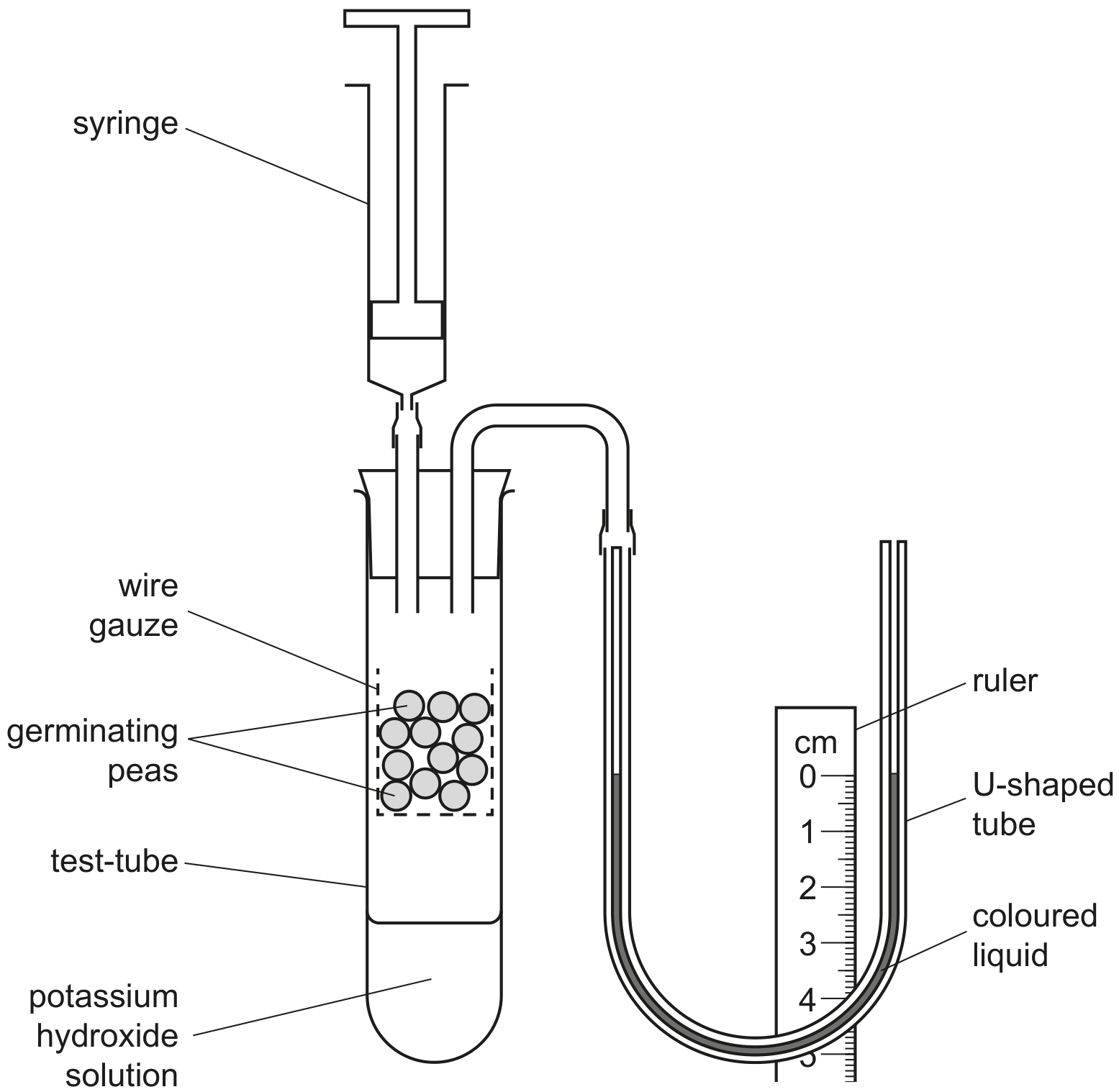
6 A respirometer is a piece of apparatus that can be used to measure the rate of respiration of living tissue such as germinating peas.

A simple respirometer is shown in Fig. 6.1.

Fig. 6.1

Fig. 6.1

A student carried out an investigation to determine the effect of temperature on the rate of respiration of germinating peas.
- The student set up the respirometer as shown in Fig. 6.1 and placed the respirometer in a water-bath at 10C10^{\circ} \mathrm{C}.
- After five minutes, the student used the syringe to adjust the position of the coloured liquid in the right-hand side of the U-shaped tube so that it lined up with 0 cm on the ruler. The student immediately started a timer.
- The germinating peas used up oxygen, causing the coloured liquid in the U-shaped tube to move.
- The student measured the distance moved by the coloured liquid after 20 minutes.
- The student repeated the experiment at temperatures of 20C,30C,40C20^{\circ} \mathrm{C}, 30^{\circ} \mathrm{C}, 40^{\circ} \mathrm{C} and 50C50^{\circ} \mathrm{C}.
(a) State the function of the potassium hydroxide solution used in the investigation.
(b) Suggest how the validity of the results could be assessed.
(c) Explain why the respirometer was left in the water-bath for five minutes before starting the experiment.
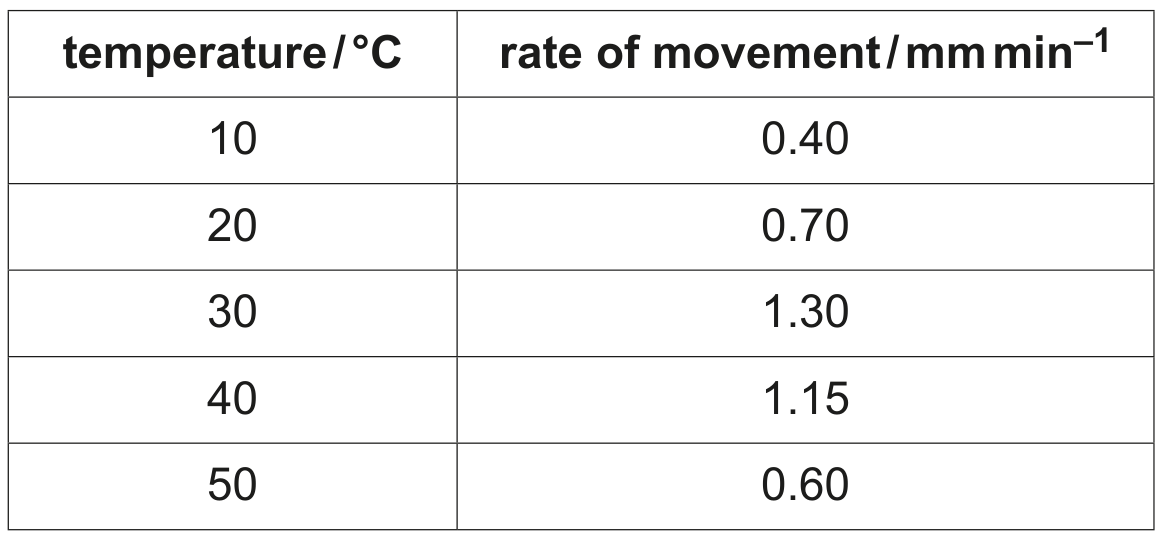
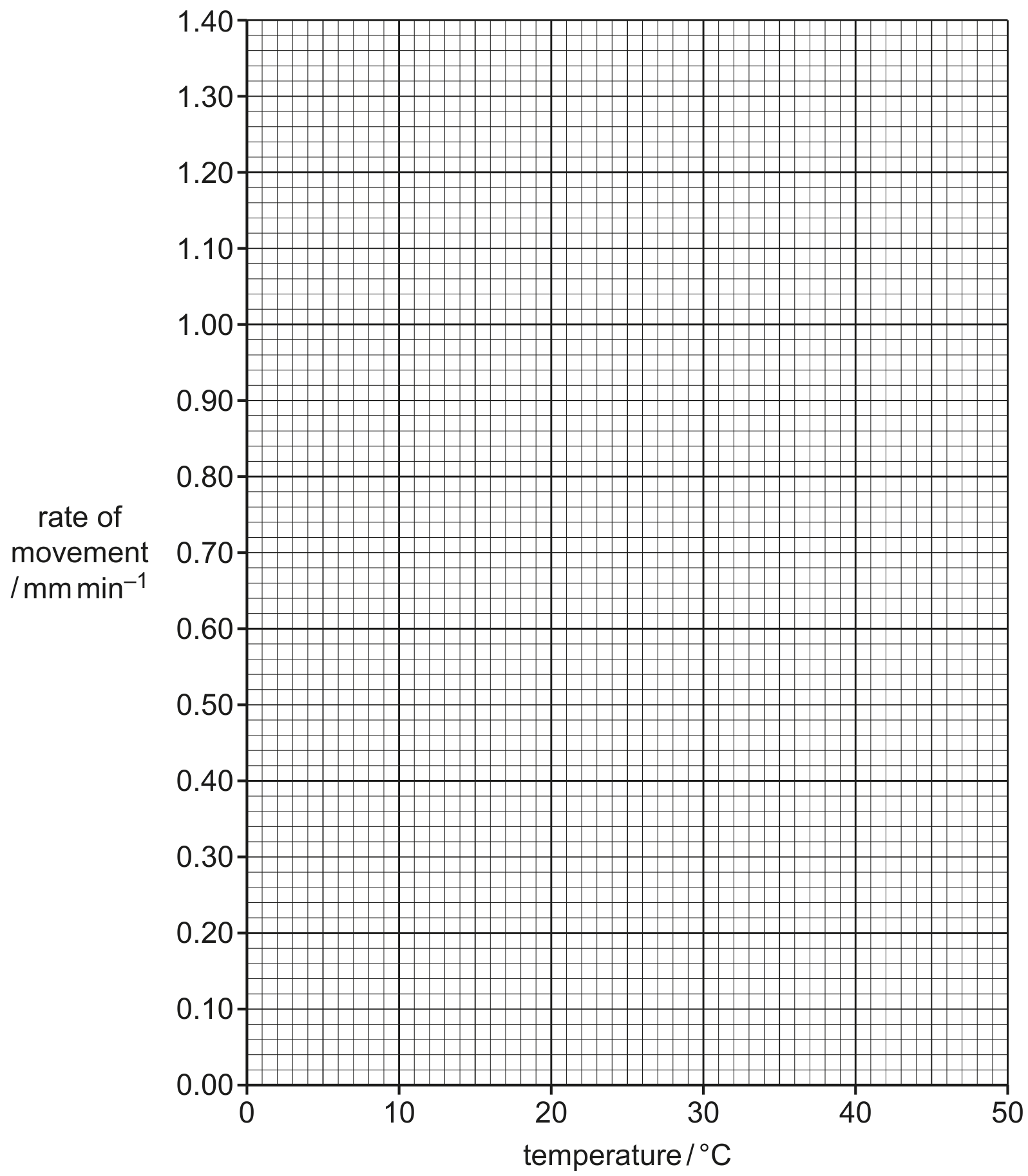
(d) The rate of movement of the coloured liquid in the U-shaped tube, calculated from the results, is shown in Table 6.1.

Table 6.1

Table 6.1

Plot a graph of the results shown in Table 6.1 on the grid in Fig. 6.2. Draw a curved line of best fit.

Fig. 6.2

Fig. 6.2

(e) The rate of movement of the coloured liquid is related to the rate of respiration.

Explain the effect of temperature on the rate of respiration shown in Table 6.1 and Fig. 6.2.

[ 7 ]
[Maximum number: 3]

The Bacillus Calmette-Guérin (BCG) vaccine is the only vaccine used to provide protection against the infectious bacterial disease tuberculosis (TB). Most countries of the world have a BCG vaccination programme.

(a)

Countries are classified by the World Bank into one of four income groups.

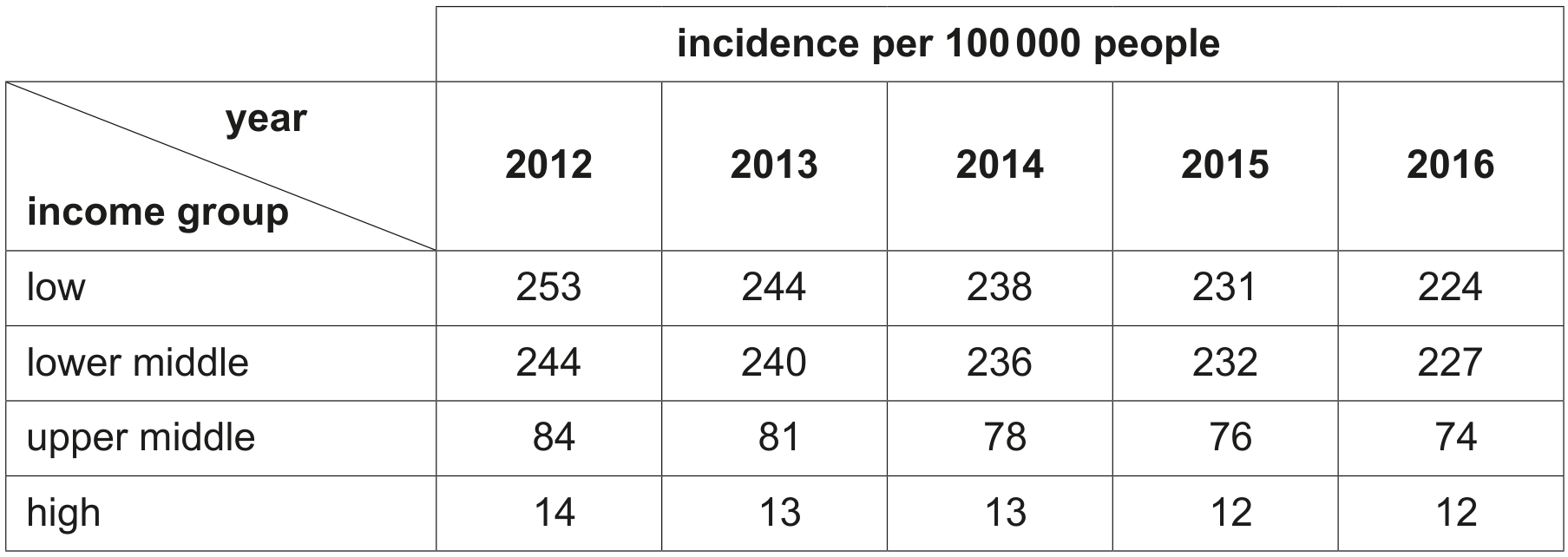
Table 3.1 shows the estimated incidence of TB for 2012 to 2016 for these income groups.
The incidence represents the number of new cases of TB occurring per 100000 people in one year. The new cases include the number of cases that have occurred again after a period of recovery (relapse TB).

Table 3.1

Table 3.1

Describe the patterns and trends shown in Table 3.1.

[ 3 ]
[Maximum number: 3]

There are more than 600 plant species in the genus Ipomoea. Many species are grown for their attractive flowers, and some species are used as crop plants.

(a)

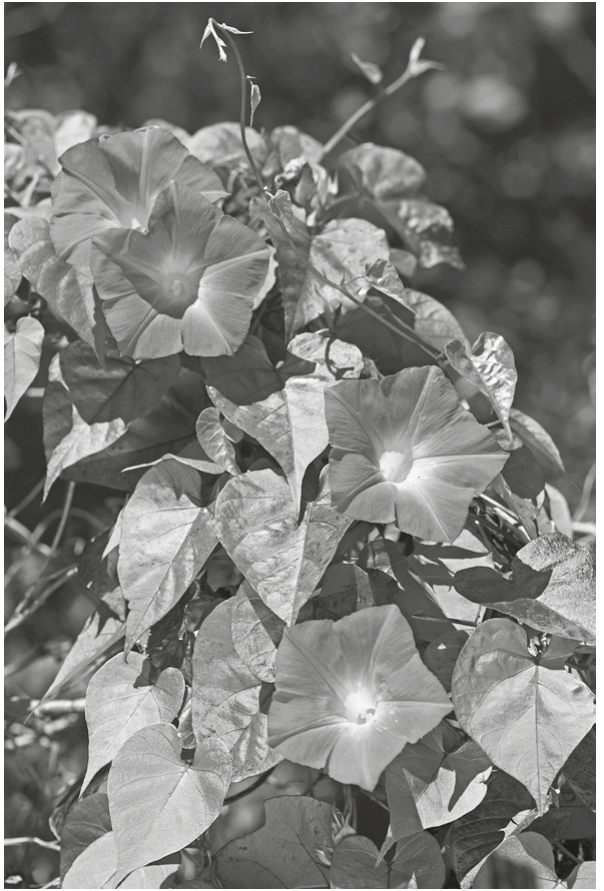
Fig. 3.1 shows Ipomoea purpurea, the common morning glory.

Fig. 3.1

Fig. 3.1

The gene that determines flower colour in I. purpurea has two alleles:
- a dominant allele that results in purple flowers
- a recessive allele that results in red flowers.

A student recorded the flower colour of all the I. purpurea plants in a field.
The student recorded 660 plants with purple flowers and 440 plants with red flowers.
Assuming the Hardy-Weinberg principle applies to this population, calculate the number of plants in the field that are heterozygous.

Use the equations:
p+q=1
p2+2pq+q2=1p^{2}+2 p q+q^{2}=1
Show your working and give your answer to the nearest whole number.

[ 3 ]
(a)

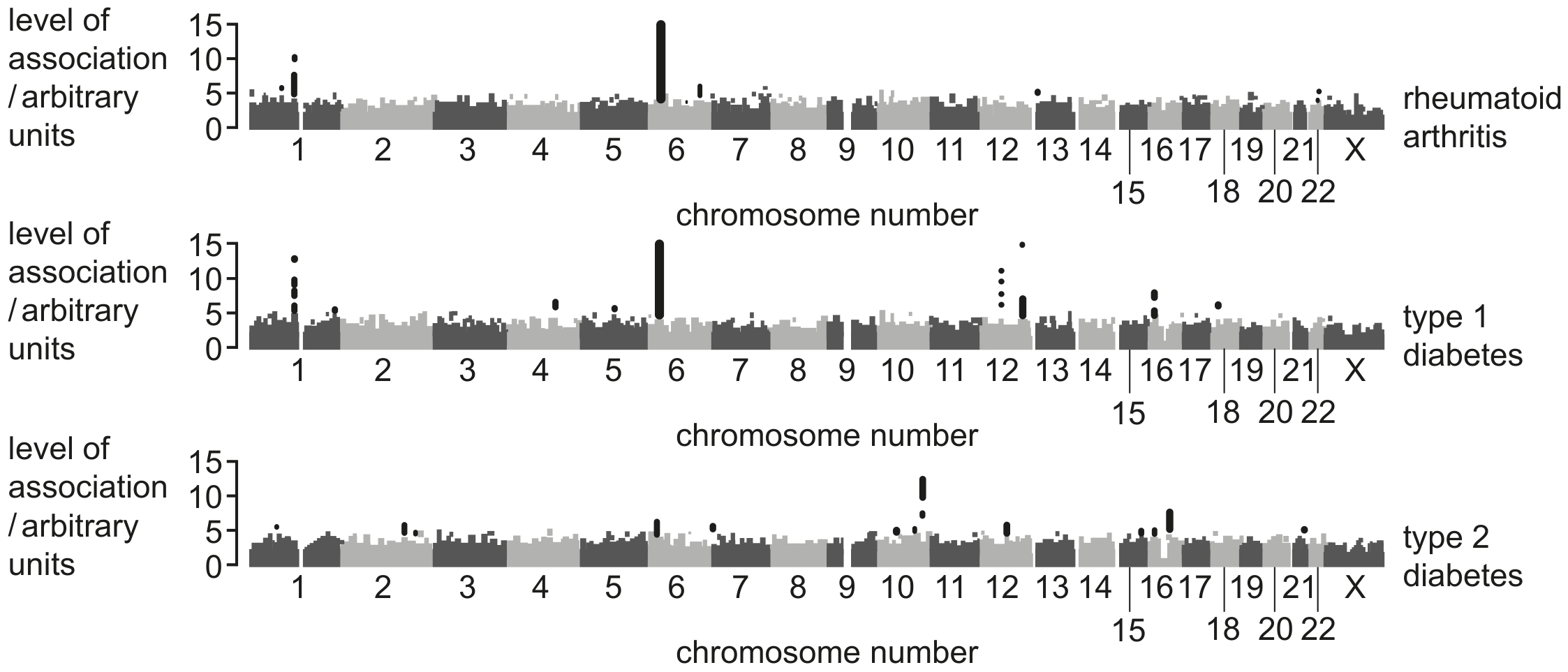
Fig. 4.1 summarises results for three diseases in the WTCCC study. The 22 human autosomes and the X chromosome (chromosome 23 ) are shown.

Chromosome locations with SNPs that are associated with a disease at a statistically significant level (greater than 5 arbitrary units) are shown in black.

Fig. 4.1

Fig. 4.1

[ 2 ]
(i)

With reference to Fig. 4.1, compare the genetic basis of the three diseases.

[ 2 ]
[Maximum number: 5]

The rainbow trout, Oncorhynchus mykiss, is a fish that is bred in commercial fish farms. Rainbow trout that have a blue-silver colour are sold at a higher price than rainbow trout that have a brown colour.

The number of fish with each of the different colours was recorded in a breeding population in one fish farm.
- population total =2936
- number of blue-silver fish =1437
- number of brown fish =1499

(a)

The colour of rainbow trout is controlled by a single autosomal gene with two alleles, one dominant and one recessive. The blue-silver colour occurs when a fish is homozygous for the recessive allele.

The formulae of the Hardy-Weinberg principle state that:

p+q=1p2+2pq+q2=1\begin{gathered} p+q=1 \\ p^{2}+2 p q+q^{2}=1 \end{gathered}

Use these formulae to calculate the expected number of brown fish that are homozygous, if the Hardy-Weinberg principle applies to this population.

Show your working.
answer =

[ 3 ]
(b)

Some scientists suggested that the Hardy-Weinberg principle did not apply in this situation because the rainbow trout were being kept in a commercial fish farm.

State two conditions that must be met by this commercial fish farm population for the Hardy-Weinberg principle to apply.

[ 2 ]
[Maximum number: 2]

Drug therapy is the main method of treating cases of malaria. A number of different drugs have been used to kill a species of the Plasmodium parasite that causes malaria.

Chloroquine was the main drug used in Africa for many years. In 1996 the newer drug, sulfadoxine

pyrimethamine (Fansidar ® { }^{\text {® }} ), was used instead and the use of chloroquine was discontinued.

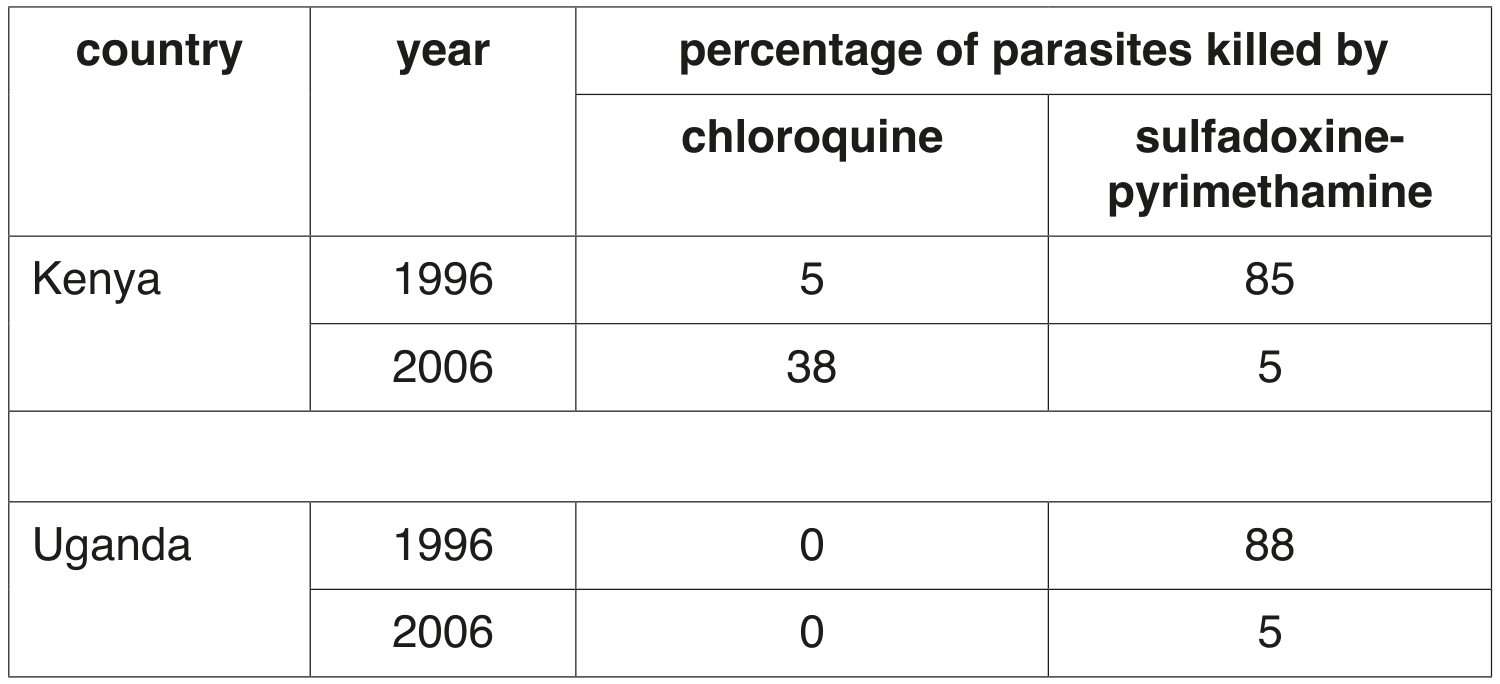
A study was carried out to estimate the percentage of parasites that were killed by the two different drugs in two countries in Africa.

The results of the study are shown in Table 4.1.

Table 4.1

Table 4.1

(a)

The life cycle of Plasmodium is very complex, with a number of stages. The stages that infect human beings are haploid.

Suggest why the Hardy-Weinberg principle cannot be used to calculate the frequency of the allele for chloroquine resistance.

[ 2 ]
0