EduNinja
(a)

The domestic dog, Canis familiaris, is found worldwide. It is able to breed with all other members of the genus to form fertile hybrids.

The distribution of some of the species belonging to the genus Canis is shown in Fig. 1.2.
The dingo and the grey wolf species have distinct ranges but the ranges of three species of jackal overlap in East Africa.
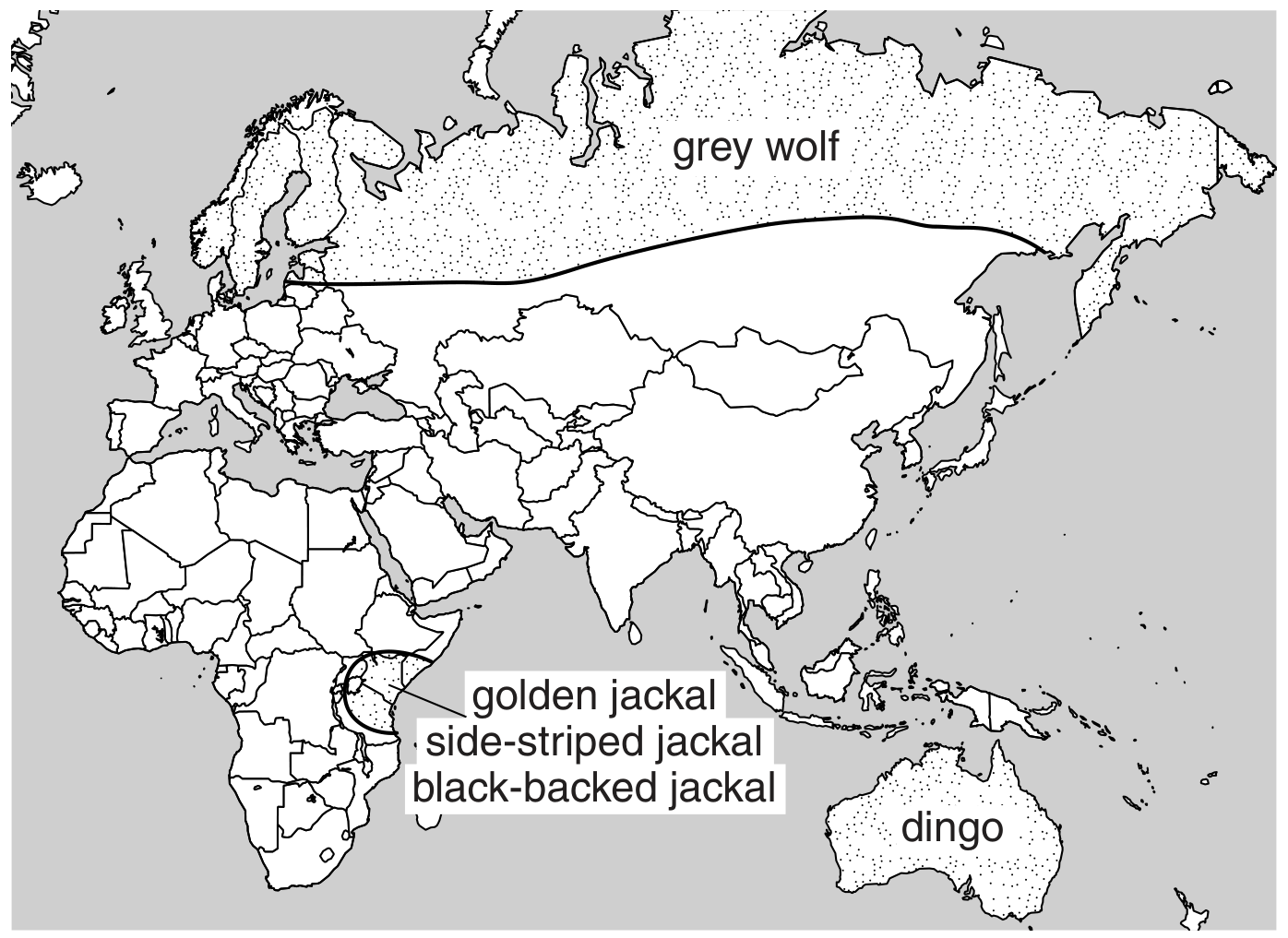
Fig. 1.2

Fig. 1.2

Table 1.1 shows whether members of different species of the genus Canis are able to breed with each other.
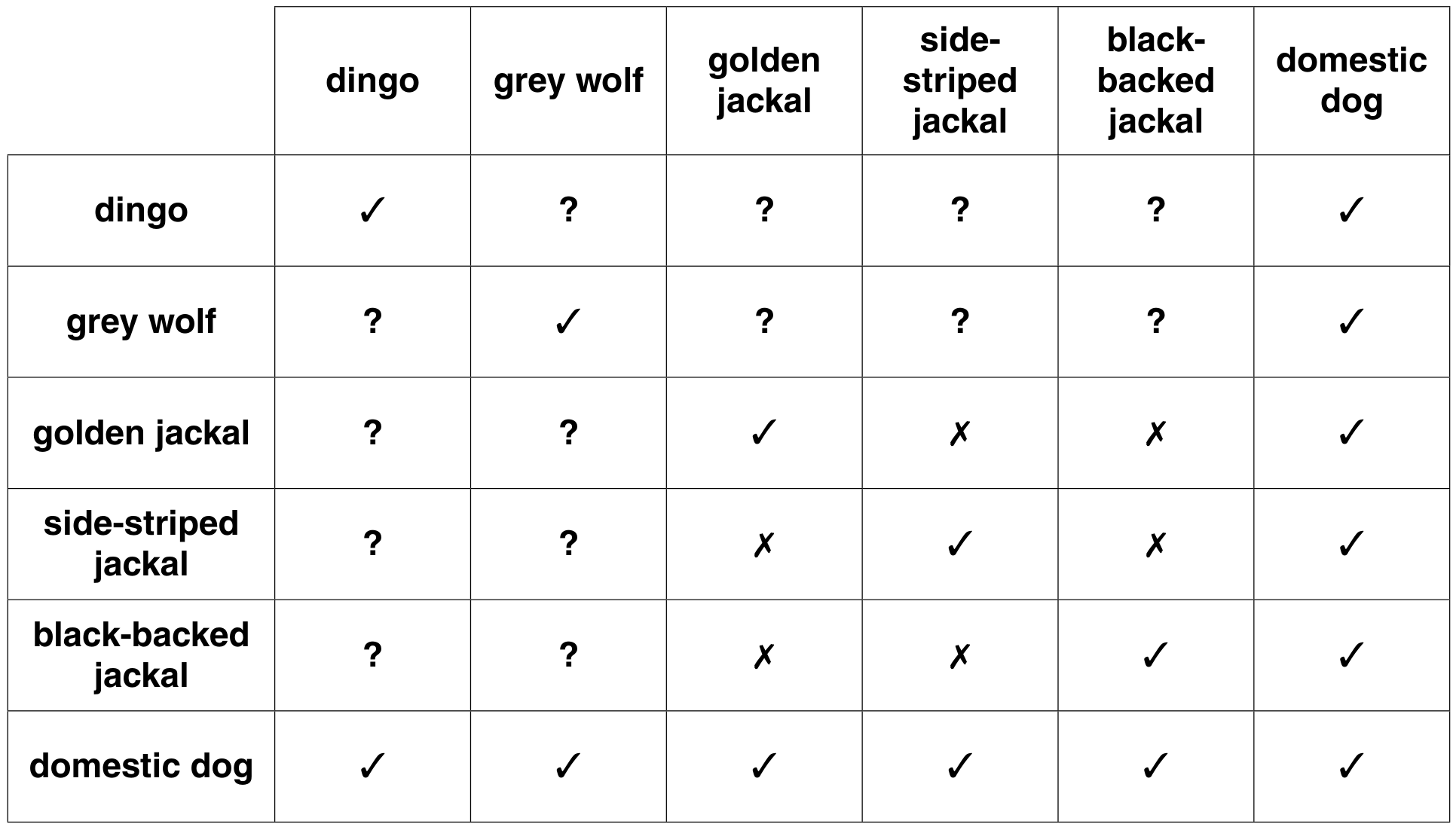
Table 1.1
key: \(\checkmark=\) able to interbreed \(\quad \boldsymbol{X

Table 1.1 key: \(\checkmark=\) able to interbreed \(\quad \boldsymbol{X

[ 2 ]
(i)

Suggest the type of isolating mechanism preventing:
- the three species of jackal interbreeding
- the dingo mating with all the other members of the genus Canis apart from the domestic dog.

[ 2 ]
(a)

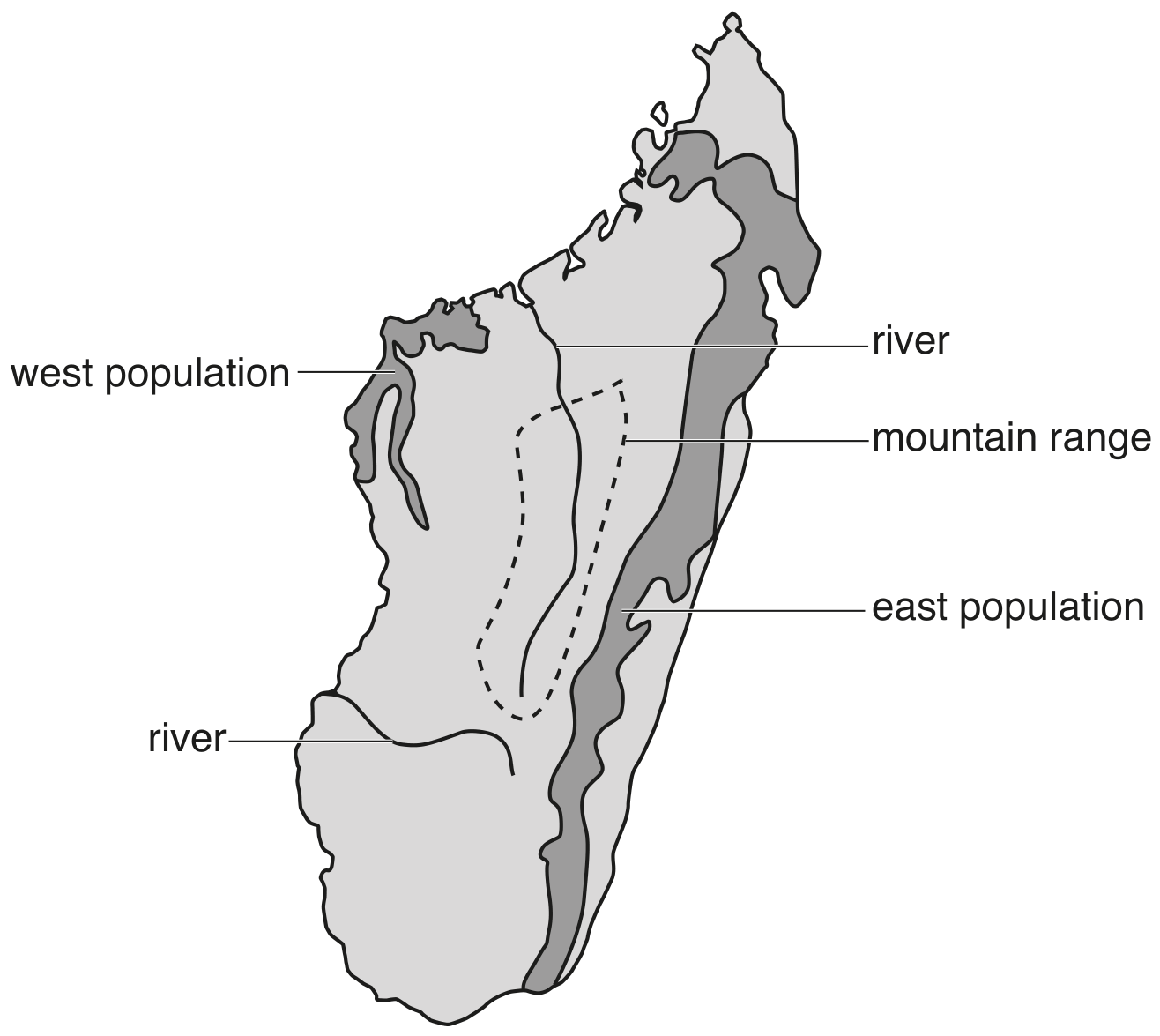
There are two main aye-aye populations on the island of Madagascar, one in the west and one in the east.

Fig. 1.2 is a map of Madagascar showing the location of the two main populations.

Fig. 1.2

Fig. 1.2

A study into the variation in the DNA nucleotide sequence of aye-ayes showed that there is a large genetic difference between the west and east populations. The two populations of aye-ayes may be evolving into separate species.

[ 3 ]
(i)

Name the type of speciation that may be occurring.

[ 1 ]
(ii)

Suggest and explain a pre-zygotic isolating mechanism that could prevent successful reproduction between aye-ayes of the two populations.

[ 2 ]
[Maximum number: 2]

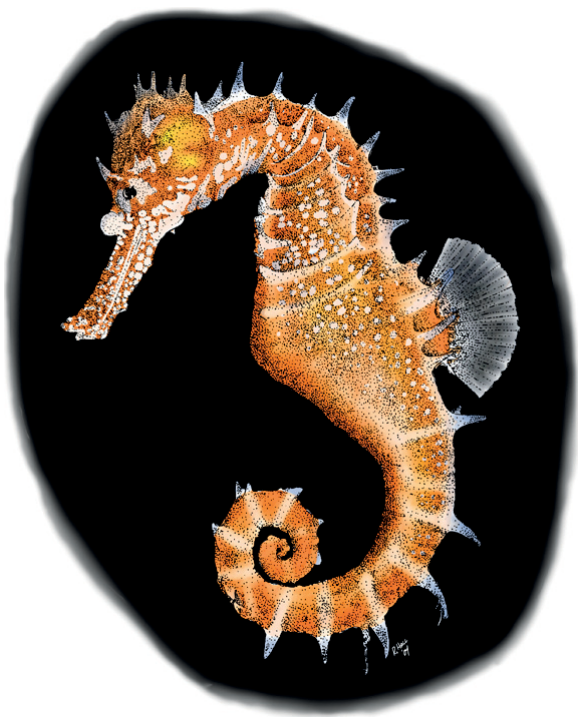
The seahorse, Hippocampus, is an unusual small fish. It gives birth to live young and it is the male rather than the female that becomes pregnant.

Fig. 1.1 shows a seahorse.

Fig. 1.1

Fig. 1.1

(a)

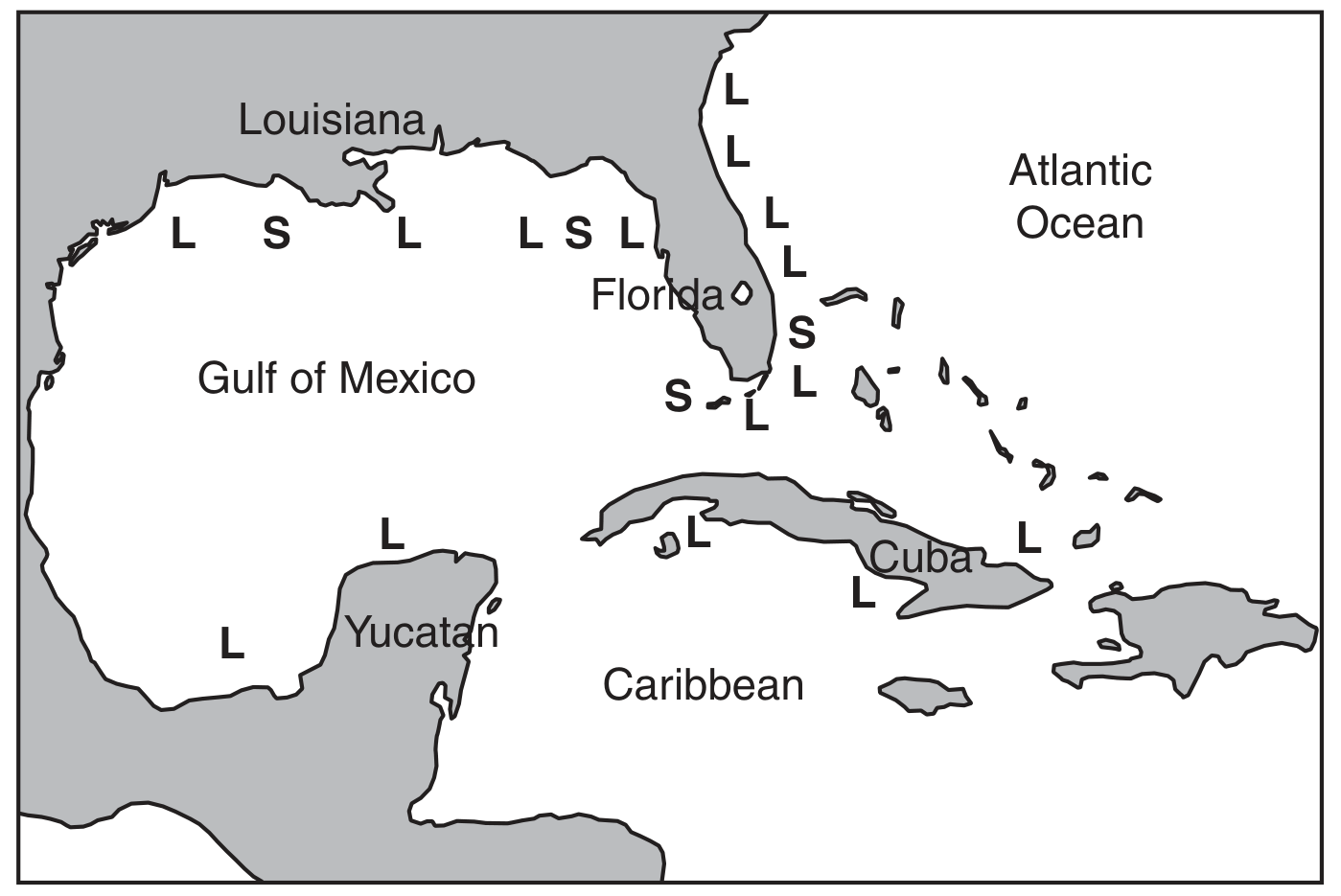
Two different species of seahorse are found in the coastal waters shown in Fig. 1.2.

Fig. 1.2

Fig. 1.2

Key: L = large seahorse H. erectus S = small seahorse H. zosterae

Suggest how these two different species of Hippocampus could have arisen.

[ 2 ]
(a)

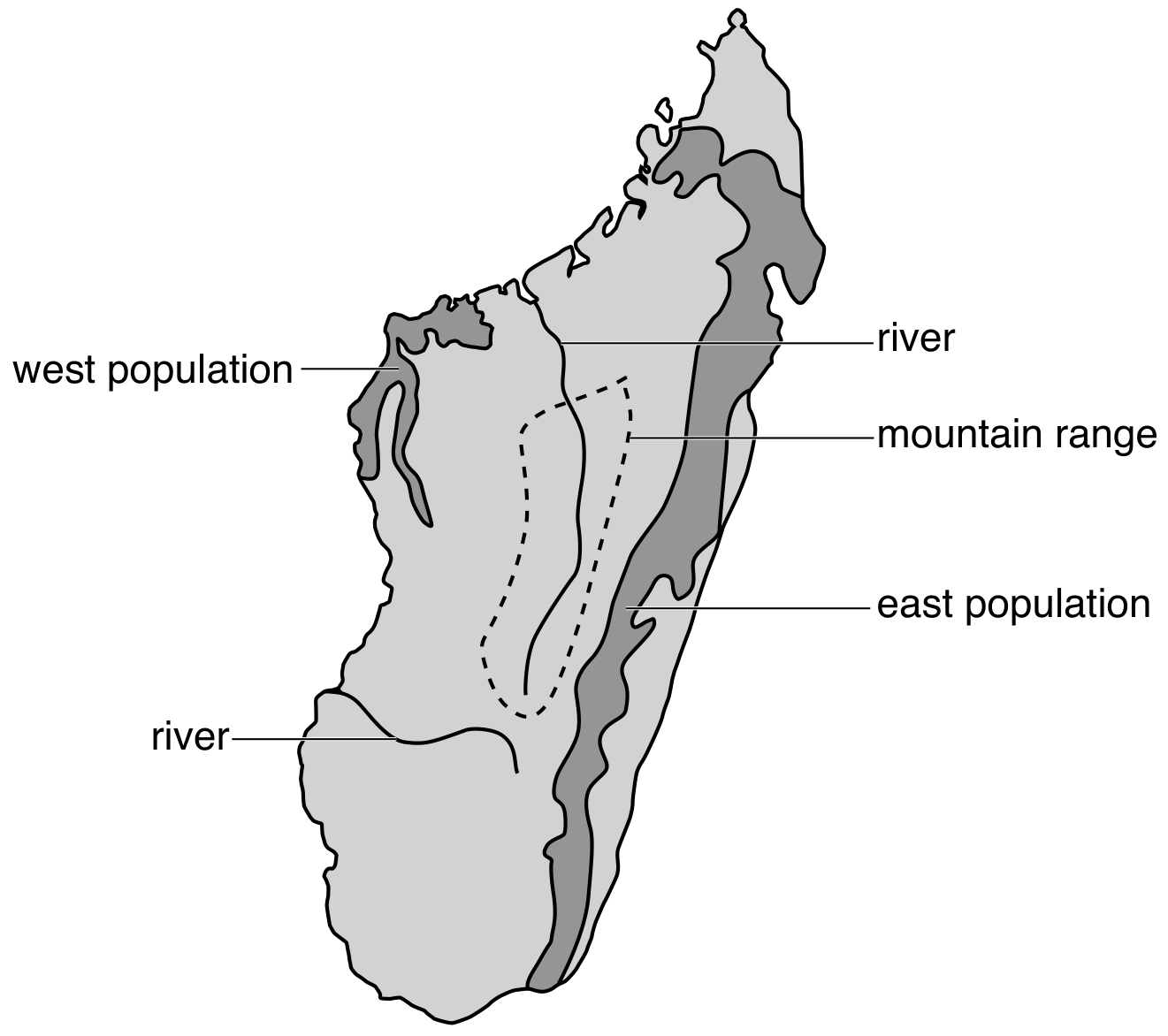
There are two main aye-aye populations on the island of Madagascar, one in the west and one in the east.

Fig. 1.2 is a map of Madagascar showing the location of the two main populations.

Fig. 1.2

Fig. 1.2

A study into the variation in the DNA nucleotide sequence of aye-ayes showed that there is a large genetic difference between the west population and east population. The two populations of aye-ayes may be evolving into separate species.

[ 6 ]
(i)

With reference to Fig. 1.2, suggest why there is a large genetic difference between the two populations.

[ 5 ]
(ii)

Name the type of speciation that is most likely to occur.

[ 1 ]
[Maximum number: 1]

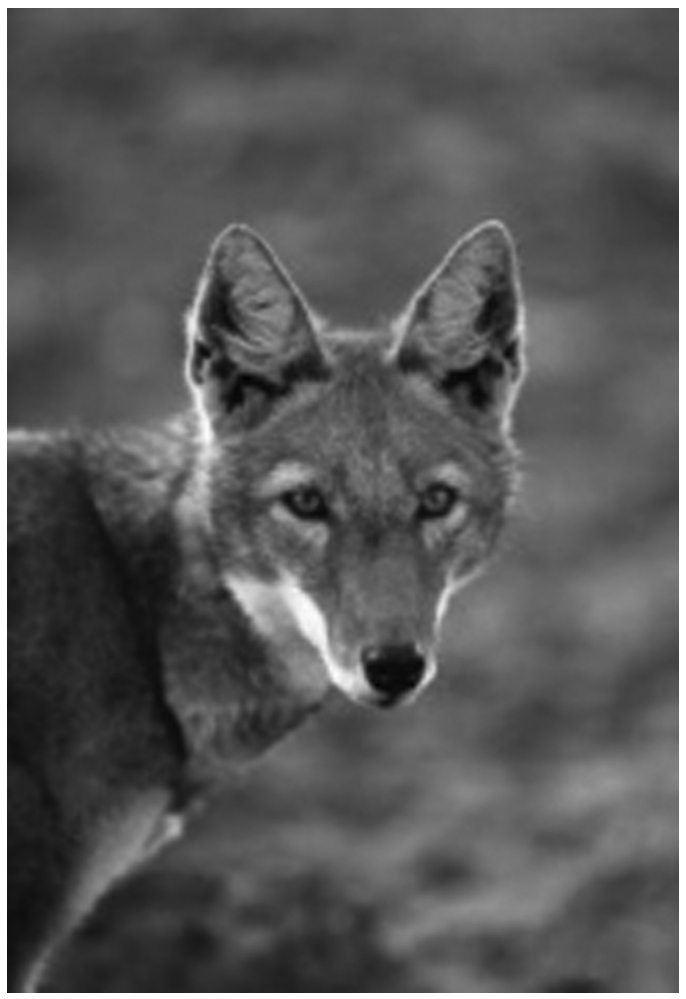
The Ethiopian wolf, Canis simensis, is a member of the Canidae family of carnivores.
Fig. 1.1 shows an Ethiopian wolf.

Fig. 1.1

Fig. 1.1

(a)

Ethiopian wolves evolved from an ancestor similar to the grey wolf that crossed into Northern Africa from Europe about 100000 years ago.

They live in the alpine grasslands and heathlands at, or above, 3000 m altitude in Ethiopia.

State the most likely type of speciation that led to the evolution of the Ethiopian wolf.

[ 1 ]
[Maximum number: 6]

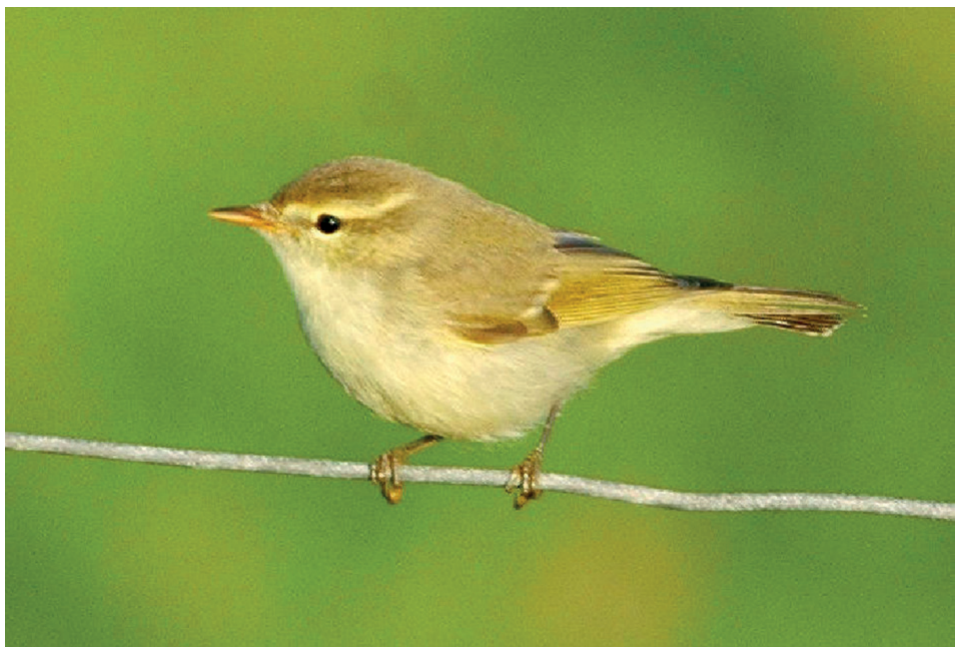
The greenish warbler, Phylloscopus trochiloides, is a species of small bird that originated in northern India, on the southern edge of the Himalayan mountain range.

Fig. 1.1 shows a greenish warbler.

Fig. 1.1

Fig. 1.1

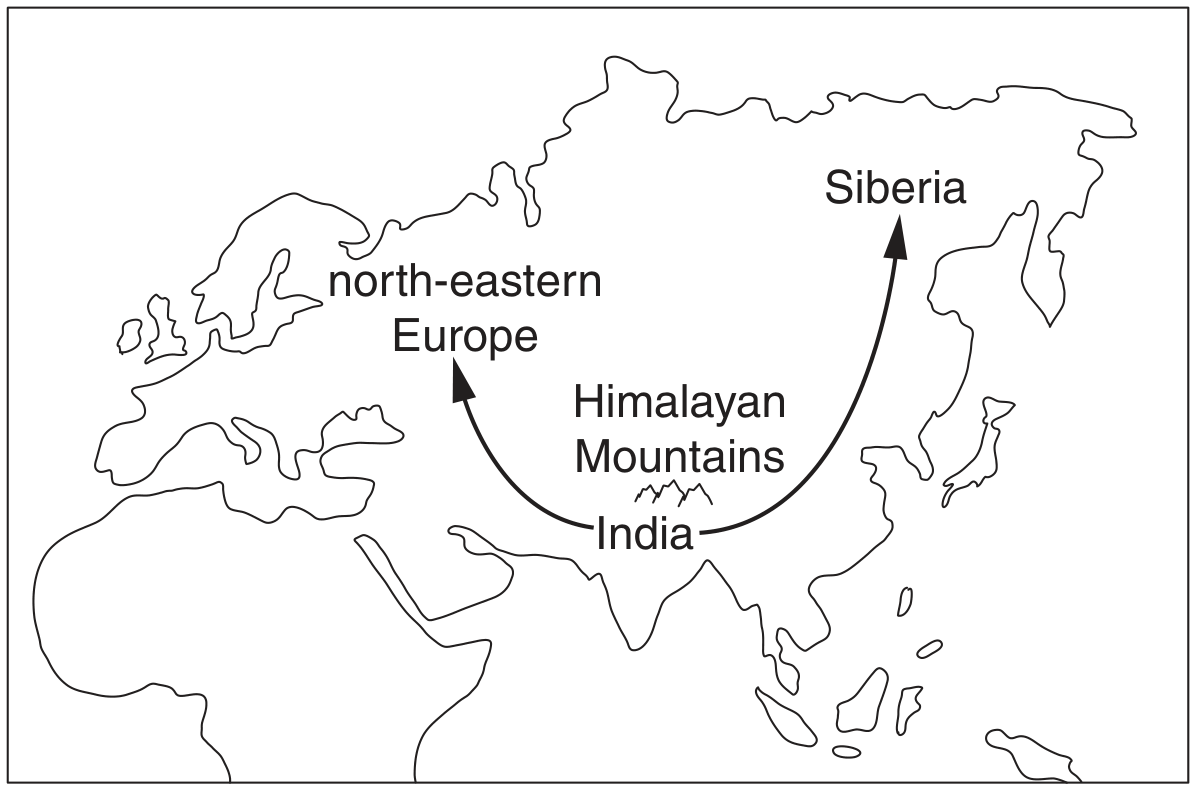
Thousands of years ago, populations of the greenish warbler spread around the western and eastern edges of the Himalayan mountain range to establish themselves in north-eastern Europe and Siberia.
- A gradual change in characteristics occurred in these populations, leading to different forms of the greenish warbler.
- One example of gradual change is in the song of the male warbler, which is very distinctive and is used in mating behaviour.
- When greenish warblers from north-eastern Europe meet those from Siberia no mating takes place.
- The greenish warblers from north-eastern Europe and Siberia are now considered to be two separate species.

Fig. 1.2 shows the spread of the greenish warbler.

Fig. 1.2 shows the spread of the greenish warbler.

(a)

State the likely isolating mechanism taking place in populations of the greenish warbler.

[ 1 ]
(b)

Explain how the process of speciation occurred in the greenish warbler populations.

[ 5 ]
(a)

Explain what is meant by the general theory of evolution.

[ 2 ]
(b)

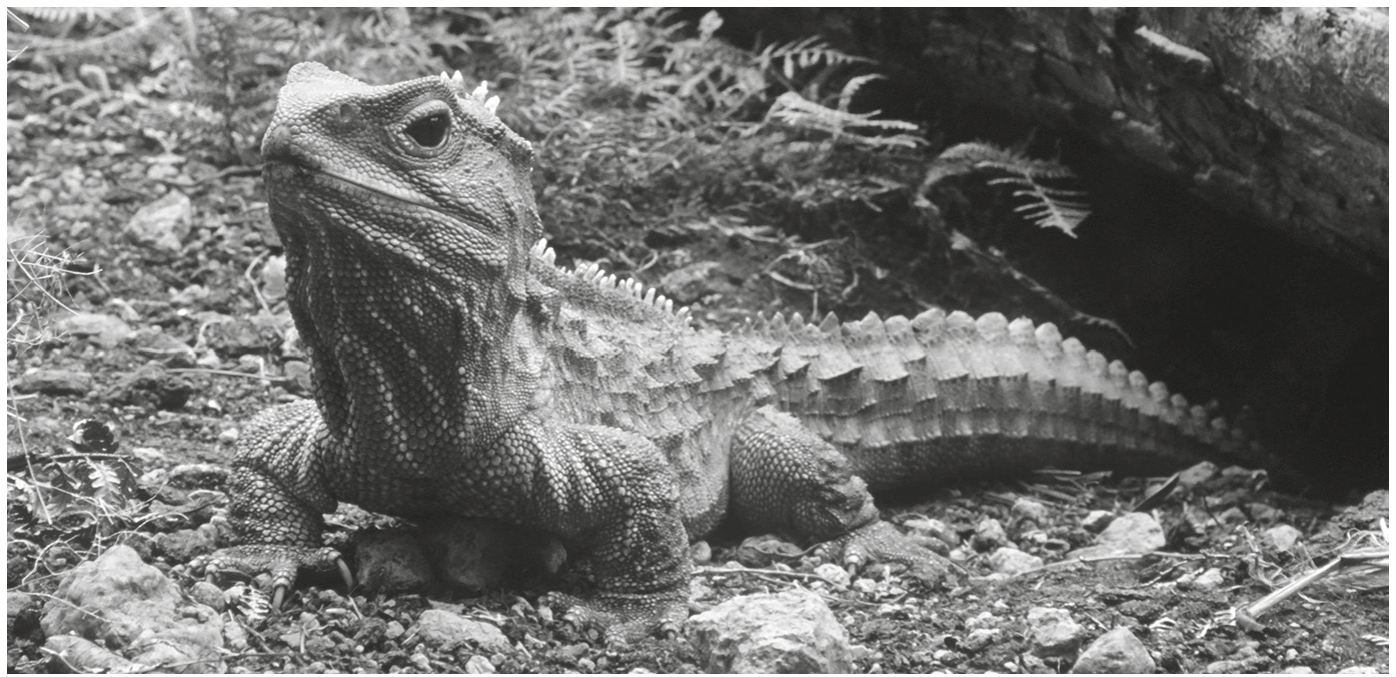
The tuatara, Sphenodon punctatus, is a reptile that is native to New Zealand. It is found nowhere else in the wild.

Fig. 1.2 shows a tuatara.

Fig. 1.2

Fig. 1.2

Tuataras have a slow growth rate and can live for over one hundred years. Fossil evidence shows that there has been little morphological change in the tuatara over the last 200 million years. This is a much lower rate of evolution than would be expected from the generation time of this species.

Suggest and explain why the tuatara has remained largely unchanged over the last 200 million years.

[ 3 ]
(a)
(i)

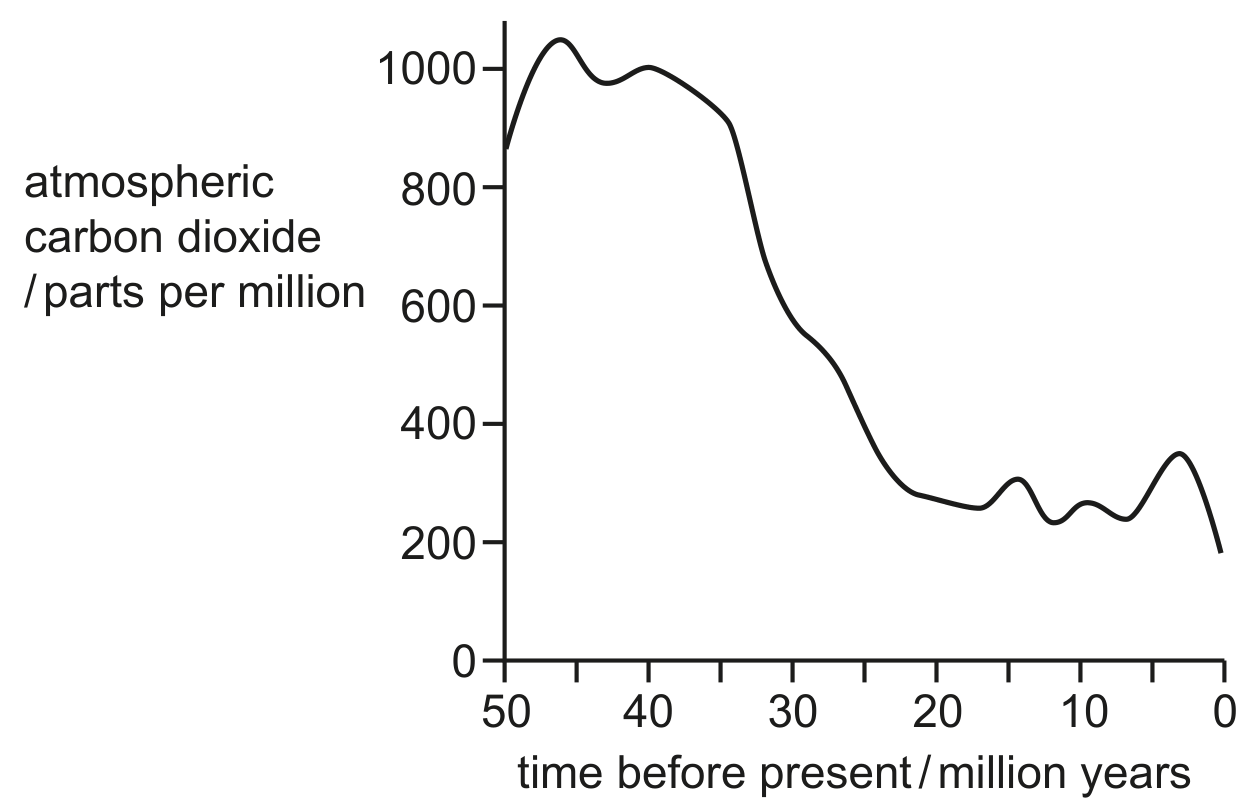
C4 plants have higher rates of photosynthesis than C3 plants when the ratio of atmospheric oxygen to atmospheric carbon dioxide is high.

Fig. 1.2 shows the atmospheric carbon dioxide concentration in the last 50 million years.

Fig. 1.2

Fig. 1.2

There is evidence that C4 plants first appeared 30 million years ago.
With reference to Fig. 1.2, suggest why C4 plants first appeared 30 million years ago.

[ 3 ]
[Maximum number: 4]

The evolutionary origin of the four-legged amphibians (such as frogs and toads) from fish has been the subject of much debate for many years.

Among living fish, the rarely-caught coelacanth and the lungfish are thought to be most closely related to these amphibians.

Samples of blood were taken from two coelacanths that were captured recently near Comoros.

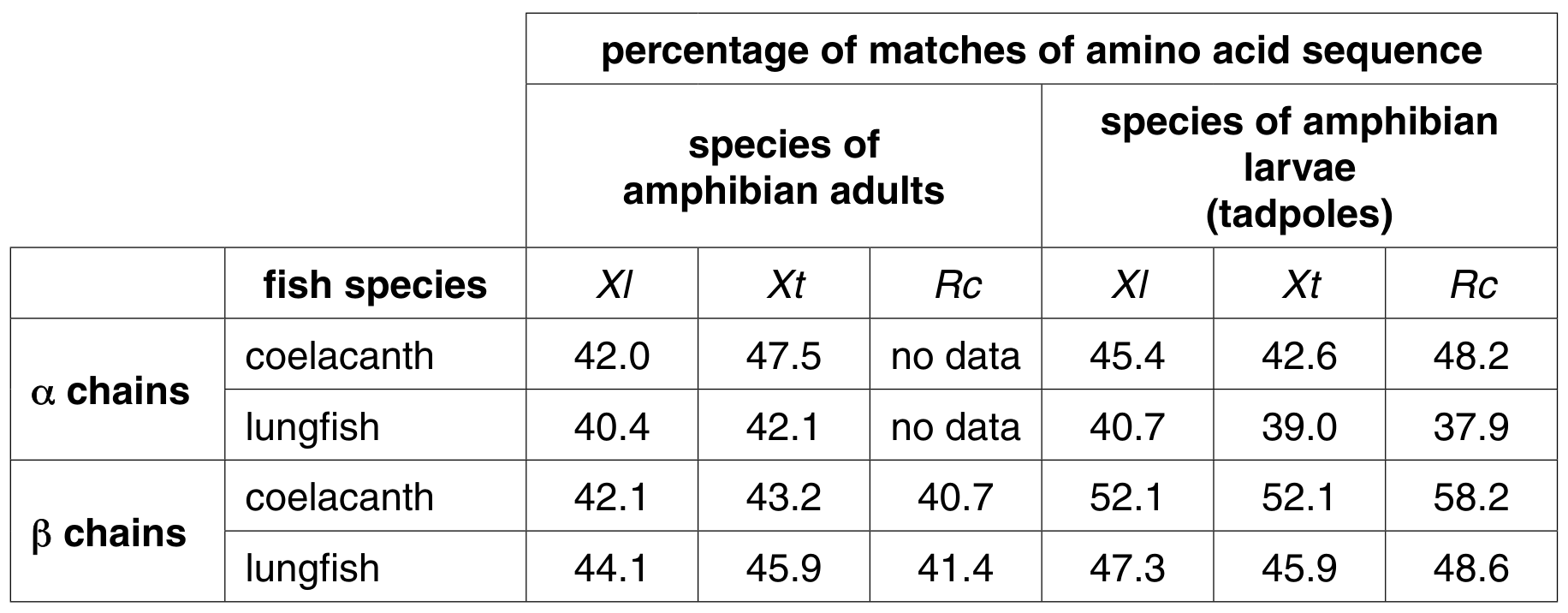
The amino acid sequences of the α\alpha and β\beta chains of coelacanth and lungfish haemoglobin were compared with the known sequences of amphibian adults and their aquatic larvae (tadpoles). Organisms with more matches in the amino acid sequence of a polypeptide chain share a more recent common ancestor than those with fewer matches.

The comparisons with three species of amphibians, Xenopus laevis (XI), X. tropicana (Xt) and Rana catesbeiana (Rc) are shown in Table 2.1.

Table 2.1

Table 2.1

(a)
(i)

Explain whether or not the information in Table 2.1 supports the suggestion that coelacanths and amphibians share a more recent common ancestor than do lungfish and amphibians.

[ 4 ]
(b)

Explain the role of isolating mechanisms in the evolution of new species.

[Maximum number: 3]

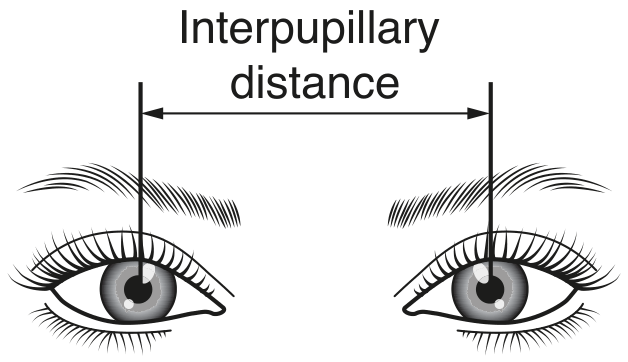
The interpupillary distance (IPD) is the distance in millimetres between the centres of the pupils of the eyes. Fig. 2.1 shows how IPD is measured.

Fig. 2.1

Fig. 2.1

IPD is one example of a characteristic of human facial structure that shows variation.
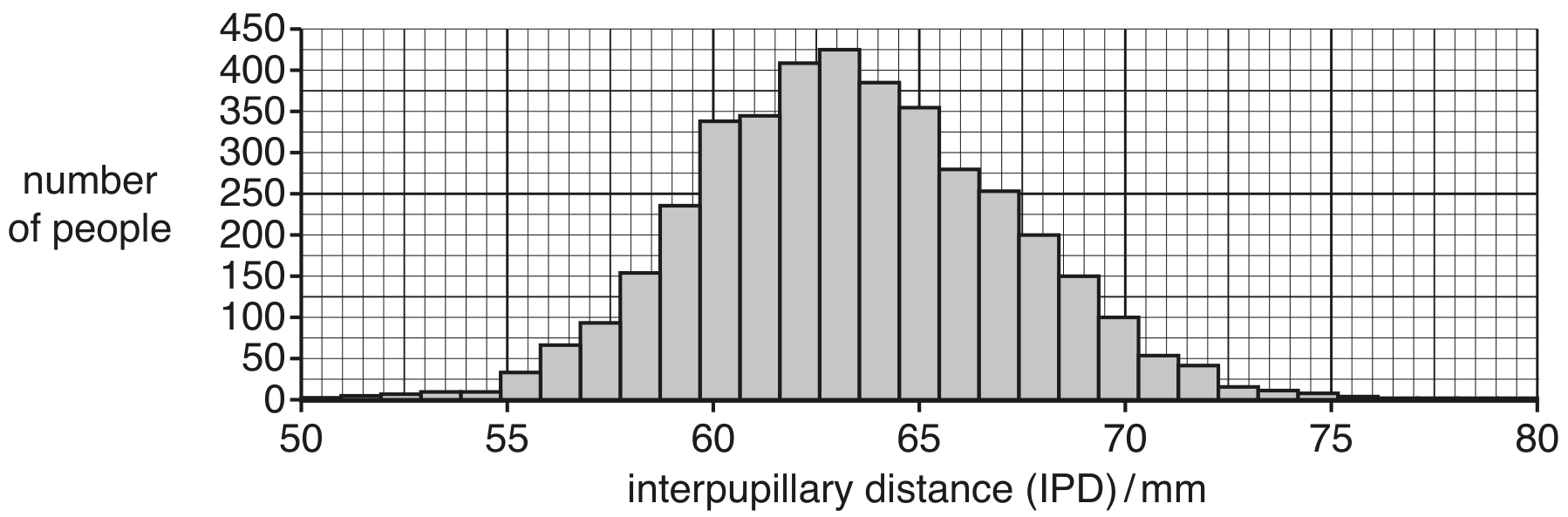
Fig. 2.2 shows the pattern of variation in IPD in a large sample of adults.

Fig. 2.2

Fig. 2.2

(a)

Individuals with an IPD of 70 mm or more have a mutation in the PAX3 gene that results in less PAX3 protein being made.

The normal role of the PAX3 protein is to increase the expression of many other genes involved in embryonic development. These genes affect a range of phenotypic features such as facial structure, hearing and eye colour.

[ 3 ]
(i)

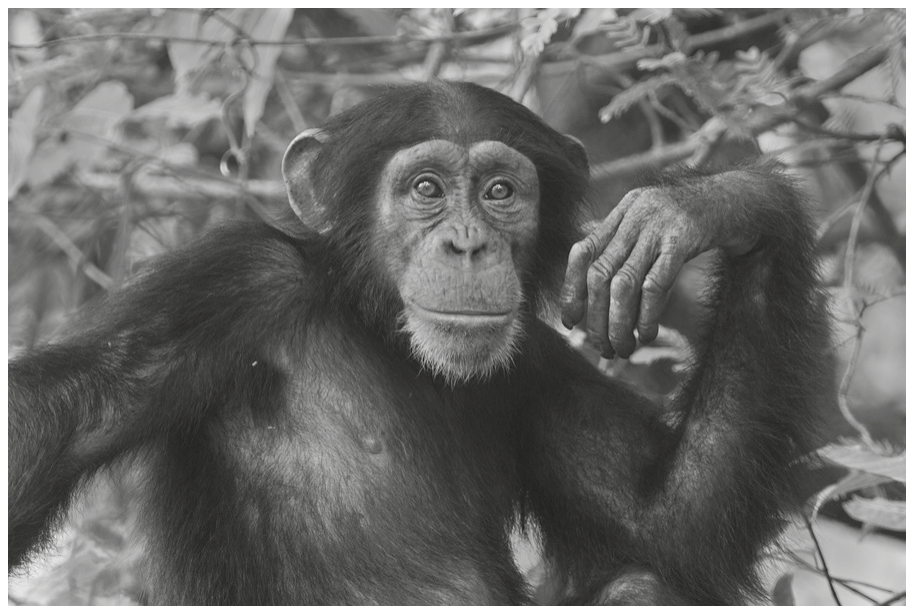
The chimpanzee, Pan troglodytes, has DNA that is 98.5 % similar to humans, including possession of the PAX3 gene. Investigations show that chimpanzees express higher levels of the PAX3 protein during embryonic development than humans.

Fig. 2.3 shows a chimpanzee, Pan troglodytes.

Fig. 2.3

Fig. 2.3

Suggest how knowledge of the P A X 3 gene helps scientists explain how humans and chimpanzees are very different in facial structure, even though they have very similar DNA.

[ 3 ]
0